
2027 How to Become a Caregiver: Certification Requirements in Iowa

Co-Founder and Chief Data Scientist
Caregiving in Iowa offers a stable career path with growing demand driven by an aging population. In Iowa, over 20% of residents are aged 65 or older, creating numerous job opportunities for certified caregivers. Certification enhances job prospects and ensures adherence to state standards that protect vulnerable individuals.
This article outlines the specific certification requirements in Iowa, including training hours and competency evaluations. Prepared by experts in career planning, it provides clear, actionable guidance to help potential caregivers meet qualifications efficiently. Readers will find practical strategies to navigate certification and advance their careers confidently in the Iowa caregiving field.
Key Things to Know About Becoming a Caregiver in Iowa
- Complete a state-approved 75-hour training program, including 16 hours of clinical experience to meet Iowa’s basic caregiver certification standards.
- Pass the Iowa Nurse Aide Competency Evaluation, covering both written and practical skills, to demonstrate readiness for caregiver duties.
- Renew certification every two years by completing continuing education and submitting required documentation to maintain compliance with Iowa’s workforce regulations.
- What education is required to become a certified caregiver in Iowa?
- How many training hours are required for caregiver certification in Iowa?
- What topics are covered in caregiver training programs in Iowa?
- Is there a state exam for caregiver certification in Iowa?
- How do you apply for caregiver certification in Iowa?
- How much does it cost to get caregiver certification in Iowa?
- How often do you need to renew caregiver certification in Iowa?
- What are the career advancement opportunities for certified caregivers in Iowa?
- What continuing education is required for caregivers in Iowa?
- What is the salary for certified caregivers in Iowa?
What education is required to become a certified caregiver in Iowa?
Meeting education requirements to become a certified caregiver in Iowa ensures individuals are prepared to provide safe, competent care. The following outlines the essential educational criteria for entering this profession.
- Minimum Education Level: A high school diploma or GED is required, establishing necessary literacy and numeracy skills for caregiver duties and documentation.
- State-Recognized Training Program: Completing a state-approved caregiver training program is mandatory for most employment opportunities, equipping caregivers with fundamental knowledge and skills.
- Continuing Education: Ongoing education or refresher courses may be needed to maintain certification and adapt to evolving care standards within Iowa facilities.
- Specialized Training: Caregivers working with populations such as those with Alzheimer’s or developmental disabilities often need additional focused coursework tailored to those specific care challenges.
Keeping current with the education requirements for caregiver certification in Iowa is vital for long-term career success and regulatory compliance. While required caregiver training hours in Iowa are an important part of the overall process, this overview focuses strictly on the educational foundations before training specifics.
For those seeking ways to further enhance their skills or explore related healthcare roles, resources like how can I advance my career in medical billing and coding offer pathways beyond caregiving to deepen healthcare expertise.
How many training hours are required for caregiver certification in Iowa?
In Iowa, the required caregiver training hours vary by employer and caregiving role, as there is no single statewide mandate applicable to all caregivers. However, most home care aide positions expect a minimum amount of training to meet industry standards and regulatory guidance.
- Initial Training: 13 Hours: Iowa home care aides typically need 13 hours of initial training. This includes foundational topics such as client rights, infection control, emergency response, and basic caregiving skills to ensure caregivers can begin work safely and confidently.
- Annual Training: 12 Hours: Continuing education requirements generally include 12 hours of yearly training. These sessions update caregivers on new safety protocols, changes in regulations, and refresh essential skills to maintain quality care.
- Classroom and Hands-On Instruction: While Iowa does not dictate precise time splits, training often combines classroom learning with practical, hands-on experience. Classroom components cover theory and policies, while hands-on training develops real-world caregiving skills through practice and supervised scenarios.
What topics are covered in caregiver training programs in Iowa?
Comprehensive caregiver training in Iowa equips individuals with the necessary skills to provide high-quality care while meeting Iowa caregiver training requirements. These training programs cover a wide range of topics designed to foster caregiver confidence and ensure the well-being of those receiving care. Core training topics include:
- Personal Care Skills: Techniques for assisting with daily living activities such as bathing, dressing, grooming, toileting, and feeding, focusing on preserving dignity and independence.
- Instrumental Activities of Daily Living (IADLs): Support tasks like meal preparation, medication management, housekeeping, and transportation that help clients maintain quality of life in community settings.
- Infection Control: Proper hand hygiene, use of personal protective equipment (PPE), and cleaning protocols to prevent infection risks, especially for vulnerable populations.
- Communication Skills: Strategies to enhance communication with clients, families, and healthcare professionals, including handling cognitive or sensory impairments.
- Safety Procedures: Creating safe environments, fall prevention, safe transfers, and emergency preparedness to reduce accidents and respond effectively.
- Emergency Response: Recognizing medical emergencies, providing basic first aid and CPR, and understanding when to seek further medical assistance.
- Patient Rights and Advocacy: Understanding privacy, informed consent, respectful care, and advocating for client preferences and needs.
- Behavior Management Strategies: Techniques to manage challenging behaviors, identify triggers, and apply positive reinforcement, especially for clients with developmental disabilities.
- Health Monitoring and Maintenance: Observing, documenting health changes, safely administering medications, and supporting chronic disease management.
- Person-Centered Planning: Developing individualized care plans tailored to each client’s preferences, goals, and cultural background to promote autonomy.
- Cultural Competency: Respecting diverse beliefs, values, and backgrounds and adapting care accordingly to meet unique client needs.
- Documentation and Confidentiality: Proper care activity documentation, incident reporting, and maintaining confidentiality following legal regulations.
For those exploring caregiver certification options, it is useful to compare credentials like CBCS vs CPC certification pros and cons in related healthcare fields to understand industry standards and expectations.
Is there a state exam for caregiver certification in Iowa?
Many states require a formal exam for caregiver certification to ensure individuals have the knowledge and skills necessary to provide safe, competent care. Such exams establish a minimum standard that protects both care recipients and caregivers, promoting trust in the profession.
In Iowa, caregiver certification does require passing a state exam for certain roles, most notably Certified Nursing Assistants (CNAs). The exam includes both a written (or oral) test and a practical skills demonstration. The written portion covers core caregiving concepts, patient rights, safety protocols, and communication, while the skills test evaluates essential hands-on tasks like infection control, assisting with mobility, and emergency response.
To be eligible, candidates must complete at least 75 hours of state-approved training that addresses basic nursing care, safety procedures, and patient interaction. Certification is awarded only after successfully passing both components, allowing caregivers to work in healthcare facilities and in roles funded by Medicare or Medicaid.
For caregivers in private-pay settings, Iowa does not require a state exam or formal certification. Instead, many agencies implement their own orientation and competency evaluations. Prospective caregivers in this area are encouraged to pursue at least 8 hours of training annually to maintain core skills and meet employer expectations.
How do you apply for caregiver certification in Iowa?
Following the correct steps to apply for caregiver certification in Iowa ensures compliance with state rules and speeds up approval for employment. Meeting all eligibility criteria and submitting accurate documentation helps avoid delays and supports a smooth certification process.
- Verify Eligibility Requirements: Applicants must have a high school diploma or equivalent, meet age and legal status requirements, and for CNAs, complete a state-approved training program.
- Complete Required Training: CNA candidates must finish a 75-hour course offered by approved providers such as community colleges, covering essential caregiving skills.
- Gather Necessary Documentation: Prepare proof of training completion, valid photo ID, and, when applicable, a healthcare practitioner certification form naming you as the caregiver.
- Submit Online Application: Applications for medical cannabis patient caregivers go through the Iowa Department of Health and Human Services website; CNA applicants use the Direct Care Worker Registry portal.
- Register for Competency Exam (if applicable): CNA candidates must register for and pass a competency exam held at community colleges or online to be listed on the registry.
- Undergo Background Checks: A criminal background check must be passed to ensure there are no convictions related to abuse or neglect.
- Upload Supporting Documents: Upload all required certificates, ID, and healthcare forms; agencies may need additional documents like proof of liability insurance and staff qualifications.
- Electronically Sign and Submit Attestation: Confirm the accuracy of application information by signing an electronic attestation form.
- Pay Registration Fees: Pay the non-refundable registration fee online, such as $25 for medical cannabis primary caregivers.
- Await Application Review and Approval: After submission, monitor for email notifications about approval or requests for more information; approved caregivers receive a digital certification card.
A caregiver from Iowa, who recently graduated from a local community college, shared her experience navigating the certification process. She found that although completing the 75-hour training was straightforward, coordinating the required documents and understanding the application portal took extra patience. “The background check was a bit nerve-wracking at first, but knowing it’s a standard step made it easier,” she said. The electronic attestation and online payment simplified finalizing the application, and receiving the digital certification card brought a sense of accomplishment. Her advice: “Stay organized and double-check each step because the system moves fast once everything is in order.”
How much does it cost to get caregiver certification in Iowa?
Knowing the cost of caregiver certification in Iowa helps aspiring caregivers budget effectively and choose the right training path. These expenses can vary based on the type of caregiver role, the program provider, and specific state or employer requirements, influencing how you plan your training and entry into caregiving.
- Training Program Tuition: Basic caregiver certification usually costs between $50 and $100, while more comprehensive programs like Certified Nursing Assistant (CNA) training range from $500 to $2,000 at community colleges or vocational schools.
- Textbooks and Course Materials: Costs for required materials vary; some programs include them, but typically you can expect to pay $50 to $100 for textbooks and manuals.
- Application and Registration Fees: These fees generally range from $50 to $200 and may be lower for online programs compared to in-person courses.
- Background Checks: Most training or employers require background checks costing around $15 to $30, sometimes included in overall fees.
- Exam Fees: State exams for roles like CNA usually cost between $65 and $100, depending on the provider and exam format.
- CPR/First Aid Certification: Often required by employers or programs, CPR and First Aid certification courses typically cost $20 to $50.
- Annual Training or Recertification: Some certifications require yearly continuing education or workshops with costs between $30 and $100 annually.
The total investment in Iowa caregiver training program fees depends on factors such as the type of training provider—community colleges often offer more affordable tuition than private institutions—and whether the program meets all state and employer mandates. Choosing between online and in-person formats also affects cost and flexibility. For guidance on credential choices and career options, consider reviewing the differences between medical billing and coding certificate and bachelors degrees, as understanding related medical certifications can clarify your professional pathway.
How often do you need to renew caregiver certification in Iowa?
Certification renewal ensures caregivers in Iowa remain competent and compliant with evolving state regulations and industry standards. This process is crucial for maintaining public safety and demonstrating that caregivers’ skills and credentials stay current and valid. Without regular renewal, caregivers risk losing their professional standing and job eligibility.
In Iowa, caregivers must renew their certification annually for nationally recognized credentials such as the National Caregiver Certification. Renewal involves submitting an application and paying a fee, typically ranging from $59 to $149, depending on the certification. Failure to renew leads to inactive status, which can prevent employment until renewal is completed. While additional requirements may apply for specialized roles, annual renewal is the foundational obligation for most caregiver certifications in Iowa.
What are the career advancement opportunities for certified caregivers in Iowa?
Certified caregivers in Iowa can expand their roles and expertise through targeted skill development and leadership training. Many professionals leverage their certification as a foundation to explore supervisory positions, specialized clinical roles, or cross-disciplinary fields. For instance, acquiring additional training in rehabilitation or therapy can open pathways into related healthcare sectors and further support career diversification. Those seeking to broaden their scope may also evaluate pathways such as how to become an occupational therapist in Iowa to build a more dynamic professional profile.
What continuing education is required for caregivers in Iowa?
Continuing education is a critical element for caregivers in Iowa, ensuring they keep their skills current, provide high-quality care, and comply with state regulations. Ongoing training supports caregivers in adapting to new healthcare protocols, improving safety, and meeting evolving client needs. Staying informed about continuing education requirements is essential for career longevity and professionalism.
- Certified Nursing Assistants (CNAs): Must complete at least 12 hours of annual in-service training, covering topics such as infection control, resident rights, safety, dementia care, and abuse prevention. This training is required every year to maintain active registry status in long-term care settings.
- Registered and Licensed Practical Nurses: Required to earn 36 contact hours of approved continuing education every three years to renew their licenses. Courses include nursing practice, healthcare management, ethics, and sciences relevant to patient care.
- Personal Care Aides and Home Health Aides: No mandated continuing education state-wide; however, optional or employer-driven training is recommended, especially in specialty areas like behavioral health or Alzheimer’s care.
A caregiver from Iowa who graduated from a local nursing school shared their experience navigating these continuing education demands. They described the challenge of balancing work, family life, and finding quality educational opportunities that fit state-approved standards. “The annual CNA in-service training felt intense at first,” they explained, “but it quickly became clear how valuable it is for handling real-world situations. I appreciated that each session addressed practical topics tailored for our resident population.”
For their part, the caregiver emphasized the importance of staying organized to track hours and documentation, recognizing that these steps not only preserved their certification but also enhanced confidence in delivering care. They felt reassured knowing that ongoing learning is both a professional expectation and an opportunity for growth within Iowa’s caregiving community.
What is the salary for certified caregivers in Iowa?
Certified caregiver salaries in Iowa are shaped by various factors, including the caregiver’s level of certification, the type of employer, such as private agencies or hospitals, and the location within the state. Experience, specialized training, and whether the work is full-time or part-time also play important roles in determining pay. Those pursuing certification can benefit from understanding these influences to better plan their career path and training options.
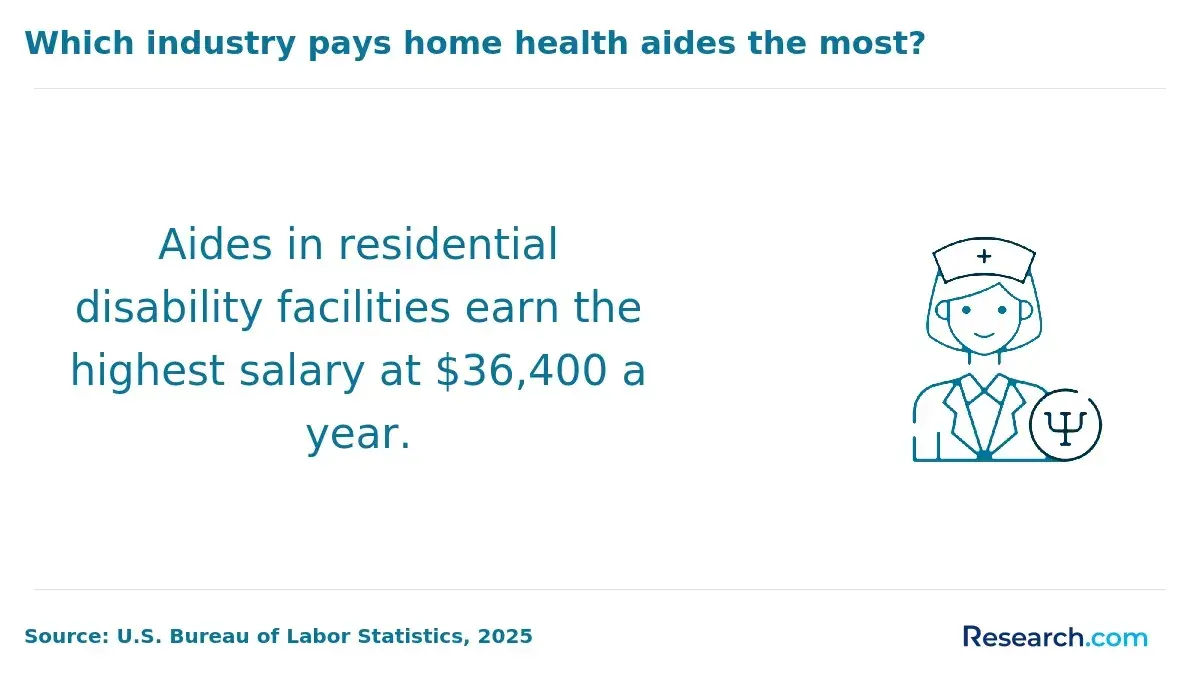
- Average Certified Caregiver Salaries in Iowa: Certified caregivers earn an average annual salary of $39,151, which breaks down to about $19 per hour, $753 weekly, or $3,263 monthly as of September 2025.
- Hourly Wage Range: The typical hourly rate ranges from $15 to $21, with some positions paying as low as $8.30 and others as high as $24.95, depending on experience, employer, and job duties.
- Comparison to National Average: Iowa’s average hourly wage of $19 is slightly above the national average for certified caregivers, which is approximately $17.38 per hour, indicating generally higher pay in this state.
- Variation by Employer: Caregivers working for agencies like Home Care Assistance typically earn between $16.44 and $16.76 per hour, about 8% higher than national pay rates for similar roles.
- Broader Pay Context: Across all caregiving roles in Iowa, including non-certified positions, average salaries hover around $32,078 per year, with certified caregivers usually earning toward the upper end of this range.
To enhance earning potential, pursuing additional credentials or specialized training—such as taking billing and coding classes—can provide valuable skills that differentiate certified caregivers in a competitive job market.
What jobs can you get with caregiver certification in Iowa?
Caregiver certification in Iowa opens the door to a variety of career opportunities across healthcare and social support services. Certified caregivers are essential in many settings, providing vital assistance that improves quality of life for individuals with different needs. Pursuing certification allows you to access several specialized roles and build a meaningful career.
- Home Health Aide: Home health aides support clients in private residences by assisting with personal care activities such as bathing, dressing, and meal preparation. They often work under healthcare professionals and may help with medication reminders and basic health monitoring.
- Personal Care Attendant: These attendants provide companionship and assist with hygiene and household tasks, helping clients maintain independence, usually through home care agencies or direct home support.
- Residential Care Aide: Working in assisted living or group homes, residential care aides assist residents with personal care, organize activities, and focus on safety in communal living settings.
- Hospice Aide: Hospice aides deliver compassionate end-of-life care in homes or hospice facilities, emphasizing comfort and emotional support for patients and their families.
- Certified Nursing Assistant (CNA): CNAs work in nursing homes, hospitals, or long-term care facilities, assisting with mobility, hygiene, feeding, and vital signs monitoring. Iowa requires completion of a state-approved training and certification exam for CNAs.
- Direct Support Professional (DSP): DSPs support individuals with intellectual or developmental disabilities, promoting independence and community involvement in residential or community settings. These direct support professional positions are increasingly in demand due to growing needs for specialized care.
- Medication Aide: Medication aides are certified to administer medications in care facilities under nursing supervision and assist with caregiving and health monitoring tasks.
Certified caregivers in Iowa can explore career advancement or related roles by seeking additional certifications or education. For those interested in broadening their skill set, this knowledge can complement other training programs such as how to become a certified medical coder and biller with no experience, opening further avenues in healthcare administration and support services.
What Do Caregivers in Iowa Say About Their Career
- Completing the caregiver program at Des Moines Area Community College gave me the solid foundation I needed to confidently start my career working in a local school here in Iowa. What I appreciate most is the stability this profession offers and the chance to grow professionally while making a real difference every day. Being part of a community that values education and care profoundly motivates me, especially seeing how my support helps students thrive both academically and emotionally. Billy
- My journey began at Kirkwood Community College, where the caregiving program was not just about skills but also personal growth. Starting my work in a local school’s academic environment opened my eyes to the unique challenges Iowa kids face, including access to resources and adaptive learning. It’s deeply fulfilling to contribute positively to these students’ experiences, fostering a sense of safety and inclusion within our schools. This career has truly expanded my understanding of community and purpose. Annalyn
- Graduating from Iowa Central Community College’s caregiver program positioned me well to take advantage of Iowa’s supportive network for educators and caregivers. Working as a caregiver in a local school, I’ve encountered a wide range of cultural backgrounds and talents, which has enriched my professional journey. The opportunities for career advancement here are encouraging, but what really drives me is the joy of helping young people build resilience and confidence in their unique environments. Ritchie
Related Articles for Nearby States
- 2027 How to Become a Caregiver: Certification Requirements in Minnesota
- 2027 How to Become a Caregiver: Certification Requirements in Wisconsin
- 2027 How to Become a Caregiver: Certification Requirements in Illinois
- 2027 How to Become a Caregiver: Certification Requirements in Nebraska
- 2027 How to Become a Caregiver: Certification Requirements in South Dakota
- 2027 How to Become a Caregiver: Certification Requirements in Missouri
- 2027 How to Become a Caregiver: Certification Requirements in Kansas
- 2027 How to Become a Caregiver: Certification Requirements in Indiana
- 2027 How to Become a Caregiver: Certification Requirements in North Dakota
- 2027 How to Become a Caregiver: Certification Requirements in Michigan
References:
- Transfer To/From the Iowa DCW Registry | Department of Inspections, Appeals, & Licensing https://dial.iowa.gov/licenses/medical/direct-care/how-do-i-transfer-tofrom-iowa-dcw-registry
- Travel Nursing: How to Transfer CNA License to Another State https://www.careerstaff.com/clinician-life-blog/how-to-transfer-your-cna-license-to-another-state/
- How to Get Certified in Other States as a Traveling CNA - Marvel Medical Staffing https://marvelmedstaff.com/how-to-transfer-license-as-a-traveling-cna/
- What Are the Free CNA Reciprocity States? | IntelyCare https://www.intelycare.com/career-advice/what-are-the-free-cna-reciprocity-states/
- CNA License Reciprocity in Iowa - The CNA Guide https://thecnaguide.com/cna-license-reciprocity/iowa/
- CNA Reciprocity and Certification Requirements by State | Vivian Community Hub https://www.vivian.com/community/career-resources/cna-reciprocity-and-certification-requirements-by-state/
- State Regulations Apply Medicaid Penalty Period To Caregiver Payments. | Center for Agricultural Law and Taxation https://www.calt.iastate.edu/annotation/state-regulations-apply-medicaid-penalty-period-caregiver-payments
- Iowa Code Section 135C.33 (2024) - Employees and certified nurse aide trainees — child or dependent adult abuse information and criminal record check options — evaluations — application to other providers — penalty. :: 2024 Iowa Code :: U.S. Codes and Statutes :: U.S. Law :: Justia https://law.justia.com/codes/iowa/title-iv/chapter-135c/section-135c-33/
- Caregiver Rights in the Workplace - Special Needs Alliance https://www.specialneedsalliance.org/the-voice/caregiver-rights-in-the-workplace/
- The Family and Medical Leave Act - Iowa Legal Aid https://iowalegalaid.org/resource/the-family-and-medical-leave-act/
Other Things You Should Know About Becoming a Medical Assistant in Iowa
In 2027, Iowa does not mandate a specific certification for caregivers. However, those seeking to become Certified Nursing Assistants (CNAs) need to complete a state-approved training program, which typically lasts 75 hours. This includes classroom instruction and clinical training, followed by a competency exam.
Caregiver certification from another state typically cannot be directly transferred to Iowa due to state-specific regulations and training requirements. Each state establishes its own standards for caregiver education, background checks, and testing, which means Iowa requires caregivers certified elsewhere to meet its unique criteria before practicing. However, some training or experience may be recognized as partial fulfillment, potentially reducing the time or coursework needed for Iowa certification. Ultimately, caregivers must contact Iowa’s Department of Inspections and Appeals or the relevant agency to determine the exact process and whether any reciprocity applies.
In Iowa, caregivers can maintain certification by completing continuing education requirements and renewing their certification as per the state’s guidelines. Staying informed about changes in regulations and attending additional training sessions or workshops can also help in maintaining their certification.
Becoming a certified caregiver in Iowa typically takes several weeks to complete the required steps, depending on the training program chosen and scheduling availability. The state mandates at least 75 hours of training, which includes both classroom instruction and supervised practical experience, often completed within a few weeks if pursued full-time. After finishing the training, candidates must pass a competency evaluation to earn certification. Overall, motivated individuals can expect the entire process from enrollment to certification to take about one to two months, making it a relatively quick pathway to enter the caregiving profession in Iowa.


