
2027 How to Become a Certified Financial Planner in Utah

Co-Founder and Chief Data Scientist
Utah's financial advisory sector is experiencing robust growth, with employment opportunities projected to increase by 7% over the next decade, reflecting a strong demand for Certified Financial Planners (CFPs). This trend indicates that pursuing a career as a CFP in Utah offers promising job security and competitive earning potential in a state known for its expanding economy and high median household income. Professionals with CFP certification possess a distinct advantage given the increasing complexity of financial planning needs among Utah residents.
This article outlines the precise steps to become a Certified Financial Planner in Utah. Developed by experts in career planning, it provides clear guidance on education requirements, examination processes, and licensing procedures, ensuring readers access all necessary information to embark on this career path effectively.
Key Things to Know About Becoming a Certified Financial Planner in Utah
- Complete a bachelor's degree with coursework in finance, economics, or related fields; Utah's increasing demand for financial planners requires a strong educational foundation aligned with CFP Board standards.
- Pass the CFP® Certification Examination, a rigorous test assessing financial planning knowledge; over 80% of candidates nationally succeed within three attempts, reflecting industry competency expectations.
- Accumulate at least three years of professional experience in financial planning; Utah's workforce data shows experienced planners earn a median salary of approximately $90,000 annually, highlighting career viability.
- What are the education requirements to become a certified financial planner in Utah?
- How do you prepare for the CFP exam in Utah?
- What certifications and licenses do financial planners need in Utah?
- How often do you need to renew your CFP certification in Utah?
- What continuing education is required to maintain CFP certification in Utah?
- How much does it cost to become a certified financial planner in Utah?
- What skills do you need to become a successful certified financial planner?
- Which industries or firms hire CFP professionals in Utah?
- What is the average salary of a certified financial planner in Utah?
- How can certified financial planners advance their careers in Utah?
What are the education requirements to become a certified financial planner in Utah?
Completing the proper education is a foundational step for anyone pursuing the Certified Financial Planner (CFP®) designation in Utah, as it equips candidates with essential knowledge and meets eligibility criteria for certification. Successfully fulfilling these requirements not only enhances understanding of the profession but also prepares individuals for the rigors of the CFP exam and professional practice.
Key educational components include the following:
- Bachelor's Degree Requirement: Candidates must hold a bachelor's degree from an accredited institution in any field. This degree must be completed before or within five years after passing the CFP exam, ensuring a broad academic base and critical thinking skills fundamental to financial planning.
- CFP Board-Approved Coursework: Completion of a CFP Board-registered financial planning program is mandatory. In Utah, reputable financial planning degree programs Utah residents pursue include certificates from local universities that cover insurance, tax, retirement, estate, and investment planning, providing both theoretical knowledge and practical client case skills.
- Financial Planning Knowledge: The approved coursework thoroughly addresses core financial planning areas such as client needs analysis, plan development, and ethics. Mastery of these subjects is vital for both exam success and the ability to deliver competent, ethical advice in real-world client engagements.
- Continuing Education: CFP professionals must complete 30 hours of continuing education every two years to maintain certification, ensuring they stay current with industry changes and uphold the standards of ethical practice.
For those exploring specialized learning paths before certification, exploring options such as accounting certificates can complement the financial planning curriculum and strengthen their professional profile.
How do you prepare for the CFP exam in Utah?
Proper preparation is essential for passing the rigorous Certified Financial Planner (CFP) exam, as it reflects a candidate's readiness to deliver competent and ethical financial planning services within Utah's dynamic finance sector. Effective study strategies equip candidates to master complex concepts and navigate the test's demands successfully. The following key approaches can guide exam preparation:
- Create a Structured Study Plan: Developing a disciplined schedule with 250-300 hours of study broken into focused weekly goals helps maintain steady progress and prevents last-minute cramming, ensuring comprehensive coverage of all exam topics.
- Use CFP Board-Approved Review Materials: Engaging with officially recognized prep materials and courses guarantees alignment with exam content and enhances understanding through textbooks, question banks, and case studies designed to build exam-specific skills.
- Join Study Groups or Prep Courses: Collaborative learning environments provide expert instruction, peer support, and accountability, which improve retention and clarify challenging concepts through shared insights and discussion.
- Practice with Mock Exams: Simulated tests familiarize candidates with the exam format and time constraints, identify knowledge gaps, and increase confidence by replicating real testing conditions.
- Leverage Local Resources: Utilizing Utah-based educational programs and networks offers tailored content relevant to the regional financial landscape and valuable professional connections for ongoing career development.
What certifications and licenses do financial planners need in Utah?
Holding the proper certifications and licenses is essential for Certified Financial Planners (CFPs) in Utah to maintain professional credibility, meet legal and ethical standards, and provide comprehensive financial advice to clients. Below are the key certifications and licenses required or commonly held by CFPs practicing in Utah.
- Certified Financial Planner (CFP) Certification: This designation, awarded by the Certified Financial Planner Board of Standards, represents the highest recognized credential for financial planners. Candidates must complete approved education, pass a rigorous exam, fulfill professional experience requirements, and commit to ongoing ethics and education standards, ensuring comprehensive financial planning expertise.
- Series 65 License (Uniform Investment Adviser Law Examination): Required for financial planners who offer investment advice or operate as investment adviser representatives in Utah. Administered by FINRA and NASAA with oversight by the Utah Division of Securities, this license certifies knowledge of relevant laws and ethics. It permits advisers to charge fees for their services legally.
- Series 7 License (General Securities Representative Exam): Necessary for CFPs who engage in buying or selling securities on behalf of clients. This FINRA-administered license validates proficiency in handling a wide range of securities products, allowing planners to provide brokerage services beyond standard financial advice.
- Utah Insurance Producer License: Financial planners selling insurance products such as life, health, or annuities must hold this license issued by the Utah Insurance Department. It requires passing state exams and pre-licensing education, ensuring compliance with insurance regulations and effective risk management advisement.
- Other Specialty Designations and Licenses: Some Utah planners enhance their qualifications with credentials like the Chartered Financial Consultant (ChFC) or Certified Public Accountant (CPA), offering specialized knowledge in tax planning, estate strategies, or business finance. These are not mandatory but improve expertise and marketability within the industry.
Utah's evolving financial services sector demands that CFPs maintain these certifications to ensure quality and trusted advice in a competitive environment. Individuals interested in financial planning often consider related accountant jobs as part of their career path due to overlapping skills and qualifications.
How often do you need to renew your CFP certification in Utah?
Maintaining an active CFP® certification in Utah is essential for demonstrating ongoing professional competence, ethical commitment, and compliance with the standards established by the CFP Board. These requirements ensure that financial planners remain credible and trustworthy in a competitive marketplace. The key renewal obligations include the following:
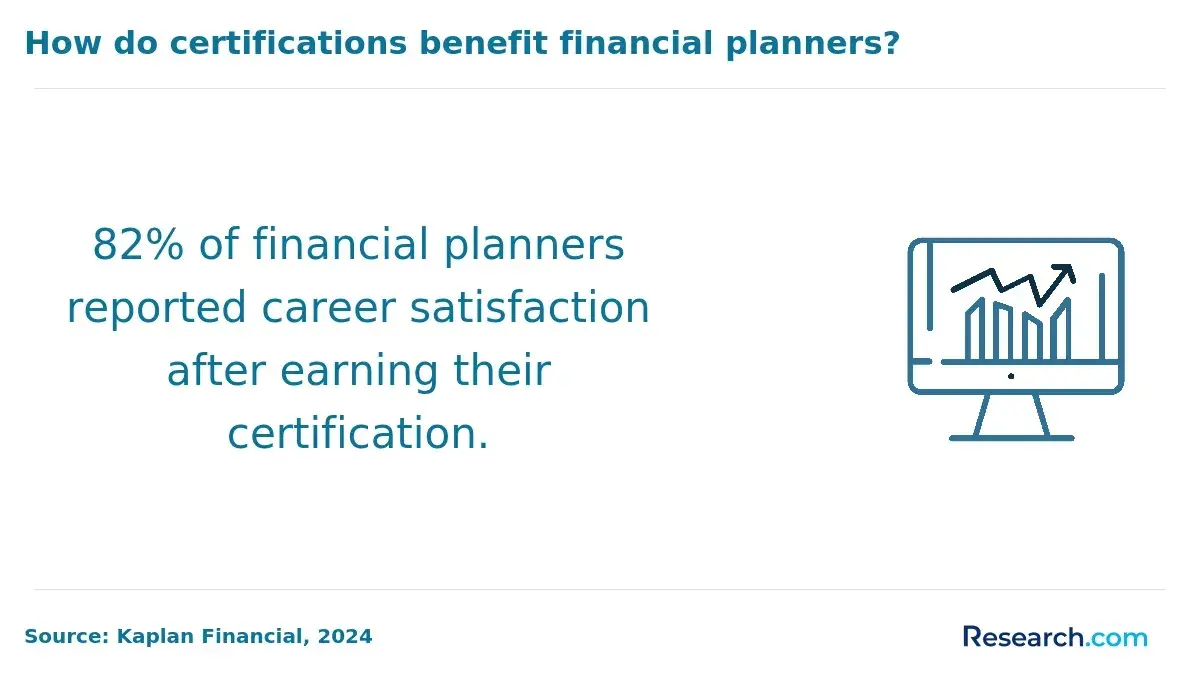
- Annual Renewal Period: CFP® professionals must renew their certification every year before the expiration date shown on their CFP Board ID card. This timely renewal safeguards their ability to use the CFP marks and maintain good standing within Utah's financial planning community.
- Renewal Application: Each year, CFPs complete an online Renewal Application to verify adherence to the CFP Board's Code of Ethics and Standards of Conduct. This process also includes updating personal and professional information, which supports transparency and compliance.
- Ethics Course Completion: Every two years, CFPs are required to fulfill a two-hour pre-approved ethics course as part of their continuing education. This training reinforces understanding of ethical responsibilities vital to serving clients with integrity.
- Renewal Fees: An annual, non-refundable fee must be submitted before certification expiration. Late payments incur a penalty fee, emphasizing the importance of meeting financial obligations to maintain certification privileges.
- Continuing Education Requirement: CFPs must complete additional continuing education every two years, ensuring they stay current with industry developments, regulatory changes, and best practices in financial planning.
What continuing education is required to maintain CFP certification in Utah?
Continuing education is vital for Certified Financial Planner (CFP) professionals in Utah to keep pace with evolving financial regulations, uphold ethical standards, and apply best practices in client service. These requirements ensure that CFPs maintain expertise and professionalism throughout their careers. The key continuing education obligations include:
- Total CE Hours Requirement: Complete 30 hours of continuing education every two years, ensuring financial planners stay current with industry developments and deliver the most effective advice.
- Ethics Training: Dedicate at least 2 hours to CFP Board-approved ethics courses, emphasizing integrity and ethical conduct essential to client trust.
- Approved Course Providers: Earn credits through CFP Board-registered providers such as universities and recognized education organizations, guaranteeing relevant and quality content.
- Learning Formats: Utilize flexible options, including online courses, in-person seminars, self-paced modules, or live webinars, accommodating diverse professional schedules.
How much does it cost to become a certified financial planner in Utah?
The total cost of becoming a Certified Financial Planner (CFP) in Utah can vary depending on education choices, exam preparation, and certification maintenance, representing a significant investment in a long-term financial planning career. Below are the primary costs to consider on this path.
- Education and Coursework Fees: Meeting the CFP Board's education requirement involves completing a registered program, such as the University of Utah's Professional Financial Planning Certificate. Tuition ranges from approximately $3,000 to $7,000 and includes course instruction, materials, and online platform access, providing foundational knowledge crucial for the CFP exam.
- CFP Exam Registration Fee: The exam fee, paid to the CFP Board, varies by registration period: $925 for early registration, $1,025 for standard, and $1,125 for late registration. This fee funds the comprehensive evaluation of financial planning knowledge necessary for certification.
- Certification and Renewal Costs: After passing the exam and fulfilling other requirements, candidates pay a one-time certification fee of $200. Maintaining the certification requires continuing education and a biennial renewal fee of $455 to ensure ongoing compliance with professional standards.
- Optional Exam Prep Courses: To enhance exam success, many invest in prep courses costing between $600 and $1,500. These courses typically offer practice exams, study guides, and interactive sessions, aiding those who benefit from structured review.
- Additional Expenses (Books, Materials, Application Fees): Supplemental study materials may add several hundred dollars, while application fees for certificate programs often range from $50 to $100. Budgeting for these ensures complete preparation and smooth enrollment.
Considering the CFP exam fees and education costs Utah, the overall financial commitment is notable but worthwhile given the professional opportunities available. For more information about related career options, explore jobs that you can get with an accounting degree.
What skills do you need to become a successful certified financial planner?
Developing both technical expertise and interpersonal skills is essential for certified financial planners in Utah to provide well-rounded advice and establish strong client relationships in a competitive market.
Below are the core skills underpinning financial planning competencies for Utah CFPs that lead to professional success and client satisfaction.
- Analytical Thinking: The ability to analyze and synthesize complex financial data from various sources allows CFPs to craft comprehensive plans that address investments, taxes, risk management, and estate considerations. This critical skill ensures that solutions align precisely with client goals and regulatory requirements.
- Communication Skills: Clear and effective communication helps planners translate sophisticated financial concepts into actionable strategies clients can understand and trust. This skill is vital to building rapport and ensuring clients feel empowered to make informed decisions.
- Ethical Judgment: Adherence to strict ethical standards protects client interests and reinforces professional integrity, which is increasingly demanded in Utah's financial services sector. Ethical decision-making fosters transparency and long-term trust, essential for sustaining a reputable practice.
- Client Relationship Management: Cultivating empathy and responsiveness enables CFPs to maintain durable client connections through personalized support and regular plan adjustments. Strong relationship management drives retention and referrals, vital components of career growth in Utah's financial planning community.
- Adaptability: Staying informed of regulatory updates and evolving market conditions is necessary for maintaining certification relevance and offering cutting-edge advice. Continuing education, including opportunities like bookkeeping certification online, helps planners remain agile amid industry changes.
Which industries or firms hire CFP professionals in Utah?
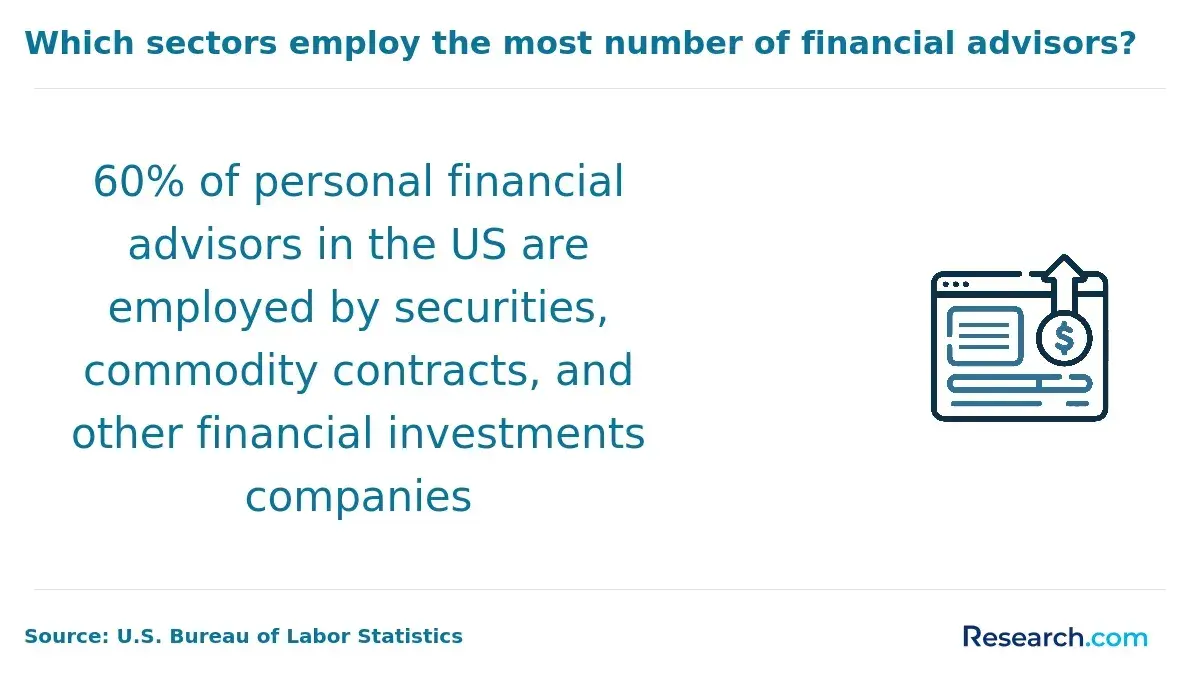
Certified Financial Planners (CFPs) in Utah can find career opportunities across diverse sectors that value financial expertise and client advisory skills, enabling them to contribute meaningfully to financial well-being. The following outlines key industries and types of firms that commonly hire CFP professionals in the region, providing varied environments for career advancement.
- Wealth Management Firms: These firms, including notable wealth management companies in Utah, employ CFPs to craft personalized financial plans and deliver ongoing wealth management services. Professionals here refine skills in asset allocation and investment strategies while directly supporting clients' financial goals.
- Banks and Financial Institutions: CFPs working within banks often focus on developing comprehensive financial plans and managing client portfolios. This setting fosters expertise in banking products combined with strategic financial advisory roles tailored to client needs.
- Insurance Companies: Integrating financial planning with risk management, CFPs in insurance firms guide clients toward securing long-term financial stability through appropriate insurance strategies. This position strengthens knowledge of risk mitigation and financial protection.
- Investment Firms: In investment-focused environments, CFPs assist clients in making informed investment decisions and portfolio management. Such roles deepen capabilities in investment analysis within complex financial markets.
- Independent Financial Advisory Practices: These practices offer a personalized client relationship model where CFPs provide comprehensive services, including retirement and estate planning. This independent setting allows customized financial advice and fosters strong client trust.
For those considering specialized financial career paths, pursuing a forensic accounting degree can further enhance analytical skills valuable in advisory roles.
What is the average salary of a certified financial planner in Utah?
The average salary of Certified Financial Planners (CFPs) in Utah varies significantly based on several professional and regional factors that shape earning potential and career advancement. The following points highlight the primary elements that influence CFP salaries across the state:
- Experience Level: Salaries tend to grow with years of experience. Entry-level CFPs typically start between $58,669 and $66,909 annually, while those with a decade or more can earn close to or above $100,000, with top earners reaching $128,000 or higher nationally. This progression reflects increased expertise, client development, and responsibility.
- Industry or Employer Type: The employing organization impacts salary markedly. CFPs working for large banks or specialized wealth management firms often command higher pay rates, sometimes exceeding $110,000. Independent practitioners may experience more income variability but can increase earnings through commissions and profit sharing.
- Certifications and Credentials: Holding the CFP designation substantially enhances salary prospects compared to non-certified advisors. Additional advanced credentials or designations add further value, signaling expertise that opens doors to higher-level roles and complex client portfolios.
- Geographic Location: Salaries differ across Utah regions. Metropolitan areas like Salt Lake City offer average salaries around $98,650, with surrounding locales such as St. George and Provo-Orem showing wider salary ranges from approximately $54,190 up to $113,790, influenced by local market demand and cost of living.
- Client Base and Business Development: CFPs with larger, affluent clienteles typically generate higher income, especially under commission or fee-based models. Building a strong client list takes time and significantly impacts long-term financial growth and career advancement.
How can certified financial planners advance their careers in Utah?
Career advancement is crucial for Certified Financial Planners (CFPs) in Utah who seek to expand their client base, increase income potential, and assume leadership or specialized roles within the state's competitive financial services environment. The following strategies highlight essential pathways for sustained professional growth and success.
- Pursue Advanced Certifications: Obtaining credentials such as Chartered Financial Analyst (CFA) or Accredited Estate Planner (AEP) enhances expertise in specialized areas, appealing to high-net-worth clients and demonstrating commitment to ongoing professional development.
- Gain Experience in Niche Financial Planning Areas: Specializing in sectors like retirement or estate planning distinguishes CFPs, allowing them to access new markets and command premium fees.
- Build a Strong Client Network: Cultivating relationships with clients and allied professionals fosters referrals and broadens career opportunities through trusted connections.
- Leverage Technology and Financial Tools: Mastery of FinTech and digital planning platforms improves service delivery and positions CFPs at the forefront of industry innovation.
- Seek Leadership or Management Roles: Advancing to supervisory or executive positions expands influence and earning potential while enabling mentorship and strategic contribution within firms.
What Do Certified Financial Planners in Utah Say About Their Career?
- Completing my certification at Weber State University gave me the solid foundation I needed to confidently enter the workforce here in Utah. Starting my career as a certified financial planner within a local school allowed me to directly influence students' futures, teaching them crucial money management skills. It's incredibly rewarding to see young people gain independence and develop responsible financial habits early on. Utah's community-oriented environment truly amplifies the impact I can make every day. I feel proud knowing my work supports both individual growth and the greater good. Aaron
- Working as a certified financial planner in Utah has uniquely challenged and inspired me through our region's diverse economy and landscapes. Graduating from Utah Valley Academy's program prepared me well with practical skills and industry insight. Still, it has been the chance to combine my profession with community engagement that excites me most. Helping residents navigate the financial demands of a growing state, while adapting to local cultural values, fuels my passion for meaningful service. The ongoing professional development opportunities here have also opened doors I never imagined possible. Yara
- Choosing to earn my CFP designation from Salt Lake City Financial Institute was one of the best decisions I've made. Early on, I started working as a certified financial planner in an academic setting, where I shared my knowledge with students eager to find stability and success. What stands out most is how personal growth and leadership intertwine in this role-I've learned so much about patience, empathy, and financial literacy tailored to our unique Utah community challenges. The career advancement potential here is impressive, and it's fulfilling to contribute positively to the well-being of families around me. Liang
Related Articles for Nearby States
- 2027 How to Become a Certified Financial Planner in Nevada
- 2027 How to Become a Certified Financial Planner in Arizona
- 2027 How to Become a Certified Financial Planner in Idaho
- 2027 How to Become a Certified Financial Planner in Wyoming
- 2027 How to Become a Certified Financial Planner in Colorado
- 2027 How to Become a Certified Financial Planner in New Mexico
- 2027 How to Become a Certified Financial Planner in California
- 2027 How to Become a Certified Financial Planner in Montana
- 2027 How to Become a Certified Financial Planner in Oregon
- 2027 How to Become a Certified Financial Planner in Washington
References:
- Renew A Utah Concealed Firearm Permit https://utahcarrylaws.com/laws/utah/cfp/renewal/
- Best Places to Live in Utah – Top 10 Cities Ranked https://bestutahrealestate.com/news/best-places-to-live-in-utah-top-10-cities-ranked
- Financial Advisor vs. Financial Planner - Kaplan Financial https://www.kaplanfinancial.com/resources/getting-started/financial-advisor-vs-financial-planner
- Financial Advisor vs CFP: Key Differences - FATI https://financialadvisortraininginstitute.org/news/what-is-the-difference-between-a-cfp-and-a-financial-advisor/
- Utah CFP - Basic Firearms Training https://basicfirearmstraining.net/utah-cfp/
- Financial advisor salary https://www.careerexplorer.com/careers/financial-advisor/salary/utah/
- CFP Career Paths: A Master Guide https://300hours.com/cfp-career-paths/
- 145 Financial Planner jobs in Utah https://www.linkedin.com/jobs/financial-planner-jobs-utah
- CFP Continuing Education (CE) Requirements & Programs https://www.cfp.net/for-cfp-pros/continuing-education
- SLC UT Financial Planning + Investment Management by CFA CFP https://fiveseasonsfinancialplanning.com/meet-paul-winter-mba-cfa-cfpr/professional-designations
Other Things You Should Know About Becoming a Certified Financial Planner in Utah
To become a Certified Financial Planner in Utah in 2027, you need a bachelor's degree, complete a CFP Board-approved education program, pass the CFP exam, gain 6,000 hours of professional experience, and adhere to the CFP Board's ethical standards.
To become a Certified Financial Planner in Utah in 2027, you must complete a CFP Board-registered education program, pass the CFP Exam, accumulate 6,000 hours of relevant professional experience, and adhere to ethical standards by passing a background check and signing the CFP Board's Ethics Declaration.
Certified Financial Planners in Utah must complete 30 hours of continuing education every two years. This includes two hours of ethics training. These requirements ensure planners stay updated with industry changes and maintain high ethical standards.


