
2027 How to Become a Mechanic in Arkansas: Requirements & Certification

Co-Founder and Chief Data Scientist
Embarking on a career as a mechanic in Arkansas offers a promising path for individuals passionate about automotive systems and hands-on problem-solving. The state's growing demand for skilled technicians presents numerous opportunities in various sectors, from automotive repair shops to specialized service centers. However, understanding the specific requirements and navigating the certification process can be challenging for aspiring mechanics.
This guide aims to simplify the journey to becoming a certified mechanic in Arkansas. It provides clear, step-by-step information on educational prerequisites, certification options, and practical training opportunities. By following this guide, you can confidently pursue a fulfilling career in the automotive industry, equipped with the knowledge to meet Arkansas's professional standards.
Key Things to Know About Becoming a Mechanic in Arkansas
- Arkansas projects a 7% job growth for automotive service technicians and mechanics through 2031, slightly above the national average.
- The median annual salary for mechanics in Arkansas is approximately $40,500, with opportunities for higher wages in metropolitan areas like Little Rock.
- Most accredited mechanic training programs in Arkansas require 6 to 12 months to complete, combining classroom instruction with hands-on experience.
- What are the steps to become a mechanic in Arkansas?
- What training and education options are available in Arkansas?
- Do you need certifications to work as a mechanic in Arkansas?
- How long does it take to become a mechanic in Arkansas?
- How much does it cost to become a mechanic in Arkansas?
- What job opportunities are available for mechanics in Arkansas?
- What future technological trends will impact mechanics in Arkansas?
- What safety standards and environmental regulations must mechanics follow in Arkansas?
- Can mechanics transition into successful business ownership?
- How much do mechanics make in Arkansas?
- What tools and skills do mechanics need to succeed?
- What are the career growth opportunities for mechanics in Arkansas?
- What are the pros and cons of becoming a mechanic in Arkansas?
- Can mechanics benefit from cross-training in complementary technical fields?
- How can mechanics build a robust professional network in Arkansas?
What are the steps to become a mechanic in Arkansas?
Getting started as a mechanic in Arkansas involves a few key steps that blend education, certification, and some legal hoops. Here’s a straightforward rundown to help you navigate the process.
- Get Your Basics Covered: You’ll need at least a high school diploma or GED to get going. Taking classes in automotive tech, electronics, and math can give you a solid edge since modern vehicles rely heavily on electronics and diagnostics.
- Enroll in a Training Program: Look for a technical school or community college offering automotive technology programs, usually lasting 6 to 12 months. These programs often have hands-on labs or externships, which are gold for gaining real-world skills and making you job-ready.
- Aim for ASE Certification: While Arkansas doesn’t require state licensing for all mechanics, employers love ASE certification. It takes passing some exams and having about two years of work experience (or a combo with formal training). This credential can really boost your job prospects and pay.
- Understand Business Licensing: If running your own repair shop is the goal, you’ll need a license from the Arkansas Motor Vehicle Commission. You must be 18+, have a driver’s license, pass a background check, and complete an approved training program. Your shop also has to meet specific facility rules like permanent signage and enough workspace.
- Tap into Local Resources: Arkansas offers workforce programs and job fairs that can connect you to training and employment. Keep an eye on these, especially if you’re open to working in rural areas where there’s strong demand for skilled mechanics.
What training and education options are available in Arkansas?
Arkansas offers a solid lineup of training and education options for anyone looking to break into the automotive repair field. Whether you're after quick certification or a more in-depth degree, there’s something to fit your timeline and goals.
Here’s a quick rundown of what you can expect:
- Technical colleges like University of Arkansas-Pulaski Technical College (UA-PTC) provide ASE-accredited programs with hands-on training and certifications in specialized areas such as chassis, brakes, and drivetrain.
- The University of Arkansas Community College at Morrilton (UACCM) offers practical courses focused on vehicle operation, maintenance, and troubleshooting to prepare you for real-world work.
- Arkansas Tech University’s two-year associate degree is NATEF-certified, covering everything from brakes to electrical systems, and even includes chances to compete in SkillsUSA for scholarships and job opportunities.
- For faster entry into the workforce, Arkansas State University-Mountain Home (ASUMH) and Arkansas State University-Beebe offer certificates of proficiency to build essential skills quickly.
- Some programs, like those at UA-PTC, also provide specialized training such as Compressed Natural Gas Vehicle (CNG) courses, keeping you up to date with evolving automotive tech.
- Plus, many schools have articulation agreements that let you transfer credits to four-year programs if you decide to keep going.
When choosing mechanic training schools in Arkansas, look for accredited programs taught by certified instructors, with good job placement rates and modern facilities. Exploring these options can help you find the right fit and set you up for success in this growing field of high-demand trade jobs.
Do you need certifications to work as a mechanic in Arkansas?
If you're thinking about working as a mechanic in Arkansas, you'll be glad to know the state doesn’t require a formal license to get started. This makes entering the field easier, but it doesn’t mean certifications aren’t important.
Most employers in Arkansas look for ASE certification for auto mechanics in Arkansas because it shows you’ve got the skills and knowledge to handle the job well. ASE certification is kind of like a badge of trust, proving you know your stuff and are committed to staying sharp. While you can work without it, having ASE credentials can really boost your chances of landing better gigs and higher pay.
There are solid educational paths too. Many local schools offer programs designed to get you ready for ASE exams. Plus, programs accredited by organizations like the ASE Education Foundation or NATEF help make sure your training matches industry standards. If you’re worried about tuition, look into grants like the Arkansas Future Grant, which can ease the financial load.
One thing to keep in mind is how quickly automotive tech changes. Staying updated with the latest tools and diagnostics is key to long-term success. If you want to increase your opportunities, consider specializing in areas like hybrid or electric vehicles.
For a closer look at related fields and what’s needed, check out this requirements to become an HVAC technician—sometimes the skills and certifications overlap or complement each other.
All in all, knowing the Arkansas mechanic certification requirements helps you make informed decisions about your career path and training choices.
How long does it take to become a mechanic in Arkansas?
Getting started as a mechanic in Arkansas can take anywhere from about a year to five years, depending on the path you choose. If you go for a Technical Certificate, you’re looking at roughly 11 months of study, which gets you into the field pretty quickly with solid hands-on skills.
For those aiming higher, an Associate Degree takes around two years and dives deeper into automotive technology. This route often leads to better job prospects since it covers a wider range of ASE certifications, which are key to proving your expertise. But don’t forget, before sitting for ASE exams, you usually need some work experience—usually a couple of years on the job—which means the full process can stretch out to a total of 3 to 5 years.
One Arkansas mechanic shared that balancing work and night classes was tough, especially when unexpected car repairs at home added pressure, but finishing the program gave a huge sense of accomplishment and confidence to handle complex engine diagnostics. That mix of real-life challenges and classroom learning really shaped their skills and work ethic.
Some people speed things up by stacking credentials—starting with a certificate and then building toward a degree while working. There are also special certifications, like those for hybrid vehicles or diesel engines, which take extra time but open doors to niche jobs. If you want to fast-track, programs tied to manufacturers like Yamaha or Toyota can give you a leg up with specialized knowledge.
Bottom line: your timeline depends on how deep you want to go and whether you pursue certifications alongside work experience. Either way, Arkansas offers plenty of flexible options to match your goals and schedule.
How much does it cost to become a mechanic in Arkansas?
Becoming a mechanic in Arkansas typically costs between $7,200 and $11,250, depending on the program and your residency status. These figures cover tuition, fees, books, and sometimes tools, but you'll want to budget a bit more for supplies and certifications.
Here’s a quick look at the main expenses you can expect when considering arkansas automotive technician training costs:
- Texarkana College offers a one-year certificate with in-state tuition and fees around $5,343, but add roughly $2,797 for tools, supplies, and a laptop, bringing the total to about $8,140.
- Out-of-state students at the same college pay about $7,863 in tuition, plus the same tool costs, totaling nearly $10,660.
- Northwest Technical Institute’s two-semester program with a summer term costs around $7,228, including fees and supplies.
- Arkansas State University Mountain Home has an all-inclusive program priced at approximately $11,250, which also provides a starter tool kit.
Keep in mind, the mechanic certification program tuition in Arkansas is just one piece of the puzzle. You’ll also want to factor in living expenses and future certification tests like ASE. Taking advantage of financial aid options and programs approved for WIOA funding can really help manage these costs. If you’re exploring career options, check out examples of quick to learn trade careers that pay well to see how automotive tech stacks up.
What job opportunities are available for mechanics in Arkansas?
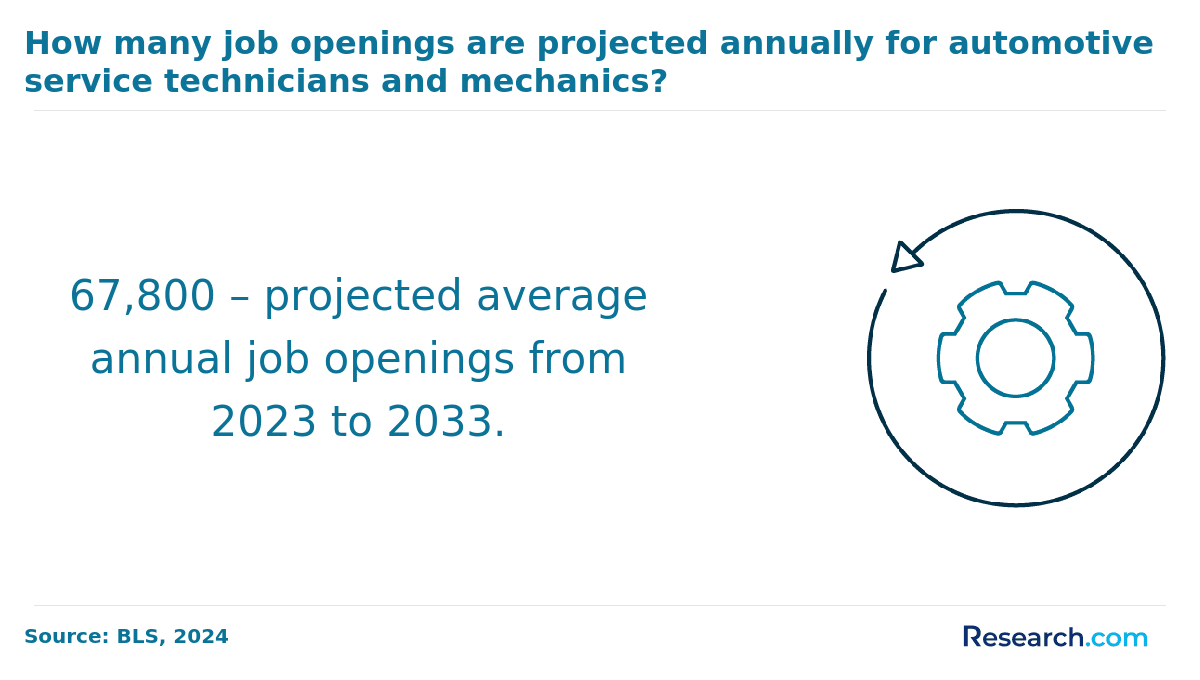
Arkansas offers a diverse array of job opportunities for mechanics, reflecting the state's robust automotive and industrial sectors. From positions in automotive repair shops and dealerships to roles in heavy equipment maintenance and diesel engine repair, mechanics can find employment across various industries.
- General Auto Mechanic Positions: Finding mechanic job openings Arkansas-wide often means focusing on Pulaski, Benton, and Washington counties where most opportunities pop up. These areas have a higher concentration of shops and dealerships, making the job hunt a bit less daunting. One Arkansas mechanic shared how landing a position required persistent networking and learning to adapt to different shop environments before settling into a steady role.
- Specialized Automotive Technician Roles: If you’re aiming to boost your pay, specializing is the way to go. Roles like auto electrical technicians or C Tech Auto specialists can earn well above the average mechanic wage. Many mechanics who took extra training in electrical systems or diagnostics found their skills in high demand, making their job search quicker and less stressful. For those looking to get started, exploring the best rated automotive mechanic trade school programs can be a smart move.
- Industrial and Manufacturing Mechanics: Arkansas’s manufacturing sector keeps industrial mechanics busy, offering steady work even when some automotive fields slow down. Mechanics transitioning from automotive roles to industrial settings reported that understanding machinery specifics and safety protocols made all the difference in landing consistent work. This shift can open doors for those willing to learn new skills on the job.
Some mechanics choose to pivot toward mechanical engineering or drafting, which have different growth rates but often require extra schooling. One mechanic reflected on the challenge of returning to school but noted the payoff in job security and salary potential. For many, these paths offer a way to stay in the broader automotive technician jobs in Arkansas scene while expanding career options.
What future technological trends will impact mechanics in Arkansas?
As automotive technology rapidly evolves, mechanics in Arkansas face a shifting landscape that demands continuous adaptation. Integrating advanced computerized diagnostics, electric vehicle repair techniques, and hybrid system maintenance are transforming traditional repair methods. Staying current with these trends not only requires dedicated on-the-job training but also participation in specialized short-term courses and certification programs. This forward-looking approach ensures that professionals remain competitive while managing increasingly complex vehicle systems. Furthermore, supplementing core automotive skills with complementary qualifications—such as learning how to get HVAC license in Arkansas—can broaden career opportunities as various technical fields become more intertwined.
What safety standards and environmental regulations must mechanics follow in Arkansas?
Mechanics face hazards ranging from exposure to chemicals to physical injuries during routine tasks. Strict adherence to safety protocols—including the proper use of personal protective equipment, compliance with OSHA guidelines, and routine equipment inspections—is crucial to minimize risks. Additionally, abiding by state and federal environmental regulations on the disposal of automotive fluids and hazardous waste ensures both legal compliance and responsible environmental stewardship. Regular safety training and staying informed about updated standards further enhance workplace safety and operational efficiency. Professionals seeking cross-disciplinary skills may also benefit from exploring how to become an electrician in Arkansas.
Can mechanics transition into successful business ownership?
Mechanics looking to establish their own auto repair shops or related service businesses in Arkansas can benefit from strong technical skills combined with strategic business acumen. Developing a solid business plan, understanding local market trends, and building networks with suppliers and financial institutions are essential to a successful transition from technician to entrepreneur. Many mechanics enhance their management and operational skills through additional business education, sometimes exploring programs offered by reputable institutions such as top business schools in Arkansas. This approach facilitates a smoother shift to ownership and positions business owners to not only sustain but also grow their operations in a competitive market.
How much do mechanics make in Arkansas?
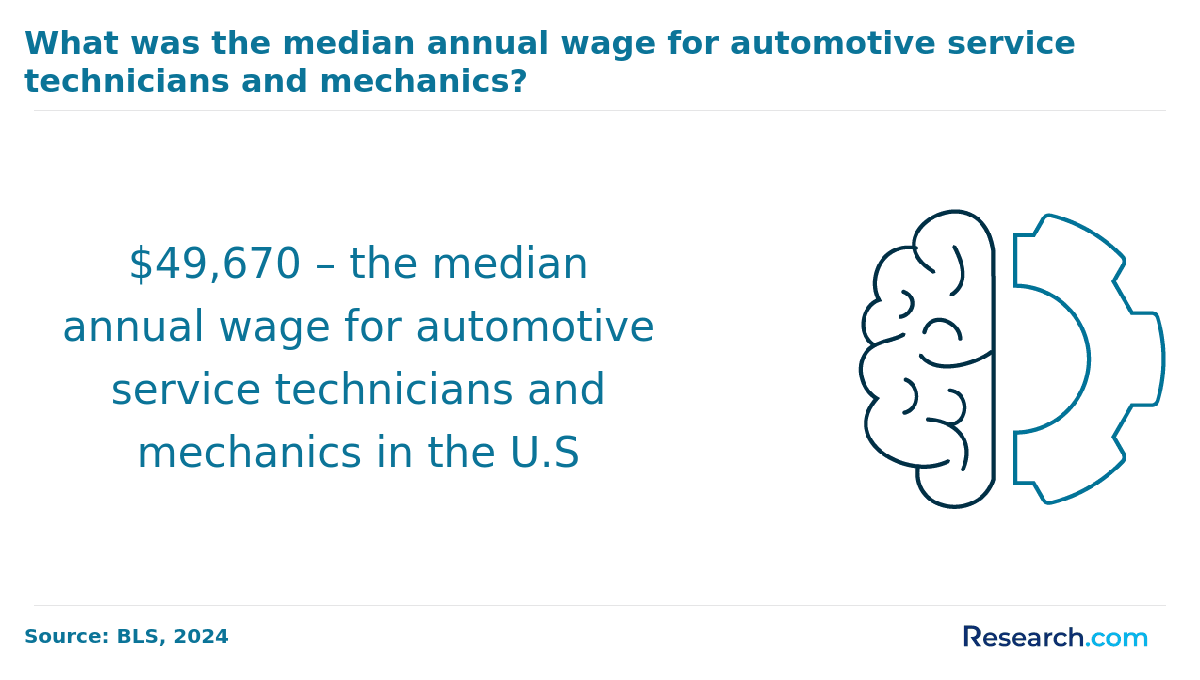
Mechanics in Arkansas generally earn a decent living, though wages tend to be a bit below the national average. The average hourly pay for auto mechanics in Arkansas is around $21.61, which adds up to roughly $46,000 a year. However, depending on where you look, numbers can vary—some reports show hourly wages closer to $26.74 or annual salaries over $52,000.
When it comes to the arkansas automotive mechanic salary range, entry-level jobs usually start near $45,947 annually. Experienced mechanics can pull in quite a bit more, with top earners making upwards of $33 per hour. Specializing can really boost your paycheck, with certain roles paying between 23.5% and 108.8% above the standard mechanic salary. That means you could be looking at an extra $10,000 to $50,000 a year just by focusing on areas like electrical systems or auto diagnostics.
Location also plays a big role in pay. For example, mechanics in West Memphis may earn between $24 and $55 per hour, while those in Jonesboro might see $19 to $35. Some jobs even involve travel across multiple states, offering $35+ per hour plus perks like mileage and weekly reimbursements.
To get ahead, it’s smart to pursue certifications and consider sectors that pay well, like truck and trailer repair. Dealerships often offer better pay and benefits, too. If you’re exploring career paths, checking out career paths with an engineering degree could also open more doors in this field.
What tools and skills do mechanics need to succeed?
Working as a mechanic in Arkansas means combining solid hands-on skills with practical know-how to handle a variety of vehicle issues. To get ahead, you’ll need a good mix of tools, technical knowledge, and an understanding of the local job market.
Here are some key tools and skills that will help mechanics succeed in Arkansas:
- Strong diagnostic skills to quickly identify mechanical and electrical problems in different vehicle types.
- Proficiency with standard hand tools like wrenches, sockets, and screwdrivers, as well as power tools for tougher repairs.
- Experience using modern diagnostic equipment and software to troubleshoot engine, transmission, and electronic systems.
- Good communication skills to explain repairs clearly to customers and work effectively with team members.
- Basic computer literacy for managing repair orders, parts inventory, and service documentation.
- Knowledge of safety protocols to ensure a secure workshop environment and proper handling of hazardous materials.
- Flexibility to adapt to various vehicle models, including traditional gas engines and newer electric or hybrid systems.
- Hands-on training or certification, such as ASE (Automotive Service Excellence), which can boost job prospects and credibility.
- Understanding of Arkansas’s local vehicle regulations and environmental standards to stay compliant with state laws.
- Networking through local trade schools, apprenticeships, or mechanic associations to connect with job opportunities and ongoing education.
What are the career growth opportunities for mechanics in Arkansas?
Mechanics in Arkansas have several clear paths to boost their careers and earnings. Whether you’re just starting out or looking to move up, understanding these opportunities can make a big difference.
- Get Certified and Specialize: Certification is key. Earning credentials like ASE (Automotive Service Excellence) can open doors to better-paying jobs and specialized roles. Areas like diesel engines, brakes, or electrical systems often pay more and offer steady demand.
- Gain Experience in High-Demand Sectors: Working in busy urban centers such as Little Rock or Fayetteville usually means more job openings and higher wages. Plus, experience in sectors like commercial fleets or dealership service departments tends to come with better benefits and career growth options.
- Consider Continuing Education: Taking classes or technical training in new automotive technologies—like hybrid and electric vehicles—can keep you ahead of the curve. Employers value mechanics who stay updated, which often translates into promotions or wage increases.
- Leverage Local Training Programs: Arkansas offers solid training options through community colleges and trade schools. These programs often provide hands-on experience and connections to local employers, helping you move quickly from student to skilled professional.
- Build a Network and Seek Mentorship: Networking at local job fairs or through professional groups can lead to referrals and insider knowledge about openings. Finding a mentor in the industry also helps navigate career moves and develop skills faster.
What are the pros and cons of becoming a mechanic in Arkansas?
Thinking about becoming a mechanic in Arkansas? Here’s a quick take on some of the good and not-so-good parts of the job.
Pros
Mechanics in Arkansas often find steady demand for their skills, thanks to a strong car culture and the need for vehicle maintenance across both cities and rural areas. The state’s lower cost of living means your paycheck can stretch further compared to bigger cities. Plus, if you enjoy hands-on work and problem-solving, this career offers plenty of variety day-to-day. Training programs and certifications are available locally, making it easier to get started without uprooting your life. There’s also room to specialize in areas like diesel engines or auto body repair, which can lead to higher pay.
Cons
On the downside, wages for mechanics in Arkansas tend to be on the modest side compared to national averages, especially when you’re just starting out. The work can be physically demanding and sometimes dirty, which not everyone loves. Job security can fluctuate with economic ups and downs, as vehicle repair needs can vary. Also, smaller shops may offer fewer benefits and less opportunity for advancement than larger dealerships or service centers. Finally, if you want to keep up with rapidly changing automotive technology, ongoing education is a must, which takes time and sometimes money.
Can mechanics benefit from cross-training in complementary technical fields?
Expanding technical expertise beyond core automotive repair can open additional career avenues for experienced mechanics. Cross-training in emerging diagnostic technologies, electrical vehicle systems, and even allied areas offers a competitive edge in a rapidly evolving industry. For instance, while advanced computer diagnostics and hybrid system repairs continue to reshape the automotive field, gaining insights from other technical disciplines can further enhance a mechanic’s problem-solving skills and adaptability. Exploring fields that require precision and technological proficiency—such as ultrasound technology—can broaden your professional portfolio. Learn more about Arkansas ultrasound technician requirements to understand how adjacent technical skills may complement your primary expertise.
How can mechanics build a robust professional network in Arkansas?
Establishing and nurturing professional relationships is a crucial asset for mechanics aiming to leverage career opportunities and adapt to evolving industry demands. Joining local automotive associations, attending trade events, and participating in specialized workshops allow professionals to exchange insights, discover emerging trends, and gain mentorship from seasoned experts. Leveraging online platforms and industry forums also facilitates real-time knowledge sharing and collaborative problem-solving. Additionally, examining career transitions and complementary skills—such as exploring how to become a radiology technician in Arkansas—can further diversify one’s expertise and open doors to innovative cross-industry partnerships.
What do mechanics say about their careers in Arkansas?
Participating in the Arkansas Vocational Technical Center’s program gave me hands-on experience that no classroom alone could provide. Working directly on engines and transmissions helped me build confidence and prepare for real-world challenges in automotive repair. – Jordan
The state-sponsored automotive mechanic apprenticeship allowed me to earn while I learned, which was crucial for supporting my family. The practical training and mentorship from experienced mechanics made mastering the trade both achievable and rewarding. – Peter
Joining the nonprofit program focused on automotive skills connected me with a supportive community and real shop environments. Being able to practice diagnostics and repairs regularly made me appreciate the craft and the attention to detail it demands. – Tyler
Related Articles for Nearby States
- 2027 How to Become a Mechanic in Missouri: Requirements & Certification
- 2027 How to Become a Mechanic in Oklahoma: Requirements & Certification
- 2027 How to Become a Mechanic in Tennessee: Requirements & Certification
- 2027 How to Become a Mechanic in Mississippi: Requirements & Certification
- 2027 How to Become a Mechanic in Louisiana: Requirements & Certification
- 2027 How to Become a Mechanic in Texas: Requirements & Certification
- 2027 How to Become a Mechanic in Kentucky: Requirements & Certification
- 2027 How to Become a Mechanic in Kansas: Requirements & Certification
- 2027 How to Become a Mechanic in Alabama: Requirements & Certification
- 2027 How to Become a Mechanic in Illinois: Requirements & Certification
References:
- Arkansas Fleet Care. (n.d.). Arkansas Auto. AFC
- Arkansas OSD. (n.d.). Apprenticeship. Arkansas OSD
- ASE101. (n.d.). How To Become an Auto Mechanic in Arkansas. ASE101
- Auto Mechanic Schools. (n.d.). Becoming an Automotive Technician or Mechanic in Arkansas. AMS
- City of Fayetteville Arkansas. (2025). EQUIPMENT MECHANIC II 2025 - 02767. CFA
- Gyfted. (n.d.). Become a certified mechanic in Arkansas. Gyfted
- iHire Automotive Professionals. (2025). Apprentice Mechanic Jobs in Arkansas. iHire AP
- JSFirm. (n.d.). Mechanic Jobs in Arkansas. JSFirm
- PartsTech. (2025). The State of General Auto Repair Shops in the U.S. PartsTech
Other things you should know about becoming a mechanic in Arkansas
In 2027, to become a mechanic in Arkansas, aspiring individuals should have a high school diploma or GED. Following this, enrolling in a post-secondary training program or community college for automotive technology is recommended. Such programs typically provide foundational knowledge and may include hands-on experience essential for future certification.
To get licensed as a mechanic in Arkansas in 2027, complete a post-secondary automotive program or apprenticeship, pass the ASE certification exams, and apply for your state license. Continuous education may be necessary to maintain and refresh skills as automotive technologies evolve.
In Arkansas, aspiring mechanics in 2027 typically need to earn certifications like the ASE (Automotive Service Excellence) certificate. This certification demonstrates expertise in specific areas such as engine repair or brakes and increases employment opportunities. Training programs often incorporate ASE exam preparation.


