
2027 How to Become an HVAC Tech in Arkansas

Co-Founder and Chief Data Scientist
In Arkansas, the demand for skilled HVAC technicians is steadily increasing as businesses and homeowners prioritize energy-efficient climate control systems. With HVAC technician employment projected to grow by approximately 5% between 2021 and 2031, opportunities in this field are expanding across the state. However, navigating the educational requirements and certification process can be complex for those seeking to enter this profession.
This article, prepared by career planning experts, outlines the essential steps to become a licensed HVAC technician in Arkansas. It covers the necessary training, certification standards, and valuable resources to help you successfully pursue a career in this growing trade.
Key Points About Becoming an HVAC Tech in Arkansas
- HVAC technician jobs in Arkansas are expected to grow by 5% from 2021 to 2031, driven by demand for energy-efficient systems and workforce replacement.
- The average HVAC technician salary in Arkansas is about $50,700 annually, with entry-level around $42,100 and experienced workers earning up to $76,000.
- Becoming an HVAC tech in Arkansas requires a high school diploma or GED, completion of HVAC training programs, apprenticeship experience, and passing a licensing exam.
- What are the educational requirements to become an HVAC Tech in Arkansas?
- Which schools in Arkansas offer HVAC programs?
- What skills do you need to become an HVAC Tech in Arkansas?
- What are the requirements for HVAC licensure in Arkansas?
- What is the licensing process for HVAC technicians in Arkansas?
- How long does it take to become an HVAC tech in Arkansas?
- How can HVAC technicians diversify their career by incorporating electrical training?
- What are the career advancement opportunities for HVAC technicians in Arkansas?
- How can business training enhance your HVAC career in Arkansas?
- What are the benefits of cross-training in related technical trades in Arkansas?
- Can cross-disciplinary certifications boost your technical career?
- Will an HVAC license from Arkansas allow you to work in other states?
- How much do Arkansas HVAC technicians earn?
- Is there a demand for HVAC technicians in Arkansas?
- Is Arkansas a good place to work as an HVAC tech?
What are the educational requirements to become an HVAC Tech in Arkansas?
The requirements to become an HVAC technician in Arkansas involve specific educational steps to ensure you have the knowledge and skills to work effectively and safely in the field. Here are the key educational requirements:
- High School Diploma or GED: This is the basic minimum requirement, providing foundational skills in math, science, and technical subjects.
- Completion of an HVAC Training Program: Typically, a certificate or diploma from a technical school or community college focused on heating, ventilation, air conditioning, and refrigeration.
- Apprenticeship Participation: Hands-on training under the supervision of experienced HVAC professionals to gain practical skills.
- Continuing Education Courses: To stay updated on industry standards, new technologies, and safety regulations, ongoing education is often required.
- EPA Certification Preparation: Educational programs usually include preparation for the Environmental Protection Agency (EPA) Section 608 certification, mandatory for handling refrigerants.
Which schools in Arkansas offer HVAC programs?
Arkansas offers a variety of HVAC programs designed to equip students with the necessary skills and certifications for a successful career in heating, ventilation, air conditioning, and refrigeration. Below are some of the best online HVAC trade schools providing comprehensive HVAC training:
- University of Arkansas – Pulaski Technical College (UA-PTC): UA-PTC offers an Associate of Applied Science degree, a Technical Certificate, and a Certificate of Proficiency in HVACR.
- University of Arkansas Community College at Morrilton (UACCM): UACCM provides an Associate of Applied Science degree, a Technical Certificate, and a Certificate of Proficiency in Air Conditioning, Heating, and Refrigeration Technology.
- Arkansas State University – Beebe: ASU-Beebe offers a 34-credit Technical Certificate and a 10-credit Certificate of Proficiency in Air Conditioning, Heating, and Refrigeration Technology.
- Arkansas Tech University – Ozark Campus: Arkansas Tech University provides a Technical Certificate and an Associate of Applied Science degree in Air Conditioning and Refrigeration. The programs include courses such as fundamentals of electricity, tubing and piping, basic compression and refrigeration, industrial controls, and electronic components.
- North Arkansas College: North Arkansas College offers a Certificate of Proficiency, a Technical Certificate, and an Associate of Applied Science degree in HVAC/R Technology. The programs provide training through class lectures, extensive hands-on lab training, internships, and field service.
What skills do you need to become an HVAC Tech in Arkansas?
Becoming an HVAC technician in Arkansas requires a blend of hands-on experience and strong technical knowledge to handle the equipment and systems that ensure comfort year-round. Here are the key skills you need:
- Mechanical Skills: Proficiency in installing, maintaining, and repairing heating and cooling systems is essential for everyday tasks in HVAC work.
- Electrical Knowledge: Understanding wiring, electrical circuits, and controls is crucial since many HVAC components rely on electricity to function properly.
- Problem-Solving Abilities: Diagnosing and fixing issues quickly and efficiently on the job demands strong resourcefulness and critical thinking.
- Attention to Detail: Precision in work helps maintain system safety and efficiency, which is especially important given Arkansas’s extreme weather conditions.
- Communication Skills: Being able to clearly explain repairs, maintenance, and system functions builds trust and confidence with customers.
- Technical Literacy: The ability to read blueprints, technical manuals, and use diagnostic tools often requires basic computer skills and familiarity with modern technology.
- Local Code Familiarity: Knowing Arkansas state regulations and safety standards ensures your work remains compliant and protects both you and your clients.
What are the requirements for HVAC licensure in Arkansas?
To become a licensed HVAC contractor in Arkansas, you must meet specific criteria set by the Arkansas Department of Labor and Licensing's HVAC/R Board. These requirements ensure that professionals possess the necessary skills and knowledge to perform HVAC services safely and competently.
Here are the key requirements:
- Work Experience or Education: You must have at least two years of experience working as an HVAC technician or have completed a board-approved training program that includes at least six months of hands-on experience.
- Application Submission: Submit a completed, notarized HVAC/R Contractor Application to the Arkansas Department of Labor and Licensing.
- Examination: Pass a board-approved HVAC/R contractor examination.
- License Fees: Pay the appropriate license fee, which varies depending on the license class.
- Criminal Background: Applicants must not have pleaded guilty or been found guilty of serious criminal offenses.
- Insurance Requirements: Depending on the license class, you may need to provide proof of general liability insurance.
What is the licensing process for HVAC technicians in Arkansas?
To become a licensed HVAC contractor, individuals must meet specific requirements and follow a structured application process. Below are the key steps involved in obtaining an HVAC contractor license in Arkansas:
- Submit a Notarized Application: Complete and submit a notarized HVAC/R Contractor Application to the Arkansas Department of Labor and Licensing. The application must include proof of education or work experience, and payment of the appropriate license fee.
- Pass the Licensing Examination: Upon approval of the application, applicants must pass a board-approved examination administered by Prov, Inc. The exam assesses knowledge in areas such as HVAC systems, refrigeration, electrical components, and applicable codes.
- Obtain General Liability Insurance: Applicants must obtain general liability insurance with a minimum coverage of $250,000. Proof of insurance must be submitted with the application.
- Pay the License Fee: After passing the examination and obtaining the necessary insurance, applicants must pay the applicable license fee. The fee varies depending on the license class
How long does it take to become an HVAC tech in Arkansas?
Becoming a licensed HVAC technician in Arkansas typically requires a minimum of two years of hands-on experience. This experience can be gained by working under a licensed HVAC contractor or through a board-approved training program that includes at least six months of on-the-job training. Once the experience requirements are met, candidates must pass a state-administered examination to obtain licensure.
After obtaining licensure, technicians must renew their licenses annually. Renewal requires completing eight hours of continuing education and submitting proof of liability insurance. This ensures that HVAC technicians in Arkansas maintain their qualifications and stay current with industry standards and regulations.
How can HVAC technicians diversify their career by incorporating electrical training?
Integrating electrical expertise with HVAC skills can open new opportunities in system diagnostics and installation, elevating service breadth and professional value. Acquiring specialized electrical training enables technicians to tackle a wider range of technical challenges, optimize system efficiency, and meet evolving industry standards. Advanced cross-training not only improves job security but also supports diversification into complementary service domains, offering a competitive edge in both residential and commercial projects. To explore this allied pathway, consider reviewing how to get electrician license in Arkansas.
What are the career advancement opportunities for HVAC technicians in Arkansas?
HVAC technicians can enhance their career trajectories through advanced certifications, specialized training, and participation in industry forums. Pursuing additional credentials—such as advanced refrigeration, building automation system certifications, or complementary mechanical training—provides a competitive edge and opens doors to management or technical specialization roles. Practical pathways may include enrolling in targeted professional development courses and mentorship programs that focus on emerging HVAC technologies and business management strategies. Moreover, integrating skills from related fields, as demonstrated by resources on how to become a mechanic in Arkansas, can diversify service offerings and boost professional credibility.
How can business training enhance your HVAC career in Arkansas?
Integrating business acumen with technical expertise can open pathways to management roles and entrepreneurship within the HVAC industry. HVAC professionals who acquire skills in financial planning, project management, and customer relationship strategies may better position themselves to lead teams or operate their own service companies. Exploring focused business programs, such as those offered by the best business schools in Arkansas, can provide insights into market analysis and operational efficiency. This added strategic dimension can complement hands-on technical proficiency, ultimately contributing to a more resilient and profitable career trajectory.
What are the benefits of cross-training in related technical trades in Arkansas?
Expanding technical expertise by cross-training in related fields can broaden career opportunities and strengthen industry resilience. Diversifying your skill set not only enhances problem-solving capabilities and safety compliance but also provides fresh perspectives on regulatory standards and technological advancements. For instance, understanding the structured training paths of other technical professions, such as Arkansas education requirements for radiologic technologist, can offer valuable insights that indirectly benefit HVAC professionals by emphasizing precision and compliance. This interdisciplinary approach promotes continuous professional development while positioning technicians for roles in emerging technical sectors.
Can cross-disciplinary certifications boost your technical career?
Expanding your technical expertise through certifications in complementary fields can enhance problem-solving skills and provide alternative career pathways. Specialized training in distinct technical domains reinforces safety compliance and analytical proficiency, both of which are valuable in diverse work environments. Exploring structured certification programs in areas such as how to become an ultrasound technician in Arkansas can offer insights into parallel frameworks that underscore technical precision and regulatory adherence, ultimately supporting long-term career growth.
Will an HVAC license from Arkansas allow you to work in other states?
Arkansas does not offer license reciprocity for HVAC technicians, so your Arkansas license won’t automatically allow you to work elsewhere. Each state has its own licensing rules and requirements, meaning additional steps are needed to work outside Arkansas.
Here are the typical steps to take when moving to another state:
- Research State Licensing Requirements: Each state has unique rules and qualifications for HVAC licensure, so it’s important to understand what the new state requires before you apply.
- Apply for a New License: Most states require you to submit a fresh application for licensure, regardless of your current Arkansas license.
- Pass the Licensing Exam: Many states will require you to pass their specific licensing exam to demonstrate your knowledge of local codes and standards.
- Provide Proof of Experience and Training: You’ll need to document your HVAC work history and any training completed while licensed in Arkansas.
- Pay Application and Licensing Fees: Expect to pay fees associated with the application process and obtaining a new license in the state where you want to work.
How much do Arkansas HVAC technicians earn?
In Arkansas, HVAC technicians earn competitive wages that vary based on experience, location, and specialization. The average annual salary for an HVAC technician in the state is approximately $50,700, equating to about $24.38 per hour. Entry-level positions typically start around $42,100 annually, while experienced professionals can earn up to $76,000 per year.
Salaries can be influenced by factors such as geographic location, with urban areas like Little Rock offering higher wages due to increased demand and cost of living. Specialization in areas like commercial HVAC systems or obtaining certifications through some of the best online certificate programs, such as NATE or EPA 608, can also lead to higher earnings. Additionally, union membership may provide access to better pay scales and benefits.
Is there a demand for HVAC technicians in Arkansas?
The job outlook for HVAC technicians in Arkansas is projected to grow by 5% from 2021 to 2031, which aligns with the national average for this occupation. HVAC is among the most popular high demand trades, driven by factors such as increased demand for energy-efficient systems, the need to replace retiring workers, and expansion in the construction and manufacturing sectors.
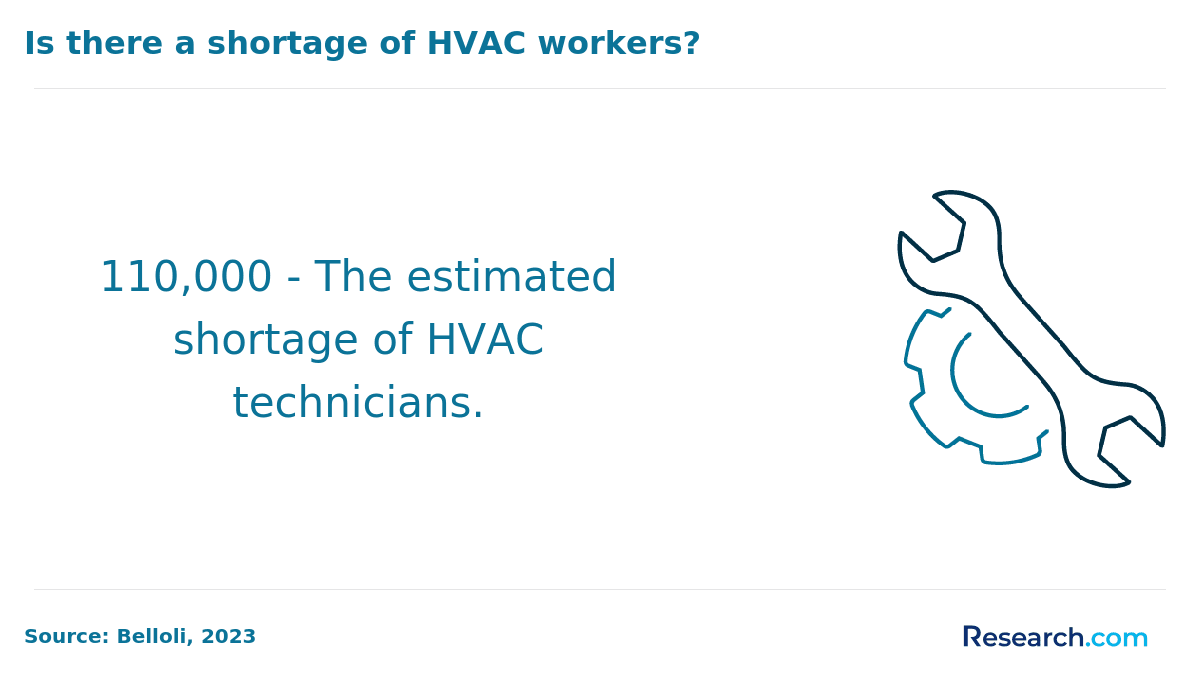
In Arkansas, the demand for HVAC technicians is particularly strong in regions experiencing population growth and urban development, such as Northwest Arkansas. Local HVAC companies often report a shortage of qualified technicians, leading to increased hiring and on-the-job training opportunities. This trend indicates a favorable environment for individuals pursuing a career in HVAC within the state.
Is Arkansas a good place to work as an HVAC tech?
Arkansas offers a promising environment for HVAC technicians, combining practical benefits that support both career growth and quality of life. Several factors contribute to making the state an attractive place to work in this trade:
- Affordable Living: Arkansas is recognized for its relatively low cost of living, allowing salaries to stretch further in covering expenses such as housing, groceries, and everyday necessities compared to many other states.
- Year-Round Work: With hot summers and cold winters, there is consistent demand for heating and cooling services throughout the year.
- Growing Job Market: The ongoing growth in new construction projects generates a continuous need for HVAC installation and maintenance, resulting in increased employment opportunities for HVAC technicians.
- Easy Entry: Arkansas has plenty of community colleges and trade schools offering HVAC training and easy certifications for jobs to help you jump in quickly and start your career without lengthy delays.
Here’s What Graduates Have to Say about Becoming an HVAC Tech in Arkansas
I wanted a stable job without spending four years in school, and becoming an HVAC tech in Arkansas gave me exactly that. The training was straightforward, and within a year, I was earning a solid paycheck doing work I enjoy. There’s real satisfaction in solving problems and knowing I’m building a long-term career. — Timothy
The HVAC field in Arkansas opened up opportunities I never expected, from working odd jobs to having a reliable, well-paying trade. The work is physical, sure, but I like staying active and seeing the immediate results of what I do. Plus, there’s no shortage of jobs, especially during the hot summers. — Douglas
I started as an apprentice and learned everything on the job, which was perfect for me. Arkansas has a big need for HVAC techs, and I’ve already seen how valuable the skills are in both small towns and cities. Now I have a hands-on career, in demand, and it keeps me learning every day. — Lucas
Related Articles for Nearby States
- 2027 How to Become an HVAC Tech in Missouri
- 2027 How to Become an HVAC Tech in Oklahoma
- 2027 How to Become an HVAC Tech in Tennessee
- 2027 How to Become an HVAC Tech in Mississippi
- 2027 How to Become an HVAC Tech in Louisiana
- 2027 How to Become an HVAC Tech in Texas
- 2027 How to Become an HVAC Tech in Kentucky
- 2027 How to Become an HVAC Tech in Kansas
- 2027 How to Become an HVAC Tech in Alabama
- 2027 How to Become an HVAC Tech in Illinois
References:
- Arkansas State University. (n.d.). Online HVAC/R Certified Technician (Voucher and Tools Included). Retrieved May 22, 2025, from ASU.
- Arkansas State University. (n.d.). Online HVAC/R Technician (Voucher Included). Retrieved May 22, 2025, from ASU.
- GetJobber. (n.d.). Arkansas HVAC License: Becoming a Certified Technician. Retrieved May 22, 2025, from GetJobber.
- HVAC Certification. (n.d.). Arkansas HVAC License, HVAC Contractors License Requirements in AR. Retrieved May 22, 2025, from HVACCertification.
- HVAC School. (n.d.). HVAC School in Arkansas | Training for HVAC Jobs in AR. Retrieved May 22, 2025, from HVACSchool.
- NorthWest Arkansas Community College. (n.d.). HVAC Certificate of Completion. Retrieved May 22, 2025, from NWACC.
- ServGrow. (n.d.). Arkansas HVAC License: Everything a Pro Should Know. Retrieved May 22, 2025, from ServGrow
- ServiceWorks Academy. (n.d.). Arkansas HVAC License: How to Get Certified as an HVAC Contractor in AR. Retrieved May 22, 2025, from ServiceWorks.
- Southern Arkansas University Tech. (n.d.). HVAC Program Overview. Retrieved May 22, 2025, from SAU Tech.
- University of Arkansas - Pulaski Technical College. (n.d.). Heating, Ventilation, Air Conditioning & Refrigeration. Retrieved May 22, 2025, from UAPTC.
Other Things You Should Know About Becoming an HVAC Tech in Arkansas
In 2027, aspiring HVAC techs in Arkansas must have a high school diploma or equivalent. They need to complete a state-approved training program and obtain an HVACR license. Passing the EPA Section 608 Certification is also vital for handling refrigerants legally.
In 2027, aspiring HVAC techs in Arkansas need to complete a high school diploma or GED, enroll in an accredited HVAC program, and complete 2,000 hours of on-the-job training. They must then pass the HVACR licensing exam through the Arkansas Department of Health.


