
2027 How to Become a Mechanic in Maine: Requirements & Certification

Co-Founder and Chief Data Scientist
Recent data indicates that Maine faces a growing shortage of qualified automotive mechanics, with demand expected to rise by over 10% in the next decade. Many individuals interested in this field encounter challenges understanding the necessary certifications, training programs, and career pathways specific to the state.
This article, prepared by experts in career planning, provides a comprehensive overview of how to become a mechanic in Maine. It will guide readers through educational requirements, licensing procedures, and industry insights to help them successfully navigate the steps needed to enter this vital and rewarding profession.
Key Things to Know About Becoming a Mechanic in Maine
- Mechanic jobs in Maine are projected to grow by 8% over the next decade, indicating steady demand in the local automotive service industry.
- The median annual salary for automotive service technicians and mechanics in Maine is approximately $45,000, slightly below the national average but competitive within the regional market.
- Most mechanic training programs in Maine require 6 to 12 months of technical education, often combined with apprenticeship opportunities for hands-on experience.
- What are the steps to become a mechanic in Maine?
- What training and education options are available in Maine?
- Do you need certifications to work as a mechanic in Maine?
- How long does it take to become a mechanic in Maine?
- How much does it cost to become a mechanic in Maine?
- What job opportunities are available for mechanics in Maine?
- Can mechanics expand their expertise to related technical fields?
- What complementary technical trades can a mechanic in Maine consider?
- How much do mechanics make in Maine?
- How can cross-industry certifications enhance career prospects in Maine?
- What tools and skills do mechanics need to succeed?
- What are the career growth opportunities for mechanics in Maine?
- What are the pros and cons of becoming a mechanic in Maine?
- Should I integrate business training into my mechanic career in Maine?
- What alternative technical pathways can enhance my career prospects in Maine?
What are the steps to become a mechanic in Maine?
Becoming a skilled mechanic in Maine combines practical education with valuable certifications that open doors to rewarding opportunities. Each step builds your expertise and confidence in this dynamic field.
Complete a foundational education
Begin with a high school diploma or GED as your base. Consider enrolling in vocational or technical schools where hands-on automotive training sharpens your skills and prepares you for real-world challenges.
Pursue advanced technical training
Community colleges, like Southern Maine Community College, offer associate degrees in Automotive Technology. These programs deepen your knowledge with courses in automotive systems and electronics, giving you a competitive advantage.
Engage in early career exploration
Take advantage of Middle School Career & Technical Education programs that introduce automotive concepts early. This foundational exposure helps you confirm your passion and build relevant skills from a young age.
Earn industry-recognized certifications
Obtain ASE certifications to showcase your mastery in specific automotive areas. These credentials are highly respected by employers and enhance your job prospects and earning potential.
Meet legal and professional standards
While general licensing is not mandatory, ensure you have a valid driver’s license and, if required, a Motor Vehicle Inspection License. Maintaining a clean background supports your reputation in the industry.
Build your career with ongoing learning
Stay updated on evolving automotive technologies and consider specializing in areas like hybrid vehicles or electrical systems. Continuous education and networking with local shops create pathways for advancement.
What training and education options are available in Maine?
Embarking on a career as a mechanic in Maine is supported by a range of quality programs that combine practical skills with valuable certifications. These opportunities provide a strong foundation for success in the automotive field.
Consider these key training and education options available in Maine:
- High school programs with dual enrollment, such as those at the United Technologies Center, allow students to earn college credits while gaining hands-on experience in automotive technology programs in Maine.
- Community college associate degree programs at institutions like Southern Maine Community College and Central Maine Community College offer comprehensive training that prepares students for immediate entry into the workforce.
- Eastern Maine Community College’s ASE Education Foundation-accredited program includes specialized options like the MOPAR Career Automotive Program and Subaru University, giving students manufacturer-specific certifications that enhance employment prospects.
- Continuing education courses, including Electric & Hybrid Automotive Technician Training, help established mechanics stay current with emerging technologies and evolving industry demands.
- State-supported workforce initiatives collaborate with local businesses to ensure programs meet real-world needs, fostering career advancement and skill development.
By exploring these diverse pathways, aspiring mechanics can build a rewarding career with credentials recognized across the industry. For those researching future paths, learning about the best trade careers in high demand may also provide valuable insight into the growing opportunities within this field.
Do you need certifications to work as a mechanic in Maine?
Maine offers a welcoming environment for those eager to start a career as an automotive mechanic. While the state does not impose mandatory licenses or certifications, earning nationally recognized credentials can truly set you apart.
Many employers in Maine prefer or require mechanics to hold ASE certification, a badge of expertise and professionalism. This certification reflects your dedication and skill, boosting your chances in competitive job markets. For those focused on auto mechanic certification requirements in Maine, ASE certification demonstrates your ability in vital specialties like brakes, diesel engines, and electrical systems.
The journey to certification is achievable with practical experience or a combination of work and education, making it accessible for motivated individuals. Recertification every five years ensures your skills remain current and relevant, enhancing your career longevity.
Mechanics in Maine can also explore inspection mechanic certification to deepen their qualifications and unlock more opportunities in specialized fields. This commitment to growth signals reliability and expertise to employers.
For those considering additional pathways, it’s worth exploring how skills in related trades complement your career. Learning about what is HVAC technician roles can inspire broader technical knowledge and adaptability in diverse work environments.
With dedication, the right certifications, and ongoing development, you can build a rewarding career as a mechanic in Maine’s dynamic automotive sector. Embrace the possibilities with confidence and a clear plan for success.
How long does it take to become a mechanic in Maine?
Becoming a skilled mechanic in Maine is a rewarding pursuit that requires dedication and a clear plan. The entire journey, including education, work experience, and certification, typically spans two to four years, offering flexibility depending on your chosen path.
Many begin with focused certificate programs lasting six to twelve months, designed to build essential skills quickly. Others choose associate degrees, which take about two years and provide a deeper understanding of automotive technology. Alongside formal education, gaining hands-on experience is vital; one can accumulate this through apprenticeships or part-time work, often overlapping with their studies to accelerate progress.
Certification is the final step, with ASE credentials recognized nationwide. Qualifying for these exams generally requires either two years of work experience or a combination of one year’s experience plus relevant education. This process of studying and testing usually takes only a few months but marks the transition from student to professional.
One mechanic from Maine shared that completing the program was both challenging and fulfilling, especially managing the balance between rigorous coursework and real-world practice. The sense of achievement upon earning certification provided a profound confidence boost, making every obstacle worthwhile.
For those eager to fast-track their careers, options like dual enrollment in high school or intensive training programs can shorten timelines. Focused certification in a single specialty can also open doors sooner. With commitment and the right approach, becoming a certified mechanic in Maine is an attainable goal that leads to a stable and prosperous career.
How much does it cost to become a mechanic in Maine?
Becoming a skilled mechanic in Maine is an achievable goal with program costs ranging from under $1,000 to about $25,000. With dedication and the right financial planning, you can enter this rewarding field without overwhelming debt.
Here’s a clear breakdown of the cost to become a mechanic in Maine:
- Electric & Hybrid Automotive Technician Training at Eastern Maine Community College costs around $1,675, including tuition, fees, and essential equipment.
- Certification programs, like propane or natural gas service technician training at EMCC, are approximately $795 for in-state students.
- Associate degree programs in automotive technology at Maine community colleges such as Southern Maine and Central Maine typically offer more affordable tuition compared to private trade schools.
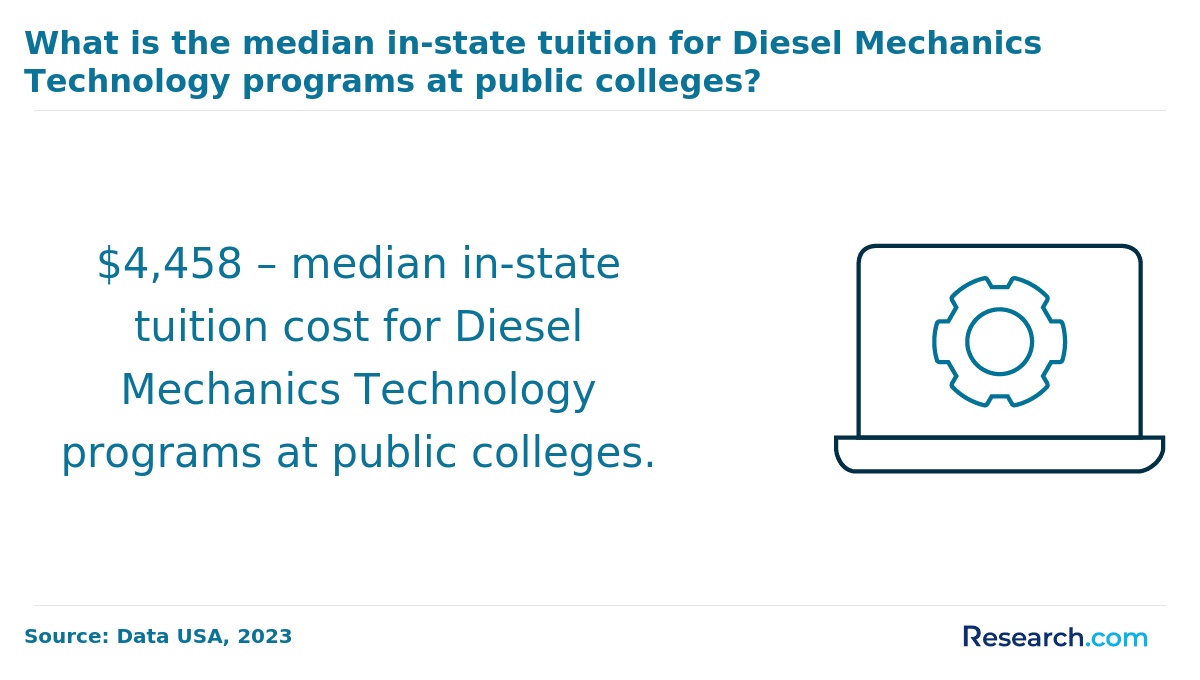
- Nationally, mechanic training programs average between $15,000 and $25,000, with specialized diesel mechanic programs costing up to $34,000.
- Additional expenses include purchasing professional-grade tools, personal protective equipment, textbooks, certification exams, and living costs.
Financial aid opportunities in Maine can significantly reduce these costs. Programs like the Harold Alfond Center Compact Funding and the Competitive Skills Scholarship Program provide valuable support. Employer sponsorships and workforce development initiatives further ease the financial burden.
For those exploring career shifts, mechanic training in Maine is a promising pathway. It combines hands-on skills and steady demand in the job market. To explore more about practical career options, consider checking out easy trades to learn that pay well.
What job opportunities are available for mechanics in Maine?
Automotive Technician Positions in Maine
Automotive technicians form the core of Maine’s mechanic jobs, supported by a strong market and steady demand. One mechanic recalls the challenge of mastering diverse vehicle models in rural workshops, yet found fulfillment in becoming a trusted expert for local drivers. Pursuing an automotive technology degree requirements can enhance skills and open doors in this field.
Diesel Mechanics
Diesel mechanics are vital in Maine’s commercial trucking, agriculture, and construction sectors. These roles offer steady work repairing heavy-duty equipment critical to the state’s economy. A mechanic shared how adapting to the rigorous demands of diesel engines rewarded them with job security and respect in their community.
Marine Mechanics
Maine’s extensive coastline creates unique opportunities for marine mechanics, servicing fishing boats and recreational vessels. One marine mechanic’s journey involved learning specialized diagnostics, which deepened their passion for the sea and strengthened their career prospects in this specialized niche.
Small Engine Mechanics
Small engine mechanics thrive repairing snowmobiles, ATVs, and lawn equipment, especially in Maine’s recreational and rural areas. A mechanic described the joy of seasonal work and the strong community trust built through expertise in these versatile machines, highlighting the rewarding nature of this career path.
Industrial and Maintenance Mechanics
Industrial and maintenance mechanics keep Maine’s manufacturing and processing plants running smoothly. One mechanic reflected on the pride gained from solving complex machinery issues that directly impact local industries, emphasizing the importance of continuous learning and adaptability in these roles.
Can mechanics expand their expertise to related technical fields?
Experienced mechanics may find that their technical proficiency transfers effectively to adjacent fields such as HVAC, where strong problem-solving and diagnostic skills are equally valuable. Leveraging existing expertise can facilitate a smooth transition into this growing sector, potentially opening additional revenue streams and career advancement opportunities. For professionals looking to diversify their credentials, exploring certification requirements is essential. Check out our guide on how to get HVAC license in Maine for detailed guidance on integrating HVAC credentials into your career path.
What complementary technical trades can a mechanic in Maine consider?
Mechanics in Maine can expand their career horizons by applying their technical aptitude in adjacent fields. Diversifying into complementary trades offers opportunities to work with emerging technologies and broaden service offerings. For example, expertise in automotive electrical systems can serve as a strong foundation for roles in specialized electronics or facility management. This cross-training not only increases marketability in a dynamic job market but also prepares professionals for converging technological demands. For guidance on branching into related fields, explore how to become an electrician in Maine.
How much do mechanics make in Maine?
Mechanics in Maine enjoy a promising earning potential that grows with experience and skill. The average mechanic salary in Maine reflects a solid foundation for a rewarding career, with room to advance into higher pay brackets through dedication and training.
Entry-level automotive mechanics in Maine typically start with an annual salary around $49,108, offering a stable income as they build their expertise. With time, the hourly pay increases, and experienced mechanics can earn up to $36.06 per hour, translating to about $75,000 annually. This growth showcases the value of gaining hands-on experience and expanding technical skills.
The automotive mechanic hourly pay Maine averages $25.30, with overtime opportunities adding significant financial benefits. Many mechanics boost their income by working extra hours, sometimes earning more than $6,700 annually in overtime alone. Advancing to master mechanic status can raise hourly wages to around $31.50, highlighting the payoff for specialized training and certification.
Consider focusing on dealerships or luxury brand specialization, where compensation packages often include bonuses and uncapped earning potential. Employers like Darling's Honda Nissan offer not only competitive wages but also performance-based bonuses and a positive work environment recognized statewide.
For those weighing their educational paths, understanding which is better trade school or college can help chart the fastest and most efficient route to career advancement in this field. Embracing continuous learning and seeking out premium schedules or specialized roles can significantly elevate your income and career satisfaction as a mechanic in Maine.
How can cross-industry certifications enhance career prospects in Maine?
Expanding your technical expertise beyond automotive repair can create opportunities for skill diversification and career advancement. Cross-industry certifications provide exposure to precision diagnostics, quality assurance, and new technological standards that can set you apart in Maine’s competitive market. For example, understanding detailed performance metrics and imaging techniques in another technical field offers insights that can refine your automotive troubleshooting and repair strategies. Exploring such credentials not only broadens your professional scope but also reinforces adaptability to evolving industry requirements. Review Maine ultrasound technician requirements as an example of how complementary technical standards can inform best practices across diverse sectors.
What tools and skills do mechanics need to succeed?
Success as an automotive mechanic in Maine requires a blend of technical skills, practical knowledge, and adaptability to the evolving automotive landscape. Developing a strong foundation and continuously sharpening your abilities will open doors to rewarding opportunities across the state.
Key tools and skills mechanics need to thrive include:
- Proficiency in diagnosing and repairing a wide range of vehicle systems, including engines, transmissions, brakes, and electrical components.
- Familiarity with computerized diagnostic tools and software, essential for modern vehicle maintenance and troubleshooting.
- Strong problem-solving skills that enable quick and accurate identification of issues.
- Ability to work efficiently under pressure while maintaining attention to detail and safety standards.
- Good communication skills to explain repairs clearly to customers and collaborate effectively with team members.
- Willingness to engage in ongoing training to stay current with technological advances and industry best practices.
- Physical stamina and manual dexterity to handle tools and perform repairs in various working conditions.
By mastering these skills and embracing continuous learning, mechanics in Maine can build successful careers that meet the demands of both urban and rural automotive markets. The state’s mix of older and newer vehicles offers unique challenges, making versatility a key asset. With dedication, mechanics can enjoy stable employment, competitive wages, and the satisfaction of keeping Maine’s vehicles safe and reliable on the road.
What are the career growth opportunities for mechanics in Maine?
Pursuing a career as an automotive mechanic in Maine offers promising growth fueled by evolving technology and steady regional demand. Here are key opportunities to help you advance and thrive in this field.
Specialization in Advanced Automotive Technologies
Focusing on hybrid, electric, and computerized vehicle systems can set you apart in the competitive market. As Maine’s vehicle fleet modernizes, mechanics skilled in cutting-edge diagnostics and repairs will find increased job security and higher earning potential.
Certification and Formal Training
Obtaining certifications such as ASE (Automotive Service Excellence) enhances credibility and opens doors to better positions. Continuous education through technical schools or community colleges in Maine equips you with up-to-date skills that employers highly value.
Geographic Flexibility and Local Demand
Mechanics willing to work in rural or underserved areas of Maine often experience less competition and more consistent work. These communities depend on skilled technicians, creating rewarding opportunities for hands-on experience and professional growth.
Workplace Advancement
Gaining experience can lead to roles in shop management, training, or specialized diagnostics. Maine’s automotive industry supports career pathways that reward leadership and technical mastery, allowing mechanics to increase their impact and income over time.
Embracing Industry Trends
Staying informed about emerging trends like vehicle electrification and smart systems positions you as a forward-thinking professional. Mechanics who adapt quickly will benefit from expanding markets and new service niches within Maine’s automotive sector.
What are the pros and cons of becoming a mechanic in Maine?
Choosing a career as an automotive mechanic in Maine comes with distinct advantages and challenges. It’s important to weigh both sides before making this commitment.
Pros
The demand for skilled mechanics is steady in Maine, supported by a strong base of local businesses and rural communities reliant on vehicle maintenance. Mechanics enjoy opportunities to work with a variety of vehicles, from passenger cars to heavy-duty trucks, giving daily work diversity.
Training programs and trade schools in Maine provide solid hands-on experience, making it easier to enter the field without a four-year degree. Additionally, the cost of living in many parts of the state is relatively affordable, allowing mechanics to maintain a comfortable lifestyle.
Many employers value certifications, which can lead to higher pay and job security. Mechanics also benefit from the satisfaction of solving complex problems and the pride of keeping essential transportation running smoothly.
Cons
Work can be physically demanding, requiring strength and stamina to handle tools and heavy parts. Seasonal weather extremes in Maine may also affect working conditions, especially for those employed in outdoor or roadside service roles.
The income range for entry-level mechanics can be modest, and advancement often depends on gaining experience and additional certifications. Competition in urban centers may be higher, requiring continuous skill development to stay relevant.
Finally, the job may involve irregular hours or overtime, particularly in busy repair shops or during emergency vehicle breakdowns, which can impact work-life balance.
Should I integrate business training into my mechanic career in Maine?
Mechanics seeking to expand beyond technical roles and pursue entrepreneurial or managerial positions can benefit from complementary business training. Developing expertise in financial management, marketing, and operational efficiency equips professionals to lead repair shops or enhance service performance within established organizations. Strategic business insights not only support effective decision-making but also foster growth in competitive markets. For those interested in formal education in these areas, programs offered by top business schools in Maine can provide a robust foundation in business fundamentals tailored to industry needs.
What alternative technical pathways can enhance my career prospects in Maine?
Diversifying your technical expertise can broaden career opportunities while mitigating industry-specific risks. Exploring certifications and training in adjacent fields can introduce innovative diagnostic methods and stringent safety standards that complement automotive skills. For example, mechanics interested in expanding their technical portfolio may review how to become a radiology technician in Maine to gain insights into structured programs and diversified salary prospects. Such alternative pathways empower professionals to remain competitive and adaptable in an evolving job market.
What do mechanics say about their careers in Maine?
"Participating in the Maine Vocational Technical Institute’s automotive program gave me hands-on experience that textbooks just can’t provide. Working directly with engines and diagnostics tools every day helped build my confidence and skills. I appreciate how the instructors focus on real-world challenges, which prepared me well for my current job." – Jordan
"The nonprofit program I joined in Portland offered me access to quality training and equipment I couldn’t afford on my own. Practicing brake repairs and engine tune-ups under expert guidance made the learning process practical and rewarding. It’s satisfying to see the direct results of my work improving people’s vehicles and safety." – Robert
"The state-sponsored automotive training in Maine balanced classroom lessons with plenty of shop time, allowing me to develop a solid understanding of both theory and practice. I found the community support and networking opportunities especially valuable for entering the workforce. Getting my hands dirty fixing cars every day has been a fulfilling experience." – Ethan
Related Articles for Nearby States
- 2027 How to Become a Mechanic in New Hampshire: Requirements & Certification
- 2027 How to Become a Mechanic in Massachusetts: Requirements & Certification
- 2027 How to Become a Mechanic in Vermont: Requirements & Certification
- 2027 How to Become a Mechanic in Connecticut: Requirements & Certification
- 2027 How to Become a Mechanic in Rhode Island: Requirements & Certification
- 2027 How to Become a Mechanic in New York: Requirements & Certification
- 2027 How to Become a Mechanic in New Jersey: Requirements & Certification
- 2027 How to Become a Mechanic in Pennsylvania: Requirements & Certification
- 2027 How to Become a Mechanic in Delaware: Requirements & Certification
- 2027 How to Become a Mechanic in Maryland: Requirements & Certification
References:
- Education/Training | AccessMaine http://www.accessmaine.org/basic-needs/education-training
- Degree and Certificate Programs - Maine Community College System https://www.mccs.me.edu/our-programs/
- Workshops https://www.mainecareercenter.com/locations/workshops.shtml
- Education and Training for Adults https://maineequaljustice.org/policy-and-solutions/education-and-training-for-adults/
- Workforce Training & Courses - Southern Maine Community College https://www.smccme.edu/admissions-aid/workforce-training-career-skills/
- Trainings https://www.careersatmainehealth.org/pages/trainings
- Employmentforme.org - Employment for Maine - Providers of Services - Training https://www.employmentforme.org/providers/training.html
- Alternate Approaches to Maine Teacher Certification - Career Services - University of Maine at Farmington https://www.umf.maine.edu/careers/education-student-resources/alternate-approaches-to-maine-teacher-certification/
- Local Car Repair | Maine Auto Service | 6 Locations near you https://maineautoservice.com/
- Car Work Needed This Winer? Try 1 of Maine's 30 Trusted Mechanics https://wokq.com/these-are-the-30-most-trusted-mechanics-in-maine/
Other Things You Should Know About How to Become a Mechanic in Maine
To begin a career as a mechanic in Maine in 2027, one must complete a formal education program or training, obtain relevant certifications like ASE, and gain hands-on experience through internships or on-the-job training. An apprenticeship is not mandatory but can be beneficial.
In 2027, prior experience can significantly reduce the time necessary to complete mechanic training programs in Maine. Experienced individuals may have the option to test out of certain modules or qualify for accelerated programs, thereby shortening the time it takes to meet certification requirements.
Yes, previous experience can significantly shorten the training time for mechanics in Maine. Whether gained through informal work, prior education, or related technical fields, this experience often allows you to bypass foundational courses, engage with more advanced material sooner, and accelerate your path to certification and employment. Leveraging prior skills not only saves time but also enhances your confidence and readiness to excel in specialized training and real-world settings.
Aspiring mechanics in Maine can explore vocational training grants, scholarships, and federal student aid. Some employers offer paid apprenticeships or on-the-job training programs, allowing trainees to earn while gaining hands-on experience. Community colleges may also have financial aid packages.


