
2027 How to Become an HVAC Tech in California

Co-Founder and Chief Data Scientist
California is known for extreme temperatures, characterized by hot summer months and cold winters. This underscores the need for HVAC units in the state, which in turn highlights the considerable demand for HVAC technicians. The Golden State employs the second-highest number of HVAC techs among all states in the country, with 35,630, which is good news for aspiring techs.
This guide explores the steps to becoming an HVAC tech in California and highlights the educational institutions that offer HVAC programs. It also navigates information surrounding the role, like demand, possible salary, and relevant skills to develop, to help aspirants discern if pursuing an HVAC tech career is the right professional move for them.
Key Points About Becoming an HVAC Tech in California
- California’s HVAC job market is expanding rapidly, driven by increasing demand for energy-efficient systems and climate control solutions in both residential and commercial sectors.
- The average annual salary for HVAC technicians in California ranges from $50,000 to $70,000, reflecting higher living costs and strong industry demand.
- California’s strict environmental regulations and technological advancements make it an excellent state for HVAC career growth and specialized training opportunities.
- What are the educational requirements to become an HVAC Tech in California?
- Which schools in California offer HVAC programs?
- What skills do you need to become an HVAC Tech in California?
- What are the requirements for HVAC licensure in California?
- What is the licensing process for HVAC technicians in California?
- How long does it take to become an HVAC tech in California?
- How can HVAC technicians advance their careers in California?
- How do HVAC professionals stay updated on new technologies and regulations?
- Can HVAC Technicians Benefit from Business Education and Management Training?
- What should I consider when choosing an HVAC training program in California?
- How are emerging technologies shaping HVAC services in California?
- Will an HVAC license from California allow you to work in other states?
- How much do California HVAC technicians earn?
- Is there a demand for HVAC technicians in California?
- Is California a good place to work as an HVAC tech?
What are the educational requirements to become an HVAC Tech in California?
The pathway to becoming an HVAC tech in California involves foundational academic credentials followed by specialized training and practical experience, reflecting the state’s rigorous standards. The key educational requirements for HVAC technicians in California include:
- High school diploma or GED as a minimum academic credential: This foundational education ensures proficiency in essential areas such as mathematics, science, and reading comprehension necessary for understanding HVAC systems and safety protocols.
- Completion of an accredited HVAC training program is strongly recommended: These programs, offered by community colleges, vocational schools, or trade institutions, provide comprehensive instruction on refrigeration principles, electrical systems, heating and cooling technologies, and industry regulations, enhancing practical and theoretical knowledge.
- Completion of a state-approved apprenticeship program or equivalent on-the-job training: Typically lasting three to five years, apprenticeships combine supervised practical experience with technical education, emphasizing hands-on skills and adherence to safety standards.
HVAC techs planning on practicing in a different state may benefit from reviewing information on popular high demand trades, allowing them to identify the areas in which their services have considerable demand.
Which schools in California offer HVAC programs?
Several accredited HVAC schools in California offer certification programs designed to equip students with the technical expertise needed for a successful career in heating, ventilation, and air conditioning. These programs vary in curriculum focus, tuition costs, and institutional type but collectively emphasize core competencies such as system installation, repair, and compliance with state regulations. Below is an overview of some of the best accredited HVAC schools in California.
- California State University, Los Angeles (CSULA): CSULA provides an HVAC/R certificate program concentrating on heating, ventilation, air conditioning, and refrigeration systems. The curriculum balances theoretical knowledge with hands-on training in electrical circuits, refrigeration, and system diagnostics. Tuition for this program typically ranges from $1,500 to $3,000, consistent with California state university fees.
- Los Angeles Trade-Technical College (LATTC): LATTC’s comprehensive HVAC program covers system design, installation, maintenance, and troubleshooting, with a particular focus on energy efficiency and California’s building codes. Tuition is approximately $46 per unit for in-state students, making it an accessible option for many prospective technicians.
- San Joaquin Valley College (SJV): As a private institution, SJV offers an intensive HVAC technician program that includes refrigeration, electrical systems, and EPA certification preparation. Tuition ranges from $15,000 to $20,000, reflecting its extensive curriculum aligned with industry standards and state licensing requirements.
HVAC techs who are planning on upskilling to widen their professional opportunities may want to look into which careers lead to high-paying jobs. For instance, they can research electrician career salary packages as well as those for other trades and find a profession that aligns with their financial goals.
The visual below shows that California has the second-highest employment level for HVAC techs in the country.
What skills do you need to become an HVAC Tech in California?
Becoming an HVAC technician in California requires mastery of a diverse set of technical and practical abilities to navigate the complexities of modern HVAC systems while adhering to state regulations. These competencies are essential for maintaining safety, efficiency, and compliance in the field.
- Electrical Systems Expertise: Understanding electrical wiring and control circuits crucial for troubleshooting and maintaining HVAC units.
- Refrigeration Knowledge: Familiarity with refrigeration cycles and proper handling of refrigerants in line with California’s stringent environmental standards.
- Blueprint Interpretation: Ability to read and analyze technical drawings and schematics to ensure accurate installation and repair.
- Diagnostic and Repair Skills: Proficiency in identifying system faults and executing precise repairs to optimize functionality and safety.
- Compliance with Safety Regulations: Awareness of Cal/OSHA mandates and other state safety requirements to maintain a secure working environment.
- Use of Specialized Tools: Competence in employing diagnostic instruments and tools for evaluating HVAC system performance effectively.
What are the requirements for HVAC licensure in California?
HVAC technicians in California must fulfill several key requirements to obtain licensure, reflecting the state’s rigorous standards for professional competency. These requirements ensure that only qualified individuals are authorized to work in the field, maintaining public safety and industry integrity.
- Experience: At least four years of verified journey-level HVAC experience within the last decade is required, ensuring applicants have a strong practical background.
- Examinations: Candidates must pass two exams—a trade-specific HVAC test covering installation, maintenance, and repair, and a law and business exam focused on California contractor laws, safety regulations, and business practices.
- Background Check: Submission to a criminal background check and fingerprinting is mandatory, highlighting California’s emphasis on consumer protection.
The process of getting HVAC certification in California is more comprehensive than in many states, partly due to the dual-exam requirement and stringent experience verification. Unlike some states where HVAC licensing may be optional or less regulated, California requires licensure for contractors working above a specific monetary threshold, reinforcing its high standards.
HVAC technicians who aim to expand their knowledge base and skill sets may want to explore the other trades careers in California. They can check out the trades job salary packages and go with a career that offers pay.
What is the licensing process for HVAC technicians in California?
Becoming a licensed HVAC technician in California requires adherence to a structured process governed by the Contractors State License Board (CSLB). The licensing procedure is comprehensive, emphasizing both practical experience and regulatory knowledge to maintain industry standards and consumer protection. Here are the general steps of the process:
- Experience Verification: Candidates must document a minimum of four years of journey-level work in HVAC systems within the last decade, demonstrating hands-on proficiency.
- Application Submission: Prospective licensees submit their applications to the CSLB, including required fees and proof of experience, initiating the formal review process.
- Examination Requirements: Applicants must successfully complete two exams: one focusing on HVAC technical skills and another covering California-specific laws, safety codes, and business practices.
- Bond and Insurance: After passing the exams, candidates are required to secure a contractor bond and, where applicable, workers’ compensation insurance to ensure financial responsibility and worker protection.
- License Issuance: Upon meeting all criteria, the CSLB grants the license, authorizing the technician to operate legally in California’s HVAC industry.
When I spoke with an HVAC technician from California about her experience navigating this licensing journey, she emphasized how demanding yet rewarding the process was. “The exams were challenging, especially the law and business portion,” she recalled, “but they really prepared me for the realities of running a contracting business.” She also noted that gathering the necessary documentation and securing insurance required patience and persistence, but each step reinforced her commitment to professionalism. Reflecting on her path, she said, “Earning that license wasn’t just about meeting legal requirements; it felt like earning a badge of trust from my community.”
How long does it take to become an HVAC tech in California?
California residents can expect around three to four years before they become licensed HVAC technicians. Knowing the duration of each stage in the licensure process helps in planning. Here's a quick breakdown of the process:
- 6 months to 2 years of formal HVAC education: Completion of a certificate or associate degree program covering refrigeration, heating, ventilation, electrical systems, and safety protocols. The duration varies based on program type and depth of study.
- Approximately 2 years (4,000 hours) of practical experience: California mandates documented on-the-job training or apprenticeship under a licensed contractor to develop real-world skills in system installation, maintenance, and repair.
- Several months of exam preparation: Candidates study trade knowledge, business law, and safety regulations before passing the California HVAC contractor’s licensing exam administered by the CSLB.
HVAC techs who want to boost their credentials can obtain relevant online certifications, which enable them to expand their knowledge. Certifications can yield better opportunities.
The chart below shows that most HVAC techs in the country either have associate degrees or high school diplomas.
How can HVAC technicians advance their careers in California?
HVAC professionals seeking career advancement can pursue specialized certifications and targeted training programs designed to address emerging industry trends. For instance, acquiring advanced credentials in areas such as energy management, green building standards, or commercial refrigeration can open doors to supervisory and management roles. Additionally, diversifying one’s expertise by exploring related fields—such as obtaining an how to get electrician license in California credential—can enhance versatility and marketability in a competitive landscape.
How do HVAC professionals stay updated on new technologies and regulations?
California HVAC professionals maintain their competitive edge by regularly engaging in continuing education programs and industry-specific training. They attend accredited seminars, participate in manufacturer-led workshops, and access dedicated online platforms that disseminate the latest technical updates and regulatory changes. This proactive approach not only reinforces licensure compliance but also sharpens specialized skill sets crucial in a rapidly evolving industry. Additionally, many technicians diversify their expertise by exploring complementary trades, such as how to become a mechanic in California, to stay resilient in a competitive market.
Can HVAC Technicians Benefit from Business Education and Management Training?
HVAC professionals who aspire to expand their career opportunities beyond technical roles may enhance their ability to manage client relationships, oversee operations, and drive business growth through targeted business education. Gaining proficiency in areas such as financial management, marketing, and regulatory compliance can be instrumental when launching or managing an HVAC contracting business. Exploring formal business training can further differentiate experienced technicians in a competitive market. For professionals seeking reputable programs, consider the best business schools in California to acquire valuable management skills.
What should I consider when choosing an HVAC training program in California?
Selecting the right HVAC training program is crucial in aligning your career goals with industry requirements. When evaluating a program, consider its accreditation status, curriculum comprehensiveness, and hands-on training opportunities that mirror current technological standards. Review course duration, tuition fees, and available financial aid to ensure an investment that correlates with your professional ambitions. Additionally, assess graduation outcomes such as job placement rates and partnerships with local businesses to boost your transition into the workforce. For a comparison of technical prerequisites in related fields, see California education requirements for radiologic technologist.
How are emerging technologies shaping HVAC services in California?
Emerging technologies, including advanced IoT applications, smart thermostats, and remote diagnostic tools, are refining service delivery and efficiency in HVAC operations across California. These innovations facilitate real-time monitoring and predictive maintenance, enabling technicians to optimize system performance and minimize downtime. Integrated building management systems are also enhancing coordination between HVAC units and other smart devices, contributing to more sustainable and responsive climate control solutions. For professionals interested in exploring tech-based career transformations, consider researching how to become an ultrasound technician in California.
Will an HVAC license from California allow you to work in other states?
Holding an HVAC license issued by California does not automatically authorize a technician to practice in other states, as there are no established reciprocity agreements between California and other jurisdictions. Each state enforces its own distinct licensing regulations, which encompass diverse safety standards, qualification prerequisites, and procedural mandates. Therefore, HVAC professionals licensed in California who intend to work in a different state must generally complete several requirements, including:
- Applying to the appropriate state licensing agency
- Submitting documentation verifying relevant experience and educational background
- Successfully passing the state-specific HVAC licensing examination
- Fulfilling any additional criteria unique to the state, such as criminal background screenings or mandatory continuing education
How much do California HVAC technicians earn?
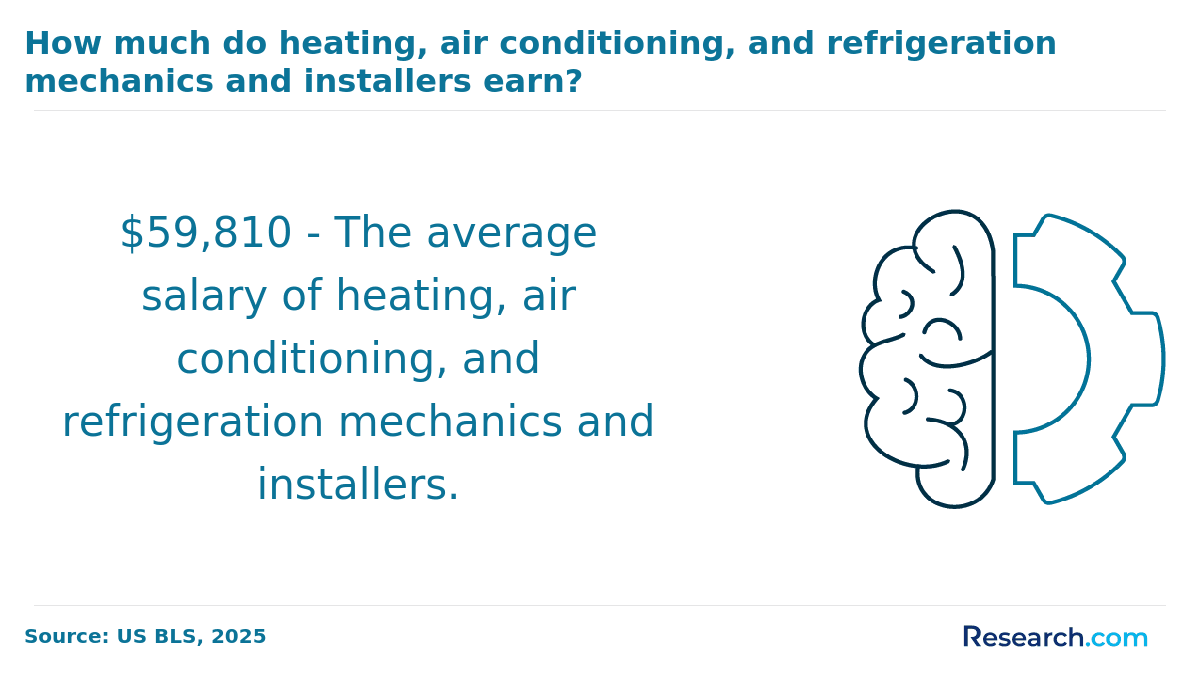
In California, HVAC technician salaries generally fall between $45,040 and $103,970 per year, reflecting the state's elevated living expenses and strong demand for qualified tradespeople. Entry-level technicians typically earn between $45,040 and $49,960 annually. As professionals gain experience and acquire specialized certifications, their earnings can exceed $70,000.
Several key factors contribute to the differences in compensation, such as:
- Experience: Technicians with five years or more of practice often achieve higher salaries due to their refined technical skills and ability to troubleshoot complex systems.
- Specialization: Those focusing on niche areas like refrigeration, commercial HVAC installations, or energy-efficient solutions tend to receive better pay.
- Location: Salaries are typically higher in metropolitan regions such as Los Angeles and San Francisco compared to less populated areas.
Is there a demand for HVAC technicians in California?
The demand for HVAC technicians in California remains robust, driven by the state's diverse climate and ongoing emphasis on energy-efficient building systems. According to recent labor market analyses, the job growth rate for HVAC professionals in California is projected to exceed the national average, reflecting steady expansion in residential, commercial, and industrial sectors. This trend is a key indicator of california HVAC industry growth, highlighting strong employment prospects for those entering the field.
California's commitment to green building standards and the adoption of advanced HVAC technologies further contribute to increased employment opportunities. Demand is particularly strong for technicians specializing in eco-friendly HVAC systems, heat pumps, and smart climate control installations. Conversely, traditional HVAC repair roles experience moderate but consistent growth, supported by the state's sizable existing infrastructure.
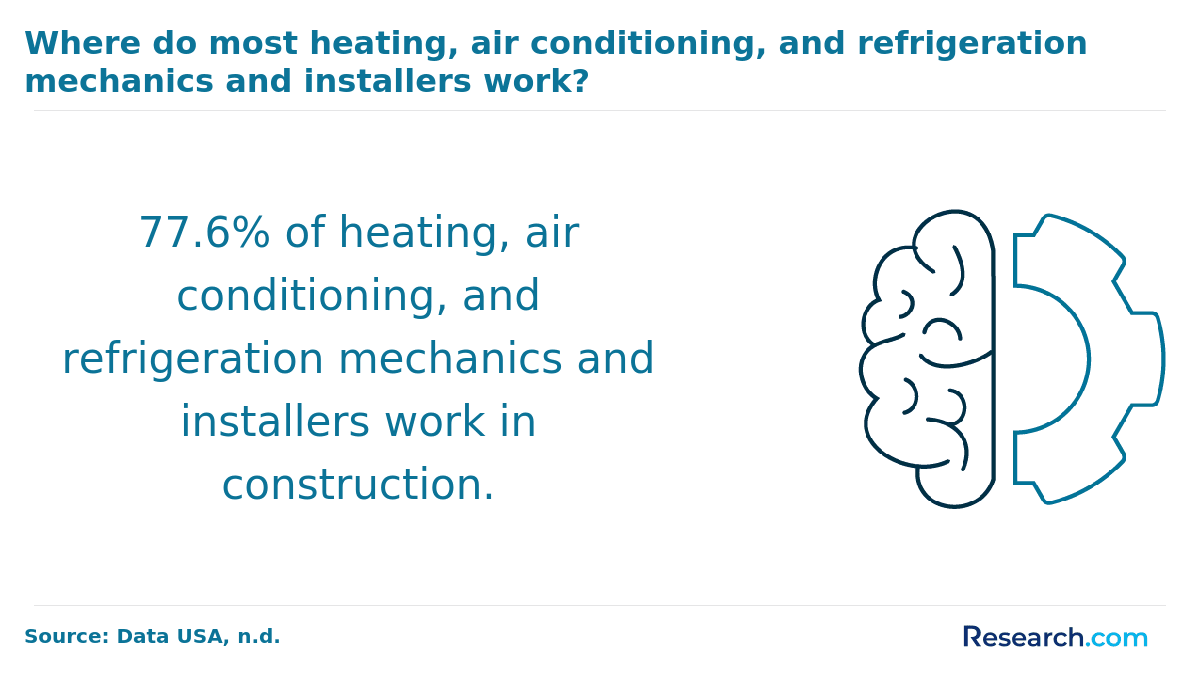
Geographical variations within California also affect demand; urban centers like Los Angeles and San Francisco show higher employment rates for HVAC specialists due to dense construction activity.
Aspiring HVAC techs may benefit from consulting a list of online trade school programs to find suitable training options. Completing an exceptional program can lead to a notable skill advantage in the field.
Is California a good place to work as an HVAC tech?
California presents a promising environment for HVAC technicians, driven by its dynamic economy and the steady demand for climate control services across various industries. The state’s wide-ranging weather patterns necessitate ongoing maintenance and installation work, contributing to a strong labor market for skilled professionals.
Prospective HVAC workers should be mindful of the economic challenges associated with living in California. Urban centers, in particular, have a high cost of living which can affect net income despite generally competitive wages. Additionally, the state enforces strict regulatory requirements to maintain industry standards.
Here are some key points to note:
- Robust employment prospects: The geographic and climatic diversity ensures continuous need for HVAC expertise in residential, commercial, and industrial settings.
- Compensatory wage structure: Salaries tend to be higher than in many other states, balancing out the elevated expenses related to housing and daily living.
- Licensing and certification mandates: Technicians must acquire specific credentials, including contractor licenses for independent operation, to comply with California’s regulatory framework.
- Structured training pathways: Entry into the profession requires completion of accredited programs and apprenticeships, which, while competitive, are pivotal for meeting professional criteria.
What HVAC Technicians in California Say About Their Careers
"Working as an HVAC technician in California has given me incredible job stability—there’s always demand thanks to the state’s diverse climate and strict energy efficiency standards. Plus, the salaries here are competitive, which makes the hard work really rewarding. I feel confident about my future in this industry." – Michael
"The unique challenges of California’s HVAC industry, like dealing with both coastal humidity and inland heat, have really sharpened my skills over the years. It’s a dynamic environment that keeps me engaged and constantly learning. I love knowing that every job pushes me to be better." – Andrew
"California offers fantastic professional development through specialized certification programs and hands-on workshops tailored to green technologies. These opportunities have helped me advance my career and stay ahead in a rapidly evolving field. It’s empowering to keep growing as a technician here." – Javier
Related Articles for Nearby States
- 2027 How to Become an HVAC Tech in Nevada
- 2027 How to Become an HVAC Tech in Oregon
- 2027 How to Become an HVAC Tech in Arizona
- 2027 How to Become an HVAC Tech in Idaho
- 2027 How to Become an HVAC Tech in Utah
- 2027 How to Become an HVAC Tech in Washington
- 2027 How to Become an HVAC Tech in New Mexico
- 2027 How to Become an HVAC Tech in Colorado
- 2027 How to Become an HVAC Tech in Montana
- 2027 How to Become an HVAC Tech in Wyoming
References:
- 7 Reasons Why Becoming an HVAC Technician Is a Promising Career Choice - InterCoast Colleges https://intercoast.edu/articles/hvac-technician-career/
- California Contractor License Reciprocity - Nationwide Contractor Licensing https://contractor-state-license.com/licensing/california-contractor-license-reciprocity/
- HVAC License Reciprocity By State | FieldPulse https://www.fieldpulse.com/resources/blog/hvac-license-reciprocity-by-state
- HVAC License Reciprocity: License Guide for Every State https://www.fieldpromax.com/blog/hvac-license-reciprocity-by-states/
- HVAC Technician Salary in California: Comprehensive Guide https://atacollege.edu/hvac-technician-salary-in-california/
- Occupation Profile, California LaborMarketInfo https://labormarketinfo.edd.ca.gov/cgi/databrowsing/occExplorerQSDetails.asp
- Reciprocity Agreements: How to Transfer Your Out-Of-State Contractor’s License to California - Contractors State License Schools https://contractorexamschools.com/reciprocity-agreements-how-to-transfer-your-out-of-state-contractors-license-to-california/
- The Demand for HVAC Technicians - Strada Services https://stradaservices.com/about-us/blog/demand-for-hvac-technicians/
- Top 3 Hottest States in the U.S. That Need HVAC Techs | Refrigeration School, Inc. (RSI) https://www.rsi.edu/blog/hvacr/top-3-hottest-states-in-the-u-s-that-need-hvac-techs/
- Which States Have the Highest Demand for HVAC Workers? https://www.hvacclasses.org/blog/top-states-hvac-workers
Other Things You Should Know About Becoming an HVAC Tech in California
In 2027, becoming an HVAC tech in California requires completing a high school diploma or GED, enrolling in a state-approved HVAC training program, and completing an apprenticeship or gaining work experience. Additionally, passing the EPA Section 608 Certification is necessary for handling refrigerants.
To become an HVAC technician in California in 2027, you need an EPA Section 608 certification to handle refrigerants. It may also be beneficial to have additional certifications like the North American Technician Excellence (NATE) or HVAC Excellence certifications to enhance employability and career prospects.


