
2027 How to Become a Mechanic in California: Requirements & Certification

Co-Founder and Chief Data Scientist
Have you ever wondered how to become a mechanic in California? The road to success in this dynamic field is filled with challenges, especially as vehicle technology continues to evolve at an unprecedented pace. According to industry reports, nearly 20% of automotive service technicians in California struggle to stay abreast of these rapid technological advancements, which can hinder their career progress.
To thrive in this profession, aspiring mechanics must meet rigorous certification standards and undergo specialized training. In this article, I, along with my team, will delve into the essential requirements, salary expectations, career paths, and more, offering a comprehensive guide to help you successfully navigate the journey toward becoming a mechanic in California.
Key Things to Know About Becoming a Mechanic in California
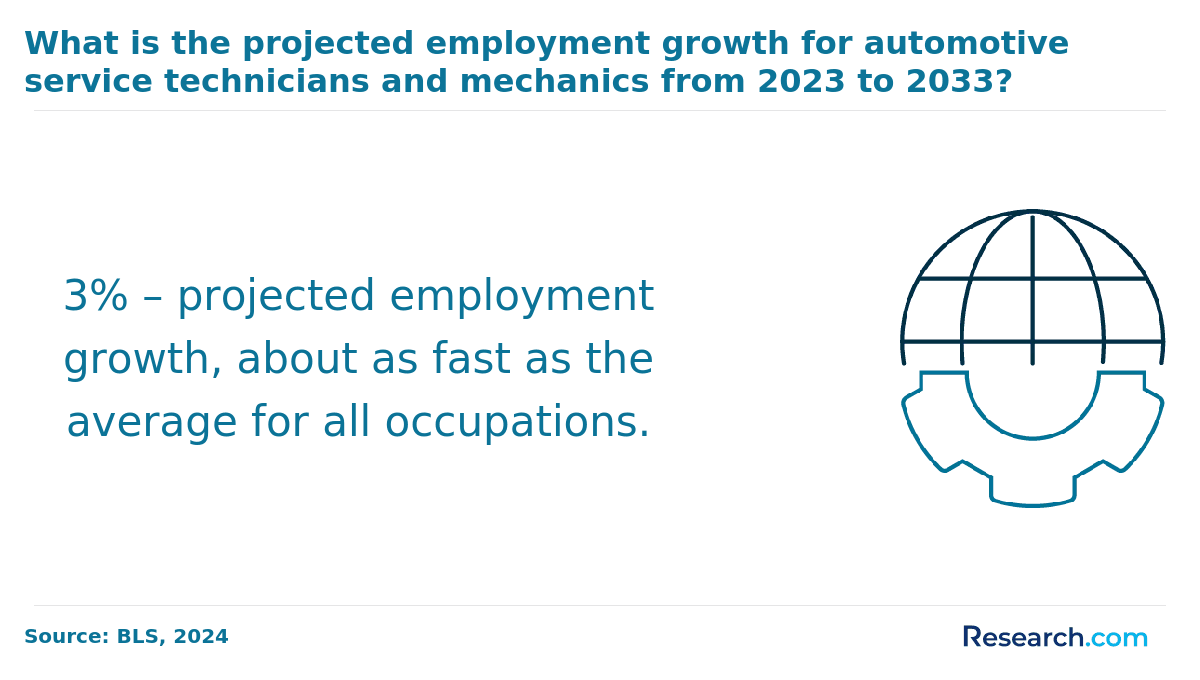
- California expects a 3% job growth rate for automotive service technicians and mechanics from 2022 to 2032, indicating steady demand in the field.
- The median annual salary for mechanics in California is approximately $57,000, which is higher than the national average, reflecting the state's cost of living and industry standards.
- Most accredited mechanic training programs in California last between 6 months and 2 years, enabling quicker entry into the workforce compared to four-year degrees.
- What are the steps to become a mechanic in California?
- What training and education options are available in California?
- Do you need certifications to work as a mechanic in California?
- How long does it take to become a mechanic in California?
- How much does it cost to become a mechanic in California?
- What job opportunities are available for mechanics in California?
- How much do mechanics make in California?
- Can expanding into related technical fields boost a mechanic's career in California?
- Can gaining cross-disciplinary skills improve career prospects?
- How Can Business Acumen Boost a Mechanic's Career in California?
- Are mechanics investing in continuous learning to adapt to emerging technologies?
- How will emerging automotive technologies impact mechanics in California?
- What tools and skills do mechanics need to succeed?
- What are the career growth opportunities for mechanics in California?
- What are the pros and cons of becoming a mechanic in California?
What are the steps to become a mechanic in California?
Becoming a mechanic in California involves several key steps, each critical to building a successful career in the automotive industry. To ensure you meet the state's certification and training requirements, it's essential to follow a clear path. The following are the necessary steps to become a mechanic in California:
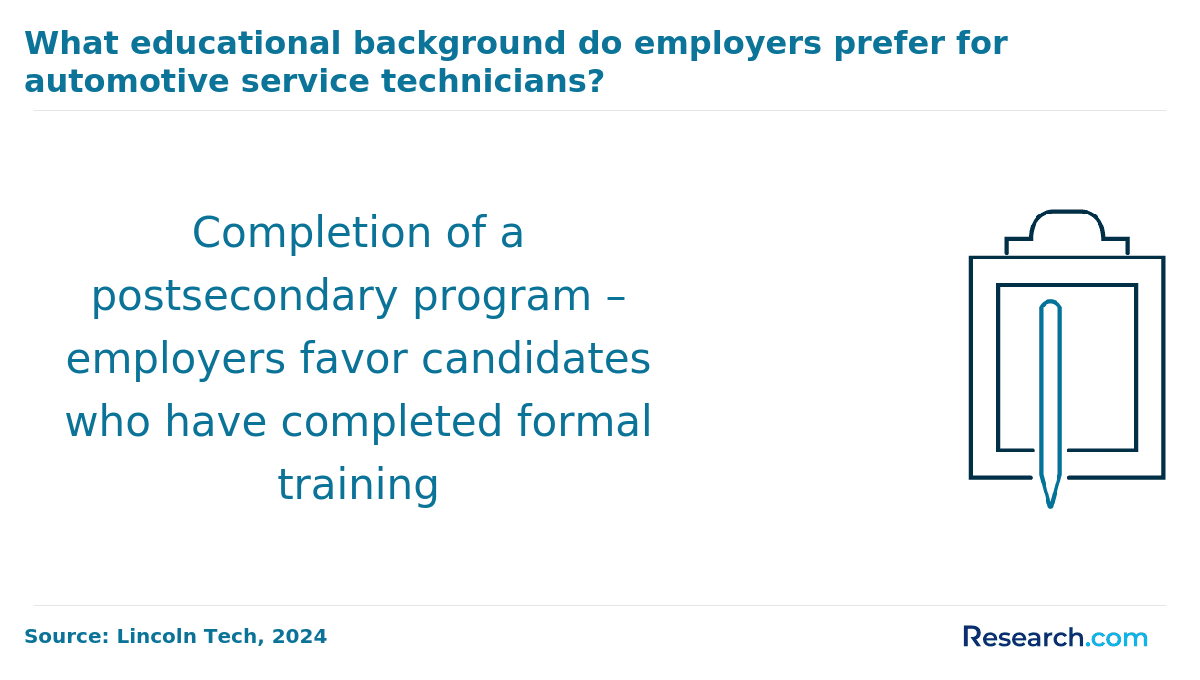
- Complete Educational and Training Requirements. Begin by obtaining a high school diploma or GED, which serves as the minimum educational baseline. Enhancing your qualifications through vocational training or community college programs in automotive technology is highly advisable. Programs typically span around two years and focus on hands-on experience with modern vehicles and diagnostic tools. Pursuing an Associate’s Degree or specialized certificates, such as those offered by colleges preparing students for ASE certifications and California-specific smog check credentials, further strengthens your technical skills and employability.
- Gain Practical Experience. Securing 1-2 years of supervised on-the-job training is essential to develop real-world competence. This experience allows you to apply theoretical knowledge, troubleshoot complex systems, and familiarize yourself with evolving automotive technologies. For positions in state government or supervisory roles, four years of experience, including at least two years in leadership, may be required as an alternative to formal education.
- Obtain Relevant Certifications. While ASE certification is not a legal requirement, it is highly regarded by employers and demonstrates specialized expertise in automotive repair. Additionally, acquiring Smog Check licensing is critical in California due to stringent emissions regulations; this requires completion of Bureau of Automotive Repair-approved training. Familiarity with BAR registration and compliance procedures is also important for working within licensed facilities.
- Commit to Continuing Education. The automotive industry in California is rapidly evolving, driven by advances in electric vehicles, advanced driver assistance systems, and emissions standards. Maintaining current knowledge through ongoing education and training ensures proficiency with new technologies and regulatory changes, enhancing career longevity and advancement opportunities.
According to the data below, 38% of automotive mechanics have a high school diploma, followed by 27% with an associate degree. Bachelor's degree holders make up 14%, while 13% have a diploma and 8% hold other types of degrees. This suggests that becoming an automotive mechanic does not necessarily require a higher-level degree, making it an accessible and practical career path for those with a high school education or vocational training.
What training and education options are available in California?
California offers diverse pathways for individuals seeking to become skilled automotive technicians. These options blend theoretical instruction with practical experience, preparing students for a dynamic and evolving industry.
The state offers a variety of training and education options for aspiring automotive technicians, including:
- Community Colleges. These institutions offer certificate programs and associate degrees that cover essential topics such as engine repair, diagnostics, and electrical systems. Many programs also include courses on emerging fields like hybrid and electric vehicles, ensuring students are prepared for the evolving automotive industry.
- Technical Schools. Schools like Universal Technical Institute in Rancho Cucamonga provide manufacturer-aligned curricula designed to accelerate students' entry into the workforce. These intensive programs focus on practical skills and industry standards.
- Registered Apprenticeships. These programs combine paid on-the-job training with classroom learning, allowing students to earn while they learn. California’s extensive network of apprenticeship programs, including those for Auto Collision Repair Technicians, leads to journey-level certification and provides direct employment opportunities.
- State Initiatives. California promotes pre-apprenticeship programs aimed at underserved communities, providing candidates with the skills necessary to access registered apprenticeships and build a strong foundation in the automotive field.
- Industry Certifications. Various programs are available to help students prepare for industry certifications, such as ASE certification, which enhance employability and demonstrate a technician’s expertise in the field.
- Continuing Education. As technology rapidly advances, continuing education opportunities in areas like electric vehicle systems are available to help mechanics stay current with industry trends and further enhance their technical skills.
Prospective students should also consider the financial and career advantages highlighted in what are the highest paying trade school jobs to align their training choices with long-term economic benefits.
Do you need certifications to work as a mechanic in California?
In California, certifications are not mandatory for most auto mechanic positions, but certain roles do require state licensure through the California Bureau of Automotive Repair. These include specialized positions such as brake and lamp adjusters, smog check repair technicians, and inspectors, all of which must meet strict licensing requirements. To obtain licensure, technicians must pass exams and maintain valid industry certifications.
While ASE certification is not legally required for all mechanics, it is highly valued by employers, especially for roles involving vehicle safety systems and emissions inspections. Technicians in these fields may need certifications like A4 (Suspension and Steering) and A5 (Brakes), depending on their area of expertise. ASE certification is also essential for state licensure in many regulated specialties.
The National Institute for Automotive Service Excellence (ASE) sets the standard for automotive technician credentials nationwide. To become ASE-certified, a mechanic must complete at least two years of hands-on experience, pass a specialized exam, and recertify every five years to stay current with industry developments.
Prospective mechanics in California should consider enrolling in accredited programs that prepare them for both ASE certification exams and state licensure. Institutions like the Universal Technical Institute offer these pathways. Achieving ASE certification and understanding California’s licensing requirements can significantly enhance employability and earning potential.
For a detailed overview of required skills for an auto mechanic, candidates should consult up-to-date resources as they plan their careers.
How long does it take to become a mechanic in California?
Becoming a certified mechanic in California typically requires between one and two years, combining formal education and hands-on work experience. The process begins with completing a high school diploma or equivalent, followed by enrolling in a vocational or technical school specializing in automotive technology.
These educational programs usually last from six to twelve months, providing foundational knowledge in automotive systems and repair techniques. After formal training, aspiring mechanics must accumulate at least two years of work experience, often gained through apprenticeships or entry-level positions in repair shops or dealerships. This practical experience is essential to meet certification requirements established by the California Bureau of Automotive Repair.
Certification primarily involves passing the Automotive Service Excellence (ASE) exams, which assess expertise in areas such as engine repair, brakes, suspension, and electrical systems. While ASE certification is optional, it is highly regarded by employers and can enhance career prospects significantly. Some vocational schools offer accelerated programs that integrate classroom instruction with extensive hands-on training, enabling students to shorten the time required to gain practical experience.
One mechanic recalled the demanding balance of rigorous coursework and real-world problem-solving during his program, describing the experience as both challenging and rewarding. He noted that navigating complex diagnostic equipment while managing tight deadlines fostered a deep sense of accomplishment upon program completion.
Specializing in fields like smog check repair requires additional licensing through the Bureau of Automotive Repair, including ongoing education to maintain credentials. ASE certifications must be renewed every five years, encouraging mechanics to stay current with evolving automotive technologies and industry standards.
How much does it cost to become a mechanic in California?
The cost to become a mechanic in California typically ranges from $2,000 to over $3,000 for a complete automotive technician training program. Prospective students should consider various fees beyond tuition to fully understand the financial commitment involved. Below is a sample breakdown of the cost:
- Tuition for traditional certification programs ranges between $2,000 and $4,000, with examples like Hacienda La Puente Adult Education charging approximately $2,380 for a four-module program.
- Materials and supplies fees can add around $300, covering essential components required for hands-on training.
- Books and learning resources often cost between $239 and $800 annually, depending on the program and level of study.
- Uniforms and safety equipment, such as protective goggles, may total about $340, ensuring compliance with industry safety standards.
- Additional fees include insurance, student ID badges, and parking, which can collectively add several dozen dollars.
- Professional tools represent a separate investment that students usually acquire progressively throughout their education.
- ASE certification exams require separate fees and are a crucial credential in the automotive repair industry.
Cost-saving opportunities include apprenticeship programs offered through community colleges in partnership with the California Division of Apprenticeship Standards, which waive many class fees for registered apprentices. These programs provide a more affordable pathway to certification while allowing students to earn wages during training. Furthermore, financial aid options like the California College Promise Grant and Federal Pell Grants may help offset education expenses.
When evaluating the cost of mechanic school in California, it is beneficial to explore diverse programs and financial aid options to optimize educational investments. For those researching career paths in skilled trades, understanding what are types of trades offers valuable context for making informed decisions.
What job opportunities are available for mechanics in California?
California offers a diverse array of job opportunities for mechanics across various industries. Whether you're just starting out or are an experienced professional, there are positions available to match your skills and career goals. The following are some of the key job opportunities for mechanics in California:
- Automotive Service Technician Positions. Automotive service technicians and mechanics form the core workforce in California’s automotive repair sector, handling vehicle diagnostics, adjustments, and repairs. Mastery of both mechanical systems and emerging computerized diagnostics is essential for success in these roles. A mechanic in Los Angeles shared that navigating the competitive job market required continual upskilling and networking, which ultimately led to securing a position in a reputable dealership.
- Specialized Mechanic Roles. Mechanics specializing in areas such as brakes, transmissions, and electrical systems experience higher demand and greater job security, especially in suburban and rural regions where comprehensive expertise is valued. Diesel engine specialists also find increasing opportunities due to California’s significant commercial transportation needs. These specialized roles provide a path for career advancement and enhanced earning potential within the automotive technician jobs in California.
- Electric Vehicle and ADAS Technicians. With California’s legislative push toward electric vehicles and advanced driver assistance systems (ADAS), mechanics with skills in EV maintenance and ADAS calibration are becoming indispensable. These emerging fields represent future-proof niches within mechanic career opportunities throughout California. Continuous training in these technologies is critical, as one mechanic recounted the challenge of adapting to EV systems but found the effort rewarding as it opened new career avenues.
- Regional Employment Dynamics. Urban centers like San Francisco and San Diego offer a high volume of job openings but also present intense competition. Conversely, suburban and rural areas provide steadier demand for multifaceted mechanics, often with less competitive pressure. For those entering the trade, pursuing a recognized automotive technology degree benefits can facilitate access to better job prospects in these varied markets.
How much do mechanics make in California?
Mechanics in California earn wages that reflect the state's high living costs and demand for skilled labor. The average mechanic salary in California 2025 ranges broadly, influenced by experience, specialization, and geographic location.
The average hourly wage for mechanics typically falls between $26 and $29, with some automotive mechanics earning up to $30.77 per hour. Annually, this translates to salaries from approximately $57,056 for entry-level positions to upwards of $67,000 for experienced professionals. Specialized skills in areas like electric or hybrid vehicles further enhance earning potential.
Key factors impacting automotive mechanic hourly pay California include:
- Location. Urban centers such as Los Angeles and San Francisco generally offer higher pay to offset living expenses.
- Experience and Certification. Certified mechanics and those with extensive experience command premium wages.
- Specialization. Expertise in electric vehicles, diesel engines, or advanced diagnostics leads to better compensation.
- Employer Type. Dealerships and large fleets tend to provide higher salaries compared to independent shops.
Mechanics seeking advancement can increase earnings by obtaining certifications such as ASE or manufacturer-specific credentials. Moving into supervisory roles or technical training positions also offers substantial salary growth opportunities. For those interested in exploring related career options, understanding career paths with an engineering degree can provide additional insights into higher-paying roles within the automotive and equipment maintenance fields.
The data below shows that Texas has the largest number of automotive mechanic jobs, with 67,060 positions available. California is the second-highest with 62,110 jobs, and Florida ranks third with 46,090. The remaining states, New York and Pennsylvania, offer fewer opportunities, indicating that certain regions have a higher demand for automotive professionals.
Can expanding into related technical fields boost a mechanic's career in California?
Diversifying technical expertise can significantly enhance a mechanic’s career trajectory in California. By acquiring additional certifications in related fields, professionals can leverage emerging opportunities and fortify their resilience in a dynamic market. Mechanics who supplement their automotive skills with credentials in areas such as climate control and energy management may gain access to niches with stable growth. For instance, pursuing qualifications on how to get HVAC license in California can open pathways to roles that intersect between vehicle maintenance and building systems, thus broadening career prospects and providing a competitive edge.
Can gaining cross-disciplinary skills improve career prospects?
As vehicle technology evolves, integrating skills from adjacent technical fields can enhance a mechanic's marketability. Many professionals are finding that broadening their expertise to include electrical systems, hybrid technologies, or other emerging automotive innovations creates new career pathways and sets them apart in a competitive industry. For instance, combining core automotive repair capabilities with specialized training in electrical diagnostics offers access to advanced roles in hybrid or electric vehicle maintenance. This dual skill set not only contributes to adaptive problem-solving but also enables mechanics to serve a wider range of customer needs and collaborate more effectively with diverse technical teams. Additionally, exploring cross-disciplinary certifications may reveal alternative career opportunities and further professional growth; for example, learn how to become an electrician in California.
How Can Business Acumen Boost a Mechanic's Career in California?
Mechanics who aspire to advance beyond technical roles can benefit significantly from developing strong business skills. Applying business acumen in areas such as financial management, customer relations, and strategic planning can empower professionals to successfully manage or even launch their own shops. This skill set aids in navigating pricing strategies, regulatory compliance, and market competition, thereby enhancing overall career resilience. Additionally, structured business training from reputable institutions, such as those outlined by top business schools in California, can provide mechanics with practical insights and tools to integrate business practices with their technical expertise.
Are mechanics investing in continuous learning to adapt to emerging technologies?
Continuous professional training is crucial to maintain relevance in an industry where innovations like electric drivetrains, advanced diagnostic tools, and automated repair systems redefine service standards. Mechanics who engage in specialized courses, manufacturer-led workshops, and evolving technical seminars are better equipped to handle new vehicle platforms and software interfaces. Consistent upskilling not only improves repair accuracy and efficiency but also broadens service offerings, thereby enhancing career longevity and customer trust. For additional insights on industry certification benchmarks, refer to California ultrasound technician requirements.
How will emerging automotive technologies impact mechanics in California?
Mechanics in California increasingly encounter vehicles integrated with advanced electronic control systems, hybrid powertrains, and electric drivetrains. These innovations necessitate a shift from traditional repair methods toward sophisticated diagnostics and digital troubleshooting techniques. Adapting to this evolving landscape involves obtaining specialized training in software-based systems and advanced diagnostic tools, which can expand service offerings and enhance career resilience. Professionals are encouraged to explore cross-disciplinary courses that bridge conventional automotive repair with emerging technical fields; for example, learn more about how to become a radiology technician in California to understand the value of diversifying technical expertise.
What tools and skills do mechanics need to succeed?
Success as an automotive mechanic in California depends on a combination of technical expertise, certifications, and business acumen. Mastery of essential tools and skills enhances employability and the ability to operate effectively within industry regulations.
Mechanics should develop proficiency in the following areas to excel professionally:
- Use of diagnostic tools and equipment for engine, brake, and electrical system repairs
- Understanding and application of National Institute for Automotive Service Excellence (ASE) certifications to demonstrate specialized knowledge
- Familiarity with California-specific regulations, including smog check licensing and the Bureau of Automotive Repair requirements
- Effective communication skills to explain repair needs and procedures to customers
- Knowledge of safety protocols and environmental compliance, including hazardous waste handling
- Ability to maintain accurate records and documentation as stipulated by the Bureau of Automotive Repair’s “Write It Right” program
- Business management skills for those operating or planning to open automotive repair shops, including licensing, taxation, and insurance requirements
- Adaptability to regulatory changes, such as wage laws and employment standards that impact the automotive repair industry
What are the career growth opportunities for mechanics in California?
As technology evolves and the demand for specialized skills increases, mechanics can progress into higher-level roles. The following are some of the career growth opportunities for mechanics in California:
- Expanding Technical Expertise in Emerging Vehicle Technologies. Mechanics in California have significant opportunities to specialize in electric and hybrid vehicle repair, driven by the state’s rapid adoption of environmentally friendly transportation. Mastery of EV diagnostics and hybrid systems positions technicians at the forefront of the industry, particularly in metropolitan regions such as Los Angeles and the Bay Area, where demand is highest.
- Leveraging Regulatory Knowledge for Competitive Advantage. Familiarity with California’s complex licensing, environmental, and labor regulations enhances a mechanic’s professional standing. Compliance expertise not only ensures legal operation but also enables shops to participate in green certification programs and environmental justice initiatives, appealing to a growing consumer base that values sustainability and corporate responsibility.
- Accessing Educational and Certification Resources. Enrollment in accredited technical programs, such as those aligned with the California Bureau of Automotive Repair (BAR) standards, provides foundational skills and industry-recognized certifications. These credentials improve employability and open pathways to advanced roles within the automotive service and repair sectors.
- Engaging with Industry Networks and Support Systems. Active participation in local trade organizations and ongoing education programs helps mechanics stay current with technological advancements and regulatory changes. Networking also facilitates mentorship opportunities and access to specialized training, which can accelerate career advancement.
- Adapting to Labor and Workforce Trends. Understanding new labor laws, like the Worker Freedom from Employer Intimidation Act, is essential for maintaining a positive workplace environment. Awareness of these regulations supports better employee relations and reduces legal risks, contributing to more stable business operations and career longevity.
What are the pros and cons of becoming a mechanic in California?
Choosing a career as a mechanic in California involves weighing several advantages and challenges unique to the state’s regulatory environment and labor market. Understanding the benefits and potential drawbacks is crucial for anyone considering this career path. The following are the pros and cons of becoming a mechanic in California:
Pros
California’s automotive repair industry is highly regulated, ensuring strong consumer protections that enhance professional credibility for licensed mechanics. The Bureau of Automotive Repair (BAR) provides extensive resources, including licensing, certification, and compliance guidance, which supports career development and business legitimacy. Moreover, the state’s rising minimum wage to $16.50 per hour as of 2025 guarantees a competitive baseline income for mechanics, improving financial stability.
California’s diverse economy and large population create a steady demand for skilled automotive technicians, increasing job opportunities. Additionally, the state’s inclusion policies, such as removing certain corporate requirements for tribal applicants, promote broader access to licensing and business ownership.
Cons
The complexity of regulatory compliance can pose significant barriers, requiring mechanics and shop owners to secure multiple permits and certifications, including seller’s permits, hazardous waste permits, and local business licenses. Navigating these layered requirements demands time and resources, potentially delaying business operations.
Insurance mandates with specified minimum coverage add to operational costs, while environmental regulations, such as air quality permits for spray booths, impose further compliance obligations. The state’s strict wage laws and employment restrictions, although beneficial for workers, increase payroll expenses for employers. Finally, the variability in city and county regulations requires ongoing vigilance to maintain compliance, complicating expansion or relocation plans.
What do mechanics say about their careers in California?
- "Enrolling in a vocational program in California gave me hands-on experience that textbooks alone couldn't provide. Working directly on cars every day built my confidence and skills faster than I expected. The practical training made me feel ready to enter the workforce." - Jake
- "The state-sponsored training program connected me with local shops where I could apply what I learned in class to real vehicles. It was rewarding to see immediate results from my work and know I was helping people keep their cars safe. This approach made the learning process both practical and motivating." - Ben
- "Joining a nonprofit program focused on automotive mechanics introduced me to a supportive community and valuable mentorship. Practicing the trade regularly improved my problem-solving skills and deepened my appreciation for the craft. It felt great to turn theory into tangible repairs." - Liam
Related Articles for Nearby States
- 2027 How to Become a Mechanic in Nevada: Requirements & Certification
- 2027 How to Become a Mechanic in Oregon: Requirements & Certification
- 2027 How to Become a Mechanic in Arizona: Requirements & Certification
- 2027 How to Become a Mechanic in Idaho: Requirements & Certification
- 2027 How to Become a Mechanic in Utah: Requirements & Certification
- 2027 How to Become a Mechanic in Washington: Requirements & Certification
- 2027 How to Become a Mechanic in New Mexico: Requirements & Certification
- 2027 How to Become a Mechanic in Colorado: Requirements & Certification
- 2027 How to Become a Mechanic in Montana: Requirements & Certification
- 2027 How to Become a Mechanic in Wyoming: Requirements & Certification
References:
- American Council on Education. (n.d.). How much does automotive school cost? Imagine America. https://imagine-america.org/much-automotive-school-cost
- Penn Foster. (n.d.). Auto mechanic school tuition. https://www.pennfoster.edu/programs/automotive/auto-repair-career-diploma/tuition
- Universal Technical Institute. (n.d.). Auto mechanic trade school near Riverside, CA. https://www.uti.edu/locations/california/mechanic-school-near-riverside
- Mechanic Career Now. (n.d.). How much does mechanic training cost? https://mechaniccareernow.com/articles/how-much-does-mechanic-training-school-cost
- California Department of Human Resources. (n.d.). Automotive technician series. https://www.calhr.ca.gov/state-hr-professionals/Pages/6832.aspx
- California Department of Education. (n.d.). Educational options - Specialized programs. https://www.cde.ca.gov/sp/eo/
- California Career Center. (n.d.). Exploring career options, education, and training. https://www.calcareercenter.org/section/203/exploring-career-options-education-and-training
- California Employment Development Department. (n.d.). Training resources for job seekers. https://edd.ca.gov/en/jobs_and_training/Resources_for_Job_Seekers/
Other Things to Know About Becoming a Mechanic in California
To become a certified mechanic in California in 2027, start by obtaining a high school diploma or GED. Then, complete a vocational program or associate degree in automotive technology. Gain hands-on experience through an apprenticeship or on-the-job training. Finally, pass the ASE certification exams for specific areas of expertise.
In 2027, an apprenticeship is not strictly necessary to become a certified mechanic in California. However, many aspiring mechanics choose to pursue apprenticeships to gain practical experience and improve their skills, which can enhance their employability and career prospects.
To become certified in California by 2027, aspiring mechanics typically must pass the Automotive Service Excellence (ASE) test and possibly state-specific exams depending on specialization. ASE certification can significantly enhance credibility and job prospects.


