
2027 How to Become an Electrician in Arkansas

Co-Founder and Chief Data Scientist
Becoming an electrician in Arkansas offers a promising career path with steady demand and competitive wages. As of 2023, the state employs over 5,000 electricians, with a projected job growth rate of 8% through 2030, which is faster than the national average. This growth is driven by ongoing construction projects and increasing investments in infrastructure and renewable energy. The average annual salary for electricians in Arkansas is approximately $50,000, reflecting a solid earning potential for skilled workers.
Given these factors, pursuing an electrician career in Arkansas is a worthwhile investment for individuals seeking job stability and opportunities for advancement in a technical trade.
Key Things to Know About Becoming an Electrician in Arkansas
- Electricians in Arkansas must complete an apprenticeship program of about 8,000 hours, combining paid on-the-job training with classroom instruction.
- Licensing requires passing the Arkansas electrician exam, demonstrating knowledge of electrical codes and safety standards.
- The average annual salary for electricians in Arkansas is approximately $52,000, reflecting steady demand across residential and commercial sectors.
- Job outlook in Arkansas remains positive, with projected growth due to infrastructure development and increasing renewable energy projects.
- What education is required to become an electrician in Arkansas?
- How do you get into an electrician apprenticeship program in Arkansas?
- How much do electricians make in Arkansas?
- What certifications do electricians need in Arkansas?
- How long does an electrician apprenticeship take in Arkansas?
- How much does electrician training cost in Arkansas?
- What license do you need to be an electrician in Arkansas?
- How can complementary trades training enhance your electrician career in Arkansas?
- How are emerging technologies influencing electrician practices in Arkansas?
- How can strong business management skills boost your electrician career in Arkansas?
- How does union membership enhance career prospects for electricians in Arkansas?
- What challenges do electricians encounter in Arkansas?
- How often do you need to renew your electrician license in Arkansas?
- What are the essential skills needed to be a successful electrician in Arkansas?
- What is the job outlook for electricians over the next 10 years in Arkansas?
What education is required to become an electrician in Arkansas?
If you’re thinking about becoming an electrician in Arkansas, you’ll need a mix of classroom learning and hands-on experience. Most folks start by signing up for a technical school or community college program where you’ll dive into courses like Introduction to Electrical Systems, Residential Wiring, Electrical Mathematics, and, of course, the National Electrical Code (NEC). These classes give you the basics you’ll need to understand electrical theory, circuits, and safety.
Once you’ve got the classroom stuff down, you’ll want to jump into an apprenticeship. In Arkansas, these usually last about four to five years and combine paid work with classroom instruction. Expect to clock roughly 8,000 hours on the job and 576 hours in technical classes. This apprenticeship is where you get real-world experience troubleshooting electrical systems and learning the ropes under a licensed electrician’s guidance.
For those wondering where to study, some of the top programs in the state include the University of Arkansas Community College at Morrilton, Pulaski Technical College, and Arkansas State University–Beebe. These schools are well-regarded and recognized by the Arkansas Department of Labor and Industry, making them solid choices to prep for your licensing exam.
When it comes to passing the licensing exam, tapping into extra resources can make a huge difference. Check out review seminars and practice tests often offered by local trade unions or technical schools. The Arkansas Chapter of the National Electrical Contractors Association (NECA) is known for hosting helpful workshops and exam prep courses. Also, don’t overlook online study materials and the latest NEC codebooks—they’re key to staying sharp.
Bottom line: consistent studying, hands-on practice, and getting comfortable with the exam format will help you ace it. Take advantage of study groups, review classes, and any prep sessions you can find around Arkansas—they’re worth their weight in gold when you’re prepping for your electrician career.
How do you get into an electrician apprenticeship program in Arkansas?
If you’re wondering how to become an electrician apprentice in Arkansas, there are several solid options to kickstart your journey. Organizations like the Arkansas Chapter of the National Electrical Contractors Association (NECA), the International Brotherhood of Electrical Workers (IBEW) Local 131, as well as local trade unions and technical colleges, offer apprenticeship programs. These programs usually require you to have a high school diploma or GED and be at least 18 years old. Many also ask you to pass an aptitude test that covers basic math and reading skills—key for understanding electrical codes and blueprints. One unique Arkansas requirement is registering with the Arkansas Electrical Examining Board within 30 days of starting, which helps keep everything above board with state licensing.
Arkansas electrician apprenticeship program requirements are designed to make sure you get the hands-on experience and classroom time needed to succeed. You’ll complete around 8,000 hours of on-the-job training and about 576 hours of classroom instruction, usually over four years. This blend helps you build practical skills and learn the National Electrical Code plus local safety standards. What’s really powerful about these apprenticeships is the chance to work alongside licensed electricians, picking up real-world tricks and building a network that can open doors later.
An electrician from Arkansas I spoke with shared how the apprenticeship was a game changer. They recalled starting out feeling a bit overwhelmed by the mix of work and study but quickly realized the value of hands-on learning. The mentor electricians were super willing to share knowledge, and the weekly workshops held by NECA helped keep them updated on safety and new tech. One challenge was balancing night classes with long days on-site, but sticking with it paid off when they landed a full-time job after finishing. They stressed that staying curious, asking lots of questions, and taking advantage of local resources like Pulaski Technical College’s review classes made all the difference.
To ace your apprenticeship and stand out, consider tapping into extra support offered around Arkansas. The Arkansas State University Technical Center hosts seminars and review sessions that prep apprentices for licensing exams, while NECA’s workshops keep you in the loop on emerging trends. Plus, with Arkansas projected to see a 9% growth in electrician jobs through 2031, it’s a smart move to get in on one of the high demand trades salary opportunities early. For more insights on career prospects in trades like this, check out high demand trades salary.
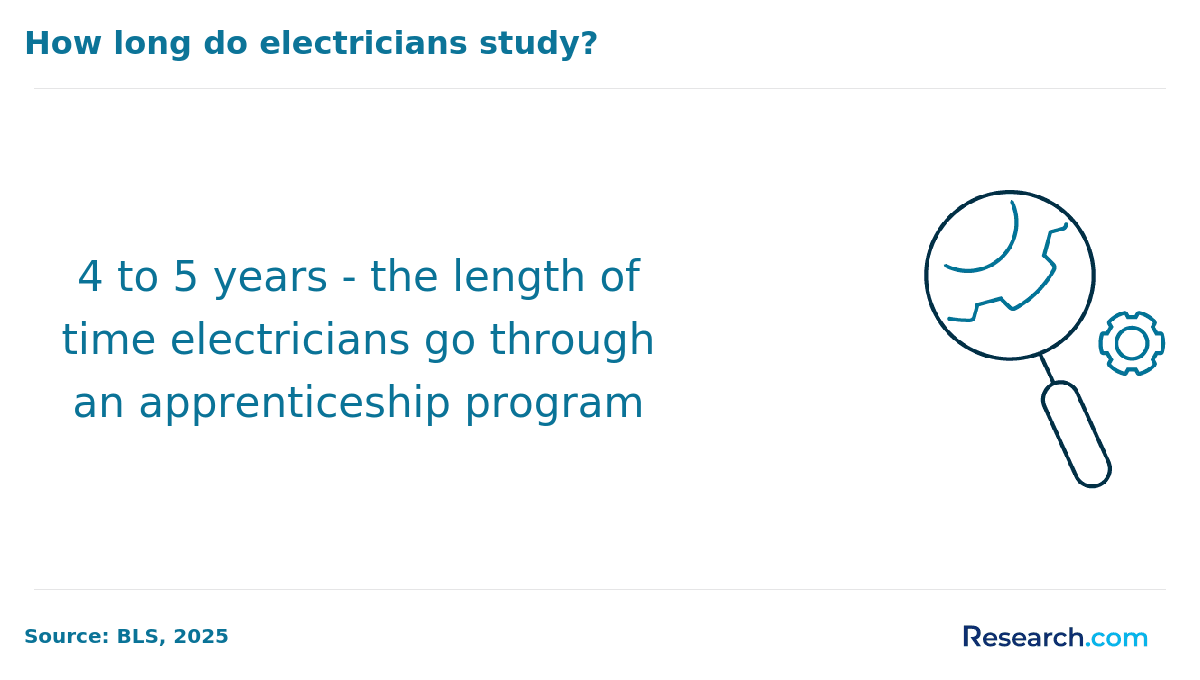
The graphic below sums it up neatly: most apprentices, including those in Arkansas, spend 4–5 years combining paid work with classroom study. Keep this timeline in mind as you review the steps above—it’s a quick snapshot of the commitment you’re about to tackle.
How much do electricians make in Arkansas?
Electricians in Arkansas typically make around $50,000 a year, which breaks down to about $4,170 a month. If you’re just starting out, expect to earn somewhere between $30,000 and $35,000 annually. That’s pretty common since entry-level electricians are still building their skills and often learning on the job. As you gain experience and maybe snag a few certifications, your pay tends to climb steadily. Mid-level electricians usually pull in between $45,000 and $60,000 a year, while specialists or those with advanced skills can make over $65,000. Moving into supervisory roles can boost that number even more.
Cities like Little Rock, Fayetteville, and Fort Smith stand out as some of the highest-paying areas in Arkansas for electricians. For example, electricians in Little Rock often earn up to 15% above the state average, thanks to the city's busy construction scene and industrial work. This kind of growth in construction jobs — which increased by 3% in 2023 — helps keep wages competitive and offers plenty of chances to move up.
I chatted with an electrician from Arkansas who shared some real insights into the salary journey. Early on, they said the pay was tight but manageable, especially while balancing apprenticeship hours and coursework. Over time, as they earned certifications and connected with local contractors, their income improved noticeably. They landed the best jobs for trade school graduates, especially with the help of pursuin continuing education that helped them stay sharp and open doors to better projects and pay. The electrician also mentioned the challenges of juggling work and training but felt the benefits, like increased earning potential and job security, were totally worth it.
For those diving into the trade, networking through organizations like the Arkansas Chapter of the National Electrical Contractors Association (NECA) can be a game changer. Plus, taking advantage of apprenticeship programs and technical colleges in Arkansas can give aspiring electricians a solid foundation. With the steady growth in demand and opportunities to specialize, electricians here have a promising path ahead.
What certifications do electricians need in Arkansas?
If you're aiming to become an electrician in Arkansas, understanding the electrician certification requirements in Arkansas is key. You’ll typically start by registering as an apprentice electrician, which lets you work under a licensed electrician while you gain hands-on experience. This apprenticeship phase is crucial because Arkansas law requires electrical work to be done or supervised by licensed pros.
Once you’ve completed your apprenticeship, the next big step is getting your journeyman electrician license. This involves passing an exam that covers the National Electrical Code (NEC), Arkansas-specific electrical codes, and practical skills. With this license, you can work more independently, and it significantly boosts your job prospects. The Arkansas journeyman electrician license process is well-structured to ensure electricians are well-prepared for the field.
For those looking to climb further, the master electrician license is the top tier. It requires several years as a journeyman and passing a tougher exam. Master electricians can pull permits, run their own businesses, and supervise others. Given Arkansas’s growing construction scene, having this license can open doors to better pay and leadership roles.
Besides these state licenses, there are specialized certifications like Certified Electrical Inspector or Low Voltage Technician that can give you an edge, especially in niche markets. To prepare for all these certifications, you can turn to institutions like Arkansas State University (ASU) Technical Center, Pulaski Technical College, or the University of Arkansas Community College at Hope (UACCH). These schools offer programs tailored to meet licensing requirements and combine classroom learning with practical labs.
If you want to explore other trade certifications that complement electrical work, you might check out the best rated HVAC trade schools and certifications online. Picking the right certifications based on your career goals and the local job market will really set you up for success in Arkansas.
How long does an electrician apprenticeship take in Arkansas?
In Arkansas, completing an electrician apprenticeship typically takes about 4 to 5 years, which is pretty standard across most states. This usually involves around 8,000 hours of hands-on work combined with roughly 576 hours of classroom instruction. However, this timeline isn’t set in stone. Depending on the sponsoring organization, like the Arkansas Chapter of the Independent Electrical Contractors (IEC) or IBEW Local 364, and the apprentice’s own dedication and skill level, the duration can vary quite a bit.
For those who come in with prior experience, like military service or previous electrical training, the apprenticeship might be shortened to closer to 3 years. On the flip side, part-time work, seasonal breaks, or switching employers can stretch the apprenticeship longer. Arkansas also offers some accelerated programs through trade schools and community colleges that partner with electrical contractors, allowing classroom hours to be completed faster. But keep in mind, the state licensing boards still require a minimum number of on-the-job hours, so you can’t skip the practical training.
If you’re looking to speed things up, focus on maintaining consistent work hours and choose a reputable program that aligns with Arkansas electrician licensing process requirements. Pursuing extra certifications like OSHA safety training or NFPA 70E can also help you stand out and sometimes open doors to accelerated learning. For those curious about which programs might best fit their needs, checking out a ranking of the best electrician trade schools can be a great start.
Understanding the certification requirements for electricians in Arkansas and actively engaging with mentors and supplemental courses can make a big difference in completing your apprenticeship efficiently and successfully.
How much does electrician training cost in Arkansas?
When it comes to electrician training cost in Arkansas, you’ll find a range depending on the path you choose. If you go for an associate degree at a technical or community college, expect to pay anywhere from $5,000 to $15,000 for in-state tuition. These programs usually take about two years and combine classroom learning with practical training. On the other hand, shorter certificate or diploma programs, which typically last six months to a year, are more budget-friendly, usually falling between $1,500 and $7,000.
Several factors influence Arkansas electrician school tuition fees. Whether you attend a public or private institution, how long the program runs, and if you’re paying in-state or out-of-state tuition will all affect the total cost. Don’t forget to budget for tools too—essential electrician gear can run between $300 and $1,000, depending on quality. Some programs require you to bring your own toolkit, so factor that in when planning your expenses.
Luckily, becoming an electrician in Arkansas can be more affordable than in many other states. The tuition rates here tend to be lower than the national average, making it easier on your wallet. Plus, financial aid options are available, including federal aid like Pell Grants and Direct Loans if you fill out the FAFSA. There are also scholarships from local workforce boards and industry groups aimed at skilled trades students. Apprenticeships are another great way to train—you get paid while you learn, which helps offset costs.
If you’re curious about where else to explore training opportunities, check out what are the best online vocational trade schools for more options that could fit your needs and budget.
What license do you need to be an electrician in Arkansas?
If you’re looking to become an electrician in Arkansas, you’ll need to get licensed by the Arkansas State Electrical Licensing Board (ASELB). They’re the folks in charge of making sure electricians meet the state’s standards and keep everything safe and up to code. There are three main licenses you can get depending on where you are in your career:
- Apprentice Electrician License: Perfect for beginners who are just starting out and working under a licensed electrician’s supervision.
- Journeyman Electrician License: For those who have finished their apprenticeship hours and passed the state exam, letting you work independently on most electrical jobs.
- Master Electrician License: The top level—after gaining more experience and passing a tougher exam, you can design electrical systems and oversee other electricians.
The process to get these licenses involves a few important steps. First, you’ll need to complete a registered apprenticeship program, which usually means about 8,000 hours (or four years) of hands-on training mixed with classroom learning. Then, you apply through ASELB and provide proof of your education and work experience. After that, you have to pass the state exams covering the National Electrical Code (NEC), state laws, and practical skills. Finally, pay the licensing fees and keep your record in good standing.
What makes Arkansas stand out is its strict follow-up on both state and national electrical standards. The ASELB regularly updates exam requirements to match the latest NEC changes. Plus, Arkansas requires electricians to earn continuing education credits every two years for license renewal, making sure everyone stays sharp and safe on the job.
Getting through the licensure process is easier if you:
- Join ASELB-approved apprenticeship programs to ensure your hours count.
- Keep up with the National Electrical Code and local updates by taking workshops and courses.
- Keep detailed records of your training and work experience to speed up applications.
- Use Arkansas-specific study guides to prepare for exams.
- Plan ahead for renewal deadlines to avoid any gaps in your license.
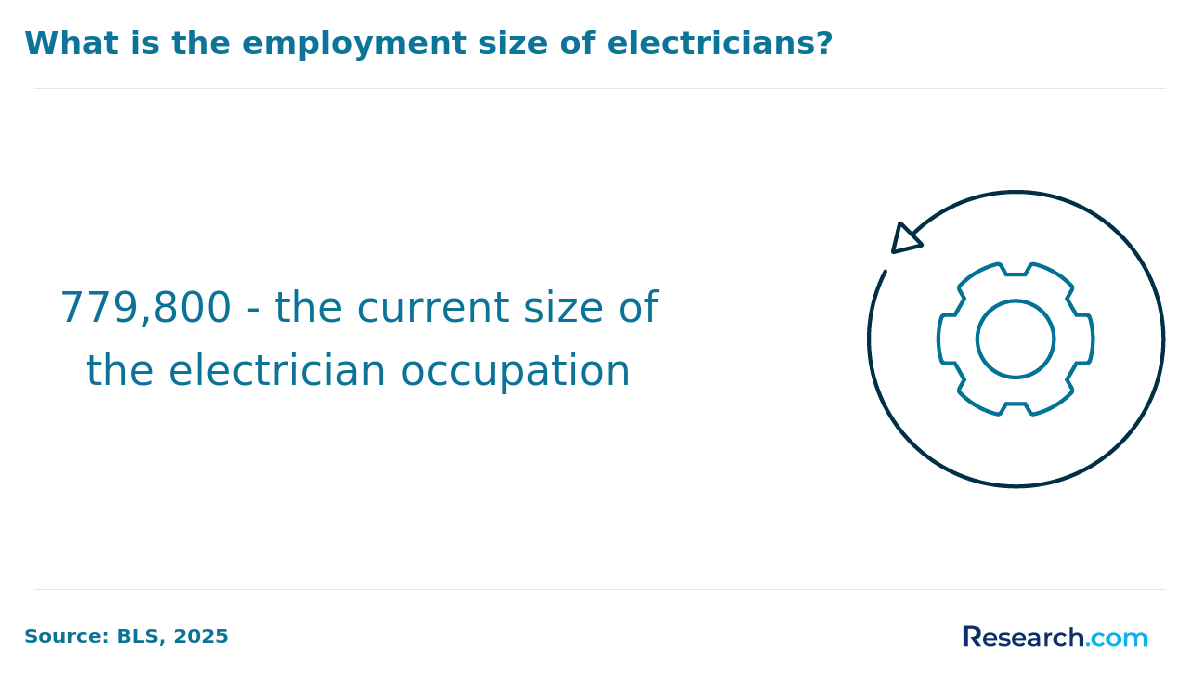
The visual snapshot below puts the licensing discussion in perspective—showing there are roughly 780,000 electricians working nationwide today. With a talent pool that large, holding the right Arkansas license isn’t just a legal requirement; it’s a key differentiator that helps you stand out and tap into this sizable market.
How can complementary trades training enhance your electrician career in Arkansas?
Expanding your technical expertise beyond traditional electrical skills can increase your versatility and marketability in a dynamic industry. Diversifying your certifications and training through related fields offers insights into emerging technologies and evolving construction practices. For instance, mastering skills in climate control systems or energy management may open doors to roles that require hybrid knowledge. Cross-training enables professionals to adapt to broader project scopes, ultimately positioning themselves for leadership and specialized assignments. Explore how to become an HVAC technician in Arkansas to understand the benefits of acquiring complementary technical proficiencies.
How are emerging technologies influencing electrician practices in Arkansas?
Rapid advances in automation, smart grid integration, and IoT-based energy management are reshaping the landscape for electricians in Arkansas. These technologies are fostering new specializations, driving the demand for targeted training and cross-disciplinary skills. Electricians who proactively update their technical knowledge can better adapt to high-tech installations and emerging safety protocols. In addition, professionals are increasingly exploring dual training opportunities that expand their expertise, as seen in resources on how to become a mechanic in Arkansas.
How can strong business management skills boost your electrician career in Arkansas?
Electricians in Arkansas seeking to excel beyond technical roles benefit from complementing their hands-on expertise with robust business management skills. Mastering areas like budgeting, contract negotiation, and project management can pave the way toward launching profitable ventures or advancing into supervisory roles. For example, enrolling in programs offered by top business schools in Arkansas can equip professionals with essential financial planning and strategic management insights. This blend of technical proficiency and business acumen not only enhances operational efficiency on job sites but also positions electricians as competitive entrepreneurs in a dynamic market.
How does union membership enhance career prospects for electricians in Arkansas?
Union membership and professional affiliations offer electricians distinct advantages in career advancement. Being part of a union, such as IBEW or groups like NECA, provides access to specialized training programs, enhanced safety protocols, and a robust network of industry professionals. These memberships facilitate better wage negotiations, secure job placements, and opportunities to participate in workshops and mentorship initiatives that sharpen technical and leadership skills. Moreover, electrical professionals who actively network can tap into evolving industry trends and cross-disciplinary training, similar to exploring other technical fields such as how to become a radiology technician in Arkansas, thereby widening their career pathways without duplicating regulatory or licensing information already outlined.
What challenges do electricians encounter in Arkansas?
Electricians in Arkansas must navigate evolving technical standards, regulatory shifts, and changing safety protocols while managing the physical demands of on-site work. Balancing ongoing professional development with the pressures of tight project deadlines and varying work environments often requires strategic time management and resilience. Additionally, adapting to regional economic fluctuations and competitive market conditions can affect career stability. For professionals considering alternative technical pathways or seeking diversified skill sets, exploring opportunities such as how to become an ultrasound technician in Arkansas may offer valuable insights.
How often do you need to renew your electrician license in Arkansas?
If you’re an electrician in Arkansas, keeping your license active means renewing it every two years. The Arkansas Department of Labor and Licensing, along with the Arkansas Electrical Examining Board, handles this process to make sure electricians stay up-to-date and safe on the job.
Renewal isn’t just paperwork; it’s about proving you’re staying sharp with industry changes. One big requirement is completing at least 8 hours of continuing education during each renewal period. These courses focus on important stuff like updates to the National Electrical Code (NEC), state laws, safety tips, and new electrical technologies.
To get your license renewed without a hitch, you’ll need to:
- Send in your renewal application before your license expires.
- Show proof that you’ve completed the required continuing education hours.
- Pay the renewal fees, which can vary depending on your license type.
- Make sure all your personal and business info is current and accurate.
What’s cool about Arkansas is how they tie continuing education closely to the NEC updates, which come out every three years. This way, electricians are always working with the latest standards. Plus, the Arkansas Electrical Examining Board updates renewal rules based on local construction trends and safety data, keeping everything relevant to the state.
Here’s a tip for those about to renew: Start early with your continuing education courses so you don’t get caught last minute. Keep all your documents organized and double-check deadlines. Also, check the Arkansas Department of Labor’s website for the latest info and approved education providers. This will save you stress and make the process smoother.
With Arkansas’s construction scene growing, staying on top of your license renewal is more important than ever to keep working legally and safely.
What are the essential skills needed to be a successful electrician in Arkansas?
If you’re aiming to become an electrician in Arkansas, there are some key skills you’ll want to focus on to stand out and succeed in the field. It’s a mix of both hard and soft skills that’ll help you handle the job’s demands and keep up with the state’s growing construction and manufacturing scene.
Here are the essential skills you need:
- Technical Proficiency: Knowing your way around electrical systems, circuitry, and the latest tech is a must. Arkansas is seeing more smart home installations and renewable energy projects, so staying updated on current electrical codes and tools is crucial.
- Problem-Solving Skills: Things don’t always go as planned on the job. Being able to quickly diagnose issues and find safe, efficient fixes will make you a go-to pro.
- Physical Dexterity and Stamina: You’ll often work in tight spaces, at heights, or in less-than-comfy environments. Having the strength and flexibility to handle these challenges is part of the gig.
- Excellent Communication: Whether it’s chatting with clients, contractors, or your team, clear communication helps avoid misunderstandings. Plus, reading blueprints and explaining tech details in simple terms is key.
- Attention to Detail: Precision can’t be overlooked. Small mistakes could lead to safety hazards or expensive repairs, so being meticulous is non-negotiable.
- Time Management: Juggling multiple tasks and hitting deadlines shows you’re reliable and professional, which is hugely important in this line of work.
To build these skills, check out apprenticeship programs through the Arkansas Department of Career Education that mix classroom learning with hands-on training. Community colleges like Pulaski Technical College offer great programs that balance theory and practical work. Also, joining groups like the Arkansas Chapter of the National Electrical Contractors Association can link you with mentors and ongoing education.
Keep learning, stay curious about new tech, and work on your people skills to really thrive as an electrician in Arkansas.
The table below drives the point home—between 2011 and 2023, licensed electricians accounted for the largest share of electrical-occupation fatalities, far surpassing apprentices, installers, and engineers. That sobering stat reinforces why the safety-first skills outlined above aren’t just career enhancers but life-preserving essentials on every Arkansas job site.
What is the job outlook for electricians over the next 10 years in Arkansas?
If you’re thinking about becoming an electrician in Arkansas, the job outlook is looking pretty solid for the next decade. According to the U.S. Bureau of Labor Statistics data from 2023, electrician jobs nationwide are expected to grow by about 8% through 2033, which is faster than the average for most careers. Arkansas is right in line with this trend, thanks to steady construction projects and infrastructure upgrades happening across the state.
Most electrician jobs in Arkansas are centered around cities like Little Rock, Fayetteville, and Fort Smith. Little Rock, in particular, has the highest concentration of electrician positions, driven by urban development and ongoing infrastructure work. Besides construction, the manufacturing sector and utility companies also hire a good number of electricians, offering stable jobs and decent wages.
Speaking of wages, electricians in Arkansas made a median annual salary of around $48,000 in 2023. That might sound modest compared to bigger cities, but the cost of living here is lower than the national average. So, that paycheck can actually stretch pretty far when you factor in affordable housing and daily expenses. This makes the trade a pretty attractive option if you’re aiming for a steady income with room to grow as you gain experience or additional certifications.
Another cool thing: emerging trends like renewable energy and smart home tech are opening up new doors. Electricians skilled in solar panel installation and energy-efficient systems are especially in demand right now. Plus, Arkansas is investing in modernizing its electrical grid, which means more opportunities for electricians who want to work on cutting-edge projects.
All in all, if you’re interested in a hands-on career with a promising future and good pay relative to living costs, Arkansas is definitely a place to consider for your electrician training and career.
The chart below shows where electricians actually clock in across the industry—nearly two-thirds work for electrical contractors, while the remainder are spread among self-employment, manufacturing, government, and staffing services. Seeing that the vast majority land in contractor roles helps explain why steady construction spending and infrastructure upgrades give Arkansas electricians such a reliable growth trajectory over the next decade.
What Electricians in Arkansas Say About Their Careers
- Completing my apprenticeship through Pulaski Technical College was a game changer. The hands-on experience combined with knowledgeable instructors gave me the confidence to tackle any job. I love that my work directly improves the safety and comfort of local homes, and I feel proud to contribute to the growth of Arkansas communities. The job stability here is unmatched, especially with the state's ongoing infrastructure projects. Being an electrician in Arkansas has truly been a fulfilling journey. Jared
- Attending the University of Arkansas at Little Rock’s electrical program opened my eyes to the vast opportunities available in this field. Beyond just technical skills, it taught me the importance of continuous learning and adapting to new technologies. Working in Arkansas means navigating unique challenges like rural electrification, which makes my job even more meaningful. I’m passionate about helping underserved areas gain reliable power and seeing the direct impact on people’s lives is incredibly rewarding. Maria
- My experience at Arkansas State University was both challenging and rewarding, preparing me for a dynamic career filled with growth potential. The state’s rich natural resources and expanding renewable energy initiatives create exciting prospects for career advancement. I appreciate the professionalism the trade demands and the respect electricians earn in our communities. Every day brings new problems to solve, and that constant growth keeps me motivated and proud to be part of Arkansas’s skilled workforce. Devin
Related Articles for Nearby States
- 2027 How to Become an Electrician in Missouri
- 2027 How to Become an Electrician in Oklahoma
- 2027 How to Become an Electrician in Tennessee
- 2027 How to Become an Electrician in Mississippi
- 2027 How to Become an Electrician in Louisiana
- 2027 How to Become an Electrician in Texas
- 2027 How to Become an Electrician in Kentucky
- 2027 How to Become an Electrician in Kansas
- 2027 How to Become an Electrician in Alabama
- 2027 How to Become an Electrician in Illinois
References:
- AboutApprenticeships.com. Electrician Apprenticeships – About Apprenticeships.
- Contractornerd.com. Arkansas Electrician License – Requirements and Certification.
- Egt.net.au. How Long Is an Electrician Apprenticeship | EGT.
- Electrician101.com. How to Become an Electrician in Arkansas – Electrician 101.
- Electricianschooledu.org. Electrician School in Arkansas | Training and License Requirements for Electrician Jobs in AR.
- Etunational.asn.au. Becoming an Electrician – Electrical Trades Union.
- Intercoast.edu. Electrician Apprenticeship: 7 Things You Should Know Before Joining IBEW – InterCoast Colleges.
- Lincolntech.edu. How Long Does It Take to Become an Electrician?
- Nwacc.edu. Electrical Apprenticeship – NorthWest Arkansas Community College.
- Rsi.edu. How Long Is Electrician Trade School? | RSI.
Other Things You Need to Know About Becoming an Electrician in Arkansas
To become a licensed electrician in Arkansas by 2026, you must complete a high school diploma or GED. Subsequently, enroll in a state-approved apprenticeship or trade school program, blending hands-on training with coursework. This foundational education is essential before sitting for the state licensing exam.
In Arkansas, anyone aspiring to start an electrician apprenticeship in 2027 must be at least 18 years old. This ensures individuals have completed the necessary prior education and are prepared for the physical and educational demands of the program.


