
2027 How to Become a Mechanic in Delaware: Requirements & Certification

Co-Founder and Chief Data Scientist
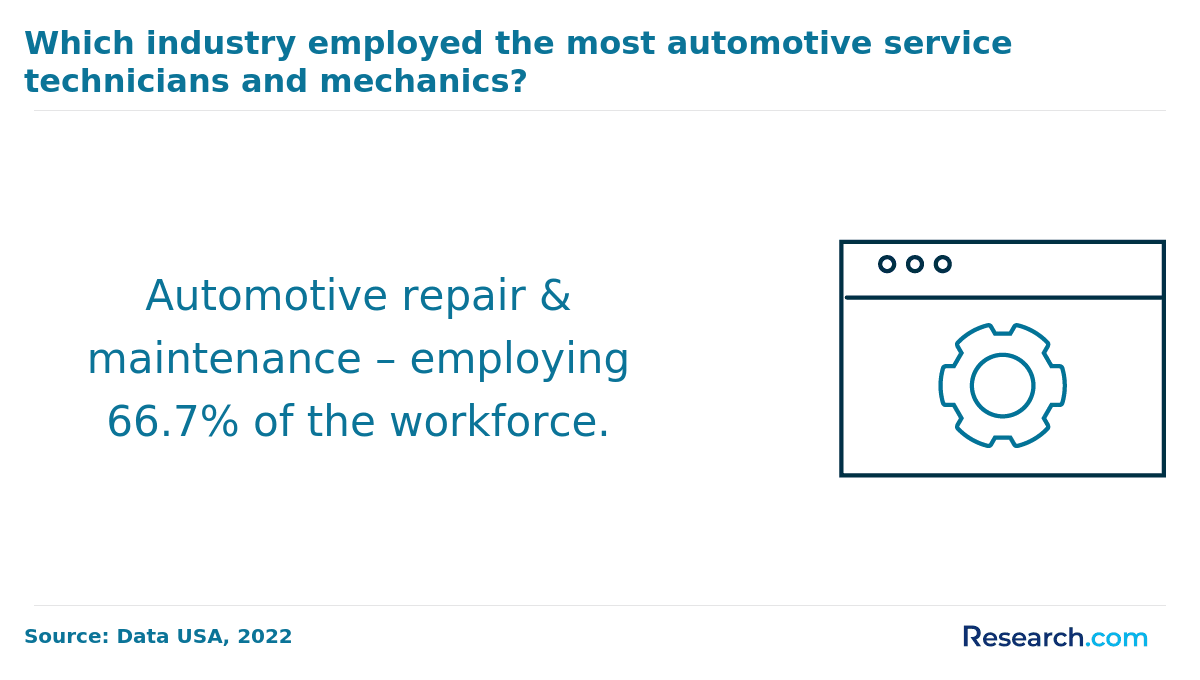
Nearly 7% of Delaware’s workforce is employed in automotive repair, yet many aspiring mechanics face uncertainty about the necessary steps to enter this field. The demand for skilled automotive technicians continues to grow, driven by technological advancements and an aging vehicle population.
This article, prepared by experts in career planning, offers a clear, comprehensive guide on how to become a mechanic in Delaware. It covers essential education requirements, certification options, and practical training pathways designed to help readers confidently navigate their way into a successful automotive repair career in the state.
Key Things to Know About Becoming a Mechanic in Delaware
- Delaware’s mechanic job market is projected to grow by 7% from 2022 to 2032, faster than the national average for all occupations.
- The median annual salary for automotive service technicians and mechanics in Delaware is approximately $47,500, which is slightly above the national median.
- Most accredited mechanic training programs in Delaware require 12 to 24 months of study, combining classroom instruction with hands-on experience.
- What are the steps to become a mechanic in Delaware?
- What training and education options are available in Delaware?
- Do you need certifications to work as a mechanic in Delaware?
- How long does it take to become a mechanic in Delaware?
- How much does it cost to become a mechanic in Delaware?
- What job opportunities are available for mechanics in Delaware?
- Should automotive mechanics consider HVAC training in Delaware?
- Can integrating electrical expertise elevate my automotive career in Delaware?
- How much do mechanics make in Delaware?
- Can automotive technical skills lead to alternative career opportunities in Delaware?
- What are the safety and regulatory considerations for mechanics in Delaware?
- What tools and skills do mechanics need to succeed?
- What are the career growth opportunities for mechanics in Delaware?
- What are the pros and cons of becoming a mechanic in Delaware?
- Should I develop business skills alongside my technical training?
What are the steps to become a mechanic in Delaware?
If you want to become a mechanic in Delaware, here are the steps you'll need to take:
Begin with Relevant Education and Training
Delaware offers multiple educational routes for aspiring mechanics, starting with high school programs like the Automotive Technology Pathway, which integrate hands-on training with foundational academic skills. While a post-secondary degree is not legally required, completing certificate or associate degree programs can enhance employment prospects and provide a stronger skill set.
Consider Apprenticeships for Practical Experience
The state-endorsed Automotive Technician Registered Apprenticeship combines classroom learning with on-the-job training, preparing participants for Automotive Service Excellence (ASE) certification. However, entry into this program requires prior maintenance experience or coursework and passing specific assessments, which may pose barriers for some candidates. Its Workforce Innovation and Opportunity Act (WIOA) approval and financial aid options offer valuable support, but accessibility depends on individual circumstances.
Evaluate Certification and Legal Requirements
Delaware does not require state licensure for mechanics, yet employers often expect a valid driver’s license and a high school diploma. ASE certification, though not mandatory, is widely recommended for career advancement. Obtaining ASE certification demands a combination of work experience and education, which may challenge those entering the field without prior exposure but ultimately increases job opportunities and earning potential.
Leverage Financial and Workforce Resources
Training costs are relatively affordable, with programs offering tuition rates around $1,200 for residents, supplemented by state initiatives such as the DelDOT Workforce Academy and Elevate Delaware. These programs provide financial aid and help connect students with employers, though awareness and eligibility can vary, potentially limiting access for some.
Engage with Local Industry and Networking Opportunities
Delaware’s partnerships between schools and employers facilitate job fairs, internships, and co-op programs, which are crucial for gaining experience and employment leads. While these connections can accelerate career entry, individual effort and timing remain significant factors in securing positions within this competitive field.
What training and education options are available in Delaware?
Delaware offers a limited but focused range of automotive technician training programs designed to meet industry standards. Prospective students should weigh the benefits of hands-on experience against the relatively narrow selection of programs available within the state.
The main training and education options available in Delaware include:
- Delaware Technical Community College’s Associate of Applied Science in Automotive Service Technology, which emphasizes practical skills and preparation for ASE certification exams.
- Vocational high schools such as Delcastle Technical High School, St. Georges Technical High School, and Hodgson Vo-Tech High School, which provide early exposure to automotive repair and auto body specialties.
- The Automotive Technician Registered Apprenticeship program, notable for combining classroom instruction with on-the-job learning, ASE exam preparation, and flexible evening schedules to accommodate working individuals.
- Financial aid opportunities through programs like DelDOT Workforce Academy and Elevate Delaware that may alleviate the cost burden for eligible students.
- Additional pathways such as the Industrial Maintenance Mechanic program at Delaware Technical Community College, offering broader mechanical training beyond automotive repair.
Each option presents trade-offs. For example, apprenticeship programs require prior experience or coursework and passing CASAS assessments, which may limit accessibility. Meanwhile, community college programs focus heavily on preparing students for ASE certifications, essential credentials in the automotive field but requiring ongoing renewal and experience. Despite the constrained variety of programs, these options align with industry demands and can equip students for competitive employment. For those considering career paths with a technical focus, reviewing best jobs for trade school graduates may offer a broader perspective on opportunities related to automotive technician training programs in Delaware.
Meanwhile, the chart below shows the distribution of automotive mechanics by educational attainment.
Do you need certifications to work as a mechanic in Delaware?
Delaware does not require mandatory state-issued licensing or certification for mechanics, which might initially suggest an open entry to the profession. However, in practice, many employers prioritize candidates who possess recognized credentials to ensure a high standard of service and technical competence.
While no legal certification is compulsory, understanding delaware mechanic certification requirements reveals that credentials like the ASE certification carry significant weight. ASE certification for automotive technicians in Delaware is widely regarded as the industry standard, providing a verified benchmark of skills and knowledge. Achieving ASE certification typically involves completing relevant work experience, passing specialized exams, and maintaining certification through ongoing recertification.
The ASE G1 certification is often viewed as a foundational credential, particularly for entry-level roles. Beyond this, specialized certifications in areas such as engine repair, suspension and steering, brakes, and electrical systems are especially valued in Delaware’s automotive sector. These areas align closely with the state’s technician training programs, underscoring the practical emphasis employers place on relevant, recognized expertise.
For those who prefer formal education, Delaware offers structured pathways such as registered apprenticeship programs that integrate classroom learning with on-the-job training, leading to ASE certifications. Vocational schools and community colleges also provide comprehensive automotive technology programs covering critical repair and diagnostic skills.
Financial assistance opportunities further support access to these training pathways. For individuals considering their options, exploring how to start your career as an auto mechanic through reputable sources can clarify the balance between certification benefits and the absence of mandatory licensing in Delaware.
The chart below shows the number of ASE-certified professionals by specialty in the automobile series.
How long does it take to become a mechanic in Delaware?
Becoming a mechanic in Delaware involves a significant investment of time and effort, typically spanning over a year when combining formal education with practical experience. The process is not uniform for everyone, as different pathways and individual circumstances can affect the timeline.
The commonly referenced route is through the Polytech Adult Education apprenticeship program, which lasts about 60 weeks and includes 360 hours of classroom and lab instruction. This structured program aims to equip participants with both theoretical knowledge and hands-on skills, preparing them for nationally recognized ASE certification exams. However, completing this program alone does not guarantee immediate employment or mastery; many employers expect additional on-the-job experience, especially for advanced roles that require several years of work diagnosing and repairing complex automotive systems.
Some aspiring mechanics can accelerate their journey by leveraging prior experience or specialized courses, allowing them to bypass introductory training segments. Evening classes and flexible scheduling also help those balancing work and education, making it possible to gain practical skills concurrently with formal instruction. Still, self-directed candidates attempting ASE exams without formal training face a steeper challenge, as hands-on guidance is often crucial to mastering the trade’s complexities.
One Delaware mechanic recalled the struggle of adapting to the evening class schedule after long workdays, finding it mentally taxing yet rewarding once the first ASE exam was passed. They emphasized the importance of perseverance through the slow accumulation of skills, noting that practical experience alongside classroom learning was key to building confidence.
How much does it cost to become a mechanic in Delaware?
Becoming a mechanic in Delaware involves varied costs, with program tuition ranging from under $1,000 to over $15,000, depending on the training path chosen. Careful consideration of these expenses is essential to make an informed decision about your education investment.
- The Automotive Technician Registered Apprenticeship program offers an affordable entry point at $750 for in-state students, including textbooks, test prep workbooks, and ASE certification exams. Out-of-state students pay $1,495.
- More comprehensive options, such as the four-semester Automotive Technology Training Program, cost approximately $15,955 for in-state and up to $31,052.50 for out-of-state students, reflecting a significant financial commitment.
- Shorter or specialized courses, like the 12-hour Automotive Essentials class at Delaware Area Career Center, are available for $179, while the Mechanics & Equipment course costs $299 for 72 hours of instruction.
- Additional expenses beyond tuition—such as books (estimated at $3,200 for the four-semester program), tools, certification fees ($47 per ASE test plus $34 registration), and lab fees—can substantially increase overall costs.
- Given these factors, those researching mechanic school tuition in Delaware should weigh the benefits of less expensive apprenticeships against the depth of training offered by longer programs.
Financial aid options and state initiatives can alleviate some financial burdens, but prospective students must also budget for living expenses during their studies. For individuals seeking to balance cost with earning potential, exploring quick trades that pay well may provide additional career insights.
What job opportunities are available for mechanics in Delaware?
In Delaware, a variety of job opportunities are available for mechanics, ranging from traditional automotive roles to specialized positions in heavy equipment and industrial settings.
Automotive Mechanic/Technician
Automotive mechanics in Delaware face a competitive but growing market, as the demand for skilled technicians steadily increases. Experience remains a critical factor, and many employers emphasize the importance of teamwork and efficiency when diagnosing and repairing vehicles.
One mechanic shared how navigating the initial job search felt daunting due to the variety of employers and required certifications. However, gaining hands-on experience and networking within local shops proved essential in securing a stable position.
Given the evolving technological landscape in automotive repair, staying current with diagnostic tools is vital. For those seeking to enter the field, exploring the best rated automotive mechanic trade school programs can provide a strong foundation.
Heavy Equipment Mechanic
Heavy equipment mechanics in Delaware must often have prior experience with heavy-duty fleets, reflecting the technical demands of construction and industrial machinery maintenance. The steady demand for these roles suggests a reliable career path, though entry barriers include specialized skills and certifications.
Mechanics in this sector may encounter challenges in balancing hands-on repair work with the responsibility of training others, requiring both expertise and patience. This dual role can enhance job satisfaction but also demands continuous skill development.
Industrial Mechanic
Industrial mechanics maintain machinery critical to manufacturing and other industrial sectors, where operational efficiency is paramount. The requirement of two to five years of experience highlights the value placed on proven competence in these environments.
While pay often correlates with experience, the steady demand for industrial mechanics indicates ongoing opportunities. However, adapting to evolving industrial technologies remains a necessary challenge for sustained employability.
Here's a look at the distribution of automotive mechanics by gender:
Should automotive mechanics consider HVAC training in Delaware?
Expanding your technical expertise by obtaining HVAC credentials can open up complementary career opportunities and enhance long-term job security. In Delaware, where evolving technologies blur the lines between automotive and HVAC systems, diversifying your skill set may lead to a broader range of service roles and higher earning potential. Cross-training can also make you more adaptable to regional economic shifts and industry demands. For details on the certification process, consider reviewing our article explaining how to get HVAC license in Delaware.
Can integrating electrical expertise elevate my automotive career in Delaware?
Mechanics in Delaware increasingly face vehicles with sophisticated electronic systems and hybrid technologies. Expanding your skill set to include electrical diagnostics and repair can provide access to emerging niche markets and enhance overall job security. Focused training in electrical systems complements core mechanical abilities, offering a competitive edge and opening pathways to advanced roles within the industry. Consider exploring targeted cross-training opportunities, such as how to become an electrician in Delaware, to further diversify your technical expertise.
How much do mechanics make in Delaware?
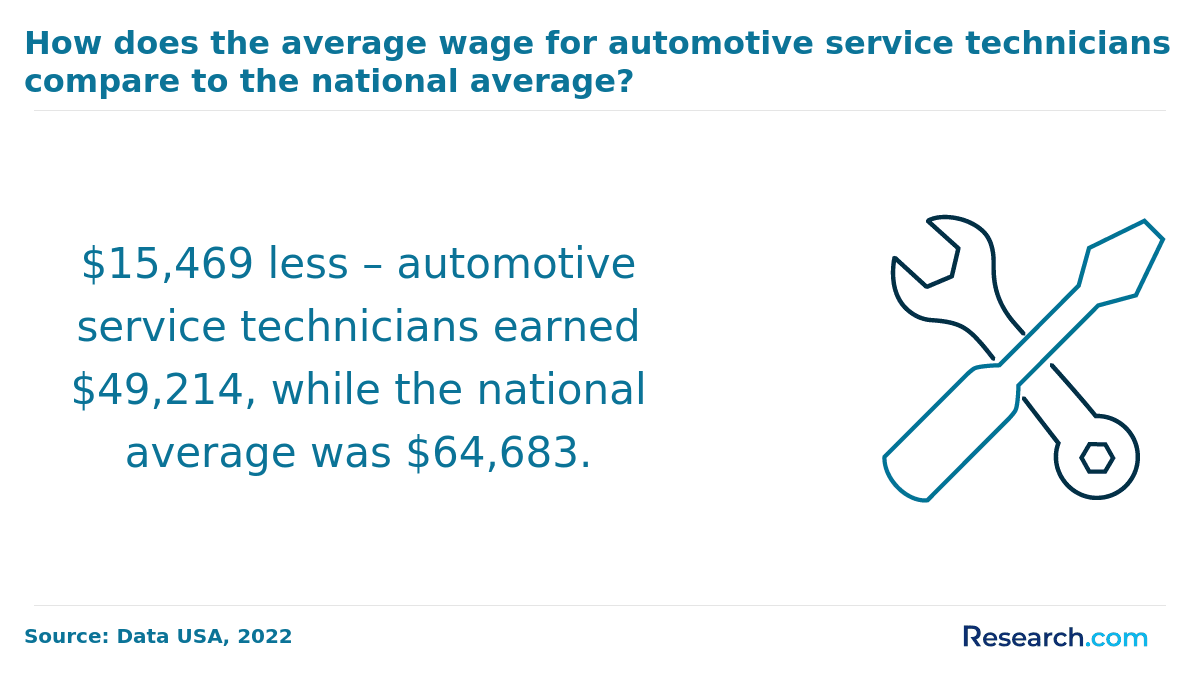
Automotive mechanics in Delaware experience a salary range that reflects various factors such as experience, certification, and specialization. The delaware mechanic salary range $29,270 to $63,630 highlights that entry-level workers typically start near the lower end, while seasoned professionals with advanced skills or certifications earn toward the higher end.
The average auto mechanic hourly wage in Delaware varies between approximately $26.15 and $32.25, depending on the data source and level of expertise. Entry-level mechanics can expect around $25.16 per hour, translating to an annual salary near $50,863. More experienced mechanics or those with specialized certifications, such as those in hybrid or electric vehicle technology, may surpass these figures.
Several factors influence these earnings. Geographic location within Delaware plays a role, with urban centers often offering higher wages. Employment setting is also significant; dealership technicians generally receive more structured career advancement opportunities and benefits compared to those at independent repair shops. For example, the Hertrich Family of Dealerships provides multiple career pathways and training options across its 24 locations.
Mechanics aiming to enhance their earning potential should consider pursuing nationally recognized certifications like ASE or manufacturer-specific credentials. Developing specialized skills in emerging automotive technologies can further differentiate a candidate in the job market. For those weighing educational options, understanding the benefits of trade schools vs college can be a crucial step in planning their career path.
Can automotive technical skills lead to alternative career opportunities in Delaware?
Mechanics develop a precise, analytical approach to problem solving that is valuable beyond the automotive industry. These technical competencies, honed through hands-on repair and diagnostics, can serve as a foundation for careers in other high-demand fields. For instance, professionals seeking to diversify their technical repertoire might explore healthcare technology roles that require rigorous training and certification, such as meeting Delaware ultrasound technician requirements. This perspective encourages consideration of cross-disciplinary paths that leverage core technical skills in Delaware’s evolving job market.
What are the safety and regulatory considerations for mechanics in Delaware?
Mechanics operating in Delaware must adhere to rigorous workplace safety standards and regulatory guidelines to mitigate hazards from heavy machinery, chemicals, and electrical systems. Compliance with OSHA standards and state-specific safety protocols is crucial for maintaining a secure work environment, which includes the proper use of personal protective equipment, thorough training in handling hazardous materials, and routine safety audits conducted by employers. Staying updated on regulatory changes and integrating best practices in safety management can help reduce workplace incidents and support long-term career sustainability. Additionally, expanding technical expertise into related fields may offer further insights into safety compliance; for example, professionals might review how to become a radiology technician in Delaware to explore complementary safety and regulatory standards.
What tools and skills do mechanics need to succeed?
Success in Delaware’s automotive mechanic field depends not only on technical skills but also on adaptability to the evolving demands of the industry. While formal training lays the foundation, ongoing skill development and practical experience remain critical.
Key tools and skills to excel as a mechanic include:
- Proficiency with diagnostic equipment to accurately identify vehicle issues.
- Strong understanding of automotive systems, including engines, transmissions, brakes, and electrical components.
- Manual dexterity and the ability to work efficiently with hand and power tools.
- Problem-solving skills to troubleshoot complex mechanical and electronic problems.
- Familiarity with computer software used for vehicle systems and repair documentation.
- Effective communication skills to explain repairs and maintenance needs to customers.
- Time management to balance multiple repair tasks and meet service deadlines.
- Commitment to safety protocols to prevent workplace accidents and ensure compliance with regulations.
While technical expertise is essential, mechanics should also be prepared for shifts in technology, such as the rise of electric and hybrid vehicles, which may require additional certifications or retraining. Local technical programs, like those offered by Delaware Technical Community College, can provide valuable hands-on experience and up-to-date knowledge. However, aspiring mechanics must critically assess these programs’ alignment with current industry standards and employer expectations to ensure their investments yield practical career benefits.
What are the career growth opportunities for mechanics in Delaware?
Mechanics in Delaware face a dynamic job market influenced by regional economic factors and evolving automotive technologies. Career growth depends on acquiring relevant certifications, adapting to industry changes, and leveraging local training opportunities.
Certification and Skill Development
Advancement for mechanics often hinges on obtaining industry-recognized credentials such as ASE (Automotive Service Excellence) certifications. These certifications validate expertise in areas like engine repair, electrical systems, and emissions control. Given the increasing complexity of vehicle technology, mechanics who invest in continuous education—particularly in hybrid and electric vehicle maintenance—position themselves favorably for career progression. However, the initial cost and time commitment for certification can be a barrier, especially for those balancing work and personal responsibilities.
Local Training and Apprenticeships
Delaware offers several vocational and technical programs through community colleges and trade schools that provide foundational knowledge and hands-on experience. These institutions often collaborate with local dealerships and repair shops to facilitate apprenticeships. Such partnerships are crucial for practical learning and networking. Nevertheless, the relatively small market size may limit the number of apprenticeship placements, potentially slowing the entry of newcomers into the profession.
Market Demand and Economic Factors
The demand for skilled mechanics in Delaware remains stable due to a consistent vehicle population and regional commercial activity. Opportunities exist in independent garages, dealerships, and fleet maintenance. Yet, economic fluctuations and the rise of automated diagnostic tools could affect job availability and required skill sets. Mechanics who diversify their skills to include diagnostics and customer service tend to have better job security and advancement prospects.
Career Mobility and Specialization
Mechanics willing to specialize in niche areas—such as diesel engines, collision repair, or advanced electronics—may access higher wages and leadership roles. Conversely, generalist mechanics might find steady but limited upward mobility. Geographic mobility within the Mid-Atlantic region can also expand opportunities, but relocation involves personal and financial considerations that may not be feasible for all.
What are the pros and cons of becoming a mechanic in Delaware?
Choosing to become a mechanic in Delaware involves weighing several key factors that can impact career satisfaction and stability. The state’s economic landscape and workforce demands play significant roles in shaping these considerations.
Pros
Delaware's strategic location near major urban centers provides mechanics with steady job opportunities. The presence of auto dealerships, repair shops, and fleet services ensures a relatively consistent demand for skilled technicians. Mechanics in Delaware benefit from competitive wages compared to some neighboring states, which can enhance financial stability. Additionally, apprenticeship programs and technical schools in the region offer accessible pathways for skill development without requiring lengthy or costly education. The state's moderate cost of living further supports a reasonable quality of life for mechanics starting or advancing their careers.
Cons
However, the auto repair industry in Delaware faces challenges that may affect long-term career growth. The increasing complexity of vehicle technology demands continuous training, which may pose financial and time burdens on mechanics without employer support. The relatively small size of Delaware's market limits the number of high-paying specialized mechanic positions, often requiring professionals to compete for fewer advanced roles. Economic fluctuations can impact the discretionary spending of residents on vehicle maintenance, potentially leading to job instability during downturns. Furthermore, without union representation or robust industry regulation, job security and benefits can vary widely between employers.
Should I develop business skills alongside my technical training?
Mechanics seeking long-term success in Delaware's competitive market can enhance their career prospects by integrating business acumen with technical expertise. A strong grasp of financial management, marketing strategies, and operational planning enables mechanics to expand beyond service roles, potentially establishing their own repair businesses or moving into supervisory positions. This business-focused approach helps in optimizing customer relations, cost control, and strategic decision-making. For additional insights and guidance, refer to the top business schools in Delaware.
What do mechanics say about their careers in Delaware?
Enrolling in the Delaware Vocational Technical School’s automotive program gave me hands-on experience that textbooks alone couldn’t provide. Working directly on engines and diagnostics helped me build real confidence in my skills. I appreciate how the program balances theory with practical training. – Jerome
The mechanics programs available in Delaware offered access to modern tools and valuable mentorship, making learning the trade more approachable than I expected. The supportive environment allowed me to practice repairs and understand current industry standards, which prepared me well for my first job. Being able to access certain lectures and demonstrations online was incredibly convenient, allowing me to fit my studies around other commitments without feeling rushed. It's rewarding to see my progress in a field I enjoy. – Larry
Participating in the Delaware state-sponsored automotive mechanics program made it possible to get certified while gaining valuable shop time. The structured approach of practicing on actual vehicles helped me develop a steady workflow and problem-solving mindset. It’s satisfying to fix issues and improve vehicle performance firsthand. – Javier
Related Articles for Nearby States
- 2027 How to Become a Mechanic in Maryland: Requirements & Certification
- 2027 How to Become a Mechanic in New Jersey: Requirements & Certification
- 2027 How to Become a Mechanic in Pennsylvania: Requirements & Certification
- 2027 How to Become a Mechanic in Virginia: Requirements & Certification
- 2027 How to Become a Mechanic in West Virginia: Requirements & Certification
- 2027 How to Become a Mechanic in New York: Requirements & Certification
- 2027 How to Become a Mechanic in Connecticut: Requirements & Certification
- 2027 How to Become a Mechanic in Rhode Island: Requirements & Certification
- 2027 How to Become a Mechanic in North Carolina: Requirements & Certification
- 2027 How to Become a Mechanic in Ohio: Requirements & Certification
References:
- Automotive Technician Studies | Delaware Technical Community College https://www.dtcc.edu/academics/programs-study/automotive-technician-studies
- Auto Repair | Delaware, OH | Leroy’s Service Center https://www.autorepairdelawareoh.com
- Auto Repair in New Castle, DE | Sevy's Auto Repair https://www.sevysautorepair.com
- Auto Repair Shop in Rehoboth Beach, DE - Auto Mechanics You Can Trust And Count On https://rehobothautorepair.com
- Classic Car Mechanic Salary Delaware Classic Car Jobs https://classiccarjobs.us/2024/07/16/classic-car-mechanic-salary-delaware
- Delaware Automotive Service | Delaware OH Tires & Auto Repair Shop https://www.delawareautomotiveservice.com
- Equipment Mechanic I-II - State of Delaware https://www.jobapscloud.com/DE/sup/BulPreview.asp
- Industrial machinery mechanic salary in Delaware ‐ CareerExplorer https://www.careerexplorer.com/careers/industrial-machinery-mechanic/salary/delaware
- Professional Auto Repair in Delaware | Buckley's Auto Care https://www.buckleysautocare.com
- Quality Auto Repair Shop in Bear, DE, with Expert Mechanics https://asapatt.com
Other Things You Should Know About Becoming a Mechanic in Delaware
To become a certified mechanic in Delaware in 2027, you generally need a high school diploma or GED, complete a vocational training program, and obtain ASE (Automotive Service Excellence) certifications. These certifications can enhance your credibility and career prospects in the automotive industry.
To become a certified mechanic in Delaware in 2027, complete a high school diploma or GED, enroll in an accredited automotive technology program, and obtain ASE certification. Consider internships or apprenticeships for hands-on experience to strengthen your skills and hiring prospects.


