
2027 How to Become an HVAC Tech in Delaware

Co-Founder and Chief Data Scientist
The demand for HVAC technicians in Delaware is steadily rising, driven by growing infrastructure, evolving energy standards, and the need for skilled professionals to maintain, repair, and install climate control systems. With competitive wages and long-term job stability, pursuing a career in HVAC is both a practical and rewarding choice. Whether you’re drawn to hands-on technical work or intrigued by sustainable building solutions, this path offers real opportunities for growth.
As someone who has studied this field extensively, I, along with my team, created this guide to help you navigate the journey. We'll cover education options, licensing requirements, salary expectations, career paths, and more.
Key Points About Becoming an HVAC Tech in Delaware
- Delaware’s HVAC job outlook shows steady demand, but consider regional economic shifts that might affect long-term growth opportunities in the trade.
- The average HVAC technician salary in Delaware is $58,833 annually, though costs of living and experience levels significantly influence earnings (ZipRecruiter, 2025).
- Delaware’s small size and proximity to larger markets offer diverse job prospects, yet one should weigh competition and certification requirements carefully.
- What are the educational requirements to become an HVAC Tech in Delaware?
- Which schools in Delaware offer HVAC programs?
- What skills do you need to become an HVAC Tech in Delaware?
- What are the requirements for HVAC licensure in Delaware?
- What is the licensing process for HVAC technicians in Delaware?
- How long does it take to become an HVAC tech in Delaware?
- Will an HVAC license from Delaware allow you to work in other states?
- What additional certifications can accelerate your HVAC career in Delaware?
- What Are the Career Advancement Opportunities for HVAC Technicians in Delaware?
- Can Business Skills Enhance Your HVAC Career in Delaware?
- How Can Continuing Education Impact Your HVAC Career in Delaware?
- How much do Delaware HVAC technicians earn?
- Is there a demand for HVAC technicians in Delaware?
- Is Delaware a good place to work as an HVAC tech?
- Could complementary technical certifications enhance your career prospects in Delaware?
What are the educational requirements to become an HVAC Tech in Delaware?
Becoming an HVAC technician in Delaware involves several key educational and training steps that ensure both theoretical knowledge and practical skills. The path is shaped by foundational academic requirements and hands-on learning experiences that prepare students for real-world HVAC challenges.
The educational requirements for HVAC technicians in Delaware typically include:
- High school diploma or equivalent. This baseline credential provides essential skills in math, science, and communication, which are critical for understanding HVAC systems.
- Formal HVAC training programs. Often offered by vocational schools, community colleges, or technical institutes, these programs deliver comprehensive instruction in refrigeration, electrical systems, and heating technologies.
- Apprenticeship completion. Combining paid on-the-job training with classroom learning, apprenticeships usually last 3 to 5 years and are vital for gaining practical experience under expert supervision.
When exploring HVAC training programs in Delaware, it is also worth examining the balance between certification and hands-on learning. For a deeper understanding of these options, consider reviewing HVAC certification vs apprenticeship which is better to make an informed decision about the best educational path.
According to the chart below, most HVAC technicians hold an associate degree (29%) or a high school diploma (24%), while a smaller portion have a bachelor’s degree (10%) or other types of educational qualifications (20%). This distribution shows that pursuing an HVAC career is accessible to many, with multiple educational pathways available to enter the field and advance professionally.
Which schools in Delaware offer HVAC programs?
When exploring which Delaware technical schools offer HVAC training, prospective students should carefully assess program content, practical experience, and affordability. Two prominent institutions stand out for HVAC education in the state, each catering to different career goals and timelines.
First, Delaware Technical Community College (Delaware Tech) provides a comprehensive HVAC curriculum covering heating systems, refrigeration, air conditioning, electrical components, and safety protocols. This program integrates classroom learning with hands-on labs designed to prepare students for entry-level HVAC technician roles. Tuition for in-state students is approximately $4,000 per year, making it a relatively affordable option for those seeking an associate degree. This program is well-suited for students aiming for a solid foundation in HVAC, with an eye toward traditional academic pathways.
Alternatively, the Delaware Construction Institute offers shorter, vocationally oriented HVAC technician training focused on trade skills and certifications. This option may appeal to those seeking faster entry into the workforce with practical, certification-based credentials. Tuition varies depending on the length and scope of the courses chosen. However, it is worth questioning if these programs adequately cover emerging HVAC technologies like eco-friendly refrigerants and smart HVAC systems, increasingly important in Delaware’s evolving construction sector.
Prospective students should also consider whether smaller trade schools or apprenticeships provide more current or cost-effective routes compared to traditional programs. Understanding the requirements to become an electrician can offer useful parallels for HVAC career planning, given the overlapping skill sets and industry demands.
What skills do you need to become an HVAC Tech in Delaware?
Working as an HVAC technician in Delaware requires a diverse set of skills to handle the state's challenging climate and varied heating and cooling needs. Success depends not only on technical knowledge but also on the ability to adapt and communicate effectively.
- Electrical Expertise. A solid grasp of electrical circuits and wiring is essential for safely diagnosing and repairing HVAC systems.
- Refrigeration Knowledge. Understanding refrigeration cycles and managing refrigerants according to Delaware’s EPA standards ensures compliance and system efficiency.
- Heating System Familiarity. Experience with gas, oil, and electric furnaces common in Delaware equips technicians to service a wide range of heating units.
- Blueprint Literacy. The ability to read technical manuals and schematics is crucial for accurate installation and maintenance.
- Diagnostic Proficiency. Skilled use of tools and software for troubleshooting and system evaluation enhances repair accuracy.
While technical skills form the foundation, strong problem-solving abilities and keen attention to detail are equally important to navigate Delaware’s fluctuating weather and maintain indoor air quality. Additionally, communication skills enable technicians to clearly explain issues and solutions, a factor sometimes underestimated but vital for customer satisfaction and trust.
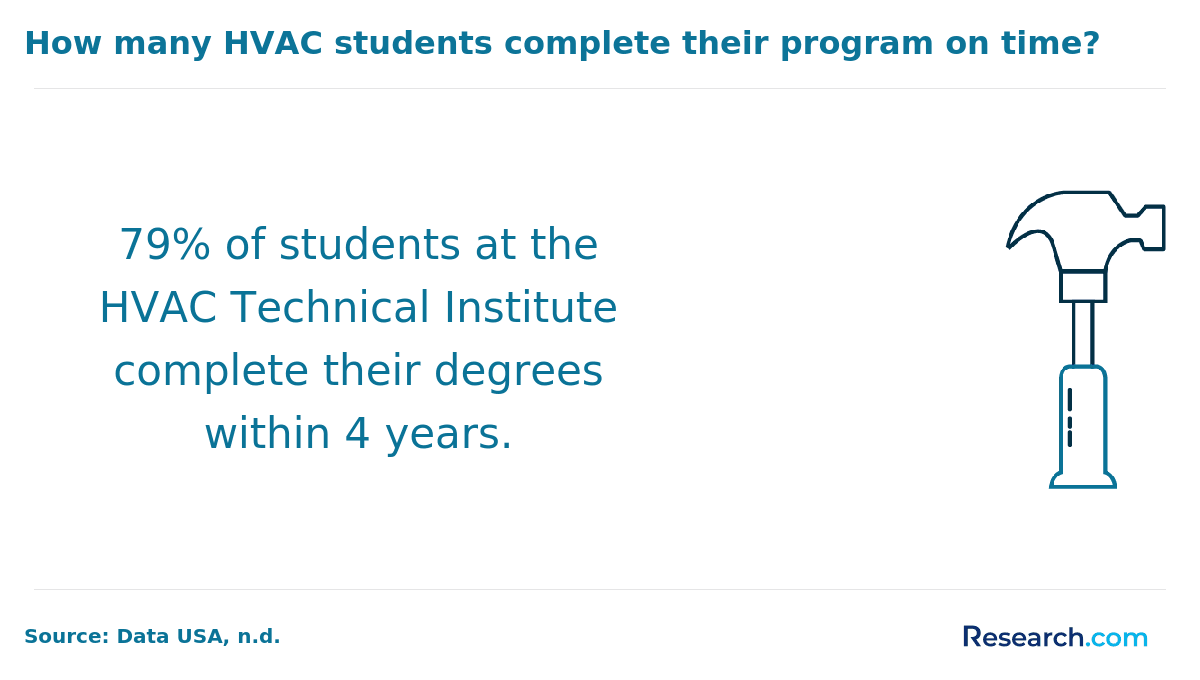
What are the requirements for HVAC licensure in Delaware?
Delaware does not have a unique statewide HVAC licensing exam for entry-level technicians, but requires licensing through its Division of Professional Regulation for advanced roles like Master HVACR. All technicians handling refrigerants must have EPA Section 608 certification, per federal law.
Delaware’s HVAC certification emphasizes practical experience with a four-year requirement, which may limit access for skilled individuals with less time in the field. The mandatory exam standardizes qualifications but could disadvantage those less comfortable with testing. While the lack of a separate state refrigerant license simplifies the process, the required criminal background check adds a protective yet potentially exclusionary measure.
Individuals considering a career in trades such as HVAC should carefully weigh these factors. For those interested, exploring pathways and requirements thoroughly can help navigate the licensing process effectively. More information about pursuing a career in trades is available to provide guidance on such professional journeys.
What is the licensing process for HVAC technicians in Delaware?
To become a licensed HVAC technician in Delaware, you must follow a structured process overseen by the Delaware Division of Professional Regulation (DPR). The licensing pathway varies depending on your experience, education, and the specific license type you are pursuing. Here are the steps that you must follow:
- Determine the Appropriate License Type. Delaware offers several HVACR licenses depending on your career goals. These include the Master HVACR License, which allows unrestricted work on all HVAC systems; the Master HVACR Restricted License, which limits practice to specific specialties such as air conditioning, refrigeration, gas piping, or ventilation; and the HVACR Contractor License, required for those who plan to operate their own HVAC business.
- Fulfill Experience and Education Requirements. If you have a Journeyman Certificate from an approved apprenticeship program, you must provide proof of completion and demonstrate at least two years of supervised work experience under a master licensee. Without a Journeyman Certificate, you need to submit evidence of at least seven years of supervised work experience, after which you may be required to take the Apprenticeship By-Pass Exam.
- Obtain EPA Section 608 Certification. All technicians who handle refrigerants must obtain the EPA Section 608 certification as required by federal law.
- Apply Through the DELPROS System. Create an account on the Delaware Professional Regulation Online Services (DELPROS) portal. Complete the online application for your desired license, upload all required documentation, including proof of experience and certifications, and pay the applicable fees.
- Pass the Required Examination. Once your application is approved, you will be authorized to take the licensing exam. A passing score is typically set at 70%.
- Meet Additional Requirements for Contractors. If you intend to run your own HVAC business, you must obtain a contractor license through the Delaware Division of Revenue and secure liability and workers’ compensation insurance.
How long does it take to become an HVAC tech in Delaware?
Becoming an HVAC technician in Delaware involves a structured timeline combining education, practical experience, and licensure. The typical duration is:
- 6 months to 2 years for formal HVAC education. This phase covers essential technical skills including refrigeration, heating systems, electrical components, and safety protocols. Those exploring options might consult a list of the best online HVAC trade schools for flexible programs.
- Approximately 2 years (4,000 hours) of apprenticeship or work experience. Delaware requires hands-on training under a licensed professional to develop real-world proficiency with HVAC systems.
- Additional months for exam preparation and licensing procedures. Passing the state licensing exam is mandatory, and preparation time varies based on individual proficiency.
The total time to become an HVAC technician candidates face often raises the question of whether a shorter path compromises skill depth or safety awareness, which are critical in this industry. On the other hand, longer programs may provide broader knowledge but delay workforce entry, so prospective technicians should carefully weigh these factors when planning their training timeline.
Will an HVAC license from Delaware allow you to work in other states?
Holding an HVAC license in Delaware does not guarantee the ability to work as an HVAC technician in other states because there are no formal reciprocity agreements in place. This means that professionals licensed in Delaware often need to complete additional licensing steps to qualify for work elsewhere. The absence of reciprocity reflects the differing regulations, safety protocols, and certification standards that vary from state to state, challenging the notion that one license should be universally accepted across the country. For those seeking to practice outside Delaware, common requirements include:
- Submitting an application to the licensing authority of the destination state
- Fulfilling that state’s unique education and work experience criteria
- Completing any mandatory exams
- Paying the necessary fees
Although this multi-step process may appear burdensome, it highlights the importance of adhering to localized professional standards and ensuring competency in diverse regulatory environments.
What additional certifications can accelerate your HVAC career in Delaware?
Pursuing advanced credentials can expand your technical expertise and open new career growth pathways. Specialized certifications, such as NATE accreditation, training in energy-efficient system design, and safety-focused credentials, not only validate your skills but also signal a commitment to ongoing professional development. Additionally, obtaining cross-disciplinary qualifications—like understanding related trades how to get electrician license in Delaware—can offer a competitive edge in multifaceted roles and complex projects. These enhanced certifications afford greater job flexibility and may lead to higher earning potential while keeping you at the forefront of evolving industry standards.
What Are the Career Advancement Opportunities for HVAC Technicians in Delaware?
HVAC professionals can progress by targeting specialized certifications and leadership roles that extend beyond core technical skills. Technicians may benefit from continuing education in areas such as energy-efficient systems, smart home integrations, and project management. Additionally, branching into complementary trades can diversify career paths; for example, exploring how to become a mechanic in Delaware offers an avenue to expand technical expertise. Participation in professional organizations and mentorship programs also contributes to robust career development while addressing evolving technological demands.
Can Business Skills Enhance Your HVAC Career in Delaware?
Integrating business acumen with technical expertise can empower HVAC professionals to excel in leadership roles or successfully launch independent ventures. Acquiring skills in strategic planning, financial management, and customer relations provides a competitive edge in an increasingly dynamic market. Additionally, understanding operational efficiencies and innovative business practices can facilitate smoother project management and long-term career advancement. For further guidance on blending technical and entrepreneurial skills, explore the best business schools in Delaware.
How Can Continuing Education Impact Your HVAC Career in Delaware?
Staying current with technological advancements and regulatory updates is essential for long-term success in the HVAC field. Ongoing professional development through specialized training, workshops, and certification courses can enhance technical proficiency and prepare technicians for emerging challenges in energy-efficient systems and smart technologies. This strategic approach not only broadens job opportunities but also ensures adherence to evolving safety and industry standards. For additional insights into structured educational pathways, consider reviewing Delaware education requirements for radiologic technologist.
How much do Delaware HVAC technicians earn?
HVAC technician salaries in Delaware generally fall between $40,000 and $60,000 annually, but this range should not be taken at face value. Pay levels can vary widely depending on factors such as experience, certifications, and technical expertise. Entry-level workers typically earn less, while those with specialized skills, like refrigeration or energy-efficient system maintenance, often secure higher pay due to increased demand in those niches. Geographic differences within the state further complicate the picture, as urban areas may offer better compensation compared to rural regions owing to cost-of-living variations and service demand.
It is also worth examining common assumptions about the profession’s uniformity in pay. Certification status, union affiliation, and the nature of the employer—residential versus commercial—can all influence earnings significantly. Prospective technicians should approach average salary figures cautiously and consider these nuances when evaluating career opportunities. Understanding these variables provides a more realistic perspective on potential income rather than relying solely on broad averages.
Is there a demand for HVAC technicians in Delaware?
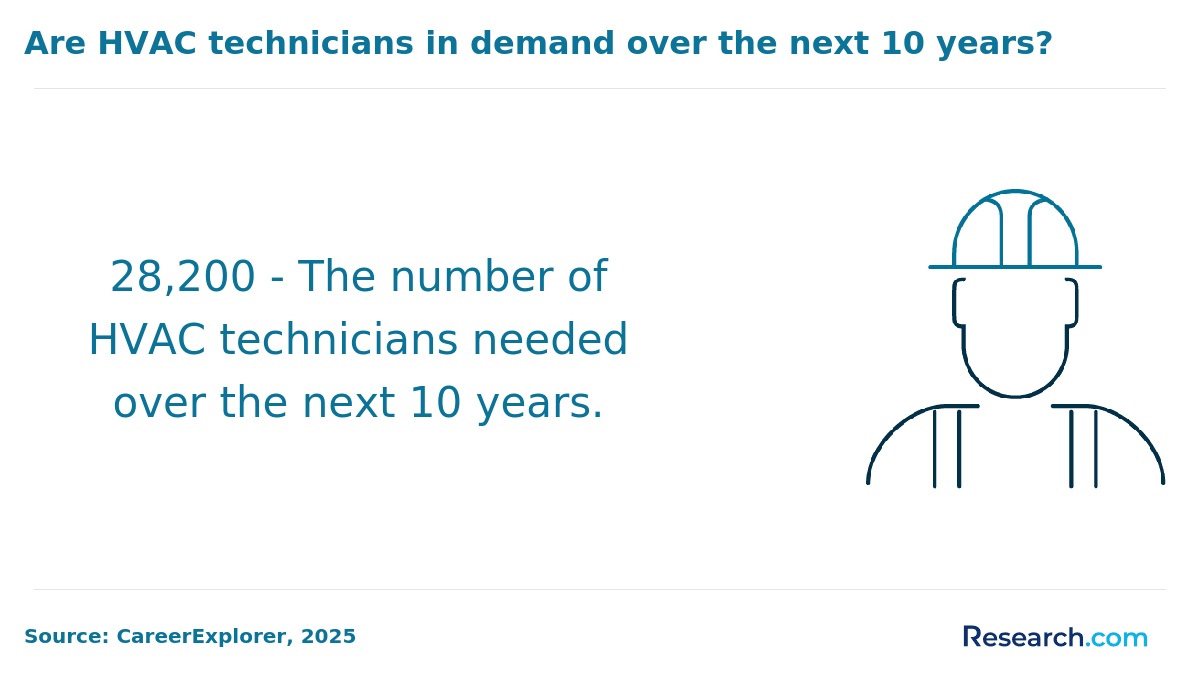
The demand for HVAC technicians in Delaware appears steady, mirroring national trends but with local nuances. Projections indicate HVAC employment will grow by about 12% over the next decade in Delaware, offering 160 annual job openings.
Different types of HVAC specialists face varying prospects. Technicians skilled in installing and maintaining energy-efficient and environmentally friendly systems may encounter increased job openings due to rising regulatory pressures and consumer preferences. In contrast, traditional HVAC repair roles might experience slower growth as newer technologies reduce the need for frequent maintenance. This evolving landscape suggests that those entering the field should carefully evaluate the Delaware HVAC industry employment outlook and consider emerging specialties.
For those seeking to enter this field, it is prudent to explore education pathways that align with these trends. Choosing from reputable online trade schools can provide relevant certifications and training. Prospective technicians should critically assess industry demands and regional economic factors rather than assume uniform opportunities across all HVAC roles.
Is Delaware a good place to work as an HVAC tech?
Considering Delaware as a location for building a career as an HVAC technician involves examining multiple aspects, including employment prospects, living expenses, and educational opportunities. While the state’s cost of living is generally lower than that of neighboring states, the limited size of Delaware’s market may constrain job availability and wage growth.
Delaware’s economy supports HVAC needs across residential, commercial, and industrial sectors, indicating a consistent demand for skilled technicians. Its proximity to major urban centers like Philadelphia could potentially broaden employment options beyond state lines. Yet, the HVAC industry within Delaware might not offer the same pace of expansion or advancement opportunities found in larger states, which could influence long-term career development.
Prospective HVAC technicians must complete accredited training and obtain necessary certifications, which are accessible in Delaware but less plentiful compared to larger states. This scarcity of local programs might require aspiring technicians to seek education elsewhere. Additionally, licensing standards in Delaware are typical but necessitate thorough adherence to ensure compliance.
Based on the chart below, the US residential HVAC market has steadily grown from $12.8 billion in 2021 to an expected $15.4 billion in 2024, reflecting increasing demand for HVAC services and technology upgrades. This strong market growth highlights HVAC technology as a promising career choice in Delaware and nationwide, offering stable job opportunities and potential for competitive salaries as the industry expands.
What HVAC Technicians in Delaware Say About Their Careers
- "Working as an HVAC technician in Delaware has given me incredible job stability. The demand here is consistently high, and the average salary really reflects the value of our skill set. It’s rewarding to know that my career choice provides both financial security and steady work year-round." – Brooklyn
- "The unique climate challenges in Delaware keep my work interesting and varied, from coastal humidity control to winter heating issues. It’s a dynamic environment that sharpens my problem-solving skills daily. I love that every job is a new opportunity to learn and adapt." – Zack
- "Delaware offers great professional development programs that have helped me advance quickly. The technical workshops and certification courses here are top-notch and accessible, making it easy to stay current with industry trends. This investment in education really makes a difference in my career growth." – Jaxon
Could complementary technical certifications enhance your career prospects in Delaware?
Diversifying technical expertise by gaining complementary certifications can open additional career avenues and strengthen overall employability in Delaware’s competitive market. Targeted cross-training in skills such as integrated building management or specialized system diagnostics may lead to roles with broader responsibilities and improved compensation levels. Furthermore, exploring adjacent technical fields can reveal alternative career strategies without compromising industry focus—for instance, learning how to become an ultrasound technician in Delaware introduces a different discipline that may offer transferable insights into technology integration and certification processes.
Related Articles for Nearby States
- 2027 How to Become an HVAC Tech in Maryland
- 2027 How to Become an HVAC Tech in New Jersey
- 2027 How to Become an HVAC Tech in Pennsylvania
- 2027 How to Become an HVAC Tech in Virginia
- 2027 How to Become an HVAC Tech in West Virginia
- 2027 How to Become an HVAC Tech in New York
- 2027 How to Become an HVAC Tech in Connecticut
- 2027 How to Become an HVAC Tech in Rhode Island
- 2027 How to Become an HVAC Tech in North Carolina
- 2027 How to Become an HVAC Tech in Ohio
References:
- Delaware JobLink. (n.d.). HVAC technician certificate program training program. https://joblink.delaware.gov/etp/public/institution_programs/1477
- Delaware Skills Center. (n.d.). HVAC energy technician - courses. https://www.deskillscenter.org/apps/pages/index.jsp
- Delaware Technical Community College. (n.d.). Refrigeration, heating, and air conditioning. https://www.dtcc.edu/academics/programs-study/refrigeration-heating-ac/
- Division of Professional Regulation - State of Delaware. (n.d.). Master HVACR and Master HVACR restricted licensure. https://dpr.delaware.gov/boards/plumbers/hvacrlicensure/
- HVAC Certification. (n.d.). Delaware HVAC license requirements: How to get a HVAC license in DE. https://www.hvaccertification.org/delaware-hvac-license/
- HVAC School. (n.d.). HVAC school in Delaware: Training for HVAC jobs in DE. https://www.hvacschool.org/delaware/
- RocketCert. (n.d.). Delaware HVACR license and exam prep. https://rocketcert.com/construction/delaware/hvacr-license
- ServiceWorks Academy. (n.d.). Delaware HVAC license: How to get certified as an HVAC contractor in DE. https://blog.service.works/service-business/hvac/delaware-hvac-license-how-to-get-certified-as-an-hvac-contractor-in-de/
- State of Delaware. (n.d.). HVAC/refrigeration technician. https://www.jobapscloud.com/DE/sup/bulpreview.asp
- University of Delaware. (n.d.). Certified HVAC technician. https://careers.udel.edu/en-us/job/501855/certified-hvac-technician
Other Things You Should Know About Becoming an HVAC Tech in Delaware
To become an HVAC tech in Delaware in 2027, you'll need a high school diploma or GED and must complete an approved HVAC training program. Additionally, obtaining an apprenticeship license, which involves hands-on training under a licensed technician, is required before applying for a journeyman license.
In 2027, HVAC technicians in Delaware need EPA Section 608 certification and often pursue North American Technician Excellence (NATE) certification for better job prospects. These certifications ensure proficiency in handling refrigerants and overall HVAC system knowledge, which are crucial for compliance and employment.


