
2027 How to Become a Mechanic in Rhode Island: Requirements & Certification

Co-Founder and Chief Data Scientist
Figuring out how to become a certified mechanic in Rhode Island isn’t as simple as it seems. You need to choose the right training program, decide whether you want to specialize, figure out how to get certified for emissions and safety inspections, and make sure you meet the state’s standards for working in a repair shop. If you’re just starting out, it’s easy to feel lost in all the rules and options.
Even with 2,390 automotive technicians already working in the state, Rhode Island continues to need skilled professionals who are fully certified and job-ready. But if you don’t know what steps to take—or in what order—you could end up wasting time or missing out on work. This article, written by experts in career planning, will help you avoid those setbacks. You’ll learn exactly what you need to do in 2025 to get certified, trained, and hired in Rhode Island.
Key Things to Know About Becoming a Mechanic in Rhode Island
- Rhode Island is expected to experience 3% job growth for automotive service technicians and mechanics from 2023 to 2033, aligning with national trends but slightly below the average.
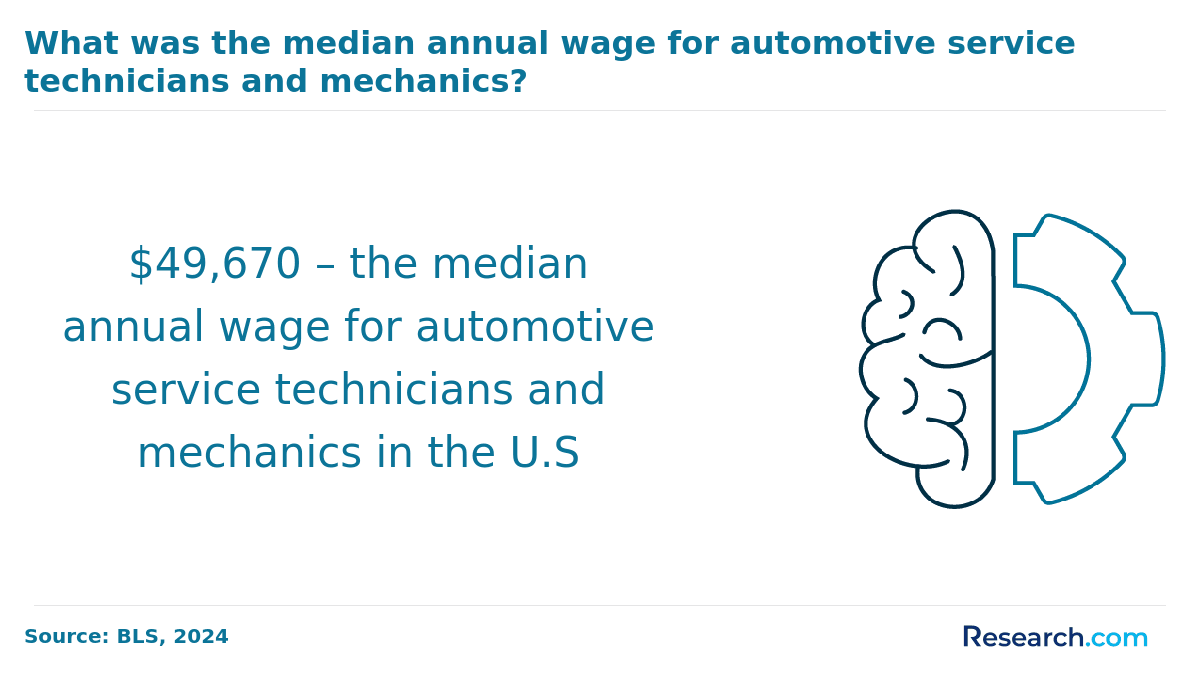
- The median annual salary for mechanics in Rhode Island is approximately $50,690, which is competitive compared to the national median of about $49,670.
- Most accredited automotive technician programs in Rhode Island require 12 to 24 months of study, combining classroom instruction with hands-on training to meet industry standards.
- What are the steps to become a mechanic in Rhode Island?
- What training and education options are available in Rhode Island?
- Do you need certifications to work as a mechanic in Rhode Island?
- How long does it take to become a mechanic in Rhode Island?
- How much does it cost to become a mechanic in Rhode Island?
- What job opportunities are available for mechanics in Rhode Island?
- How are emerging automotive technologies affecting mechanic careers in Rhode Island?
- How much do mechanics make in Rhode Island?
- What tools and skills do mechanics need to succeed?
- Is exploring adjacent technical careers beneficial for mechanics in Rhode Island?
- Can cross-training in related technical fields boost a mechanic’s adaptability in Rhode Island?
- What are the career growth opportunities for mechanics in Rhode Island?
- What are the pros and cons of becoming a mechanic in Rhode Island?
- How can diversifying skills improve career prospects for mechanics in Rhode Island?
- How can business skills drive growth in a mechanic's career in Rhode Island?
What are the steps to become a mechanic in Rhode Island?
Step 1: Lay Your Foundation with Education
Begin with a solid base—a high school diploma or GED—to open doors to various training options. Rhode Island’s AMTECH program stands out as a unique gateway, blending 18 weeks of immersive learning with hands-on internships that deliver not only skills but also college credits. If time allows, associate degrees offer a deeper dive into automotive technology, balancing theory and practice for a well-rounded expertise.
Step 2: Earn Certification to Validate Your Skills
ASE certification is your professional stamp, proving mastery through rigorous exams combined with practical experience. Rhode Island demands more than just this national credential; a state license, earned by passing a written test and meeting experience thresholds, is mandatory. These credentials ensure you’re equipped to tackle the complexity of modern vehicles with confidence and precision.
Step 3: Specialize and Expand Your Capabilities
Beyond basic certification, specialized technician certifications unlock opportunities to work on critical systems, such as frame straightening, welding, and safety restraints. These niche skills not only elevate your craftsmanship but also align you with industry standards that protect vehicle integrity and passenger safety.
Step 4: Consider Manufacturer Certifications and On-the-Job Training
While Rhode Island lacks local manufacturer-specific programs, certifications from neighboring states can help you stand out in a competitive market. Real-world experience remains invaluable—employers favor candidates who combine formal education with hands-on problem solving, making apprenticeships and internships crucial stepping stones.
Step 5: Prepare for the Practical Realities
Success demands more than knowledge: physical stamina, tool proficiency, and a clean employment record are also important. Networking through local automotive associations can open doors to job prospects, while readiness for background checks and drug screenings reflects industry professionalism and trust.
The chart below lists the most common levels of educational attainment for automotive mechanics, as published by Zippia in 2025.
What training and education options are available in Rhode Island?
Rhode Island carves pathways for automotive aspirants that blend grit with opportunity, weaving hands-on mastery with academic depth. The state’s landscape is fertile for those ready to turbocharge their skills and careers.
- Certificate and diploma programs, such as those offered by the MotoRing Technical Training Institute, provide swift immersion, allowing students to gain real-world mechanic skills in just months, designed for immediate workforce entry.
- Associate degree tracks, exemplified by the New England Institute of Technology, mix broad education with specialized labs and internships, building a robust foundation for diverse automotive careers.
- Free and reduced-cost training programs, such as the AMTECH initiative through Skills for Rhode Island’s Future Academy, deliver intensive classroom and shop experience plus internship hours, easing financial barriers while earning certifications and college credits.
- Manufacturer-specific certification programs, although absent locally, remain accessible in neighboring states, targeting brand-specific technologies and enhancing employability within dealership networks.
These varied routes cater to the evolving needs of the automotive industry, with a focus on electronics, diagnostics, and hybrid vehicle repair. Rhode Island residents considering auto mechanic schools in the state should consider leveraging state resources and exploring financial aid options. Embarking on these programs aligns well with the high demand trades description, making the pursuit both practical and forward-thinking.
Do you need certifications to work as a mechanic in Rhode Island?
In Rhode Island, the mechanic’s path is less about broad licensing and more about targeted expertise. Auto body repair technicians face specific certification hurdles, while other mechanical trades navigate a patchwork of state regulations.
For those eyeing a career in collision repair, Rhode Island mechanic certification requirements include mandatory credentials for tasks such as frame straightening, welding, and safety system repairs. These certifications ensure that technicians can safely and skillfully restore vehicles after accidents, reflecting the state's focus on precision and accountability in this specialized field.
Beyond state mandates, the industry leans heavily on ASE certification for auto mechanics in Rhode Island. This credential signifies professionalism, demonstrating mastery across a range of automotive specialties. Earning ASE certification means demonstrating your skills through rigorous exams and hands-on experience—a combination that employers value when building trusted teams.
The journey to certification often begins with formal education in automotive technology, followed by on-the-job training and apprenticeships. This blend of classroom and real-world learning equips aspiring mechanics with practical know-how while aligning with state and industry standards.
For those curious about the broader landscape, exploring the auto mechanic career outlook provides valuable insights into career progression and opportunities beyond certification. Staying current with ongoing education ensures that mechanics adapt to evolving automotive technologies and regulatory shifts, maintaining their competitive edge in Rhode Island’s market.
How long does it take to become a mechanic in Rhode Island?
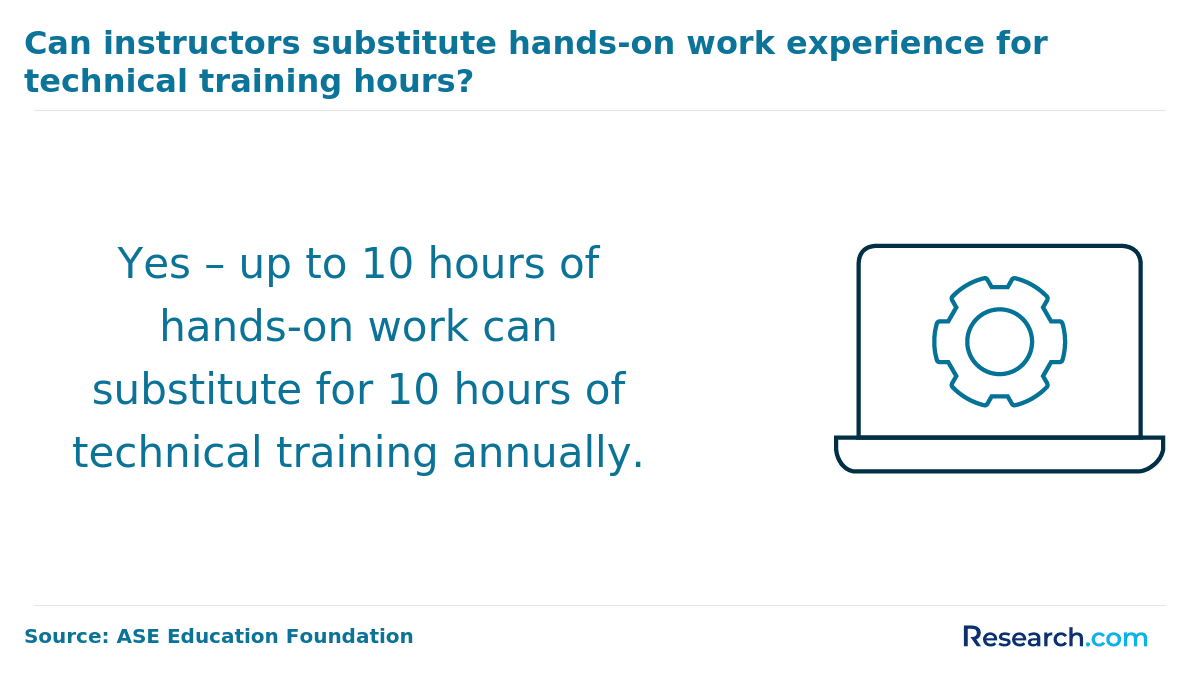
Typically, one embarks on a 6- to 12-month vocational training program, absorbing the nuts and bolts of automotive technology. This foundation is crucial before entering the world of real engines and grease, where 1 to 2 years of work experience sharpens practical skills. ASE certification stands as a professional milestone, requiring a mix of knowledge and time, while the state's licensing process adds a final layer of official recognition.
Some accelerate their progress by enrolling in intensive programs or blending study with part-time apprenticeships, thereby compressing what might take years into a more concise timeline. Others bring prior experience, such as military vehicle maintenance, to the table, which they can use as credit toward certification requirements.
A mechanic from Rhode Island once reflected on this journey: “Balancing night classes with a full-time apprenticeship tested my limits, but crossing the finish line—holding that license—made every challenge worthwhile.” This glimpse into the individual struggle highlights the blend of persistence and passion behind the credentials.
Rhode Island’s framework requires ongoing learning, especially as automotive technology continues to evolve rapidly. Staying current with certifications and state licensing ensures a mechanic’s expertise remains relevant, opening doors to specialty fields like electric vehicle repair or collision analysis. The timeline is a guideline, but the real story is one of continuous growth and adaptation.
How much does it cost to become a mechanic in Rhode Island?
Starting an automotive technician program in Rhode Island typically requires an investment of about $8,400 to $25,000, depending on the school and program length. These numbers open a gateway to hands-on skills that fuel the engines of a lifelong career.
Costs to become a mechanic in Rhode Island unfold like layers of a finely tuned engine, each part essential to the whole:
- Tuition ranges from $8,400 at MTTI’s Automotive Service Technician program to upwards of $25,000 for associate degrees at institutions like NEIT, with programs lasting between 30 to 75 weeks.
- Tools and equipment can vary widely, costing between $1,500 and $15,000, a necessary investment for building your personal mechanic’s arsenal.
- Certification exams, crucial for career validation, require approximately $47 per test, plus a $34 registration fee, with multiple exams typically needed to cover all specializations.
- Supplementary expenses, such as textbooks and manuals, add $500 to $1,000, while uniforms and safety gear can cost an additional $200 to $400.
- Don’t forget transportation and living costs, which quietly shift the budget and are often underestimated.
For those mindful of the expenses associated with mechanic certification programs in Rhode Island, programs like the Skills Academy’s free 18-week training offer a powerful alternative, combining cost efficiency with quality education. Veterans and students pursuing vocational education should explore financial assistance options, including federal aid and state workforce development grants.
As you consider your path, remember the market rewards skilled mechanics well. Information from jobs in mechanical engineering highlights promising career prospects in this robust field.
The chart below lists the largest employers for automotive mechanics, as published by the BLS in 2025.
What job opportunities are available for mechanics in Rhode Island?
Automotive Technicians and Mechanics
Rhode Island’s automotive garages pulse with opportunity, where hands tinker under hoods and minds unravel mechanical mysteries. For those chasing mechanic jobs in Rhode Island hiring now, the scene brims with openings from entry-level lube techs to skilled diagnosticians earning up to $90,000 annually, backed by robust benefits. One local mechanic recalls the subtle anxiety of competing against seasoned applicants, yet found that persistence and a knack for diagnostics turned the tide in their favor, landing a role at a bustling shop expanding its service bays.
Diesel Mechanics
Diesel mechanics carve out a niche with engines growling in four-day workweek rhythms, balancing life and labor. These specialists, versed in MX and Cummins engines, are prized across Rhode Island’s job market, where diesel expertise elevates a candidate’s appeal. The mechanic’s journey included mastering diesel diagnostics through trial and error, discovering that targeted certifications unlocked doors previously thought sealed. It’s a vivid example of how specialized skills amplify Rhode Island automotive technician career opportunities.
Aircraft Mechanics
Aircraft mechanics with A&P certification navigate the skies of maintenance with precision and autonomy. Jobs range from full-time to part-time, with benefits that reward self-motivation and meticulousness. The mechanic’s experience mirrored the challenge of transitioning from ground vehicles to aircraft, where attention to complex systems deepened their craft and expanded horizons beyond traditional automotive work.
Small Engine Mechanics
Small engine repair is a critical component for Rhode Island’s equipment and truck upkeep, demanding certified professionals with 3-5 years of experience. Employers urgently seek these adept troubleshooters, blending mechanical dexterity with comprehensive knowledge. The mechanic’s tale reflects the rewarding challenge of adapting skills to smaller engines, underscoring how versatility enhances one’s foothold in the market.
For those considering a career pivot or seeking to strengthen expertise, exploring options through trade school construction programs can provide a strategic edge in this competitive field.
How are emerging automotive technologies affecting mechanic careers in Rhode Island?
The rapid integration of advanced automotive technologies, including electric and hybrid powertrains, sophisticated diagnostics, and connected car systems, is reshaping the skill set mechanics need in Rhode Island. Staying current with these trends can create a competitive edge by enhancing problem-solving capabilities and expanding service offerings. Embracing new technologies encourages professionals to pursue continuous education and specialized training programs, which are increasingly essential in a market that values adaptability and innovation. For example, understanding complementary trades may provide additional career opportunities—learn more about how to get HVAC license in Rhode Island to diversify your technical expertise.
How much do mechanics make in Rhode Island?
The average auto mechanic's pay in Rhode Island hovers around $25.48 per hour, translating into an annual figure of nearly $53,000 for full-time work. However, beneath these numbers lies a landscape where expertise and certifications significantly influence the paycheck.
Starting out, mechanics typically earn around $29,450 per year, a solid launchpad for those entering the trade. With experience and specialized skills, salaries can climb sharply—some seasoned professionals reach up to $73,170 per year. Overtime and bonuses further sweeten the pot, often adding several thousand dollars annually.
Here’s a snapshot of earnings:
- Entry-level: $30,990 per year
- Average mechanic: $50,690 per year
- Experienced/specialists: up to $63,730 per year
Compared to other states, Rhode Island mechanics stand on a higher rung than those in Kansas or South Carolina, who earn around $18 per hour. Yet, they trail behind places like Alaska and California, where wages can soar above $54,000 annually. Location within Rhode Island also matters—urban centers such as Providence often offer better pay than rural areas.
For those considering a career shift or a fresh start, investing in certifications like ASE and pursuing specialties in hybrid or diesel vehicles can lead to higher earnings. Combining this with a willingness to seize overtime opportunities can maximize income. For guidance on related educational pathways, explore the list of most affordable online mechanical engineering degrees to complement practical skills and boost career prospects.
What tools and skills do mechanics need to succeed?
Success as an automotive mechanic in Rhode Island hinges on mastering a blend of practical skills and adapting to evolving automotive technologies. The state’s competitive job market rewards those who combine technical expertise with problem-solving agility.
Key tools and skills mechanics need to thrive include:
- Diagnostic Equipment Proficiency: Understanding computerized diagnostic tools is essential, as modern vehicles rely heavily on electronic systems for engine, transmission, and safety functions.
- Mechanical Aptitude: Core skills in engine repair, brake systems, and suspension work form the foundation for all automotive repair tasks.
- Electrical System Knowledge: Familiarity with vehicle wiring, batteries, and sensors is critical for troubleshooting increasingly complex electrical issues.
- Adaptability to New Technologies: As hybrid and electric vehicles become more prevalent, mechanics must continually update their knowledge and training to stay current.
- Customer Communication: Effectively explaining repairs and maintenance to customers builds trust and ensures clear expectations.
- Certification and Licensing: Credentials such as ASE (Automotive Service Excellence) certification enhance credibility and open doors to higher-paying positions.
- Hands-On Experience: Practical work through trade schools, apprenticeships, or on-the-job training provides indispensable real-world skills.
- Attention to Detail: Precision in diagnostics and repair work prevents costly mistakes and ensures vehicle safety.
Is exploring adjacent technical careers beneficial for mechanics in Rhode Island?
Mechanics can leverage their problem-solving and diagnostic skills to transition into related technical fields that offer diversified career pathways. Exploring adjacent careers—such as those in advanced system diagnostics or technical imaging—can provide complementary skill sets and open up opportunities in emerging sectors. For example, gaining insights into precision technology and regulatory guidelines, comparable to those outlined in Rhode Island ultrasound technician requirements, may enhance a mechanic’s adaptability and marketability. This strategic exploration not only prepares professionals for shifts in industry demands but also supports a more resilient career trajectory amid evolving technological landscapes.
Can cross-training in related technical fields boost a mechanic’s adaptability in Rhode Island?
Cross-training in complementary technical disciplines can refine diagnostic strategies and enhance adaptability when addressing evolving repair challenges. Mechanics who explore skill sets from adjacent fields gain insights into advanced diagnostic techniques and precision standards that are transferable to automotive work. For example, acquiring methodologies from specialized technical roles can inform better system evaluations and troubleshooting protocols. By integrating diverse technical practices—including learning how to become a radiology technician in Rhode Island—mechanics bolster their ability to navigate complex technology updates and regulatory shifts, ultimately expanding their market value.
What are the career growth opportunities for mechanics in Rhode Island?
Rhode Island’s automotive repair scene thrives with opportunity, as the state’s compact geography and dense population drive steady demand for skilled mechanics. The pathway to growth here blends technical mastery with local industry connections, setting the stage for a robust career.
Apprenticeships and Technical Training
Hands-on experience is king in Rhode Island’s mechanic workforce. Local community colleges and trade schools offer focused programs that combine classroom learning with apprenticeships at repair shops and dealerships. This model accelerates skill acquisition, enabling newcomers to refine their diagnostics, engine repairs, and electrical system expertise through direct mentorship. The state’s emphasis on practical training ensures that graduates emerge ready to tackle a wide range of automotive challenges.
Certification and Specialization
Mechanics who pursue certifications, such as those from the National Institute for ASE, open doors to higher wages and specialized roles. Rhode Island’s auto sector rewards technicians versed in hybrid and electric vehicle systems, as environmental regulations and consumer preferences shift. Specializing in emerging automotive technologies positions mechanics as essential players in the state’s evolving transportation landscape.
Networking within Rhode Island’s Auto Industry Ecosystem
Joining professional groups and attending regional trade events can transform a mechanic’s career trajectory. Rhode Island’s tight-knit repair community, supported by organizations and local business coalitions, fosters knowledge exchange and job placement. Building relationships with dealerships, fleet operators, and parts suppliers creates a web of opportunity, from steady employment to entrepreneurial ventures.
Entrepreneurship and Small Business Growth
The state’s compact market makes launching a specialized repair shop or mobile mechanic service a viable and attractive option. Entrepreneurs who combine technical skills with savvy business practices can tap into niche markets, such as classic car restoration or eco-friendly vehicle maintenance, carving out profitable and sustainable careers amid Rhode Island’s diverse automotive needs.
The chart below illustrates the distribution of general auto repair shops in the US by availability of career growth opportunities for mechanics, as reported by PartsTech in 2025.
What are the pros and cons of becoming a mechanic in Rhode Island?
Rhode Island offers a unique landscape for aspiring automotive mechanics, blending small-state charm with steady demand for skilled trades. Here’s a look at what awaits those considering this hands-on profession.
Pros
- The compact size of Rhode Island means mechanics can tap into a close-knit community with less competition from sprawling urban centers. This fosters strong client relationships and repeat business—a priceless advantage in the service industry.
- Demand for automotive repair remains consistent, supported by Rhode Island’s high vehicle ownership and the necessity of maintenance in all seasons. Mechanics who adapt to evolving car technologies can find steady employment and opportunities for career growth.
- Vocational schools and community colleges in the state offer accessible training programs, making it easier to gain credentials without uprooting life. Plus, Rhode Island’s proximity to larger markets like Boston expands opportunities for further specialization.
Cons
- Rhode Island’s smaller economy means fewer large-scale manufacturing or automotive industry hubs, potentially limiting employment options compared to bigger states. Mechanics might face challenges finding high-paying roles outside of independent garages or dealerships.
- The cost of living is relatively high, which can eat into earnings, especially for entry-level mechanics. Balancing modest wages with housing and transportation costs requires careful financial planning.
- Technological advances in electric and autonomous vehicles demand continuous learning and investment in new tools, which can be a barrier for some mechanics accustomed to traditional combustion engines.
How can diversifying skills improve career prospects for mechanics in Rhode Island?
With the rise of electric and hybrid vehicle technologies, supplementing core mechanical expertise with advanced electrical training has become essential. Diversifying skill sets not only opens new avenues within the automotive sector but also positions professionals to address emerging challenges in vehicle diagnostics and repair. For instance, acquiring targeted electrical training can lead to opportunities in specialized service lines and higher compensation brackets. Exploring pathways such as how to become an electrician in Rhode Island enables mechanics to complement their existing knowledge with essential electrical competencies, ensuring a competitive edge in a rapidly evolving industry.
How can business skills drive growth in a mechanic's career in Rhode Island?
Mechanics who complement their technical expertise with strong business skills can unlock new opportunities for career advancement and entrepreneurial success. Building capabilities in areas such as financial management, customer relations, and strategic marketing can streamline operations and enhance profitability, whether working within an established repair shop or launching a private business. Pursuing targeted business training—such as courses offered by top business schools in Rhode Island—provides practical insights into budgeting, pricing strategies, and operational efficiency. This integration of technical know‐how with business acumen not only positions professionals as more competitive candidates for leadership roles but also fosters a proactive approach to adapting in a fast-evolving industry landscape.
What do mechanics say about their careers in Rhode Island?
Joining the vocational automotive program in Rhode Island gave me hands-on experience that textbooks just can’t provide. Working on real engines daily helped me build confidence and skills that employers really value. – Mandy
The state-sponsored mechanic training program was a great opportunity to learn modern diagnostic techniques alongside experienced professionals. It’s rewarding to see how practicing the trade improves my problem-solving and keeps me engaged every day. –Mark
The nonprofit program in Rhode Island not only taught me the technical skills but also connected me with a supportive community of mechanics. Practicing the trade in their workshop reinforced my passion and prepared me well for the industry. – Erick
Related Articles for Nearby States
- 2027 How to Become a Mechanic in Massachusetts: Requirements & Certification
- 2027 How to Become a Mechanic in Connecticut: Requirements & Certification
- 2027 How to Become a Mechanic in New York: Requirements & Certification
- 2027 How to Become a Mechanic in New Jersey: Requirements & Certification
- 2027 How to Become a Mechanic in Vermont: Requirements & Certification
- 2027 How to Become a Mechanic in New Hampshire: Requirements & Certification
- 2027 How to Become a Mechanic in Pennsylvania: Requirements & Certification
- 2027 How to Become a Mechanic in Delaware: Requirements & Certification
- 2027 How to Become a Mechanic in Maine: Requirements & Certification
- 2027 How to Become a Mechanic in Maryland: Requirements & Certification
References:
- American Automobile Association (AAA). (n.d.). Search For Approved Auto Repair Facilities. AAA.
- Apprenticeships. (n.d.). Apprentices’ existing knowledge can reduce training time. Apprenticeships.
- Bhaduri, S. (2020). Tips and Strategies to Shorten New Hire Time-to-Productivity with Employee Onboarding Training. Insights. EI Design.
- Bureau of Labor Statistics (BLS). (2025a). 49-3023 Automotive Service Technicians and Mechanics. Occupational Employment and Wage Statistics (OEWS) Profiles. BLS.
- Bureau of Labor Statistics (BLS). (2025b). Area: Rhode Island. Occupational Employment and Wage Statistics Query System. BLS.
- Bureau of Labor Statistics (BLS). (2025c). Automotive Service Technicians and Mechanics. Occupational Outlook Handbook. BLS.
- Dillon, J. D. (2025). How long should employee training be?. Modern Training.
- Knowledge Anywhere. (n.d). Finding the Ideal Duration: How Long Should Your Employee Training Be?. Article. Knowledge Anywhere.
- PartsTech. (2025). The State of General Auto Repair Shops in the U.S. PartsTech.
- Red Stone Tire. (n.d.). Auto Repairs. Westerly Tire Repair.
- Toister, J. (2022). How long should new hire training last for customer service employees?. Jeff Toister.
- Zippia. (2025). Automotive Mechanic demographics and statistics in the US. Zippia.
Other Things You Should Know About Becoming a Mechanic in Rhode Island
For aspiring mechanics in 2027, it is recommended to start with a basic set of hand tools such as wrenches, screwdrivers, and pliers. Additionally, having diagnostic equipment and software could be essential for modern automotive repairs in Rhode Island.
In 2027, aspiring mechanics in Rhode Island need a high school diploma or GED, followed by training at a vocational school or community college. Completing an ASE (Automotive Service Excellence) certification is also recommended to enhance employment prospects and validate expertise.
Yes, you can earn a salary while training to become a mechanic in Rhode Island through programs such as apprenticeships and entry-level positions that combine practical work with learning, often offering wages that range widely depending on experience and location.


