
2027 How to Become a Police Officer: Education Requirements in Massachusetts

Co-Founder and Chief Data Scientist
Becoming a police officer in Massachusetts demands clear understanding of its education prerequisites. Approximately 12,000 individuals hold law enforcement positions in the state, reflecting steady demand and diverse career prospects. While some argue that hands-on experience outweighs formal education, evidence links higher educational attainment with improved decision-making and community relations. Pursuing this career offers public service opportunities alongside competitive benefits, but requires meeting specific academic standards.
This article examines the education requirements to enter Massachusetts law enforcement, drawing on expert career planning insights. Readers will gain clarity on necessary qualifications to navigate this path effectively and responsibly.
Key Things to Know About Becoming a Police Officer in Massachusetts
- Massachusetts requires candidates to have at least a high school diploma or GED, but many departments prefer some college education or an associate degree.
- The state mandates completion of the Municipal Police Training Committee (MPTC) academy, which includes both classroom instruction and physical training.
- Some agencies value a bachelor’s degree for advancement potential, though it is not strictly required for entry-level positions in the state.
- What is the minimum education requirement to become a police officer in Massachusetts?
- Which majors are most recommended for aspiring police officers in Massachusetts?
- What subjects are taught in Massachusetts police academy?
- Can military service replace education requirements for police officers in Massachusetts?
- How much does it cost to get a police officer education in Massachusetts?
- Are scholarships available for aspiring police officers in Massachusetts?
- Is there a pathway to transition from law enforcement to related legal careers?
- What certifications benefit a police officer's career development in Massachusetts?
- What roles can you get as a police officer in Massachusetts?
- What is the average salary of police officers in Massachusetts?
- What education trends are affecting law enforcement careers in Massachusetts?
What is the minimum education requirement to become a police officer in Massachusetts?
In Massachusetts, the minimum education requirement for police officer candidates centers on ensuring a foundational level of academic readiness, reflecting the state’s emphasis on accessibility and practical qualifications. These requirements accommodate various educational paths while maintaining consistent standards across municipal and state departments.
- High School Diploma Requirement: Candidates must hold a high school diploma from a recognized institution, serving as the standard educational credential for all applicants, regardless of department or locality.
- General Educational Development (GED): Those without a traditional diploma can fulfill this baseline by obtaining a GED certificate, ensuring alternative education strategies are acknowledged.
- Military Service Equivalency: In specific areas like Boston, three years of honorable military service can substitute for a high school diploma or GED, recognizing relevant experience outside formal schooling.
These requirements illustrate that the high school diploma or GED for Massachusetts police officer applicants remains the key minimum educational criterion, designed to provide consistent academic preparation while accommodating diverse backgrounds. For individuals exploring related career options, examining the top criminal justice career salaries can provide further insight into occupational pathways and potential earnings.
Which majors are most recommended for aspiring police officers in Massachusetts?
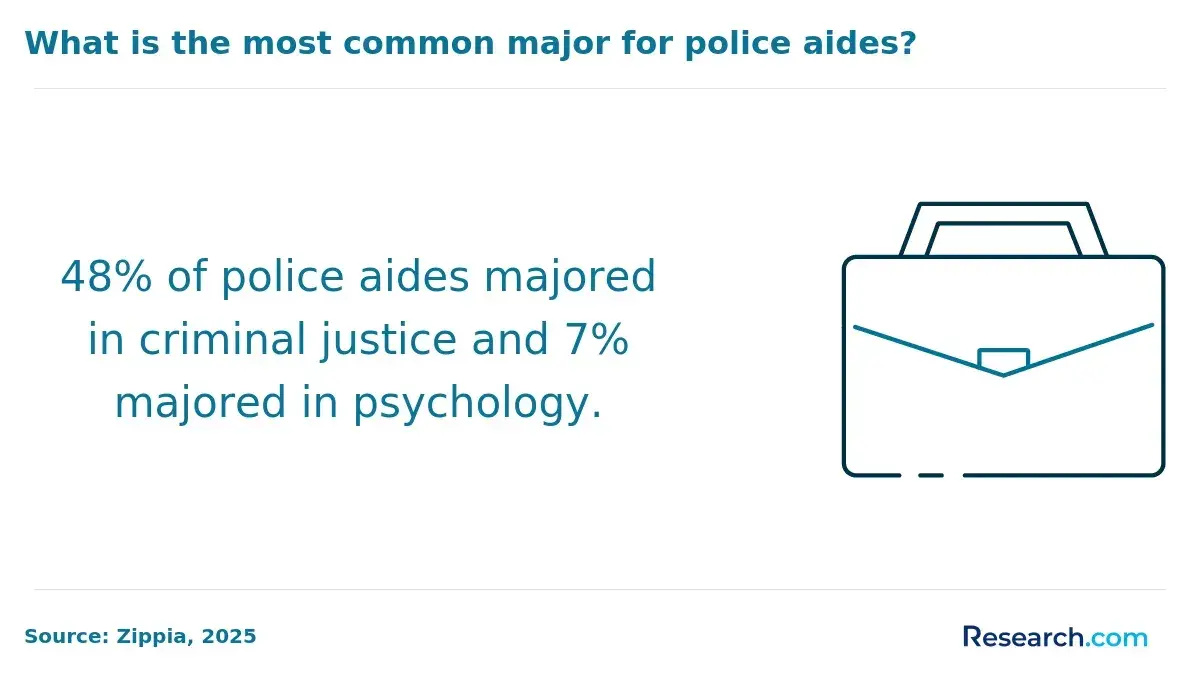
Choosing the right college major can significantly strengthen a candidate’s qualifications for law enforcement careers and open doors to advancement within Massachusetts police departments. The best majors for police officers in Massachusetts combine practical knowledge, analytical skills, and understanding of community dynamics, helping candidates stand out during hiring and promotion.
- Criminal Justice: This major provides foundational knowledge of law enforcement systems, criminal law, and ethics. Programs often include practical training like police academy certification, making it highly valued for preparing candidates directly for policing roles.
- Criminology: Focused on understanding crime causes and patterns, criminology develops analytical skills vital for investigative work and crime analysis, with some programs offering specialization in forensic studies.
- Psychology: By studying human behavior and mental health, psychology prepares officers to effectively handle crisis situations and support vulnerable populations, enhancing community-oriented policing efforts.
- Sociology: This major offers insight into social structures and community relations, equipping officers to foster trust and work in outreach and diversity initiatives important in modern policing.
- Political Science: Understanding government, policy, and law helps candidates navigate public service leadership and policy development roles within police departments.
- Law: Legal studies strengthen expertise in statutes and courtroom procedures, aiding officers in evidence handling and testimony, which are critical in investigative and administrative positions.
- Public Administration: This major teaches management and leadership skills necessary for supervisory and command roles, supporting career advancement to ranks such as sergeant or chief.
For those seeking advanced specialization, exploring forensic science master’s programs distance learning can complement traditional majors and broaden career opportunities in evidence-based policing and criminal investigation.
What subjects are taught in Massachusetts police academy?
Police academy training in Massachusetts is designed to equip recruits with a comprehensive blend of skills, legal knowledge, and ethical judgment essential for effective law enforcement. The curriculum balances theoretical understanding with practical application, preparing recruits to face the complexities of policing in diverse communities.
- Criminal Law and Procedure: This subject ensures recruits grasp the legal boundaries governing their actions, focusing on statutes, arrest protocols, and constitutional rights. Mastery of these laws aids officers in conducting lawful investigations, which is crucial for maintaining public trust and securing just outcomes.
- Firearms Training: Recruits learn safe weapon handling and maintenance alongside live-fire proficiency, fostering responsible use under high-pressure situations. This foundation is vital to protect both officers and the public during critical incidents.
- Defensive Tactics: Training covers physical control techniques and non-lethal tools, emphasizing the use-of-force continuum. Its purpose is to minimize harm while managing confrontations effectively, reflecting a balance between authority and restraint.
- Emergency Vehicle Operations: High-speed driving and pursuit tactics prepare officers to navigate emergencies safely. These skills reduce risks during urgent responses while maintaining public safety.
- Ethical Decision Making and Professional Conduct: Modules address integrity and impartiality, helping officers face moral complexities and sustain community confidence. Ethical grounding is essential for just policing practices.
- Community Policing and Problem Solving: This focuses on building partnerships and addressing local issues collaboratively. It shifts policing towards proactive engagement, which can enhance crime prevention and community relations.
- Physical Fitness and Health: Rigorous conditioning ensures officers meet the physical demands of the job. Maintaining fitness is not only about performance but also officer well-being and safety.
- Bias Awareness and De-escalation: These courses train recruits to recognize implicit biases and use techniques to defuse tensions without force. Such skills are increasingly vital in promoting equitable and peaceful interactions.
Can military service replace education requirements for police officers in Massachusetts?
In Massachusetts, military service is partially accepted as a substitute for education requirements when applying to police departments, but the extent of this acceptance varies by jurisdiction. While the statewide minimum is a high school diploma or GED with no mandated college coursework, some municipalities set higher standards, such as an associate’s degree or specific college credits. The Boston Police Department stands out by allowing three years of honorable military service to replace a high school diploma or GED, recognizing the discipline, leadership, and training gained in the military.
Elsewhere, military service may provide advantages like preference points on civil service exams or favorable consideration during hiring, but generally does not waive educational requirements. Regardless of military background, applicants must still meet prerequisites such as passing civil service exams, completing fitness tests, undergoing background checks, and graduating from the police academy. As a result, veterans are encouraged to review department-specific criteria, understanding that while military experience strengthens an application, it is not a universal replacement for education across the state.
I spoke with a Massachusetts police officer who graduated from a local police academy about his experience entering law enforcement after leaving the military. He recalled that his honorable discharge and military police training “definitely helped open doors” and allowed him to bypass the traditional high school diploma requirement at one local department. Still, he emphasized that “the academy was a whole different challenge,” requiring academic preparation and physical endurance beyond his military training. Reflecting on the process, he said, “It was reassuring to know my service counted for something, but I had to prove myself all over again in new ways.” This balance of leveraging military experience while meeting civilian standards captures the nuanced reality many veterans face when transitioning into policing roles in Massachusetts.
How much does it cost to get a police officer education in Massachusetts?
The cost of becoming a police officer in Massachusetts depends greatly on the educational path chosen. Candidates may attend a community college, a four-year university, or directly enroll in a police academy, with each option presenting a range of tuition and associated costs that shape the overall investment required.
- Community College Tuition: Typically costs between $4,000 and $7,000 per year for in-state students, offering a more affordable route through associate degree programs relevant to law enforcement careers.
- Four-Year College or University Tuition: Public universities usually charge $15,000 to $17,000 annually for in-state students, while private institutions may exceed $40,000 per year, making this the most expensive academic option.
- Police Academy Tuition Cost in Massachusetts: The police academy tuition is a fixed $3,200 for full-time students and must be paid before training begins, covering instruction but not additional expenses.
- Uniforms and Equipment: Essential uniforms, duty gear, and other required items are not included in academy tuition and can cost several hundred to over $1,000, depending on academy specifications.
- Testing and Application Fees: Entrance exams, psychological evaluations, background checks, and medical assessments may add between $100 and $500 to the total educational expenses.
- Specialized Training and Certifications: Optional or mandatory courses, such as firearms updates or investigative workshops, usually range from $199 to $699 per course, adding to continuing education costs.
- Graduate Degree Costs (Optional): Some candidates pursue master’s degrees in criminal justice or criminology, with programs costing between $20,000 and $40,000 at public institutions and higher at private colleges.
- Living and Transportation Expenses: These variable costs depend on individual circumstances and should be factored into any budget for training and education.
For those wanting to understand specific benefits of crime-related education, exploring criminal justice degree opportunities can provide additional insights into career pathways and costs. Overall, careful consideration of each expense category helps prospective students realistically evaluate the total cost of becoming a police officer in Massachusetts.
Are scholarships available for aspiring police officers in Massachusetts?
Scholarships and financial aid can significantly reduce the high costs associated with the education and training needed to pursue a career in law enforcement in Massachusetts. These funding opportunities target different groups within the aspiring police officer community, helping to make academic programs and certification more attainable. Understanding the variety of scholarships available can guide candidates in effectively managing their education expenses.
- State-Funded Tuition Programs: Designed primarily for dependents of public safety officers affected by duty-related incidents, these programs often cover full tuition, easing financial burdens for families connected to law enforcement service.
- Law Enforcement Association Awards: Offered by organizations like the Massachusetts Police Association, these scholarships provide monetary assistance to children of active or retired members, typically covering part of undergraduate tuition or educational costs.
- Regional Police Chiefs Associations: Local associations, such as the Southeastern Massachusetts Police Chiefs Association, award scholarships focusing on criminal justice or related fields, supporting tuition, books, or fees and often prioritizing applicants with familial links to law enforcement.
- Criminal Justice and Public Service Scholarships: Groups like the Massachusetts Association of Women in Law Enforcement award funds to high school seniors entering law enforcement studies to foster diversity and support initial college expenses.
- University and Community College-Based Aid: Many institutions in Massachusetts offer their own scholarships based on merit or need for students in criminal justice programs, providing additional financial support through their financial aid offices.
When discussing scholarships with a Massachusetts police officer who graduated from a local academy, she mentioned how crucial these funds were in her journey. "Navigating the academy was demanding enough, but the financial pressure before starting was intense," she recalled. Through association awards and a college-based scholarship tied to her community college, she could focus more on training than worrying about tuition. Reflecting on her experience, she emphasized that these scholarships were not just about money but also about feeling supported by a larger community committed to preparing well-equipped officers. “It made a huge difference knowing there were resources tailored for people like me,” she shared, highlighting how access to precise scholarship opportunities can transform an aspiring officer’s path in Massachusetts.
Is there a pathway to transition from law enforcement to related legal careers?
Police officers looking to leverage their investigative expertise may consider transitioning into legal support roles that capitalize on their skills in analysis and community engagement. Exploring such alternate careers can provide a complementary avenue for professional growth while maintaining ties to the criminal justice system through the legal process. For officers interested in diversifying their career options, understanding the unique requirements of legal support professions is crucial. In this context, reviewing our guide on how to become a paralegal in Massachusetts can offer valuable insights into the necessary academic credentials and certification pathways to enter a legal career successfully.
What certifications benefit a police officer's career development in Massachusetts?
Earning a law enforcement certificate in Massachusetts provides officers with advanced skills that enhance their effectiveness and readiness in diverse policing situations. These certifications often improve job performance while creating pathways to leadership roles and specialized assignments within departments. Police academy certification in Massachusetts serves as a foundational credential, underpinning all subsequent training in an officer’s career.
- Police Academy Certification: This mandatory certification from an MPTC-approved academy covers core topics like criminal law, use of force, and community policing, laying the groundwork for all officers. It is essential for employment and career progression, establishing a professional baseline respected by Massachusetts departments.
- Firearms Training Certification: Officers are trained and regularly qualified in the safe use of weapons, which is crucial for public safety and legal compliance. Mastery in this certification often leads to opportunities in specialized tactical units or supervisory positions.
- Emergency Medical Response (EMR) Certification: EMR equips officers with critical medical skills including CPR and trauma care to act as first responders in emergencies. This certification meets growing departmental emphasis on immediate lifesaving interventions.
- Criminal Investigations Certification: Focused on evidence handling, interviewing, and case management, this credential supports advancement into detective roles. It is valued in departments managing complex or serious crimes, enhancing investigative competencies.
- Cybercrime and Digital Evidence Certification: Officers trained in this increasingly important area can address digital forensics and cyber threats, skills that are vital for modern law enforcement. Departments prioritize these certifications for cyber units and major crimes divisions.
- Crisis Intervention and Mental Health Training: This training improves officers’ ability to de-escalate encounters involving mental illness or substance abuse, reducing risks and improving outcomes. Such certifications are becoming standard expectations in Massachusetts policing.
- Leadership and Supervisory Training: Designed for those seeking promotions, these programs develop management, ethics, and organizational skills. They are often prerequisites for higher ranks, supporting professional growth within departments.
For those interested in further education related to law enforcement, exploring the forensic science program cost and offerings can be an important consideration.
What roles can you get as a police officer in Massachusetts?
Law enforcement careers in Massachusetts present a variety of specialized roles beyond standard patrol work, enabling officers to align their careers with personal skills and interests. This range of opportunities enhances both individual growth and the department’s effectiveness in addressing public safety challenges.
- Patrol Officer: Maintains public order, responds to emergencies, and performs preliminary investigations after completing basic recruit training and ongoing education.
- Detective/Investigator: Investigates serious crimes using advanced techniques, building on patrol experience and specialized forensic training.
- K-9 Unit Officer: Works with trained dogs to locate drugs or missing persons, requiring additional animal handling instruction.
- SWAT Team Member: Responds to high-risk incidents with advanced tactical training in weapons and crisis negotiation.
- Community Outreach Officer: Builds neighborhood relationships and delivers crime prevention education through communication and cultural competency training.
- Traffic Enforcement Officer: Enforces vehicle laws and investigates accidents, trained in traffic safety and accident investigation.
- Training Instructor: Develops and delivers training programs for officers, holding instructor certifications and staying current with legal changes.
What is the average salary of police officers in Massachusetts?
Variations in the average police officer salary in Massachusetts arise from multiple factors, including geographic location, years of service, education level, and rank within the department. Urban areas typically offer higher pay, reflecting cost of living and department size differences, while educational incentives also play a notable role in compensation adjustments.
- Entry-Level Police Officer: Starting salaries range from approximately $53,900 to $75,400 annually, depending on the municipality. For example, smaller towns like Northampton may offer starting pay near $52,600, whereas more populous areas like Barnstable provide up to $75,400 for academy graduates.
- Mid-Career Police Officer (5–15 years): Officers with mid-level experience generally earn between $71,700 and $94,000 per year. Higher salaries within this range are often linked to advanced education and larger city assignments.
- Senior Police Officer (20+ years): Veterans in the force can command salaries from $94,000 to over $108,000 annually, particularly in metropolitan regions. Factors such as longevity bonuses and elevated rank contribute to this increased pay.
The Massachusetts police officer pay scale reflects these tiers but should not be viewed in isolation. Additional income can result from overtime, holiday shifts, and specialty assignments. Moreover, departments frequently provide educational incentives; for instance, officers pursuing degrees related to criminal justice or public administration benefit from increased pay and support such as tuition reimbursement. This is especially relevant when considering what is forensic science and other related academic fields that may enhance a candidate’s qualifications and compensation opportunities.
What education trends are affecting law enforcement careers in Massachusetts?
Evolving education expectations are significantly shaping modern policing careers in Massachusetts by raising the importance of formal education, specialized knowledge, and continuous professional development. While a high school diploma or GED remains the minimum requirement, law enforcement agencies increasingly prioritize candidates with higher education and advanced training to meet complex societal needs.
- Growing Preference for College Degrees: Many Massachusetts police departments now favor applicants with associate’s or bachelor’s degrees, particularly in criminal justice or related fields, enhancing their competitiveness in a crowded job market.
- Specialized Majors and Interdisciplinary Skills: Degrees in disciplines such as psychology, public health, legal studies, and cybersecurity equip officers with expertise in mental health response and technology-based crime prevention.
- Continuing Education and Advanced Training: Mandatory annual in-service training and certifications in areas like crisis intervention and forensic investigation ensure officers remain updated and adaptable.
Understanding these evolving education trends is crucial for both aspiring and current officers, as enhanced academic credentials and ongoing training are increasingly linked to professional advancement and effective community service in Massachusetts law enforcement.
What Do Police Officers in Massachusetts Say About Their Career
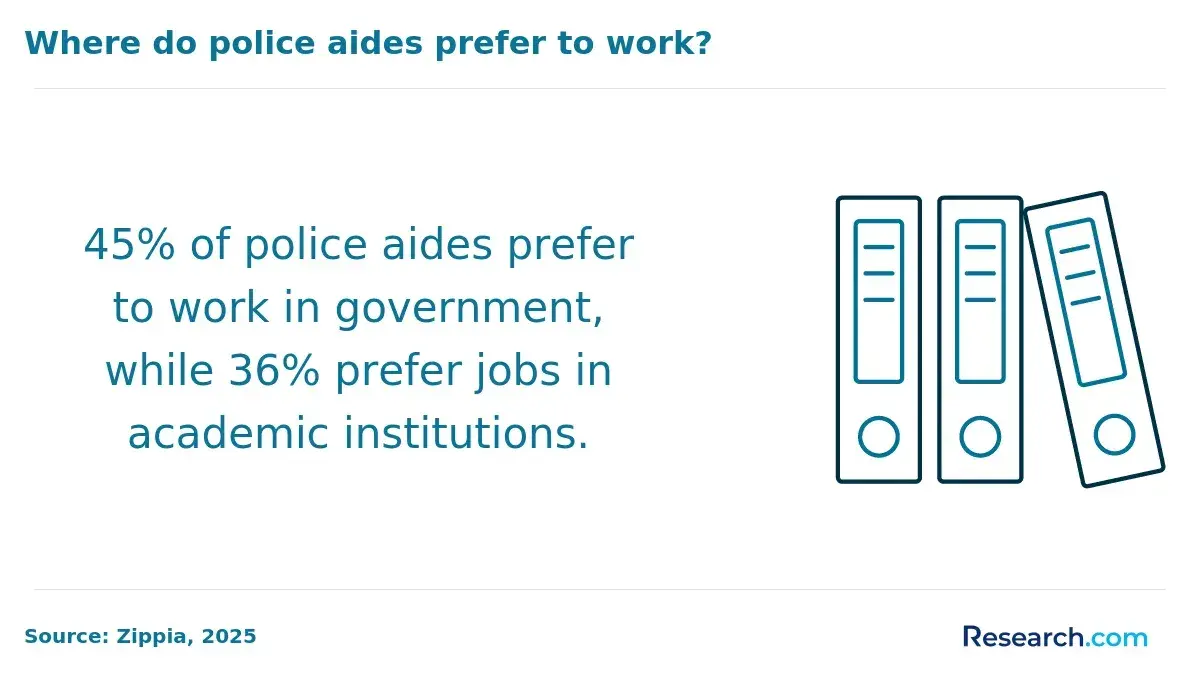
- Completing my training at the Fitchburg State Police Academy was a pivotal moment in my life. The curriculum was comprehensive, blending classic law enforcement techniques with a strong emphasis on community engagement. Starting my career in a local school allowed me to directly impact the lives of young people, helping to create a safer and more supportive environment. I truly appreciate how Massachusetts supports professional growth, providing pathways for advancement that keep me motivated every day. Albert
- Attending the Massachusetts State Police Academy was both challenging and rewarding, giving me a solid foundation in policing and cultural sensitivity. Working within an academic institution has been incredibly fulfilling because I can protect and mentor students while addressing unique local needs. Massachusetts’ diverse communities and historical backdrop create distinct challenges that have strengthened my problem-solving skills and commitment to fairness. This career has helped me grow personally and professionally in ways I never expected. Shane
- Graduating from the Middlesex Police Academy opened doors for me to serve in meaningful roles throughout Massachusetts. The state’s blend of urban and rural areas offers unique opportunities to address various community concerns, which keeps every day interesting. Starting in a local school environment was a huge privilege, as it allowed me to directly contribute to youth well-being and public safety. I’ve found this career fosters continuous learning and pride in being part of a supportive law enforcement community. Henry
Related Articles for Nearby States
- 2027 How to Become a Police Officer: Education Requirements in Rhode Island
- 2027 How to Become a Police Officer: Education Requirements in Connecticut
- 2027 How to Become a Police Officer: Education Requirements in New Hampshire
- 2027 How to Become a Police Officer: Education Requirements in New York
- 2027 How to Become a Police Officer: Education Requirements in Vermont
- 2027 How to Become a Police Officer: Education Requirements in New Jersey
- 2027 How to Become a Police Officer: Education Requirements in Maine
- 2027 How to Become a Police Officer: Education Requirements in Pennsylvania
- 2027 How to Become a Police Officer: Education Requirements in Delaware
- 2027 How to Become a Police Officer: Education Requirements in Maryland
References:
- Entry-level Police Academy Training | Mass.gov https://www.mass.gov/entry-level-police-academy-training
- Massachusetts Courses - PoliceOne Academy https://www.policeoneacademy.com/accreditation/massachusetts-courses/
- Northampton Massachusetts Police Department - Training https://www.northamptonpd.com/administration/training.html
- Police Program (4+1) Concentration, Criminal Justice, BS | Fitchburg State University https://www.fitchburgstate.edu/academics/programs/police-program-41-concentration-criminal-justice-bs
- How to Become a Police Officer in the State of Massachusetts – Career Services & Internship Program | Bridgewater State University https://careers.bridgew.edu/blog/2024/09/25/how-to-become-a-police-officer-in-the-state-of-massachusetts/
- Police Academy Pathway | Merrimack College https://www.merrimack.edu/academics/education-and-social-policy/graduate/criminology-and-criminal-justice/police-academy-pathway/
- How To Become a Police Officer In MA (Massachusetts) https://www.allcriminaljusticeschools.com/law-enforcement/police-officer-massachusetts/
- Becoming a Police Officer | Town of Sharon MA https://www.townofsharon.net/police-department/pages/becoming-a-police-officer
- Northampton Massachusetts Police Department - Requirements https://northamptonpd.com/requirements.html
- Police Officer Training Program https://www.springfield-ma.gov/police/programs/police-officer-training-program
Other Things You Should Know About Being an Police Officer in Massachusetts
In 2027, aspiring police officers in Massachusetts need at least a high school diploma or GED. Many departments prefer candidates with college coursework or a degree in criminal justice or a related field to enhance their prospects during the hiring process.
Massachusetts police departments generally do not directly pay for college education or academy training for recruits; instead, candidates are typically responsible for their own tuition and fees. However, financial support may come in the form of scholarships, tuition reimbursement, or sponsorships offered by specific departments or unions after a candidate is hired. Some departments require applicants to have completed certain college credits or academy training before applying, shifting the cost burden to the individual. This approach reflects budget constraints and policies emphasizing that initial training investments are an individual’s responsibility, while departments may support continued education post-hire to enhance skills and retention.


