2027 How to Become a Police Officer: Education Requirements in Nebraska

Co-Founder and Chief Data Scientist
Becoming a police officer in Nebraska demands more than physical readiness; it requires a strategic educational foundation. With Nebraska’s law enforcement employment projected to grow by 5% through 2030, choosing this career promises stability and community impact.
Yet the journey involves navigating specific academic and training prerequisites designed to prepare candidates for complex challenges. Conventional wisdom often underestimates the role of education in effective policing, but Nebraska’s standards emphasize it as a critical factor.
This article, crafted by career planning experts, will clarify the educational requirements to become a police officer in Nebraska and guide readers through these essential steps.
Key Things to Know About Becoming a Police Officer in Nebraska
- A high school diploma or GED is the absolute minimum requirement; however, Nebraska agencies increasingly prefer candidates with some college coursework or an associate degree to handle complex law enforcement challenges.
- Completion of a certified police academy is mandatory, providing rigorous training that blends physical fitness, legal knowledge, and community engagement, often lasting around 16 to 20 weeks.
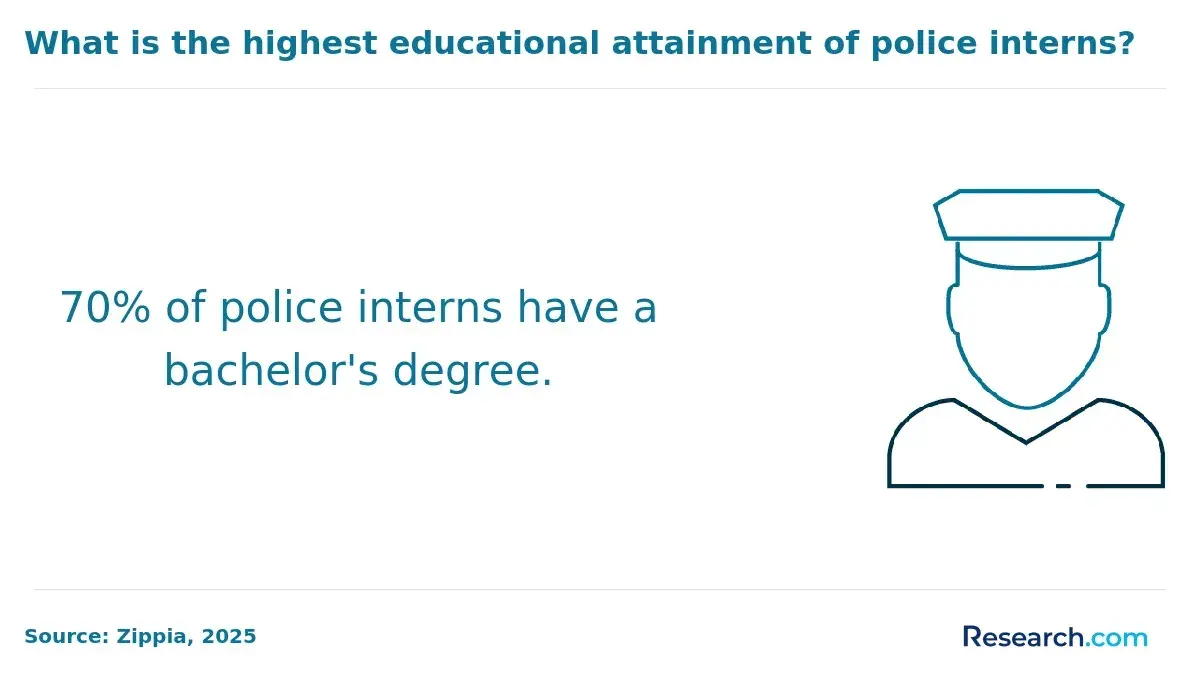
- Some Nebraska departments encourage or require a bachelor’s degree for advancement, reflecting a trend toward valuing critical thinking and leadership skills amid evolving public safety demands.
- What is the minimum education requirement to become a police officer in Nebraska?
- Which majors are most recommended for aspiring police officers in Nebraska?
- What subjects are taught in Nebraska police academy?
- Can military service replace education requirements for police officers in Nebraska?
- How much does it cost to get a police officer education in Nebraska?
- Are scholarships available for aspiring police officers in Nebraska?
- Can police experience support a transition to legal careers in Nebraska?
- What certifications benefit a police officer's career development in Nebraska?
- What roles can you get as a police officer in Nebraska?
- What is the average salary of police officers in Nebraska?
- What education trends are affecting law enforcement careers in Nebraska?
What is the minimum education requirement to become a police officer in Nebraska?
Education in law enforcement forms the backbone for competent policing, but the standards for what counts as sufficient education are not uniform across the United States. In Nebraska, reflecting a pragmatic approach, the minimum education requirements for police officer in Nebraska underscore basic academic proficiency without demanding higher education credentials.
- High School Diploma: A graduate from an accredited high school is eligible to pursue a police officer career in Nebraska, ensuring a baseline understanding of fundamental subjects.
- GED Equivalency: Candidates who did not complete high school may qualify by obtaining a General Educational Development certificate, a pathway recognizing equivalent educational attainment.
- English Proficiency: Applicants must demonstrate competence in reading, writing, and comprehending English at about an eleventh-grade level through standardized testing, which is crucial for clear communication and legal accuracy on the force.
This clear-cut educational framework, while minimalistic, ensures that officers meet essential literacy and comprehension standards. Visitors curious about similar educational pathways might find valuable insights on how to become a forensic psychologist, where specialized academic requirements differ significantly from Nebraska’s approach to policing credentials.
Which majors are most recommended for aspiring police officers in Nebraska?
Choosing the right college major can significantly strengthen a candidate’s qualifications and open doors for advancement within Nebraska’s law enforcement community. Selecting a major that aligns with the complexities of modern policing not only equips students with essential knowledge but also signals dedication and preparedness to prospective employers. Aspiring officers who thoughtfully consider their educational path position themselves to meet evolving challenges and thrive in their careers.
- Criminal Justice: This major remains the cornerstone for those pursuing police roles in Nebraska. It delivers a comprehensive understanding of criminal law, policing tactics, and forensic sciences, often paired with hands-on internships. Graduates emerge ready to navigate the academy and handle frontline duties with practical insight.
- Criminology: Focused on the causes and patterns of crime, criminology sharpens analytical skills critical for data-driven policing. Nebraska programs cultivate the ability to interpret criminal behavior, enabling officers to develop effective prevention strategies rooted in research.
- Psychology: Insights into human behavior and crisis intervention make psychology invaluable for officers facing mental health challenges in the field. Its integration within many Nebraska criminal justice curricula addresses communication and negotiation, crucial for community policing and conflict resolution.
- Sociology: Understanding social structures and group dynamics through sociology helps officers engage with diverse communities thoughtfully. This perspective enhances policing strategies by addressing societal root causes rather than just symptoms of crime.
- Political Science: Knowledge of government systems and public policy supports officers interested in leadership or policy development. This major fosters a nuanced grasp of the regulatory environment surrounding law enforcement, essential for advancing departmental goals.
- Law or Pre-Law: Legal studies provide officers with a solid foundation in constitutional rights and courtroom procedures. Those trained in law are well-prepared to handle complex legal matters and serve as effective liaisons with prosecutorial teams.
- Public Administration: For officers aiming at supervisory roles, public administration offers vital skills in organizational management and budgeting. This major readies candidates to influence department policy and lead community outreach initiatives effectively.
For those evaluating the best degrees for police officers in Nebraska, integrating coursework and internships related to these fields can significantly enhance career prospects. Furthermore, exploring the best paying criminal justice degrees offers insight into the financial and professional rewards linked to these academic paths.
What subjects are taught in Nebraska police academy?
Police academy training in Nebraska transcends simple instruction; it forges the mindset and capabilities essential for navigating the complexities of modern law enforcement. This rigorous preparation sharpens recruits’ judgment and resilience, equipping them to serve with both authority and empathy.
- Criminal Law and Constitutional Law: Understanding statutory and constitutional law is not mere theory but the foundation for actions that respect civil rights and uphold justice. Officers must internalize legal boundaries to wield their power responsibly under intense scrutiny.
- Patrol Procedures: Mastery of search techniques and crowd control prepares officers to adapt quickly and decisively in unpredictable, high-pressure scenarios, emphasizing tactical awareness over rote response.
- Use of Force and Defensive Tactics: Training in calibrated force teaches recruits to assess threats dynamically and respond proportionally, balancing officer safety with the imperative to minimize harm.
- Firearms Training: Beyond marksmanship, this training embeds a profound respect for the lethal potential of weapons and the ethical responsibility tied to their use in the protection of life.
- Emergency Vehicle Operations: Skillful vehicle handling under pursuit or emergency conditions fosters public safety by reducing risk and enhancing an officer’s ability to intervene effectively.
- Radio Communications and Report Writing: Clear communication and precise documentation ensure reliable teamwork and integral evidence, underscoring how words on paper can shape justice outcomes.
- Ethics and Community Policing: This instills accountability and reinforces that trust is the currency of policing, crucial for sustainable relationships with the communities served.
- First Aid, CPR, and Tactical Medicine: Proficiency in lifesaving interventions positions officers as immediate responders, bridging the critical gap before medical professionals arrive.
Can military service replace education requirements for police officers in Nebraska?
In Nebraska, military service is respected and valued, but cannot replace the formal education requirements for police officers, as candidates must hold at least a high school diploma or GED. Agencies may view military backgrounds—particularly experience in military police or security roles—as strong assets, but this experience supplements rather than substitutes the baseline education standard. Unlike states that allow service to count toward college credits, Nebraska maintains consistent educational thresholds while recognizing the discipline and skills veterans bring. Military training, including roles within the National Guard or military police, can strengthen applications and showcase readiness for law enforcement, yet applicants must still meet compulsory education requirements to qualify.
A police officer from Nebraska who graduated from a well-known local police academy shared his journey transitioning from military service to civilian law enforcement. He emphasized that despite his extensive military police experience, he had to complete the academy and meet every educational requirement just like any other recruit. “My military background certainly gave me a boost in terms of discipline and situational awareness, but it didn’t waive my need for the diploma or academy training,” he explained. He reflected on the challenge of adjusting from military protocols to civilian law enforcement standards, noting, “It was humbling in a way—knowing that experience alone wasn’t enough, but it also motivated me to prove myself on the civilian side.” His story illustrates how military service is a valued foundation that supports but does not replace the formal education path in Nebraska’s police hiring process.
How much does it cost to get a police officer education in Nebraska?
Costs involved in obtaining police officer education in Nebraska vary widely depending on whether one pursues a degree at a community college, a university, or attends the state's police academy. The distinction between police academy tuition in Nebraska and the cost of criminal justice degree in Nebraska highlights the financial trade-offs candidates face in choosing their training path.
- Community College Tuition: Annual tuition ranges from about $4,000 to $5,000 for in-state students aiming for an associate degree related to law enforcement.
- University Tuition: For a baccalaureate program at Nebraska public universities, residents typically pay between $8,000 and $12,000 per year.
- Police Academy Fees: The Nebraska Law Enforcement Training Center charges $375 for tuition, which applies mainly to unsponsored or new candidates.
- Uniforms and Equipment: Required gear such as duty belts and footwear usually costs between $300 and $500, and is often overlooked but a necessary expense.
- Testing and Certification Fees: State-mandated exams and physical fitness tests add another $50 to $150 in fees per candidate.
- Annual Training Requirements: Continuing education costs can range from $200 to $500 annually if not covered by an employer, ensuring officers maintain certification standards.
- Textbooks and Course Materials: Students should budget from $500 to $1,200 yearly for academic supplies essential in degree programs.
- Background Screening and Medical Exams: Combined costs for these prerequisite checks usually fall between $100 and $300.
- Miscellaneous Fees: Additional fees for fingerprinting, application, and graduation may total $100 to $250, reflecting the administrative side of training.
Those investigating a cost of criminal justice degree in Nebraska may also consider advanced pathways like a forensic science master’s degree online to expand expertise beyond standard law enforcement training. Balancing these varied costs challenges prospective officers to think critically about their investment and career goals before selecting their educational route.
Are scholarships available for aspiring police officers in Nebraska?
Scholarships and financial aid can significantly reduce the financial burden for those pursuing law enforcement careers in Nebraska, making educational and training expenses more manageable. These opportunities not only ease upfront costs but also encourage a diverse group of future officers to enter the field with less economic strain.
- State-Funded Hiring Bonus Grants: These grants provide up to $7,500 to new full-time officers at smaller agencies, aimed at offsetting certification and training expenses. By delivering direct financial incentives after completing certification, they support both recruitment and retention efforts.
- Criminal Justice and Public Service Scholarships: Offered by universities such as the University of Nebraska–Lincoln and University of Nebraska at Omaha, these scholarships range from $500 to $2,000 and reward academic achievement and community involvement. They help students manage tuition costs while fostering leadership and a commitment to law enforcement careers.
- Law Enforcement Association Scholarships: Groups like the Nebraska Sheriffs’ Association and Police Officers’ Association of Nebraska award scholarships to residents or members’ families. These funds recognize service and dedication, supporting education for those connected to law enforcement communities.
- Community College or University-Based Aid: Many institutions provide scholarships specific to criminology and criminal justice majors, often prioritizing Nebraska residents or applicants demonstrating financial need. These awards encourage students to pursue relevant degrees while lessening the impact of education expenses.
When speaking with a Nebraska police officer who graduated from a local academy, she reflected on how crucial scholarships were in her journey. "I remember balancing part-time work and academy demands, and the scholarships I received made it possible to focus on my training without constant financial stress," she explained. The hiring bonus helped ease costs after certification, allowing her to settle into her role more confidently. She emphasized that without this support, many passionate candidates might struggle to complete the necessary education and training. Her story highlights how these targeted financial programs play a silent but pivotal role in building Nebraska’s law enforcement workforce.
Can police experience support a transition to legal careers in Nebraska?
Leveraging law enforcement experience in legal fields can open new career avenues that capitalize on investigative and analytical skills. Officers may consider supplementary education to qualify for roles such as paralegals, where understanding of legal processes and attention to detail are paramount. Learning how to become a paralegal in Nebraska can provide insights into gaining the credentials necessary to transition into legal support roles, thereby broadening professional opportunities while maintaining a commitment to public service.
What certifications benefit a police officer's career development in Nebraska?
Specialized certifications significantly elevate a police officer’s skills and enhance job performance, creating pathways for advancement within Nebraska law enforcement agencies. Pursuing these credentials reflects a commitment to continuous growth and meets Nebraska law enforcement certification requirements that distinguish officers in competitive roles.
- Firearms and Tactical Training: This certification covers advanced weapon handling, tactical decision-making, and marksmanship, enabling officers to operate effectively in high-pressure situations. It opens opportunities to serve as instructors or join elite tactical teams, enhancing both frontline and leadership capacities.
- Emergency Medical Response (EMR): Training in trauma care, CPR, and automated external defibrillator (AED) use equips officers to provide critical lifesaving support at incident scenes. Departments highly value EMR certification for bolstering public safety, especially where immediate medical help may be delayed.
- Criminal Investigations: Focused on evidence collection, interviewing, and case management, this credential prepares officers for detective roles and complex investigations. Its impact is seen in improved case clearance rates that elevate the overall effectiveness of policing efforts.
- Cybercrime and Digital Evidence: As cyber threats escalate, officers trained in digital evidence handling and online investigations become essential. This certification reflects modern policing demands amid rising cybercrime, reinforcing department capabilities against evolving challenges.
- Crisis Intervention Team (CIT) Certification: Emphasizing mental health crisis response and de-escalation strategies, CIT reduces reliance on force and fosters stronger community relations. Officers with this training are key to specialized outreach and crisis units addressing behavioral health incidents.
- Leadership and Supervisory Training: Designed for those seeking sergeant or managerial roles, this certification enhances skills in personnel management, ethics, and conflict resolution. It aligns with continuing education for police officers in Nebraska, supporting career advancement and effective department leadership.
Officers may also benefit from pursuing a forensic science associate degree to complement these certifications, further expanding their expertise in investigation and casework.
What roles can you get as a police officer in Nebraska?
Law enforcement careers in Nebraska extend far beyond routine patrol, offering officers a range of specialized roles that align with their unique skills and interests. This diversity not only enhances public safety but also allows officers to develop expertise in areas critical to modern policing.
- Patrol Officer: Handles emergency responses and routine law enforcement duties with foundational training in criminal law and defensive tactics, serving as the community's first line of defense.
- Detective/Investigator: Conducts in-depth investigations on serious crimes, requiring advanced training in evidence collection and case management to solve complex cases.
- K-9 Unit Officer: Partners with trained dogs for drug detection and search operations, demanding specialized canine handling certifications.
- SWAT Team Member: Engages in high-risk tactical missions, necessitating rigorous firearms and crisis negotiation training beyond standard qualifications.
- Community Outreach Officer: Builds trust through communication and cultural competency, fostering police-community collaboration.
- Traffic Enforcement Officer: Focuses on road safety and accident investigation, applying skills in radar use and DUI enforcement.
- Training Instructor: Educates officers in critical skills, requiring advanced certifications and subject expertise to uphold professional standards.
What is the average salary of police officers in Nebraska?
The average police officer salary in Nebraska demonstrates significant variation, shaped by factors such as geographic location, years of service, education, and rank within a department. Salaries tend to rise in larger cities and with increased experience or advanced qualifications, reflecting the diverse landscape of law enforcement compensation across the state.
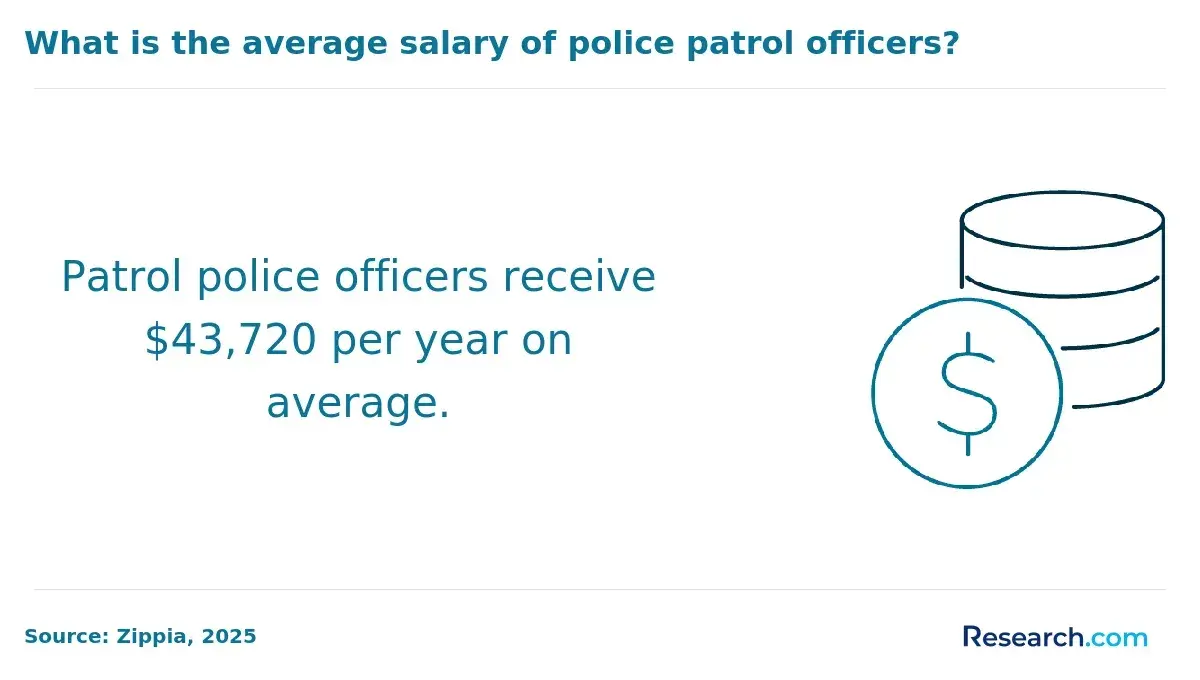
- Entry-Level Police Officers: Typically begin with annual salaries around $46,200 statewide, with some cities like Columbus offering starting pay of approximately $49,044 annually. These figures apply to officers new to the force with minimal extra education beyond the basic requirements.
- Mid-Career Police Officers: With experience and possibly additional training, officers earn between $55,777 and $61,973 annually, occasionally reaching over $62,000 in larger or higher-cost areas. This stage often includes advancement in certification or initial supervisory duties.
- Senior Police Officers and Supervisors: Those with substantial tenure, higher education such as a bachelor's degree, or leadership roles can see salaries from $67,695 up to $73,891 per year. Some departments report salaries well beyond $100,000 for ranks like sergeant or captain, highlighting the premium on experience and education.
Understanding this Nebraska law enforcement salary range is essential for grasping how education and professional advancement impact earnings. Officers pursuing further qualifications not only improve their skills but also position themselves for higher pay. For those exploring opportunities beyond local standards, investigating the top-paying criminal justice jobs can offer a broader perspective on career potential within or outside Nebraska’s borders.
What education trends are affecting law enforcement careers in Nebraska?
Education expectations are rapidly transforming policing careers in Nebraska, marking a shift from minimum qualifications to a preference for advanced academic and professional credentials. This evolution challenges traditional notions of policing by demanding officers who are not only physically capable but also intellectually and emotionally prepared for complex modern law enforcement.
- Growing Preference for College Degrees: While a high school diploma or GED remains the minimum, many departments prioritize candidates with associate or bachelor’s degrees, especially in urban areas such as Bellevue, reflecting a national trend toward professionalization.
- Specialized Majors and Skillsets: Degrees in criminal justice, psychology, sociology, and cybersecurity are increasingly valued for their role in addressing digital crimes, mental health issues, and social complexities within communities.
- Continuing Education and Advanced Training: Nebraska mandates at least 32 hours of annual continuing education, ensuring officers remain adaptive to trends in de-escalation, legal updates, mental health awareness, and officer wellness.
- Integration of Legal and Ethical Training: Regular updates on civil rights and character screening emphasize constitutional adherence and emotional resilience as key components of modern policing standards.
Staying abreast of these education trends is crucial for prospective and current officers to enhance their career prospects and contribute meaningfully to community-centered, effective law enforcement in Nebraska’s evolving social landscape.
What Do Police Officers in Nebraska Say About Their Career
- Completing my training at the Nebraska Law Enforcement Training Center was a milestone that gave me the confidence to excel. Starting my career working within a local school allowed me to connect deeply with young people and play a key role in creating a safe, supportive environment. I truly appreciate how Nebraska’s community-focused approach helps officers grow and make a meaningful difference. This job continually challenges me in the best ways, combining professional development with heartfelt service. Bart
- The career opportunities in Nebraska’s law enforcement field are impressive, especially after graduating from the Omaha Police Academy. Working in a school setting has been incredibly rewarding, as it blends my professional skills with personal passion for student safety and well-being. Nebraska’s unique mix of urban and rural communities offers diverse experiences that enrich every day on the job. Reflecting on my journey, I’m proud to contribute to a safer future while advancing my own career steadily. Nelli
- My time at the Lincoln Police Training Institute prepared me well for the complexities of serving Nebraska’s communities. Starting as a police officer in a local academic institution, I found great satisfaction in watching young people thrive in a safe environment we helped build together. The cultural uniqueness of Nebraska, combined with its resources, makes this role both challenging and deeply fulfilling. This career has empowered me to grow professionally while positively impacting the lives of many. Damian
Related Articles for Nearby States
- 2027 How to Become a Police Officer: Education Requirements in Kansas
- 2027 How to Become a Police Officer: Education Requirements in South Dakota
- 2027 How to Become a Police Officer: Education Requirements in Iowa
- 2027 How to Become a Police Officer: Education Requirements in Colorado
- 2027 How to Become a Police Officer: Education Requirements in Missouri
- 2027 How to Become a Police Officer: Education Requirements in Wyoming
- 2027 How to Become a Police Officer: Education Requirements in Minnesota
- 2027 How to Become a Police Officer: Education Requirements in Oklahoma
- 2027 How to Become a Police Officer: Education Requirements in North Dakota
- 2027 How to Become a Police Officer: Education Requirements in Illinois
References:
- Criminal Justice Degree - Wayne State College Nebraska https://www.wsc.edu/criminal-justice-degree
- Job Postings • Police Officer: Non-Certified Trainee with +H https://www.cityofalliance.net/Jobs.aspx
- Nebraska First Responder FAQs | Office of Scholarships & Financial Aid | Nebraska https://financialaid.unl.edu/receiving-funds/nebraska-first-responder-faqs/
- School of Criminology & Criminal Justice | Nebraska https://criminaljustice.unl.edu/
- Criminal Justice Degree - Online and On Campus | Criminal Justice | University of Nebraska at Kearney https://www.unk.edu/academics/cj/criminal-justice.php
- Become an Officer | Columbus, Nebraska - Official Website https://www.columbusne.us/216/Become-an-Officer
- Join OPD https://www.joinopd.com/
- Training & Professional Standards | La Vista, NE - Official Website https://www.cityoflavista.org/1943/Training-Professional-Standards
- Police Officer Employment - City of Hastings, NE https://www.cityofhastings.org/departments/police/employment.html
Other Things You Should Know About Becoming a Police Officer in Nebraska
In 2027, aspiring police officers in Nebraska must have a high school diploma or GED. While higher education is not mandatory, candidates with an associate or bachelor's degree in criminal justice or related fields may have better job prospects.
In Nebraska, many police departments provide financial support for officers' college education or police academy training, recognizing the value of advanced knowledge and skills in law enforcement. Funding varies by department, with some covering tuition costs fully or partially, while others offer reimbursement programs after successful course or academy completion. However, not all departments have the resources to pay upfront, often requiring candidates to secure their own financing before employment. This mix of support reflects differing budgets and priorities, but overall, Nebraska law enforcement agencies tend to encourage higher education and formal training through available funding options to enhance officer readiness and career development.
Aspiring police officers in Nebraska in 2027 can enroll in a certified Police Academy training program. These programs cover criminal law, firearms training, emergency response, and physical fitness. The Nebraska Law Enforcement Training Center is a primary facility offering statewide certification programs.