
2027 How to Become an HVAC Tech in Georgia

Co-Founder and Chief Data Scientist
If you're someone who enjoys hands-on work, solving problems, and keeping people comfortable year-round, a career as an HVAC technician might be the perfect fit—and in Georgia, where hot summers and unpredictable winters are the norm, skilled HVAC professionals are always in demand. From Atlanta's bustling suburbs to the quiet towns of South Georgia, heating, ventilation, and air conditioning systems keep homes, businesses, and public spaces livable. But becoming an HVAC tech in Georgia isn’t just about swapping filters or fixing broken AC units—it’s a path that combines technical knowledge, on-the-job experience, and a deep understanding of state regulations.
Whether you're a recent high school graduate looking for a steady trade or a career changer drawn to the job security and earning potential of HVAC work, starting can feel overwhelming. Do you need a license? What kind of training is required? How long does it take? Don’t worry—I’ve broken it all down for you. In this guide, I will walk you through every step to becoming an HVAC tech in Georgia, from education and certifications to apprenticeships and licensing.
Key Points About Becoming an HVAC Tech in Georgia
- Georgia offers strong job growth for HVAC technicians, driven by increasing construction and replacement demand, with employment expected to grow faster than the national average.
- The average HVAC technician salary in Georgia is approximately $49,635 annually, providing a competitive income relative to the cost of living.
- With accessible training programs and a supportive industry, Georgia is a practical choice for starting an HVAC career, especially for those seeking steady work and advancement.
- What are the educational requirements to become an HVAC Tech in Georgia?
- Which schools in Georgia offer HVAC programs?
- What skills do you need to become an HVAC Tech in Georgia?
- What are the requirements for HVAC licensure in Georgia?
- What is the licensing process for HVAC technicians in Georgia?
- How long does it take to become an HVAC tech in Georgia?
- Will an HVAC license from Georgia allow you to work in other states?
- Can Expanding Your Skill Set with Electrical Training Boost Your HVAC Career in Georgia?
- What are the career advancement and continuing education opportunities for HVAC technicians in Georgia?
- Can HVAC Technicians Transition to Business Ownership?
- What additional technical certifications could further enhance my HVAC career in Georgia?
- What safety and regulatory practices are essential for HVAC technicians in Georgia?
- How much do Georgia HVAC technicians earn?
- Is there a demand for HVAC technicians in Georgia?
- Is Georgia a good place to work as an HVAC tech?
What are the educational requirements to become an HVAC Tech in Georgia?
Becoming an HVAC technician in Georgia involves a clear educational and training pathway designed to equip you with both theoretical knowledge and practical skills. Below is a straightforward outline of the key requirements to start your career in this field:
- High School Diploma or GED: This is the minimum academic credential required, providing essential skills in math, science, and reading.
- Enrollment in an Accredited HVAC Training Program in Georgia: These programs, often found at technical colleges or trade schools, offer hands-on experience in refrigeration, heating systems, electrical components, and safety protocols.
- Completion of an Apprenticeship or On-the-Job Training: Typically lasting 3 to 5 years, apprenticeships combine paid work experience with classroom instruction under licensed professionals, emphasizing practical skills development.
While some states mandate specific HVAC certifications before employment, Georgia prioritizes apprenticeships and on-the-job training as crucial steps after formal education. This practical approach ensures technicians are well-prepared for real-world challenges. If you are exploring HVAC training programs in Georgia, consider that this combination of education and experience aligns with national standards and prepares you effectively for the trade.
For those interested in trades with the highest demand, HVAC is a strong option offering steady career growth. Understanding how to become an HVAC technician in Georgia with the right credentials and experience will help you enter a stable, skilled profession focused on essential services.
Which schools in Georgia offer HVAC programs?
For those exploring the best HVAC schools in Georgia, several technical colleges and trade schools offer focused HVAC programs that equip students with essential skills for the field. These programs balance theoretical knowledge and hands-on training to prepare candidates for a competitive job market.
- Georgia Piedmont Technical College: Offers a comprehensive HVAC curriculum covering refrigeration, electrical systems, heating, ventilation, and air conditioning repair, along with preparation for EPA certification.
- Gwinnett Technical College: Provides an HVAC Certificate program emphasizing installation, maintenance, repair, safety, and energy efficiency.
- Atlanta Technical College: Covers residential and commercial HVAC systems, troubleshooting, system design, and relevant codes including EPA regulations.
- Chattahoochee Technical College: Focuses on hands-on experience with modern HVAC technology and green energy systems.
Most HVAC training programs in Georgia last between 6 and 12 months and include certification preparation, which is crucial for entering the workforce. When selecting a program, consider tuition, duration, and certification opportunities to align with your career goals. Additionally, understanding other relevant specializations can be valuable; for example, exploring our electrician career salary guide can enlighten you for the different lucrative career paths related to the HVAC field.
What skills do you need to become an HVAC Tech in Georgia?
To thrive as an HVAC technician in Georgia, you need more than just textbook knowledge—you must blend hands-on problem-solving with a deep understanding of heating, cooling, and ventilation systems. Honing these skills allows you to expertly install, maintain, and fix equipment while navigating the specific rules and standards set by the state.
Key skills essential for HVAC professionals in Georgia include:
- Electrical Knowledge: Understanding electrical systems and wiring is crucial since HVAC units depend heavily on electrical components.
- Blueprint Interpretation: The ability to read and analyze technical diagrams helps in accurate installation and problem-solving.
- Refrigerant Handling: Familiarity with refrigeration concepts and EPA Section 608 regulations is necessary to manage refrigerants safely and legally.
- Diagnostic Proficiency: Using specialized tools to identify mechanical and electrical faults efficiently is vital for effective repairs.
- Regulatory Awareness: Knowing local building codes and safety rules, which differ across Georgia’s counties, ensures compliance during all projects.
- Customer Communication: Clear and professional interaction with clients helps explain maintenance and repair work, building trust and satisfaction.
- Physical Capability: The job demands stamina and agility to work in tight spaces and to handle heavy equipment without injury.
To put these skills into context, the chart below shows the growth of the US residential HVAC market from 2021 to 2024, illustrating the expanding demand and opportunities for skilled technicians.
What are the requirements for HVAC licensure in Georgia?
To become a licensed HVAC technician in Georgia, candidates must fulfill a few specific requirements that ensure both technical competence and professional responsibility. These requirements are designed to verify practical skills and knowledge before granting licensure.
- Four Years of Supervised HVAC Work Experience: Applicants need a minimum of four years of verifiable hands-on experience working under a licensed HVAC contractor, including installation, maintenance, and repair of HVAC systems.
- Passing the Georgia HVAC Exam: Candidates must pass the Georgia HVAC Exam, which covers technical HVAC skills as well as state-specific regulations, safety standards, and business practices.
- Completion of a Criminal Background Check: A thorough background check is mandatory to ensure ethical standards are met and to maintain public trust in licensed professionals. This process is overseen by the Georgia State Construction Industry Licensing Board.
This approach to HVAC licensure in Georgia differs from other states by emphasizing practical experience and a strong understanding of business and legal responsibilities. If you're researching how to get HVAC certification in Georgia, it's important to focus on gaining real-world experience alongside preparing for these exams.
For those looking to enhance their qualifications in no time, exploring quick certifications that pay well can be a strategic way to boost your career prospects in the HVAC field.
What is the licensing process for HVAC technicians in Georgia?
Becoming a licensed HVAC technician in Georgia involves a clear, regulated process overseen by the Georgia's Division of Conditioned Air Contractors. Understanding the steps and requirements will help you navigate the path efficiently and ensure compliance with state standards.
- License Selection: Identify the license type that matches your career plans, commonly the Limited HVAC Contractor License or Class II HVAC Contractor License, each with distinct experience and work scope criteria.
- Application Submission: Complete and send your application to the Board, including documentation of your hands-on experience or apprenticeship, typically requiring two to four years of verifiable HVAC work.
- Trade Examination: Prepare for and successfully pass the state’s HVAC trade exam, which evaluates your technical knowledge, safety awareness, and understanding of local regulations.
- Documentation and Fees: After passing, provide proof of liability insurance, submit a financial statement, and pay the necessary licensing fees to finalize your application.
- License Issuance and Renewal: Once approved, you receive your official license, which must be renewed biennially along with fulfilling continuing education mandates to maintain good standing.
Reflecting on this process, an HVAC technician from Georgia shared her experience, emphasizing the initial uncertainty about which license to pursue and the challenge of gathering all required paperwork. She recalled, “The hardest part was proving my apprenticeship hours and making sure every detail was accurate.” Passing the trade exam brought a mix of relief and confidence, reinforcing her technical skills. She also noted the importance of staying organized and proactive: “Renewing my license every two years and completing continuing education keeps me sharp and ready for any changes in the industry.” Her journey highlights how persistence and attention to detail are key to successfully becoming and remaining a licensed HVAC professional in Georgia.
How long does it take to become an HVAC tech in Georgia?
The timeline to become an HVAC technician in Georgia can vary based on the path you choose, but most people can begin working in the field within a year.
Here's the timeline breakdown:
- Educational Coursework (6–12 months): Enroll in a certificate or diploma program at a technical college to learn HVAC fundamentals, safety protocols, and system installation and repair.
- Work Experience (1–4 years): Gain hands-on experience through an apprenticeship or entry-level job under the supervision of a licensed technician.
- Licensing Preparation (Varies): Accumulate the required hours of work experience and classroom training to qualify for the state licensing exam.
- State Licensing Exam: After meeting all prerequisites, pass Georgia’s licensing exam to become a certified HVAC technician.
- Total Timeframe: Most individuals become fully licensed HVAC techs in approximately 2 to 5 years, depending on their chosen path and pace.
For those exploring options on where to start, consider researching what are the best online HVAC trade schools to find programs that fit your schedule and goals. Planning your steps carefully ensures you meet all requirements efficiently while gaining valuable experience in a growing field focused on comfort and sustainability.
Will an HVAC license from Georgia allow you to work in other states?
Holding an HVAC license from Georgia does not automatically authorize you to work in other states because most states do not have formal reciprocity agreements. Licensing requirements vary by state, so you must fulfill each state’s individual criteria to practice there.
If you aim to expand your HVAC career beyond Georgia, consider these practical steps:
- Investigate the specific licensing rules in the state where you want to work, noting differences in exams, experience prerequisites, and application costs.
- Be prepared to pass any required state-specific tests or obtain certifications.
- Provide documentation of your Georgia license and professional experience when applying.
- Complete any additional training, background checks, or other requirements mandated by the new state.
Following these guidelines will help you navigate the licensing process smoothly and legally extend your HVAC practice outside Georgia.
Can Expanding Your Skill Set with Electrical Training Boost Your HVAC Career in Georgia?
HVAC professionals can gain a competitive edge by complementing their expertise with electrical training. Integrating electrical fundamentals into HVAC work allows technicians to effectively troubleshoot and manage interconnected systems, optimizing efficiency and safety on-site. In Georgia’s evolving market, diversifying your qualifications supports better problem-solving in complex installations and maintenance tasks. Exploring additional certifications—such as learning how to get electrician license in Georgia—can broaden career opportunities and lead to improved earnings potential without duplicating core HVAC training.
What are the career advancement and continuing education opportunities for HVAC technicians in Georgia?
HVAC technicians in Georgia can accelerate their careers by embracing advanced training and certification programs specifically designed to keep pace with technological evolution and regulatory updates. Opportunities such as specialized courses in energy-efficient systems, refrigeration innovations, and integrated building technologies not only expand technical expertise but also open pathways to supervisory or specialized roles within the industry. Moreover, engaging in industry events, technical workshops, and association-led training can provide essential networking benefits and access to emerging best practices. For those looking to transition or broaden their skill set into related fields, exploring additional trades—like how to become a mechanic in Georgia—can further enhance career versatility and long-term advancement.
Can HVAC Technicians Transition to Business Ownership?
HVAC professionals with extensive field experience may choose to expand their careers by transitioning into business ownership or management roles. This shift requires a grasp of financial planning, strategic marketing, and operational service management to drive profitability while maintaining high technical standards. Pursuing structured business education can enhance these skills and support the transition from technician to entrepreneur. For detailed insights into structured business training, consider exploring the best business schools in Georgia.
What additional technical certifications could further enhance my HVAC career in Georgia?
Diversifying your skill set with specialized certifications can set you apart in a competitive market. Pursuing advanced training – such as courses in building automation, energy management, or advanced refrigeration techniques – can not only improve your technical proficiency but also position you for supervisory roles and higher earning potential. Investing time in these supplementary qualifications demonstrates a commitment to staying current with evolving industry standards and can enhance both your credibility and long-term career prospects. For professionals interested in understanding certification processes in adjacent technical fields, check out Georgia education requirements for radiologic technologist.
What safety and regulatory practices are essential for HVAC technicians in Georgia?
Ensuring personal safety and regulatory compliance is critical for HVAC technicians in Georgia. Technicians must adhere to OSHA standards and state guidelines by using certified protective equipment and following best practices for handling refrigerants and other hazardous materials. Regular updates on local and federal safety regulations, combined with targeted training in emergency response and equipment safety, help mitigate risks on the job. Staying current with regulatory changes through state publications and industry associations further supports professional reliability and operational excellence. Additionally, expanding cross-disciplinary skills can enhance safety awareness—explore how to become an ultrasound technician in Georgia for related technical insights.
How much do Georgia HVAC technicians earn?
In Georgia, HVAC technicians typically earn an average of $49,635. As technicians gain experience, obtain certifications, or develop specialized skills, their income can surpass $55,000. Fields like refrigeration, commercial HVAC, and renewable energy systems generally provide higher pay due to their complexity and demand.
Key factors that affect HVAC salaries include:
- Experience: Entry-level technicians usually earn less, but wages increase with practical knowledge and additional certifications.
- Specialization: Skills in commercial, industrial, or environmentally friendly HVAC technologies often result in better compensation.
- Geographic Location: Salaries in metropolitan areas such as Atlanta tend to be higher compared to rural parts of Georgia.
- Certifications and Licenses: Credentials like EPA certification or a Georgia state license can significantly boost earning potential.
By understanding these elements, aspiring HVAC professionals can better navigate career development and financial expectations within Georgia’s job market. To give you a clearer picture of what HVAC technicians earn across different experience levels and skill sets, here’s a breakdown of salary percentiles that highlights earnings from entry-level to top performers.
Is there a demand for HVAC technicians in Georgia?
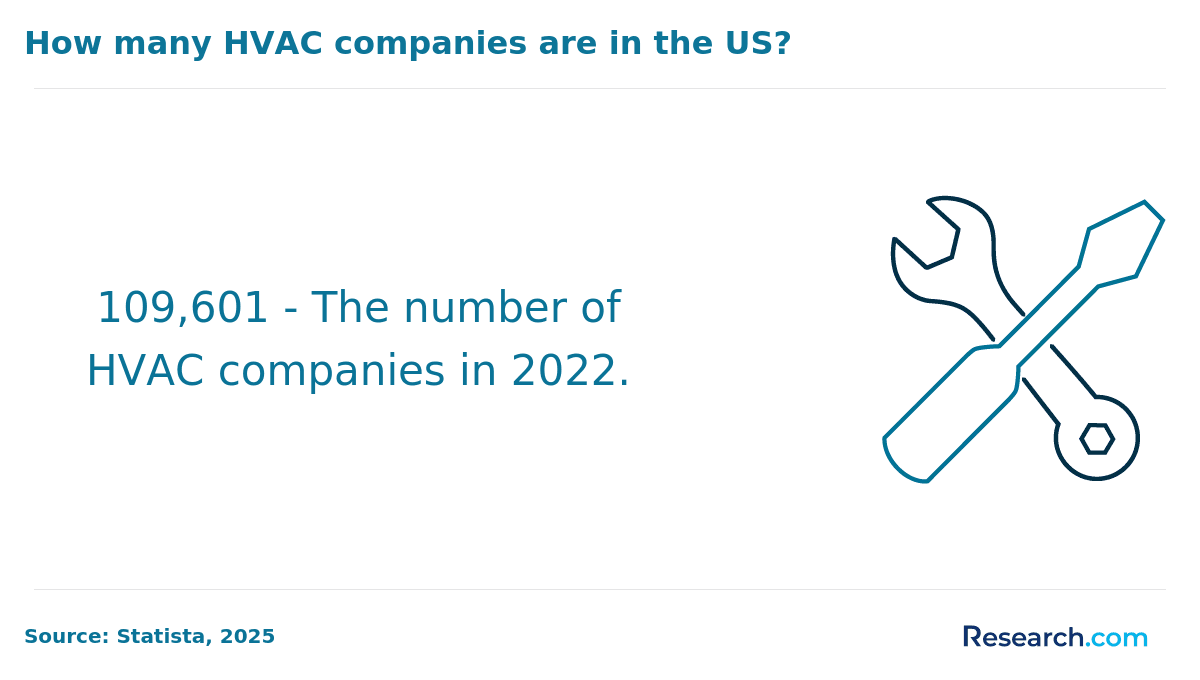
If you’re considering a career as an HVAC technician, one of the most important questions is whether there will be enough job opportunities to support your growth and stability. Fortunately, the outlook for HVAC professionals in Georgia is very positive, with steady employment growth and a healthy number of openings expected over the coming years. Here’s a quick snapshot of the demand based on recent data:
- Current Employment (2022): There are approximately 12,780 HVAC technicians working in Georgia.
- Projected Employment (2032): By 2032, that number is expected to grow to 15,030 technicians.
- Growth Rate (2022–2032): This represents an 18% increase in HVAC jobs over the next decade.
- Annual Job Openings: Georgia is projected to have about 1,380 HVAC job openings each year, due to new positions and replacements.
Staying current with energy-efficient technologies and smart HVAC systems is essential for competitiveness. Prospective technicians can explore our list of easy certifications to get online, which offers practical credentials and help build expertise quickly. Understanding the HVAC technician job demand in Georgia allows individuals to plan effectively and invest in the right skills to meet local market needs.
Is Georgia a good place to work as an HVAC tech?
Georgia offers a solid environment for those aiming to build a career as an HVAC technician. The state’s manageable living expenses combined with stable job prospects make it a practical choice for professionals seeking steady work in heating, ventilation, and air conditioning.
Becoming an HVAC technician in Georgia requires meeting state licensing standards, which include completing an approved training program and acquiring hands-on experience through apprenticeships or on-the-job training. The Georgia State Construction Industry Licensing Board regulates these requirements, ensuring that technicians meet professional standards while keeping the process clear and attainable.
Consider the following factors when planning your HVAC career in Georgia:
- Training Accessibility: Community colleges and technical schools throughout Georgia provide HVAC programs with flexible schedules, catering to students balancing work and study.
- Apprenticeship Opportunities: Urban centers like Atlanta and Augusta offer entry-level roles and apprenticeships, essential for gaining practical experience and fulfilling licensing prerequisites.
- Market Demand: Georgia’s growing population and warm climate create year-round demand for HVAC services, supporting consistent employment prospects.
- Regional Wage Variations: Salaries differ depending on location and experience, but generally align with the national average and support a comfortable lifestyle given Georgia’s overall cost of living.
Check out our list of the different types of high demand trades to help you explore other rewarding career paths alongside HVAC. Whether you’re interested in electrical work, plumbing, welding, or carpentry, these trades also offer strong job prospects and opportunities for growth across Georgia and beyond.
What HVAC Technicians in Georgia Say About Their Careers
- “Becoming an HVAC technician in Georgia was like unlocking a toolkit for life—steady work, real impact, and endless puzzles to solve. Every day I get to play climate detective, tuning systems that battle Georgia’s fiery summers and sneaky cold snaps. It’s more than a job; it’s a craft that keeps my hands busy and my mind sharp.” - Zephyr
- “Georgia’s weather is a wild storyteller, and as an HVAC tech, I’m the translator. One day I’m taming the humid heat waves, the next I’m battling frosty mornings—all while crafting comfort out of chaos. This work never feels routine because every home and building has its own story to cool or warm, and I get to be the hero behind the scenes.” - Sorrel
- “The path to mastering HVAC here felt like assembling a complex machine—each certification, each class, each job added a vital gear. Georgia’s educational programs didn’t just teach me; they challenged me to innovate and push boundaries. Now, with each system I fix or install, I feel like an architect of comfort, building more than just temperature control—I’m building trust and confidence.” - Joaquin
Related Articles for Nearby States
- 2027 How to Become an HVAC Tech in South Carolina
- 2027 How to Become an HVAC Tech in Florida
- 2027 How to Become an HVAC Tech in Alabama
- 2027 How to Become an HVAC Tech in Tennessee
- 2027 How to Become an HVAC Tech in North Carolina
- 2027 How to Become an HVAC Tech in Mississippi
- 2027 How to Become an HVAC Tech in Kentucky
- 2027 How to Become an HVAC Tech in Virginia
- 2027 How to Become an HVAC Tech in Louisiana
- 2027 How to Become an HVAC Tech in West Virginia
References:
- Atlanta Technical College. (n.d.). Atlanta Technical College (ATC) establishes HVAC scholarship in esteemed instructor’s name. Atlantatech.edu. Retrieved 22 May 2025.
- Georgia Piedmont Technical College. (n.d.). Air conditioning technology. Gptc.edu. Retrieved 22 May 2025.
- Gwinnett Technical College. (n.d.). Air conditioning. Gwinnetttech.edu. Retrieved 22 May 2025.
- GM Insights. (n.d.). US residential HVAC market industry analysis. Gminsights.com. Retrieved 22 May 2025.
- O*NET Online. (n.d.). Local trends for HVAC technicians (SOC 49-9021.00) in Georgia. Onetonline.org. Retrieved 22 May 2025.
- ZipRecruiter. (n.d.). HVAC salary. Ziprecruiter.com. Retrieved 22 May 2025.
- ZipRecruiter. (n.d.). What is the average HVAC technician salary by state? Ziprecruiter.com. Retrieved 22 May 2025.
Other Things You Should Know About Becoming an HVAC Technician in Georgia
In 2027, aspiring HVAC techs in Georgia typically need to complete a postsecondary program from a technical or community college, followed by an apprenticeship. These programs usually cover necessary skills and safety protocols. Completing this education greatly aids in obtaining necessary licenses and certifications for practicing in Georgia.
Yes, continuing education is necessary. In 2027, Georgia requires licensed HVAC technicians to complete four hours of state-approved continuing education annually to renew their licenses, ensuring they stay updated on industry standards and practices.


