
2027 How to Become an HVAC Tech in Nebraska

Co-Founder and Chief Data Scientist
With Nebraska’s changing climate and growing demand for energy-efficient heating and cooling systems, HVAC (Heating, Ventilation, and Air Conditioning) technicians are more essential than ever. Yet, many aspiring professionals feel overwhelmed by the maze of certifications, training options, and licensing requirements. Without a clear roadmap, it is easy to waste time and money on the wrong path.
This guide is for individuals who are exploring their options or looking for a career change and new opportunities. This step-by-step resource breaks down everything you need to know about becoming an HVAC tech in Nebraska. From education and apprenticeships to state licensing and job prospects, we’ll help you navigate the process confidently and efficiently.
Key Points About Becoming an HVAC Tech in Nebraska
- Is the steady job outlook for HVAC technicians in Nebraska, with growing demand due to climate and construction trends, enough to ensure long-term career stability?
- Considering the average Nebraska HVAC tech salary hovers around $45,000, does this reflect the true value and skill required in the trade?
- Does Nebraska’s affordable living and increasing infrastructure investment make it a uniquely strategic place to launch an HVAC career?
- What are the educational requirements to become an HVAC Tech in Nebraska?
- Which schools in Nebraska offer HVAC programs?
- What skills do you need to become an HVAC Tech in Nebraska?
- What are the requirements for HVAC licensure in Nebraska?
- What is the licensing process for HVAC technicians in Nebraska?
- How long does it take to become an HVAC tech in Nebraska?
- How Can HVAC Technicians Diversify Their Skill Set in Nebraska?
- How Can Ongoing Professional Development Strengthen Your HVAC Career in Nebraska?
- How Can HVAC Technicians Leverage Business Skills to Advance Their Careers in Nebraska?
- Can supplemental technical certifications enhance your HVAC career in Nebraska?
- What are the costs and financial aid options for HVAC training in Nebraska?
- Will an HVAC license from Nebraska allow you to work in other states?
- How much do Nebraska HVAC technicians earn?
- Is there a demand for HVAC technicians in Nebraska?
- Is Nebraska a good place to work as an HVAC tech?
What are the educational requirements to become an HVAC Tech in Nebraska?
If you are planning to become an HVAC technician in Nebraska, it's important to understand the education and training requirements up front. Without the right information, it's easy to miss a step or waste time on programs that don't meet local standards. Here’s a detailed breakdown:
- High School Diploma or GED: A high school diploma or equivalent is typically the minimum educational requirement to enter HVAC training programs or apprenticeships. This foundational education ensures you possess the basic math, science, and communication skills necessary for the technical aspects of HVAC work.
- Post-Secondary HVAC Training: While not mandatory, completing a formal HVAC training program at a community college or technical school can enhance your job prospects. These programs, ranging from six months to two years, offer certificates or associate degrees and cover essential topics like system diagnostics, refrigeration, and electrical systems .
- Apprenticeship Programs: Gaining hands-on experience through an apprenticeship is a common pathway. Apprenticeships typically last three to five years and combine on-the-job training with classroom instruction, covering safety practices, blueprint reading, and system installation.
- EPA Section 608 Certification: If your work involves handling refrigerants, federal law requires you to obtain EPA Section 608 certification. This certification ensures you understand proper refrigerant handling techniques to prevent environmental harm.
- Local Licensing Requirements: Nebraska does not have statewide licensing for HVAC technicians; however, certain cities like Omaha and Lincoln have their own licensing requirements. For instance, Omaha requires apprentices to register with the Air Conditioning/Air Distribution (ACAD) board and work under a licensed master ACAD contractor.
Nebraska requires aspiring HVAC technicians to complete an apprenticeship or accumulate a certain number of supervised on-the-job training hours. Does this blend of classroom learning and real-world experience give Nebraska an edge over states with fewer formal requirements? For more insight into this balance, exploring the differences between HVAC certification and apprenticeship can be enlightening.
Which schools in Nebraska offer HVAC programs?
Choosing the right Nebraska HVAC training schools requires more than just picking the most affordable or the closest option. What truly makes a program stand out: a comprehensive curriculum, hands-on experience, or alignment with industry certification? Here are some notable programs to consider:
- Southeast Community College: This program covers refrigeration principles, electrical systems, and heating technology. It emphasizes practical skills through lab work and internships, designed to meet Nebraska’s growing demand for qualified technicians. Tuition for in-state students is approximately $4,600.
- Lincoln Technical College: Focused on installation, maintenance, and troubleshooting of residential and commercial HVAC systems, their curriculum also integrates EPA certification preparation essential for handling refrigerants legally and safely. Tuition costs can reach around $15,000, prompting questions about whether higher cost equals higher quality training.
- Central Community College: Offering a balanced approach, this program combines HVAC fundamentals with green energy technologies to prepare students for evolving industry standards. With tuition roughly $3,500, it’s one of the more affordable options.
Considering Nebraska’s climate extremes and technical industry demands, how should students weigh curriculum depth, hands-on opportunities, and certification readiness? For those exploring HVAC careers, it’s also worth comparing potential earnings and job outlook—similar to an electrician career salary—to understand the value of investing in specific programs.
What skills do you need to become an HVAC Tech in Nebraska?
Technicians must master a combination of technical knowledge and practical problem-solving to navigate the challenges posed by Nebraska’s temperature extremes. For example, how well do you understand the electrical frameworks that power HVAC systems, given their complex wiring? And are you prepared to apply refrigeration principles with precision, especially when balancing the demands of hot summers and freezing winters?
- Electrical Systems Expertise: A thorough grasp of HVAC-specific wiring and circuitry is essential for safe and effective system operation.
- Refrigeration Knowledge: Understanding the mechanics and cycles of refrigeration helps maintain optimal indoor temperatures throughout the year.
- Compliance with Local Regulations: Familiarity with Nebraska’s building codes and safety protocols ensures installations meet legal and safety standards.
- Diagnostic and Repair Skills: The ability to quickly identify malfunctions and implement solutions is vital in minimizing downtime and costs.
- Technological Proficiency: Skillful use of modern digital meters and computerized controls is increasingly important in today’s tech-driven HVAC environment.
What are the requirements for HVAC licensure in Nebraska?
HVAC technicians in Nebraska need to fulfill a few specific requirements to obtain licensure, ensuring they are both skilled and trustworthy professionals. These requirements reflect the state's approach to qualifying individuals who want to work in this trade, raising questions about the balance between experience, knowledge, and accessibility. Key HVAC licensure requirements in Nebraska include:
- Minimum Age and Education: Applicants are generally required to be at least 18 years old and possess a high school diploma or GED. This foundational education ensures that candidates have the basic skills necessary for HVAC training and work.
- Apprenticeship Registration: In cities like Omaha, aspiring HVAC technicians must register as apprentices with the local Air Conditioning/Air Distribution (ACAD) board. This involves submitting an application, paying a fee, and working under the supervision of a licensed master ACAD contractor.
- Journeyman License Requirements: To obtain a journeyman license, applicants typically need to demonstrate several years of verifiable work experience in HVAC installation. For example, Omaha requires five years of experience, with possible credits for formal education or certifications. Applicants must also pass a licensing exam with a minimum score, often around 75%.
These elements highlight the practical and ethical considerations embedded in how to get HVAC license Nebraska. They also provoke thought about whether such barriers might discourage capable candidates or serve as necessary safeguards. For those exploring vocational paths, understanding these factors is crucial, especially when considering careers that might be more accessible. If you’re curious about what are the quick to learn trade jobs that pay well, HVAC licensure requirements Nebraska offers a detailed example of how states regulate skilled trades to balance quality and opportunity.
What is the licensing process for HVAC technicians in Nebraska?
Understanding the licensing requirements for HVAC technicians in Nebraska reveals a unique system focused on contractor credentials rather than individual licensing. This approach raises questions about the balance between regulation and accessibility within the industry. Who exactly must be licensed, and how does this impact those working under licensed contractors?
- Application Process: Submit your HVACR Contractor’s License application to the Nebraska Department of Labor’s Heating, Ventilation, Air Conditioning, and Refrigeration Board, the body overseeing licensing standards.
- Examination Requirements: Pass a comprehensive exam covering Nebraska-specific HVAC codes, safety protocols, and industry best practices, ensuring candidates meet state standards.
- Insurance and Bonding: Provide proof of liability insurance and a surety bond, measures designed to protect consumers and affirm the contractor’s financial responsibility.
- Experience Verification: Document relevant work experience or hours to demonstrate practical competence before licensure is granted.
When I spoke with an HVAC tech from Nebraska about her journey, she reflected on the licensing process with a mix of relief and challenge. “The exam was tough, especially the parts about state codes, but it made me feel more confident in my knowledge,” she said. Yet, she also noted that navigating insurance and bonding requirements was “a bit overwhelming at first,” especially without prior business experience. She appreciated that the focus on contractor licenses allowed her to gain hands-on experience under a licensed professional before stepping into full responsibility. “It’s a path that requires patience, but it definitely prepares you for the realities of the job,” she added thoughtfully, highlighting how Nebraska’s system shapes both the technical and business sides of an HVAC career.
How long does it take to become an HVAC tech in Nebraska?
The path to becoming an HVAC technician in Nebraska often involves a blend of education, hands-on training, and licensure, raising questions about the efficiency and depth of the process. Considering the time to become HVAC technician Nebraska, is there room for improvement or is the current structure optimal?
- Educational programs: Typically last 6 months to 2 years, depending on whether you pursue a certificate or an associate degree. This phase lays the foundational knowledge and the classroom learning you get will prepare you for real-world challenges.
- Apprenticeship/internship: Requires about 2,000 hours (approximately 1 year) of supervised practical work, offering essential hands-on experience. Does this stage sufficiently bridge theory and practice?
- Licensing exam preparation and completion: Duration varies, often a few months, ensuring candidates meet Nebraska’s competency and safety standards before entering the workforce.
Could this timeline of roughly 1.5 to 3 years be shortened without sacrificing quality? For those curious about different educational pathways or exploring HVAC training duration in Nebraska, reviewing a list of best online trade schools might offer alternative routes and insights.
How Can HVAC Technicians Diversify Their Skill Set in Nebraska?
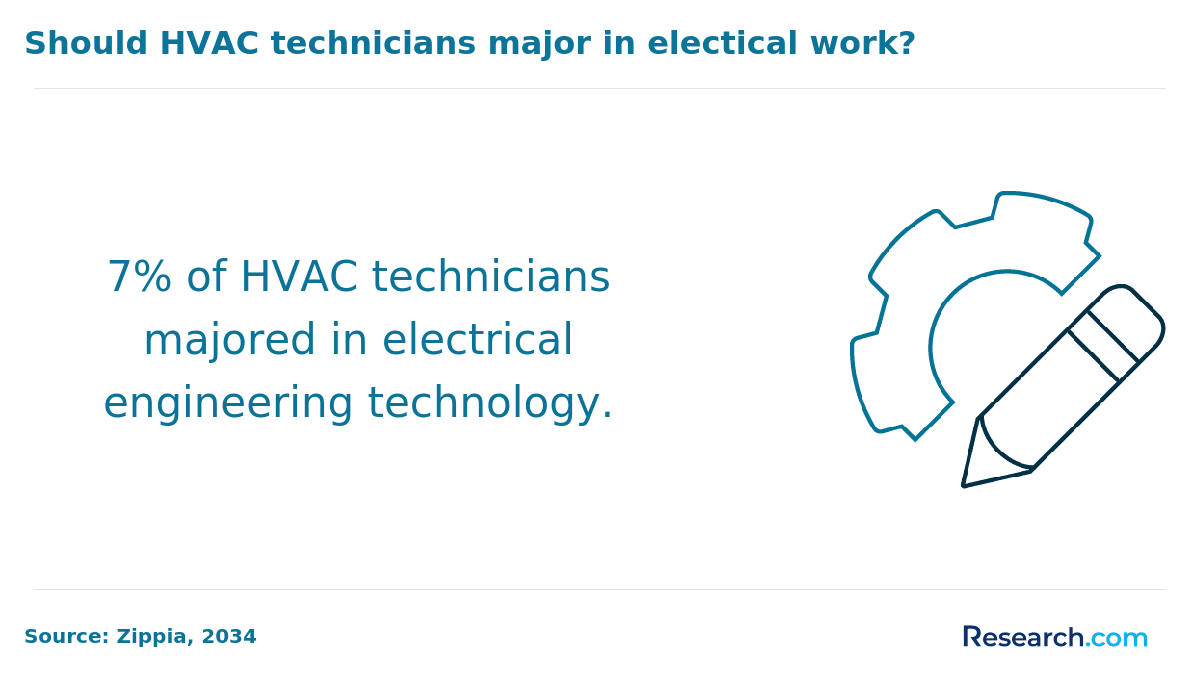
Expanding technical expertise beyond core HVAC competencies can significantly enhance career prospects. Pursuing supplementary training in adjacent trades not only boosts problem-solving capabilities but also offers access to emerging market niches. For example, integrating electrical skills has become increasingly valuable, prompting many professionals to consider obtaining additional certifications such as learning how to get electrician license in Nebraska. This approach enables technicians to address a broader spectrum of service needs, improve troubleshooting efficiency, and position themselves as versatile assets to employers in both residential and commercial sectors.
How Can Ongoing Professional Development Strengthen Your HVAC Career in Nebraska?
Pursuing advanced certifications and continuous training opportunities is essential for HVAC technicians to stay ahead of technological advancements and evolving industry standards. Enhanced professional development—through specialized training in energy efficiency, smart system integration, and emerging sustainable practices—provides real-world benefits, from improved troubleshooting skills to leadership opportunities in complex projects. Moreover, staying updated with new regulations and technological innovations can contribute significantly to long-term career growth and market adaptability. For professionals interested in expanding their technical expertise, examining how to become a mechanic in Nebraska may offer valuable, complementary insights.
How Can HVAC Technicians Leverage Business Skills to Advance Their Careers in Nebraska?
Integrating technical expertise with robust business acumen can empower HVAC professionals to transition from employee roles to entrepreneurial ventures. Mastery in areas such as financial management, strategic marketing, and operational planning is critical for running competitive HVAC contracting businesses. This added perspective not only facilitates sound decision-making but also enhances credibility when bidding on larger projects. For those looking to refine these business capabilities, exploring the best business schools in Nebraska can provide valuable insights and advanced training necessary to excel in both technical and managerial aspects of the industry.
Can supplemental technical certifications enhance your HVAC career in Nebraska?
Supplemental certifications in specialized fields can broaden an HVAC technician’s expertise and open pathways for career advancement. Pursuing additional vocational training—such as advanced diagnostics, energy efficiency analysis, or technology integration—can set you apart in a competitive market and provide greater adaptability to emerging industry trends. For a practical example of structured technical training, consider reviewing Nebraska education requirements for radiologic technologist.
What are the costs and financial aid options for HVAC training in Nebraska?
Evaluating the financial investment for HVAC training in Nebraska is crucial for aligning career goals with budgeting strategies. Prospective technicians should assess direct expenses—such as tuition rates, certification exam fees, and required materials—and indirect costs like potential lost income during training. Many institutions offer flexible financing alternatives, including payment plans, scholarships, and state-funded grants, which can ease the initial financial burden. Moreover, comparing program offerings can help identify options that not only provide comprehensive technical training but also support a faster transition into the workforce with favorable job placement statistics.
Additionally, examining similar career pathways may offer comparative insights into cost and financial support, as seen in related technical fields like how to become an ultrasound technician in Nebraska. Considerations such as program accreditation, return on investment, and post-training salary prospects are key factors in making an informed decision that maximizes long-term career sustainability.
Will an HVAC license from Nebraska allow you to work in other states?
Is holding an HVAC license from Nebraska truly a gateway to opportunities beyond its borders, or does it limit you to working strictly within the state? Unlike certain professions that benefit from expansive reciprocity, Nebraska’s HVAC licensing system does not currently recognize or transfer credentials to other states. This raises an important question: how does this affect your ability to work across state lines as an HVAC technician?
To practice HVAC in another state, you will likely need to:
- Fulfill that state's unique licensing criteria, which often involves passing exams and proving relevant work experience.
- Apply for a new license, typically requiring payment of application and licensing fees.
- Complete any mandated training or continuing education focused on that state's specific codes and regulations.
How much do Nebraska HVAC technicians earn?
HVAC technicians in Nebraska earn an average annual salary of around $48,000. Entry-level technicians typically start closer to $35,000, with pay increasing as they gain hands-on experience and build their skill set.
Advanced technicians and those who specialize in areas like refrigeration, commercial HVAC systems, or energy-efficient technologies can earn over $60,000 per year. The state's growing construction sector and climate extremes create steady demand for HVAC professionals, often leading to better wages. Certifications and continued training also play a significant role in boosting income potential, making them a smart investment for those looking to advance in the field.
Here are key factors that affect how much HVAC technicians earn in Nebraska:
- Experience Level: Technicians with more years on the job typically earn higher wages due to greater technical knowledge and efficiency.
- Specialization: Skills in high-demand areas such as refrigeration, commercial HVAC, or energy-efficient systems often lead to higher pay.
- Employer Type: Working for larger HVAC companies or in commercial and industrial sectors usually comes with higher pay than small residential contractors.
- Certifications and Licenses: Holding credentials like EPA Section 608 or local journeyman/master licenses can qualify technicians for better-paying roles.
Is there a demand for HVAC technicians in Nebraska?
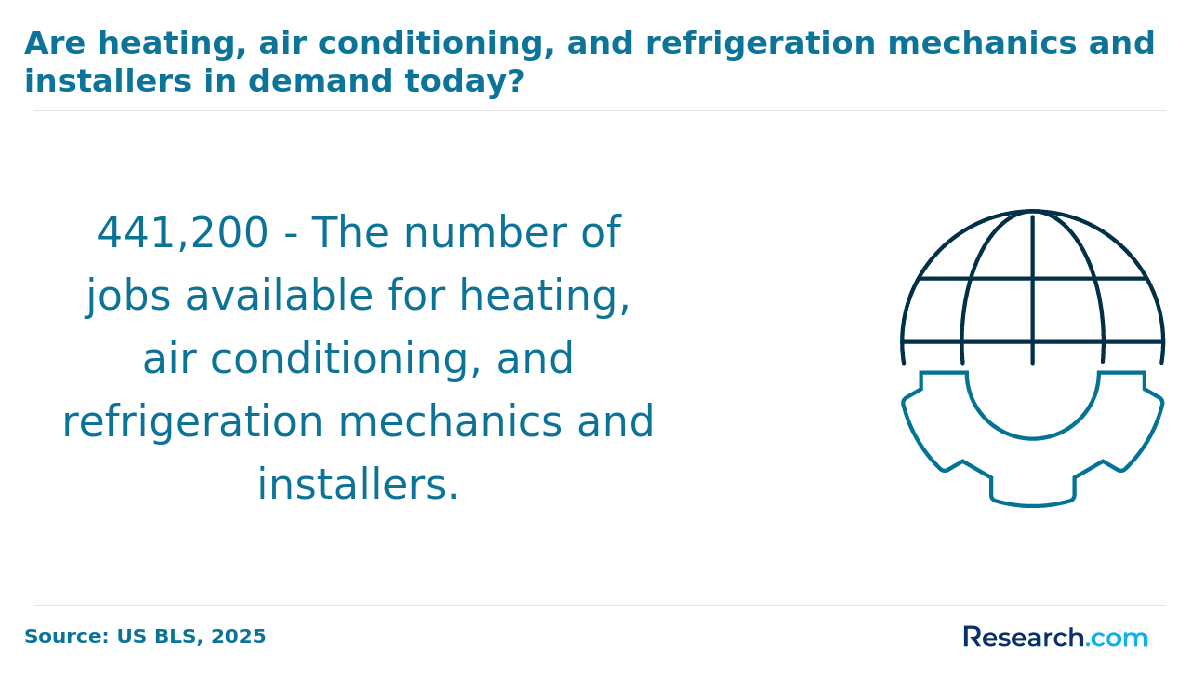
According to recent labor statistics, the job growth rate for HVAC technicians nationwide hovers around 5-8% over the next decade, but Nebraska's specific market dynamics may tell a different story. Given Nebraska’s climate with hot summers and cold winters, one might expect a steady need for both heating and cooling specialists, but do all HVAC roles benefit equally from this demand? This raises important questions about the broader Nebraska HVAC labor market outlook and how it compares to national trends.
Interestingly, the demand for residential HVAC technicians appears more consistent compared to commercial or industrial specialists, where job opportunities can fluctuate based on economic cycles and infrastructure development. Could this uneven demand influence where aspiring techs should focus their training? For those considering entering the field, exploring short certificate programs that pay well might be a practical step toward gaining relevant skills efficiently. Furthermore, rural versus urban areas in Nebraska may offer divergent prospects, raising questions about geographic flexibility in this career and how it affects HVAC technician job demand Nebraska overall.
Is Nebraska a good place to work as an HVAC tech?
In Nebraska, the relatively affordable living costs might suggest an attractive environment for skilled tradespeople. However, does this affordability truly balance out the compensation HVAC professionals receive in Nebraska?
The demand for HVAC services in Nebraska is shaped by its climate, which requires both heating in winter and cooling in summer, potentially offering consistent employment opportunities. Yet, how accessible is this career path? The state mandates standard EPA Section 608 certification, but the availability of training and apprenticeship programs can fluctuate, especially between urban centers and rural communities.
- Cost of Living vs. Income: While Nebraska’s lower living expenses may ease financial pressures, HVAC wages here are generally moderate and might not match those found in larger metropolitan or coastal areas.
- Consistent Workload: The state’s changing seasons create ongoing needs for HVAC maintenance and repair, supporting steady job prospects throughout the year.
- Certification Accessibility: Required certifications are industry standard; however, access to quality training varies, which can impact entry and advancement in the field.
- Urban vs. Rural Opportunities: More populous cities like Omaha and Lincoln tend to offer greater job availability compared to less populated rural regions, where openings can be scarce.
What HVAC Technicians in Nebraska Say About Their Careers
Working as an HVAC technician in Nebraska has given me incredible job stability. The demand for skilled technicians here is consistently high, and the average salary is very competitive compared to other states. I feel confident about my future in this career. – Mark
Nebraska’s unique climate means we face a wide range of challenges, from freezing winters to hot summers. This variety keeps every job interesting and constantly pushes me to improve my skills. It’s rewarding to know I’m helping families stay comfortable year-round. – Jacob
The professional development programs available in Nebraska have been a huge asset to my career growth. Local trade schools and workshops offer hands-on training that really prepares you for the field. I appreciate how supportive the community is in helping HVAC techs advance their expertise. – Andre
Related Articles for Nearby States
- 2027 How to Become an HVAC Tech in Kansas
- 2027 How to Become an HVAC Tech in South Dakota
- 2027 How to Become an HVAC Tech in Iowa
- 2027 How to Become an HVAC Tech in Colorado
- 2027 How to Become an HVAC Tech in Missouri
- 2027 How to Become an HVAC Tech in Wyoming
- 2027 How to Become an HVAC Tech in Minnesota
- 2027 How to Become an HVAC Tech in Oklahoma
- 2027 How to Become an HVAC Tech in North Dakota
- 2027 How to Become an HVAC Tech in Illinois
References:
- Aerotek. (2024). Put These 8 Essential HVAC Technician Skills to Work. Aerotek
- Becomeopedia. (n.d.). How to Become an HVAC Technician in Nebraska. Becomeopedia
- Charter College. (n.d.). 10 Important HVAC Technician Skills to List on Your Resume. Charter College
- FieldEdge by Xplor. (2024). HVAC Basics Knowledge All Technicians Should Know. FieldEdge
- Field Pulse. (2024). HVAC License Reciprocity By State. Field Pulse
- HVAC Classes. (2025). Which States Have the Highest Demand for HVAC Workers in 2025? HVAC Classes
- JTech Institute. (2025). Top 5 Skills for HVAC Technicians in 2025. JTech Institute
- US Bureau of Labor Statistics. (2023). Occupational employment and wage statistics: Heating, air conditioning, and refrigeration mechanics and installers. U.S. BLS
- Zippia. (2025). Hvac Technician demographics and statistics in the US. Zippia
Other Things You Should Know About How to Become an HVAC Tech in Nebraska
To work in Nebraska as an HVAC technician in 2027, you will need to obtain an EPA Section 608 certification for handling refrigerants. Additionally, earning a North American Technician Excellence (NATE) certification can enhance job prospects, although it's not legally required.
In 2027, aspiring HVAC technicians in Nebraska must complete a high school diploma or GED equivalent. Following this, they should enroll in an accredited HVAC program, often lasting 6 months to 2 years. It's also advisable to gain hands-on experience through apprenticeships or entry-level positions under the guidance of a licensed professional.
To become an HVAC tech in Nebraska in 2027, complete a vocational program or apprenticeship, obtain EPA Section 608 certification, and accumulate work experience. Acquire a state-issued contractor’s license if you plan to run your own business. Regularly update your skills to comply with industry standards. --- **Question** What certifications do I need to become an HVAC tech in Nebraska in 2027? **Answer** In 2027, aspiring HVAC techs in Nebraska need EPA Section 608 certification to work with refrigerants legally. Additional certification, such as North American Technician Excellence (NATE) or HVAC Excellence, may enhance job prospects and demonstrate advanced proficiency. --- **Question** What are the 2027 educational requirements to become an HVAC tech in Nebraska? **Answer** To become an HVAC tech in Nebraska in 2027, a high school diploma or GED is the basic requirement. Completing a technical school program or apprenticeship in HVAC is essential for gaining hands-on skills and knowledge necessary for the field.


