
2027 How to Become a Mechanic in Nebraska: Requirements & Certification

Co-Founder and Chief Data Scientist
Mechanics play a vital role in keeping our communities moving—literally. From diagnosing engine problems to performing routine maintenance and complex repairs, skilled automotive technicians ensure that cars, trucks, and other vehicles operate safely and efficiently. It’s a hands-on, problem-solving career that appeals to those who enjoy working with technology, staying active, and seeing tangible results from their efforts.
In Nebraska, becoming a mechanic can be a smart career move. As vehicle systems grow more sophisticated, the demand for qualified technicians is increasing, with employment projected to grow by 5% over the next decade. Nebraska, in particular, offers strong opportunities for aspiring mechanics thanks to its mix of urban and rural areas, reliance on transportation and agriculture, and growing need for automotive and diesel service professionals.
In this guide, I’ll walk you through everything you need to know to start your journey—from the education and training requirements, to certification options, to what you can expect in terms of salary and job outlook in Nebraska's current automotive industry.
Key Things to Know About Becoming a Mechanic in Nebraska
- Mechanic jobs in Nebraska are projected to grow by 5% from 2022 to 2032, slightly above the national average growth rate of 3%.
- The median annual salary for automotive service technicians and mechanics in Nebraska is approximately $51,817, which is about 10% lower than the national median salary.
- Most accredited mechanic training programs in Nebraska last between 12 and 24 months, offering certifications that improve employability in the state's automotive repair industry.
- What are the steps to become a mechanic in Nebraska?
- What training and education options are available in Nebraska?
- Do you need certifications to work as a mechanic in Nebraska?
- How long does it take to become a mechanic in Nebraska?
- How much does it cost to become a mechanic in Nebraska?
- What job opportunities are available for mechanics in Nebraska?
- How are emerging automotive technologies reshaping mechanics’ roles in Nebraska?
- Could Diversifying Into Complementary Trades Boost Your Career Prospects in Nebraska?
- What is the return on investment for mechanic education in Nebraska?
- How can aspiring mechanics finance their training in Nebraska?
- How Do Mechanics Prioritize Workplace Safety in Nebraska?
- How much do mechanics make in Nebraska?
- What tools and skills do mechanics need to succeed?
- What are the career growth opportunities for mechanics in Nebraska?
- What are the pros and cons of becoming a mechanic in Nebraska?
What are the steps to become a mechanic in Nebraska?
Becoming a mechanic in Nebraska requires more than just technical skills; it demands strategic choices about education, certification, and career development that can shape your professional trajectory.
Choose Your Educational Path Wisely
The speed of entry into the workforce through certificate programs may seem appealing, but investing in an associate degree often provides a stronger foundation and better long-term returns. Bachelor’s degrees, though less common, open doors beyond repair work, positioning you for leadership roles. Consider how each option aligns with your career ambitions, not just the immediate payoff.
Pursue Recognized Certification
Although Nebraska does not legally require mechanic licensing, ASE certification is a powerful differentiator in the marketplace. It validates your expertise and can elevate your earning potential. Achieving this certification typically means combining practical experience with formal education, a balance that underscores the importance of continual professional growth.
Understand Legal and Business Requirements
Operating as a mechanic extends beyond technical ability. If entrepreneurship is your goal, compliance with business insurance and registration is non-negotiable. Also, specialized certifications, such as EPA approval for refrigerant handling, reflect the complexity of automotive work and the evolving regulatory environment.
Develop a Career Strategy
Hands-on experience remains invaluable, but specialization in emerging fields like electric or hybrid vehicles can future-proof your career. Networking and manufacturer-specific training programs provide access to exclusive knowledge and opportunities, challenging the notion that mechanics only need to “fix cars.”
What training and education options are available in Nebraska?
Nebraska’s approach to automotive education challenges the notion that formal licensing alone defines a mechanic’s capability. Instead, a blend of targeted training and practical experience shapes who truly excels in this field.
Here are key options available for those seeking mechanic training schools in Nebraska:
- Community colleges like Metropolitan Community College offer both certificate and associate degree programs, with specializations in auto collision and diesel technology.
- Southeast Community College provides manufacturer-specific training programs such as Ford ASSET and GM Automotive Service Educational Program, preparing students for dealership roles.
- Northeast Community College integrates internships into its curriculum, enhancing hands-on experience crucial for ASE certification success.
- Central Community College, taught by ASE Master Technicians, presents a cost-effective and accessible pathway with a 100% acceptance rate.
Choosing between certificate and associate degree programs is more than a timeline decision; it reflects how deeply one wants to engage with both technical skills and broader educational foundations. Nebraska’s automotive technology programs in Nebraska consistently emphasize comprehensive curricula covering diagnostics, maintenance, and specialized systems.
Such diverse educational routes underscore the state’s recognition that true expertise comes from combining theory, practice, and brand-specific knowledge. For those weighing options, understanding these nuances can be a decisive factor in career growth and aligning with the list of highest paying trade school careers.
Do you need certifications to work as a mechanic in Nebraska?
In Nebraska, the idea that you must hold a license to work as a mechanic is a misconception. The state has no formal licensing requirements, leaving room for debate about what truly validates a mechanic’s qualifications.
Employers, however, often seek more than just experience. The reality is that many shops prefer ASE certification for auto mechanics in Nebraska. This credential signals a verified level of expertise and professionalism that can set candidates apart in a competitive job market.
ASE certification requires a blend of formal education and work experience, challenging the notion that hands-on skills alone suffice. It demands passing rigorous exams that reflect real-world automotive problems, ensuring certified mechanics maintain a high standard of competence.
Considering nebraska mechanic license requirements from a practical perspective, ASE certification often functions as an informal standard, shaping hiring practices despite the absence of legal mandates. Its value lies not in legal necessity but in industry recognition and career advancement potential.
For those contemplating their path, combining education with experience proves crucial. Programs that integrate classroom learning with practical training can accelerate qualification for certification. Exploring related fields can also provide insights; for example, understanding what does a HVAC technician do highlights the importance of blending theory and practice across technical careers.
How long does it take to become a mechanic in Nebraska?
Becoming a mechanic in Nebraska demands more than just time; it requires strategic choices that shape the speed and depth of your expertise. The pathway is not fixed—how quickly one progresses depends heavily on the chosen educational route and personal commitment.
Certificate programs offer a condensed timeline, often less than a year, focusing on practical skills essential for immediate entry into the field. However, these programs may limit broader technical understanding, which an Associate Degree provides over approximately two years. The trade-off between speed and comprehensive knowledge challenges the assumption that faster is always better.
Certification adds another layer, where meeting state requirements involves passing exams, completing orientation, and accumulating relevant experience. National ASE certification, revered across the industry, demands on-the-job training that extends beyond classroom hours, underscoring the reality that real mastery unfolds in the workplace.
One Nebraska mechanic recalled the blend of excitement and frustration during their program: balancing late-night study sessions with hands-on repairs tested both resolve and passion. The moment they fixed a complex engine issue under instructor supervision was a turning point, transforming abstract lessons into tangible skills.
Fast-tracking through manufacturer-specific training can open doors but also narrows the focus toward particular brands, potentially limiting versatility. Aspiring mechanics must weigh immediate employability against the value of a diverse skill set.
Ultimately, becoming a mechanic in Nebraska is a layered process where time is a factor but not the sole determinant. The journey demands reflection on educational depth, practical experience, and long-term career goals.
The chart below compares the percentage of female versus male automotive mechanics.
How much does it cost to become a mechanic in Nebraska?
Expect to invest between $15,000 and $25,000 when considering a Nebraska automotive mechanic training program costs. This figure covers tuition but rarely captures the full financial picture, which demands a closer look beyond just classroom fees.
Costs to factor in include:
- Tuition for certificate or associate degree programs generally falls within the $15,000 to $25,000 range, though specialized diesel mechanic programs can reach $34,000.
- Tools and equipment often require an additional investment of $1,000 to $3,000, a necessary expense to gain practical skills.
- Books and supplies add roughly $500 to $1,000, a non-negotiable cost for accessing up-to-date technical knowledge.
- Uniforms and safety gear, including steel-toe boots and safety glasses, typically cost $100 to $300.
- Certification exam fees vary; some institutions like Central Community College include these at no extra charge, but others expect students to pay out-of-pocket.
- Living expenses, often overlooked, can dramatically increase total costs depending on location and personal circumstances.
Choosing a program requires balancing these expenses with potential financial aid, work-study opportunities, and dual-credit programs available through Nebraska’s educational system. Before dismissing the up-front costs, consider the strong salary outlook for mechanics in the state and how this investment may pay off. For those weighing career options, exploring the full scope of mechanic school tuition fees in Nebraska alongside local financial aid options can reveal pathways to reduce debt and accelerate entry into the workforce.
For a comprehensive understanding of trades and career salary expectations, prospective students should review data on trades career salary, which contextualizes these costs within long-term earnings potential.
What job opportunities are available for mechanics in Nebraska?
Nebraska offers a range of job opportunities for mechanics across various industries, from agriculture and transportation to manufacturing and construction. With the state's strong demand for skilled trades, mechanics can find steady employment in both urban centers and rural communities. Here are some job opportunities you will encounter in Nebraska:
Automotive Technicians
Automotive technicians in Nebraska face a landscape where technical skill alone is not enough; communication and organizational abilities increasingly define success. One mechanic recalled the challenge of adapting to dealership workflows while mastering manufacturer-specific diagnostics, emphasizing how patience and continuous learning were key to securing stable employment in Omaha. For those exploring automotive technician opportunities Nebraska offers, balancing hands-on expertise with soft skills can open doors in both independent shops and branded dealerships.
Diesel Technicians
Demand for diesel technicians in Nebraska reflects the state’s reliance on transportation and agriculture, requiring mechanics who can handle complex engine systems under pressure. A mechanic once described the emotional relief of landing a job with a military-friendly employer, highlighting how such policies support transitions and provide career stability. Diesel specialists willing to pursue certifications and remain adaptable will find opportunities in this sector steadily expanding.
Heavy Equipment Mechanics
Heavy equipment mechanics in Nebraska navigate a niche marked by the dual challenges of technical complexity and physical demands. One experienced mechanic shared how mastering repairs on agricultural machinery in rural areas required both technical knowledge and a willingness to travel extensively. Those ready to meet physical requirements and embrace diverse environments can expect to fill essential roles within Nebraska’s construction and farming industries.
Boat Mechanics
Boat mechanics in Nebraska serve a unique market shaped by the state’s lakes and waterways, demanding specialists who stay current with evolving marine technologies. A local mechanic reflected on the satisfaction of maintaining recreational and commercial vessels, noting the importance of meticulous record-keeping and ongoing education. Candidates interested in this path should consider specialized training to secure roles in this less conventional but growing field.
Mechanics exploring job opportunities in Nebraska are encouraged to review a list of the best automotive mechanic trade school programs to align their skills with market demands and enhance their prospects.
How are emerging automotive technologies reshaping mechanics’ roles in Nebraska?
The rapid integration of electric vehicles, digital diagnostics, and advanced driver assistance systems is transforming traditional repair methodologies. Mechanics are increasingly expected to master software-driven diagnostic tools and understand battery management systems in addition to conventional repair techniques. This technological shift encourages a strategic pivot toward specialized training that blends hands-on skills with modern digital competencies. Furthermore, as vehicle systems become more interconnected, diversifying into adjacent technical fields can strengthen a professional’s market position. For example, exploring related technical certifications, such as learning how to get HVAC license in Nebraska, can provide an edge in a competitive and evolving industry.
Could Diversifying Into Complementary Trades Boost Your Career Prospects in Nebraska?
Embracing skills beyond traditional mechanical repair can provide a competitive edge in Nebraska’s rapidly evolving automotive landscape. Expanding technical expertise to include areas such as electrical systems enhances adaptability as electric and hybrid vehicles become more prevalent. Diversification through additional certifications supports a broader scope of problem-solving and opens opportunities in interdisciplinary roles, ensuring long-term career resilience. Consider exploring how to become an electrician in Nebraska to strategically complement your mechanic proficiency with valuable electrical skills.
What is the return on investment for mechanic education in Nebraska?
Evaluating the return on investment involves balancing training costs with the potential for increased earnings and career longevity. Prospective mechanics should assess how program tuition, certification expenses, and the duration of training align with Nebraska’s evolving automotive market. Strategic investments—such as pursuing further technical or business education—can enhance job stability and accelerate salary growth. Exploring financial aid, employer-sponsored apprenticeship programs, and scholarships helps mitigate upfront costs, ensuring the educational expense is justified by long-term market rewards. For an expanded perspective on integrating technical training with business acumen, review the top business schools in Nebraska.
How can aspiring mechanics finance their training in Nebraska?
Mechanic education costs can be managed through a variety of financing options tailored to technical training. Many community colleges and trade schools in Nebraska offer merit-based scholarships and grants that reduce upfront expenses, while employer-sponsored tuition reimbursement or work-study programs provide practical financial relief during training. Additionally, state-sponsored aid and low-interest loan programs help mitigate the investment required for certification and hands-on education. For those exploring parallel technical fields, reviewing Nebraska ultrasound technician requirements can offer insights into similar funding resources and eligibility criteria.
How Do Mechanics Prioritize Workplace Safety in Nebraska?
Mechanics in Nebraska face an environment where hazardous materials, heavy equipment, and complex vehicle systems demand strict adherence to safety protocols. Adopting advanced personal protective equipment (PPE), following regulatory guidelines, and engaging in regular safety training are essential practices for mitigating workplace risks. Detailed safety assessments, routine equipment inspections, and structured emergency protocols further support a safe working environment. Additionally, many employers emphasize proactive risk management and continual safety education to ensure that every technician remains updated on industry standards. For insight into specialized technical training pathways that complement these safety practices, explore how to become a radiology technician in Nebraska.
How much do mechanics make in Nebraska?
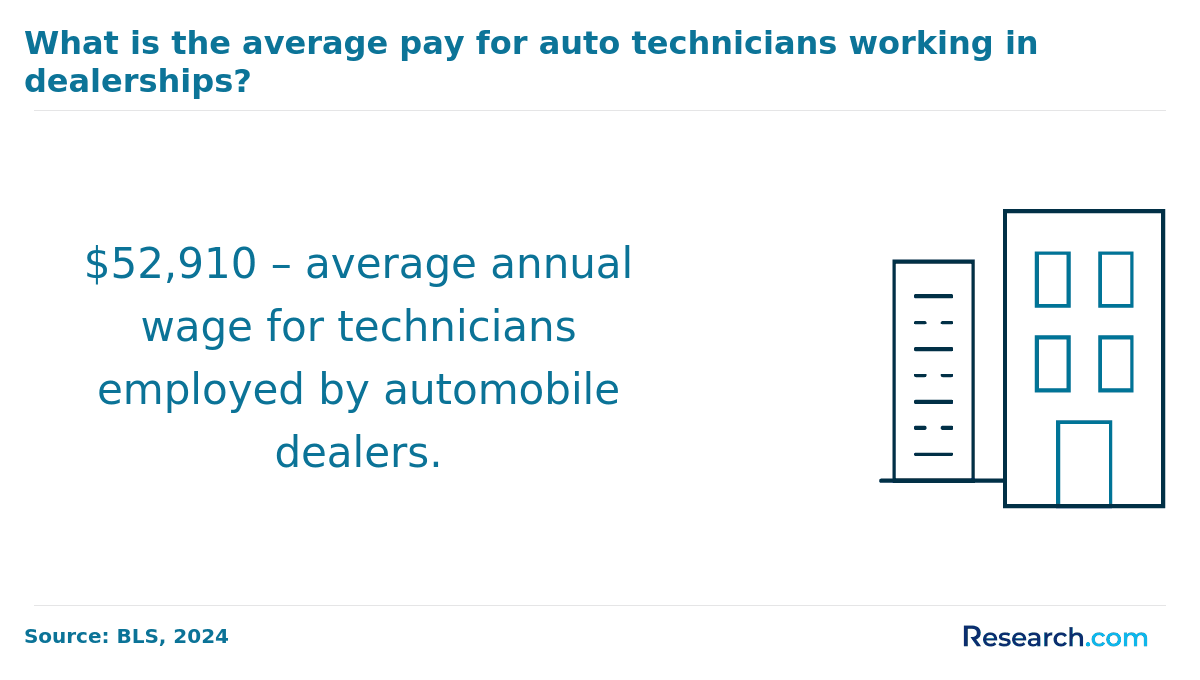
Mechanics in Nebraska earn wages that reflect both the state’s economic environment and the specific demands of the trade. The average mechanic salary in Nebraska hovers around $47,380 annually, which is notably about 24% below the national average. This gap challenges the assumption that skilled trades always offer uniform compensation across states and invites a deeper look at regional factors influencing pay.
Hourly wages in Nebraska range from roughly $26 to $29 for general and automotive mechanics, with overtime providing a substantial boost—often adding several thousand dollars annually. When considering how much do automotive technicians make in Nebraska, it becomes clear that specialization and experience heavily influence earning potential. Mechanics with certifications or expertise in diesel, heavy equipment, or aircraft tend to earn more than their generalist counterparts.
Geography plays a role too. Urban centers like Omaha and Lincoln typically offer higher wages and more opportunities, whereas rural areas may pay less but also come with lower living costs. This regional variation complicates simple salary comparisons and underscores the importance of understanding local market dynamics.
For those weighing the benefits of trade school vs college, investing in certifications such as ASE or manufacturer-specific training can be pivotal in increasing earning power and job security. Networking within local trade organizations and staying updated on evolving technologies, especially in hybrid and electric vehicles, are strategic moves for maximizing income and career longevity.
What tools and skills do mechanics need to succeed?
Success in automotive mechanics extends beyond technical skills; it demands adaptability, critical thinking, and a commitment to continuous learning. In Nebraska's evolving job market, mastering these tools is key to standing out and advancing.
- Proficiency with diagnostic technology and computerized systems to identify and solve complex mechanical issues efficiently.
- Strong foundational knowledge of engine repair, brake systems, electrical wiring, and transmission work to handle diverse vehicle problems.
- Effective communication skills for explaining technical issues and repair options clearly to customers and colleagues.
- Problem-solving abilities to troubleshoot unexpected issues under time constraints and deliver reliable solutions.
- Commitment to ongoing education to stay current with advancements in automotive technology, including hybrid and electric vehicles.
- Manual dexterity and attention to detail to perform precise repairs and maintenance work.
- Time management skills to balance multiple repair projects and meet customer deadlines without sacrificing quality.
- Understanding of safety protocols and environmental regulations to ensure compliant and responsible shop practices.
What are the career growth opportunities for mechanics in Nebraska?
The career path for automotive mechanics in Nebraska offers more than just fixing engines; it challenges the traditional view of mechanics as limited to routine repairs. There are clear avenues for growth that reward skill, education, and adaptability.
Advanced Technical Training and Certifications
Moving beyond basic certification is key. Obtaining specialized credentials in areas like diesel technology, hybrid and electric vehicles, or advanced diagnostics opens doors to higher-paying roles and niche markets. Nebraska’s evolving vehicle landscape demands mechanics who can master these technologies, shifting the profession from manual labor to technical expertise.
Apprenticeships and Trade School Programs
Structured apprenticeships and programs at trade schools provide hands-on experience that theory alone cannot match. These opportunities, often tied to local dealerships and repair shops, accelerate skill development and professional networking. In Nebraska, leveraging these programs can differentiate candidates and lead to quicker career advancement.
Leadership Roles and Business Ownership
Mechanics who cultivate leadership skills often transition into supervisory or management positions, influencing shop operations and customer relations. Alternatively, entrepreneurial-minded individuals can establish their own repair businesses, shaping local automotive services. This entrepreneurial shift challenges the misconception that mechanics only work under others.
Continuous Learning and Adaptation
The rapid pace of automotive technology demands lifelong learning. Mechanics who commit to ongoing education—not just initial training—stay competitive and relevant. Nebraska’s market rewards those who anticipate changes, from electric vehicle adoption to software-driven diagnostics, proving that adaptability is as valuable as technical skill.
Below are the top specializations of ASE-certified professionals according to ASE:
What are the pros and cons of becoming a mechanic in Nebraska?
Considering a career as a mechanic in Nebraska invites a nuanced evaluation beyond the usual appeal of hands-on work and job stability. Let’s weigh the realities that often go unnoticed.
Pros
Nebraska’s steady demand for skilled mechanics ensures consistent employment opportunities, especially in urban centers like Omaha and Lincoln where automotive services thrive. The hands-on nature of the work offers immediate satisfaction and the chance to develop specialized skills, such as diagnostics and repair of advanced vehicle technologies. Mechanics can benefit from relatively quick entry into the workforce compared to careers requiring lengthy degrees, often through technical schools or apprenticeships. Additionally, Nebraska’s lower cost of living compared to coastal states means that wages, while moderate, can stretch further in daily life. Finally, the growth of hybrid and electric vehicles opens new areas for mechanics willing to update their skill sets, potentially increasing their market value.
Cons
However, the profession is not without its challenges. The physical demands and exposure to hazardous materials can lead to long-term health issues. Wage growth tends to plateau unless mechanics pursue additional certifications or supervisory roles, which require extra time and investment. Rural areas may offer fewer job openings and lower pay, making geographic flexibility almost a necessity. The rise of automated and electric vehicles could eventually reduce the need for traditional mechanical repairs, putting pressure on those unwilling or unable to adapt. Lastly, the work often involves irregular hours or emergency calls, which can disrupt work-life balance.
What do mechanics say about their careers in Nebraska?
"Participating in the Nebraska Vocational Training Program gave me hands-on experience that textbooks couldn't provide. Working directly on engines and diagnostics in real-time helped build my confidence and skill set efficiently." – Matthew
"The state-sponsored mechanic apprenticeship allowed me to learn while earning, which made pursuing this career manageable and practical. The guidance from seasoned professionals made every day a valuable learning opportunity." – Otto
"Joining a nonprofit automotive program in Nebraska connected me with a community of passionate mentors and peers. Practicing the trade in a supportive environment made the technical challenges rewarding and kept me motivated." – Chester
Related Articles for Nearby States
- 2027 How to Become a Mechanic in Kansas: Requirements & Certification
- 2027 How to Become a Mechanic in South Dakota: Requirements & Certification
- 2027 How to Become a Mechanic in Iowa: Requirements & Certification
- 2027 How to Become a Mechanic in Colorado: Requirements & Certification
- 2027 How to Become a Mechanic in Missouri: Requirements & Certification
- 2027 How to Become a Mechanic in Wyoming: Requirements & Certification
- 2027 How to Become a Mechanic in Minnesota: Requirements & Certification
- 2027 How to Become a Mechanic in Oklahoma: Requirements & Certification
- 2027 How to Become a Mechanic in North Dakota: Requirements & Certification
- 2027 How to Become a Mechanic in Illinois: Requirements & Certification
References:
- ASE. (2024). Statistics. Automotive Service Excellence. https://www.ase.com/statistics
- O*Net Online. (n.d.). Nebraska Employment Trends: 49-3023.00 - Automotive service technicians and mechanics. https://www.onetonline.org/link/localtrends/49-3023.00?st=NE
- Zippia. (2025). Automotive Mechanic skills for your resume and career. https://www.zippia.com/automotive-mechanic-jobs/skills
- ZipRecruiter. (2025). Automobile Mechanics Salary in Nebrasaka. https://www.ziprecruiter.com/Salaries/Automobile-Mechanics-Salary--in-Nebraska
Other things you should know about becoming a mechanic in Nebraska
Becoming a certified mechanic in Nebraska typically takes about two years, which includes completing an associate degree or a certificate program from a technical school. Additionally, obtaining ASE certifications may require some extra months of study and exams.
Yes, aspiring mechanics in Nebraska should complete a high school diploma or GED. Then, they typically enroll in a technical school or community college for an automotive technology program. Hands-on experience through apprenticeships or entry-level work is often required before pursuing certification exams.
In 2027, aspiring mechanics in Nebraska typically need certifications such as ASE (Automotive Service Excellence) to enhance their employability. These certifications validate a mechanic's expertise in various areas of automotive repair and are widely recognized across the industry.


