
2027 Nursing Hierarchy Explained: Career Paths & Salary

Co-Founder and Chief Data Scientist
The nursing profession is experiencing significant shifts due to evolving healthcare needs and workforce dynamics. However, burnout and turnover continue to afflict nurses.. A 2025 Statista poll found that 58% of nurses reported feeling burned out on most days, revealing the adverse working conditions they face.
Still, career progression in the field comes with varied opportunities. To explore the nursing hierarchy in detail, including career paths and salary expectations for 2027, continue reading this article.
Key things you should know about the nursing hierarchy
- Nurses begin as Certified Nursing Assistants (CNAs) or Licensed Practical Nurses (LPNs), progressing to Registered Nurses (RNs), and further advancing to Advanced Practice Registered Nurses (APRNs).
- RN salaries average around $98,000 annually, with APRNs earning upwards of $110,000.
- Becoming an RN takes 2 to 4 years, while becoming an APRN can take an additional 2 to 4 years.
- What is the nursing hierarchy, and how is it structured? Hierarchy Structure
- What skills and responsibilities increase as you move up the nursing hierarchy? Core Skills
- What degree do you need to become a nurse? Required Degrees
- What is the difference between ADN, BSN, MSN, and DNP degrees? What is the difference between ADN, BSN, MSN, and DNP degrees?
- What are the fastest nursing programs available? Fastest Programs
- What is the average annual salary for nurses by hierarchy level? Salary Levels
- How do you move up in the nursing hierarchy? Advancement
- What certifications can boost a nurse’s career? Certifications
- What career options exist for nurses beyond bedside care? Alternative Careers
- How does the nursing hierarchy differ in hospitals vs clinics? How does the nursing hierarchy differ in hospitals vs clinics?
- What are the biggest nursing career trends in 2027? What are the biggest nursing career trends in 2027?
What is the nursing hierarchy, and how is it structured?
The nursing hierarchy refers to the structured levels of responsibility and authority within the profession. It establishes a clear division of duties and guarantees that patient care is provided efficiently and effectively at all levels. Choosing a program with proper nursing program accreditation ensures that nurses are trained according to national standards, preparing them to enter and advance within this hierarchy.
CNAs & LPNs
At the base of the nursing hierarchy are the CNAs and LPNs, who deliver direct patient care under the supervision of higher-level nurses. They assist with daily activities, monitor patient conditions, and report to registered nurses or physicians. CNAs and LPNs are usually required to undergo shorter training programs and certifications.
Become a CNA with the cheapest CNA programs online.
RNs
At the next level are RNs, who hold an associate’s degree in nursing (ADN) or a Bachelor of Science in Nursing (BSN). RNs have more autonomy and are responsible for assessing patient conditions, administering medications, coordinating care, and acting as leaders within teams.
RNs can specialize in pediatrics, oncology, or emergency care. They are critical in providing direct care and making clinical decisions.
APRNs
Above the RN level are APRNs, which include Nurse Practitioners (NPs), Nurse Anesthetists (CRNAs), Nurse Midwives (CNMs), and Clinical Nurse Specialists (CNSs). APRNs are highly specialized professionals who hold master's or doctoral degrees in nursing.
They have the authority to diagnose, treat, and head patient care independently in some states, serving in roles traditionally held by physicians.
Nursing Leadership Roles
At the top of the nursing hierarchy are nursing leadership roles, such as Nurse Managers, Directors of Nursing, and Chief Nursing Officers (CNOs). These positions are responsible for the overall strategic direction and operational efficiency of nursing services within a healthcare facility.
Nurse Managers typically oversee specific units, ensuring proper staffing, managing budgets, and mentoring their teams. Meanwhile, Directors of Nursing hold a broader responsibility, acting as a liaison between nursing staff and executive leadership to implement policies and maintain high standards of patient care.
These roles are essential for fostering a positive work environment, advancing nursing practice, and ultimately improving patient outcomes on a large scale.
What skills and responsibilities increase as you move up the nursing hierarchy?
As nurses move up the hierarchy, the skills and responsibilities required of them also increase. These changes are brought about by the complexity of tasks and the broadening accountability nurses hold. Similar to pharmacy accreditation programs by state, ensuring proper accreditation in nursing education helps prepare nurses for the advanced skills and responsibilities expected at higher levels in the hierarchy.
- CNA: CNAs assist with basic patient care, such as feeding, bathing, and taking vital signs. They have the foundational understanding of patient needs and communication skills. Their responsibilities are primarily task-oriented and supervised by LPNs or RNs.
- LPN: LPNs perform more hands-on medical tasks, such as administering medications, monitoring patient conditions, and assisting with minor procedures. They need a solid understanding of medical procedures and patient care protocols. They work under the guidance of RNs or physicians.
- RN: RNs assess patient health, create care plans, administer medications, and coordinate care among healthcare teams, requiring a high level of clinical expertise. They must exercise critical thinking, communication skills, and leadership abilities for patient safety and care delivery.
- APRN: APRNs diagnose, prescribe medications, and supervise patient care independently in many states. They need decision-making skills and the ability to work autonomously or lead teams.
- Nursing Leadership: Nurse leaders lead nursing staff, draft policies, handle budgets, and comply with healthcare regulations. They possess management skills, strategic thinking, and collaborate well with others.
What degree do you need to become a nurse?
The most common path is an RN degree, which can be achieved through either an ADN or a BSN. An ADN provides the basic proficiency necessary for entry-level nursing roles. After graduation, nurses must pass the NCLEX-RN to become licensed. Understanding pediatric nurse practitioner salary by state can help aspiring nurses see the long-term financial potential of advancing their education and pursuing specialized roles.
For top-level roles, a Master of Science in Nursing (MSN) or Doctor of Nursing Practice (DNP) is required. These degrees are taken after a BSN and train nurses in nurse anesthesia, nurse practitioner roles, or nurse midwifery. For those interested, here are some careers with a DNP in midwifery.
An ADN may be enough for entry-level nursing positions, but a BSN is preferred by employers. Some nurses opt to finish their BSN after becoming an RN through RN-to-BSN programs, which are designed for working nurses who already hold an ADN.
What is the difference between ADN, BSN, MSN, and DNP degrees?
The ADN, BSN, MSN, and DNP represent different levels of nursing education and specialization. When choosing a program, it’s also important to know what is the best accreditation for nursing schools, as attending a properly accredited school ensures your degree is recognized, prepares you for licensure, and supports career advancement. Here's how the degrees differ:
- ADN: An ADN is a 2- to 3-year program that prepares individuals for entry-level nursing. This degree focuses on fundamental nursing skills, clinical experience, and healthcare education. It is offered at community colleges and is the fastest path to becoming a registered nurse, although it may limit opportunities in some healthcare settings compared to a BSN.
- BSN: A BSN is a 4-year degree that trains nurses in nursing theory, leadership, research, and patient care. It provides more opportunities for career advancement, particularly in settings that require a higher level of nursing education.
- MSN: An MSN is a graduate-level degree that takes 2 to 3 years to complete. It involves in-depth instruction in an area of nursing practice and the ability to diagnose, treat, and prescribe medications.
- DNP: The DNP is the highest level of clinical nursing education and requires an MSN for entry. It focuses on clinical practice, leadership, healthcare policy, and system-level changes. It takes 3 to 4 years to complete and prepares nurses for the highest levels of clinical practice, leadership, and research.
What are the fastest nursing programs available?
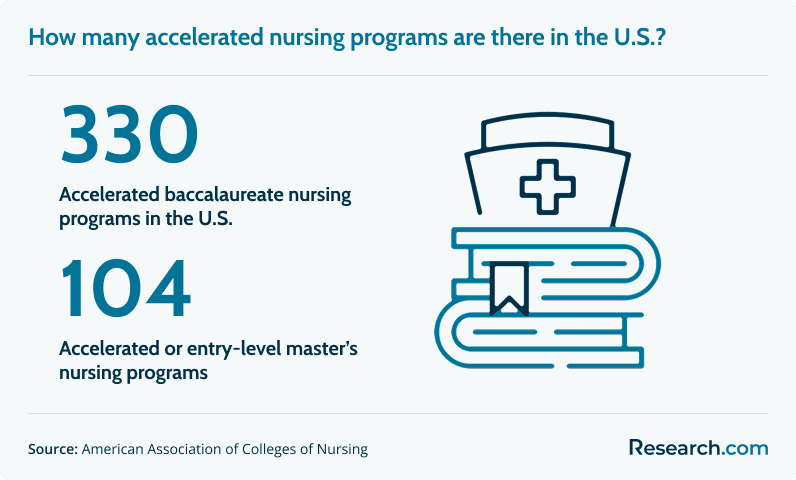
One of the quickest routes to becoming a nurse is through an Accelerated Bachelor of Science in Nursing (ABSN) program. ABSN programs span 12 to 18 months and are intended for individuals who already hold a bachelor's degree in a non-nursing field. Students should also be aware of math requirements for nursing programs, as these prerequisites are essential for admission and success in accelerated curricula.
These programs are intensive, fast-paced, and combine theory, clinical training, and hands-on experience. This pathway is a great choice for career changers who wish to transition into nursing without starting from scratch.
For individuals who already hold a nursing degree or are licensed RNs, RN-to-BSN programs are another fast-track option. These programs are taken by working RNs who want to earn their BSN in a shorter amount of time. They last anywhere from 12 months to 2 years.
There are also accelerated MSNs for students who already have a BSN and want to fast-track their education to advanced practice roles. These programs take around 1 to 2 years to complete. Many of them also have flexible formats to make it easier for busy professionals to finish their advanced education.
What is the average annual salary for nurses by hierarchy level?
Nursing salaries are influenced by education, experience, and specialization. As of recent data, the average annual salaries for nurses are as follows:
- CNAs earn between $36,000 and $45,000 annually.
- LPNs have an average median salary ranging from $55,000 to $65,000.
- RNs earn approximately $98,430.
- The average NP salary at $118,000, while nurse anesthetists can earn up to $217,000 yearly.
These salary figures highlight the impact of education and specialization on nursing compensation. Salaries can also vary based on geographic location, as California and Hawaii pay higher wages due to cost-of-living adjustments and mandates for healthcare workers.
How do you move up in the nursing hierarchy?
Nurses can move up the hierarchy by enhancing their clinical skills, pursuing graduate studies, and accepting roles with more responsibilities. Consistent professional development, networking, and displaying leadership qualities are key to career growth.
- Pursue advanced education. Obtaining certifications or a higher degree opens doors to specialized roles. Advanced education also raises the likelihood of promotion.
- Gain experience in specialty areas. Studying specific areas of healthcare, like intensive care or pediatrics, can pave the way for specialized nursing positions. This experience not only improves your clinical capabilities but also positions you as an expert in your field.
- Develop leadership skills. Taking on leadership roles such as charge nurse, clinical coordinator, or nurse manager can impact your career progression. These positions offer opportunities to prove organizational and management skills.
- Seek mentorship and networking opportunities. Engaging with mentors or participating in professional organizations provides guidance and career advancement. Networking helps you stay informed about job openings and trends in the healthcare industry.
- Exhibit excellence and initiative. Continuously working on patient care, being proactive, and contributing to team success attest to your commitment to nursing. Initiating projects or improvements within your unit can make you a stand-out healthcare worker.
What certifications can boost a nurse’s career?
Certifications boost a nurse’s qualifications and, at the same time, their credibility in their workplace. Listed below are today's best nursing credentials:
- Certified Nurse Practitioner (CNP): This certification allows nurses to take higher roles in primary care and specialty practices. It expands clinical responsibilities and gives nurses the authority to diagnose, prescribe, and treat patients independently in many states.
- Critical Care Registered Nurse (CCRN): The CCRN certification validates adeptness in caring for acutely or critically ill patients in ICUs or emergency departments. CCRNs attend to complex cases and are eligible candidates for promotions in high-stakes environments. Know what does a cardiac nurse do in this guide.
- Certified Nurse Midwife (CNM): This certification permits nurses to serve women during pregnancy, childbirth, and the postpartum period. It qualifies them to work in hospitals, birthing centers, and private practices.
- Certified Pediatric Nurse (CPN): Nurses with this certification exemplify concentrated knowledge in pediatric nursing care, from infancy to adolescence. They can work in pediatric units, clinics, or specialized children’s hospitals.
- Certified Registered Nurse Anesthetist (CRNA): CRNAs administer anesthesia during surgical procedures. This certification is one of the highest-paying and most respected roles in nursing.
- Oncology Nursing Certification (OCN): The OCN certification is for nurses working with cancer patients. It enables them to work in oncology units and cancer treatment settings.
- Certified Nurse Educator (CNE): This certification is ideal for nurses interested in teaching the next generation of nurses. It certifies mastery of curriculum development and teaching methods, making nurses big contenders for educator or academic positions in nursing schools.
- Certified Case Manager (CCM): CCM certification allows a nurse to coordinate care for patients across healthcare facilities. It suits nurses looking to switch to case management roles, advocating for patients and delivering optimal care.
RNs mostly practice in hospitals, as indicated in the chart below.
What career options exist for nurses beyond bedside care?
Nurses have vast career options beyond bedside care. With these alternative career paths, they can still influence healthcare at a larger scale, work in non-clinical settings, or venture into entrepreneurship.
Many fast-track online entrepreneurship master's degree programs are available for nurses planning to enter the business world.
- Health Coach/Wellness Nurse: Health coaches work with patients to remedy chronic conditions and promote healthier lifestyles through education and behavior modification. This role is focused on preventative care and patient empowerment.
- Nurse Consultant: Nurse consultants advise healthcare organizations, legal teams, or insurance companies. They use their clinical background to refine patient care, guide policy development, or assist with legal cases related to nursing practice or healthcare.
- Nurse Researcher: Nurse researchers conduct studies to augment healthcare practices and patient outcomes. They analyze data, publish findings, and apply research to evidence-based practice in clinical settings.
- Medical Writer/Editor: Nurses with compelling writing skills can transition into medical writing, producing articles, research papers, or educational materials for healthcare providers and the public. They can enroll in the shortest online journalism programs to support healthcare education through clear and concise content.
- Informatics Nurse: Informatics nurses use technology and data management systems for positive patient outcomes. They combine nursing expertise with IT skills to help healthcare organizations optimize electronic health records (EHRs) and other digital tools.
How does the nursing hierarchy differ in hospitals vs clinics?
The nursing hierarchy differs significantly between hospitals and clinics due to variations in patient acuity, scale of operations, and overall focus. Understanding these differences helps aspiring and current nurses choose the right environment for their career goals.
In hospitals
The nursing hierarchy in hospitals encompasses a more intricate structure because of their larger, more specialized teams and diverse patient needs.
In hospitals, nurses are often part of a multidisciplinary team, with roles ranging from bedside nursing to more advanced positions such as nurse managers, nurse practitioners, and clinical nurse specialists. The hierarchy generally includes entry-level RNs, followed by Charge Nurses, Nurse Supervisors, Nurse Managers, and Nurse Directors.
Hospitals also normally have specialized roles such as Nurse Educators, CRNAs, and NPs with heavier responsibilities. The bigger staff and departments allow for more defined roles, with nurses working in units like intensive care, emergency, or pediatrics, each with its own chain of command.
In clinics
In contrast, the nursing hierarchy in clinics tends to be flatter and simpler. Clinics generally have fewer staff, with nurses performing both administrative and clinical tasks. The hierarchy starts with RNs who report to a Nurse Manager or Clinic Supervisor, but the levels above them may be less specialized compared to hospitals.
NPs or Physician Assistants (PAs) in some clinics might have more direct supervisory roles, especially in smaller practices, and may have more autonomy in patient care. The smaller scale and focus on outpatient care in clinics mean there are fewer specialized departments, leading to less hierarchical structure and more collaborative, team-based work.
What are the biggest nursing career trends in 2027?
The following trends are reshaping career opportunities, affecting job satisfaction, and redefining the role of nurses in patient care. They also highlight the importance of adaptability, continuous education, and a supportive work environment.
Integration of Technology in Nursing Practice
The adoption of new technologies is becoming integral to nursing practice. Artificial intelligence (AI) and predictive analytics are being utilized for clinical frameworks. The proliferation of wearable health devices and remote monitoring systems is also enabling nurses to track patient health metrics in real-time, facilitating proactive care management.
To keep up with these advancements, nurses can try the fastest online CompTIA Network+ training bootcamps.
Expansion of Telehealth Services
Telehealth has transformed from a supplementary service to a core component of healthcare delivery. Nurses are becoming more involved in virtual patient assessments, chronic disease management, and mental health counseling through digital platforms. This trend provides easier and better access to care, especially in underserved areas.
Diversification of the Nursing Workforce
The nursing workforce is becoming more diverse, with growing representation of Hispanic, male, and Black nurses. This diversification is attributed to extensive recruitment efforts and scholarships aimed at underrepresented groups. A diverse nursing staff champions cultural competence and patient care by reflecting the demographics of the populations served.
Responding to Nurses' Sentiments
A huge portion of nurses believe they are underappreciated and overworked. Organizations are then responding by offering tuition assistance, implementing flexible scheduling, and encouraging supportive work environments.
To better understand what drives these concerns, the chart below highlights the top reasons nurses report they are considering leaving or retiring within the next five years.
Here’s What Graduates Have to Say About Their Nursing Careers
- Melissa: "Moving up the ranks from a bedside nurse to a nurse manager was a huge transition, but it was incredibly rewarding. I now have the opportunity to lead a team, mentor newer nurses, and implement changes that improve patient care. It’s fulfilling to see the impact I can have on both my colleagues and the patients we serve."
- Kelly: "Becoming a Nurse Practitioner was a dream come true. The ability to diagnose, treat, and prescribe independently has given me a sense of autonomy and responsibility I never expected. It’s both empowering and fulfilling to be trusted with patients' care at such a high level."
- Samantha: "When I became a Clinical Nurse Specialist, I gained the chance to truly shape clinical practices and improve patient outcomes in a specialized field. The promotion allowed me to use my expertise to make a broader impact, and every day feels like I’m making a real difference in healthcare."
Key Findings
- RNs have more autonomy than CNAs and LPNs and act as leaders within healthcare teams.
- One of the fastest ways to become a nurse is through an ABSN, which take around 12 to 18 months to complete
- RNs earn approximately $98,430 per year.
- About 53% nurses are employed in hospitals.
- AI and predictive analytics are the newest trends used for clinical decision-making and patient outcomes.
References:
- AAPC. (n.d.). How much does the exam cost? Retrieved September 16, 2025, from AAPC.
- ANA. (2023, April 29). How to Go From RN to NP. Retrieved September 17, 2025, from ANA.
- BLS. (2025, April 18). Registered Nurses. Retrieved September 17, 2025, from BLS.
- Smiley, R. A., Kaminski-Ozturk, N., Reid, M., Burwell, P., Oliveira, C. M., Shobo, Y., ... & Martin, B. (2025). The 2024 National Nursing Workforce Survey. Journal of Nursing Regulation, 16(1), S1-S88. Retrieved September 17, 2025, from the Journal of Nursing Regulation.
- Statista. (2025, May 13). Nurses in the U.S. Retrieved September 17, 2025, from Statista.
Other Things You Should Know About the Nursing Hierarchy
To advance in the 2027 nursing hierarchy, nurses typically need certifications like the Certified Nurse Manager and Leader (CNML) or Clinical Nurse Specialist (CNS). These certifications are often required for higher-level positions, ensuring expertise in leadership and specialized care areas.
In 2027, the nursing hierarchy typically includes positions such as Registered Nurse (RN), Nurse Supervisor, Nurse Manager, and Nurse Practitioner. Average salaries range from around $75,000 for entry-level RNs to $120,000 or more for Nurse Practitioners, depending on experience and specialization.


