2027 Steps to Become a Registered Dietitian in Georgia

Co-Founder and Chief Data Scientist
Dietitians and nutritionists in Georgia are projected to see 13% job growth between 2022 and 2032, outpacing many other health professions. With rising concerns about chronic disease and wellness, the demand for skilled dietitians highlights Georgia’s growing emphasis on preventive healthcare and nutrition education.
In this article, I will outline the steps to become a registered dietitian in Georgia, from academic requirements to licensure. I will also talk about salary expectations, local career opportunities, and city-based pay variations to better understand how to navigate and succeed in this fast-expanding field
Key Things to Know About Becoming a Registered Dietitian in Georgia
- In Georgia, you will need an ACEND-accredited bachelor’s degree, a supervised dietetic internship of at least 1,200 hours, and a passing score on the CDR exam to become a registered dietitian.
- Licensure through the Georgia Board of Examiners of Licensed Dietitians is required to legally practice in the state.
- Dietitians in Georgia earn an average annual salary of $64,173, with opportunities for higher pay depending on city, experience, and work setting.
- What degree is required to become a registered dietitian in Georgia?
- How many supervised practice hours are needed to become a registered dietitian in Georgia?
- What are the eligibility requirements for the dietetic registration exam in Georgia?
- How can you get a license after passing the dietetic registration exam in Georgia?
- What types of dietitian specializations can you pursue in Georgia?
- What is the average salary of a registered dietitian in Georgia?
- How can expanding your qualifications enhance your career growth in Georgia?
- How is telehealth transforming dietetics practice in Georgia?
- What do you need to keep your dietitian registration active in Georgia?
- How long does it take to become a registered dietitian in Georgia?
- Can international students qualify to become registered dietitians in Georgia?
- What career paths can registered dietitians pursue in Georgia?
What degree is required to become a registered dietitian in Georgia?
To become a registered dietitian in Georgia, candidates must meet precise educational standards emphasizing accredited programs. Below are the key degree options aligned with state requirements.
- Bachelor’s Degree in Nutrition or Dietetics: A foundational degree from an accredited program is essential, typically including coursework approved by the Academy of Nutrition and Dietetics.
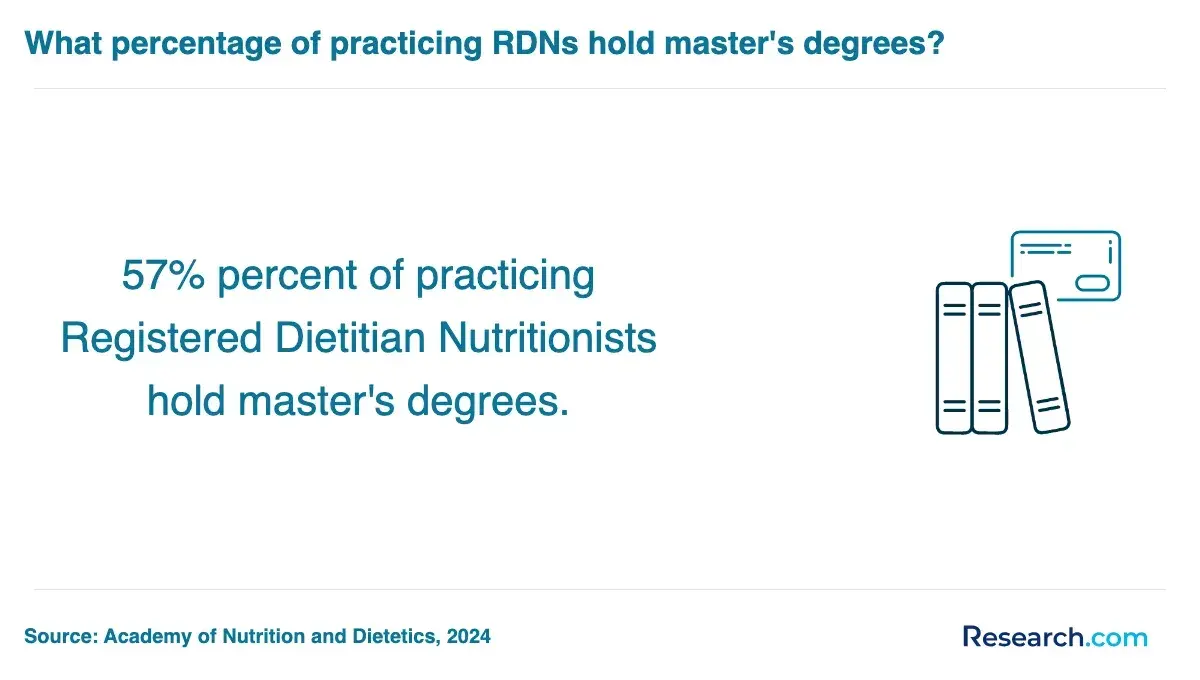
- Master’s Degree in Nutrition or Related Field: Georgia now requires a master’s degree for dietitians, focusing on comprehensive nutrition science and practical applications. This aligns with evolving standards in accredited dietetics programs in Georgia.
- Completion of a Dietetic Internship: After academic requirements, candidates must complete an accredited supervised practice program to gain hands-on experience.
- Passing the Registration Examination: Graduates must pass the national Registration Examination for Dietitians to become credentialed professionals.
Choosing the right accredited dietetics programs in Georgia ensures compliance with these degree requirements and smooth progression toward licensure. For those planning their career path, understanding these steps is crucial for timely certification.
Additionally, career prospects in health fields, including registered dietitian roles, are increasingly competitive, so researching the top paying medical jobs can provide valuable context when planning your education and career trajectory.
How many supervised practice hours are needed to become a registered dietitian in Georgia?
To become a registered dietitian in Georgia, you must complete a minimum of 900 hours of supervised practice as required by state law. However, most candidates complete at least 1,000 hours through ACEND-accredited programs, which meet national standards.
The following points clarify the supervised practice hour requirements and key factors related to these standards in Georgia.
- Minimum Hours Required by State Law: Georgia law mandates at least 900 hours of supervised dietetic practice under the guidance of a licensed or registered dietitian, establishing the legal baseline for licensure.
- ACEND-Accredited Program Standards: The majority of dietetic internships and coordinated programs accredited by ACEND in Georgia require 1,000 hours of supervised practice, aligning with national expectations.
- Supervision Requirements: Supervised hours must be directly overseen by a licensed or registered dietitian approved by the program or licensing board to ensure quality and compliance.
- No Additional State-Specific Hour Requirements: Georgia does not impose any additional supervised practice hour requirements beyond the state law and ACEND standards.
- Integration with Academic Programs: These supervised hours are typically integrated within bachelor’s or the best online masters in dietetics degree programs or related fields, often completed through ACEND-accredited internships.
- Verification Statement Requirement: Applicants must submit a verification statement from their ACEND-accredited program confirming completion of supervised practice to qualify for licensure.
- Pathway to Licensure: Completion of supervised practice hours is a prerequisite before eligibility for the national registration exam and subsequent application for a Georgia dietitian license.
What are the eligibility requirements for the dietetic registration exam in Georgia?
Meeting the eligibility requirements for the dietitian exam in Georgia involves several key academic and credentialing steps designed to ensure candidates are fully prepared for professional practice. These requirements align with national standards while incorporating Georgia-specific licensure rules.
- Minimum Educational Qualification: Candidates must hold a master’s degree from a U.S. Department of Education-recognized accredited institution or an equivalent foreign degree, earned before applying for the exam.
- Required Nutrition Coursework: Completion of an ACEND-accredited dietetics program in Georgia, specifically an accredited Didactic Program in Dietetics (DPD), is mandatory to cover foundational nutrition science and dietetic principles.
- Submission of Eligibility Documentation: The program director of your ACEND-accredited program must verify and submit your completed coursework and eligibility directly to the Commission on Dietetic Registration (CDR) before exam registration.
- Registration and Passing the National Exam: You must register for and successfully pass the CDR’s national credentialing exam for Registered Dietitian Nutritionists, which is required across all states, including Georgia.
- Georgia State Licensure Pathway: After passing the exam, you need to apply for licensure with the Georgia Board of Examiners of Licensed Dietitians, submitting proof of your RD credential, verification statement, and paying the state fee to legally practice as a licensed dietitian.
- State-Specific Continuing Education: Georgia requires license holders to complete 75 hours of continuing education every five years, including 30 hours specific to Georgia licensure, and to pay biennial fees to maintain the license.
While supervised practice experience through an ACEND-accredited internship is also required before exam eligibility, the focus here is on academic and exam prerequisites. For those planning a nutrition career path, understanding these eligibility requirements for dietitian exam in Georgia is essential for timely progression.
How can you get a license after passing the dietetic registration exam in Georgia?
To get your dietitian license in Georgia after passing the registration exam, follow these practical steps carefully to avoid delays or issues:
- Application Submission: Download and complete the official licensure application from the Georgia Board’s website, ensuring every section is filled out accurately to prevent processing delays.
- Documentation Preparation: Gather your signed CDR registration card and original ACEND Verification Statement to prove your supervised practice hours are complete.
- Fee Payment: Include a check or money order for the application fee, typically between $75 and $85, payable to the Georgia Board of Examiners of Licensed Dietitians.
- Mailing the Package: Send your complete application and supporting documents in an unfolded 9 x 12 envelope to the specified Georgia Board address to ensure proper handling.
- Endorsement Option: If licensed in another state, apply for licensure by endorsement or reciprocity to potentially bypass re-examination, provided your credentials meet Georgia’s standards.
- Application Review: Expect a processing time of about 20 days; you can check your status online during this period for updates.
- License Issuance: Once approved, you will receive your license, allowing you to legally practice and use the title “licensed dietitian” in Georgia.
When I spoke with a registered dietitian from Georgia who graduated from a local university, she reflected on her licensing journey with useful insights. She mentioned that applying by reciprocity was a smooth route after moving back from another state, but emphasized that verifying her credentials took extra time and careful attention to detail. “It was reassuring to avoid retaking the exam, though I had to be patient with the paperwork,” she shared.
She also highlighted how starting the process early and keeping copies of all documents helped reduce stress. Her experience showed that whether you apply fresh or by endorsement, understanding the nuances of Georgia’s system can make the licensing path much more manageable and rewarding.
What types of dietitian specializations can you pursue in Georgia?
Dietitians in Georgia have access to a variety of specialization options that align with different work environments and population needs. Choosing a focus area can help you tailor your skills and career path effectively. Here are key dietitian specializations available in Georgia:
- Clinical Dietitian: Provides medical nutrition therapy in hospitals and clinics, managing patients with chronic or acute conditions.
- Pediatric Dietitian: Focuses on nutritional care for infants, children, and adolescents in healthcare or specialty pediatric settings.
- Geriatric Dietitian: Specializes in nutrition for older adults in nursing homes, assisted living, or community programs.
- Community and Public Health Dietitian: Develops nutrition education programs through government agencies and nonprofits targeting public health improvement.
- Sports Dietitian: Advises athletes and active individuals on performance nutrition in schools, universities, or professional teams.
- Corporate Wellness Dietitian: Designs and manages workplace nutrition and wellness programs to boost employee health and productivity.
- Research Dietitian: Conducts nutrition-related research in universities, hospitals, or industry, contributing to evidence-based practice.
- Food Service Management Dietitian: Oversees food operations in various institutions, ensuring safe and nutritious meal provision.
- Eating Disorders Dietitian: Provides counseling and dietary management for individuals with eating disorders in clinical settings.
- Private Practice Dietitian: Offers personalized nutrition consulting independently or within group practices.
- Academic Dietitian: Teaches nutrition and dietetics at colleges or universities and supervises dietetic interns.
What is the average salary of a registered dietitian in Georgia?
The average annual pay for a dietitian in Georgia is $64,173, which breaks down to about $30.85 an hour, $1,234 per week, or $5,347 per month. Salaries can be higher in certain cities, with Manchester averaging $78,995, Sandy Springs at $75,453, and Ochillee at $75,310.
- Location within Georgia: Urban centers like Atlanta offer higher pay due to demand and cost of living, while rural areas typically have lower wages.
- Experience Level: Entry-level dietitians earn less, but advanced credentials and supervisory roles can push salaries toward the upper range.
- Work Setting: Hospitals and private clinics generally pay more than schools or community programs.
- Local Demand: Regions with higher populations and chronic disease rates often provide better salary opportunities.
- Regional Trends: Neighboring states such as Florida offer higher wages, with average hourly rates around $40 compared to Georgia’s $26 to $31.
- Salary Growth: While salary increases are modest in Georgia, job prospects may improve as healthcare emphasizes preventive care.
How can expanding your qualifications enhance your career growth in Georgia?
Registered dietitians seeking to elevate their careers may consider pursuing advanced certifications and specialized training programs that broaden their clinical and research skill sets. Targeted education in areas such as sports nutrition, pediatric nutrition, or wellness management can open opportunities for leadership and specialized practice roles. For professionals interested in diversifying their expertise, exploring complementary credentials can create a unique competitive edge. Assess additional pathways via how to become a nutritionist in Georgia to determine if integrating nutritionist practices aligns with your career objectives while adhering to state standards and emerging trends.
How is telehealth transforming dietetics practice in Georgia?
Telehealth integration has redefined nutritional care delivery in Georgia by enabling remote consultations, digital patient monitoring, and personalized virtual care strategies. Dietitians are now leveraging advanced communication technologies and data analysis tools to broaden their reach and enhance service efficiency. This shift encourages professionals to adopt new digital competencies and engage in interdisciplinary collaboration to optimize patient outcomes while meeting evolving regulatory standards and consumer expectations. Additionally, some practitioners are exploring diverse healthcare support roles, such as through learning how to become a medical assistant in Georgia, to complement their telehealth practices and further integrate care services.
What do you need to keep your dietitian registration active in Georgia?
Keeping your dietitian registration active in Georgia safeguards your legal ability to practice. It also helps you maintain professional credibility in the field. By staying current with continuing education and licensure requirements, you meet state and national standards that protect your career and the public.
- Biennial License Renewal: Renew your Georgia state license every two years by submitting a $50 fee and required documentation to the Georgia Board of Examiners of Licensed Dietitians.
- Continuing Education Requirements: Complete at least 30 hours of approved continuing professional education (CPE) every two years for state licensure and 75 hours every five years for the National Commission on Dietetic Registration (CDR) maintenance.
- CDR Registration and Fees: Maintain active CDR registration by paying an annual $70 fee and providing proof of current registration at each state renewal.
- Documentation and Compliance: Submit renewal applications on time with proof of CPE and active CDR registration, and comply with all Georgia Board rules to avoid suspension.
A registered dietitian from Georgia, who graduated locally, shared that navigating license reciprocity was a key challenge early in their career. “Transferring my credentials from another state wasn’t straightforward,” they explained, highlighting the importance of understanding Georgia’s specific renewal and education demands.
They appreciated that maintaining both state and national registrations keeps their practice seamless, despite the extra effort. “The clear guidelines and regular reminders from the Georgia Board helped me stay on track,” they reflected, emphasizing that while the process requires diligence, it ultimately supports professional growth and confidence in delivering quality care.
How long does it take to become a registered dietitian in Georgia?
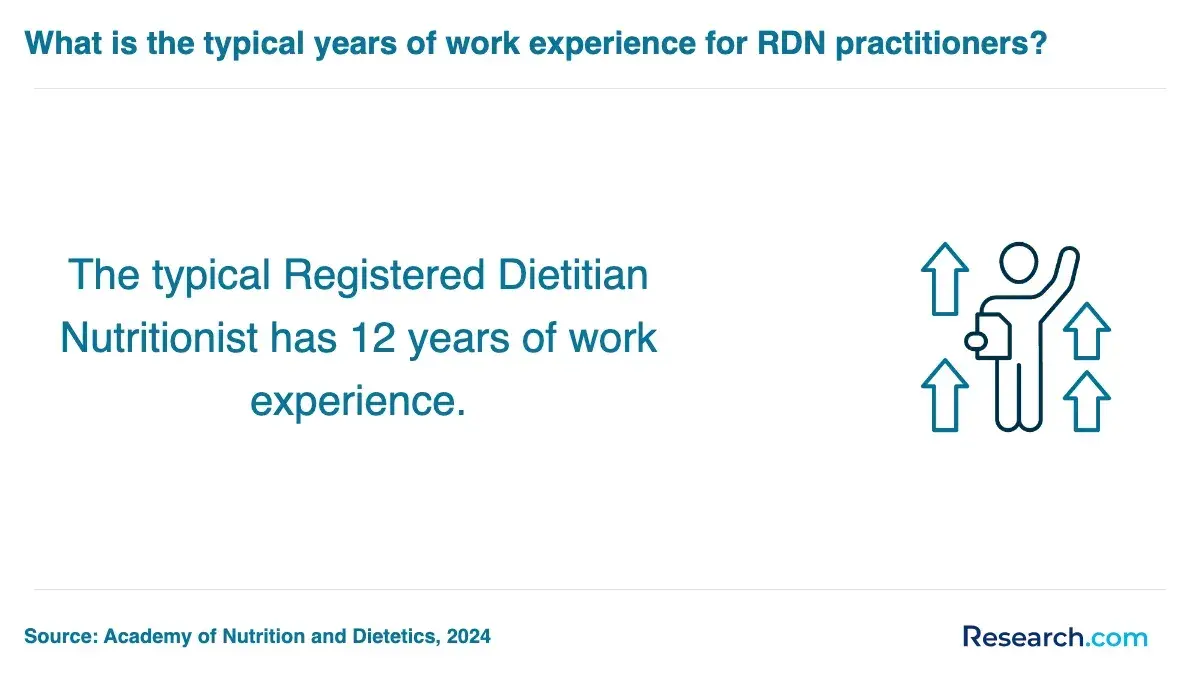
Becoming a registered dietitian in Georgia generally takes about six to seven years from starting college to earning the credential. This timeline reflects the standard registered dietitian education requirements in Georgia, including completing the necessary degrees and supervised practice. Individual circumstances can impact this duration, making it slightly shorter or longer.
The journey begins with earning a bachelor’s degree in dietetics or a related field, which typically takes four years. Since January 2024, a master’s degree is also required to sit for the credentialing exam, adding roughly two more years unless enrolled in an accelerated program. After this, completing a dietetic internship with supervised practice is essential before taking the Commission on Dietetic Registration exam.
Passing the exam leads to applying for state licensure, which usually takes a few weeks. For those exploring flexible options, consider programs offering a nutrition degree online to potentially streamline your path. Knowing how many years to become a registered dietitian in Georgia helps you plan efficiently and accommodate any unforeseen delays during the process.
Can international students qualify to become registered dietitians in Georgia?
International students can pursue the registered dietitian credential in Georgia by following a series of defined steps that ensure their education, experience, and legal status align with state and national standards. Careful planning and compliance with these requirements make it feasible to achieve licensure.
- Foreign Degree Equivalency Evaluation: Have your academic degrees evaluated by a recognized foreign credential evaluation service to confirm that your prior coursework meets U.S. dietetics education standards.
- Admission to an ACEND-Accredited Program: Apply and gain acceptance into an ACEND-accredited program in the U.S., noting that a minimum master’s degree is required as of 2024 to qualify for the RDN exam.
- English Language Proficiency: Provide proof of English proficiency through TOEFL or IELTS scores, as required by most Georgia universities and dietetic programs, to ensure success in advanced coursework and supervised practice.
- Supervised Practice in the U.S.: Complete all supervised practice hours within an ACEND-accredited program in the United States, regardless of any previous international experience.
- Visa and Immigration Compliance: Maintain a valid student visa throughout your studies and supervised practice, utilizing options like Optional Practical Training (OPT) when applicable to gain additional experience.
- Credentialing and Licensure Application: Pass the national RDN exam administered by the Commission on Dietetic Registration and apply for licensure with the Georgia Board of Examiners of Licensed Dietitians to legally practice.
The chart below from the Journal of the Academy of Nutrition and Dietetics details the employment status of registered dieticians and nutritionists.
What career paths can registered dietitians pursue in Georgia?
Registered dietitians in Georgia have a variety of career opportunities that span clinical, community, and corporate settings. Exploring these options can help you target roles that fit your skills and goals.
- Clinical Dietitian: Work in hospitals or clinics providing nutrition therapy; clinical dietitian jobs in Georgia offer salaries from $55,000 to $70,100 with strong demand in urban centers.
- Community Nutritionist: Employed by public health organizations to develop nutrition programs, earning $54,300 to $68,700 annually, with growth driven by preventive care emphasis.
- Private Practice Dietitian: Independently counsel individuals or businesses, typically earning $57,000 to $72,200, with higher income possible through specialization.
- Corporate Wellness Dietitian: Design employee health programs in companies, often earning above the state average, especially in metro Atlanta.
- Sports Nutritionist: Support athletic performance in teams or universities, with competitive salaries frequently exceeding $70,000.
- Foodservice Management Dietitian: Manage nutrition services in institutional settings, maintaining steady demand and salaries comparable to clinical roles.
- Research Dietitian: Conduct nutrition studies in universities or companies; roles require advanced degrees and offer higher pay with experience.
- Educator/Instructor: Teach nutrition at colleges or in the community, with pay varying by institution and potential for advancement.
- Management and Administration: Oversee nutrition departments in healthcare or government, with salaries reaching $85,000 or more in senior roles.
- Industry and Consulting: Advise on product development and marketing in the food or pharma sectors, with wide salary ranges depending on expertise.
For those seeking to expand qualifications, exploring the best careers with a online nutrition masters degree can open additional doors in this evolving field.
What do registered dietitians in Georgia say about their careers?
- Pursuing my registered dietitian credentials through the University of Georgia was a transformative experience. The program’s strong focus on community nutrition allowed me to develop practical skills that I now use daily in my role at a local school. Helping students make healthier food choices and witnessing their progress has been incredibly rewarding. Georgia’s diverse food culture offers unique challenges, but it also inspires creative approaches to nutrition education that truly resonate with the kids I work with. The stability and growth potential in this career keep me motivated every day. - Dave
- Completing my dietetics program at Georgia State University prepared me thoroughly for a dynamic career in the academic setting. Starting work in a local school gave me the chance to directly impact young lives, promoting wellness in a way that feels meaningful and urgent. The professional development opportunities here are outstanding, allowing me to stay current with nutrition science and expand my skills. Reflecting on my journey, I’m proud to contribute to a healthier future for our community, especially in a state with such rich agricultural resources. - Jane
- Graduating from Emory University’s dietetics program opened doors I hadn’t anticipated, especially in terms of personal growth and community involvement. Working as a registered dietitian in Georgia means adapting to the state’s varied cultural and environmental factors, which keeps my work interesting and impactful. I’m passionate about mentoring the next generation and advocating for nutrition policies that benefit underserved populations. The challenges here have strengthened my professional resilience and deepened my commitment to improving public health through dietetics. - Carly
Related Articles for Nearby States
- 2027 Steps to Become a Registered Dietitian in South Carolina
- 2027 Steps to Become a Registered Dietitian in Florida
- 2027 Steps to Become a Registered Dietitian in Alabama
- 2027 Steps to Become a Registered Dietitian in Tennessee
- 2027 Steps to Become a Registered Dietitian in North Carolina
- 2027 Steps to Become a Registered Dietitian in Mississippi
- 2027 Steps to Become a Registered Dietitian in Kentucky
- 2027 Steps to Become a Registered Dietitian in Virginia
- 2027 Steps to Become a Registered Dietitian in Louisiana
- 2027 Steps to Become a Registered Dietitian in West Virginia
References:
- Commission on Dietetic Registration (2025). Needs Satisfaction Survey of the Academy of Nutrition and Dietetics and Commission on Dietetic Registration: Executive Summary. Retrieved from https://www.jandonline.org/action/showPdf?pii=S2212-2672%2825%2900043-7
- Georgia Dietetic Foundation Inc. (n.d.). Student/Intern Scholarships. Retrieved from https://supportgdf.org/student-scholarships/
- O*NET OnLine (n.d.). Georgia Employment Trends 29-1031.00 - Dietitians and Nutritionists. Retrieved from https://www.onetonline.org/link/localtrends/29-1031.00?st=GA
- Zippia (2025). Registered Dietitian Education Requirements. Retrieved from https://www.zippia.com/registered-dietitian-jobs/education/
- ZipRecruiter (2025). Dietitian Salary in Georgia. Retrieved from https://www.ziprecruiter.com/Salaries/Dietitian-Salary--in-Georgia
Other Things You Should Know About Being a Registered Dietitian in Georgia
To become a registered dietitian in Georgia in 2027, earn a bachelor's degree in dietetics or a related field from an ACEND-accredited program, complete a supervised dietetic internship, pass the CDR exam, and obtain state licensure. A master's degree will be required starting in 2024.
In Georgia, you do not have to major specifically in dietetics or nutrition to qualify for the prerequisites required to become a registered dietitian, as long as you complete the necessary coursework outlined by the Commission on Dietetic Registration. Many students choose majors in related fields like biology, chemistry, or health sciences and then take additional dietetics-specific classes to fulfill the requirements.
However, majoring outside of nutrition or dietetics may require more careful planning to ensure all mandated courses are completed, since the curriculum for other majors often lacks key nutrition-focused classes. Ultimately, any major can potentially lead to eligibility, but prospective dietitians must confirm their courses align with Georgia’s prerequisites to successfully apply for dietetic internships and registration exams.
Dietetic internships in Georgia are typically unpaid, as most programs follow the national trend of offering supervised practice without financial compensation. While some healthcare facilities or private organizations may provide stipends or hourly wages, these opportunities are limited and not guaranteed.
Prospective dietetic interns should be prepared to cover living expenses during their internship period, which can last 6 to 12 months. Exploring scholarships, grants, and part-time work options can be essential for managing costs while completing the required supervised practice hours to become a registered dietitian in Georgia.