2027 Steps to Become a Registered Dietitian in Indiana

Co-Founder and Chief Data Scientist
Through 2032, employment for dietitians and nutritionists is projected to grow by 7%, outpacing the average for all occupations. This trend reflects rising public awareness of the role nutrition plays in disease prevention, health optimization, and quality of life, making the profession both stable and in demand. In Indiana, opportunities are expected to follow similar growth patterns, offering strong career potential for qualified professionals.
In this article, I will share what it takes to become a registered dietitian in Indiana. I will talk about the education and supervised practice to licensure and career prospects for clear and data-driven guidance for entering and advancing in this rewarding field.
Key Things to Know About Becoming a Registered Dietitian in Indiana
- Indiana dietitians must complete accredited degrees and training, ensuring they meet national education standards for the profession.
- Supervised practice hours are required for licensure in Indiana, giving future dietitians real-world experience in diverse nutrition settings.
- Passing the national CDR exam opens career opportunities, with many employers in Indiana also preferring state certification for employment.
- What degree is required to become a registered dietitian in Indiana?
- How many supervised practice hours are needed to become a registered dietitian in Indiana?
- What are the eligibility requirements for the dietetic registration exam in Indiana?
- How can you get a license after passing the dietetic registration exam in Indiana?
- What types of dietitian specializations can you pursue in Indiana?
- What is the average salary of a registered dietitian in Indiana?
- What is the legal scope of practice for registered dietitians in Indiana?
- What are the professional development opportunities in Indiana?
- What do you need to keep your dietitian registration active in Indiana?
- How long does it take to become a registered dietitian in Indiana?
- Can international students qualify to become registered dietitians in Indiana?
- What career paths can registered dietitians pursue in Indiana?
What degree is required to become a registered dietitian in Indiana?
Meeting the rigorous dietitian degree requirements in Indiana calls for more than just a base understanding of nutrition. The path demands academic qualifications that build a strong foundation and specialized expertise.
- Bachelor’s Degree: Completion of a bachelor’s degree from an accredited institution is essential, ideally from an ACEND-accredited programs in Indiana, which ensures the curriculum meets national standards for dietetics education.
- Didactic Program in Dietetics (DPD): Enrollment in a DPD approved by the Accreditation Council for Education in Nutrition and Dietetics is a critical step to gain the foundational knowledge required before supervised practice.
- Supervised Practice Experience: Completion of a dietetic internship or supervised practice program accredited by the Accreditation Council for Education in Nutrition and Dietetics (ACEND) is mandatory to develop practical skills and meet eligibility for registration.
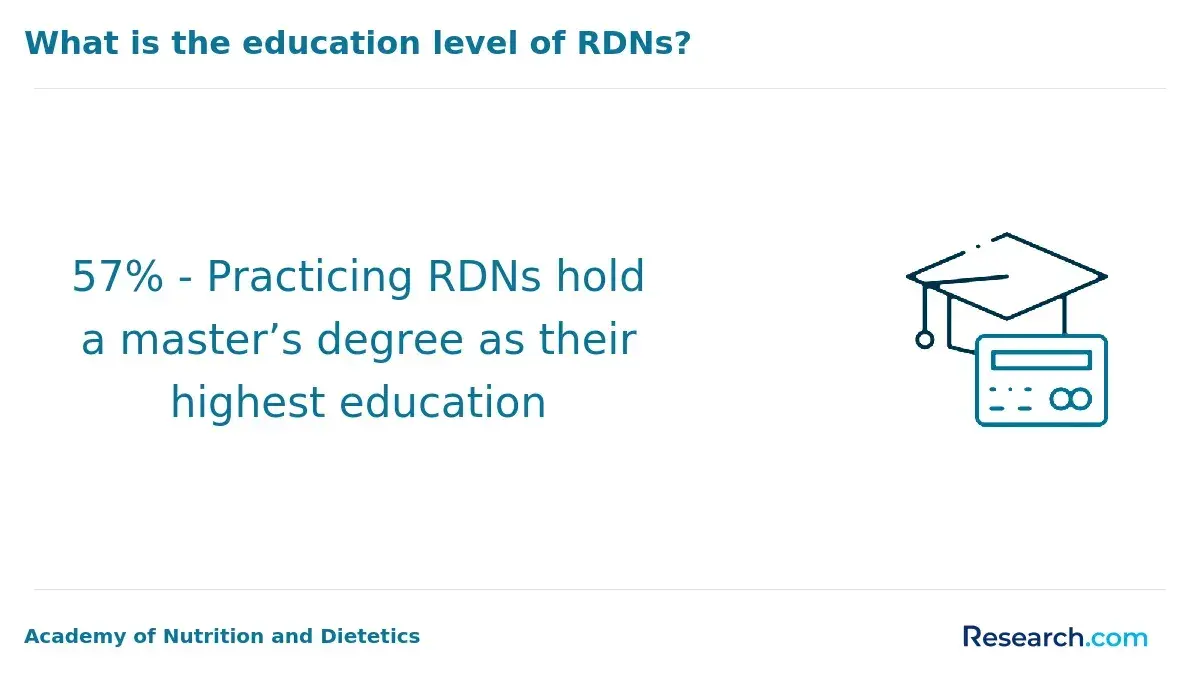
- Master’s Degree Requirement: As of recent standards, earning a master’s degree in nutrition or a related field is required to sit for the registered dietitian exam, reflecting the profession’s increasing complexity and depth.
Choosing this path aligns with preparing for some of the highest paying jobs in medical field, underscoring the investment in education that dietitian degree requirements in Indiana demand. These academic pillars collectively shape competent professionals ready to impact public health and nutrition.
The chart below from the Journal of the Academy of Nutrition and Dietetics shares the primary work settings of registered dietitians and nutritionists.
How many supervised practice hours are needed to become a registered dietitian in Indiana?
To become a registered dietitian in Indiana, the state law requires completion of a minimum number of supervised practice hours under the guidance of a registered, licensed dietitian. This requirement sets a baseline for licensure but does not necessarily reflect the full scope of professional readiness. The following points clarify the standards and variations related to supervised practice hours in Indiana.
- ACEND-Accredited Program Standards: Dietetic internships in Indiana typically demand more hours than the state minimum, with around 1,000 hours focused on clinical, community, and food service management experiences to align with national accreditation requirements.
- Indiana State Minimum: The state law mandates a minimum number of hours for licensure, which is lower than the national ACEND standard, allowing some flexibility but potentially impacting preparation depth.
- Pathways to Completion: Various routes exist to fulfill supervised practice hours, including traditional internships and alternative pathways like Purdue University’s Individual Supervised Practice Pathway, which offers adaptable scheduling while meeting state requirements.
- Supervision Requirement: All hours must be directly overseen by a registered and licensed dietitian, with thorough documentation essential for licensure application review by state authorities.
- No Additional State-Specific Requirements: Indiana does not add extra supervised practice mandates beyond the baseline, although exceeding the minimum hours is common and may enhance exam readiness and employment prospects.
What are the eligibility requirements for the dietetic registration exam in Indiana?
Becoming a registered dietitian in Indiana demands meeting specific educational and procedural criteria that reflect evolving national standards. The eligibility requirements for the dietetic registration exam in Indiana emphasize higher academic achievement and accreditation, challenging candidates to exceed basic expectations. These rules not only shape who qualifies but also influence career trajectories in this competitive field.
- Minimum Educational Qualification: Candidates must hold a graduate degree from a USDE-recognized accredited institution or its equivalent abroad; this degree can be in any field, expanding opportunities beyond traditional nutrition majors.
- Completion of Accredited Nutrition Coursework: Applicants are required to finish nutrition-related courses through an ACEND-accredited program such as a Didactic Program in Dietetics (DPD), Coordinated Program (CP), or Graduate Program (GP), ensuring a standardized educational foundation.
- Verification by Program Director: The program director must submit an official verification statement to the Commission on Dietetic Registration (CDR), confirming fulfillment of academic and supervised practice prerequisites, which safeguards exam eligibility integrity.
- Registration and Passing of the National Exam: Candidates must register for and successfully pass the national dietetic registration exam administered by the CDR to earn the Registered Dietitian Nutritionist credential, a critical professional milestone.
- State-Specific Licensure Variations: While Indiana’s certification is optional, most employers require the RD credential; obtaining state certification involves submitting an application, transcripts, a copy of the CDR registration card, a background check, and fees to the Indiana Dietitian Certification Board.
For those exploring the eligibility requirements for dietitian exam in Indiana, it’s important to recognize how the state aligns with national standards while maintaining unique certification steps. Pursuing education through Indiana ACEND accredited dietetics programs is essential to meet these criteria. Understanding these pathways deeply can position candidates for success in the evolving landscape of nutrition careers. For a broader perspective on nutrition professions, explore this nutrition career guide.
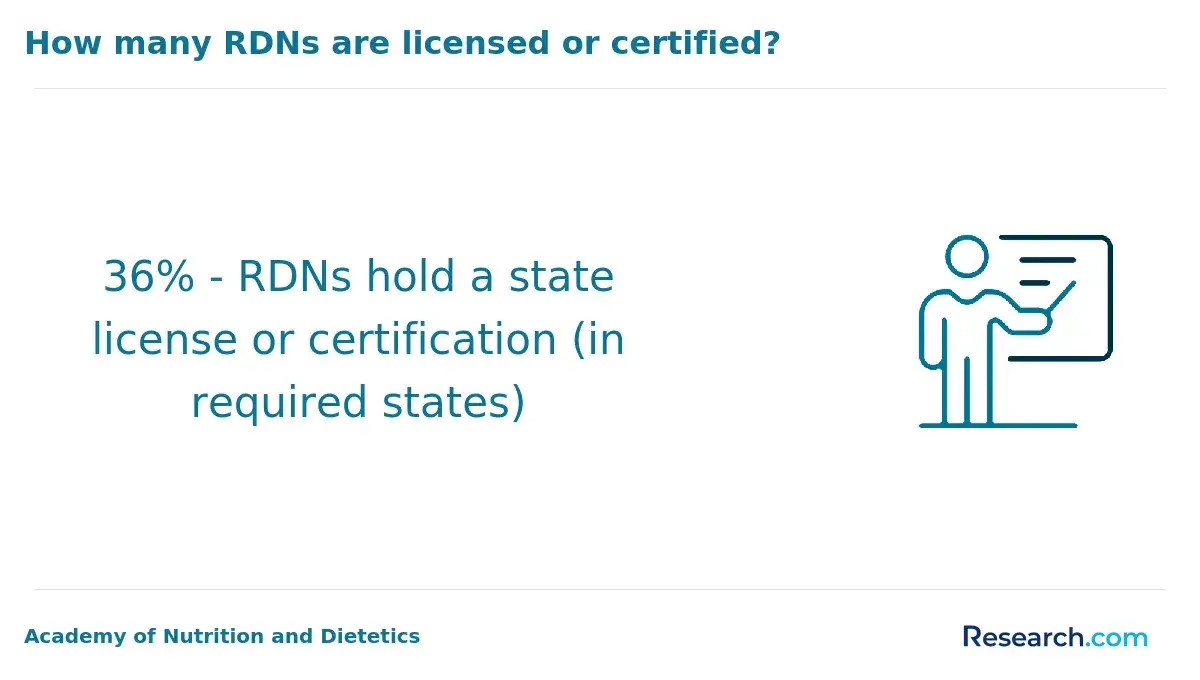
How can you get a license after passing the dietetic registration exam in Indiana?
In 2026, Indiana employed 2,140 registered dietitians and nutritionists, reflecting a strong presence of nutrition professionals in the state’s healthcare and wellness sectors. With projected growth of 7% through 2032, the field is expanding faster than average, signaling steady demand for qualified practitioners who can address evolving public health needs.
Securing your dietitian license in Indiana involves more than passing the CDR exam; it requires following a specific sequence of administrative steps that test both attention to detail and commitment to professional standards. This guide breaks down the process, offering clear, actionable insights to help you transition smoothly into licensed practice.
- Online Application Submission: Initiate your licensure by completing the application on MyLicense.IN.gov, ensuring all required fields and documents are accurately provided to avoid delays.
- Application Fee Payment: A $20 non-refundable fee must be paid online, underscoring the importance of preparedness before you begin the process.
- Proof of CDR Registration: Upload or mail your current Commission on Dietetic Registration card as official confirmation of your exam success and registration status.
- Academic Transcript Verification: Request your institution to send official transcripts directly to the Indiana Professional Licensing Agency, reflecting the recent mandate for a graduate degree for eligibility.
- Photograph Submission: Attach two recent passport-style photos to your application, a small but critical step for identity verification.
- Criminal Background Check Completion: Follow emailed instructions for this mandatory check, a key safeguard in healthcare licensure.
- Application Review and Follow-Up: Allow at least 48 hours for review, and be ready to respond promptly to any board requests for additional information.
- Licensure Approval and Notification: Once approved, you receive official notification enabling legal practice within Indiana.
What types of dietitian specializations can you pursue in Indiana?
Dietitian professionals in Indiana have access to a broad spectrum of specializations that reflect the complexity and diversity of nutrition science in practice. These options enable registered dietitians to align their careers with specific populations, health concerns, or industry needs. Below is a concise overview of key dietitian specializations available in Indiana.
- Clinical Dietitian: Focuses on medical nutrition therapy in hospitals and clinics, addressing conditions such as diabetes, renal disease, oncology, and intensive care.
- Certified Specialist Roles: Includes credentials like Certified Diabetes Educator and Certified Nutrition Support Clinician, requiring advanced exams and experience.
- Community/Public Health Dietitian: Provides nutrition education and wellness programs in public health settings and nonprofit organizations.
- Private Practice/Consultant Dietitian: Offers personalized counseling and consulting, often specializing in sports nutrition, eating disorders, or wellness coaching.
- Corporate Wellness Dietitian: Designs employee health programs that improve productivity and reduce healthcare costs.
- Sports Nutrition Dietitian: Advises athletes on nutrition strategies to enhance performance and recovery in various athletic environments.
- Food Service Management Dietitian: Manages institutional food programs, ensuring compliance with nutrition standards and food safety regulations.
- Food Industry Nutrition Specialist: Collaborates with food manufacturers and retailers in product development, labeling, and consumer education.
- Higher Education/Research Dietitian: Engages in academic roles including teaching, research, and mentoring within universities.
- Public Policy/Advocacy Dietitian: Works on nutrition policy, advocacy, and program administration with governmental and non-profit agencies.
What is the average salary of a registered dietitian in Indiana?
In Indiana, dietitians earn an average annual salary of $72,319, which breaks down to about $6,026 monthly, $1,390 weekly, or $34.77 hourly. Salaries are slightly higher in urban centers like Indianapolis and Fort Wayne, with Indianapolis-area dietitians averaging around $60,850 annually.
Entry-level positions typically range from $41,100 to $52,100, while experienced dietitians can surpass $75,000 a year. Those working in hospitals or specialized care settings often earn more than peers in schools or community programs.
The state’s lower demand and cost of living result in fewer openings and more modest wages overall, though central and northeastern regions see higher pay than rural or southern areas. Salary growth is steady but modest, with top earners making up to $78,230 annually through experience or specialization.
What is the legal scope of practice for registered dietitians in Indiana?
Registered dietitians in Indiana operate under defined legal frameworks that outline the limits and opportunities of their practice. They are authorized to perform medical nutrition therapy, develop individualized dietary plans, and provide evidence-based nutritional counseling in accordance with state and federal regulations. Strict adherence to these guidelines ensures both consumer safety and professional credibility. Dietitians must regularly monitor regulatory updates and legal precedents to avoid practices that extend beyond their authorized scope. For guidance on expanding your expertise within established legal boundaries, review how to become a nutritionist in Indiana.
What are the professional development opportunities in Indiana?
Registered dietitians in Indiana can enhance their expertise through targeted continuing education courses, state-sponsored workshops, and industry conferences that address the latest advancements in clinical nutrition and patient care. These initiatives support licensure maintenance and foster skill expansion in areas such as telehealth, health informatics, and administrative leadership. Networking opportunities through local and statewide dietetic associations further enable professionals to exchange best practices and address emerging challenges. For those interested in complementary career skills, learning how to become a medical assistant in Indiana can provide additional perspectives to navigate Indiana’s evolving healthcare landscape.
What do you need to keep your dietitian registration active in Indiana?
Maintaining an active dietitian registration in Indiana is more than a bureaucratic task; it safeguards your professional credibility and ensures you stay current in a rapidly evolving field. Without adherence to state and national requirements, you risk losing the legal right to practice and the trust of your clients and employers.
- License Renewal Frequency: Renew your Indiana dietitian license every two years by December 31 of even-numbered years to avoid lapses in practice rights.
- Continuing Education (CE): Complete 30 hours of approved CE every two years to demonstrate up-to-date knowledge and skills.
- Renewal Fees: Pay a $20 renewal fee before the deadline; late renewals incur a $10 penalty, and reinstatement after three years costs $40 plus documentation.
- Inactive Status Option: Opt for inactive renewal if not practicing, though this disallows clinical work in Indiana.
- National Registration Maintenance: Maintain CDR registration with 75 hours of continuing professional education every five years and timely fee payments.
When I spoke with a registered dietitian from Indiana who graduated locally, he reflected on the complexity of maintaining registration, especially regarding license reciprocity. “Coming from a local program made the initial process smoother, but I realized reciprocity isn’t automatic in Indiana,” he shared. “I had to be meticulous with deadlines and documentation, which was stressful at times, but it ultimately reinforced the discipline needed in this profession.”
He appreciated the clear guidelines and the option for inactive status during career breaks, noting these provisions helped him balance life’s unpredictabilities without jeopardizing his credentials. This journey emphasized that keeping registration active is a continuous commitment, not just a yearly formality.
How long does it take to become a registered dietitian in Indiana?
The journey to becoming a registered dietitian in Indiana typically spans several years, but how many of years to become a registered dietitian in Indiana depends on individual choices and external factors. While the process generally takes about six years, variations in study pace, program types, and internship availability can significantly impact this timeline. It’s not simply about clocking hours but navigating an evolving educational landscape that demands both academic and practical excellence.
Graduate education, now a mandatory step, reshapes the registered dietitian education and training timeline Indiana, adding complexity and depth to the process. Students might accelerate completion by enrolling in coordinated programs that blend coursework and supervised practice or extend their studies due to part-time enrollment or competitive internship placements. The timeline reflects more than just requirements; it mirrors each candidate’s strategy and adaptability to shifting credential standards.
For those seeking flexibility, exploring the best online masters in dietetics degree programs offers promising avenues to balance time and quality education. Ultimately, understanding this timeline invites a deeper reflection on how educational pathways can be tailored rather than simply endured, reshaping how future dietitians approach their career start.
Can international students qualify to become registered dietitians in Indiana?
International students can pursue the registered dietitian credential in Indiana, but the process demands careful navigation of additional educational and credentialing steps. These requirements ensure that foreign qualifications meet U.S. standards and that candidates are well-prepared for the profession.
- Degree Equivalency Evaluation: Foreign degrees must be evaluated by a recognized credentialing agency to confirm equivalency to a U.S. bachelor’s or graduate degree in nutrition, dietetics, or a related field, aligning with ACEND-accredited program standards.
- Graduate Degree Requirement: Candidates must hold at least a master’s degree from a U.S. Department of Education-accredited institution or its foreign equivalent to qualify for the registration examination.
- Completion of ACEND-Accredited Program: International students must complete required coursework and supervised practice through an ACEND-accredited program in the U.S. or an approved foreign equivalent, ensuring comprehensive training.
- Verification Statement: After finishing the didactic and supervised practice components, securing a verification statement from the ACEND-accredited program is essential to prove eligibility for the credentialing exam.
- English Language Proficiency: Proof of English proficiency, typically through standardized tests like TOEFL or IELTS, is required by most Indiana dietetics programs and employers to ensure effective communication.
- Visa and Work Authorization: Maintaining a valid immigration status and obtaining necessary work authorization are critical to completing internships and supervised practice hours mandated for credentialing.
For those considering advanced career opportunities while studying from anywhere, pursuing the best online nutrition programs can do that.
What career paths can registered dietitians pursue in Indiana?
In Indiana, registered dietitian careers go beyond clinical work, with 89% of professionals engaging in daily face-to-face interactions that shape both communities and industries.
Here are some of the career paths that registered dietitians in Indiana can pursue:
- Clinical Dietitian: Often based in hospitals or outpatient clinics, these professionals provide critical nutrition therapy for chronic conditions, with salaries from $56,690 to $84,000, reflecting steady demand.
- Community and Public Health Dietitian: Working in public agencies or nonprofits, they develop nutrition education programs, earning around the state average of $65,670 amid growing public health initiatives.
- Food Service Management Dietitian: Managing nutrition compliance in institutions like schools or hospitals, these dietitians earn $57,400 to $72,600 while ensuring operational efficiency.
- Private Practice/Consulting Dietitian: Offering personalized counseling and wellness coaching, this flexible path can yield higher earnings depending on clientele and services.
- Corporate Wellness Dietitian: Employed by businesses to design employee health programs, these roles are expanding with salaries at or above the Indiana average.
- Sports Nutritionist: Advising athletes and teams on nutrition, pay varies widely based on experience and clientele across universities and fitness centers.
- Research and Academia: Teaching or conducting nutrition science research, these positions typically require advanced degrees and offer competitive salaries.
- Food Industry Dietitian: Working with manufacturers or restaurants, they ensure product quality and compliance, with pay influenced by experience and sector.
- Specialized Dietitian Roles: Specialists in renal, pediatric, or oncology nutrition work in hospitals or clinics, often earning above the general RD average due to advanced training.
For those considering advancing their qualifications, pursuing a masters in nutrition can open further doors in these registered dietitian jobs in Indiana.
What do registered dietitians in Indiana say about their careers?
- Completing my dietetic program at Indiana University–Purdue University Indianapolis gave me a strong foundation and real-world experience that prepared me well for my role as a registered dietitian in a local school. Working in an academic environment has been deeply fulfilling, as I get to contribute to the health and wellness of students every day. Indiana's vibrant agricultural community provides unique opportunities to incorporate fresh, local foods into school meal programs, which makes my job even more rewarding. The stability and growth in this field here have allowed me to focus on making a lasting impact on children's nutrition and education. I feel truly privileged to support the well-being of young minds in my home state. - JV
- My journey started after I graduated from Purdue University, and stepping into a dietitian role within a local school system in Indiana has been both challenging and inspiring. The state's diverse demographic means I encounter a wide range of nutritional needs, allowing me to grow professionally while tailoring programs to serve my community effectively. Indiana's commitment to public health and education has provided numerous professional development resources, which have helped me advance my career and stay current in the field. Reflecting on my experience, I feel proud knowing the work I do supports healthier futures for our youth. - Chen
- Graduating from Ball State University opened doors to a fulfilling career as a registered dietitian in one of Indiana's school districts, where I have witnessed firsthand the influence of nutritional guidance on student success. The chance to engage with families and local organizations has enriched my work and helped me foster a sense of community around wellness. Indiana's rich agricultural landscape and strong emphasis on education bring unique challenges but also create opportunities for innovation in school nutrition programs. This role continually pushes me to develop new skills and grow both personally and professionally. It's a privilege to be part of such meaningful work. - Amira
Related Articles for Nearby States
- 2027 Steps to Become a Registered Dietitian in Ohio
- 2027 Steps to Become a Registered Dietitian in Illinois
- 2027 Steps to Become a Registered Dietitian in Kentucky
- 2027 Steps to Become a Registered Dietitian in Michigan
- 2027 Steps to Become a Registered Dietitian in Wisconsin
- 2027 Steps to Become a Registered Dietitian in Missouri
- 2027 Steps to Become a Registered Dietitian in Tennessee
- 2027 Steps to Become a Registered Dietitian in Iowa
- 2027 Steps to Become a Registered Dietitian in West Virginia
- 2027 Steps to Become a Registered Dietitian in Minnesota
References:
- Accreditation Council for Education in Nutrition and Dietetics. (2024). Program Enrollment Trends 2000-2024. ACEND Data. https://www.eatrightpro.org/-/media/files/eatrightpro/acend/about-acend/acend-data/program-enrollment-trends.pdf
- Evans, M. C. (2025, August 18). U.S. adults rate their diet as healthy, worry about food safety. Gallup. https://news.gallup.com/poll/693497/adults-rate-diet-healthy-worry-food-safety.aspx
- O*NET OnLine (n.d.). Dietitians and Nutritionists 29-1031.0. Retrieved from https://www.onetonline.org/link/summary/29-1031.00
- O*NET OnLine (n.d.). Indiana Employment Trends 29-1031.00 - Dietitians and Nutritionists. Retrieved from https://www.onetonline.org/link/localtrends/29-1031.00?st=IN
- National Center for Health Workforce Analysis. (2025, December). State of the U.S. Health Care Workforce, 2025. https://bhw.hrsa.gov/sites/default/files/bureau-health-workforce/data-research/State-of-US-Health-Care-Workforce-2025.pdf
- Zippia (2025). Registered dietitian education requirements. Retrieved from https://www.zippia.com/registered-dietitian-jobs/education/
- ZipRecruiter (2025). What Is the Average Dietitian Salary by State. Retrieved from https://www.ziprecruiter.com/Salaries/What-Is-the-Average-Dietitian-Salary-by-State
Other Things You Should Know About Being a Registered Dietitian in Indiana
To become a registered dietitian in Indiana in 2027, complete a bachelor's degree from an ACEND-accredited program, complete a supervised practice internship, pass the CDR exam, and obtain licensure from the Indiana Professional Licensing Agency.
In Indiana, you do not need to major specifically in dietetics or nutrition to qualify for the prerequisites required to become a registered dietitian. Many students choose different majors but must complete the required coursework in nutrition, biology, chemistry, and related sciences to meet the Commission on Dietetic Registration standards.
However, majoring outside of dietetics may require more effort to ensure all prerequisite courses are completed, as these are essential for dietetic internship eligibility and licensure. Therefore, while any major can potentially lead to qualification, careful planning is necessary to fulfill all academic requirements in Indiana.
In 2027, dietetics students in Indiana can obtain scholarships or financial aid by applying through their educational institution’s financial aid office or seeking external scholarships offered by organizations such as the Academy of Nutrition and Dietetics. It is important to meet application deadlines and eligibility requirements specific to each opportunity.