2027 Steps to Become a Registered Dietitian in Maine

Co-Founder and Chief Data Scientist
Many aspiring nutrition professionals in Maine face uncertainty when navigating the path to becoming a registered dietitian. With obesity rates in Maine exceeding 30%, the demand for qualified dietitians is growing rapidly. Pursuing this career offers not only job stability but also the opportunity to make a meaningful impact on community health.
This article, crafted by seasoned career planning experts, provides a clear, step-by-step guide to achieving registration as a dietitian in Maine. It will empower readers with practical insights, requirements, and strategies to overcome challenges and succeed in this rewarding profession.
Key Things to Know About Becoming a Registered Dietitian in Maine
- Earn a bachelor’s degree in nutrition or dietetics from an accredited program, meeting the Commission on Dietetic Registration (CDR) standards to qualify for Maine’s competitive job market.
- Complete a supervised dietetic internship of at least 1,200 hours, essential for hands-on experience and required before taking the national Registered Dietitian Nutritionist (RDN) exam.
- Pass the RDN exam and apply for licensure through the Maine Department of Professional and Financial Regulation to practice legally and access growing healthcare opportunities statewide.
- What degree is required to become a registered dietitian in Maine?
- How many supervised practice hours are needed to become a registered dietitian in Maine?
- What are the eligibility requirements for the dietetic registration exam in Maine?
- How can you get a license after passing the dietetic registration exam in Maine?
- What types of dietitian specializations can you pursue in Maine?
- What is the average salary of a registered dietitian in Maine?
- What do you need to keep your dietitian registration active in Maine?
- What is the job outlook for registered dietitians in Maine?
- What are the costs associated with becoming a registered dietitian in Maine?
- How long does it take to become a registered dietitian in Maine?
- Can international students qualify to become registered dietitians in Maine?
- What career paths can registered dietitians pursue in Maine?
What degree is required to become a registered dietitian in Maine?
Achieving the right academic foundation is essential for anyone pursuing a career as a registered dietitian in Maine. The degree requirements for registered dietitian in Maine ensure candidates are well-prepared to meet professional standards and serve communities effectively.
Key degree milestones include:
- Bachelor’s Degree: Completion of a bachelor’s degree from an accredited institution forms the essential starting point, providing foundational knowledge in nutrition and related sciences.
- Graduate Coursework: Many candidates pursue additional graduate-level courses to deepen their expertise, often required before full certification can be granted.
- Master’s Degree in Nutrition or Dietetics: Graduating from ACEND-accredited nutrition programs in Maine or similar ensures comprehensive training, combining theory with practical experience necessary for professional practice.
Following these academic steps opens doors to rewarding opportunities in nutrition and dietetics, empowering you to make a meaningful impact on health and wellness. For those curious about career prospects and rewards, exploring the highest paying medical jobs example offers valuable insight into the potential of this fulfilling path.
How many supervised practice hours are needed to become a registered dietitian in Maine?
To become a registered dietitian in Maine, candidates must complete at least 1,000 supervised practice hours through an ACEND-accredited program, consistent with national standards. Some programs, like the University of Maine’s Dietetic Internship, have slightly higher requirements. Maine’s state regulations focus more on the quality and documentation of these hours rather than increasing the baseline number.
Below are key points highlighting the supervised practice hour requirements and standards for aspiring dietitians in Maine.
- Baseline Requirement: All ACEND-accredited dietetic internships in Maine align with the national standard of a minimum of 1,000 supervised practice hours, ensuring comprehensive hands-on experience.
- Program-Specific Variations: Certain programs, such as the University of Maine’s Dietetic Internship, require additional hours, emphasizing extensive professional work settings and allowing some alternative experiences.
- State Licensing Regulations: Maine mandates proof of work experience approved by its Board of Licensing of Dietetic Practice, requiring a minimum duration and timely completion relative to academic qualifications.
- No State-Specific Increase: The state does not impose hour requirements beyond national standards, but individual programs may set higher expectations to enhance training quality.
- Competency and Evaluation: Successful completion demands satisfactory performance, including achieving competent ratings in rotations and meeting grading criteria in supervised practice courses.
- Verification and Documentation: Program directors must verify all completed hours before candidates can proceed to national registration exams and state licensure applications.
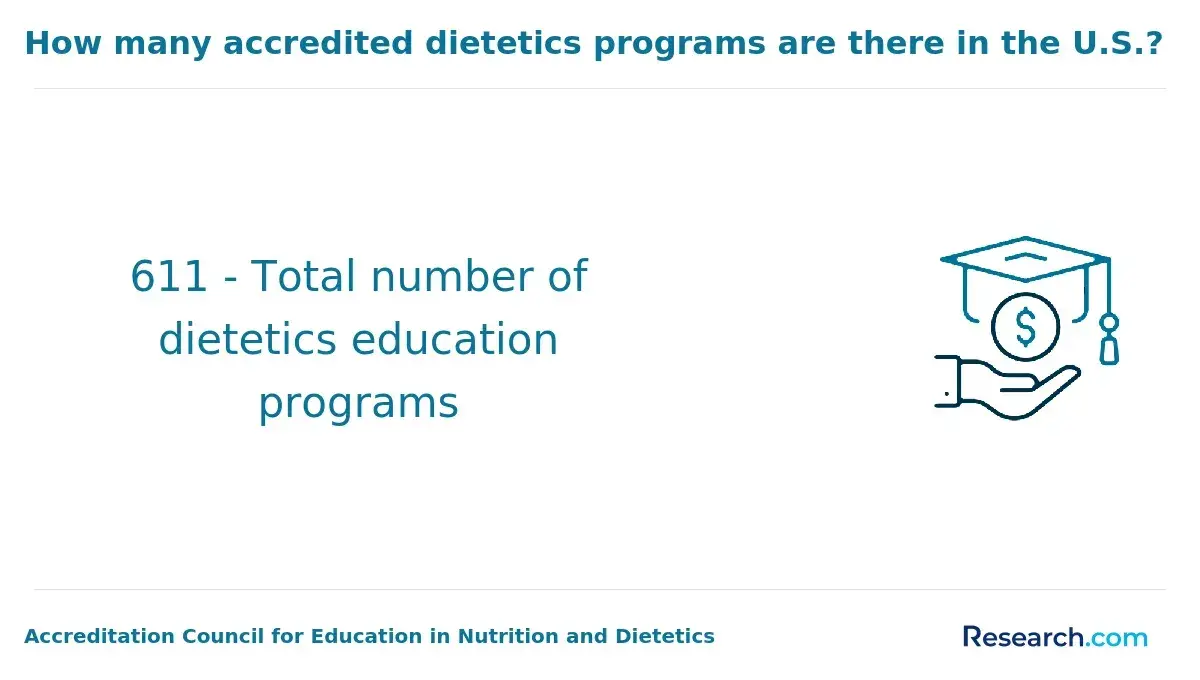
What are the eligibility requirements for the dietetic registration exam in Maine?
Meeting the eligibility requirements for the dietetic registration exam in Maine is an important step toward a rewarding career as a registered dietitian. This process involves fulfilling national standards as well as specific state guidelines designed to ensure high-quality professional preparation. By understanding these criteria, candidates can confidently navigate the path to success and make a positive impact on community health.
- Minimum Educational Qualification: Candidates must have at least a graduate degree from a U.S. Department of Education (USDE)-accredited institution or its foreign equivalent, reflecting the national mandate, which supersedes Maine’s older state-level bachelor's degree reference.
- Required Nutrition Coursework: Completion of an ACEND-accredited academic program is essential, covering key areas such as human nutrition, dietetics, food systems management, and related sciences necessary to meet Maine eligibility for registered dietitian exam standards.
- Submission of Eligibility Verification: The program director from the candidate’s accredited institution must submit proof of meeting academic and supervised practice requirements directly to the Commission on Dietetic Registration (CDR), enabling exam registration.
- Registration and Passing the National Exam: Applicants must register for, take, and pass the Registration Examination for Dietitians, administered by the CDR and offered at designated Pearson VUE test centers in Maine, including Bangor and Westbrook.
- State-Specific Licensure Requirements: Maine requires proof of passing the national exam along with completion of specific coursework such as chemistry, physiology, microbiology, and management theory, ensuring candidates meet state licensure criteria beyond national exam requirements.
Success in meeting the dietitian exam requirements in Maine opens doors to a fulfilling career dedicated to improving health through nutrition. For those curious about related fields or career prospects, exploring nutritionist salary insights can provide valuable motivation and guidance.
How can you get a license after passing the dietetic registration exam in Maine?
Start your journey to becoming a licensed dietitian in Maine with these key steps designed to ensure your success and professional growth:
- Verify Eligibility: Confirm you have completed all required academic coursework and supervised practice from an accredited program.
- Document Supervised Experience: Collect evidence of at least six months of dietetic work experience within the specified timeframe to showcase your practical skills.
- Pass the Required Examination: Provide proof of passing the national Registration Examination for Dietitians or an equivalent exam accepted by the Maine board.
- Show Professional Competency: Demonstrate to the board your trustworthiness and readiness to uphold the highest standards of dietetic practice.
- Complete the Application: Submit your official licensure application online, including all necessary documentation and information.
- Pay the Application Fee: Remit the required fees promptly to move your application forward without delay.
- Undergo a Criminal Background Check: Consent to and clear this check, reinforcing your ethical suitability for licensure.
- Await Board Approval: Stay patient as the board thoroughly reviews your credentials to ensure you meet all legal and professional criteria.
- Obtain Your License: Celebrate your official approval, granting you the legal right to practice dietetics in Maine.
- Maintain Your License: Renew your license annually with continuing education and timely fee payment to keep your credentials active and current.
What types of dietitian specializations can you pursue in Maine?
Dietitians in Maine have access to a broad range of specializations that allow them to focus their expertise and make meaningful impacts across various sectors. These options reflect the state’s commitment to advancing nutrition science and improving public health through diverse career paths.
Here are some of the key dietitian specializations you can pursue in Maine:
- Clinical Dietitian: Work directly with patients in hospitals or clinics to provide medical nutrition therapy tailored to acute and chronic health conditions.
- Community Nutritionist: Develop and implement nutrition programs that promote healthy eating habits within schools, nonprofits, and public health agencies.
- Food Service Management Dietitian: Oversee meal planning and food production in institutions, ensuring nutritional quality while managing costs and preferences.
- Pediatric Dietitian: Focus on the nutritional needs of children and adolescents, supporting growth and managing pediatric health issues.
- Geriatric Dietitian: Specialize in nutrition for older adults, helping manage conditions like diabetes and heart disease in various care settings.
- Sports Nutritionist: Enhance athletic performance and recovery by designing nutrition plans for athletes and active individuals.
- Weight Management Counselor: Provide personalized counseling and strategies for weight loss or maintenance in clinical or wellness environments.
- Nutrition Educator/Health Promotion Specialist: Lead workshops and educational initiatives aimed at fostering healthy lifestyles in communities and workplaces.
- Food Technologist: Apply nutrition science to innovate food products, improve safety, and ensure compliance with regulations in the food industry.
- Dietetic Technician: Support registered dietitians by assisting with nutrition care, screenings, and food service operations under state licensure.
What is the average salary of a registered dietitian in Maine?
The average salary for a registered dietitian in Maine is approximately $73,583 per year, or about $35.38 per hour as of August 2025. This exceeds the national average, which typically ranges between $61,000 and $66,000 annually, reflecting Maine’s competitive compensation for nutrition professionals. The median salary in Maine sits at $67,973, highlighting a strong earning potential within the state.
- Location: Urban centers like Portland and Bangor offer higher salaries due to increased demand and cost of living compared to rural areas.
- Experience and Credentials: Advanced certifications and years of practice can elevate salaries significantly, with top earners reaching nearly $97,000 annually.
- Work Setting: Dietitians employed in hospitals or private clinics generally earn more than those in schools or public health sectors.
- Demand and Job Market: While Maine’s job market is moderately active, ongoing public health efforts support steady salary growth opportunities.
- Regional Trends: Salaries vary widely across the state, with entry-level positions near $55,600 and top earners exceeding $90,000 in specialized roles.
Overall, Maine offers promising career prospects for dietitians, combining competitive wages with opportunities for advancement and specialization.
What do you need to keep your dietitian registration active in Maine?
Keeping your dietitian registration active in Maine is essential to maintain professional credibility and deliver the highest standard of care. Staying current with licensure and education ensures you remain aligned with evolving nutrition science and regulatory requirements, empowering you to serve your community confidently and effectively.
- Annual Maine License Renewal: Renew your state license by December 31 each year through the Maine Board of Licensing of Dietetic Practice, a straightforward online process.
- Renewal Fee: Pay the $150 annual fee at the time of renewal to maintain legal practice status.
- Continuing Education Requirements: Complete 15 hours of approved continuing education annually, including at least four hours from Category 1 activities, and submit proof by September 1.
- National Registration Maintenance: Maintain your Commission on Dietetic Registration (CDR) credential by renewing every five years and completing 75 hours of continuing professional education, with a $70 yearly fee.
- License Lapses and Reinstatement: Avoid lapses to prevent additional fees or reviews; timely renewal safeguards uninterrupted practice.
When I asked a registered dietitian from Maine, a graduate of a local program, about keeping their registration active, they reflected on the challenges of license reciprocity. “Because Maine doesn’t easily recognize licenses from other states, I had to carefully follow every renewal step here,” they shared.
This process, while demanding, reinforced their commitment and connection to Maine’s community. “It’s rewarding knowing my credentials represent not just my education but my dedication to this state’s standards.” The routine of continuing education and renewal became a positive rhythm, keeping their skills sharp and their passion alive for nutrition care in Maine.
What is the job outlook for registered dietitians in Maine?
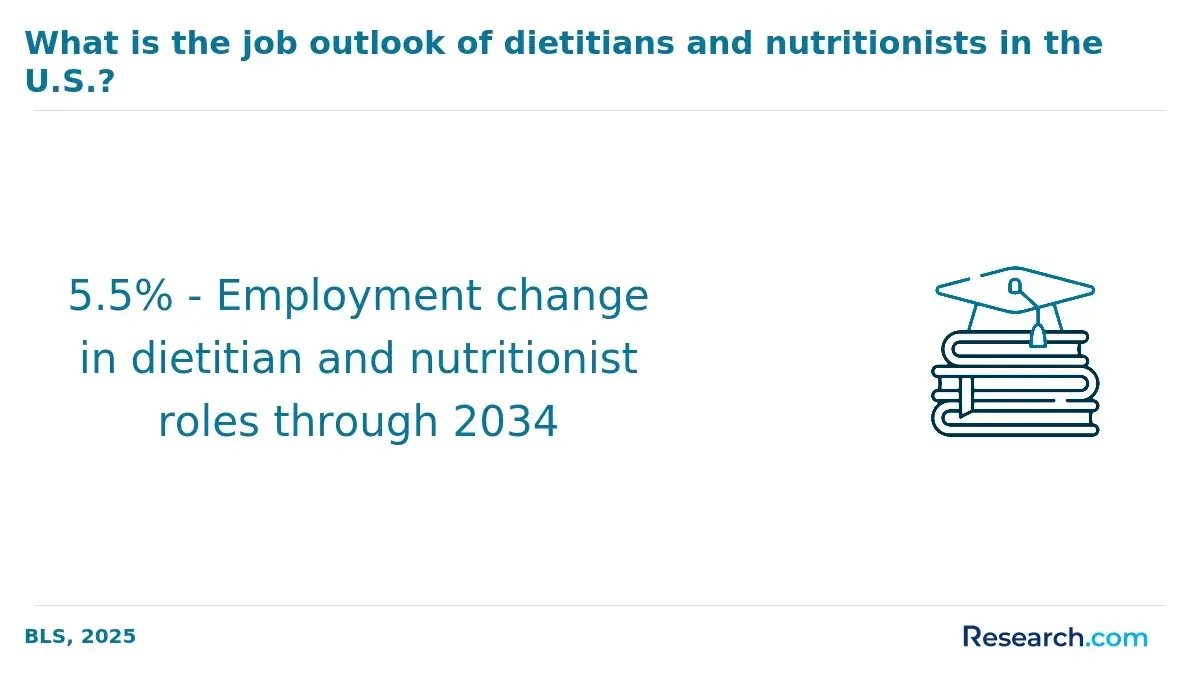
Current workforce projections highlight steady growth for registered dietitians in Maine, driven by an aging population and heightened emphasis on preventative healthcare. This demand spans clinical settings, community initiatives, and private practice, requiring professionals who can combine specialized nutrition expertise with effective communication skills. Employers also value candidates who stay current with emerging trends in public health and nutrition science. For detailed career pathway options and preparation strategies, consider reviewing how to become a nutritionist in Maine.
What are the costs associated with becoming a registered dietitian in Maine?
Applicants should consider the cumulative financial investment required, including tuition, exam fees, application and licensure costs, as well as additional expenses for supervised practice such as travel and materials. Costs differ by institution and program, so reviewing detailed fee structures on official program websites and state licensing boards is essential. Exploring resources may assist in comparing these costs with related fields like learning how to become a medical assistant in Maine.
How long does it take to become a registered dietitian in Maine?
Becoming a registered dietitian in Maine is an achievable goal that generally takes about six to seven years from starting college to earning the credential. This timeline includes completing necessary academic programs and gaining supervised practice experience, which together prepare candidates thoroughly for professional success. With dedication and focus, this journey can be smooth and rewarding.
The Maine registered dietitian education and licensing timeline usually begins with a bachelor’s degree followed by a master’s degree, which adds one to two more years of study. Candidates also complete supervised internships and must pass a registration exam to finalize their certification. Some accelerated programs can shorten this path, making it possible to achieve registration in under seven years.
For those looking for flexible study options, pursuing a nutrition science degree online can be a convenient start. Variations in the timeline happen depending on personal pace and program choices, but with proper planning, becoming a registered dietitian in Maine is within reach for motivated students ready to make a difference in health and nutrition.
Can international students qualify to become registered dietitians in Maine?
International students have a clear pathway to become registered dietitians in Maine by meeting specific national and state requirements designed to recognize their credentials and experience. With determination and the right guidance, international graduates can successfully join Maine’s healthcare workforce.
- Credential Evaluation of Foreign Degrees: Applicants must have their degrees evaluated as equivalent to a U.S. bachelor's or master's degree by a service recognized by the Commission on Dietetic Registration (CDR).
- Completion of ACEND-Accredited Coursework: International students need to complete coursework and supervised practice through an ACEND-accredited program in the U.S. or an approved International Dietitian Education (IDE) program.
- Supervised Practice Requirements: Fulfillment of supervised practice through a Dietetic Internship (DI), Individualized Supervised Practice Program (ISPP), or Graduate Program (GP) with integrated practice hours is essential to qualify for the CDR exam.
- English Proficiency: Demonstrating English language skills via tests such as TOEFL or IELTS is often required, ensuring students can effectively engage in education and practice environments.
- Visa and Work Authorization: Securing appropriate visa status and, if needed, Optional Practical Training (OPT) is required for supervised practice and six months of post-degree experience mandated by Maine.
- Licensure Application: After passing the CDR exam, applicants must apply for Maine licensure, including submitting credentials, paying fees, and passing a background check.
International students aiming for a rewarding career can explore opportunities aligned with Maine’s positive employment outlook for dietitians, supported by reliable workforce data and growth projections. For those considering advanced education options, exploring the best masters in dietetics programs can help align academic choices with professional goals.
What career paths can registered dietitians pursue in Maine?
Registered dietitians in Maine enjoy a broad spectrum of fulfilling career opportunities, each offering unique ways to impact health and wellness. Whether you prefer clinical settings, community outreach, or private consulting, Maine’s diverse job market welcomes your expertise.
- Clinical Dietitian: Work in hospitals or outpatient clinics providing medical nutrition therapy, with clinical dietitian jobs in Maine offering steady demand and salaries between $55,000 and $78,000 annually.
- Community Nutritionist: Educate the public through health agencies or schools, earning $50,000 to $70,000 while supporting disease prevention and wellness initiatives.
- Private Practice/Consultant: Launch your own business or partner with clinics for personalized nutrition counseling, with incomes ranging widely from $50,000 to over $90,000 depending on specialization.
- Corporate Wellness Dietitian: Develop employee health programs for companies, earning $55,000 to $80,000 as workplace wellness gains momentum.
- Long-Term Care Dietitian: Care for nursing home residents, focusing on chronic disease management with salaries from $55,000 to $75,000.
- Diabetes Educator: Counsel patients on diabetes management in healthcare settings, with salaries between $55,000 and $78,000 and growing opportunities.
- Renal Dietitian: Specialize in kidney disease nutrition, earning $55,000 to $78,000 amid sustained demand.
- Remote/Telehealth Dietitian: Provide virtual counseling statewide, enjoying flexible work and salaries typically from $50,000 to $85,000+, a rapidly expanding field.
- Eating Disorders Specialist: Support clients in treatment centers or private practice, often earning $55,000 to $85,000+ with hybrid work options.
Exploring career opportunities for registered dietitians in Maine means embracing a rewarding path with growing demand and competitive compensation. To further enhance your qualifications and explore advanced education, consider this ranking of most affordable online masters degrees in nutrition.
What do registered dietitians in Maine say about their career?
- Completing my dietetics program at the University of Southern Maine truly set the foundation for a fulfilling career. Starting work as a registered dietitian within a local school allowed me to directly impact children's health and nutrition, fostering healthier habits early on. The support from the community and the stability of the education sector here in Maine have made it a rewarding and secure path. I feel passionate about helping young students thrive both academically and physically, which motivates me every day. - Charles
- My journey began at the Maine College of Health Professions, where I developed both knowledge and confidence. Entering the field as a registered dietitian in a local academic setting has been an incredible opportunity to grow professionally while contributing to the well-being of the youth. What stands out most are the unique challenges tied to Maine’s seasonal food availability and cultural emphasis on local produce, which constantly inspires creative nutrition solutions. This role has deepened my connection to the community and expanded my skills in meaningful ways. - Rebecca
- Graduating from Husson University’s dietetics program was just the start of a career filled with personal growth and community impact. Working as a registered dietitian in a local school district has allowed me to address health disparities and promote wellness among diverse populations in Maine. The chance to engage with families and schools in this unique environment has sharpened my leadership skills and opened doors for career advancement. I appreciate the balance of professional development and the heartfelt reward of making a difference in children’s lives. - Carlos
Related Articles for Nearby States
- 2027 Steps to Become a Registered Dietitian in New Hampshire
- 2027 Steps to Become a Registered Dietitian in Massachusetts
- 2027 Steps to Become a Registered Dietitian in Vermont
- 2027 Steps to Become a Registered Dietitian in Connecticut
- 2027 Steps to Become a Registered Dietitian in Rhode Island
- 2027 Steps to Become a Registered Dietitian in New York
- 2027 Steps to Become a Registered Dietitian in New Jersey
- 2027 Steps to Become a Registered Dietitian in Pennsylvania
- 2027 Steps to Become a Registered Dietitian in Delaware
- 2027 Steps to Become a Registered Dietitian in Maryland
References:
- BecomeANutritionist.org. (2025). Becoming a Registered Dietitian in Maine. BecomeANutritionist.org
- Commission on Dietetic Registration. (2025). Registered Dietitian (RD) and Registered Dietitian Nutritionist (RDN). CDR
- Cornell Law School. (n.d.). Department of Professional and Financial Regulation. Cornell
- HealthcarePathway.com. (n.d.). Dietitian License Requirements: How to Become a Dietitian in Maine. HealthcarePathway.com
- Maine Academy of Nutrition and Dietetics. (2025). Maine SNAP-Ed Community Engagement Program Coordinator. MAND
- NutritionED.org Contributor. (n.d.). Maine Nutritionist Certification. NutritionED.org
- Southern Maine Community College. (n.d.). Nutrition and Dietetics Associate Degree. SMCC
- University of Maine. (2025). Dietetic Internship Program. UMaine
- University of New England. (n.d.). Department of Health Promotion Studies. UNE
- Zippia. (2025). Registered dietitian education requirements. Zippia
Other Things You Should Know About Becoming a Registered Dietitian in Maine
To become a Registered Dietitian in Maine in 2027, complete a bachelor's degree accredited by the Accreditation Council for Education in Nutrition and Dietetics (ACEND), complete a supervised practice program, pass the Commission on Dietetic Registration (CDR) exam, and maintain state dietitian licensure.
In Maine, you do not need to major specifically in dietetics or nutrition to qualify for dietetics prerequisites; students from various academic backgrounds can complete the required courses to become a registered dietitian. However, majors outside these fields may require more careful planning to ensure all mandated science and nutrition classes are completed. Majoring in related fields like biology, chemistry, or health sciences can provide a strong foundation and potentially streamline the prerequisite process.
Ultimately, while any major can technically fulfill the requirements, choosing a related field often makes meeting the dietetics prerequisites more straightforward and better prepares students for the Registered Dietitian Nutritionist (RDN) credentialing process.