2027 Steps to Become a Registered Dietitian in Vermont

Co-Founder and Chief Data Scientist
Many aspiring nutrition professionals in Vermont face challenges navigating the path to becoming a registered dietitian. With only 12 dietitians per 100,000 residents, demand remains strong, offering stable employment and competitive salaries.
This article, crafted by career planning experts, outlines education, supervised practice, and credentialing requirements, providing clear guidance to help readers confidently pursue a rewarding career in nutrition.
Key Things to Know About Becoming a Registered Dietitian in Vermont
- In Vermont, you must earn at least a bachelor’s in dietetics or nutrition, complete an ACEND-accredited program, and often pursue a master’s degree for exam eligibility.
- Candidates need a minimum of 1,000 supervised practice hours through ACEND-accredited programs, usually completed out of state due to limited local options.
- Exam eligibility requires a graduate degree, ACEND coursework, program director verification, and passing the CDR exam, which leads to Vermont certification.
- What degree is required to become a registered dietitian in Vermont?
- How many supervised practice hours are needed to become a registered dietitian in Vermont?
- What are the eligibility requirements for the dietetic registration exam in Vermont?
- How can you get a license after passing the dietetic registration exam in Vermont?
- What types of dietitian specializations can you pursue in Vermont?
- What is the average salary of a registered dietitian in Vermont?
- What do you need to keep your dietitian registration active in Vermont?
- How can professional associations enhance your career as a registered dietitian in Vermont?
- How can complementary healthcare training broaden my career opportunities in Vermont?
- How long does it take to become a registered dietitian in Vermont?
- Can international students qualify to become registered dietitians in Vermont?
- What career paths can registered dietitians pursue in Vermont?
What degree is required to become a registered dietitian in Vermont?
In Vermont, becoming a registered dietitian requires accredited education that builds a strong academic foundation and practical skills. Below are the key degree requirements:
- Bachelor’s Degree in Dietetics: Candidates must earn a bachelor’s degree in dietetics or nutrition from an accredited Vermont college. This degree provides the scientific foundation and professional skills needed for dietetic practice.
- Completion of ACEND-Accredited Programs: Graduating from a program accredited by the Accreditation Council for Education in Nutrition and Dietetics (ACEND) ensures that coursework and supervised training meet national standards for registration eligibility.
- Supervised Practice Experience: Accredited programs include internships or coordinated practice experiences. These hands-on training opportunities allow candidates to develop applied skills in clinical, community, and foodservice settings.
- Advanced Graduate Study (Optional): While not always required, pursuing graduate-level education can strengthen clinical expertise and leadership skills, positioning dietitians for advanced roles in healthcare, research, or community nutrition.
Many aspiring dietitians also explore the best rated online nutrition certifications to complement their degrees and expand practical knowledge. This combination of accredited education and certifications empowers you to confidently impact health and wellness in Vermont communities.
How many supervised practice hours are needed to become a registered dietitian in Vermont?
Becoming a registered dietitian in Vermont requires completing supervised practice hours that meet both state law and national accreditation standards. These hours provide essential training in clinical, community, and foodservice settings. Below are the key points regarding supervised practice hours in Vermont:
- Vermont State Requirement: State law sets a minimum threshold of supervised practice hours under the supervision of a registered dietitian, forming the legal baseline for certification.
- ACEND-Accredited Program Standard: Accredited programs typically require more than the state minimum, ensuring training aligns with national standards established by the Commission on Dietetic Registration.
- Supervision Guidelines: Regulations mandate at least one hour of direct, face-to-face supervision for every forty hours of practice, ensuring quality oversight and feedback.
- Pathways to Completion: Because Vermont lacks in-state accredited internships, candidates often fulfill supervised practice through accredited programs in neighboring states or distance education options.
- State-Specific Requirements: Vermont does not impose additional practice hours beyond national standards but emphasizes strict supervision and documentation of training.
- Recent Educational Requirements: Since January 2024, candidates must also hold a master’s degree, aligning Vermont with evolving national credentialing standards.
- Professional Preparation: Completion of supervised practice hours ensures readiness for the Commission on Dietetic Registration exam and subsequent state licensure.
What are the eligibility requirements for the dietetic registration exam in Vermont?
To take the dietetic registration exam in Vermont, candidates must meet national education and program standards while also following state-specific regulations. These requirements ensure applicants are fully prepared to practice as qualified professionals.
Below are the key requirements:
- Minimum Educational Qualification: Candidates must hold at least a graduate degree from a U.S. Department of Education-accredited institution or possess an equivalent foreign credential. The degree may be in any field of study.
- Required Nutrition Coursework: Completion of an ACEND-accredited program is mandatory. Acceptable pathways include a Didactic Program in Dietetics (DPD), Coordinated Program (CP), or Graduate Program (GP) to fulfill nutrition coursework requirements.
- Program Director Submission: After completing the required coursework, the program director must verify eligibility and submit confirmation to the Commission on Dietetic Registration (CDR) before exam registration is permitted.
- National Exam Registration and Passing: Candidates must register with the CDR and pass the national dietetic registration exam. The exam, administered at authorized testing centers including Vermont locations, evaluates core professional competencies.
- State-Specific Licensure Pathways: Vermont primarily requires the national RD credential for certification. However, an alternative route exists for candidates with a bachelor’s or higher degree in dietetics, supervised practice hours, and successful completion of a state-approved exam. Most candidates follow the RD credential pathway.
For those exploring Vermont eligibility for the registered dietitian exam, it’s encouraging to note that the University of Vermont offers ACEND-accredited programs that support in-state candidates. To learn more about how to start as a nutritionist and prepare effectively, visit how to start as a nutritionist. That said, below are the most common skills that registered dietitians include in their resumes.
How can you get a license after passing the dietetic registration exam in Vermont?
After passing the dietetic registration exam, candidates must complete several steps to secure certification in Vermont. These steps ensure compliance with state regulations and professional standards.
Below are the key steps:
- Application Portal Access: Log into the Vermont OPR Online Services Platform to begin your certification application securely.
- Online Application Completion: Provide all required personal, educational, and professional details accurately to avoid delays.
- Official Transcript Submission: Request your college or university to send a sealed, official transcript directly to the Vermont OPR as proof of your dietetics education.
- Proof of CDR Registration: Upload or mail a copy of your current Commission on Dietetic Registration membership card to verify successful exam completion.
- Payment of Application Fee: Submit the non-refundable $100 fee online to advance your application.
- Processing and Waiting: Allow approximately five business days for the Vermont OPR to review your application and supporting documents.
- Certification Receipt: Upon approval, receive the Certified Dietitian title, granting you the legal right to practice in Vermont.
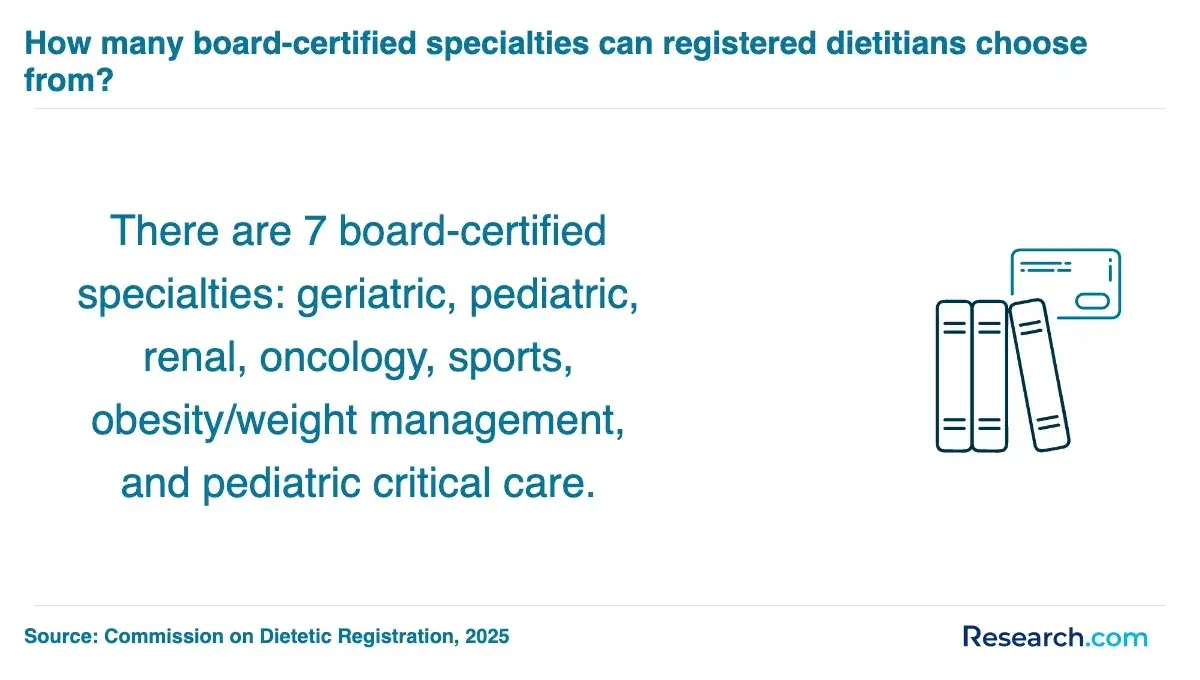
What types of dietitian specializations can you pursue in Vermont?
Vermont provides diverse opportunities for dietitians to specialize in areas that impact individual health, community wellness, and research. These career paths reflect the state’s varied healthcare environments and the growing demand for targeted nutrition expertise.
Below are the key dietitian specializations available in Vermont:
- Clinical Dietitian: Provides nutrition therapy in hospitals and clinics for patients with chronic diseases, using evidence-based approaches.
- Community Dietitian: Works with public health programs and schools to promote healthy eating and disease prevention across populations.
- Food Service Management Dietitian: Manages large-scale meal planning and food safety in hospitals, schools, and long-term care facilities.
- Research Dietitian: Conducts nutrition studies and collaborates with universities or government agencies to improve public health outcomes.
- Wellness and Health Promotion Dietitian: Designs wellness programs for workplaces and community centers, focusing on long-term behavior change.
- Holistic/Integrative Dietitian: Combines traditional nutrition with complementary approaches, such as functional nutrition and mind-body wellness.
- Sports Dietitian: Specializes in performance nutrition for athletes, enhancing energy, recovery, and training outcomes.
- Pediatric Dietitian: Addresses the unique nutritional needs of infants, children, and adolescents, supporting healthy growth and development.
What is the average salary of a registered dietitian in Vermont?
Registered dietitians in Vermont earn salaries that vary depending on location, experience, and work setting. Below are key factors influencing compensation:
- Average Annual Salary: Dietitians in Vermont earn about $80,808 per year, or $38.85 per hour, which is slightly above the national average.
- Comparison to Other States: Vermont ranks low nationally in overall pay levels, though professionals enjoy competitive earnings within the regional market.
- Location Variations: Urban areas such as Burlington offer higher salaries, while rural regions typically report lower wages.
- Experience Level: Entry-level dietitians earn closer to $47,740 annually, while experienced professionals can make over $100,660.
- Work Setting Influence: Hospitals and specialized clinics generally provide higher pay than schools or community organizations.
- Regional and Demand Trends: Limited job openings may slow wage growth, but the 25th percentile earns about $64,300 and the top 10% exceed $106,000, showing strong potential for advancement.
What do you need to keep your dietitian registration active in Vermont?
Maintaining an active dietitian registration in Vermont ensures legal compliance and professional credibility. Staying current demonstrates dedication to growth, safeguards public trust, and allows dietitians to deliver high-quality nutrition care.
Below are the key requirements:
- Biennial License Renewal: Renew your certification every two years by submitting the renewal form and required fee to the Office of Professional Regulation.
- Continuing Education: Complete 30 hours of approved continuing education every two years. This requirement does not apply to the first renewal after initial certification.
- Renewal Fees: Pay a $100 nonrefundable renewal fee every two years to keep your certification valid.
- National Registration Maintenance: Maintain Commission on Dietetic Registration (CDR) credentials by completing 75 continuing education units every five years.
- Professional Conduct: Adhere to Vermont’s professional standards at all times. Failure to do so can result in disciplinary actions or loss of certification.
How can professional associations enhance your career as a registered dietitian in Vermont?
Registered dietitians in Vermont can significantly benefit from engaging with professional associations that offer access to targeted continuing education, industry updates, and mentorship opportunities. These organizations facilitate critical networking events and provide resources that support career advancement, innovative research, and best practices in dietetics. Additionally, they serve as reliable platforms to stay current on regulatory changes and emerging trends in nutritional science. For further insights on complementary career pathways, visit how to become a nutritionist in Vermont.
How can complementary healthcare training broaden my career opportunities in Vermont?
Registered dietitians in Vermont who acquire complementary healthcare training can expand their clinical competencies and improve interdisciplinary collaboration. Gaining skills in allied health roles helps optimize patient care by integrating nutritional expertise with broader medical practices. For instance, exploring opportunities on how to become a medical assistant in Vermont may broaden service offerings and enhance professional versatility in diverse healthcare environments.
How long does it take to become a registered dietitian in Vermont?
The process of becoming a registered dietitian in Vermont typically requires six to seven years, spanning undergraduate study, graduate education, supervised practice, and successful completion of the national registration exam. This timeline ensures candidates acquire both the academic knowledge and practical training necessary for professional competence. While the path is structured, individual pacing and program selection can lead to variation in the overall duration. For many, this journey represents a meaningful investment toward a career dedicated to advancing public health and nutrition.
Aspiring dietitians usually complete a four-year bachelor’s degree, followed by a two-year master’s program, which has become a requirement for exam eligibility since 2024. An accredited dietetic internship, lasting six months to two years depending on format, provides essential hands-on experience. Some students accelerate progress through coordinated or combined degree-internship tracks, while part-time study or internship competition may extend the timeline.
With dedication, the commitment to education can be balanced with other life goals, and resources like the best online nutrition programs offer flexible options to support your journey.
Can international students qualify to become registered dietitians in Vermont?
International students have a clear pathway to becoming registered dietitians in Vermont by meeting rigorous educational and credentialing standards. With dedication and the right preparation, they can join this rewarding healthcare profession.
Below are the key requirements:
- Foreign Degree Evaluation: Applicants must have their international degrees evaluated for equivalency to a U.S. regionally accredited degree, following guidelines from the Commission on Dietetic Registration (CDR).
- Admission to ACEND-Accredited Programs: Students must enroll in an ACEND-accredited dietetics program in the U.S., which may require completing additional coursework based on their degree evaluation.
- Official Transcripts and Certified Translations: All original academic transcripts must be submitted with certified English translations if not originally in English, ensuring accurate assessment of credentials.
- English Language Proficiency: Non-native English speakers must demonstrate proficiency, typically with a minimum iBT TOEFL score of 80 or IELTS score of 6.5. Lower scores may result in requirements for additional English coursework.
- Supervised Practice Requirement: Completion of at least 1,000 hours of supervised dietetics practice in an ACEND-accredited program is necessary, regardless of prior international experience.
- CDR Registration Examination: Candidates must pass the national CDR Registration Examination for Dietitians, offered at authorized testing centers in Vermont or across the U.S.
- State Certification Application: After passing the CDR exam, graduates must apply for Vermont state certification by submitting academic transcripts and proof of CDR credentialing.
For those committed to advancing their careers, pursuing a registered dietitian credential in Vermont is a promising opportunity. Explore more similar career pathways, including becoming a nutrition nurse, to broaden your professional qualifications.
What career paths can registered dietitians pursue in Vermont?
Registered dietitians in Vermont can build meaningful careers across clinical, community, academic, and industry settings. Each path offers competitive salaries, steady job demand, and opportunities to support health and wellness statewide.
Below are the key career options:
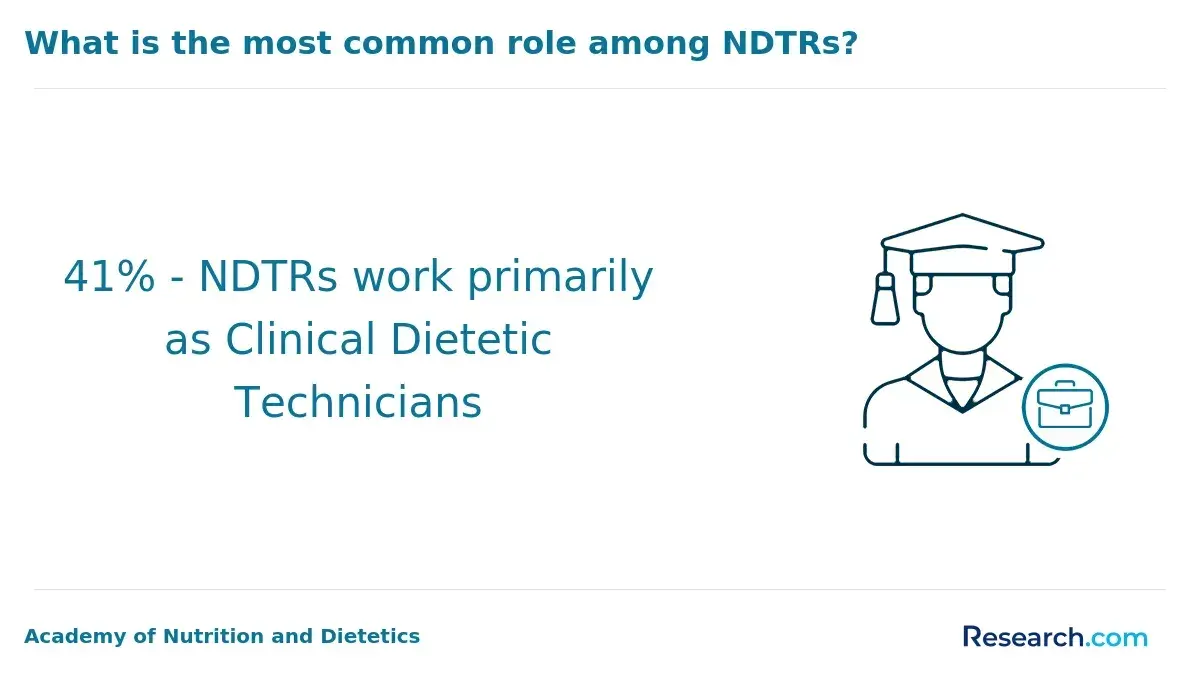
- Clinical Dietitian: Work in hospitals or clinics providing medical nutrition therapy. Average salary is $70,450, with strong demand across healthcare facilities.
- Community Nutritionist: Lead public health initiatives in state agencies or nonprofits. Salaries range from $59,500 to over $70,450, with stable prospects in preventive health.
- School Nutrition Director: Manage K–12 nutrition programs. Salaries between $55,000 and $75,000 are supported by federal funding and child wellness priorities.
- Long-Term Care Dietitian: Support aging populations in nursing homes. Salaries can reach $100,660, reflecting demand from Vermont’s older demographic.
- Outpatient Dietitian: Provide counseling in private practice or clinics. Earnings range from $60,000 to $90,000+, with flexibility and autonomy.
- Research Dietitian: Conduct nutrition studies in academic or industry settings. Salaries align with clinical roles, with growth tied to grants.
- Corporate Dietitian: Consult for food companies or wellness programs. Salaries exceed $70,000, with rising opportunities in industry.
- Eating Disorder Specialist: Join treatment teams addressing specialized needs. Pay ranges from $60,000 to $80,000, reflecting growing demand in Vermont.
For those interested in advancing their expertise and expanding career opportunities, pursuing a masters in nutrition and dietetics online can be a valuable step toward success in this dynamic field. Furthermore, as dietitian roles continue to evolve, the use of digital tools is also expanding—the image below highlights how many RDNs are now utilizing telehealth services in their practice.
What do registered dietitians in Vermont say about their careers?
- Starting my career as a registered dietitian in Vermont has been incredibly rewarding, especially working with schools to integrate farm-to-school programs. The focus on local food systems allows me to connect students with healthy eating habits while contributing to community wellness. —Kailyn
- Working as a dietitian in Vermont gives me opportunities to support both academic success and children’s health. The state’s sustainability values and community-driven approach inspire me daily, and seeing students thrive through better nutrition is deeply fulfilling. —Janelle
- Being a registered dietitian in Vermont has allowed me to address diverse student needs while promoting wellness in rural communities. Collaborating with schools and families strengthens my skills, and witnessing positive changes in children’s health makes this career truly meaningful. —Ryan
Related Articles for Nearby States
- 2027 Steps to Become a Registered Dietitian in New Hampshire
- 2027 Steps to Become a Registered Dietitian in Massachusetts
- 2027 Steps to Become a Registered Dietitian in New York
- 2027 Steps to Become a Registered Dietitian in Connecticut
- 2027 Steps to Become a Registered Dietitian in Rhode Island
- 2027 Steps to Become a Registered Dietitian in Maine
- 2027 Steps to Become a Registered Dietitian in New Jersey
- 2027 Steps to Become a Registered Dietitian in Pennsylvania
- 2027 Steps to Become a Registered Dietitian in Delaware
- 2027 Steps to Become a Registered Dietitian in Maryland
References:
- All Allied Health Schools. (n.d.). How to become a dietitian. Retrieved from All Allied Health Schools
- Become a Nutritionist. (n.d.). How to become a registered dietitian in Vermont - VT. Retrieved from Become a Nutritionist
- CareerExplorer. (n.d.). Registered dietitian salary in Vermont. Retrieved from CareerExplorer
- NutritionED.org. (n.d.). How to become a registered dietitian in Vermont - VT | Exam, license, and education requirements in Vermont. Retrieved from NutritionED.org
- Salary.com. (2025, August 1). Dietitian salary in Vermont. Retrieved from Salary.com
- The University of Vermont. (n.d.). M.S. in dietetics (MSD) | Nutrition and food sciences. Retrieved from The University of Vermont
- UVM Health. (n.d.). Clinical nutrition program. Retrieved from UVM Health
- Vermont Department of Labor. (n.d.). Licensed occupations - Dietitian. Retrieved from Vermont Department of Labor
- Healthcare Pathway. (n.d.). How to become a dietitian in Vermont | Certification in VT. Retrieved from Healthcare Pathway
- Virginia Tech. (n.d.). Nutrition and dietetics (NAD) | Department of human nutrition, foods, and exercise. Retrieved from Virginia Tech
Other Things You Should Know About Becoming a Registered Dietitian in Vermont
To become a registered dietitian in Vermont in 2027, earn a bachelor's degree with accredited coursework, complete a dietetic internship, pass the national RD exam, and obtain state licensure. Continuing education is required to maintain certification and licensure.
In 2027, aspiring dietitians in Vermont may face unique challenges such as limited internship placements due to rural settings, which can impact hands-on experience opportunities. Additionally, navigating specific state licensure requirements and keeping updated with new credential policies can be challenging for students entering the profession.