
2027 What Special Education Administrators Do: Job Description, Licensing Requirements & Specializations

Co-Founder and Chief Data Scientist
Special education administrators play a critical role in ensuring that schools provide equitable, legally compliant, and effective services for students with disabilities. With the average salary for these professionals reaching $87,941 per year, the field offers both meaningful impact and strong career potential.
This guide will walk you through what special education administrators do, the licensing requirements you’ll need to meet, and the various specializations available—equipping you with the knowledge to understand the role, plan your career path, and succeed in this vital area of education.
Key things you should know about special education administrator jobs:
- Special education administrators are responsible for supervising the development and implementation of Individualized Education Programs (IEPs) to meet student needs.
- Most states require candidates to hold a master’s degree in education, special education, or educational leadership, along with teaching certification.
- Despite employment shifts, there are projected to be about 37,800 openings for special education teachers each year, reflecting continued demand in the field.
- What are the primary duties of a special education administrator? Primary Duties
- How does a special education administrator support teachers and staff? How does a special education administrator support teachers and staff?
- What are the education prerequisites for special education administration licensure? Prerequisites
- What certification or license does a special education administrator need? Certifications
- How much do special education administrations earn on average? Average Salary
- What leadership qualities are essential for special education administrators? What leadership qualities are essential for special education administrators?
- What specializations exist within special education administration? Specializations
- What federal laws must special education administrators comply with? What federal laws must special education administrators comply with?
- How can advanced online degree programs accelerate career success in special education administration? How can advanced online degree programs accelerate career success in special education administration?
- What is the career outlook for special education jobs in the U.S.? Job Outlook
- What trends in inclusive education affect special education leadership? What trends in inclusive education affect special education leadership?
What are the primary duties of a special education administrator?
Special education administrators take on a broad set of responsibilities that span leadership, compliance, and student support. Their duties are diverse and often extend beyond the classroom to ensure equitable and effective programming. Key responsibilities include:
- Overseeing Special Education Programs: Administrators design, implement, and monitor special education services across schools or districts. Similar to the diverse opportunities available in jobs with masters in adult education, they ensure programs align with state and federal regulations, such as IDEA, while meeting student needs.
- Managing Individualized Education Programs (IEPs): They coordinate the development and review of IEPs to guarantee students receive appropriate support. Administrators also work closely with teachers, parents, and specialists to keep plans up to date.
- Supervising Staff and Resources: Administrators hire, train, and evaluate special education staff to maintain effective instructional practices. They also allocate resources, such as classroom supports and assistive technology, to ensure equity.
- Ensuring Legal and Policy Compliance: They monitor adherence to state and federal laws governing special education. This includes overseeing audits, due process procedures, and accurate documentation.
- Collaborating with Stakeholders: Administrators serve as a bridge between schools, families, and community agencies. They communicate effectively to resolve conflicts, build trust, and promote inclusive education.
- Budgeting and Resource Allocation: They develop and manage budgets to ensure special education programs are well-funded. Administrators make strategic decisions on staffing, materials, and professional development investments.
- Conducting Program Evaluation: Administrators analyze data and outcomes to assess the effectiveness of special education services. They use findings to improve instructional practices and resource distribution.
How does a special education administrator support teachers and staff?
Special education administrators play a vital role in supporting teachers and staff by providing the guidance, resources, and professional development they need to succeed. Their support helps educators deliver high-quality instruction while maintaining compliance with special education laws. Key ways they support teachers and staff include:
- Providing Professional Development: Administrators organize training sessions and workshops on topics such as special education law, instructional strategies, and inclusive practices. These opportunities keep teachers and staff updated on best practices.
- Offering Instructional Guidance: They mentor teachers by sharing effective teaching strategies and classroom management techniques. Administrators also provide coaching to help staff address diverse student needs.
- Ensuring Access to Resources: Administrators allocate funding and materials, including assistive technologies and specialized curriculum tools. This ensures that teachers have the resources necessary to support students effectively.
- Facilitating Collaboration: They create opportunities for general education and special education teachers to work together. This collaboration fosters inclusive classrooms and shared responsibility for student success.
- Supporting Staff Well-Being: Administrators monitor workloads and help balance caseloads to reduce burnout. They also provide emotional and professional support to staff facing challenging situations.
What are the education prerequisites for special education administration licensure?
To become licensed as a special education administrator, candidates must meet specific educational prerequisites that ensure they are prepared for the leadership and compliance responsibilities of the role.
Education is a foundational requirement for all administrative roles, and many master's programs seek candidates with a strong background in education, psychology, or a related science; for instance, attending to the query is psychology STEM can inform the relevance of a candidate's undergraduate degree.
Below are the most common requirements:
- Master’s Degree Requirement: Most states require a master’s degree in education, special education, or educational leadership. This advanced degree provides the knowledge needed to manage programs, policies, and instructional practices.
- Prior Teaching Certification: Candidates usually need to hold a valid teaching license before applying for administrator licensure. This ensures they bring classroom experience and an understanding of student learning to their leadership role.
- Professional Experience: Many states require two to five years of teaching or direct special education experience. This background equips candidates with practical insight into student needs and program implementation.
- Specialized Coursework: Graduate-level coursework often covers topics like special education law, assessment, and school finance. Many aspiring leaders choose to pursue a graduate certificate in special education online, which provides flexible access to these courses while preparing administrators to handle compliance, resource management, and instructional oversight.
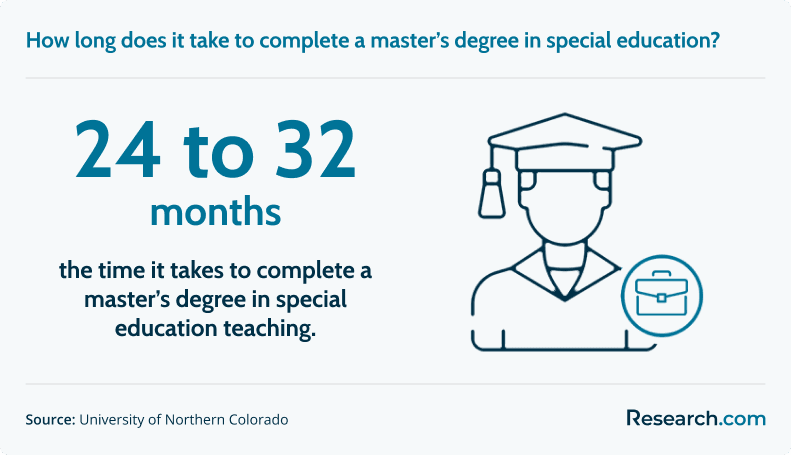
Graduate programs designed for this licensure are structured to balance theory with practical field experiences, including internships in school administration settings. Depending on the university and whether a student studies part-time or full-time, the time to completion usually ranges from 24 to 32 months.
This timeline ensures that candidates gain both the academic knowledge and supervised hands-on experience necessary to meet state requirements.
What certification or license does a special education administrator need?
Special education administrators must meet specific certification and licensing requirements to ensure they are prepared for the legal, instructional, and leadership demands of the role. While exact requirements vary by state, several common expectations apply nationwide. Key certifications and licenses include:
- State Administrator License or Endorsement: Most states require a school administrator or principal license with a special education endorsement. This credential authorizes administrators to oversee special education programs at the school or district level.
- Teaching Certification Background: Candidates are typically expected to hold a valid teaching license before moving into administration. This ensures they have classroom experience and knowledge of instructional practices.
- Special Education Endorsement: Some states mandate a specific endorsement in special education leadership or supervision. This credential confirms advanced expertise in managing programs for students with disabilities.
- Graduate Degree Requirement: Licensure usually requires a master’s degree in education, special education, or educational leadership. Coursework covers areas such as special education law, compliance, and school finance.
- Exam and Assessment Requirements: Several states require candidates to pass exams such as the School Leaders Licensure Assessment (SLLA) or similar state-specific assessments. These exams measure leadership skills, policy knowledge, and readiness for administrative responsibilities.
How much do special education administrations earn on average?
On average, special education administrators earn $87,941 per year, though salaries can vary based on factors such as geographic location, level of responsibility, years of experience, and district size. Administrators working in larger districts or urban areas often earn higher salaries, while those in smaller or rural districts may earn less.
Some states consistently offer higher pay for these roles due to factors like cost of living, district size, and demand for qualified administrators. Exploring the top-paying states gives aspiring leaders a clearer picture of where they might maximize both their earning potential and career opportunities. The focus on specialized roles and distinct educational paths for high-level positions is common across many advanced fields, including those exploring engineering psychologist education requirements.
- New York ($107,770): Special education administrators in New York earn the highest average salaries, reflecting both the state’s high cost of living and the large size of its school districts. Administrators here often manage complex compliance requirements and diverse student populations.
- California ($90,790): California offers competitive salaries due to its expansive school systems and strong demand for qualified special education leaders. Administrators frequently oversee large-scale programs that integrate advanced technology and inclusive practices.
- Oregon ($90,450): In Oregon, salaries reflect the state’s investment in equity-focused education initiatives. Special education administrators here play key roles in shaping inclusive policies and managing statewide reform efforts.
- Massachusetts ($88,380): Massachusetts pays well thanks to its emphasis on high academic standards and student outcomes. Administrators are tasked with aligning special education programs to rigorous state and federal benchmarks.
- Washington ($85,360): Washington provides strong compensation tied to its commitment to inclusive education and student support services. Administrators often focus on implementing progressive policies and expanding access to resources.
These top-paying states highlight how geography, policy priorities, and district resources directly influence what special education administrators can expect to earn. While salaries vary, states like New York and California demonstrate the premium placed on experienced leaders who can navigate complex educational systems, much like the variations seen in health science bachelor degree careers across different regions.
The chart below illustrates these differences clearly, providing a quick comparison of where administrators are most highly compensated.
What leadership qualities are essential for special education administrators?
Special education administrators need strong leadership qualities that allow them to guide staff, support students, and ensure programs meet both educational and legal standards. These qualities go beyond technical knowledge and focus on the interpersonal and organizational skills necessary for success. Aspiring administrators who already possess some of these leadership skills may seek advanced education, such as completing their degree through online EdD programs with an ABD option, to quickly formalize their credentials and advance their careers.
Essential leadership qualities include:
- Strong Communication Skills: Administrators must clearly explain policies, expectations, and decisions to staff, parents, and community partners. Effective communication also helps build trust and resolve conflicts constructively.
- Empathy and Compassion: Leaders in special education need to understand the unique challenges faced by students, families, and staff. Showing empathy helps create supportive, inclusive environments that promote student success.
- Decision-Making Ability: Administrators are often required to make difficult choices regarding resources, staffing, or compliance. Strong decision-making ensures fairness, efficiency, and alignment with student needs.
- Conflict Resolution Skills: They frequently mediate disagreements between parents, teachers, or district leaders. Effective conflict resolution maintains collaboration while keeping the focus on student outcomes.
- Organizational and Time Management Skills: Administrators juggle multiple responsibilities, from compliance audits to staff evaluations. Strong organizational skills ensure they manage priorities without overlooking critical details.
- Visionary Leadership: They must set a clear vision for inclusive education and program improvement. Inspiring staff to embrace this vision fosters innovation and long-term success.
- Adaptability and Flexibility: Laws, policies, and student needs change frequently in special education. Administrators must adjust quickly and guide their teams through transitions smoothly.
- Advocacy and Equity-Mindedness: Effective leaders champion the rights of students with disabilities and advocate for equitable access to resources. Just as professionals pursuing jobs with a masters degree in gifted education focus on advancing equity for high-achieving learners, this commitment ensures fair treatment and opportunities across the school system.
What specializations exist within special education administration?
In highly regulated fields that require specialized investigation and analysis skills, professionals may focus on specific niches, such as understanding what is forensic accounting and fraud examination.
In the area of special education administration, there are several areas of specialization, each focusing on different aspects of supporting students and programs. Common specializations include:
- Compliance Coordination: Administrators ensure that schools and districts follow federal and state regulations such as IDEA and Section 504. They oversee audits, documentation, and due process requirements.
- Early Intervention Services: Leaders in this area manage programs that support children from birth to age five with developmental delays or disabilities. They collaborate with families, providers, and community agencies to deliver targeted services.
- Program Evaluation and Accountability: Administrators focus on monitoring program effectiveness through data analysis and performance metrics. They use findings to improve instructional strategies and resource allocation.
- Assistive Technology Coordination: Specialists oversee the selection and integration of technology tools that support students with disabilities. They train staff and ensure compliance with accessibility standards.
- Transition Services Leadership: Administrators guide programs that prepare students with disabilities for postsecondary education, employment, and independent living. They coordinate with vocational services, families, and community partners.
As of 2024, the elementary and secondary school system employs the largest number of special education administrators, with 30,740 professionals working in this sector. Beyond the traditional school setting, special education administrators are also employed across a variety of industries that provide complementary services.
Similar to the variety found in general studies degree jobs, these roles demonstrate the versatility of special education administration. The chart below shows the industries with the highest levels of employment in special education teachers and all other:
What federal laws must special education administrators comply with?
Special education administrators are legally responsible for ensuring that schools and districts follow federal laws designed to protect the rights of students with disabilities. These laws establish the framework for how services are delivered, monitored, and evaluated. Key federal laws include:
- Individuals with Disabilities Education Act (IDEA): IDEA guarantees students with disabilities the right to a free appropriate public education (FAPE). Administrators must oversee IEP development, ensure compliance with procedural safeguards, and provide services in the least restrictive environment (LRE).
- Section 504 of the Rehabilitation Act of 1973: Section 504 prohibits discrimination against individuals with disabilities in programs receiving federal funding. Administrators must ensure schools provide reasonable accommodations and equal access to educational opportunities.
- Americans with Disabilities Act (ADA): The ADA extends protections beyond schools to include public facilities and employment. Administrators ensure accessibility in school buildings, communication, and extracurricular activities.
- Every Student Succeeds Act (ESSA): ESSA requires that students with disabilities be included in state accountability systems. Administrators must monitor performance data and ensure students receive equitable instruction aligned with academic standards.
- Family Educational Rights and Privacy Act (FERPA): FERPA protects the privacy of student education records. Administrators are responsible for maintaining confidentiality when handling IEPs, assessments, and sensitive information.
How can advanced online degree programs accelerate career success in special education administration?
Advanced online degree programs equip special education administrators with strategic insights and contemporary leadership competencies that are crucial for navigating complex educational landscapes. These programs emphasize innovative pedagogical methods and data-driven decision-making, enabling leaders to address emerging challenges effectively. Flexible and accelerated pathways, such as those offered by the fastest online EdD programs, ensure that working professionals can seamlessly integrate advanced studies with their demanding roles. This focused training deepens administrative expertise while fostering a proactive approach to system-wide improvements and educational excellence.
What is the career outlook for special education jobs in the U.S.?
The career outlook for special education jobs in the U.S. reflects both ongoing demand and structural changes in the education system. While overall employment for special education teachers is expected to decline slightly in the coming decade due to budget constraints and shifting student enrollment, the need for qualified professionals remains strong.
Much like trends connected to master of arts in teaching salary growth, factors such as retirements, career changes, and teacher turnover ensure that schools continue to recruit new educators to fill essential roles.
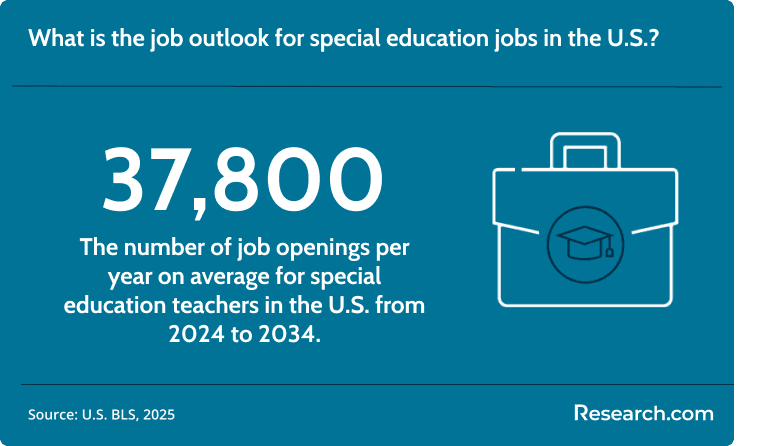
Despite declining employment, about 37,800 openings for special education teachers are projected each year, on average, over the decade. This steady number of opportunities highlights the consistent demand for professionals who can meet the needs of students with disabilities and ensure compliance with federal laws like IDEA.
For aspiring educators and administrators, the outlook suggests that while the job market may be competitive, there will continue to be meaningful opportunities to enter and advance in the field.
What trends in inclusive education affect special education leadership?
Inclusive education is constantly evolving, and special education administrators must adapt their leadership approaches to align with new practices, policies, and expectations.
These trends shape how administrators design programs, allocate resources, and support both teachers and students. Key trends include:
- Co-Teaching and Collaborative Models: Schools are increasingly adopting co-teaching structures where general and special education teachers work together. Administrators must provide training, scheduling support, and resources to make these models successful.
- Universal Design for Learning (UDL): UDL emphasizes flexible instructional approaches that accommodate diverse learning needs. Leaders are responsible for guiding staff in integrating UDL strategies into curriculum and assessment.
- Technology Integration: Assistive technology and digital tools are becoming central to inclusive education. Administrators must ensure equitable access to devices, software, and training for both students and staff.
- Focus on Social-Emotional Learning (SEL): Inclusive education now prioritizes social-emotional development alongside academics. Administrators promote SEL programs that support students with disabilities in building resilience and interpersonal skills.
- Culturally Responsive Practices: Schools are emphasizing the intersection of disability with culture, language, and socioeconomic background. Leaders guide staff in adopting culturally responsive approaches that reduce bias and increase equity.
Here’s what graduates have to say about their special education degrees:
- Walter: "Becoming a special education administrator has given me the chance to influence entire programs rather than just one classroom. Guiding teachers and shaping district-wide services has been challenging but deeply rewarding, especially knowing we are reaching hundreds of students. "
- Jesse: "After years of teaching, stepping into administration opened doors to leadership and policy work I never imagined. The role allows me to combine compliance expertise with advocacy, ensuring students with disabilities get equitable opportunities every day. "
- Skyler: "What I love most about this career is building bridges between families, teachers, and community agencies. Seeing the positive impact of collaboration on student success makes all the long hours and responsibilities worthwhile."
Key Findings
- Special education administrators earn an average salary of $87,941 per year, reflecting the complexity and responsibility of the role.
- The elementary and secondary school system employs 30,740 special education administrators, making it the largest sector for employment.
- Despite declining employment overall, about 37,800 openings for special education teachers are projected each year, on average, over the decade.
- Top-paying states for special education administrators include New York ($107,770) and California ($90,790), showing strong regional differences in compensation.
- Administrators must comply with key federal laws such as IDEA, Section 504, and the ADA, ensuring equitable access and legal protections for students with disabilities.
References:
- Data USA. (2024). Special education teachers. Data USA
- U.S. Bureau of Labor Statistics. (2025). Occupational Employment and Wage Statistics: Special Education Teachers, All Other. U.S. BLS
- University of Northern Colorado Extended Campus. (2025). Educational Leadership & Special Education Administration Degrees with Licensure. UNC Extended Campus
- ZipRecruiter. (2025). Special Education Administrator Salary. ZipRecruiter
Other Things You Should Know About Special Education Administrators
In 2027, licensing requirements for special education administrators largely remain consistent with previous years and typically include a master's degree in special education or educational leadership, along with state-specific certification or licensing. Continued professional development is often required to maintain up-to-date knowledge and skills in the field.
In 2027, special education administrators are navigating challenges such as integrating advanced technology for remote learning, addressing diverse educational needs post-pandemic, and complying with updated legal requirements to ensure equitable access and accommodations for all students.
In 2027, special education administrators typically need a master's degree in special education or a related field, along with state-specific certification. Some states may require coursework in areas like educational leadership or administration, and professional experience in teaching or special education may be necessary.


