
2027 Best RN to BSN Programs in Nebraska: Online & Campus

Co-Founder and Chief Data Scientist
Nebraska's healthcare landscape demands a highly skilled nursing workforce as registered nurses with a Bachelor of Science in Nursing (BSN) degree have a 15% higher employment growth rate than the national average. This trend highlights the increasing value of advanced education in the state's evolving medical environment. Pursuing an RN to BSN program in Nebraska offers an opportunity to align with this shift, equipping nurses with broader clinical expertise and leadership skills necessary for modern healthcare challenges.
This article explores what RN to BSN programs in Nebraska truly entail by comparing online and on-campus options. Prepared by experts in career planning, it guides readers through understanding program structures, expectations, and key considerations. The analysis aims to empower prospective students to navigate the decision process with clarity, focusing on what factors matter most when choosing the right RN to BSN path in Nebraska.
Key Benefits of RN to BSN Programs in Nebraska
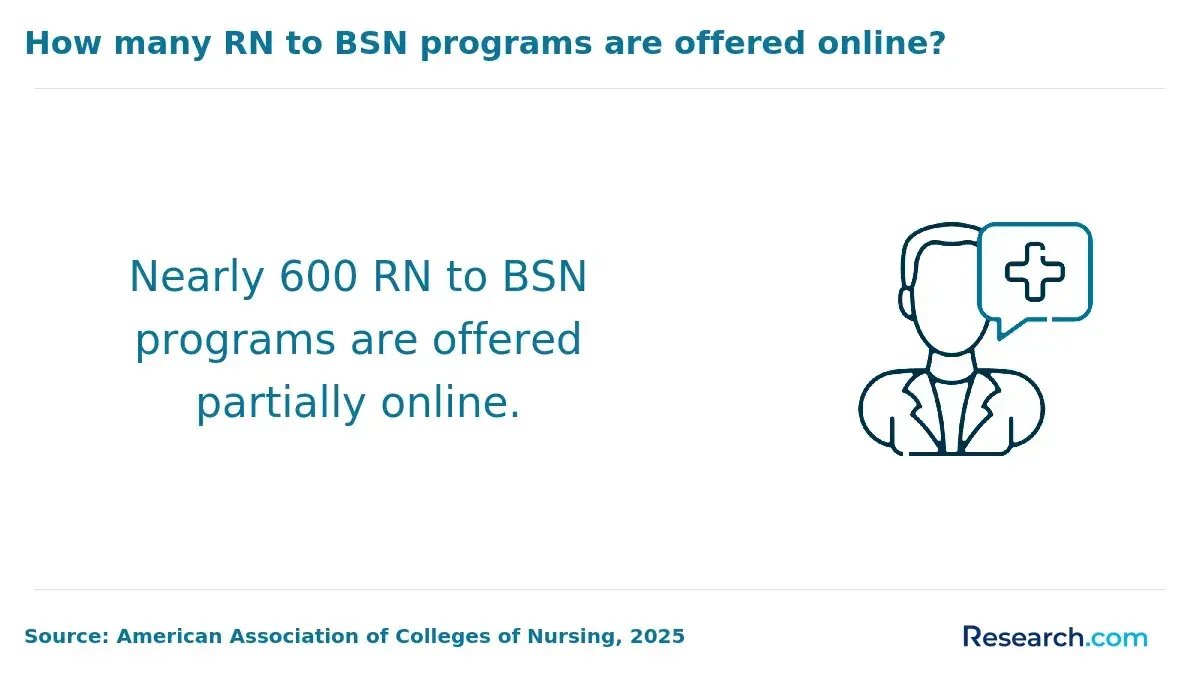
- Nebraska's RN to BSN programs offer flexible online and campus options, catering to working nurses balancing careers and education.
- Graduates see a 15% salary increase on average, reflecting the state's rising demand for BSN-prepared nurses in hospitals and clinics.
- Programs emphasize leadership and clinical expertise, meeting Nebraska's healthcare standards and fueling career advancement in a competitive market.
- What is an RN to BSN program and how does it work in Nebraska?
- What courses are included in RN to BSN programs in Nebraska?
- What are the admission requirements for RN to BSN programs in Nebraska?
- How long does it take to earn an RN to BSN degree in Nebraska?
- How much does an RN to BSN program cost in Nebraska?
- What are the pros and cons of online vs. on-campus RN to BSN programs in Nebraska?
- How do RN to BSN programs in Nebraska support clinical placements?
- Which accrediting bodies approve RN to BSN programs in Nebraska?
- What career opportunities are available to RN to BSN graduates in Nebraska?
- What is the average RN to BSN salary increase in Nebraska?
What is an RN to BSN program and how does it work in Nebraska?
An RN to BSN program in Nebraska is an advanced educational pathway that allows licensed registered nurses to earn a Bachelor of Science in Nursing, thereby enhancing their clinical expertise and leadership abilities. Its overall purpose is not just to expand nursing knowledge but to equip nurses with critical thinking and communication skills essential in today's healthcare environment. These programs, available both online and on-campus, offer the flexibility needed by working professionals to balance education with their existing commitments. As healthcare standards evolve, employing organizations in Nebraska increasingly prefer or require a BSN for many nursing roles, making RN to BSN programs in Nebraska a strategic choice for career advancement and professional relevance.
This program is particularly suited for nurses aiming to transition into leadership, education, or specialty nursing roles, supporting both career growth and personal development. Nurses with associate degrees or diplomas benefit from this bridge program by opening doors to higher-paying positions and expanded responsibilities within healthcare teams. Beyond clinical roles, the RN to BSN pathway encourages exploration of paths like administration or advanced practice, highlighting distinctions in certifications such as the differences between FNP C and FNP BC certification. Ultimately, understanding how to qualify for RN to BSN in Nebraska offers nurses a clearer route to achieving these goals, positioning them to meet modern employer expectations while fostering improved patient care outcomes.
What courses are included in RN to BSN programs in Nebraska?
This section provides a clear overview of the core and specialized courses commonly included in RN to BSN programs in Nebraska, highlighting essential areas of study for advancing nursing professionals. Below is a list that reflects key courses and focus areas typically offered in these programs, which deepen clinical reasoning and prepare nurses for broader roles in healthcare administration and community impact.
RN to BSN curriculum Nebraska programs generally emphasize the following subjects:
- Health Promotion: Students learn to create and implement strategies that enhance wellness, prioritize disease prevention, and incorporate culturally sensitive approaches. This course expands nursing roles beyond acute care to include community health advocacy and education.
- Evidence-Based Nursing Practice: This course develops critical skills in evaluating current research and integrating it into clinical decisions, ensuring patient care meets the highest standards and aligns with evolving healthcare demands.
- Nursing Interventions and Healthcare Outcomes: Focused on measuring the impact of nursing actions, students gain expertise in data analysis and quality improvement, essential for navigating value-based care models and improving patient results.
- Population-Centered Care: Preparing nurses to assess and address entire communities' health needs, this course covers epidemiology and health disparities, fostering skills crucial for public health and school nursing roles.
- Leadership in Healthcare Delivery: Covering healthcare policy, organizational behavior, and conflict resolution, this coursework equips nurses to take on managerial and coordination roles, nurturing leadership abilities critical for advancing healthcare systems.
- Professional Role Development: Exploring ethical practice, healthcare policies, and teamwork, this area guides nurses in understanding their evolving responsibilities within multidisciplinary environments and advocating effectively for patients and the profession.
- Capstone or Practicum Experience: This culminating project or practicum allows students to apply leadership, quality improvement, and population health knowledge in practical settings, often involving initiatives that demonstrate their readiness for professional advancement.
With a focus on these required nursing courses for Nebraska RN to BSN programs, learners not only gain advanced expertise but also enhance their competitiveness in a healthcare field projected to grow substantially. Nurses looking to understand how much does a nurse practitioner make can appreciate that such curricular rigor supports lifelong career growth and expanded earning potential.
What are the admission requirements for RN to BSN programs in Nebraska?
To gain a comprehensive understanding of the qualifications and materials typically required, this section outlines what applicants must prepare when pursuing RN to BSN admission requirements Nebraska.
Below is a detailed list of common requirements that reflect not only a candidate's readiness but also the evolving standards of nursing education in Nebraska.
- Active, Unencumbered RN License: Holding a current, unrestricted RN license in Nebraska or a compact state is essential. This verifies legal eligibility to practice nursing and ensures a baseline level of competency necessary for advanced studies.
- Associate Degree or Nursing Diploma: Completion of an accredited Associate Degree in Nursing or a nursing diploma from an approved program is required. This foundational education anchors the RN to BSN program, building upon prior clinical and theoretical knowledge.
- Minimum GPA: Most programs mandate a cumulative GPA ranging from 2.5 to 3.0, sometimes setting higher standards for prerequisite courses. This criterion reflects an institution's confidence in the applicant's academic ability to tackle BSN coursework.
- Official Transcripts: Submission of official transcripts from all post-secondary institutions attended allows rigorous evaluation of academic history and transfer credit eligibility.
- Completion of Prerequisite Courses: Prerequisites often include English composition, mathematics, physical or life sciences, and social sciences with minimum satisfactory grades. These establish a solid academic foundation crucial for success in the program.
- Background Check and Drug Screen: Standard in healthcare education, these measures ensure safety and align with clinical site policies, reflecting the profession's ethical standards.
- Immunization Records: Up-to-date immunizations are compulsory for clinical placements to protect both the student and patients from communicable diseases.
- Proof of Current Employment or Recent Practice as an RN: Certain programs require evidence of recent clinical experience, reinforcing the applicant's active professional engagement and readiness for advanced nursing responsibilities.
- Personal Statement or Essay: This personal narrative conveys motivations, career goals, and commitment to nursing, offering admissions committees insight beyond academic credentials.
- Professional References: Letters from employers or academic professionals validate clinical skills, work ethic, and scholarly potential, adding depth to the application.
- English Language Proficiency (if applicable): Non-native English speakers must demonstrate proficiency through exams like TOEFL or IELTS, ensuring effective communication in academic and clinical settings.
For nurses seeking accelerated opportunities, exploring the best rated 1 year nurse practitioner online program may complement the journey toward advanced nursing roles and educational advancement.
How long does it take to earn an RN to BSN degree in Nebraska?
Examining the duration of RN to BSN programs in Nebraska reveals how educational pathways adapt to different lifestyles and professional goals, demanding a closer look at how time investment shapes career advancement. Below is a breakdown of average completion timelines for various RN to BSN formats, illustrating the diversity in pacing and commitment expected from students.
- Full-Time RN to BSN Programs: Typically completed in about 12 months, these programs suit nurses ready to immerse fully and leverage existing RN licensure and transfer credits to accelerate their education and career growth.
- Part-Time RN to BSN Programs: Taking roughly 18 to 24 months, part-time paths accommodate those balancing work and personal responsibilities, offering a steadier pace without sacrificing progress.
- Accelerated RN to BSN Programs: Designed for highly motivated professionals, accelerated tracks demand an intense focus and can also wrap up in approximately one year, emphasizing speed and efficiency for rapid advancement.
- Self-Paced and Flexible Options: Spanning from one year to over two years, these formats empower students to tailor their studies to unpredictable schedules or life changes, prioritizing flexibility, though potentially extending completion time.
How much does an RN to BSN program cost in Nebraska?
Costs for RN to BSN programs in Nebraska can vary widely depending on the mode of study and institutional policies, challenging students to carefully evaluate their options beyond just tuition. To understand these financial commitments more deeply, consider the key elements that influence the overall expense of online versus on-campus RN to BSN programs in Nebraska-all factors that can impact affordability and return on investment.
Below are some primary cost components prospective students should weigh:
- Tuition per credit hour: This is often the largest expense and differs between online and on-campus formats, with online courses sometimes priced slightly lower due to reduced facility usage, though that's not always the case.
- Total program cost: Beyond tuition, this includes the number of credits required to graduate, which can range depending on prior coursework and the specific program structure, impacting the cumulative cost.
- Additional fees: Online RN to BSN students may encounter fees for technology, course materials, or proctoring services that on-campus students might not have, adding variable but sometimes significant expenses.
- Financial aid and employer assistance: Many students offset costs through scholarships, grants, or tuition reimbursement from employers, though availability varies and often depends on the institution's partnerships or state programs.
A nurse from Nebraska, who completed a hybrid RN to BSN program at a local institution, shared insights revealing the nuances behind these figures. "I initially worried about managing the expenses," he reflected, "especially since balancing work with studies meant I couldn't take on extra shifts to cover costs." Through careful budgeting, he found the total tuition was approximately $15,000, including all fees, after some employer tuition support. He noted, "The mix of online and in-person classes helped reduce some travel expenses, but those extra technology fees were unexpected." His story highlights how, despite upfront financial challenges, strategic planning and assistance can make earning a BSN degree attainable within Nebraska's evolving healthcare landscape.
What are the pros and cons of online vs. on-campus RN to BSN programs in Nebraska?
Choosing between online or hybrid and traditional on-campus RN to BSN programs in Nebraska requires a nuanced understanding of how each format aligns with your lifestyle, career aspirations, and financial considerations. While online programs cater to those seeking flexibility and potential cost savings, on-campus programs offer hands-on learning and richer personal connections. These factors should be carefully weighed to select the best pathway for advancing your nursing career.
Below is a comparison of the advantages and disadvantages of online RN to BSN programs in Nebraska versus the benefits of traditional on-campus RN to BSN programs in Nebraska:
Online or Hybrid RN to BSN Programs
- Pro: Flexibility - Online or hybrid programs allow working nurses to balance coursework with job and family responsibilities, offering the freedom to study at their own pace.
- Pro: Cost-Efficiency - These programs often reduce expenses related to commuting and housing, making higher education more financially accessible.
- Con: Limited Interaction - The lack of in-person engagement can hinder the development of professional networks and reduce hands-on learning opportunities crucial in nursing.
On-Campus RN to BSN Programs
- Pro: Hands-On Experience - Being physically present on campus facilitates direct access to clinical settings, strengthening practical skills essential for nursing practice.
- Pro: Networking Opportunities - Frequent face-to-face interactions with peers and faculty can lead to more meaningful professional relationships and mentorship.
- Con: Time Commitment - Fixed class schedules may limit flexibility, challenging those balancing work or personal obligations alongside their studies.
For nurses considering career advancement, it is also important to consider factors like long-term earning potential. Exploring topics such as nurse practitioner salary can provide additional insight into how your educational choices might impact your future.
How do RN to BSN programs in Nebraska support clinical placements?
RN to BSN programs in Nebraska go beyond coursework to actively support students in gaining essential hands-on clinical experience and meeting rigorous program requirements. To clarify how these programs facilitate clinical placements, consider the following key types of support they provide to working nurses pursuing their BSN degrees.
- Partnerships with Local Healthcare Facilities: Through collaborations with hospitals and health organizations, students receive prioritized access to diverse clinical environments, ensuring varied and relevant learning opportunities.
- Preceptor or Mentor Matching: Nurses are paired with experienced local mentors who offer direct guidance and supervision, enhancing skill-building within familiar healthcare settings.
- Workplace-Based Clinical Hours for Current RNs: Recognizing students often work full-time, programs allow clinical experience at their employment site, reducing disruption and enriching practical application.
- Guidance from Faculty and Clinical Coordinators: Dedicated staff help navigate the complexities of placement logistics, customizing support to meet accreditation standards and individual needs.
One Nebraska nurse who recently completed her RN to BSN shared how the program's flexibility and personalized support truly transformed her experience. Initially overwhelmed balancing night shifts and family, she found reassurance when clinical coordinators helped arrange placements at her hospital, eliminating commute stress. Guided by a mentor who understood her workplace challenges, she could apply new leadership skills within her existing unit. She reflected, "It wasn't just about completing hours; it felt like the program cared about fitting into my life and pushing my growth." This approach, she noted, made advancing her education feel attainable rather than overwhelming.
Which accrediting bodies approve RN to BSN programs in Nebraska?
Accreditation ensures RN to BSN programs in Nebraska maintain rigorous standards that meet professional and educational expectations nationally, securing value for both students and employers. The principal national and state-level bodies overseeing these programs signify which institutions provide credible, recognized education that impacts licensure, career advancement, and financial aid eligibility:
- Commission on Collegiate Nursing Education (CCNE): This agency specializes in accrediting baccalaureate and higher nursing education. It evaluates programs on curriculum strength, faculty expertise, student support, and achievement outcomes. CCNE accreditation signals to employers and federal aid programs that the education meets the highest quality benchmarks recognized across state lines.
- Accreditation Commission for Education in Nursing (ACEN): Formerly NLNAC, ACEN accredits nursing programs at various levels, emphasizing teaching quality, curriculum rigor, and graduate preparedness. Its endorsement is often essential for employment in major healthcare systems and is held by multiple Nebraska institutions offering RN to BSN pathways.
- Nebraska Board of Nursing (State Approval): While critical for pre-licensure nursing programs, the state board does not approve post-licensure RN to BSN or online-only programs, deferring instead to national accreditation bodies. This distinction highlights the evolving role of national standards in advanced nursing education.
What career opportunities are available to RN to BSN graduates in Nebraska?
The career opportunities available to RN to BSN graduates in Nebraska are broad and rewarding, reflecting the growing demand for nurses with advanced education and leadership skills. Below is a detailed list of common roles that showcase the variety and potential for career advancement for BSN nurses in Nebraska.
These positions emphasize the diverse settings and responsibilities where a BSN credential can make a significant difference:
- Charge Nurse: Overseeing a unit or shift, charge nurses coordinate care, manage staff assignments, and act as a resource for clinical issues. Nebraska hospitals and long-term care facilities often prefer BSN holders for their leadership and management capabilities.
- Nurse Manager or Supervisor: Responsible for staffing, budgeting, and quality initiatives, these roles require strong leadership and communication skills that an RN to BSN program helps develop, making BSN-prepared nurses competitive candidates within Nebraska's major healthcare systems.
- Public Health or Community Health Nurse: Working in schools, government agencies, or community organizations, these nurses focus on health promotion and disease prevention. The RN to BSN curriculum's emphasis on population health prepares graduates for these impactful roles.
- Case Manager: Coordinating complex patient care in hospitals, clinics, or insurance companies, case managers rely on BSN-level skills in care coordination and outcomes management, which are key components of RN to BSN education.
- Hospice and Palliative Care Nurse: Providing sensitive end-of-life care, these nurses benefit from the advanced patient-centered communication and care techniques taught in BSN programs, a common preference among Nebraska hospices.
- Clinical Educator or Staff Development Nurse: Educators within healthcare settings and academic institutions often hold a BSN, supported by coursework in evidence-based practice and nursing education in RN to BSN programs.
- School Nurse: Managing student health and wellness initiatives, school nurses in Nebraska frequently require or prefer a BSN, which equips graduates for the role's autonomy and comprehensive scope.
- Specialty Clinical Roles: BSN graduates can advance into specialized areas like critical care, oncology, or pediatrics, where Nebraska hospitals identify a BSN as a preferred or required qualification.
The well-rounded preparation of RN to BSN graduates is key not just in traditional nursing roles but also in unlocking higher salaries and job security. For those considering further study, an RN to BSN also opens doors to graduate-level programs. For nurses evaluating their options, understanding the difference between nurse practitioner and physician assistant can be an important step in planning career advancement for BSN nurses in Nebraska.
What is the average RN to BSN salary increase in Nebraska?
In Nebraska, registered nurses without a BSN earn on average about $69,850 annually, but obtaining a BSN can significantly influence their earning potential. Below are key salary insights contrasting ADN and BSN nurses.
- Average Salary Comparison (ADN vs. BSN): BSN-prepared nurses generally command higher wages compared to those with an ADN, reflecting advanced education and employer preferences, particularly in hospital settings.
- Salary Differences by Healthcare Setting: Urban hospitals and specialized units tend to offer superior pay and advancement opportunities to BSN holders, whereas rural clinics and long-term care facilities often have lower salary scales favoring ADN nurses.
- Impact of Experience and Leadership Roles: BSN qualifications increase the likelihood of promotion into leadership positions that include higher base pay and additional incentives such as bonuses and shift differentials.
- Long-Term Earning Potential: Beyond immediate salary increases, BSN nurses access pathways to advanced practice roles and specialty certifications, leading to substantially greater lifetime earnings.
Here's What RN to BSN Graduates in Nebraska Have to Say About Their Degree
- Completing the online RN to BSN program at Nebraska Methodist College gave me the flexibility I needed while working full-time. The coursework was engaging and allowed me to deepen my clinical knowledge without sacrificing family time. After graduation, I was able to successfully transition into a nursing role at a local school, where I feel I truly make a difference in the community. The program's focus on leadership and evidence-based practice prepared me for the challenges of pediatric nursing. I highly recommend this path to any working nurse looking to expand their career opportunities. Sendall
- My experience attending Doane University's hybrid RN to BSN program was transformative. Balancing online classes with on-campus sessions helped me develop time management and critical thinking skills. Starting my nursing career at a local school allowed me to give back directly to Nebraska's youth, promoting better health and wellness among students. This degree opened doors for me professionally and has made me a more confident and compassionate nurse. Reflecting on my journey, I am grateful for the strong sense of community the program fostered. Cora
- The on-campus RN to BSN program at the University of Nebraska Medical Center was both challenging and rewarding. It pushed me beyond my comfort zone and encouraged professional growth. After completing the program, I began working in a local school setting where job stability and career advancement opportunities are excellent. The program's rigorous curriculum enhanced my ability to advocate for students' health needs and collaborate with multidisciplinary teams. Pursuing this degree has been a defining step in my nursing career, aligning my passion with professional excellence. Ravi
Related Articles for Nearby States
- 2027 Best RN to BSN Programs in Kansas: Online & Campus
- 2027 Best RN to BSN Programs in South Dakota: Online & Campus
- 2027 Best RN to BSN Programs in Iowa: Online & Campus
- 2027 Best RN to BSN Programs in Colorado: Online & Campus
- 2027 Best RN to BSN Programs in Missouri: Online & Campus
- 2027 Best RN to BSN Programs in Wyoming: Online & Campus
- 2027 Best RN to BSN Programs in Minnesota: Online & Campus
- 2027 Best RN to BSN Programs in Oklahoma: Online & Campus
- 2027 Best RN to BSN Programs in North Dakota: Online & Campus
- 2027 Best RN to BSN Programs in Illinois: Online & Campus
References:
- Online vs. Traditional RN to BSN | Nexus University https://www.nexusuniversity.com/online-vs-traditional-rn-to-bsn/
- Hybrid RN to BSN Programs | NursingEducation https://nursingeducation.org/degrees/rn-to-bsn/hybrid/
- Academic Programs https://www.unmc.edu/nursing/academic-programs/index.html
- What if My Nursing School Isn’t Accredited? https://www.registerednursing.org/articles/what-if-nursing-school-isnt-accredited/
- Nebraska RN-BSN Programs: Affordable & Fast Options for 2025 https://www.rntomsn.org/rn-to-bsn-online/nebraska/
- BSN Salary in Nebraska | RN-BSN Salary in NE https://www.bsnedu.org/nebraska-salary/
- 2025 RN to BSN Salary – Learn How Much RN to BSN Graduates Earn? https://www.nursingprocess.org/rn-to-bsn-salary/
- What Is Accreditation & Why Is It Important? | NurseJournal https://nursejournal.org/resources/what-is-accreditation/
- College of Nursing Tuition Remission https://catalog.unmc.edu/general-information/student-policies-procedures/tuition-remission/con/
- Program Outcomes & Accreditation - RN to BSN - Midland University https://www.midlandu.edu/academics/college-of-health-professions/school-of-nursing/rn-to-bsn-program-option/program-outcomes-accreditation/
Other Things You Should Know About RN to BSN Programs in Nebraska
Yes, RN to BSN programs in Nebraska in 2027 are designed to equip nurses with advanced skills and knowledge that may position them for leadership or specialized roles. These programs typically include courses on management, healthcare policy, and advanced clinical practices, ensuring graduates are well-prepared for broader career opportunities.
The leading RN to BSN programs in Nebraska in 2027 offer comprehensive curricula with both online and campus-based options, flexible scheduling for working nurses, and diverse clinical experiences to enhance practical skills. They also provide support for career advancement and access to experienced faculty to guide student success.
Many employers in Nebraska recognize the value of advancing nursing education and often offer tuition reimbursement benefits for employees enrolled in RN to BSN programs. Hospitals and healthcare systems such as Nebraska Medicine and CHI Health frequently provide financial support to encourage nurses to earn their BSN degrees, which can lead to career advancement and improved patient care outcomes. However, the availability and extent of tuition reimbursement vary by employer, so prospective students should inquire directly with their human resources departments to understand specific policies and eligibility requirements. Overall, tuition reimbursement remains a common incentive for Nebraska nurses pursuing further education.


