
2027 Best RN to BSN Programs in South Dakota: Online & Campus

Co-Founder and Chief Data Scientist
South Dakota's healthcare sector is growing, with registered nurse employment expected to increase by 15% over the next decade, highlighting the rising demand for advanced nursing qualifications. Pursuing an RN to BSN program in this state offers practical benefits such as enhanced career mobility and higher earning potential.
This article, prepared by experts in career planning, will explain what RN to BSN programs in South Dakota entail. It guides readers through what to expect, what to look for, and strategies for making informed decisions about these educational paths.
Key Benefits of RN to BSN Programs in South Dakota
- South Dakota offers affordable RN to BSN programs, with average tuition around $7,000, making advancement accessible without heavy debt.
- Flexible online options enable working nurses to complete degrees part-time, supporting career growth while maintaining employment.
- Accredited programs feature strong clinical partnerships, enhancing hands-on experience and boosting employment prospects statewide.
- What is an RN to BSN program and how does it work in South Dakota?
- What courses are included in RN to BSN programs in South Dakota?
- What are the admission requirements for RN to BSN programs in South Dakota?
- How long does it take to earn an RN to BSN degree in South Dakota?
- How much does an RN to BSN program cost in South Dakota?
- What are the pros and cons of online vs. on-campus RN to BSN programs in South Dakota?
- How do RN to BSN programs in South Dakota support clinical placements?
- Which accrediting bodies approve RN to BSN programs in South Dakota?
- What career opportunities are available to RN to BSN graduates in South Dakota?
- What is the average RN to BSN salary increase in South Dakota?
What is an RN to BSN program and how does it work in South Dakota?
An RN to BSN program in South Dakota is a degree-completion pathway that enables licensed registered nurses to earn a Bachelor of Science in Nursing while continuing to work. The program's purpose is to expand nurses' expertise in leadership, clinical reasoning, and communication, offering a broader skill set than their initial nursing education. South Dakota supports this advancement through statewide transfer agreements that simplify moving from technical colleges to universities and avoid unnecessary coursework.
This coordinated approach also aligns with the state's goal to have 80% of nurses hold a BSN or higher by 2025, improving healthcare quality and expanding advanced practice opportunities. Both online RN to BSN programs in South Dakota and traditional on-campus options provide flexible formats designed to meet the needs of working professionals across the state.
The RN to BSN program is ideal for licensed RNs aiming to increase their professional scope or prepare for leadership and specialized clinical roles. Many nurses pursue the degree to enhance job security, improve salary prospects, or qualify for supervisory or advanced practice positions, as BSN-prepared nurses tend to earn more and access higher roles.
Additionally, the program supports those who plan to pursue graduate education, such as master's or doctoral degrees, to meet growing demands in faculty or executive positions. For nurses interested in understanding the career and salary advantages of advanced nursing education, exploring resources on highest paid DNP specialties can be valuable for long-term planning.
What courses are included in RN to BSN programs in South Dakota?
This section provides an overview of the core and specialized courses commonly included in RN to BSN programs in South Dakota, highlighting how these courses build essential skills for clinical practice, leadership, and professional growth.
The RN to BSN curriculum in South Dakota typically includes the following key courses and focus areas designed to enhance nursing competencies and prepare students for advanced roles in healthcare.
- Evidence-Based Practice and Research: This course equips students with the ability to critically evaluate clinical research and apply scientific evidence to improve patient care. It strengthens skills necessary for data-driven decision-making and contributes to advancing nursing practice.
- Population Health and Community Nursing: Focused on assessing health needs across diverse groups, this area teaches strategies for promoting wellness and addressing social determinants of health. It prepares nurses to effectively deliver preventive care and improve health equity, especially in rural settings.
- Leadership and Professional Development: Students learn about healthcare management, team coordination, and quality improvement. This coursework enhances leadership capabilities, enabling nurses to take on roles such as charge nurse or unit manager.
- Health Information Technology and Emerging Healthcare Systems: This course introduces the use of electronic health records, telehealth, and data analytics. It prepares nurses to utilize technology for improving patient safety and streamlining healthcare operations.
- Critical Thinking and Clinical Reasoning: Emphasizing analytical skills, this area teaches nurses to synthesize complex patient information for sound clinical judgments, a vital competency for handling diverse patient needs.
- Interprofessional Collaboration: Students develop communication and teamwork skills necessary for working effectively with various healthcare professionals. This approach supports coordinated and comprehensive patient care.
Many RN to BSN programs in South Dakota offer these courses in flexible 7-week to 8-week online or on-campus formats, making it easier for working nurses to balance their studies with professional duties. Taking such a comprehensive curriculum can also pave the way to advanced career opportunities, including specialty roles and leadership positions, often accompanied by higher pay such as a competitive psychiatric nurse practitioner salary.
What are the admission requirements for RN to BSN programs in South Dakota?
This section provides a clear outline of the typical qualifications and materials needed to apply for RN to BSN programs in South Dakota, helping you navigate the application process effectively. Below is a list of common admission requirements you should prepare to meet when qualifying for RN to BSN in South Dakota.
- Active RN License: Applicants must hold an active, unrestricted Registered Nurse (RN) license. This ensures you have met professional standards and are legally authorized to practice nursing in South Dakota.
- Graduation from an Accredited Nursing Program: Completion of an Associate Degree in Nursing (ADN) or nursing diploma from an accredited institution is required. Accreditation verifies that your prior education complies with accepted quality standards necessary for baccalaureate studies.
- Official Transcripts: You must submit official transcripts from all colleges or universities attended. These documents confirm your academic record and help schools evaluate transfer credits and prerequisites.
- Minimum GPA: Most programs require a minimum cumulative GPA between 2.5 and 2.75, sometimes specifying higher grades in nursing-related coursework. This ensures readiness for the challenges of upper-level nursing education.
- Prerequisite Course Grades: A grade of "C" or better in key courses like anatomy, physiology, microbiology, and statistics is usually required. These grades demonstrate your foundational knowledge essential for BSN-level classes.
- Application Submission: You need to complete both a university application and a separate application specifically for the RN to BSN program. This two-step process allows comprehensive review of your qualifications.
- Professional References: Some programs ask for two or three references from supervisors or nursing professionals. These attest to your clinical skills and professional character.
- Criminal Background Check: A clear background check is typically mandatory, supporting compliance with clinical placement rules and patient safety standards.
- Computer and Internet Access: Reliable technology access is essential, especially for online or hybrid program formats to ensure full participation in coursework and virtual activities.
For related advanced nursing education, consider exploring 12 month nurse practitioner programs as a next step after your BSN.
How long does it take to earn an RN to BSN degree in South Dakota?
This section provides a clear overview of the typical duration required to complete an RN to BSN program in South Dakota, helping prospective students plan their educational path effectively. Below is a breakdown of the average completion times based on different learning formats and enrollment options to help you choose the best fit for your schedule and goals.
- Full-Time Programs: Designed for rapid completion, these programs typically take 10 to 16 months. They suit RNs who can dedicate significant time each week and want to advance their credentials quickly, often leveraging accelerated course rotations.
- Part-Time Programs: These extend the duration to 15-18 months or more, ideal for working nurses or those balancing family obligations. Part-time paths offer flexibility by allowing students to take fewer courses per term, spreading coursework over additional semesters.
- Accelerated Programs: Some schools offer accelerated tracks that can be completed in as little as 10 months by taking heavier course loads or consecutive short-term courses. These are best for highly motivated students who want to finish quickly without sacrificing quality.
- Self-Paced Options: Fully online self-paced formats let students control their study speed, with completion times ranging from 10 months up to two years. This option suits learners needing maximum flexibility due to varying work or life demands.
How much does an RN to BSN program cost in South Dakota?
Costs for RN to BSN programs in South Dakota vary depending on whether you choose an online or on-campus format, so it's important to understand the key factors that influence overall expenses. Below is a breakdown of primary cost components students should consider when planning their budgets for these programs.
- Tuition per credit hour: This is the foundational cost often charged by the institution. Online RN to BSN programs may have slightly lower tuition rates per credit hour than on-campus programs, but rates can vary by school and residency status.
- Total program cost: Typically, RN to BSN programs require between 30 to 40 credit hours. The total cost includes tuition multiplied by these credits, which means program length and credit requirements directly affect your investment.
- Additional fees: These may cover technology access, clinical placements, library services, or lab fees. Online students might face extra technology or platform fees, while on-campus students may pay for campus facilities and parking.
- Financial aid and employer assistance: Many South Dakota nurses reduce out-of-pocket expenses through scholarships, grants, or employer tuition reimbursement programs, which can significantly offset costs if leveraged properly.
A nurse from South Dakota shared his experience completing a hybrid RN to BSN program at a local institution. He recalled that the total cost was higher than expected initially due to additional fees for clinical site coordination and technology access, which are often overlooked. However, he managed to secure partial employer tuition reimbursement, which lessened the financial burden. Reflecting on his journey, he said, "Balancing work and school meant every dollar counted, so understanding those extra fees upfront was key. The investment felt worthwhile as the degree opened new career opportunities." This personal insight underscores the importance of examining all potential costs and resources when deciding on an RN to BSN program in South Dakota.
What are the pros and cons of online vs. on-campus RN to BSN programs in South Dakota?
Choosing between online or hybrid and on-campus RN to BSN programs in South Dakota involves weighing your lifestyle needs, budget constraints, and career ambitions. Online options offer flexibility for those balancing work and family, while on-campus programs provide immersive, face-to-face experiences.
Online or Hybrid RN to BSN Programs
- Pro: Flexibility and Convenience - Online programs allow you to complete coursework on your own schedule, making them ideal for working nurses or those with personal commitments.
- Pro: Cost-Effectiveness - Generally, tuition and related expenses are lower for online studies, which can ease financial burdens especially for in-state residents.
- Con: Limited In-Person Networking - While virtual communication tools help, opportunities for spontaneous mentorship and peer connections are fewer compared to campus settings.
On-Campus RN to BSN Programs
- Pro: Hands-On Learning and Resources - Direct access to faculty, simulation labs, and campus services supports a rich educational experience and practical skill development.
- Pro: Enhanced Networking - Regular in-person interactions build stronger professional relationships which can be vital for career growth.
- Con: Less Flexibility - Fixed class schedules and the need to commute or relocate may pose challenges for those balancing work or family responsibilities.
For nurses aiming to advance efficiently while maintaining flexibility, online programs that rank among the best online BSN to FNP program could provide critical advantages.
How do RN to BSN programs in South Dakota support clinical placements?
RN to BSN programs in South Dakota provide structured support to help students gain hands-on experience and successfully meet clinical requirements. To offer practical assistance, these programs focus on several key strategies that make clinical placements more accessible and effective for working nurses:
- Partnerships with Local Healthcare Facilities: Programs maintain strong connections with hospitals and clinics statewide, ensuring students can access varied clinical settings that match their learning goals and reduce placement hurdles.
- Preceptor or Mentor Matching: By pairing students with experienced nurses or leaders, the programs offer personalized guidance that enhances clinical skills and professional growth.
- Flexibility for Current RNs to Use Their Workplace: Many students complete clinical hours at their current jobs when approved, allowing them to integrate new knowledge without disrupting work schedules.
- Guidance from Faculty or Clinical Coordinators: Dedicated advisors assist students through placement logistics and compliance, easing administrative burdens and supporting program progression.
When I spoke with a nurse who finished an RN to BSN program from South Dakota, she shared how the clinical placement process initially felt overwhelming due to balancing work and studies. However, the program's support-especially using her current hospital for clinical hours and close mentoring-made completing her clinical requirements manageable and rewarding. She mentioned, "Having a mentor who understood both the academic expectations and my work environment helped me stay confident and focused." This personalized approach helped her apply new skills directly while continuing patient care, turning challenges into valuable growth opportunities.
Which accrediting bodies approve RN to BSN programs in South Dakota?
Accreditation is essential for ensuring the quality, credibility, and recognition of RN to BSN programs in South Dakota because it confirms that educational standards meet professional nursing requirements. Several key national and state-level accrediting organizations oversee these programs, each ensuring specific standards related to curriculum, faculty, and clinical practice that benefit both students and employers.
- Commission on Collegiate Nursing Education (CCNE): A nationally recognized agency that accredits bachelor's and graduate nursing programs. CCNE ensures programs meet rigorous standards for curriculum and faculty qualifications, which helps students qualify for federal aid, licensure, and competitive employment.
- Accreditation Commission for Education in Nursing (ACEN): This organization accredits a full range of nursing programs and focuses on safe patient care and clinical preparedness. Graduating from an ACEN-accredited program supports licensure and broad employment opportunities nationwide.
- South Dakota Board of Nursing (SDBON): The state regulator that approves all nursing education programs in South Dakota. SDBON ensures compliance with state-specific laws and practice standards, which is crucial for eligibility to obtain RN licensure within the state.
- Higher Learning Commission (HLC): A regional accreditor that evaluates the overall quality of institutions offering nursing degrees. Although not nursing-specific, HLC accreditation is necessary for federal funding eligibility and smooth academic credit transfers.
What career opportunities are available to RN to BSN graduates in South Dakota?
This section offers an overview of the diverse nursing roles and advancement paths available to RN to BSN graduates in South Dakota, highlighting how further education expands career possibilities within the state's healthcare system. Below is a list of common career opportunities for BSN-prepared nurses in South Dakota, illustrating how the additional skills gained through RN to BSN programs enhance job prospects and professional growth.
- Hospital Staff Nurse: BSN-prepared nurses are preferred in hospital settings such as medical-surgical, emergency, and critical care units. The program's focus on clinical and critical thinking skills prepares nurses to manage complex patient cases effectively and work within interdisciplinary healthcare teams.
- Public Health Nurse: Nurses with a BSN can serve in public health agencies, schools, or community clinics, developing and leading wellness programs to meet local needs, especially in rural areas. Their training in population health enables them to assess and address community health challenges efficiently.
- Nurse Manager/Supervisor: Leadership roles like nurse manager or charge nurse typically require a BSN, emphasizing skills in staff oversight, budgeting, and policy implementation. RN to BSN programs enhance leadership and communication abilities crucial for these positions.
- Case Manager: BSN graduates often work as case managers coordinating care across healthcare settings. Their advanced assessment and critical thinking skills enable them to develop care plans and advocate effectively for patients while enjoying more regular schedules or remote work options.
- School Nurse: School districts seek BSN-prepared nurses to manage student health and collaborate with educators. The broad community health training in RN to BSN programs equips nurses to address diverse health needs in educational environments.
- Clinical Nurse Educator: BSN nurses can transition into educator roles in hospitals or schools, training new staff and promoting evidence-based practices. Their training supports the critical role of shaping future nurses.
- Quality Improvement/Patient Safety Specialist: These specialists lead initiatives to improve care quality and safety by analyzing data and implementing best practices, applying research skills gained in BSN programs.
- Travel Nurse: Although not exclusive to BSN graduates, holding a bachelor's degree increases competitiveness for travel nursing, offering higher pay and varied work settings nationwide.
- Graduate School Preparation: A BSN is essential for those aiming for advanced practice roles or doctoral studies, providing a foundation for further specialization. South Dakota's RN to BSN programs prepare students for smooth progression into graduate education and higher salaries.
For those interested in advancing through online options, South Dakota offers flexible and affordable programs, and you can explore the nationally recognized ranking of most affordable online PMHNP degree programs as a resource for further educational pathways beyond the BSN.
What is the average RN to BSN salary increase in South Dakota?
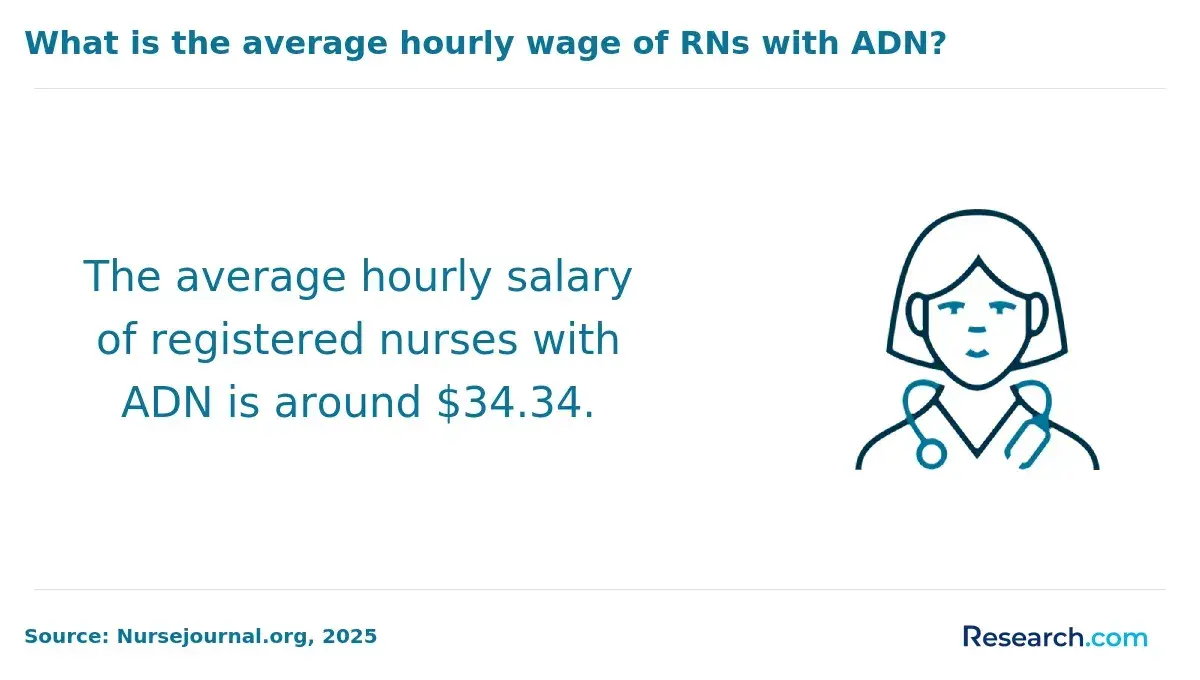
Registered nurses (RNs) in South Dakota without a BSN degree earn an average salary of approximately $60,540 to $64,515 annually, and earning a BSN can significantly enhance their salary and career prospects. To compare the salary outcomes between nurses with an associate degree (ADN) and those with a Bachelor of Science in Nursing (BSN), consider the following key insights:
- Average Salary Comparison: BSN-prepared nurses generally earn higher salaries than ADN nurses, especially in hospitals or urban healthcare settings where the BSN is preferred or required.
- Salary Differences by Healthcare Setting: Larger healthcare systems and Magnet-recognized hospitals often offer higher pay and bonuses for BSN credentials, while rural facilities may show smaller salary gaps.
- Impact of Experience and Leadership Roles: BSN nurses are more likely to assume supervisory or managerial positions with higher pay, reaching or exceeding the 75th percentile of RN salaries in the state.
- Long-Term Earning Potential: BSN credentials open doors to advanced practice roles and continuing education benefits, leading to substantial increases in lifetime earnings beyond entry-level salary bumps.
Here's What RN to BSN Graduates in South Dakota Have to Say About Their Degree
- Completing the online RN to BSN program at Black Hills State University allowed me to balance work and study seamlessly. The flexibility of the coursework was perfect for my busy schedule, and it prepared me thoroughly for the diverse healthcare challenges in South Dakota. Starting my nursing career in a local school setting gave me the unique opportunity to impact the health education of young students directly. I feel empowered knowing that my degree opens doors for ongoing professional growth here. The experience truly strengthened my passion for community health and nursing leadership. Serena
- Enrolling in the hybrid RN to BSN program at Dakota State University was a transformative journey that combined in-person learning with online convenience. The dedicated faculty and collaborative environment pushed me to excel both academically and personally. After graduating, I began working in a local school where I focus on promoting wellness and preventive care among children. Pursuing this degree in South Dakota presented some challenges, such as adapting to rural health concerns, but it also offered unparalleled opportunities to make a tangible difference in my community. Dan
- Attending the on-campus RN to BSN program at the University of South Dakota helped me cultivate a professional mindset essential for career advancement. The curriculum's emphasis on evidence-based practice and ethical leadership equipped me for the complexities of modern nursing roles. Once I completed my degree, I started working in a local school environment where I am dedicated to enhancing student health outcomes. This program not only refined my clinical skills but also deepened my commitment to lifelong learning and serving the diverse populations within South Dakota. Blaire
Related Articles for Nearby States
- 2027 Best RN to BSN Programs in North Dakota: Online & Campus
- 2027 Best RN to BSN Programs in Nebraska: Online & Campus
- 2027 Best RN to BSN Programs in Minnesota: Online & Campus
- 2027 Best RN to BSN Programs in Wyoming: Online & Campus
- 2027 Best RN to BSN Programs in Iowa: Online & Campus
- 2027 Best RN to BSN Programs in Montana: Online & Campus
- 2027 Best RN to BSN Programs in Colorado: Online & Campus
- 2027 Best RN to BSN Programs in Kansas: Online & Campus
- 2027 Best RN to BSN Programs in Wisconsin: Online & Campus
- 2027 Best RN to BSN Programs in Missouri: Online & Campus
References:
- Top Online Bachelor Of Science In Nursing Programs Of 2025 | NurseJournal.org https://nursejournal.org/degrees/bsn/best-bsn-programs-online/
- Nurse Salaries By State + the Highest Paying States For RNs https://nurse.org/articles/highest-paying-states-for-registered-nurses/
- Learn All About Nursing School Accreditation and Why It Matters https://nightingale.edu/blog/accreditation-101.html
- Online vs. On-Campus RN to BSN Programs: What's the Difference? | Lindenwood https://online.lindenwood.edu/blog/online-vs-on-campus-rn-to-bsn-programs-whats-the-difference/
- Curriculum https://www.ndsu.edu/nursing/degrees/rn_to_bsn_track/curriculum
- BSN Degree Programs in South Dakota | Bachelors of Science in Nursing Online in SD https://www.bsnedu.org/south-dakota-pre-licensure-bsn/
- Registered Nursing https://www.wdt.edu/degree-programs/registered-nursing/
- How Much Do BSN Nurses Make In The USA? | Shiftmed Blog https://www.shiftmed.com/professionals/blog/how-much-do-bsn-nurses-make-in-the-usa/
- How Much Can I Earn With a BSN? https://www.allnursingschools.com/bsn/salary/
- Nursing (B.S.N.) - RN to B.S.N. https://sdstate.catalog.acalog.com/preview_program.php
Other Things You Should Know About RN to BSN Programs in South Dakota
Prospective students should consider accreditation, flexibility, cost, and program length when selecting an RN to BSN program in South Dakota. Assessing faculty qualifications, clinical placement opportunities, and support services offered by the institution will help ensure a quality education and smooth transition in 2027.
It is generally possible to complete an RN to BSN program in South Dakota while working full-time, especially through online programs designed with flexibility in mind. Many South Dakota institutions offering RN to BSN degrees provide part-time options and asynchronous coursework, allowing students to balance work and studies effectively. On-campus programs may require more structured scheduling, but hybrid formats are increasingly common, enabling students to attend some classes in person while completing others remotely. Prospective students should carefully review program formats and time commitments to select an option that aligns with their work schedule and personal responsibilities.
The best RN to BSN programs in South Dakota for 2027 feature flexible online and campus options, accreditation by recognized bodies, comprehensive curriculums focusing on advanced nursing, supportive faculty, and affordable tuition. These programs often offer accelerated tracks and have strong partnerships with local healthcare facilities for clinical experience.


