
2027 Best RN to BSN Programs in North Dakota: Online & Campus

Co-Founder and Chief Data Scientist
North Dakota's healthcare sector is growing steadily, with an anticipated 12% increase in registered nurse employment by 2030, underscoring a rising demand for nurses with enhanced qualifications. This trend highlights the potential value in pursuing an RN to BSN program within the state, which can open avenues for career advancement and better patient care opportunities. However, the decision to enroll in such a program requires careful consideration of format options, given the distinct demands and benefits of online versus on-campus learning environments in North Dakota.
This article explores the core aspects of RN to BSN programs in North Dakota, prepared by experts in career planning to provide an objective analysis. Readers will gain insight into what these programs entail, how to evaluate their options, and what expectations are reasonable. This guide aims to support informed decision-making by clarifying key factors influencing the choice between online and campus-based RN to BSN education in the state.
Key Benefits of RN to BSN Programs in North Dakota
- North Dakota offers affordable RN to BSN programs with tuition often below the national average, making education accessible without excessive debt.
- Flexible online options accommodate working nurses, backed by state-approved curricula ensuring quality education and compliance with North Dakota Board of Nursing standards.
- Graduates benefit from strong local healthcare connections, with a projected 12% job growth in nursing roles statewide through 2030, enhancing employment opportunities.
- What is an RN to BSN program and how does it work in North Dakota? Overview
- What courses are included in RN to BSN programs in North Dakota? Courses
- What are the admission requirements for RN to BSN programs in North Dakota? Requirements
- How long does it take to earn an RN to BSN degree in North Dakota? Duration
- How much does an RN to BSN program cost in North Dakota? Costs
- What are the pros and cons of online vs. on-campus RN to BSN programs in North Dakota? What are the pros and cons of online vs. on-campus RN to BSN programs in North Dakota?
- How do RN to BSN programs in North Dakota support clinical placements? How do RN to BSN programs in North Dakota support clinical placements?
- Which accrediting bodies approve RN to BSN programs in North Dakota? Which accrediting bodies approve RN to BSN programs in North Dakota?
- What career opportunities are available to RN to BSN graduates in North Dakota? Career Opportunities
- What is the average RN to BSN salary increase in North Dakota? Average Salary
What is an RN to BSN program and how does it work in North Dakota?
An RN to BSN program in North Dakota is an academic pathway for registered nurses who already hold an associate degree or diploma in nursing and want to earn a Bachelor of Science in Nursing. These programs aim to enhance nurses' knowledge, focusing on leadership, research, and evidence-based practice to prepare them for expanding roles in healthcare.
Available through both online and on-campus formats, the programs accommodate working nurses by offering flexible study options while maintaining quality through accreditation. By building on existing clinical experience, these RN to BSN programs in North Dakota help nurses advance their education and careers, positioning them for greater responsibilities and improved patient care outcomes.
The RN to BSN program is designed for practicing nurses who want to move beyond initial licensure and expand their professional scope. It particularly benefits those seeking leadership roles or specialization in areas like public health and case management.
The program also supports personal goals such as pursuing graduate studies or increasing earning potential; nationally, nurses with a BSN often have better job stability and higher salaries, as highlighted in data on nurse practitioner average salary by state. Importantly, the program's flexible design makes it accessible for adult learners balancing career and life commitments, while also aligning with employers' growing preference for BSN-prepared nursing staff.
What courses are included in RN to BSN programs in North Dakota?
This section provides an overview of core and specialized courses commonly included in RN to BSN programs in North Dakota, illustrating how these curricula enhance nurses' clinical expertise, leadership capacities, and professional growth. Key examples of the curriculum areas typically found in both online RN to BSN courses North Dakota and campus-based offerings include the following.
- Evidence-Based Practice and Research: This course teaches students to critically assess and apply scientific research in clinical settings, which strengthens decision-making and promotes care grounded in the latest evidence.
- Leadership in Nursing: Covering leadership principles and management theories, this course prepares students to effectively lead healthcare teams, communicate decisively, and advocate for quality improvements.
- Population and Community Health Nursing: Focusing on public health and epidemiology, it equips nurses to plan and implement interventions addressing community-wide wellness and health disparities.
- Quality and Safety in Healthcare: Students learn about patient safety, risk management, and quality improvement processes that are essential for fostering safer healthcare environments.
- Chronicity Throughout the Lifespan: This subject deepens understanding of managing chronic health conditions across diverse populations, supporting continuity of care and patient self-management skills.
- Professional Nursing Concepts and Immersion: Designed to facilitate the transition to baccalaureate-level practice, this experience emphasizes ethics, interprofessional collaboration, and reflective practice.
- Capstone Experience: The capstone integrates knowledge through projects or practicums, showcasing students' ability to apply evidence-based leadership and complex care delivery in preparation for advanced roles.
- Upper-Level Communication or English: Advanced communication coursework enhances critical thinking and professional documentation skills, important for patient education and interdisciplinary teamwork.
These courses are often structured in flexible formats, including eight-week blocks and fully online options, making RN to BSN curriculum North Dakota adaptable to working professionals. For nurses interested in expanding their expertise further, exploring how how can i start as a functional medicine nurse practitioner might complement their BSN-level foundation could offer valuable career pathways and a broader skill set.
What are the admission requirements for RN to BSN programs in North Dakota?
This section outlines the key qualifications and materials typically required to apply for RN to BSN programs in North Dakota, helping prospective students approach the admission process with clear expectations. The following list highlights the common admission requirements applicants should prepare for when considering enrollment in these programs, whether online or on-campus.
- Active RN License: Applicants must hold an active, unencumbered registered nurse license valid in North Dakota. This requirement confirms legal eligibility to practice nursing and ensures foundational competency through successful completion of the NCLEX-RN exam.
- Accredited Nursing Degree: A completed Associate Degree in Nursing (ADN), Associate of Science in Nursing (ASN), or nursing diploma from an accredited institution is necessary. This prerequisite guarantees a solid clinical and theoretical background suited for advanced study.
- Minimum GPA: Most programs demand a cumulative GPA between 2.5 and 2.75 on a 4.0 scale, reflecting academic readiness and competitiveness. For example, institutions like North Dakota State University and the University of Mary typically require at least a 2.75 GPA, while Mayville State University accepts a 2.5 minimum.
- Official Transcripts: Submission of official transcripts from all previously attended post-secondary schools is essential for credit evaluation and transfer. This supports accurate academic assessment and ensures appropriate placement within the program.
- Prerequisite Coursework: Proof of completed prerequisite courses, including general education and foundational sciences, is often mandatory. This demonstrates sufficient preparation to handle the rigor of the BSN-level curriculum.
- CPR Certification: Current certification in Basic Life Support (BLS) or CPR for healthcare providers is typically required. This validates the applicant's readiness to comply with clinical safety standards during practicum experiences.
- Health and Immunization Records: Up-to-date immunizations and occasionally proof of personal health insurance are expected. These measures protect all participants during clinical activities and are standard in healthcare education programs.
- Background Check: A criminal background check is usually mandated to ensure suitability for clinical placements and alignment with employer policies.
- Personal Statement and/or Interview: Some programs request a statement of professional goals or conduct interviews to evaluate motivation and communication skills, which provide additional insight beyond academic metrics.
- Application and Program-Specific Fees: A non-refundable application fee is commonly required upon submission to cover administrative costs.
Meeting these prerequisites for RN to BSN programs in North Dakota enables candidates to demonstrate their academic and professional qualifications in line with program standards. Nurses aiming to advance their careers might also consider exploring specialized pathways, such as the list of best ag acnp programs, for further professional growth opportunities.
How long does it take to earn an RN to BSN degree in North Dakota?
This section outlines typical timeframes for completing RN to BSN programs in North Dakota, considering various program formats and student needs to help inform your planning. The following list breaks down average completion durations based on full-time, part-time, accelerated, and self-paced options commonly available in the region.
- Full-Time Programs: Generally completed in around 12 months or two semesters, full-time tracks cater to nurses who can dedicate substantial time to studies. These formats often feature fully online coursework and flexible clinical placements, suitable for those seeking faster career advancement.
- Part-Time Programs: Taking approximately 18 to 24 months, part-time programs spread the curriculum over three to four semesters. This option is designed for working nurses balancing professional and personal responsibilities while steadily progressing toward a BSN.
- Accelerated Programs: Some universities offer intensive, blocked course formats allowing completion in as little as two semesters if students manage a heavy workload. These accelerated paths fit highly motivated individuals comfortable with a demanding pace and tight deadlines.
- Self-Paced or Hybrid Scheduling: Flexible start dates and hybrid models, including options extending up to five semesters, accommodate nurses needing adaptability. These formats may be ideal for those whose work schedules or life situations fluctuate, though timelines can vary widely depending on individual pace.
How much does an RN to BSN program cost in North Dakota?
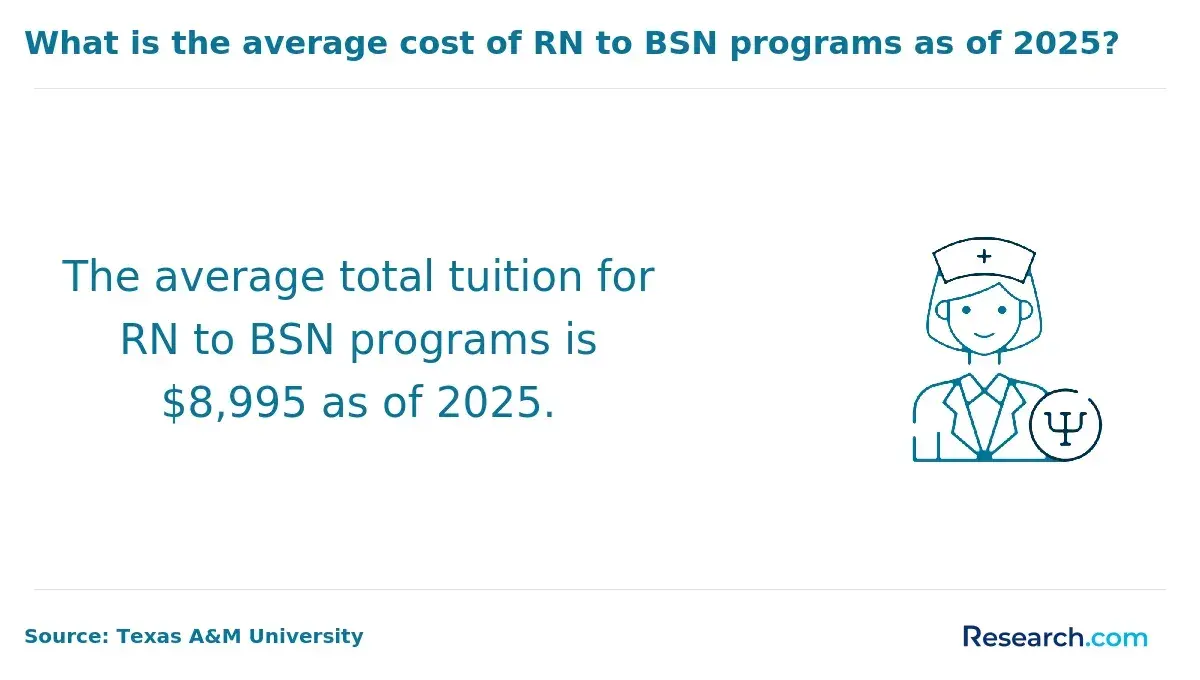
This section provides a clear understanding of the typical tuition range and overall costs associated with RN to BSN programs in North Dakota, highlighting differences between online and on-campus formats. To clarify what students should expect financially, here is a breakdown of the main cost factors that can influence the total expenses of completing these programs.
- Tuition per Credit Hour: Tuition rates often vary between online and on-campus programs, with in-state students generally paying less. Online programs may charge slightly higher per-credit fees due to technology and support services, while on-campus rates may include campus facility access costs.
- Total Program Cost: The overall cost depends on the required credit hours to complete the degree, which usually range from 30 to 45 credits. On-campus programs might include additional expenses like parking and campus fees that can increase costs compared to online options.
- Additional Fees for Online Programs: Online students may encounter fees related to virtual labs, software licenses, or proctoring services for exams. These supplemental costs vary by institution and can impact the affordability of the program.
- Financial Aid and Employer Assistance: Many programs offer scholarships, grants, or payment plans that can reduce the financial burden. Additionally, healthcare employers in North Dakota sometimes provide tuition reimbursement or incentives for employees pursuing RN to BSN degrees, which is an important factor for budgeting.
A nurse from North Dakota who completed a hybrid RN to BSN program shared that while the upfront cost seemed daunting, careful planning and employer tuition reimbursement made the degree feasible. He recalled, "Managing the payments alongside work was challenging, but the hybrid format allowed me to keep a job and continue earning."
The nurse noted that his total out-of-pocket expense was substantially lower than the listed tuition because of financial aid and that this support made the journey "more achievable and rewarding" despite initial concerns about balancing costs with family responsibilities.
What are the pros and cons of online vs. on-campus RN to BSN programs in North Dakota?
For prospective nursing students in North Dakota, deciding between online RN to BSN programs North Dakota and traditional on-campus formats involves evaluating flexibility, cost, and career priorities. Online or hybrid options provide adaptable schedules ideal for working professionals, while on-campus programs offer structured environments with direct interaction. Each pathway suits different lifestyles and goals.
Below is a comparison of the pros and cons of online and on-campus RN to BSN programs to help clarify key differences.
Online or Hybrid RN to BSN Programs
- Pro: Offers significant flexibility, allowing nurses to balance work and family commitments without relocating or adhering to fixed class times.
- Pro: Clinical practicums can often be completed locally, making hands-on experience accessible without extensive travel.
- Con: Limited in-person networking opportunities may reduce chances for mentorship and spontaneous collaboration compared to on-campus settings.
On-Campus RN to BSN Programs
- Pro: Provides a structured learning environment with face-to-face interaction, fostering stronger relationships with faculty and peers.
- Pro: Greater access to campus resources and potential for enhanced mentorship and professional networking.
- Con: Less flexible scheduling can create challenges for working nurses, often requiring adjustments in employment or family routines.
Both learning formats ultimately strengthen nursing careers, contributing to roles with leadership potential and improved compensation. For nurses seeking data on earnings after earning a BSN, exploring resources on nurse practitioner salary can offer additional insight into career advancement opportunities.
How do RN to BSN programs in North Dakota support clinical placements?
This section explains how RN to BSN programs in North Dakota effectively support clinical placements, enabling students to gain essential hands-on experience and meet clinical requirements. These programs offer multiple forms of clinical support to help students balance education with professional responsibilities and build practical skills, including:
- Partnerships with Local Healthcare Facilities: Programs collaborate with hospitals, clinics, and community health centers to provide diverse clinical environments, helping students experience a wide range of patient care settings that enhance their readiness for practice.
- Preceptor or Mentor Matching: Students are paired with experienced healthcare professionals who offer guidance, foster clinical judgment, and develop professional networks essential for career growth in nursing.
- Flexibility for Current RNs: Many programs allow current nurses to complete clinical hours at their workplaces, which helps maintain continuity between work and study without compromising job commitments.
- Guidance from Faculty or Clinical Coordinators: Personalized advising supports students in meeting clinical requirements and integrating classroom knowledge with real-world nursing practice
When I spoke with a nurse who completed an RN to BSN program from a local North Dakota school, she reflected on how the tailored support eased her transition. She recalled feeling overwhelmed initially by the thought of juggling work and clinical hours, but the ability to use her employer's site for clinical experiences was a game-changer.
"Having a faculty advisor who checked in regularly helped me stay on track and boosted my confidence," she said. Her story highlights how practical flexibility and mentorship not only make clinical placements manageable but also empower nurses to advance their careers while continuing to care for patients.
Which accrediting bodies approve RN to BSN programs in North Dakota?
Accreditation is a critical measure for assuring the quality, credibility, and recognition of RN to BSN programs in North Dakota, influencing licensure, employer preferences, and educational standards. The following national and state accrediting organizations play key roles in approving and overseeing these programs:
- North Dakota Board of Nursing (NDBON): As the state agency responsible for approving nursing education programs, NDBON ensures compliance with legal and educational standards necessary for RN licensure in North Dakota. Its approval requires meeting specific benchmarks such as maintaining an 80% or higher first-time NCLEX pass rate, emphasizing safe and competent nursing practice.
- Commission on Collegiate Nursing Education (CCNE): Recognized nationally, the CCNE accredits bachelor's and graduate nursing programs based on curriculum quality, faculty expertise, and student outcomes. Although voluntary, CCNE accreditation is often preferred by employers and can enhance opportunities for federal financial aid and further education.
- Accreditation Commission for Education in Nursing (ACEN): This national accreditor evaluates nursing programs across all levels, focusing on standards like curriculum content, faculty qualifications, and student support. ACEN accreditation provides students with assurance of educational quality and can aid in advancing licensure and degree pursuits.
- Commission for Nursing Education Accreditation (CNEA): A relatively newer accrediting body affiliated with the National League for Nursing, CNEA accredits nursing programs emphasizing modern nursing practices and continuous improvement. Though less common in North Dakota RN to BSN programs, CNEA accreditation is recognized by employers and state boards alike.
What career opportunities are available to RN to BSN graduates in North Dakota?
This section provides an overview of the diverse nursing roles and advancement paths available to RN to BSN graduates in North Dakota, illustrating the expanded career options and professional growth opportunities their education unlocks. Below are specific examples of common career opportunities for BSN-prepared nurses in North Dakota and how the program equips them for these roles.
- Acute Care Nurse: Working primarily in hospitals, acute care nurses handle patients with complex and rapidly changing health needs. RN to BSN graduates gain enhanced clinical judgment and critical thinking skills vital for these demanding environments.
- Long-Term Care Nurse: These nurses provide continual care in nursing homes and rehabilitation centers, managing care teams and leading quality improvement efforts. BSN education strengthens leadership and advanced assessment capabilities necessary in these settings.
- Clinic Nurse: Often employed in outpatient clinics or community health centers, clinic nurses focus on preventive care and chronic disease management. The RN to BSN curriculum bolsters competencies in health promotion and patient education fitting these roles.
- Nurse Manager/Leader: Overseeing nursing staff and operational workflow, nurse managers act in hospitals, clinics, or long-term care. BSN programs emphasize leadership, communication, and management, preparing graduates for supervisory and executive roles.
- Critical Care Nurse: Working in ICUs or high-acuity wards, critical care nurses address life-threatening conditions with advanced clinical proficiency acquired during RN to BSN studies.
- Public Health Nurse: Focused on community health and prevention, these nurses engage with public health programs and outreach, benefitting from the population health perspective included in BSN coursework.
- Nurse Case Manager: Coordinating complex patient care across settings, case managers require strong communication and advocacy skills developed in BSN training.
- Health Educator: As health educators, BSN nurses design and deliver educational programs, applying their enhanced teaching skills and cultural competence.
- Travel Nurse: Travel nurses take on temporary assignments requiring adaptability and leadership, with BSN-prepared nurses preferred due to their advanced training.
BSN-prepared RN career advancement North Dakota is supported by evidence showing increased salary potential and higher employment rates compared to associate degree nurses, underpinning the value of this degree pathway. For those considering further education, understanding what is the most affordable online rn to msn degree program may also be beneficial as a next step toward specialized roles and leadership positions.
What is the average RN to BSN salary increase in North Dakota?
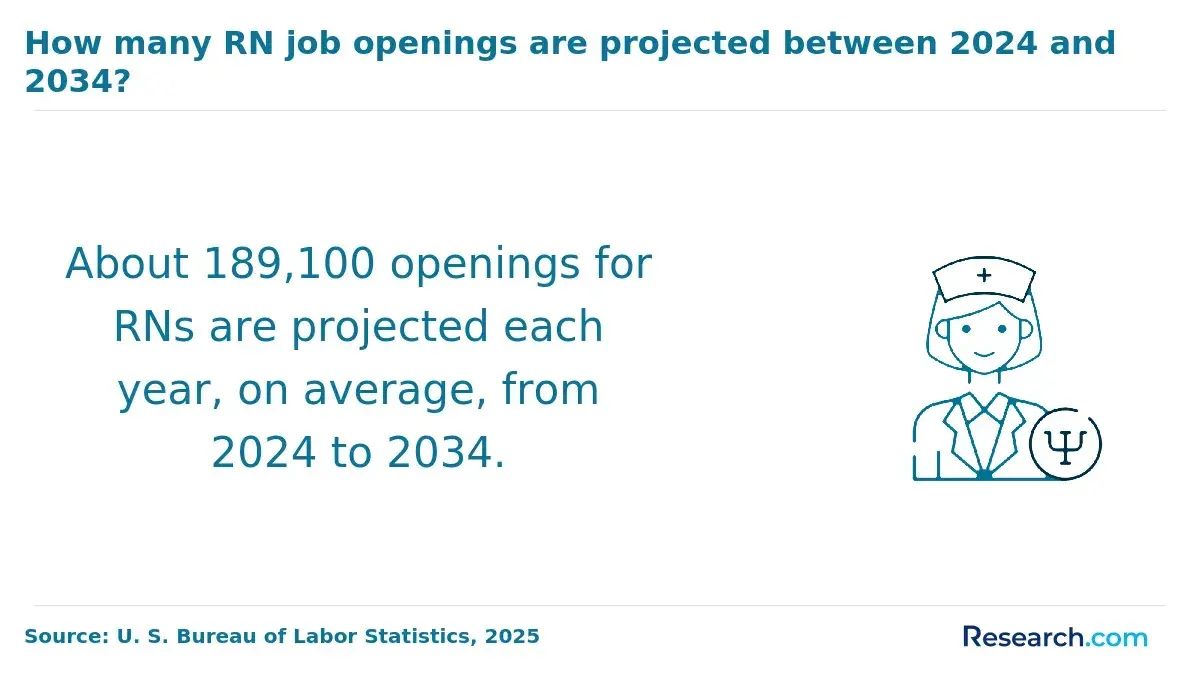
The average salary for a registered nurse without a BSN degree in North Dakota is approximately $71,200 per year, and obtaining a Bachelor of Science in Nursing can notably influence salary potential and career opportunities. Considering the investment in time and cost for RN to BSN programs, it is important to understand the salary implications to make an informed decision.
Below are key insights comparing salary outcomes for nurses with an associate degree (ADN) versus those holding a BSN.
- Average Salary Comparison (ADN vs. BSN): Nurses with a BSN generally earn 5-15% more than those with an ADN, translating to an estimated salary range of $74,000-$82,000 annually in North Dakota depending on experience and employer.
- Salary Differences by Healthcare Setting: BSN-prepared nurses often secure positions in acute care hospitals and specialty clinics, which typically offer higher wages than long-term care or outpatient facilities commonly staffed by ADN holders.
- Impact of Experience and Leadership Roles: BSN credentials enhance access to supervisory and clinical educator roles, with experienced BSN nurses reaching salaries upwards of $95,000, reflecting both experience and advanced responsibilities.
- Long-Term Earning Potential: Over a career span, BSN nurses' cumulative earnings can exceed those of ADN nurses by tens of thousands of dollars due to higher entry salaries, raises, and eligibility for advanced roles.
Here's What RN to BSN Graduates in North Dakota Have to Say About Their Degree
- Andersen: "Completing the online RN to BSN program at the University of North Dakota was a game-changer for me. The flexibility allowed me to balance work and family while advancing my nursing education. I felt supported by faculty who understood the challenges of online learning, and the curriculum really emphasized community health and leadership. Today, I'm proud to work in a local school where I can apply my knowledge directly to improve student wellness and health education. This degree opened doors I didn't think were possible. "
- Barajas: "Attending the hybrid RN to BSN program at Minot State University gave me the perfect blend of in-person and online learning experiences. The hands-on sessions on campus enriched my understanding, while the online coursework fit my busy schedule. Starting my career as a nurse in a local school, I quickly realized how important it is to have a BSN background when dealing with the complex health needs of young people. It also helped me grow personally, giving me confidence in both clinical and community settings. "
- Marisol: "Enrolling in the on-campus RN to BSN program at Dakota State College was a profound journey for me. The immersive classroom environment fostered meaningful discussions with peers and instructors that deepened my understanding of public health challenges unique to North Dakota. This experience sparked a passion for contributing to the well-being of our rural communities. Professionally, my BSN has expanded my career options and allowed me to take on leadership roles that impact health policy in local schools."
Related Articles for Nearby States
- 2027 Best RN to BSN Programs in South Dakota: Online & Campus
- 2027 Best RN to BSN Programs in Minnesota: Online & Campus
- 2027 Best RN to BSN Programs in Montana: Online & Campus
- 2027 Best RN to BSN Programs in Nebraska: Online & Campus
- 2027 Best RN to BSN Programs in Wyoming: Online & Campus
- 2027 Best RN to BSN Programs in Iowa: Online & Campus
- 2027 Best RN to BSN Programs in Wisconsin: Online & Campus
- 2027 Best RN to BSN Programs in Colorado: Online & Campus
- 2027 Best RN to BSN Programs in Kansas: Online & Campus
- 2027 Best RN to BSN Programs in Illinois: Online & Campus
References:
- Best Nursing Schools in North Dakota - ADN, BSN - Updated https://www.registerednursing.org/state/north-dakota/
- Nursing: RN to BSN https://www.ndsu.edu/programs/undergraduate/nursing-rn-to-bsn
- 2025 RN Salary Guide: State-by-State Pay https://nursa.com/salary/rn
- Pros and Cons of Online Nursing | NDMU ABSN https://absn.ndm.edu/blog/pros-cons-online-nursing/
- Top South Dakota RN to BSN Programs | Accredited Schools https://rntobsnprograms.com/schools/north-dakota
- Bismarck Educational Assistance https://sanfordcareers.com/education-assistance/bismarck/
- Bachelor of Science (RN-to-BSN) Program https://mayvillestate.edu/academics/majors-and-minors/nursing/rn-bsn/
- BSC Nursing (LPN/RN) - 11-Month and 2-Year Programs | Bismarck State College https://bismarckstate.edu/academics/programs/liberalartstransferprograms/nursing/dnp/
- Learn All About Nursing School Accreditation and Why It Matters https://nightingale.edu/blog/accreditation-101.html
- Apply to RN to BSN Program | University of North Dakota https://und.edu/programs/nursing-completion-rn-bsn/how-to-apply.html
Other Things You Should Know About RN to BSN Programs in North Dakota
In 2027, the top RN to BSN programs in North Dakota include the fully online University of North Dakota program, North Dakota State University's hybrid option, and Minot State University's flexible online curriculum. Each program offers a comprehensive approach to nursing education, catering to working RNs looking to advance their careers.
Yes, RN to BSN graduates in North Dakota can qualify for leadership or specialized roles. Earning a BSN enhances clinical skills, fosters critical thinking, and provides knowledge in leadership. This prepares nurses for roles such as nurse manager, clinical nurse leader, or specialized clinical positions in healthcare settings.


