
2027 Best RN to BSN Programs in Wisconsin: Online & Campus

Co-Founder and Chief Data Scientist
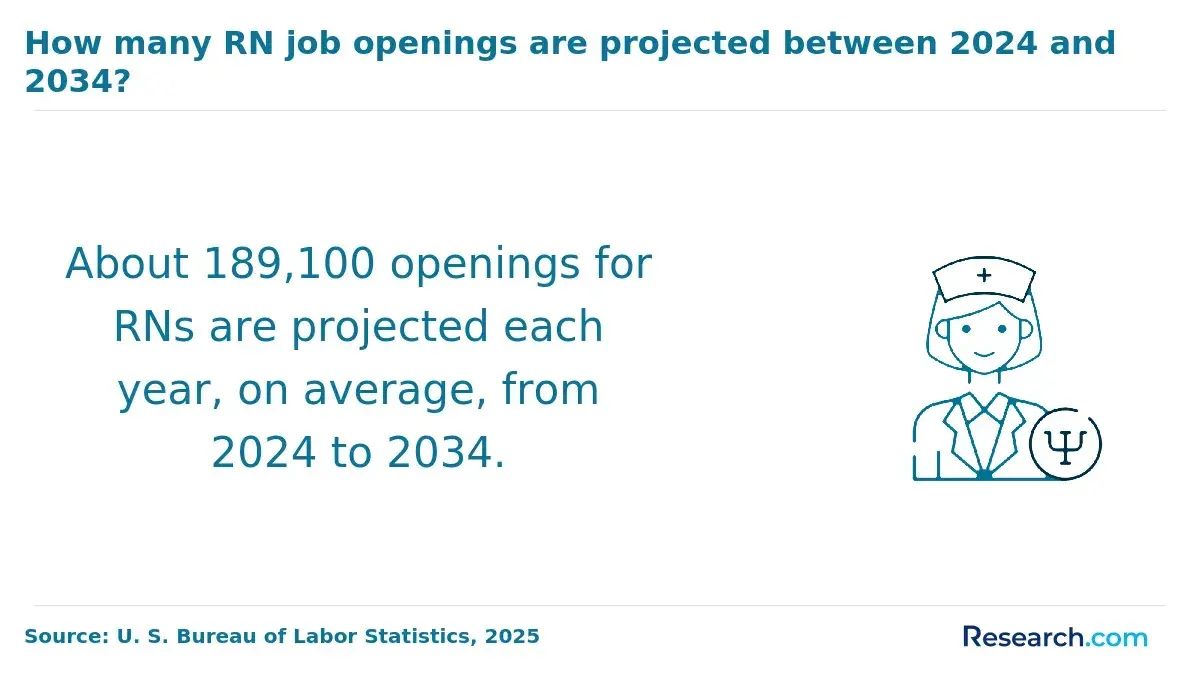
Wisconsin's healthcare sector is growing steadily, with registered nurses projected to increase by 12% through 2030, highlighting a strong demand for BSN-prepared nurses. Advancing from an RN to a BSN in Wisconsin can significantly improve job prospects, earning potential, and clinical responsibilities within this evolving market. Understanding the state's educational offerings helps nursing professionals capitalize on these opportunities.
This article explores the structure and benefits of RN to BSN programs available both online and on campus in Wisconsin. Created by experts in career planning, it guides readers through program expectations, key selection criteria, and practical advice for navigating the decision-making process.
Key Benefits of RN to BSN Programs in Wisconsin
- Flexible options allow working nurses in Wisconsin to choose between online and campus programs, accommodating busy schedules without sacrificing education quality.
- Graduates see a median salary increase of up to 20% compared to RN-only roles, reflecting strong ROI on BSN investments in the Wisconsin healthcare market.
- Wisconsin programs emphasize leadership and evidence-based practice, aligning with regional hospital requirements and improving job prospects across top health systems.
- What is an RN to BSN program and how does it work in Wisconsin?
- What courses are included in RN to BSN programs in Wisconsin?
- What are the admission requirements for RN to BSN programs in Wisconsin?
- How long does it take to earn an RN to BSN degree in Wisconsin?
- How much does an RN to BSN program cost in Wisconsin?
- What are the pros and cons of online vs. on-campus RN to BSN programs in Wisconsin?
- How do RN to BSN programs in Wisconsin support clinical placements?
- Which accrediting bodies approve RN to BSN programs in Wisconsin?
- What career opportunities are available to RN to BSN graduates in Wisconsin?
- What is the average RN to BSN salary increase in Wisconsin?
What is an RN to BSN program and how does it work in Wisconsin?
An RN to BSN program in Wisconsin is a structured pathway for registered nurses (RNs) who have an associate degree or nursing diploma and want to advance to a Bachelor of Science in Nursing (BSN). The main goal is to build on the clinical skills and real-world experience nurses already have while expanding their knowledge in leadership, critical thinking, and evidence-based practice.
These programs are usually delivered online through various University of Wisconsin campuses, providing flexibility for working professionals. By completing the RN to BSN program, nurses can enhance their qualifications to meet the growing employer expectations within the state.
The RN to BSN program is designed for licensed RNs looking to increase their professional opportunities without leaving their current jobs. It suits nurses aiming for leadership, specialized roles, or those who plan to pursue graduate nursing education in the future. Earning a BSN often translates to higher earning potential and chances for advancement, which aligns with many professional goals.
For those curious about career trajectories, exploring the highest paid nurse practitioner specialties can provide additional motivation to complete the RN to BSN pathway and expand career options.
What courses are included in RN to BSN programs in Wisconsin?
To help you navigate the coursework involved in these programs, here are some key courses and focus areas typically offered in a Wisconsin RN to BSN curriculum that build clinical expertise, leadership, and professional development:
- Transition to BSN: This course prepares students for the role of a baccalaureate-prepared nurse, emphasizing leadership, critical thinking, and research. It supports the transition from associate degree nursing by developing skills to manage healthcare teams effectively.
- Indigenous Practices in Health and Healing: Focused on cultural competence, this course teaches students to understand and respect indigenous healthcare beliefs and practices, leading to more culturally sensitive nursing care and better patient outcomes.
- Foundations of Professional Nursing Practice: Students explore ethical principles, legal issues, and professional standards essential for navigating complex situations in healthcare systems.
- Chronic Care Management: This course emphasizes creating care plans for patients with long-term conditions, aiming to improve quality of life while reducing costly hospital visits and complications.
- Research & Evidence-Based Practice: Building skills in evaluating and applying nursing research helps students adopt evidence-based decision-making, a key to advancing patient care and nursing practice.
- Leadership & Management: Designed to build strategic planning, communication, and conflict resolution skills, this course equips nurses to lead and manage healthcare teams and resources efficiently.
- Information Management & Healthcare Technology: This area teaches practical use of digital tools such as electronic health records and telehealth, crucial for modern healthcare delivery.
- Community Health Nursing: Students learn to assess community needs and develop education programs, preparing them to promote health equity and work effectively in public health environments.
- Nursing Synthesis & Application: Capstone and Clinical: A culmination experience requiring students to apply theory to practice in clinical settings, demonstrating mastery of nursing competencies.
- Electives: Options like Cross-Cultural Health, Aging and Health, Global Health: Ethics and Human Rights, and Mental Health Nursing allow students to tailor their education toward specific interests or career goals.
For those considering specialized advancement, learning more about the psychiatric nurse practitioner how to become is a valuable next step after completing the Wisconsin RN to BSN core courses.
What are the admission requirements for RN to BSN programs in Wisconsin?
This section provides a practical overview of the typical qualifications and documentation needed to apply for RN to BSN programs in Wisconsin. Below is a list of the common admission requirements that will help you prepare a successful application.
- Active and Unencumbered RN License: You must hold a current, valid license to practice as a registered nurse, either in Wisconsin or the state where clinical hours will take place. This ensures you are legally authorized to work in nursing and eligible for clinical coursework.
- Associate Degree or Nursing Diploma: Applicants need to have completed an accredited associate degree in nursing or a diploma program. Some programs accept equivalent foreign credentials if officially recognized, providing a solid clinical foundation for baccalaureate studies.
- Minimum Cumulative GPA: Most institutions require a GPA between 2.0 and 2.5 on a 4.0 scale, with some competitive options demanding a 2.5 or higher. Maintaining this GPA threshold helps confirm academic preparedness for upper-level nursing courses.
- Official Transcripts: Submission of official transcripts from all prior post-secondary education is mandatory. This verifies previous coursework and assists programs in granting transfer credits, often covering 60 to 90 credits for past nursing studies.
- Completed Admission Application: A formal application must be submitted, generally via the school's online portal. Additional documents such as a resume or personal statement may be required to support your candidacy.
- General Education Prerequisites: Some programs require completion of foundational courses in areas like English, sciences, or statistics to ensure you are well-prepared for the academic rigor of the BSN program.
- Background Check and Health Documentation: To ensure safety in clinical settings, most programs mandate a criminal background check, immunization proof, and health insurance verification before beginning clinical rotations.
For those aiming to enhance their nursing qualifications swiftly, exploring a 12 month FNP program could also be a practical next step after earning your BSN.
How long does it take to earn an RN to BSN degree in Wisconsin?
The duration of RN to BSN programs in Wisconsin varies based on the mode of study and student enrollment preferences, providing flexibility to meet diverse scheduling needs. Below is a breakdown of average completion times by program format and who they best serve:
- Full-Time Programs: These typically take 12 to 18 months and are ideal for nurses who can dedicate extensive time to studies while working. Many full-time options, including online and hybrid tracks, allow motivated students to finish quickly and advance their careers sooner.
- Part-Time Programs: Designed for working professionals balancing multiple commitments, part-time tracks generally require 18 to 30 months to complete. This option offers a manageable pace for those who cannot commit to full-time study but want steady progress.
- Self-Paced or Competency-Based Options: Allowing students to complete coursework and assessments on their own schedule, these programs can range from 12 months for highly driven learners up to three years for those needing maximum flexibility. This format works best for nurses with unpredictable hours or a preference for individualized pacing.
- Hybrid and Campus-Based Programs: Combining online learning with occasional on-campus sessions, these typically take 12 to 24 months. This approach suits students who want some in-person interaction without sacrificing the convenience of online study.
How much does an RN to BSN program cost in Wisconsin?
To give a clear picture of the costs involved in RN to BSN programs in Wisconsin, it's important to break down the various expenses prospective students should expect. Below is a list of the main cost factors that differentiate online and on-campus options and influence your overall investment.
- Tuition per credit hour: This is the core expense, typically ranging from moderate to high depending on the institution. Online programs often offer a flat rate per credit or a state-resident discount, while on-campus tuition may include higher rates reflecting campus facilities and services.
- Total program cost: This includes all credits required to complete the BSN, generally between 30 and 40 credits. Online programs can sometimes reduce costs due to fewer campus fees, but total expenses will also depend on course load and length of study.
- Additional fees: Online students may face technology or distance learning fees, while on-campus learners often pay activity or lab fees. These charges add up and vary significantly by school, so factoring them in is essential when budgeting.
- Financial aid and employer assistance: Many Wisconsin RN to BSN students leverage scholarships, grants, or tuition reimbursement through employers. These options can substantially offset out-of-pocket costs and should be explored early in the planning process.
When I spoke with a Wisconsin nurse who completed a hybrid RN to BSN program at a local school, he reflected on the financial journey candidly. "I initially underestimated how quickly tuition, fees, and books would add up," he said. His total cost landed around $15,000, including some employer tuition help that made a big difference. Balancing work, study, and payments was challenging but ultimately rewarding. "It felt like an investment in my future-I kept reminding myself that every dollar brought me closer to better opportunities and growth in my nursing career," he shared. This perspective highlights the importance of careful financial planning alongside academic preparation for anyone considering an RN to BSN path in Wisconsin.
What are the pros and cons of online vs. on-campus RN to BSN programs in Wisconsin?
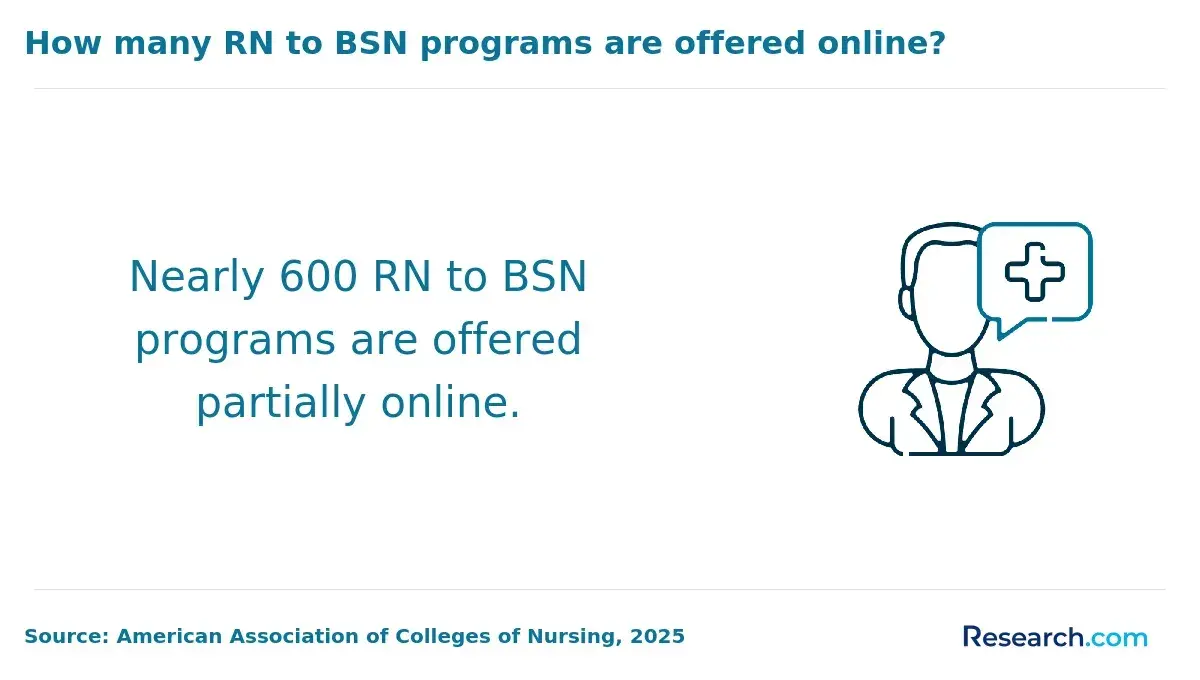
Online and hybrid programs offer the flexibility needed by working professionals or those with family commitments, while on-campus programs provide more structured environments and face-to-face interaction that some students might prefer. Knowing the pros and cons of each format can help you align your educational path with your personal circumstances.
Below is a comparison highlighting key advantages and drawbacks of online or hybrid versus on-campus options to guide your decision:
Online or Hybrid RN to BSN Programs
- Pro: Flexibility and Convenience - These programs allow asynchronous study, which helps accommodate varying work shifts and family responsibilities without the need for relocation.
- Pro: Cost Savings - With flat tuition rates and generous credit transfer policies, online programs reduce overall expenses, making them attractive for many students in Wisconsin pursuing RN to BSN online Wisconsin.
- Con: Limited In-Person Networking and Hands-On Experiences - Although clinical components are required, most interaction happens virtually, potentially limiting opportunities for mentorship and peer collaboration.
On-Campus RN to BSN Programs
- Pro: Enhanced Face-to-Face Interaction - Direct access to faculty and classmates supports deeper networking and mentorship, benefiting those seeking a traditional campus experience.
- Pro: Structured Environment and Support - The scheduled classes and immediate feedback provide stronger guidance, which some students find essential for success.
- Con: Less Flexibility, Higher Costs - Fixed class times and commuting may be challenges for working nurses, and tuition can be higher compared to online options, influencing decisions about Wisconsin RN to BSN online vs campus programs.
For those exploring further options in nursing education, you can also review a list of easiest neonatal nurse practitioner online programs to get into, which may complement your BSN advancement.
How do RN to BSN programs in Wisconsin support clinical placements?
RN to BSN programs in Wisconsin provide practical pathways for students to gain hands-on clinical experience while meeting program requirements. Here are key ways these programs support clinical placements, ensuring students balance work, study, and skill development effectively:
- Partnerships with Local Healthcare Facilities: These programs collaborate with a wide range of hospitals and clinics across Wisconsin, giving students access to diverse clinical sites that enrich their practical knowledge and adaptability.
- Preceptor or Mentor Matching: Students are paired with experienced nurse mentors who guide their clinical rotations, offering personalized feedback and fostering professional growth through real-world practice.
- Flexible Clinical Placement Options for Working RNs: Many programs allow students to complete clinical hours at their current jobs or nearby locations, accommodating work schedules and reducing travel strains.
- Faculty and Clinical Coordinator Support: Dedicated staff assist with site placement, compliance paperwork, and problem resolution, helping students navigate the clinical process smoothly.
When I spoke with a Wisconsin nurse who completed her RN to BSN program locally, she shared how the program's clinical coordinator worked closely with her to secure a practicum at her workplace, which was critical as she juggled full-time shifts and family commitments. "They understood my schedule and helped arrange my hours so I could gain meaningful experience without sacrificing my job," she said. Despite the challenge of balancing responsibilities, the tailored support made her clinical placements feel manageable and rewarding, ultimately boosting her confidence to step into more advanced nursing roles.
Which accrediting bodies approve RN to BSN programs in Wisconsin?
Accreditation is essential for ensuring the quality, credibility, and recognition of RN to BSN programs in Wisconsin, as it confirms these programs meet high educational and professional standards. Below are the primary national and state-level accrediting organizations that oversee and approve RN to BSN programs in Wisconsin.
- Commission on Collegiate Nursing Education (CCNE): CCNE is the leading national agency accrediting baccalaureate and graduate nursing programs. Its approval verifies that a program maintains rigorous curriculum quality, qualified faculty, strong student outcomes, and ongoing improvement. Many Wisconsin RN to BSN programs hold CCNE accreditation, making them eligible for federal financial aid and recognized by employers and graduate schools.
- Higher Learning Commission (HLC): HLC accredits whole institutions rather than individual programs. Wisconsin public universities offering RN to BSN degrees are part of HLC-accredited institutions, ensuring overall academic quality and that earned credits are transferable and respected by employers and further education providers.
- Wisconsin State Board of Nursing (Department of Safety & Professional Services): This state agency regulates nursing programs to confirm compliance with Wisconsin-specific educational and practice standards. Board approval is necessary for graduates to maintain nursing licensure and meet state practice requirements, which is crucial for career advancement within Wisconsin's healthcare system.
What career opportunities are available to RN to BSN graduates in Wisconsin?
RN to BSN graduates in Wisconsin unlock a variety of career advancement for BSN nurses in Wisconsin, gaining access to expanded roles that leverage their enhanced skills and education. These roles span clinical care, leadership, education, community health, and quality improvement, providing multiple pathways for professional growth.
- Clinical Nurse in Acute and Specialty Care: Working in hospitals or specialty clinics, these nurses provide advanced patient care in settings like critical care, emergency departments, and pediatrics. The RN to BSN curriculum's focus on evidence-based practice and clinical leadership equips graduates to excel in demanding clinical environments.
- Nurse Manager or Charge Nurse: BSN nurses often move into supervisory roles overseeing staff and patient care coordination. Leadership training in RN to BSN programs prepares graduates for managing teams and implementing quality improvement projects.
- Community Health Nurse: In public health departments and community clinics, these nurses focus on health education, preventive care, and population health management. The community health practicum within RN to BSN studies builds essential outreach skills.
- Nurse Educator or Clinical Instructor: These roles involve teaching patients or other healthcare professionals, requiring strong communication and instructional skills developed through BSN coursework.
- Case Manager: BSN nurses coordinate patient care transitions and advocate for effective treatment plans in hospitals, insurance, or home health agencies, benefiting from RN to BSN training in care coordination and systems thinking.
- Healthcare Quality or Patient Safety Coordinator: Focusing on improving care outcomes, these nurses use their expanded knowledge in data analysis and evidence-based practice acquired during their BSN program.
- Pathways to Advanced Practice or Graduate Education: A BSN is often necessary for graduate nursing programs like nurse practitioner or nurse anesthetist tracks, with some Wisconsin RN to BSN programs offering bridge options or graduate credits to support this advancement. For nurses considering further education, exploring whether are online womens health nurse practitioner degree programs affordable is a practical next step.
What is the average RN to BSN salary increase in Wisconsin?
Registered nurses (RNs) in Wisconsin without a BSN earn an average salary of about $76,850 per year, and pursuing an RN to BSN program-whether online or on-campus-can positively affect their salary potential and career growth. Understanding how the BSN influences earnings compared to an associate degree is crucial for informed decisions. Below are key factors comparing salary outcomes for ADN versus BSN-prepared nurses:
- Average Salary Comparison (ADN vs. BSN): BSN-prepared nurses typically command higher salaries due to broader qualifications, qualifying for specialized and management roles often unavailable to those with just an ADN.
- Salary Differences by Healthcare Setting: Nurses with a BSN often access higher-paying environments such as hospitals or specialty care facilities, whereas ADN holders may find fewer opportunities in these settings.
- Impact of Experience and Leadership Roles: BSN credentials increase chances to assume leadership or specialized roles, which significantly boosts salary progression over time.
- Long-Term Earning Potential: A BSN opens doors to advanced career paths in education, research, and administration, offering greater salary growth and job security in the long term.
Here's What RN to BSN Graduates in Wisconsin Have to Say About Their Degree
- Completing the online RN to BSN program at the University of Wisconsin really allowed me to balance my family life with advancing my education. The flexibility was essential since I am a single mother and working full time. Finishing the program gave me the confidence and credentials to start my nursing career in a local school, where I now enjoy making a difference in the health and well-being of children. I feel empowered knowing I can provide better care and promote wellness in my community. The support from professors and peers helped me push through the toughest moments. Regine
- Attending the hybrid RN to BSN program at Marquette University was an enriching experience that combined the best of in-person and online learning. It challenged me to deepen my clinical skills while allowing for valuable face-to-face interactions with faculty and classmates. Starting my nursing career in a local school after graduation has been fulfilling, as I take pride in shaping young lives and contributing to a healthier community. The knowledge I gained has opened doors for professional growth and equipped me to handle complex healthcare situations confidently. Leonard
- Pursuing my RN to BSN degree on campus at Edgewood College was a transformative journey both academically and personally. The vibrant campus community helped me build lasting connections and develop leadership skills that I now apply daily in my career. Beginning work in a local school as a nurse allowed me to follow my passion for educating and supporting youth in their health journeys. Wisconsin's strong focus on community health gave me unique opportunities to engage in public health initiatives, enriching my understanding of the nursing profession's broader impact. Jasmine
Related Articles for Nearby States
- 2027 Best RN to BSN Programs in Minnesota: Online & Campus
- 2027 Best RN to BSN Programs in Iowa: Online & Campus
- 2027 Best RN to BSN Programs in Illinois: Online & Campus
- 2027 Best RN to BSN Programs in Michigan: Online & Campus
- 2027 Best RN to BSN Programs in Indiana: Online & Campus
- 2027 Best RN to BSN Programs in Missouri: Online & Campus
- 2027 Best RN to BSN Programs in Ohio: Online & Campus
- 2027 Best RN to BSN Programs in South Dakota: Online & Campus
- 2027 Best RN to BSN Programs in Nebraska: Online & Campus
- 2027 Best RN to BSN Programs in Kentucky: Online & Campus
References:
- RN to BSN Online - Concordia University https://onlineinfo.cuw.edu/rn-to-bsn-online-program
- COMING SOON: RN to BSN https://www.uwsuper.edu/academics/online-programs/online-rn-to-bsn-program/
- Online vs. On-Campus RN to BSN Programs: What's the Difference? | Lindenwood https://online.lindenwood.edu/blog/online-vs-on-campus-rn-to-bsn-programs-whats-the-difference/
- Best Online RN to BSN Degree Programs for 2026 https://www.registerednursing.org/rn-to-bsn/
- RN to BSN https://www.herzing.edu/nursing/rn-bsn-program
- In-Person Vs. Online Nursing Programs: Which Is Right For Me? | NurseJournal.org https://nursejournal.org/resources/in-person-vs-online-nursing-programs/
- Wisconsin ABSN Programs Guide - Accelerated BSN Degrees https://absn.org/states/wisconsin/absn-programs-wi/
- Nursing: RN to BSN Completion Program https://lakeland.edu/degrees/nursing-rn-to-bsn-completion-program
- 2025 RN to BSN Salary – Learn How Much RN to BSN Graduates Earn? https://www.nursingprocess.org/rn-to-bsn-salary/
- BSN Completion Program https://www.uwec.edu/academics/programs/undergraduate/bsn-completion-program
Other Things You Should Know About RN to BSN Programs in Wisconsin
In 2027, top-ranking RN to BSN programs in Wisconsin include the University of Wisconsin-Madison, University of Wisconsin-Milwaukee, and Marquette University. These institutions offer comprehensive curricula, flexible online options, and are accredited, providing students with top-quality education crucial for advancing their nursing careers.
Enrolling in a non-accredited RN to BSN program in Wisconsin carries significant risks, including ineligibility for federal financial aid, transfer issues for credits, and potential barriers in obtaining licensure. Additionally, it may not be recognized by employers, limiting career advancement opportunities.
Many employers in Wisconsin provide tuition reimbursement to registered nurses pursuing RN to BSN programs as part of their commitment to professional development and improved patient care. Hospitals and healthcare systems, especially larger urban centers like those in Milwaukee and Madison, often offer financial support to encourage nurses to advance their education. While policies vary by employer, reimbursement programs typically cover partial or full tuition costs, sometimes requiring a minimum time commitment post-graduation. Prospective students should check with their current or potential employers about specific tuition assistance options, as well as any partnership agreements with local universities offering RN to BSN programs.


