
2027 Best RN to BSN Programs in Georgia: Online & Campus

Co-Founder and Chief Data Scientist
Georgia's healthcare sector has grown significantly, with a 15% increase in registered nurses pursuing a Bachelor of Science in Nursing (BSN) over the last five years. This trend reflects the state's rising demand for highly qualified nurses to meet evolving patient care standards and regulatory requirements. Advancing from an RN to a BSN enhances career prospects and aligns with Georgia's push for higher educational standards in nursing.
This article explores the structure and benefits of RN to BSN programs in Georgia, focusing on the differences between online and campus formats. Prepared by career planning experts, it guides readers through what to expect, key factors to consider, and strategies for making informed decisions when selecting the right RN to BSN pathway in the state.
Key Benefits of RN to BSN Programs in Georgia
- Georgia offers flexible RN to BSN programs with both online and campus options, accommodating working nurses' schedules for quicker degree completion.
- Graduates see a 15% higher median salary in Georgia compared to ADN holders, underscoring the financial benefit of BSN advancement.
- Many programs in Georgia integrate clinical partnerships with local hospitals, providing hands-on experience and improved job placement rates post-graduation.
- What is an RN to BSN program and how does it work in Georgia?
- What courses are included in RN to BSN programs in Georgia?
- What are the admission requirements for RN to BSN programs in Georgia?
- How long does it take to earn an RN to BSN degree in Georgia?
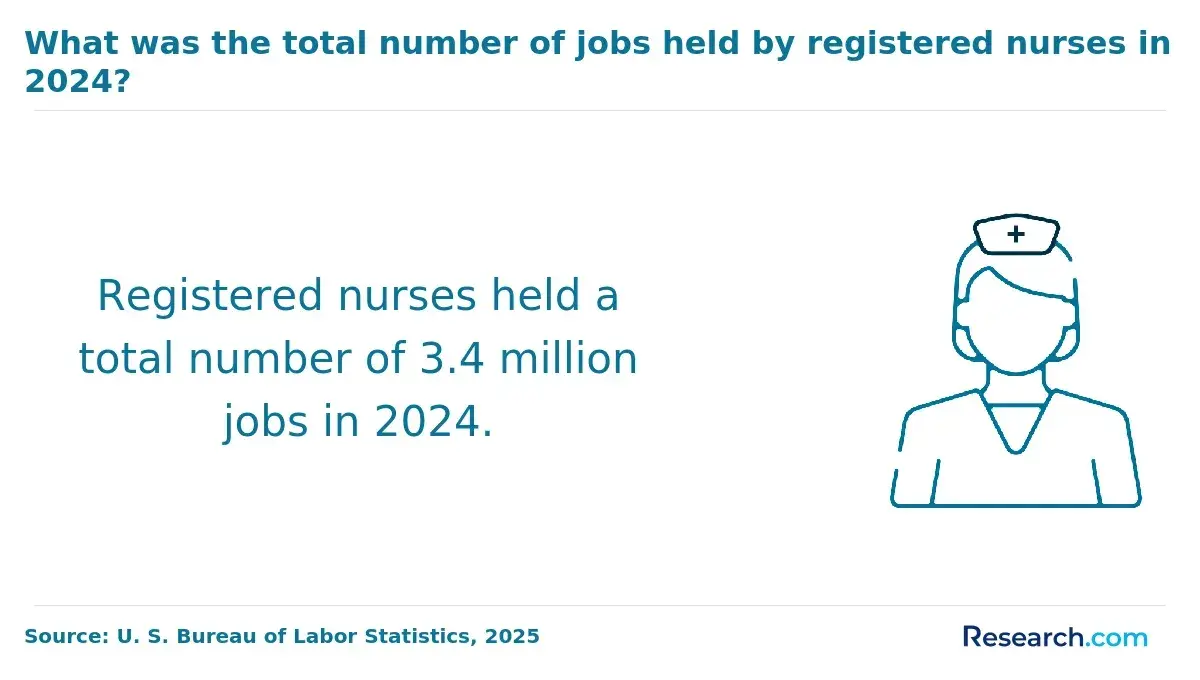
- How much does an RN to BSN program cost in Georgia?
- What are the pros and cons of online vs. on-campus RN to BSN programs in Georgia?
- How do RN to BSN programs in Georgia support clinical placements?
- Which accrediting bodies approve RN to BSN programs in Georgia?
- What career opportunities are available to RN to BSN graduates in Georgia?
- What is the average RN to BSN salary increase in Georgia?
What is an RN to BSN program and how does it work in Georgia?
An RN to BSN program in Georgia for registered nurses is a continuing education pathway designed to help licensed RNs with an associate degree or diploma earn a Bachelor of Science in Nursing. The program builds on existing nursing knowledge by introducing advanced skills in leadership, community health, and evidence-based practice. This structure allows nurses to improve their critical thinking and clinical capabilities while preparing for leadership and specialized roles in healthcare.
Many institutions offer both online and on-campus options, providing flexibility to accommodate working nurses. Given the evolving healthcare landscape, earning a BSN in Georgia increases career opportunities and often leads to higher salaries and job mobility.
The program supports a diverse range of personal and career objectives, including improved patient outcomes and greater job satisfaction. With flexible study options, such as part-time enrollment or fully online courses, nurses in Georgia can balance continuing education with work and personal life. For those comparing advanced nursing degrees, it can be helpful to understand key differences in scope and career impact, such as DNPvs FNP which is better.
What courses are included in RN to BSN programs in Georgia?
This section provides an overview of the core and specialized courses commonly included in RN to BSN programs in Georgia, designed to build clinical expertise, leadership, and professional growth for registered nurses. Below are examples of key courses and focus areas typically offered in the RN to BSN program curriculum in Georgia, whether students take classes online or on campus.
- Professional Nursing Practice: This course covers the evolving role and ethical responsibilities of nurses, emphasizing legal frameworks and cultural factors that influence modern nursing practice, helping students adapt to diverse patient needs.
- Health Assessment Across the Lifespan: Students develop advanced skills in assessing physical, psychological, and developmental health in patients of all ages, which enhances clinical judgment and personalized care planning.
- Nursing Research and Evidence-Based Practice: This course teaches how to critically analyze research and apply evidence-based findings to improve patient outcomes and implement best practices in healthcare.
- Community and Population Health Nursing: Focused on health promotion and disease prevention, this area prepares nurses to assess community health needs and design effective interventions addressing public health challenges.
- Leadership and Management in Nursing: Students learn leadership theories, team dynamics, conflict resolution, and quality improvement strategies to prepare for supervisory roles and influence healthcare outcomes positively.
- Pathophysiology for Registered Nurses: This course expands understanding of disease mechanisms, enabling nurses to deliver safer, more effective care based on solid physiological knowledge.
- Nursing Informatics: Emphasizing the use of healthcare IT, including electronic health records and data privacy, students gain skills essential for coordinating modern patient care and supporting clinical decisions.
- Health Promotion and Wellness: This course focuses on educating patients about disease prevention and maintaining healthy lifestyles, empowering nurses to advocate for long-term wellness.
- Nursing Care of Special Populations: Students explore care tailored to specific groups such as the elderly or vulnerable populations, addressing cultural, spiritual, and social determinants of health.
- Capstone or Senior Project: Many programs include a culminating project that integrates knowledge and skills from the curriculum, demonstrating readiness for advanced nursing roles before graduation.
For nurses aiming to specialize further, resources on how to become a adult gerontology nurse practitioner fast can offer valuable guidance on advancing your career beyond the BSN.
What are the admission requirements for RN to BSN programs in Georgia?
To successfully apply for RN to BSN programs in Georgia, applicants must meet several key qualifications and submit various documents that demonstrate their readiness and eligibility. The following list outlines the most common admission requirements to help you navigate the RN to BSN application process in Georgia with clarity and confidence.
- Active RN License: You must hold a current, unencumbered registered nurse license issued by Georgia or possess a Compact RN license that allows practice in Georgia. This ensures you have the professional credentials necessary for clinical coursework.
- Associate Degree or Diploma in Nursing: Completion of an accredited nursing associate degree or diploma program is required, often from bodies like ACEN or CNEA. Some programs may accept applicants still enrolled in an associate program, but licensure must be obtained early in the BSN curriculum.
- Minimum GPA Requirements: Most programs set a minimum cumulative GPA between 2.5 and 3.0. Meeting this threshold indicates you have the academic ability to handle upper-level nursing courses, with some schools offering provisional admission for students close to these marks.
- Official Transcripts: You need to submit official transcripts from all previously attended colleges and universities. This verifies your academic history and helps assess which credits transfer toward the BSN degree.
- Prerequisite Course Completion: Programs typically require completion of core general education courses, though some allow limited outstanding credits upon admission. Finishing these prerequisites demonstrates preparedness for nursing specialization.
- Supporting Application Materials: Alongside academic documents, applicants usually provide a current resume, a letter of recommendation on official letterhead, and evidence of certifications like CPR. Background checks, drug screenings, and proof of insurance may also be necessary based on clinical partner requirements.
If you're planning your progression carefully, it's also helpful to explore options like the list of the best 12 month FNP programs, which can guide future steps beyond the RN to BSN degree.
How long does it take to earn an RN to BSN degree in Georgia?
This section provides a clear overview of the typical duration of RN to BSN programs in Georgia to help you estimate the time commitment needed. Below is a breakdown of the average completion times based on different enrollment options and program formats to guide your planning:
- Full-Time Programs: These typically take about two to three semesters (9-12 months) to complete and fit RNs who can dedicate significant study time while possibly adjusting work schedules for an accelerated pace.
- Part-Time Programs: Designed for working professionals balancing multiple commitments, part-time tracks usually span four to five semesters (18-24 months), allowing enrollment in fewer courses each term.
- Self-Paced or Flexible Options: Allowing maximum scheduling freedom, these programs let students extend their studies up to five years, but most finish within one to three years depending on their personal and work obligations.
- Accelerated and Eight-Week Course Models: For motivated students, some programs offer eight-week courses enabling completion in approximately one year, ideal for those seeking a quicker transition without sacrificing quality.
How much does an RN to BSN program cost in Georgia?
To help you plan financially for an RN to BSN program in Georgia, here is a clear breakdown of the typical costs involved, including both online and on-campus options. Below are the main factors you should consider when estimating the overall expense of completing the program.
- Tuition per credit hour: This is the primary expense and typically varies between online and on-campus formats. Online programs often have a consistent rate for all students, while on-campus tuition may differ based on residency status. Expect costs ranging from $300 to $600 per credit hour.
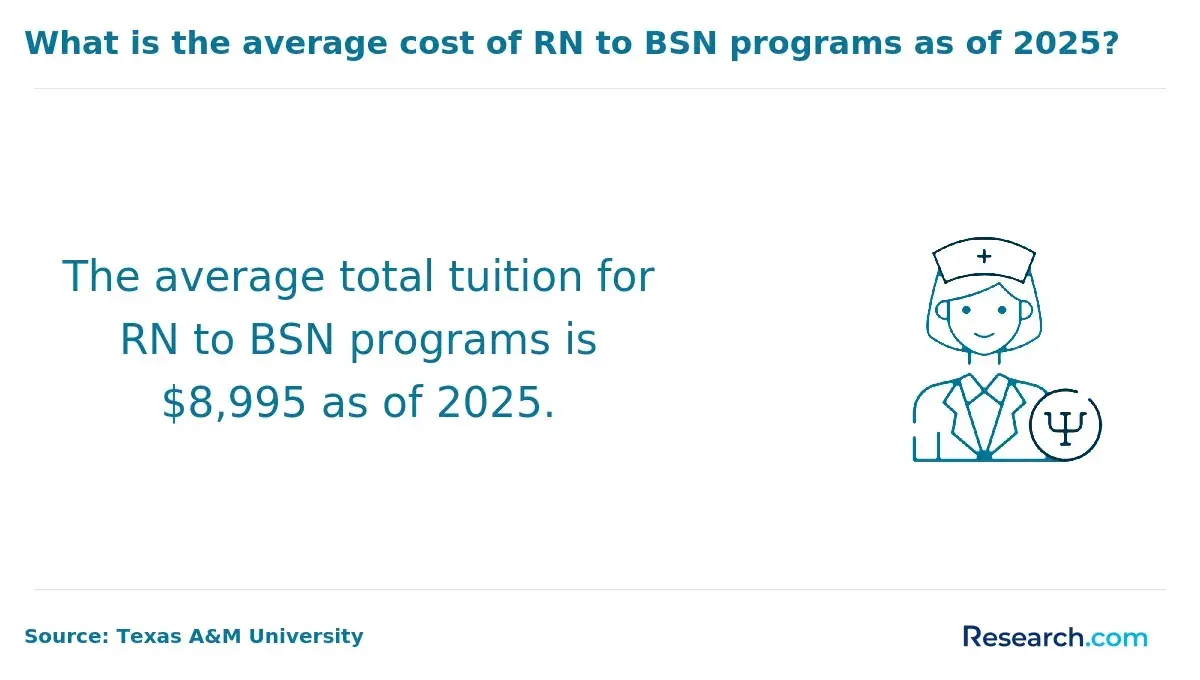
- Total program cost: RN to BSN programs generally require 30 to 40 credit hours, so total tuition costs can range from $9,000 to $24,000. On-campus programs may be slightly more expensive due to additional campus fees and resource usage.
- Additional fees: These include technology fees for online platforms, lab or clinical fees for on-campus components, and sometimes administrative charges. Online students should budget extra for reliable internet access and hardware necessities.
- Financial aid and employer assistance: Many students reduce their out-of-pocket costs through scholarships, grants, or employer tuition reimbursement. Exploring these options early can significantly affect your net expense.
When I spoke with a nurse from Georgia who recently completed a hybrid RN to BSN program, he shared how funding the degree was a balancing act. He recalled, "I was surprised by how manageable the tuition became once I applied for employer assistance and a couple of local scholarships." Out-of-pocket, his total cost landed closer to $12,000. He also noted that the blend of online classes with some campus visits fit well with his full-time job, but he had to plan carefully to save for additional fees not covered by tuition. His experience highlights that while the price tag can feel daunting at first, strategic planning and available support can make the investment in a BSN achievable and worthwhile.
What are the pros and cons of online vs. on-campus RN to BSN programs in Georgia?
Choosing between online or hybrid and on-campus RN to BSN programs in Georgia depends largely on your personal schedule, budget, and career goals. Online RN to BSN programs in Georgia offer greater flexibility, which suits working nurses or those with family responsibilities, while on-campus options provide more structured environments with direct student interaction.
Below is a clear comparison of the pros and cons associated with each format to help you make an informed decision:
Online or Hybrid RN to BSN Programs
- Pro: Flexible Scheduling - These programs allow you to access coursework anytime, helping you balance work and personal commitments without the need for a fixed class schedule.
- Pro: Cost Savings - Online programs often have lower tuition rates and eliminate additional expenses like commuting or campus fees, making them a budget-friendly choice.
- Con: Limited Face-to-Face Interaction - Less direct contact with instructors and peers can impact networking and reduce opportunities for immediate feedback or collaborative learning.
On-Campus RN to BSN Programs
- Pro: In-Person Networking - Being on campus fosters connections with faculty and classmates, which can enhance collaboration and support career development.
- Pro: Access to Campus Resources - Students benefit from facilities like tutoring, study groups, and career services that can aid academic success and job placement.
- Con: Rigid Scheduling & Commute - Fixed class times and travel requirements may conflict with work schedules and add time or financial burdens.
For those interested in further specialization, exploring the best online BSN to FNP program can be a strategic next step in advancing your nursing career.
How do RN to BSN programs in Georgia support clinical placements?
RN to BSN programs in Georgia provide structured clinical placement support to help students gain essential hands-on experience while meeting licensure requirements. This section outlines practical ways these programs assist students in managing clinical hours so they balance work, life, and education effectively.
- Local Healthcare Partnerships: Programs collaborate with hospitals and clinics near students' homes, ensuring clinical hours can be completed without long commutes or interruptions to work schedules.
- Preceptor and Mentor Matching: Faculty arrange for students to work with experienced nurses or mentors who guide clinical learning and provide personalized feedback throughout the practicum.
- Workplace Clinical Hours: Many programs allow students to use their current nursing positions as clinical sites, turning daily work into creditable clinical experiences.
- Faculty Guidance and Coordination: Dedicated clinical coordinators manage placement logistics, easing administrative burdens and helping students focus on learning.
Asked about her experience, a nurse who completed her RN to BSN in Georgia shared, "Balancing night shifts and coursework was tough, but the program's clinical coordinator helped me arrange placements at my hospital. I could apply what I was learning right on the job without extra travel or time off. That personalized support made a huge difference." Her story highlights how proactive program structures can transform clinical requirements from a barrier into a seamless part of professional growth.
Which accrediting bodies approve RN to BSN programs in Georgia?
Accreditation is essential for ensuring the quality, credibility, and recognition of RN to BSN programs in Georgia because it confirms that these programs meet rigorous educational and professional standards. The main national and state-level organizations responsible for accrediting and approving RN to BSN programs in Georgia include the following key bodies.
- Accreditation Commission for Education in Nursing (ACEN): ACEN is a nationally recognized accreditor for nursing education programs that evaluates curriculum quality, faculty qualifications, student support, and outcomes. Accreditation by ACEN assures that the program meets established national standards and is widely accepted by employers, licensing boards, and graduate schools.
- Commission on Collegiate Nursing Education (CCNE): CCNE focuses on the academic quality and continuous improvement of baccalaureate and graduate nursing programs. Their accreditation indicates that the program integrates professional nursing standards and maintains strong academic rigor, which benefits students in employment and advanced education opportunities.
- Georgia Board of Nursing: While not an accrediting agency, the Georgia Board of Nursing provides state approval to nursing programs, making sure they comply with state regulations and clinical practice requirements. This approval is mandatory for programs to operate and for graduates to become licensed nurses in Georgia.
What career opportunities are available to RN to BSN graduates in Georgia?
This section outlines the diverse nursing roles and advancement paths open to RN to BSN graduates in Georgia, demonstrating the strong link between education and career mobility. Below is a practical overview of common career opportunities that highlight the value of BSN credentials for professional growth and specialization in the state.
- Charge Nurse: Oversees shift-based clinical operations and coordinates nursing staff in hospitals or clinics. BSN training builds leadership and quality improvement skills essential for managing complex patient care and guiding nursing teams effectively.
- Nurse Manager: Leads nursing units by managing budgets, personnel, and regulatory compliance. The BSN curriculum prepares nurses for these roles by emphasizing health policy, ethics, and organizational leadership, which are increasingly required by Georgia healthcare employers.
- Clinical Nurse Educator: Designs and implements training programs for nursing staff and promotes evidence-based practices. BSN graduates are qualified to take on educator roles, supported by comprehensive education in teaching methods and nursing research.
- Public Health Nurse: Works in community settings to deliver preventive care and health education. The population health focus of RN to BSN programs equips nurses to address public health challenges in Georgia's diverse communities.
- Case Manager: Coordinates patient care across providers to ensure efficient use of resources. BSN-prepared nurses gain clinical and critical thinking skills essential for managing complex cases in hospitals, clinics, and insurance settings.
- Specialty RN Roles (Oncology, Cardiology, Emergency Room): Requires advanced clinical judgment and evidence-based practice knowledge gained through BSN programs. These roles offer higher responsibility and improved patient outcomes in high-demand specialties.
- Nurse Residency Programs: Provide new BSN nurses structured mentorship and training as they transition into professional practice or specialty fields, promoting career advancement and skill development.
- Pathway to Advanced Practice (Nurse Practitioner, Clinical Nurse Specialist): The BSN is a foundational step for graduate studies required for advanced practice roles, enabling higher salary prospects and leadership opportunities.
Active RNs can also explore flexible online RN to BSN programs that accommodate working professionals and support timely degree completion.
What is the average RN to BSN salary increase in Georgia?
Registered nurses in Georgia without a BSN degree earn an average salary of approximately $52,000 annually, but obtaining a Bachelor of Science in Nursing can significantly enhance earning potential and career prospects. To better understand the financial benefits, consider the following comparison between ADN and BSN-prepared nurses in Georgia:
- Average Salary Comparison: Nurses with an ADN earn about $52,000 annually, while BSN-prepared nurses have a substantially higher average salary near $72,000, reflecting employers' preference for advanced clinical education.
- Salary Differences by Healthcare Setting: BSN nurses often command higher wages in hospitals and specialized care facilities due to their expanded clinical training and ability to take on complex patient care responsibilities.
- Impact of Experience and Leadership Roles: BSN-prepared nurses are more likely to advance into supervisory or management positions, which offer increased compensation reflecting greater responsibility.
- Long-Term Earning Potential: With ongoing statewide demand and educational investments, BSN nurses in Georgia can expect continued salary growth and access to diverse, higher-paying roles over time.
Here's What RN to BSN Graduates in Georgia Have to Say About Their Degree
- Completing the online RN to BSN program at Georgia Southern University gave me the flexibility I needed to balance work, family, and school. The curriculum was rigorous but engaging, and I truly appreciated how the coursework connected theory with practical applications in local healthcare settings. After graduation, starting my nursing career in a nearby school district felt rewarding, knowing I could contribute to the health and well-being of children in my community. This program not only enhanced my clinical skills but also deepened my understanding of public health initiatives relevant to Georgia's diverse population. I feel empowered and prepared for future leadership roles because of this experience. Tom
- Pursuing the hybrid RN to BSN program at Kennesaw State University was an eye-opening journey that challenged my perspectives on patient care and community involvement. The combination of in-person classes and online learning accommodated my busy schedule, while fostering deep connections with peers and instructors. Transitioning into a nursing position within a local school allowed me to utilize both my academic training and personal passion for supporting children's mental and physical health. Reflecting on this experience, I appreciate how the program encouraged my growth, pushing me to think holistically about healthcare's impact on underserved populations in Georgia. It was a deeply fulfilling chapter of my professional development. Bill
- Choosing to attend the on-campus RN to BSN program at Augusta University was one of the best decisions I made for my nursing career. The immersive environment fostered meaningful relationships with faculty and classmates, giving me a strong professional network. Starting work as a nurse in a local school setting gave me the opportunity to directly influence young lives by promoting wellness and preventive care. The program's emphasis on cultural competency and leadership prepared me for the unique challenges nurses face in Georgia's healthcare landscape. I am proud of the progress I've made and excited for the future opportunities my BSN has opened up. Heidi
Related Articles for Nearby States
- 2027 Best RN to BSN Programs in South Carolina: Online & Campus
- 2027 Best RN to BSN Programs in Florida: Online & Campus
- 2027 Best RN to BSN Programs in Alabama: Online & Campus
- 2027 Best RN to BSN Programs in Tennessee: Online & Campus
- 2027 Best RN to BSN Programs in North Carolina: Online & Campus
- 2027 Best RN to BSN Programs in Mississippi: Online & Campus
- 2027 Best RN to BSN Programs in Kentucky: Online & Campus
- 2027 Best RN to BSN Programs in Virginia: Online & Campus
- 2027 Best RN to BSN Programs in Louisiana: Online & Campus
- 2027 Best RN to BSN Programs in West Virginia: Online & Campus
References:
- Bachelor of Science in Nursing (RN BSN) - South Georgia State College https://www.sgsc.edu/academics/bs-in-nursing-rn-bsn
- RN to Bachelor of Science Degree Program (RN to BSN) https://www.westga.edu/academics/nursing/rn-to-bns-program.php
- Middle Georgia State University Online Campus https://online.mga.edu/direct/programs/programs/nursing-rn-bsn.php
- How Much Does a Nurse with a BSN Make? https://nurse.org/resources/BSN-salary/
- RN-to-BSN Program https://www.augusta.edu/nursing/bsn/rnrobsnindex.php
- 6 Problems If You Attend An Unaccredited College https://www.accreditedschoolsonline.org/accreditation/unaccredited-college-problems/
- 2025 RN Salary Guide: State-by-State Pay https://nursa.com/salary/rn
- What Is Accreditation & Why Is It Important? | NurseJournal https://nursejournal.org/resources/what-is-accreditation/
- Registered Nurse Salary in Georgia + Job Outlook – 2025 https://www.nursingprocess.org/rn-salary/georgia/
- Learn All About Nursing School Accreditation and Why It Matters https://nightingale.edu/blog/accreditation-101.html
Other Things You Should Know About RN to BSN Programs in Georgia
Yes, it is possible to complete an RN to BSN program in Georgia while working full-time. Many programs offer flexible online options or part-time schedules designed to accommodate working nurses, allowing them to manage both their professional and academic commitments effectively.
In 2027, prominent accredited RN to BSN programs in Georgia include those offered by institutions such as Georgia State University, Emory University, and Kennesaw State University. These programs provide rigorous academic training and flexible online or campus options to accommodate working nurses.


