
2027 Best RN to BSN Programs in South Carolina: Online & Campus

Co-Founder and Chief Data Scientist
South Carolina's healthcare sector is growing rapidly, with the state projected to add over 4,000 nursing jobs by 2028. This trend underscores the increasing demand for nurses with a Bachelor of Science in Nursing (BSN), as employers prioritize advanced skills and leadership abilities. Pursuing an RN to BSN program in South Carolina offers a strategic path for registered nurses seeking to enhance their qualifications and boost career prospects within this evolving job market.
This article explores the dynamics of RN to BSN programs, comparing online and campus-based options available in South Carolina. Prepared by experts in career planning, it guides readers through program expectations, key considerations, and the decision-making process. This resource challenges assumptions and equips future nurses to make informed choices aligned with their professional goals.
Key Benefits of RN to BSN Programs in South Carolina
- South Carolina's RN to BSN programs offer flexible online options that allow working nurses to advance their education without interrupting their careers, supporting a 15% job growth rate in nursing statewide through 2030.
- Graduates benefit from enhanced clinical training and leadership skills, aligning with South Carolina's increasing demand for BSN-prepared nurses in hospitals that prefer or require a BSN for employment.
- The state's affordable tuition and numerous scholarship opportunities reduce financial barriers, making RN to BSN programs accessible while increasing earning potential by up to 20% compared to ADN-holding nurses.
- What is an RN to BSN program and how does it work in South Carolina?
- What courses are included in RN to BSN programs in South Carolina?
- What are the admission requirements for RN to BSN programs in South Carolina?
- How long does it take to earn an RN to BSN degree in South Carolina?
- How much does an RN to BSN program cost in South Carolina?
- What are the pros and cons of online vs. on-campus RN to BSN programs in South Carolina?
- How do RN to BSN programs in South Carolina support clinical placements?
- Which accrediting bodies approve RN to BSN programs in South Carolina?
- What career opportunities are available to RN to BSN graduates in South Carolina?
- What is the average RN to BSN salary increase in South Carolina?
What is an RN to BSN program and how does it work in South Carolina?
An RN to BSN program in South Carolina is designed to elevate licensed registered nurses by offering a pathway to earn a Bachelor of Science in Nursing degree. This program expands on the foundational knowledge gained through associate degrees or diplomas and integrates advanced leadership, critical thinking, and clinical competencies. Its purpose is to prepare nurses to take on more complex roles within healthcare systems, equipping them with skills to lead, innovate, and drive quality improvements. RN to BSN programs in South Carolina online and on campus provide flexible learning options that accommodate working nurses, ensuring accessibility without sacrificing educational rigor or professional standards.
This program is ideal for nurses seeking to broaden their career horizons, whether in case management, public health, or administrative leadership. It supports those aiming to strengthen communication and analytical skills, which are crucial in diverse and evolving healthcare environments. Many participants use the degree as a stepping stone toward advanced practice or graduate studies.
Beyond personal growth, obtaining a BSN often improves salary prospects and job stability, a significant factor considering the demand for highest nurse paying jobs. Understanding how RN to BSN programs work for South Carolina nurses reveals a commitment to both professional advancement and enhanced patient care outcomes throughout the state.
What courses are included in RN to BSN programs in South Carolina?
This section provides an overview of the core and specialized courses commonly included in RN to BSN programs in South Carolina, spotlighting key components that prepare nurses for expanded roles in clinical practice and leadership.
Below is a bullet list highlighting examples of essential courses and subject areas typically found in the South Carolina RN to BSN curriculum, each designed to deepen nursing expertise and professional development.
- Professional Nursing and Nursing Practice: Focuses on the transition from registered nurse to professional nurse, emphasizing evidence-based practice, ethical decision-making, and critical thinking skills essential for leadership readiness.
- Health Assessment and Promotion: Enhances advanced health history-taking and physical examination skills, alongside strategies for promoting wellness throughout the lifespan, which directly improve patient care outcomes.
- Population-Focused and Community Health Nursing: Introduces public health concepts and epidemiology, teaching students to assess community needs and design interventions that reduce disparities and improve population health.
- Nursing Leadership and Management: Develops competencies in team leadership, conflict resolution, healthcare finance, and strategic planning to prepare nurses for supervisory or managerial roles.
- Healthcare Policy and Advocacy: Explores healthcare systems and policy formulation, equipping nurses to actively advocate for patients' rights and influence legislative processes affecting care delivery.
- Nursing Research and Evidence-Based Practice: Focuses on research methodologies and applying scientific evidence to nursing care, enabling practitioners to improve quality and safety in clinical settings.
- Healthcare Informatics: Covers management of electronic health records and ethical technology use, supporting data-driven decisions and enhanced communication in modern nursing environments.
- Pathophysiology: Examines disease mechanisms to help nurses anticipate complications and interpret clinical findings with a deeper scientific understanding.
- Capstone and Clinical Practicum: Offers hands-on clinical experiences or leadership projects that synthesize knowledge and showcase readiness for advanced nursing roles.
This well-rounded RN to BSN curriculum reflects the evolving demands of healthcare, whether pursued online or on-campus. South Carolina's programs commonly require around 30-32 nursing credit hours, allowing completion in about 12 months full-time. For nurses considering career advances or higher education, exploring paths like the womens health nurse practitioner salary can reveal promising opportunities linked to these educational foundations.
What are the admission requirements for RN to BSN programs in South Carolina?
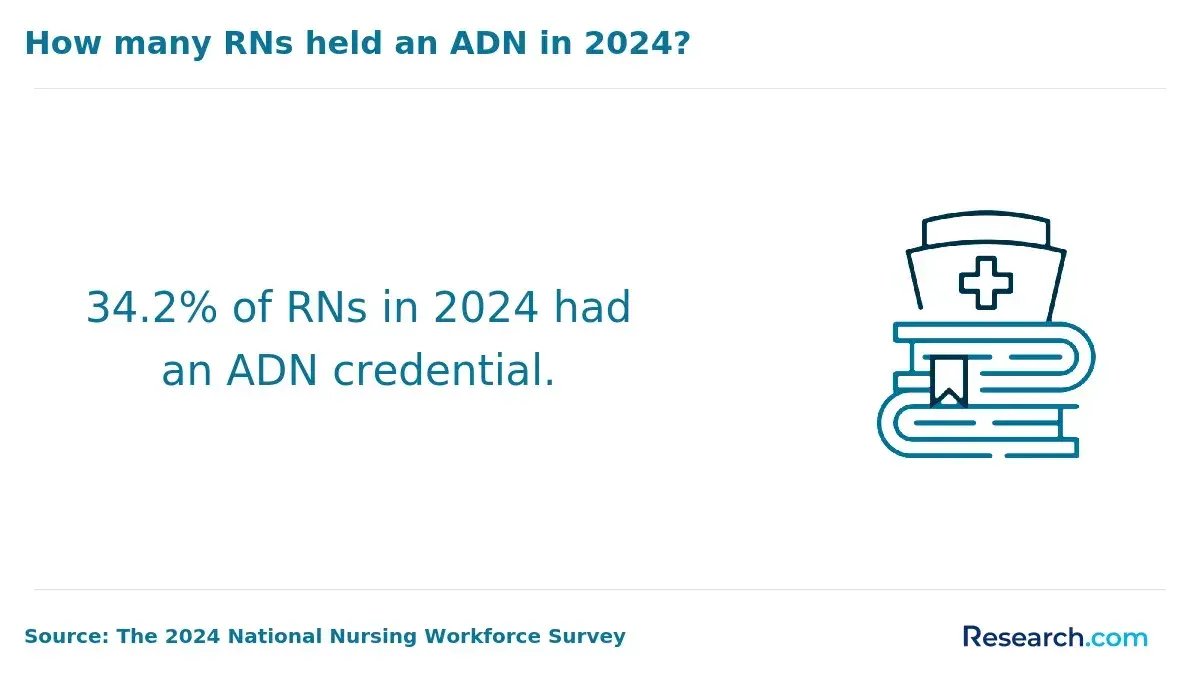
To successfully apply for RN to BSN programs in South Carolina, applicants need to meet a specific set of qualifications and provide essential documentation that reflect both their professional and academic readiness. These requirements ensure candidates can thrive in the advanced curriculum and meet the demands of increasingly complex healthcare environments. The following list details the most common admission requirements found in accredited RN to BSN programs across the state, offering clarity to those exploring RN to BSN admission requirements in South Carolina.
Typical admission criteria include:
- Active RN License: Applicants must hold a current, valid, and unencumbered Registered Nurse license either from South Carolina or from the state where clinical requirements will be completed. This license confirms the applicant's legitimacy as a practicing nurse and eligibility for advanced study.
- Associate Degree or Diploma in Nursing: A diploma or associate degree from an accredited nursing program is essential, providing the foundational knowledge and skills expected of students entering BSN-level coursework.
- Minimum GPA: Programs typically require a minimum cumulative GPA between 2.5 and 3.0, reflecting the academic standards necessary for success. Some institutions may offer conditional admission for slightly lower GPAs if other competencies are demonstrated.
- Official Transcripts: Submission of official academic transcripts from all post-secondary institutions attended allows schools to verify previous education and evaluate transfer credits, ensuring a consistent academic trajectory.
- Application and Fee: A completed application and payment of a non-refundable fee-often about $45-are standard, emphasizing the importance of thoroughness and commitment from candidates.
- Background Check and Drug Screening: Many programs require these screenings before admission or clinical placement to maintain patient safety and comply with regulatory standards.
- English Proficiency (International Applicants): Non-native English speakers need to prove language proficiency, typically through the TOEFL exam, to ensure effective communication in coursework and clinical practice.
- Prerequisite Courses: Certain prerequisite courses such as statistics or nutrition are often required to prepare students for the research and population health topics encountered in BSN programs.
- Validation of Prior Nursing Knowledge: Graduates of non-accredited diploma programs may need to demonstrate their nursing knowledge through additional documentation or coursework to meet BSN program standards.
- Additional Documentation: Supplemental materials like resumes, letters of recommendation, or personal statements frequently help admissions committees assess professional experience and motivation.
For those weighing the timing of their next step, exploring a 12 month program might offer accelerated pathways that align with career goals, illustrating how varied and tailored these RN to BSN programs in South Carolina can be for advancing nursing professionals.
CHART
How long does it take to earn an RN to BSN degree in South Carolina?
The duration of RN to BSN programs in South Carolina varies widely and reflects diverse student needs and life circumstances, revealing how flexibility and commitment intersect in higher education today. Here is a breakdown of average completion times based on different program formats and enrollment options, shedding light on choices that may challenge traditional timelines and expectations.
- Full-Time Programs: Usually completed within 12 months to one year, these are best suited for students who can fully dedicate themselves to study without juggling work or other major commitments. This accelerated pace pushes learners to advance rapidly, often opening doors to faster career progression.
- Part-Time Programs: Designed for nurses balancing jobs and studies, these typically take around two years to finish. This steady, manageable timeline respects the realities of working professionals, emphasizing sustainability over speed.
- Self-Paced Options: Some programs offer the freedom to set your own pace, allowing completion in as little as 9 months for highly motivated students who can handle intensive coursework. By removing fixed timelines, these options question the one-size-fits-all approach to education.
- Online Programs: Fully online tracks can be finished in about 12 months, offering geographic and scheduling flexibility with the potential for faster completion depending on personal discipline. This model reflects the growing shift toward accessible, technology-driven learning.
How much does an RN to BSN program cost in South Carolina?
To grasp the financial commitment of pursuing an RN to BSN in South Carolina, it helps to dissect the components that shape the overall cost. These factors illuminate the distinctions between online and on-campus formats and prepare candidates for realistic budgeting. Below is a breakdown of key expenses students should weigh when considering such programs:
- Tuition per Credit Hour: This represents the foundational cost, often varying by institution and delivery method. Online programs sometimes charge a premium for technological infrastructure, while on-campus costs may reflect additional facility fees.
- Total Program Cost: Beyond per-credit fees, the cumulative price depends on credit requirements, which can differ between 30 to 40 credits in many RN to BSN curricula. On-campus programs might incur extra administrative fees not typically found in online formats.
- Additional Fees: These include lab fees, technology access charges, and materials, particularly relevant to online students needing reliable internet and specialized software. Some schools also impose application or graduation fees that influence the final tally.
- Financial Aid and Employer Assistance: Many South Carolina nurses leverage scholarships, state grants, or tuition reimbursement from healthcare employers. Such support can significantly offset expenses but requires navigating specific eligibility criteria and application processes.
When I spoke with a nurse from South Carolina who recently completed a hybrid RN to BSN program at a local institution, his account brought these numbers to life. He recalled feeling uncertain at first about balancing tuition payments with work, noting that his school charged about $350 per credit hour and required roughly 35 credits total. "The sticker price looked intimidating," he admitted, "but employer tuition assistance softened the blow, and I managed to stagger payments effectively." Reflecting on the journey, he emphasized how the hybrid format helped him stay employed full-time, reducing lost income and stress. "I didn't just pay for a degree; I invested in a future I could afford to pursue without giving up my career." His experience underscores how costs, while significant, are navigable with strategic planning and institutional resources.
What are the pros and cons of online vs. on-campus RN to BSN programs in South Carolina?
Choosing between online or hybrid and on-campus options for RN to BSN Programs in South Carolina requires a careful evaluation of how each format aligns with your lifestyle, budget, and career ambitions. The decision hinges on whether you prioritize flexibility and cost savings or hands-on experiences and direct networking opportunities that can influence your professional growth. Consider how your work schedule, motivation, and learning preferences shape the best educational path for you.
Below is a comparison of the pros and cons of online or hybrid versus on-campus RN to BSN programs, highlighting critical factors to help you weigh your options.
Online or Hybrid RN to BSN Programs
- Pro: Flexibility. Most coursework is asynchronous, letting you study when it suits you best-ideal if balancing shifts or family duties. Many South Carolina programs are fully online, eliminating travel time.
- Pro: Cost-Effective. Tuition tends to be lower than on-campus counterparts, with fewer expenses related to housing or commuting, helping you invest more in your career advancement.
- Con: Networking Limitations. While you can collaborate virtually, the absence of frequent face-to-face interaction may reduce mentorship chances and immediate feedback from faculty and peers.
On-Campus RN to BSN Programs
- Pro: Enhanced Networking. In-person classes foster direct relationships with instructors and classmates, creating valuable mentorship opportunities and professional contacts vital for nursing leadership roles.
- Pro: Structured Environment. Fixed class schedules provide routine and accountability, often benefiting those who excel with in-person support and guidance.
- Con: Reduced Flexibility and Higher Costs. Attending classes on campus demands strict scheduling and may involve additional expenses such as commuting, parking, or housing fees.
For nurses seeking advanced specialization, exploring post FNP certifications can also complement RN to BSN programs and expand career pathways.
How do RN to BSN programs in South Carolina support clinical placements?
To truly grasp how RN to BSN programs in South Carolina enable students to gain hands-on experience and meet clinical requirements, consider the multifaceted support these programs offer. Below are key ways these programs provide clinical placement assistance to working nurses pursuing their BSN.
- Partnerships with Local Healthcare Facilities: Establishing strong ties with hospitals and clinics allows students to access clinical sites nearby, minimizing travel and helping them balance work and study commitments effectively.
- Flexible Use of Current Workplace for Clinical Hours: Many programs empower students to complete required clinical hours at their existing jobs, provided certain criteria are met, which transforms familiar environments into meaningful learning spaces.
- Preceptor or Mentor Matching: Students often gain support through assigned nurse leaders or educators who guide clinical learning, making complex healthcare challenges more navigable and enriching.
- Faculty and Clinical Coordinator Guidance: Dedicated staff assist students in securing appropriate placements and navigating academic expectations, ensuring clinical experiences align with professional standards.
When I spoke with a nurse who recently graduated from an RN to BSN program in South Carolina, she described initial anxiety about securing meaningful clinical placements. Yet, the personalized support from her program's clinical coordinator eased that stress by actively connecting her with a preceptor at her workplace-a local community hospital. "It felt less like jumping into the unknown and more like growing within a supportive network," she shared. This flexibility and mentorship allowed her to apply leadership skills in real time while balancing personal responsibilities, highlighting how these programs do more than check boxes-they transform clinical placements into opportunities for genuine professional growth.
Which accrediting bodies approve RN to BSN programs in South Carolina?
Accreditation is essential for ensuring the quality, credibility, and national recognition of RN to BSN programs in South Carolina, as it guarantees that programs meet rigorous educational and professional standards. The primary national and state-level accrediting bodies that oversee RN to BSN programs in South Carolina each play a critical role in maintaining program excellence and advancing nursing careers.
- Commission on Collegiate Nursing Education (CCNE): CCNE is a national accreditor focused solely on bachelor's and higher-degree nursing programs. It emphasizes curriculum quality, faculty expertise, and student outcomes, ensuring graduates are prepared for complex healthcare roles and meet national nursing education benchmarks.
- Accreditation Commission for Education in Nursing (ACEN): ACEN accredits nursing education at all levels, including RN to BSN programs. It assesses faculty qualifications, curriculum design, and student support services, offering a mark of educational excellence valued by employers and graduate schools.
- South Carolina Board of Nursing: While not a traditional accrediting agency, the Board approves all nursing programs operating in the state. Its approval is essential for RN licensure eligibility and signals that programs meet local professional standards and employer expectations.
- South Carolina Commission on Higher Education (CHE): CHE oversees institutional authorization rather than direct program accreditation. It ensures that institutions offering RN to BSN degrees comply with state regulations and maintain good standing with recognized national nursing accreditors, reinforcing higher education quality and integrity.
What career opportunities are available to RN to BSN graduates in South Carolina?
RN to BSN graduates in South Carolina unlock diverse career advancement paths that challenge the traditional roles of registered nurses, positioning them for greater responsibility and leadership in the healthcare field. Below are key examples of common career opportunities for BSN-prepared nurses in South Carolina that illustrate how this degree expands professional horizons and salary potential:
- Nurse Manager: Overseeing nursing teams and coordinating patient care, nurse managers operate in hospitals, clinics, and long-term care settings. The BSN's focus on leadership and healthcare systems equips graduates to tackle complex clinical operations and policy implementation.
- Case Manager: Responsible for planning and coordinating care for patients with complex needs, case managers thrive in hospitals, insurance companies, and home health. RN to BSN programs emphasize patient advocacy and organizational skills critical for this role.
- Community Health Nurse: These nurses promote preventive care and health education in public health departments, schools, or community clinics. Population health and community nursing courses prepare BSN graduates to make significant public health impacts.
- Nursing Educator: With advanced teaching strategies learned through a BSN, nursing educators train new nurses in academic and clinical settings, supporting the profession's future.
- Nurse Informatics Specialist: Managing healthcare data and improving electronic health record systems, informatics specialists benefit from BSN coursework in data management and clinical workflow optimization.
- Travel Nurse: The RN to BSN credential enhances adaptability, allowing nurses to fill short-term staffing needs across diverse South Carolina healthcare environments, which fosters career advancement for BSN nurses in South Carolina.
- Specialty Nurse: BSN graduates can pursue specialties like intensive care, pediatrics, or emergency medicine, leveraging advanced clinical knowledge gained through their education.
- Leadership and Administration Roles: Many healthcare systems recruit BSN nurses for supervisory and quality improvement roles, reflecting the increased leadership training offered in the RN to BSN curriculum.
The higher earning potential associated with the highest paying RN jobs in South Carolina often correlates with BSN preparation, which opens doors to specialized and leadership positions. For those considering further advancement, exploring a list of most affordable online RN to MSN degree programs can provide a strategic next step in career growth.
What is the average RN to BSN salary increase in South Carolina?
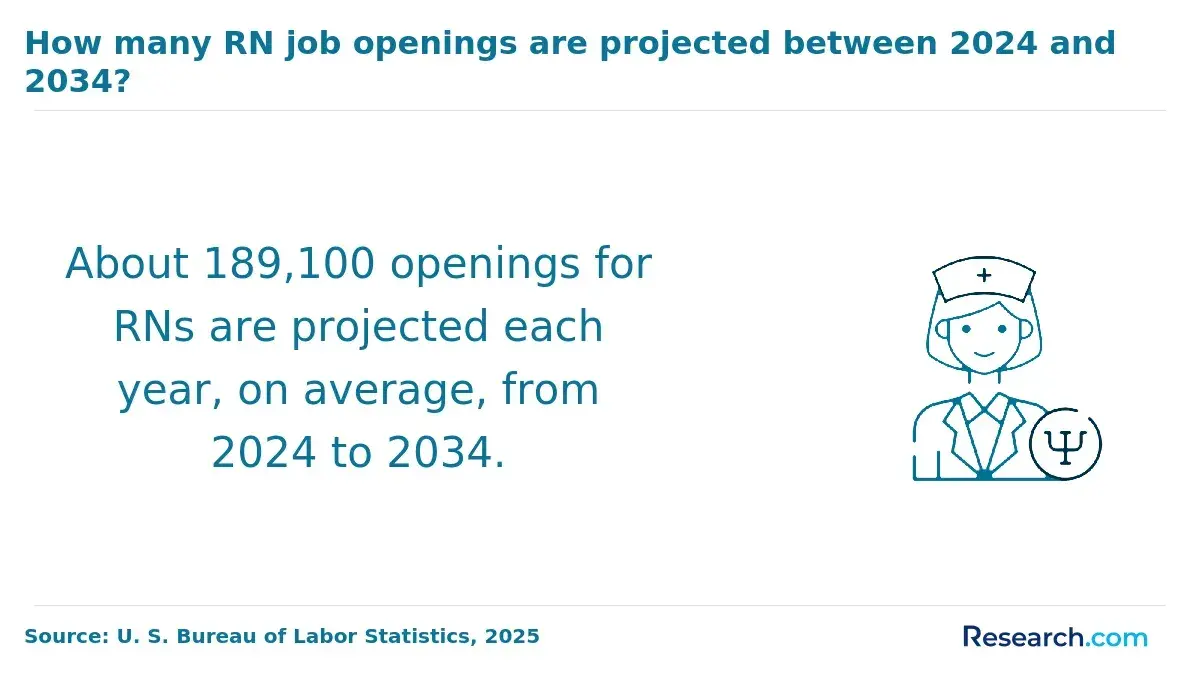
The average salary for a registered nurse (RN) without a BSN degree in South Carolina is approximately $69,580 per year, but earning a Bachelor of Science in Nursing (BSN) can significantly elevate a nurse's earnings potential in the state. Understanding how this educational investment translates to salary growth is critical for RNs weighing the decision to pursue either online or on-campus RN to BSN programs. The following points compare salary outcomes and contributing factors for nurses holding an associate degree (ADN) versus those with a BSN.
- Average Salary Comparison (ADN vs. BSN): ADN-prepared RNs typically earn near the state average, whereas BSN-prepared nurses can expect $5,000 to $10,000 more annually, reflecting higher qualifications and advanced skills.
- Salary Differences by Healthcare Setting: BSN holders are more prominent in acute care and Magnet hospitals, settings that offer superior pay compared to long-term care or outpatient roles, often starting above $78,000 for experienced nurses.
- Impact of Experience and Leadership Roles: A BSN opens avenues to leadership and specialized clinical roles with substantially higher pay, enabling nurses to access promotions unreachable for ADN counterparts.
- Long-Term Earning Potential: Over a 20-year career span, BSN nurses can accumulate over $100,000 more than ADN peers, benefiting from raises, advanced certifications, and incentives in underserved areas.
Here's What RN to BSN Graduates in South Carolina Have to Say About Their Degree
- Completing the online RN to BSN program at Coastal Carolina University allowed me the flexibility to keep working while advancing my education. Balancing coursework with my job was challenging at times, but the program's structure really supported my success. Since graduating, I've started a nursing role in a local school where I help develop health plans for students, which feels incredibly rewarding. The knowledge and confidence I gained have opened doors for future leadership opportunities in school health services. I am truly passionate about making a difference in children's well-being through this path. Jamal
- Choosing the hybrid RN to BSN option at the University of South Carolina was the perfect blend of in-person interaction and online learning. The in-campus sessions provided a strong community connection and hands-on experiences that enriched my education. After completing the program, I began working as a nurse in a nearby school and have since grown both personally and professionally. This degree deepened my understanding of public health and helped me advocate better for student wellness initiatives. Reflecting on this journey, I appreciate the career advancement it has brought and the impact I can have on young lives. Linda
- Attending Clemson University's on-campus RN to BSN program was an enriching experience that challenged me academically and personally. The immersive environment fostered strong relationships with faculty and peers, which enhanced my learning. After finishing the program, I started working in a local school where I apply evidence-based practices to improve student health outcomes. The program prepared me for the unique challenges of nursing in South Carolina's diverse communities and inspired my commitment to lifelong professional development. I'm proud to contribute positively to my community's health through this career. Manuel
Related Articles for Nearby States
- 2027 Best RN to BSN Programs in Georgia: Online & Campus
- 2027 Best RN to BSN Programs in North Carolina: Online & Campus
- 2027 Best RN to BSN Programs in Florida: Online & Campus
- 2027 Best RN to BSN Programs in Tennessee: Online & Campus
- 2027 Best RN to BSN Programs in Alabama: Online & Campus
- 2027 Best RN to BSN Programs in Virginia: Online & Campus
- 2027 Best RN to BSN Programs in Kentucky: Online & Campus
- 2027 Best RN to BSN Programs in Mississippi: Online & Campus
- 2027 Best RN to BSN Programs in West Virginia: Online & Campus
- 2027 Best RN to BSN Programs in Louisiana: Online & Campus
References
- Nursing faculty tuition reimbursement program expands to independent colleges, offers up to $90K in aid | CHE https://che.sc.gov/news/2024-08/nursing-faculty-tuition-reimbursement-program-expands-independent-colleges-offers-90k
- RN to BSN Program https://www.fmarion.edu/healthsciences/nursing/rntobsnprogram/
- Registered Nurse to Bachelor of Science in Nursing https://online.usca.edu/degrees/nursing/rn-to-bsn/
- What if My Nursing School Isn’t Accredited? https://www.registerednursing.org/articles/what-if-nursing-school-isnt-accredited/
- RN To BSN | USCA https://www.usca.edu/academics/son/rn-to-bsn/
- RN to BSN https://uscupstate.edu/academics/mary-black-college-of-nursing/undergraduate-programs-and-resources/nursing-rn-to-bsn/
- All South Carolina RN-BSN Programs | Best, Cheapest & Fastest https://www.rntomsn.org/rn-to-bsn-online/south-carolina/
- The Pros and Cons of Online Learning https://www.chamberlain.edu/blog/the-pros-and-cons-of-online-learning
- Registered Nurse Salary In South Carolina | NurseJournal.org https://nursejournal.org/state/south-carolina/rn-salary/
- BOLD™ Nursing Faculty Program | South Carolina Student Loan https://www.scstudentloan.org/career-pathways/bold-nursing-faculty-program
Other Things You Should Know About the Best RN to BSN Programs in Delaware
In 2027, top RN to BSN programs in South Carolina include the University of South Carolina, Clemson University, and Medical University of South Carolina. These programs offer flexible online and on-campus options tailored to accommodate working nurses, providing quality education designed to enhance professional skills.
Yes, RN to BSN graduates in South Carolina can qualify for leadership or specialized roles. Completing a BSN program enhances clinical skills and offers advanced knowledge, making graduates more competitive for positions such as nurse managers, clinical coordinators, or specialized areas like pediatrics or oncology.
Many employers in South Carolina recognize the value of advancing nursing education and offer tuition reimbursement programs to support registered nurses pursuing an RN to BSN degree. Hospitals and healthcare systems across the state frequently include tuition assistance as part of their employee benefits, aiming to encourage career development and improve patient care outcomes. Eligibility and coverage amounts vary, so nurses should check with their human resources departments to understand specific policies. Overall, tuition reimbursement is a common incentive that can significantly reduce the financial burden for those seeking to complete their BSN while working.


