
2027 Best RN to BSN Programs in Idaho: Online & Campus

Co-Founder and Chief Data Scientist
Idaho's healthcare sector is growing rapidly, with a projected 15% increase in registered nurse jobs over the next decade, highlighting the value of advancing nursing education. RNs pursuing a BSN benefit from greater career mobility, higher earning potential, and improved patient outcomes, making RN to BSN programs a strategic investment. Understanding these factors in Idaho's context is essential for informed decision-making.
This article explores what RN to BSN programs in Idaho involve, comparing online and campus options. Prepared by career planning experts, it aims to guide readers through expectations, key factors to consider, and how to choose the ideal RN to BSN path tailored to individual goals and circumstances.
Key Benefits of RN to BSN Programs in Idaho
- Idaho offers flexible RN to BSN programs with options for both online and campus learning, accommodating busy professionals while maintaining quality education standards.
- Graduates see a promising job market with Idaho's 9% projected growth in registered nursing jobs by 2030, highlighting increased demand for BSN-prepared nurses.
- Many Idaho programs boast strong clinical partnerships, enriching hands-on experience crucial for advancing nursing skills and leadership roles in healthcare.
- What is an RN to BSN program and how does it work in Idaho?
- What courses are included in RN to BSN programs in Idaho?
- What are the admission requirements for RN to BSN programs in Idaho?
- How long does it take to earn an RN to BSN degree in Idaho?
- How much does an RN to BSN program cost in Idaho?
- What are the pros and cons of online vs. on-campus RN to BSN programs in Idaho?
- How do RN to BSN programs in Idaho support clinical placements?
- Which accrediting bodies approve RN to BSN programs in Idaho?
- What career opportunities are available to RN to BSN graduates in Idaho?
- What is the average RN to BSN salary increase in Idaho?
What is an RN to BSN program and how does it work in Idaho?
An RN to BSN program in Idaho serves as a bridge for Registered Nurses who already hold an associate degree or nursing diploma to advance their education by earning a Bachelor of Science in Nursing. These programs focus on expanding clinical expertise, leadership skills, and evidence-based practice, enabling nurses to meet the evolving demands of healthcare. Designed to build upon existing nursing foundations, they help RNs improve patient care management and prepare for more complex roles in healthcare settings. By engaging in RN to BSN programs in Idaho for career advancement, nurses position themselves to access higher-level opportunities and increase their influence within their professions.
This pathway is ideal for nurses seeking to develop their abilities and pursue leadership or specialized roles in healthcare. Whether aiming for administrative positions or wanting to enhance professional growth, the program supports those ready to meet employer preferences for BSN-prepared nurses, especially as Idaho hospitals strive for quality recognitions like Magnet status. Nurses who want to advance their careers and increase their earning potential will find this degree highly valuable. For those interested in expanding their professional horizons even further, understanding how to become a family nurse practitioner with no experience can offer additional paths beyond the RN to BSN bridge. Ultimately, this program empowers Idaho nurses to adapt to modern healthcare complexities and secure roles that impact patient outcomes positively.
What courses are included in RN to BSN programs in Idaho?
This section offers an overview of core and specialized courses commonly included in RN to BSN programs in Idaho, helping you better understand how your nursing expertise will expand through this curriculum. Below is a list highlighting key courses and focus areas typically offered in Idaho RN to BSN curricula, with insights on how each strengthens your clinical skills, leadership abilities, or professional growth as a nurse:
- Professional Nursing in the 21st Century: This course explores the evolving roles of baccalaureate-prepared nurses within today's dynamic healthcare landscape, addressing ethical challenges and leadership expectations that prepare you to meet modern demands.
- Promotion of Nursing Wellness and Resilience: Focused on fostering well-being, this course equips you with strategies for stress management and self-care, enhancing your capacity to maintain personal resilience and support holistic health in patients.
- Nursing Leadership and Management: Learn vital leadership and management principles, including team coordination and quality improvement, designed to prepare you for supervisory and organizational roles in complex healthcare environments.
- Introduction to Nursing Research and Evidence-Based Practice: Delve into research appraisal and application of scientific evidence to practice, empowering you to advocate for and implement the best care standards that improve patient outcomes.
- Health, Equity, Ethics, and Legal Considerations: This course highlights ethical decision-making, legal responsibilities, and health equity, fostering your ability to uphold ethical standards and advocate effectively for vulnerable populations.
- Community and Population Health Nursing: Gain skills in assessing and addressing public health needs, epidemiology, and preventive care strategies essential for leading population health initiatives in diverse settings.
- Nursing Care of the Older Adult: With an emphasis on Idaho's aging population, this course deepens your understanding of geriatric care challenges and coordination, preparing you to advocate for older adults' unique health needs.
- Population Health Management in Nursing: Focus on analyzing health data and managing chronic illnesses to apply broader strategies that enhance care delivery and outcomes across communities.
- Leadership and Population Health Practicum: The capstone experience that offers real-world application of leadership and population health concepts, enabling you to demonstrate readiness for advanced nursing roles through community-based projects.
These courses form the foundation of the RN to BSN curriculum in Idaho and meet Idaho RN to BSN course requirements, equipping you for expanded career opportunities and leadership growth. For a deeper dive into nursing specialties, consider exploring what does a psychiatric nurse practitioner do to better understand advanced nursing pathways.
What are the admission requirements for RN to BSN programs in Idaho?
To help you navigate the application process confidently, here is a clear overview of the qualifications and materials commonly required to apply for RN to BSN programs in Idaho. These criteria ensure applicants are well-prepared to succeed in advanced nursing studies and meet program standards, so understanding them can make a significant difference in your admission journey.
Below is a list of typical admission requirements you should be ready to meet when exploring RN to BSN admission requirements in Idaho:
- Active RN License or Enrollment in ADN Program: You must hold a current, unencumbered Registered Nurse license or be in the final stages of an accredited Associate Degree in Nursing program. This confirms your foundational clinical training and readiness for upper-level coursework.
- Associate Degree in Nursing Completion: Completion of an accredited ADN program is essential to qualify for BSN admission, providing the core nursing education required for licensure and advanced studies.
- Official Transcripts: Submission of official transcripts documenting your ADN and any prerequisite courses is required. These documents verify your academic history and help schools assess your eligibility.
- Minimum Cumulative GPA: Most programs set a minimum GPA between 2.0 and 2.75, calculated from your ADN and prerequisite courses. Holding a higher GPA often improves your competitiveness, particularly when program seats are limited.
- Completion of Prerequisite Courses: You'll typically need to complete courses like undergraduate statistics and sometimes pathobiology with a minimum grade of C. These courses build the analytical and scientific skills critical to evidence-based nursing practice.
- Application to University and Nursing Program: Expect to apply separately to the host university and the nursing department, which may include application fees and adherence to specific admission criteria.
- Academic Advising or Plan of Study: Many programs require or encourage advising sessions to ensure all prerequisites and transfer credits are in order and to help you create a personalized study plan for success.
- Proof of Good Standing and Background Check: Programs often require evidence of good academic and professional standing and may conduct background checks, especially if clinical components are involved.
- Additional Requirements: Some schools may request current RN employment, letters of recommendation, or a personal statement, though these are less common in Idaho than in other states.
Investing time to fulfill these criteria is a vital step toward advancing your nursing career in Idaho. For those looking to further extend their education beyond a BSN, considering the best BSN to NP degree program options can open even more professional doors.
How long does it take to earn an RN to BSN degree in Idaho?
To help you plan your path effectively, here is a breakdown of the average completion time for RN to BSN programs in Idaho based on various learning formats and enrollment choices, giving you a clear sense of what to expect and how it might fit your lifestyle.
- Full-Time Accelerated Programs: Designed for students who can commit significant time, these programs let you finish quickly, often within 9 months, ideal if you can focus fully on studies or reduce work hours temporarily.
- Part-Time Programs: Many working nurses prefer this flexible route, typically completing the program in about 20 months while balancing work and family commitments through a manageable course load.
- Flexible & Self-Paced Options: These formats allow you to tailor your studies with shorter modules and multiple start dates, making it possible to finish in around 12 months or longer depending on your pace, perfect for those with variable schedules.
- Dual Enrollment Programs: By starting BSN courses while finishing your ADN, you can shorten your post-licensure timeline to roughly 9-12 months, accelerating your progress with careful planning and dedication.
How much does an RN to BSN program cost in Idaho?
To provide clarity on the financial commitment involved in pursuing an RN to BSN program in Idaho, it's important to consider the main areas where costs arise. These factors will help you budget effectively and make informed decisions about whether an online or on-campus option best suits your needs.
Here are the key cost components students should be aware of:
- Tuition per credit hour: Tuition rates vary between institutions and delivery methods. On-campus programs often have higher credit fees due to campus resources, while online programs might offer slightly lower rates but can include technology fees.
- Total program cost: The overall expense depends on the total number of credits required, typically ranging between 30 to 40 credit hours. This total reflects tuition plus mandatory fees and can range widely based on part-time or full-time enrollment and program duration.
- Additional fees for online programs: Online RN to BSN students may encounter specific fees such as application charges, online platform access fees, and proctoring fees for exams. These are separate from tuition but necessary to complete coursework remotely.
- Financial aid and employer assistance: Many students offset costs through scholarships, grants, federal aid, or tuition reimbursement from employers. Checking eligibility for these funding sources can substantially reduce out-of-pocket expenses.
When I spoke with an Idaho nurse who graduated from a hybrid RN to BSN program offered locally, he reflected on the financial side of his education. He explained that balancing work and study was challenging, but he appreciated that the total cost amounted to around $12,000, including all fees. "It wasn't cheap," he said, "but employer support helped a lot, and I felt the investment was worth it for the career growth I gained." He also mentioned unexpected small fees that caught him off guard at first, such as online course access charges, but those were manageable in the bigger picture. His journey highlights the importance of preparing for both tuition and incidental costs when planning for an RN to BSN degree in Idaho.
What are the pros and cons of online vs. on-campus RN to BSN programs in Idaho?
Choosing the right RN to BSN program in Idaho involves balancing personal priorities like work-life harmony, budget constraints, and career aspirations. Online or hybrid programs offer convenience and affordability, ideal for those needing flexibility, while on-campus options provide immersive, hands-on experiences that foster local connections and real-time support. Evaluating these factors carefully can help align your educational path with your professional goals.
Below is a comparison highlighting the advantages of online RN to BSN programs in Idaho alongside the campus-based RN to BSN programs Idaho pros and cons.
Online or Hybrid RN to BSN Programs
- Pro: Flexible Scheduling - These programs let students manage coursework around their existing responsibilities, making them a strong fit for working nurses seeking balance.
- Pro: Geographic Accessibility and Cost Savings - Fully online formats eliminate commuting expenses and allow participation from remote areas, often with lower tuition rates.
- Con: Limited Face-to-Face Interaction - Students may miss networking chances and in-person mentorship, potentially impacting professional relationships.
On-Campus RN to BSN Programs
- Pro: Hands-On Learning and Networking - Traditional classrooms foster direct engagement with faculty and peers, which enhances collaboration and learning.
- Pro: Structured Environment - Fixed class schedules and immediate faculty support benefit those who thrive under predictable routines.
- Con: Less Flexibility and Higher Costs - Commuting and campus fees add time and financial burdens that may challenge working nurses or those living far from campus.
For those weighing these options, researching programs can provide clarity. If you want to explore further what fits your needs, consider checking what is the best online BSN to FNP program as part of your decision-making process.
How do RN to BSN programs in Idaho support clinical placements?
RN to BSN programs in Idaho expertly guide students in gaining valuable hands-on experience while fulfilling clinical requirements essential for advancing nursing careers. To support this journey, these programs provide multiple layers of clinical assistance that ease coordination and enrich learning opportunities all across the state. Here are key ways Idaho's RN to BSN programs support clinical placements for busy nurses:
- Partnerships with Local Healthcare Facilities: Programs connect students with nearby hospitals and community organizations, helping them secure clinical sites that fit their interests and locations, making practical experience both convenient and relevant.
- Preceptor or Mentor Matching: Students are paired with experienced nurses who provide tailored guidance, fostering skill development and professional growth through meaningful mentorship.
- Flexibility for Current RNs to Use Their Workplace: Many programs allow students to complete clinical hours at their own jobs, bridging theory and practice seamlessly while minimizing logistical challenges.
- Faculty and Clinical Coordinator Guidance: Dedicated staff assist in planning and supervising placements, ensuring students meet standards and gain the most from each clinical experience.
Reflecting on her own path, a nurse who completed an RN to BSN program from Idaho shared how the program's personalized approach transformed a daunting clinical placement process into a manageable, rewarding experience. She recalled the relief of being matched with a seasoned mentor who understood her career goals and the gratitude for being allowed to fulfill clinical hours at her workplace, which balanced her busy schedule and family life. "It felt like the program really saw me-not just as a student, but as a working nurse with real-world demands," she said. This practical support didn't just help her meet requirements; it strengthened her confidence and sparked new leadership aspirations in her nursing career.
Which accrediting bodies approve RN to BSN programs in Idaho?
Accreditation is essential for ensuring the quality, credibility, and recognition of RN to BSN programs in Idaho, as it guarantees that these programs meet rigorous educational standards and prepare students effectively for the nursing profession. To help you identify trustworthy programs, here are the primary national and state-level accrediting bodies responsible for overseeing RN to BSN education in Idaho.
- Commission on Collegiate Nursing Education (CCNE): This nationally respected accreditor evaluates baccalaureate and graduate nursing programs, including RN to BSN tracks. CCNE accreditation assures that a program maintains high standards in curriculum design, faculty qualifications, and student outcomes, signaling to employers and graduate schools that graduates are well-prepared and committed to ongoing excellence.
- Accreditation Commission for Education in Nursing (ACEN): While ACEN primarily accredits associate degree nursing programs that serve as a foundation for RN licensure, its role is crucial in Idaho's nursing education pipeline. ACEN-accredited ADN programs enable smooth progression to BSN completion, ensuring students start with a solid educational base recognized statewide.
- Idaho Board of Nursing (IBON): As the state regulatory authority, IBON approves all nursing programs, including RN to BSN, to ensure compliance with Idaho's legal requirements and professional standards. IBON approval complements national accreditation and is mandatory for graduates who intend to become licensed registered nurses within Idaho.
What career opportunities are available to RN to BSN graduates in Idaho?
RN to BSN graduates in Idaho enjoy a wealth of career advancement opportunities, opening doors to specialized roles and leadership positions across diverse healthcare settings. Below are some common examples of RN to BSN job opportunities in Idaho that highlight the valuable paths available to nurses who choose to further their education and skills.
Some key career options for BSN-prepared nurses include:
- Charge Nurse / Nurse Supervisor: These roles involve leading nursing teams, managing patient care coordination, and performing administrative duties in hospitals or long-term care facilities. The leadership and critical thinking skills gained through RN to BSN programs prepare nurses well for these positions.
- Clinical Nurse Manager: Responsible for managing nursing staff, budgeting, and ensuring quality care within a department, Clinical Nurse Managers usually work in hospitals or large clinics. The management and organizational leadership training from BSN coursework is essential here.
- Public Health Nurse: Serving communities through wellness promotion and health education, these nurses work in health departments, schools, and non-profits. Population health knowledge from RN to BSN programs supports success in public health roles.
- Case Manager: Coordinating long-term care for patients with complex needs often requires communication and systems thinking skills taught in BSN programs, making graduates ideal candidates for this position.
- Specialty Nursing (Oncology, Pediatrics, Cardiac Care): Many specialty units prefer BSN-prepared nurses due to their advanced coursework in pathophysiology and pharmacology, allowing them to thrive in higher-acuity environments.
- Nurse Educator (Staff Development): Offering training and mentorship to nursing staff, these roles benefit greatly from the teaching and communication skills emphasized in RN to BSN curricula.
- Travel Nurse: Flexibility and higher pay make travel nursing an attractive option for BSN graduates, who are often preferred due to their broad clinical skills and adaptability.
- Pathway to Advanced Practice or Graduate Study: A BSN serves as a foundation for nurse practitioner and other advanced nursing programs, enabling further career growth in Idaho's healthcare landscape.
For those exploring further education, it is worth noting that are online RN to MSN degree programs affordable, providing a viable path beyond the BSN for long-term career development. Understanding these varied roles will help you chart a rewarding nursing career aligned with your goals and the growing demands for BSN-prepared nurses in Idaho.
What is the average RN to BSN salary increase in Idaho?
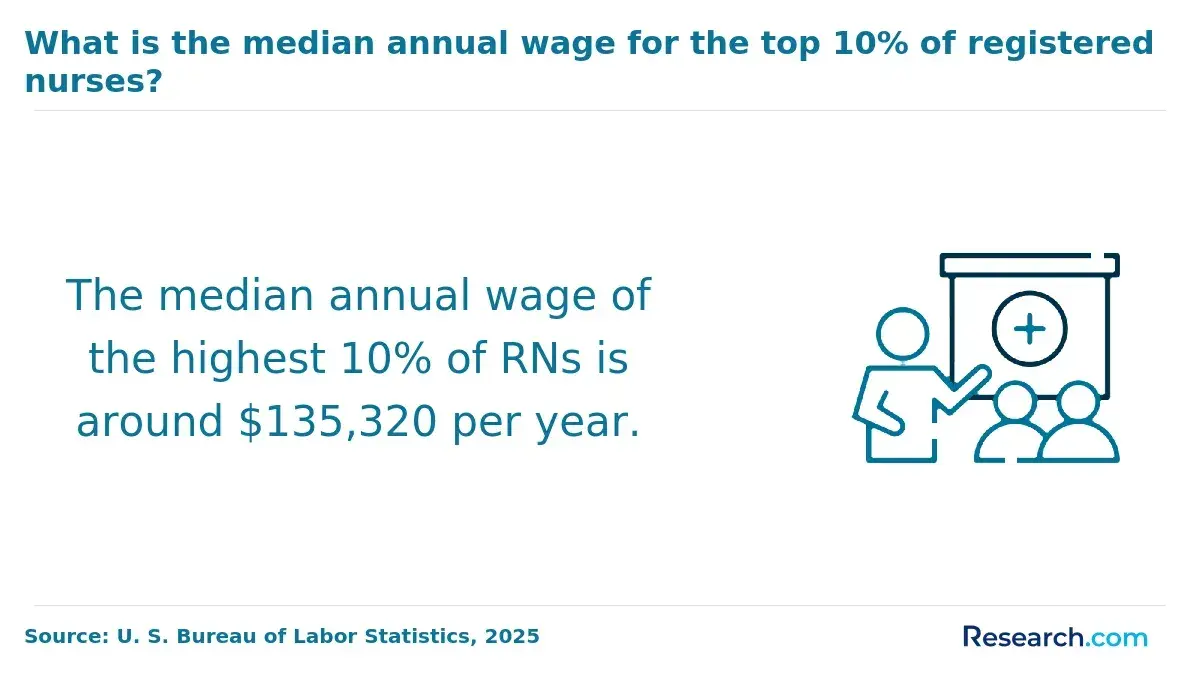
In Idaho, registered nurses without a Bachelor of Science in Nursing (BSN) degree earn an average annual salary of around $50,760, while obtaining a BSN can significantly boost their earning potential. Understanding these differences is essential for nurses considering advancing their education through online or on-campus RN to BSN programs. Here are key salary insights highlighting the impact of earning a BSN compared to holding an Associate Degree in Nursing (ADN):
- Average Salary Comparison (ADN vs. BSN): Nurses with a BSN earn notably higher salaries, averaging $69,530 annually, reflecting the healthcare industry's preference for BSN-prepared professionals and the added value they bring.
- Salary Differences by Healthcare Setting: BSN nurses often secure higher-paying roles in hospitals or specialized facilities compared to community health settings, where salaries tend to be lower.
- Impact of Experience and Leadership Roles: With experience, BSN nurses can move into leadership or specialized positions that offer increased compensation and professional growth.
- Long-term Earning Potential: A BSN opens doors to advanced degrees and roles in education, management, and research, leading to sustained salary growth and career fulfillment.
Here's What RN to BSN Graduates in Idaho Have to Say About Their Degree
- Completing the online RN to BSN program at Boise State University gave me the flexibility I needed to balance work, family, and study. The curriculum was thoughtfully designed to address the unique healthcare challenges we face here in Idaho, which made my learning deeply relevant. Since graduating, I've started teaching in a local school where I'm passionate about mentoring future nurses and making a real difference in their community health awareness. The professional growth I've experienced has been incredible, and I feel fully equipped to contribute to stronger healthcare outcomes for our youth. Anandy
- Attending a hybrid RN to BSN program at Northwest Nazarene University was an eye-opening journey that combined the best of online and in-person learning. It was demanding, but it prepared me well for beginning my nursing career working in a local school setting. I've appreciated how this degree has expanded my clinical knowledge and communication skills, empowering me to play a vital role in supporting student health and well-being. Reflecting on my growth, I feel a heightened sense of responsibility toward my community and a renewed commitment to professional excellence. Spencer
- The on-campus RN to BSN program at the College of Southern Idaho provided a solid foundation in nursing with hands-on experience alongside peers and faculty who care deeply about our state's health needs. Moving into a nursing role in a local school was both challenging and rewarding, especially given the growing health concerns among young people here. This program not only advanced my career but also deepened my passion for public health and education. I am proud to be part of the professional workforce helping to create healthier futures for Idaho's children. Manolo
Related Articles for Nearby States
- 2027 Best RN to BSN Programs in Montana: Online & Campus
- 2027 Best RN to BSN Programs in Washington: Online & Campus
- 2027 Best RN to BSN Programs in Oregon: Online & Campus
- 2027 Best RN to BSN Programs in Nevada: Online & Campus
- 2027 Best RN to BSN Programs in Utah: Online & Campus
- 2027 Best RN to BSN Programs in Wyoming: Online & Campus
- 2027 Best RN to BSN Programs in California: Online & Campus
- 2027 Best RN to BSN Programs in Colorado: Online & Campus
- 2027 Best RN to BSN Programs in Arizona: Online & Campus
- 2027 Best RN to BSN Programs in New Mexico: Online & Campus
References:
- Frequently Asked Questions https://www.boisestate.edu/nursing-rnbs/faq/
- RN to BSN Programs in Idaho | Find RN – BSN Nursing Programs in ID | Nursing-School-Degrees.com https://www.nursing-school-degrees.com/states/idaho-rn-bsn/
- What if My Nursing School Isn’t Accredited? https://www.registerednursing.org/articles/what-if-nursing-school-isnt-accredited/
- BSN Program: Earn Your Bachelor's Degree in Nursing | Utah & Idaho https://www.eaglegatecollege.edu/programs/bachelors-degree-nursing/
- 10 Reasons Why RNs Should Pursue Their BSN Degree | NurseJournal.org https://nursejournal.org/articles/reasons-why-rns-should-pursue-their-bsn-degree/
- Online Nursing Schools in ID: Your Guide to Top Programs https://www.edumed.org/online-schools/nursing-rn-programs/idaho/
- Tuition Reimbursement for Nursing https://www.brighthorizons.com/employers/benefits/tuition-reimbursement-for-nursing
- Registered Nursing at CWI: Let's Get Started https://cwi.edu/program/nursing
- RN to BSN in Idaho | Online RN-BSN Degree Programs in ID | ADN to BSN https://www.bsnedu.org/idaho-rn-to-bsn/
- Online RN to BSN Program – Accredited Degree in 20 Months https://www.joyce.edu/nursing/rn-to-bsn/
Other Things You Should Know About RN to BSN Programs in Idaho
In 2027, tuition for RN to BSN programs in Idaho varies across institutions. On average, students can expect to pay between $8,000 and $15,000 for the entire program, depending on the school and whether the program is online or campus-based.
It is generally possible to complete an RN to BSN program in Idaho while working full-time, especially given the flexibility offered by many online and hybrid programs. These programs are designed to accommodate working nurses by offering asynchronous coursework, part-time enrollment options, and extended program durations. However, balancing work and study requires strong time management skills and the willingness to engage in coursework outside traditional hours. Prospective students should carefully consider program structure and support services to ensure they can maintain both their professional responsibilities and academic progress.
The best RN to BSN programs in Idaho for 2027 include Boise State University and Lewis-Clark State College, both of which offer flexible online options tailored for working nurses. These programs are highly regarded for their comprehensive curriculum and support services, ensuring quality education and skill enhancement.


