
2027 Best RN to BSN Programs in Indiana: Online & Campus

Co-Founder and Chief Data Scientist
Indiana's healthcare sector is growing rapidly, with employment for registered nurses projected to increase by 15% over the next decade, outpacing national averages. This surge makes advancing from an RN to a BSN a strategic move for greater job security, leadership roles, and higher salaries. Yet, choosing between online and on-campus RN to BSN programs requires more than surface-level evaluation. Traditional assumptions about accessibility and quality deserve reconsideration in an evolving educational landscape shaped by technology and student needs.
This article explores the nuances of RN to BSN programs in Indiana, distinguishing the characteristics and demands of online versus campus-based options. Crafted by experienced career planning experts, it aims to clarify what an RN to BSN entails, helping readers anticipate challenges, identify priorities, and navigate their choices with confidence in this critical career transition.
Key Benefits of RN to BSN Programs in Indiana
- Indiana's RN to BSN programs offer flexible online options, with over 60% of students choosing this route to balance work and education efficiently.
- The state's accelerated BSN completion averages 12-18 months, enabling RNs to quickly boost earning potential by up to 20%.
- Strong partnerships with top healthcare systems ensure graduates gain clinical experience aligned with Indiana's evolving patient care demands.
- What is an RN to BSN program and how does it work in Indiana? Overview
- What courses are included in RN to BSN programs in Indiana? Courses
- What are the admission requirements for RN to BSN programs in Indiana? Requirements
- How long does it take to earn an RN to BSN degree in Indiana? Duration
- How much does an RN to BSN program cost in Indiana? Costs
- What are the pros and cons of online vs. on-campus RN to BSN programs in Indiana? What are the pros and cons of online vs. on-campus RN to BSN programs in Indiana?
- How do RN to BSN programs in Indiana support clinical placements? How do RN to BSN programs in Indiana support clinical placements?
- Which accrediting bodies approve RN to BSN programs in Indiana? Which accrediting bodies approve RN to BSN programs in Indiana?
- What career opportunities are available to RN to BSN graduates in Indiana? Career Opportunities
- What is the average RN to BSN salary increase in Indiana? Average Salary
What is an RN to BSN program and how does it work in Indiana?
An RN to BSN program in Indiana is a tailored educational pathway that enables licensed registered nurses with an associate degree or diploma in nursing to elevate their qualifications to a Bachelor of Science in Nursing. These programs build on existing clinical experience, integrating advanced concepts in leadership, community health, and evidence-based practice.
Delivered mainly online, the programs offer flexibility that supports working nurses balancing job commitments with coursework, typically through a cohort model that fosters peer interaction and structured progress. This approach not only advances a nurse's critical thinking but also equips them to meet the evolving demands of healthcare institutions increasingly requiring BSN credentials for clinical and managerial roles, making these programs vital for career growth within the state.
Designed for working nurses aiming to expand their professional horizons, RN to BSN programs in Indiana serve those seeking leadership roles, higher salaries, and specialized fields in healthcare. The programs particularly benefit nurses who must comply with rising employer expectations for baccalaureate education and those looking to improve patient outcomes through evidence-based skills.
Additionally, they provide a solid foundation for nurses considering graduate education or transfers into diverse settings such as home health, pharmaceuticals, or government healthcare roles. Pursuing this degree also aligns with the ambition to advance along a family nurse practitioner career path, making the program a strategic investment in both current and future professional opportunities.
What courses are included in RN to BSN programs in Indiana?
This section provides an overview of the core and specialized courses commonly included in RN to BSN programs in Indiana, giving insight into the comprehensive academic foundation these programs build to prepare nurses for advanced roles. Below is a list highlighting key courses and focus areas typically offered within the BSN nursing courses in Indiana, reflecting a curriculum designed to cultivate leadership, clinical expertise, and community health commitment.
- Transition to BSN Practice: This course bridges the associate degree with baccalaureate education by exploring evolving nursing roles, ethical considerations, and the value of continuous learning, which establishes a critical mindset for leadership and advanced practice.
- Health Assessment: Here, students refine comprehensive assessment skills across all age groups, learning to perform detailed interviews and physical exams that distinguish subtle changes in patient conditions, essential for enhanced clinical judgment.
- Evidence-Based Practice: Focused on marrying research to bedside care, this course strengthens critical thinking by teaching nurses to evaluate scientific studies and incorporate proven interventions that improve patient outcomes.
- Pathophysiology: Nurses deepen their understanding of disease mechanisms, enabling anticipatory care and tailored interventions that heighten patient education and safety.
- Nursing Leadership and Management: This area cultivates skills in team coordination, conflict resolution, and healthcare systems navigation, preparing nurses for supervisory roles and quality improvement initiatives.
- Community and Public Health Nursing: Emphasizing population health, students learn to design community interventions that address epidemiological trends and promote disease prevention statewide.
- Statistics and Nursing Research: These courses equip nurses with data literacy and research design abilities, fostering a culture of inquiry critical for continuous professional advancement.
- Care of Aging, Chronically Ill, and Disabled Populations: Specialized instruction in this field addresses ethical dilemmas and caregiving strategies for vulnerable groups, expanding nursing competencies in gerontological and long-term care.
- Capstone Experience: The culminating project requires integration of knowledge through real-world practice or research, demonstrating readiness for BSN-level clinical and leadership challenges.
- Electives in Global Health, Complementary Therapies, and Disaster Response: Optional courses broaden perspectives, preparing nurses for diverse, evolving healthcare environments.
In addition to this rigorous nursing-focused curriculum, the RN to BSN program curriculum at Indiana integrates general education requirements to develop well-rounded healthcare professionals. Nurses may also explore paths such as how to start as a adult gerontology nurse practitioner, reflecting the diverse opportunities unlocked by completing a BSN.
What are the admission requirements for RN to BSN programs in Indiana?
To navigate the RN to BSN admission requirements Indiana programs demand, applicants must gather specific qualifications and materials that verify their preparedness for advanced nursing education. Below is a focused list highlighting common prerequisites candidates should anticipate when applying to these programs.
- Active RN License: Holding a current and unencumbered Registered Nurse license in Indiana or the state of intended practice is essential. This credential confirms eligibility for clinical work and reflects foundational competence required to advance in nursing education.
- Accredited Nursing Degree: Completion of an Associate Degree in Nursing (ADN) or nursing diploma from an accredited institution forms the academic basis for BSN admission. This ensures transferability of credits and readiness for the more rigorous coursework ahead.
- Official Transcripts: Submission of official transcripts from all previous colleges and nursing programs enables schools to assess transferable credits and verify prerequisite courses. Accurate transcript evaluation supports crafting a tailored study plan.
- Minimum GPA: Most programs enforce a minimum cumulative GPA requirement, typically between 2.5 and 2.75, demonstrating adequate academic performance. Some programs may impose additional standards for science coursework to reflect preparation for clinical complexities.
- English Language Proficiency: Applicants whose first language is not English usually must prove proficiency through tests such as TOEFL or IELTS, ensuring effective communication in academic and clinical settings.
- Background Check and Drug Screening: A criminal background check and drug screening are standard prerequisites to safeguard patient safety and meet healthcare employer conditions before clinical placements.
- Letters of Recommendation or Statement of Purpose: While not universally required, some programs seek letters or statements to gauge candidates' professional motivation, leadership qualities, and dedication to nursing, strengthening their applications.
- Prerequisite Coursework: Completion of specified support courses like anatomy, physiology, or statistics with satisfactory grades is often mandatory, reinforcing essential knowledge for advanced nursing practice.
- Application Fee: Most Indiana RN to BSN program applications require a non-refundable fee that covers administrative processing.
Exploring the nuances of the Indiana RN to BSN program prerequisites encourages reflection on how these standards shape both eligibility and future career opportunities, especially given how earning a BSN increasingly influences clinical roles and advancement pathways. For those considering further specialty education, the nurse practitioner pathway offers a logical extension beyond the BSN.
How long does it take to earn an RN to BSN degree in Indiana?
The timeline for completing an RN to BSN degree in Indiana varies significantly based on enrollment choices and program structures, reflecting the diverse needs and commitments of nursing professionals. Below is a detailed breakdown of typical completion times by program format, illuminating which pathway might best align with a student's personal and professional circumstances.
- Full-Time Programs: These are designed for rapid progression, often finishing within 12 to 16 months, with some accelerated tracks allowing completion in as little as 10 months. Ideal for nurses ready to reallocate their time and focus intensely on coursework to advance quickly in their careers.
- Part-Time Programs: Generally requiring 18 to 24 months, these programs accommodate working nurses balancing job and family responsibilities. This option offers steady progress with less disruption to ongoing commitments, favoring those who prioritize flexibility over speed.
- Accelerated Programs: Targeting highly motivated individuals, some accelerated tracks facilitate completion in around 10 months by maximizing transfer credits and condensing course loads. This route challenges conventional pacing and suits those eager to expedite their degree without sacrificing quality.
- Self-Paced Options: Offering unmatched flexibility, these programs enable students to dictate their own tempo, finishing anywhere from under a year to several years. This model responds to fluctuating schedules and varying personal demands, empowering nurses to adapt learning to life's unpredictability.
How much does an RN to BSN program cost in Indiana?
Getting a clear picture of the typical tuition range and the overall costs for RN to BSN programs in Indiana is essential for making informed decisions about further nursing education. The following points break down the main cost factors students should consider when choosing between online and on-campus RN to BSN programs in this state.
- Tuition per credit hour: Tuition rates vary widely based on the institution and program format. Online courses are often priced slightly lower per credit than on-campus classes, but premium programs or private schools may charge more regardless of delivery method.
- Total program cost: The full cost depends on the number of credits required, which can range anywhere from 30 to 45 credit hours. Online programs sometimes offer accelerated options, which could reduce the overall time and financial commitment.
- Additional fees: Online RN to BSN students may face technology fees, virtual library access charges, or proctoring fees for exams, while on-campus students often pay campus facility maintenance or activity fees. These can add several hundred dollars annually to the total cost.
- Financial aid and employer assistance: Many students can offset expenses with scholarships, grants, or tuition reimbursement from healthcare employers. These resources significantly impact the net cost but require proactivity in application and eligibility verification.
When I spoke with a nurse from Indiana who recently graduated from a hybrid RN to BSN program offered by a local university, he reflected on the financial balancing act involved. "I had to carefully plan my budget because even though I qualified for some employer tuition aid, there were still out-of-pocket costs for books and fees," he said.
The nurse appreciated the flexible hybrid format that allowed him to maintain his job while studying, but noted, "The biggest challenge was making sure I didn't underestimate the additional expenses beyond tuition." Ultimately, he found the investment worthwhile, crediting the degree with opening doors for career advancement and a renewed sense of confidence in his professional skills.
What are the pros and cons of online vs. on-campus RN to BSN programs in Indiana?
Choosing between online or hybrid and on-campus RN to BSN programs in Indiana requires thoughtful evaluation of how each format aligns with your lifestyle, budget, and long-term career goals. The flexibility of online RN to BSN programs in Indiana can be a significant advantage for nurses balancing work and personal responsibilities, while on-campus options often provide valuable in-person experiences that may strengthen clinical skills and professional connections.
Below is a focused comparison of the pros and cons of these formats to help clarify which pathway might best suit you:
Online or Hybrid RN to BSN Programs
- Pro: Flexible Scheduling - These programs allow study from any location, often letting students set their own pace, which is ideal for working nurses managing busy schedules.
- Pro: Cost-Effective - The cost comparison of campus vs. online RN to BSN Indiana reveals that online options usually have lower tuition and reduce expenses linked to commuting and housing.
- Con: Limited Networking and Hands-On Practice - While offering convenience, online programs may lack immediate in-person interactions and structured clinical experiences, which can be essential for some learners.
On-Campus RN to BSN Programs
- Pro: Direct Faculty and Peer Interaction - Face-to-face engagement fosters deeper mentoring relationships and professional networking opportunities that can influence career advancement.
- Pro: Enhanced Hands-On Learning - Access to clinical labs and real-time simulations provides practical skill development not always feasible in online formats.
- Con: Less Flexibility and Higher Costs - Campus attendance often requires fixed schedules and adds costs for housing and transportation, challenging those balancing work and family.
For those considering further education, exploring options such as an easiest BSN to MSN online program can offer insight into how online learning paths extend beyond the BSN level.
How do RN to BSN programs in Indiana support clinical placements?
Indiana's RN to BSN programs recognize that hands-on clinical experience is essential for professional growth and licensure completion, offering students targeted support to secure meaningful placements while balancing work and study. To clarify how these programs actively assist students, consider the following key forms of clinical support that ensure RN to BSN candidates gain real-world practice and academic success.
- Partnerships with Local Healthcare Facilities: Collaborations with diverse healthcare providers open doors to varied clinical settings, exposing students to multiple specialties and patient populations, while fostering valuable professional connections.
- Preceptor or Mentor Matching: Personalized mentorship links students with seasoned nurses who offer tailored guidance and insights, bridging classroom theory with practical application and leadership development.
- Flexibility for Current RNs: Programs enable students to fulfill clinical hours at their workplaces, reducing logistical barriers and allowing immediate integration of new knowledge into daily nursing practice.
- Faculty and Clinical Coordinator Support: Dedicated advisors navigate students through placement logistics and compliance, helping them overcome challenges and ensuring smooth progression toward graduation.
When I spoke with a nurse who recently graduated from an RN to BSN program at a local Indiana school, she reflected on how crucial the program's flexible clinical placement options were during her studies. Balancing a hectic night-shift schedule and family commitments, she initially worried that finding appropriate clinical hours would disrupt her routine.
However, the ability to complete clinical requirements at her hospital under the guidance of a trusted mentor eased her anxiety and kept her motivated. She described the faculty's ongoing communication and responsiveness as "invaluable," emphasizing that this support felt less like a system and more like a partnership focused on student success. Her journey reveals how Indiana's RN to BSN programs thoughtfully tailor clinical experiences, empowering working nurses to advance without sacrificing stability or quality learning.
Which accrediting bodies approve RN to BSN programs in Indiana?
Accreditation is a fundamental safeguard ensuring that RN to BSN programs in Indiana maintain high standards of educational quality, credibility, and professional recognition. The main national and state-level accrediting bodies overseeing these programs each impose rigorous criteria that protect students' investments and uphold the integrity of nursing education in the state:
- Commission on Collegiate Nursing Education (CCNE): As a leading national accreditor specializing in baccalaureate and graduate nursing programs, CCNE verifies that institutions meet comprehensive standards in curriculum design, faculty expertise, student support, and educational outcomes. Its endorsement signals that graduates are prepared for current and evolving nursing roles, making it a trusted indicator for employers and licensing bodies.
- Accreditation Commission for Education in Nursing (ACEN): Recognized by the U.S. Department of Education, ACEN accredits nursing programs across all levels, emphasizing continuous evaluation, qualified faculty, and measurable student success. Its accreditation reflects a commitment to maintaining rigorous, evidence-based nursing education that aligns with workforce demands.
- Commission for Nursing Education Accreditation (CNEA): With a focus on innovation and student-centered learning, CNEA represents a progressive national approach to accreditation. Programs accredited by CNEA demonstrate ongoing quality improvement efforts and adaptability, which benefit students entering increasingly complex healthcare environments.
- Indiana State Board of Nursing: Beyond national accreditation, state-level approval is legally required in Indiana, confirming that programs comply with state-specific standards for curriculum, clinical experience, and graduate preparedness. This dual oversight ensures that RN to BSN graduates are fully qualified to sit for licensure and practice within Indiana.
What career opportunities are available to RN to BSN graduates in Indiana?
Exploring career advancement for BSN nurses in Indiana reveals a landscape rich with diverse opportunities that extend well beyond bedside care. For those pursuing RN to BSN job opportunities in Indiana, the degree opens doors to roles demanding greater responsibility and strategic influence within healthcare systems.
Below are key examples of positions where BSN-prepared nurses can thrive and lead:
- Charge Nurse or Nurse Supervisor: These roles involve coordinating patient care, delegating tasks, and providing leadership to nursing teams within hospitals or clinics. The leadership, communication, and critical thinking skills gained through RN to BSN programs are crucial for success in these positions.
- Clinical Nurse Educator: BSN holders often teach and mentor nursing students or new staff in hospitals and academic settings. Indiana typically requires a BSN for academic clinical instructor roles, making this a prime career path for RN to BSN graduates seeking to influence future nursing professionals.
- Public Health Nurse: Emphasizing community education, screenings, and disease prevention, this role prepares nurses to tackle health challenges at the population level, a focus well-supported by RN to BSN curricula.
- Case Manager or Care Coordinator: These nurses manage complex treatment plans and ensure smooth transitions between care settings, leveraging their knowledge of evidence-based practice and healthcare informatics acquired during BSN studies.
- Occupational Health Nurse: Companies and health systems in Indiana rely on BSN nurses to oversee employee wellness programs and workplace safety, roles growing more important as employers prioritize health compliance.
- Specialty and Critical Care Roles (ICU, NICU, OR): Enhanced clinical judgment from BSN completion often favors candidates for high-acuity positions within specialty units, where certification and advancement opportunities abound.
- Virtual Care/Telehealth Nurse: The rise of telehealth has created new avenues for BSN nurses to provide remote patient support and education, reflecting the evolving nature of nursing work environments.
- Nursing Informatics or Quality Improvement Roles: Informatics and data-driven care are core to BSN education, preparing nurses to lead patient safety and quality initiatives within Indiana's healthcare facilities.
While many paths beckon, understanding where a BSN can lead also requires insight into related professions-those weighing options may consider physician assistant vs nurse practitioner which is better to fully grasp the spectrum of healthcare roles. With Indiana's healthcare employers increasingly preferring BSN-prepared nurses for advancement, these job opportunities underscore the tangible value of continuing nursing education.
What is the average RN to BSN salary increase in Indiana?
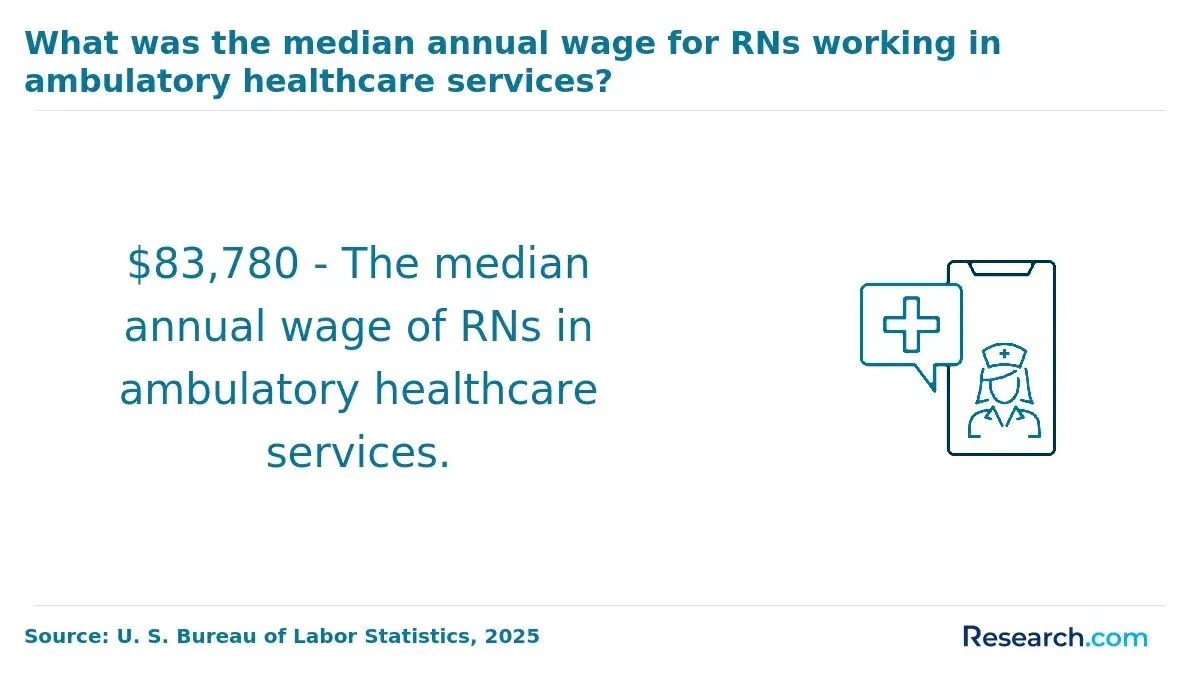
The average registered nurse in Indiana without a BSN earns about $68,890 annually, but earning a BSN can significantly influence salary potential and career progression. Below is a detailed comparison of key salary outcomes and contributing factors for nurses with an Associate Degree in Nursing (ADN) versus those holding a Bachelor of Science in Nursing (BSN):
- Average Salary Comparison (ADN vs. BSN): BSN-prepared nurses nationally earn 5-10% more than ADN counterparts, with Indiana reflecting this modest yet meaningful premium that supports access to higher-paying roles.
- Salary Differences by Healthcare Setting: Hospitals, especially large and teaching facilities in Indiana, offer stronger salary incentives and tuition benefits to BSN-educated nurses, while outpatient and community settings show smaller gaps.
- Impact of Experience and Leadership Roles: BSN nurses are more often fast-tracked into supervisory and advanced roles that pay above $77,650 annually, thanks to their leadership training and clinical preparation.
- Long-Term Earning Potential: The compounded effect of initial raises, promotions, and eligibility for graduate education can substantially increase lifetime earnings for BSN holders, opening doors to advanced practice roles exceeding $110,000 yearly.
Here's What RN to BSN Graduates in Indiana Have to Say About Their Degree
- Noelle: "Completing the online RN to BSN program at Indiana Wesleyan University gave me the flexibility I needed while balancing work and family. The coursework was practical and directly applicable to my role, which helped me feel confident as I transitioned into a nursing position at a local school. The program's focus on community health deeply inspired me to make a positive impact on students' well-being every day. I'm grateful for the support network and evidence-based curriculum that strengthened my professional skills and passion for education. "
- Arroyo: "Enrolling in the hybrid RN to BSN program at Ball State University was a defining step in my professional development. The blend of in-person and virtual classes allowed me to connect with both faculty and peers while continuing to work full-time. Starting my nursing career in a local school, I found that my enhanced knowledge in leadership and evidence-based practice contributed greatly to improving student health services. Reflecting on this journey, I appreciate how the program pushed me to grow personally and gave me tools to advocate for better healthcare in the educational setting. "
- Evan: "Attending the on-campus RN to BSN program at Purdue University Fort Wayne was a rigorous but rewarding experience that opened up unique opportunities for me. Living and studying in Indiana enriched my understanding of regional health challenges and the diverse needs of local communities. After graduating, I started working as a nurse in a school environment, where I could apply my skills to support children's health and promote wellness effectively. The degree also positioned me well for future career advancement and leadership roles in the nursing field, which motivates me to continue growing professionally. "
Other Things You Should Know About RN to BSN Programs in Indiana
Can RN to BSN graduates in Indiana qualify for leadership or specialized roles?
RN to BSN graduates in Indiana are well-positioned to qualify for leadership and specialized roles within the nursing field. The BSN degree equips nurses with enhanced clinical skills, critical thinking, and knowledge in healthcare management, which are essential for supervisory positions and advanced practice areas.
Many healthcare employers in Indiana prefer or require a BSN for roles such as nurse managers, clinical nurse specialists, and public health nurses, acknowledging the degree's emphasis on evidence-based practice and leadership. Thus, completing an RN to BSN program significantly broadens career opportunities for Indiana nurses seeking to advance beyond bedside care into specialized or leadership roles.
What are the risks of choosing a non-accredited RN to BSN program in Indiana?
Enrolling in a non-accredited RN to BSN program in Indiana carries significant risks that can impact a nurse's career advancement and licensure eligibility. Without accreditation, the program may not meet state nursing board standards, potentially hindering eligibility for certain certifications and advanced practice roles.
Additionally, credits earned might not transfer to other institutions, limiting further education options. Employers often prefer graduates from accredited programs, so attending a non-accredited school could reduce job prospects and earning potential over time.
Can you complete an RN to BSN program in Indiana while working full-time?
Yes, many RN to BSN programs in Indiana are designed to accommodate working professionals, making it feasible to work full-time while pursuing your degree. Numerous programs offer flexible online coursework and part-time options that allow students to balance work and study effectively.
Additionally, some Indiana schools provide asynchronous classes so students can complete assignments on their own schedules. However, it's important to consider clinical and practicum requirements that may require occasional on-site attendance or scheduled hours, which could affect work availability.
Do employers in Indiana offer tuition reimbursement for RN to BSN students?
Many employers in Indiana recognize the value of advancing nursing education and offer tuition reimbursement programs for employees pursuing an RN to BSN degree. Hospitals and healthcare systems, especially larger institutions, often provide financial assistance to support continuing education as a way to improve patient care and retain skilled staff.
While the availability and extent of tuition reimbursement can vary by employer, it is common for nurses working in Indiana's healthcare sector to access such benefits, making it more affordable to complete their BSN degree. Prospective students should verify specific policies with their current or prospective employer to understand eligibility and application requirements for tuition assistance.
Related Articles for Nearby States
- 2027 Best RN to BSN Programs in Ohio: Online & Campus
- 2027 Best RN to BSN Programs in Illinois: Online & Campus
- 2027 Best RN to BSN Programs in Kentucky: Online & Campus
- 2027 Best RN to BSN Programs in Michigan: Online & Campus
- 2027 Best RN to BSN Programs in Wisconsin: Online & Campus
- 2027 Best RN to BSN Programs in Missouri: Online & Campus
- 2027 Best RN to BSN Programs in Tennessee: Online & Campus
- 2027 Best RN to BSN Programs in Iowa: Online & Campus
- 2027 Best RN to BSN Programs in West Virginia: Online & Campus
- 2027 Best RN to BSN Programs in Minnesota: Online & Campus
References:
- RN to BSN Admission Requirements https://bulletin.iu.edu/iuftw/2025-2026/schools/nursing/admission/rn-bsn-admission.shtml
- 10 Best RN to BSN Programs in Indiana (Online & Campus) – 2025 Rankings https://www.nursingprocess.org/rn-to-bsn-programs/indiana/
- Online vs. On-Campus RN to BSN Programs: What's the Difference? | Lindenwood https://online.lindenwood.edu/blog/online-vs-on-campus-rn-to-bsn-programs-whats-the-difference/
- Average RN Salary In Indiana | NurseJournal.org https://nursejournal.org/state/indiana/rn-salary/
- The Pros and Cons of Online Learning https://www.chamberlain.edu/blog/the-pros-and-cons-of-online-learning
- Online RN to BSN IU South Bend https://healthscience.iusb.edu/nursing/degree-programs/undergraduate-program/rn-bsn/online_rnbsn.html
- Online Bachelor's in Nursing - RN to BSN | Indiana Wesleyan University https://www.indwes.edu/program/bs-nursing/
- How Much Can I Earn With a BSN? https://www.allnursingschools.com/bsn/salary/
- Part-Time Study https://rntobsn.iu.edu/about/part-time.html
- Highest Paying BSN Jobs: How Can a Bachelor’s Degree in Nursing Impact Your Earnings https://nightingale.edu/blog/highest-paying-bsn-jobs.html
Other Things You Should Know About RN to BSN Programs in Indiana
The top RN to BSN programs in Indiana for 2027 include Indiana University, Purdue University Northwest, and Ball State University. These programs are well-regarded for their comprehensive curriculums, flexibility, and experienced faculty, allowing registered nurses to advance their education and careers efficiently.
Accreditation ensures RN to BSN programs in Indiana meet high academic standards and are recognized by employers and other educational institutions. In 2027, choosing an accredited program can be crucial for securing financial aid, transferring credits, and obtaining state licensure.
Yes, many RN to BSN programs in Indiana are designed to accommodate working professionals, making it feasible to work full-time while pursuing your degree. Numerous programs offer flexible online coursework and part-time options that allow students to balance work and study effectively.
Additionally, some Indiana schools provide asynchronous classes so students can complete assignments on their own schedules. However, it's important to consider clinical and practicum requirements that may require occasional on-site attendance or scheduled hours, which could affect work availability.


