
2027 Best RN to BSN Programs in Pennsylvania: Online & Campus

Co-Founder and Chief Data Scientist
Pennsylvania's nursing workforce continues to grow, with recent data showing a 12% increase in registered nurses earning a Bachelor of Science in Nursing (BSN) over the past five years. This trend reflects the expanding demand for BSN-prepared nurses who bring advanced skills and leadership to healthcare settings. Pursuing an RN to BSN program in Pennsylvania offers both academic advancement and greater career opportunities within a state known for its diverse healthcare systems and competitive salaries.
This article explores the nuances of RN to BSN programs in Pennsylvania by comparing online and campus options. Created by experts in career planning, it aims to equip readers with a clear understanding of program structures. It also provides practical guidance on what to expect and which factors to consider when selecting the RN to BSN pathway best suited for individual goals and lifestyles within Pennsylvania's educational landscape.
Key Benefits of RN to BSN Programs in Pennsylvania
- Flexible learning options with over 20 accredited RN to BSN programs offer both online and campus-based courses to fit diverse schedules.
- Graduates often see a salary increase of up to 20% in Pennsylvania's competitive healthcare market by obtaining a BSN.
- Programs emphasize leadership and evidence-based practice, preparing nurses for Pennsylvania's growing demand for advanced clinical roles and management positions.
- What is an RN to BSN program and how does it work in Pennsylvania?
- What courses are included in RN to BSN programs in Pennsylvania?
- What are the admission requirements for RN to BSN programs in Pennsylvania?
- How long does it take to earn an RN to BSN degree in Pennsylvania?
- How much does an RN to BSN program cost in Pennsylvania?
- What are the pros and cons of online vs. on-campus RN to BSN programs in Pennsylvania?
- How do RN to BSN programs in Pennsylvania support clinical placements?
- Which accrediting bodies approve RN to BSN programs in Pennsylvania?
- What career opportunities are available to RN to BSN graduates in Pennsylvania?
- What is the average RN to BSN salary increase in Pennsylvania?
What is an RN to BSN program and how does it work in Pennsylvania?
An RN to BSN program in Pennsylvania is designed to help registered nurses with an associate degree or diploma advance their education by earning a Bachelor of Science in Nursing. These programs focus on expanding nurses' theoretical knowledge, critical thinking, and leadership skills, enabling them to take on higher-level roles within the healthcare system.
Whether delivered online or on-campus, understanding the RN to BSN program requirements in Pennsylvania ensures that nurses can plan their educational path effectively. Completing this degree can open doors to management positions and pave the way for further studies like a Master of Science in Nursing or specialized certifications. It also aligns with employers' increasing preference for BSN-prepared nurses to meet evolving healthcare standards and improve patient outcomes.
This pathway is especially well suited for working nurses seeking to advance their careers without disrupting their current employment. Online RN to BSN programs in Pennsylvania offer flexibility that accommodates busy schedules, allowing nurses to study at their own pace while gaining valuable skills in professional autonomy and decision-making. The program supports those aiming for leadership roles in nursing, education, or administration, and it enhances opportunities for career growth and higher earning potential.
Many healthcare organizations in the state recognize the value of a BSN by providing financial aid or tuition assistance, making this an investment that benefits both nurses and their employers. For those curious about the field's financial prospects, exploring top paying nursing careers can provide further inspiration for setting career goals.
What courses are included in RN to BSN programs in Pennsylvania?
This section offers an overview of the core nursing courses in Pennsylvania RN to BSN programs, highlighting the essential components that build your skills and prepare you for advanced nursing roles. Here are some examples of key courses and focus areas typically featured in the curriculum that reflect the RN to BSN curriculum requirements in Pennsylvania.
- Professional Nursing Practice: This course guides nurses through the transition from technical roles to professional practice, addressing ethical challenges, evolving nursing standards, and leadership development. It strengthens your ability to navigate complex healthcare environments confidently.
- Health Assessment and Holistic Care: Focused on advanced physical assessment techniques, this course enhances your clinical expertise by teaching comprehensive health evaluations that consider physical, psychological, social, and spiritual factors in patient care.
- Evidence-Based Nursing Practice and Research: You will learn how to critically evaluate research, use data to improve clinical outcomes, and implement quality improvement initiatives. This course equips you to base your nursing decisions on solid evidence and prepare for leadership roles.
- Community and Population Health: Exploring health promotion and disease prevention, this course develops your skills to serve diverse populations and design culturally competent interventions that consider social determinants of health.
- Nursing Leadership and Management: Preparing you for supervisory positions, this course covers human resources, healthcare policy, and organizational behavior to cultivate effective leadership and management aptitudes essential for career growth.
- Cognate Sciences: Courses in anatomy, physiology, microbiology, chemistry, nutrition, and statistics provide a strong scientific foundation that informs clinical decision-making and sets the stage for graduate study.
- Capstone and Clinical Integration: Most programs include hands-on clinical hours through service-learning or capstone projects, allowing you to apply academic knowledge in real-world healthcare settings aligned with your career goals, including pathways toward becoming a pathology nurse practitioner.
What are the admission requirements for RN to BSN programs in Pennsylvania?
To help you prepare effectively for applying to RN to BSN programs in Pennsylvania, it's essential to know the common qualifications and documentation these programs expect from candidates. Below is a focused overview outlining the typical admission requirements you will encounter when pursuing Pennsylvania RN to BSN program requirements that ensure you are academically and professionally ready to advance your nursing career.
Here are the key admission criteria to keep in mind:
- Active RN License: You must hold a current, valid, and unrestricted Registered Nurse license in Pennsylvania, or in the state where your clinical experiences will take place if the program is online. This ensures you meet legal and professional standards necessary for participation in clinical coursework.
- Completion of an Accredited Nursing Program: Graduation from a regionally accredited associate degree or diploma nursing program is required. This background confirms you have the foundational nursing education necessary to excel in upper-level courses, and many programs offer transfer credits to accelerate your degree completion.
- Official Transcripts: Submission of official transcripts from all colleges or universities you have attended is crucial. These evaluate your prior coursework and confirm eligibility for transfer credits, which helps streamline your path toward the BSN degree.
- Minimum GPA: A cumulative GPA of around 2.0 to 2.5 on a 4.0 scale is generally required. Maintaining this academic standard reflects your preparedness for the challenges of upper-level nursing education and enhances your chances of acceptance.
- Background Check and Drug Screening: Many schools require documentation of a clear criminal background check and drug screening to ensure patient safety and compliance with healthcare regulations during clinical placements.
- Application Form and Fee: You will need to complete a formal application and pay a nonrefundable fee. This initiates the admissions process and allows the school to evaluate your qualifications.
- Professional Résumé: Providing a current résumé highlighting your nursing experience, achievements, and continuing education may be requested. This supports a stronger application by showing your professional development and leadership potential.
- English Language Proficiency: If English is not your first language, submitting TOEFL or IELTS scores is often required. Demonstrating language proficiency ensures you can succeed academically and communicate effectively in clinical settings.
- Additional Requirements: Depending on the program, you might need to show proof of immunizations, letters of recommendation, or completion of specific prerequisite courses. For instance, some universities expect two years of world language study as part of your background.
Equipped with these essentials, applicants can confidently navigate the RN to BSN admission requirements Pennsylvania programs set forth to prepare nurses for expanded roles. For those aiming beyond a BSN, exploring the ranking of the best online acute care nurse practitioner programs might be your next step toward advanced nursing credentials.
How long does it take to earn an RN to BSN degree in Pennsylvania?
When planning your path to a BSN in Pennsylvania, it helps to know how long the journey typically takes based on your chosen study method. Below is a breakdown of average completion times tailored to different program formats and lifestyles, giving you a clearer sense of what fits your ambitions and schedule.
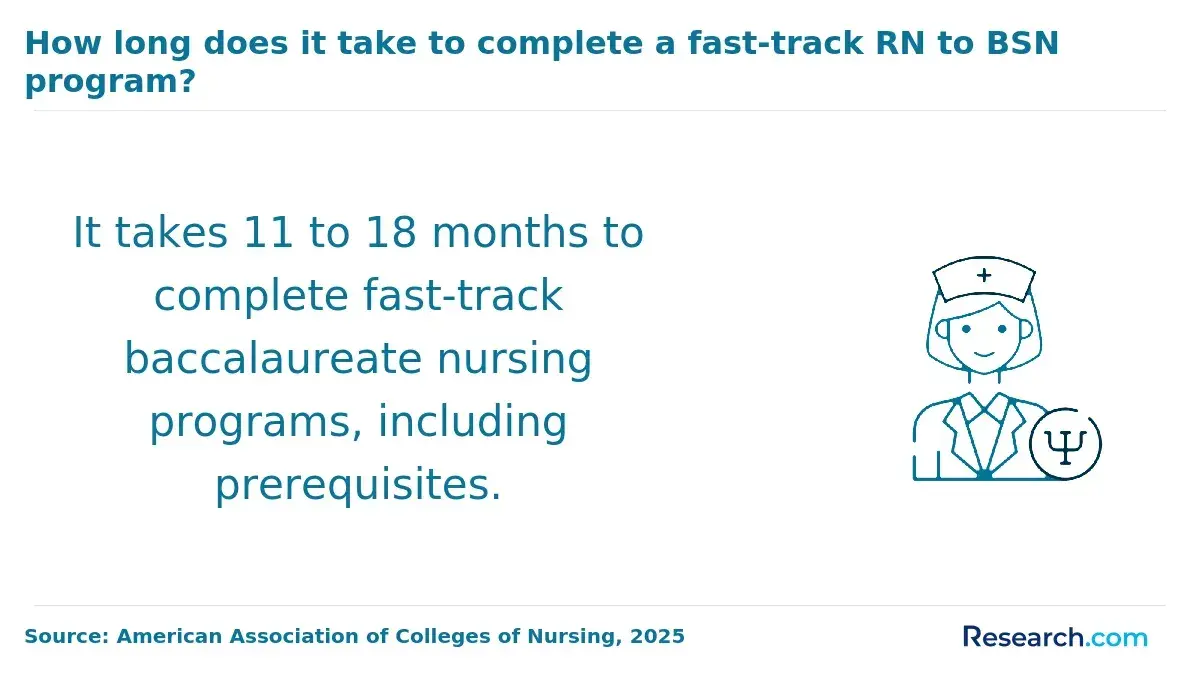
- Full-Time, Accelerated Programs: Designed for those ready to commit significant effort, these programs often wrap up in 12-16 months. Many are offered fully online with condensed courses, perfect for motivated learners aiming to advance quickly.
- Part-Time Programs: Ideal for working nurses balancing job and family, part-time tracks generally take 18-24 months. They provide a manageable pace with fewer courses each term, making steady progress achievable.
- Self-Paced and Flexible Options: For nurses needing maximum scheduling freedom, self-paced programs allow completion anywhere from 12 months up to two years. This option suits professionals with unpredictable hours or other commitments.
- Hybrid and On-Campus Programs: Combining in-person and online learning, these typically require 16-24 months due to fixed schedules and campus attendance. They're great for students seeking face-to-face support and structured environments.
How much does an RN to BSN program cost in Pennsylvania?
When considering RN to BSN programs in Pennsylvania, it's important to get a clear picture of the overall costs involved, as this helps you plan your educational investment wisely. The expenses you'll face can vary depending on whether you choose an online or on-campus program, and there are several key cost factors to keep in mind as you evaluate your options.
Here are the main elements that influence the cost of an RN to BSN program in Pennsylvania:
- Tuition per credit hour: This is the primary cost, and it tends to range widely between institutions. Online programs may offer a slightly lower per-credit rate, but total credit requirements are generally similar.
- Total program cost: The overall expense depends on the number of credits required to graduate, usually ranging from 30 to 40 credits. In-state tuition can be significantly less expensive than out-of-state rates, especially for public universities.
- Additional fees: These include technology fees, clinical course fees, lab fees, and sometimes materials for online learning platforms. Online students might face extra charges related to remote proctoring or software subscriptions.
- Financial aid and employer assistance: Many students benefit from financial aid packages, scholarships, or tuition reimbursement programs offered by employers. Exploring these options can greatly reduce your out-of-pocket costs.
I spoke with a nurse from Pennsylvania who completed a hybrid RN to BSN program at a local university. He reflected on the challenge of balancing work, family, and school expenses, noting, "The total cost was around $12,000, which was manageable because I spread the payments over several semesters."
He emphasized how valuable employer tuition assistance was in easing financial pressure, adding, "Without that support, financing the program would've felt overwhelming." His experience underscored how careful budgeting and exploring aid options made earning his BSN both realistic and rewarding.
What are the pros and cons of online vs. on-campus RN to BSN programs in Pennsylvania?
Choosing the right format for your nursing education depends largely on your lifestyle, budget, and career ambitions. Whether you select an online or hybrid RN to BSN program or prefer the traditional on-campus route, each offers distinct benefits that can align with different needs and goals. Exploring these options helps you find a program that supports your success in nursing while fitting your personal circumstances.
Below is a comparison of the advantages and challenges associated with each format, helping you understand important factors in the Pennsylvania RN to BSN program options.
Online or Hybrid RN to BSN Programs
- Pro: Flexibility is a key benefit, allowing you to study on your own schedule and from any location, which is ideal if you are balancing work and family commitments.
- Con: Online learning may lead to feelings of isolation and demands strong self-motivation and comfort with technology to keep pace with coursework.
- Pro: Many programs are accredited and often provide reduced tuition rates, making them a more affordable choice for many students pursuing online vs. on-campus RN to BSN PA options.
On-Campus RN to BSN Programs
- Pro: In-person programs offer real-time interactions and valuable networking opportunities with instructors and peers, which can open doors in your nursing career.
- Con: Fixed schedules and the need to commute can add time and financial burdens, which may be challenging if you have other responsibilities.
- Pro: Access to campus resources such as tutoring, career services, and direct support can enhance your learning experience and professional development.
For those interested in advancing nursing specialties after completing a BSN, it may be helpful to learn if are nurse practitioner specialty programs easy to get into as you plan your educational path.
How do RN to BSN programs in Pennsylvania support clinical placements?
RN to BSN programs in Pennsylvania are carefully designed to help students gain essential hands-on experience and meet clinical requirements through practical, supportive methods. To ensure students thrive in real-world settings, these programs provide clinical support in several key ways that enhance learning and professional growth.
Here are the main forms of clinical support available to RN to BSN students in Pennsylvania:
- Partnerships with Local Healthcare Facilities: Universities collaborate with hospitals and health agencies to secure clinical placements, giving students access to diverse, real-world practice environments and potential employers.
- Preceptor or Mentor Matching: Students are paired with experienced nurses who offer personalized guidance, helping them grow their clinical skills and confidence.
- Flexibility for Working RNs: Many programs allow students to complete clinical projects at their current workplaces, making it easier to balance work and study while applying new knowledge immediately.
- Guidance from Faculty and Coordinators: Dedicated staff assist with placement logistics and provide expert advice, ensuring clinical experiences meet standards and support professional development.
One Pennsylvania nurse who completed her RN to BSN locally recalled feeling overwhelmed balancing her job and clinical requirements. She shared, "The program's support team helped me find a mentor and approved my current hospital as my clinical site, which saved so much time and stress."
This personalized approach allowed her to focus on learning while staying employed. "Having that mentor's feedback in a familiar environment gave me confidence and deepened my skills. It truly made the difference in finishing the program successfully."
Which accrediting bodies approve RN to BSN programs in Pennsylvania?
Accreditation plays a vital role in ensuring that RN to BSN programs in Pennsylvania maintain high standards of quality, credibility, and recognition, which directly impacts your licensure eligibility and career advancement. The primary accrediting bodies overseeing these programs at the national and state levels include:
- Commission on Collegiate Nursing Education (CCNE): A nationally recognized agency, CCNE evaluates baccalaureate and graduate nursing programs by focusing on curriculum quality, faculty expertise, and ongoing program improvement. CCNE accreditation signals to employers and graduate schools that the program adheres to rigorous academic and professional benchmarks, enhancing your career mobility and credibility within nursing.
- Accreditation Commission for Education in Nursing (ACEN): ACEN offers a comprehensive review of nursing education programs at all levels, emphasizing curriculum relevance, student support, and measurable outcomes. Graduates from ACEN-accredited RN to BSN programs are recognized for meeting best practices, preparing them for advanced roles sought after by healthcare employers and licensing boards.
- Pennsylvania State Board of Nursing: This state-level authority ensures RN to BSN programs comply with Pennsylvania's regulations and professional standards. State board approval is essential for legal recognition, licensure eligibility, and confirms that the program meets required clinical training and ethical guidelines critical for practice within the state.
- National League for Nursing Commission for Nursing Education Accreditation (NLN CNEA): A newer accrediting organization, NLN CNEA promotes innovation and excellence in nursing education, reviewing curriculum quality, faculty development, and student achievement. Its accreditation adds an extra layer of credibility, helping distinguish programs dedicated to contemporary, evidence-based nursing education.
What career opportunities are available to RN to BSN graduates in Pennsylvania?
RN to BSN graduates in Pennsylvania open themselves to a wide array of nursing roles and career advancement opportunities that build on their clinical experience and expand their leadership potential. Below is a list highlighting some common career paths available to BSN-prepared nurses in Pennsylvania, demonstrating how a BSN can transform your professional journey and boost your earning power:
- Hospital Staff Nurse: These nurses provide direct patient care in complex hospital settings, applying advanced critical thinking and communication skills gained through BSN programs. They often serve as clinical resources on teams within major Pennsylvania health systems.
- Nurse Manager or Supervisor: BSN graduates are well equipped to oversee nursing staff, manage unit operations, and drive quality improvement initiatives. Leadership and health systems management courses prepare nurses for these essential roles in both acute and long-term care facilities.
- Public Health Nurse: Focusing on community health education and disease prevention, these nurses work with local health departments and non-profits. Their BSN training enables them to design health programs and respond effectively to public health challenges across diverse populations.
- Specialty Clinical Nurse: BSN-prepared nurses can specialize in fields such as pediatrics, geriatrics, or oncology, working in hospitals and specialty clinics where advanced clinical judgment and interdisciplinary collaboration are key.
- Nursing Educator or Clinical Instructor: Adjunct teaching roles in vocational schools or clinical instruction positions benefit from the BSN's foundation in evidence-based practice and mentorship, setting the stage for future graduate study or faculty advancement.
- Home Health and Hospice Nurse: Nurses in these roles coordinate holistic care for patients outside hospital settings, relying on their BSN education in patient advocacy and communication skills to support patient-centered care plans.
- Case Manager or Care Coordinator: These nurses navigate complex healthcare systems to help patients access appropriate services and manage chronic conditions, applying expertise in health assessment and informatics developed through RN to BSN studies.
- Leadership and Administration: BSN graduates often move into policy, quality improvement, or clinical director roles within healthcare organizations and government agencies, leveraging leadership skills and health policy knowledge.
- Access to Graduate Education: Earning a BSN qualifies nurses for advanced degrees such as MSN, NP, or DNP programs, further enhancing career prospects and specialization options. For details on the educational timeline for advanced nursing roles, consider reviewing the nurse practitioner school timeline.
By choosing to earn your BSN in Pennsylvania, you position yourself not only for immediate job opportunities but also for long-term career advancement in multiple nursing specialties and leadership tracks, meeting the growing demand for BSN-prepared professionals across the state.
What is the average RN to BSN salary increase in Pennsylvania?
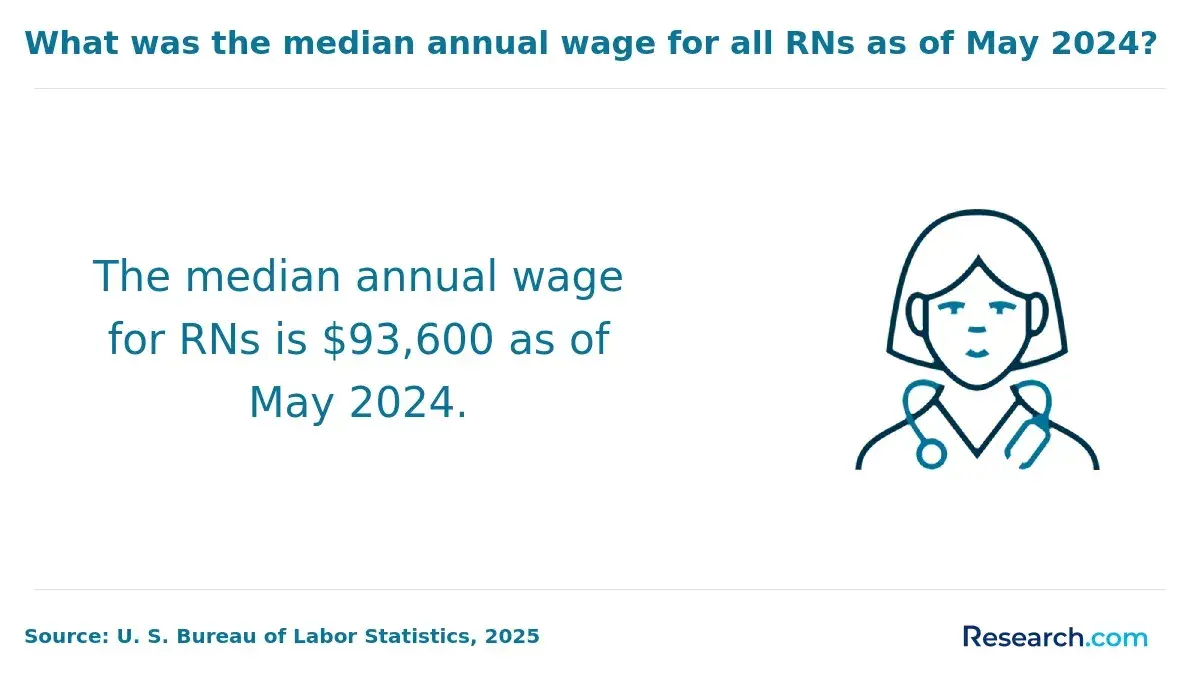
The average salary for a registered nurse (RN) without a BSN degree in Pennsylvania is approximately $72,000-$76,000 per year, and earning a Bachelor of Science in Nursing (BSN) can significantly enhance registered nurses' earning potential in the state. Understanding the salary outcomes is key for those considering RN to BSN programs, whether online or on campus, and below is a concise comparison of salary factors for nurses with an associate degree (ADN) versus those with a BSN.
- Average Salary Comparison (ADN vs. BSN): RNs with an ADN earn around $72,600 annually, while BSN-prepared nurses can expect between $76,000 and $88,000, reflecting a 7-15% salary increase after completing a BSN.
- Salary Differences by Healthcare Setting: BSN nurses more commonly work in magnet hospitals and specialized units that pay higher wages compared to long-term care or outpatient settings where ADN nurses are more prevalent.
- Impact of Experience and Leadership Roles: BSN-prepared nurses have greater access to leadership and specialty roles, frequently leading to salaries exceeding $100,000 with experience and promotions.
- Long-term Earning Potential: The salary gap widens over time as BSN nurses gain promotions and advanced certifications, making the degree a worthwhile long-term investment in their careers.
Here's What RN to BSN Graduates in Pennsylvania Have to Say About Their Degree
Completing the online RN to BSN program at Drexel University allowed me to balance my work and family life while advancing my education. The flexibility of virtual classes made it possible to learn on my own schedule, which was critical as I started my nursing career in a local community hospital. This program boosted my confidence and clinical skills, enhancing my ability to provide quality care. Having a BSN truly opened new doors in Pennsylvania's healthcare system, making me feel prepared for both leadership and bedside roles.
Attending the hybrid RN to BSN program at Robert Morris University was a transformative experience. The on-campus sessions helped me build lasting connections with faculty and peers, while the online components gave me the freedom to continue working full time. Starting my career at a local school as a nurse, I quickly realized the importance of community health education, which fueled my passion for helping young people thrive. The challenges of balancing work and school were worth it, as the degree expanded my professional opportunities and deepened my commitment to patient advocacy. Mary
Choosing an on-campus RN to BSN program at Chatham University was one of the best decisions of my life. Immersed in campus life, I experienced tremendous personal growth and gained hands-on experience that prepared me well for my nursing career in a nearby school district. Pennsylvania's focus on BSN-prepared nurses helped secure job stability and promoted my advancement into leadership roles focused on improving healthcare outcomes for children. The program nurtured my leadership skills and passion for community impact, making me proud to serve the families around me. Kai
Do employers in Pennsylvania offer tuition reimbursement for RN to BSN students?
Many employers in Pennsylvania recognize the value of advancing nursing education and offer tuition reimbursement programs to support RNs pursuing their BSN degrees. Hospitals and healthcare systems, particularly large ones in urban areas like Philadelphia and Pittsburgh, often provide financial assistance as part of their professional development benefits.
Related Articles for Nearby States
- 2027 Best RN to BSN Programs in New Jersey: Online & Campus
- 2027 Best RN to BSN Programs in Delaware: Online & Campus
- 2027 Best RN to BSN Programs in Maryland: Online & Campus
- 2027 Best RN to BSN Programs in New York: Online & Campus
- 2027 Best RN to BSN Programs in West Virginia: Online & Campus
- 2027 Best RN to BSN Programs in Ohio: Online & Campus
- 2027 Best RN to BSN Programs in Virginia: Online & Campus
- 2027 Best RN to BSN Programs in Connecticut: Online & Campus
- 2027 Best RN to BSN Programs in Rhode Island: Online & Campus
- 2027 Best RN to BSN Programs in Massachusetts: Online & Campus
References
- What if My Nursing School Isn’t Accredited? https://www.registerednursing.org/articles/what-if-nursing-school-isnt-accredited/
- Drexel University Online: Accredited College Degrees & Programs https://www.online.drexel.edu/online-degrees/nursing-degrees/nursing-salary-guide/index.aspx
- Nursing Bachelor's Degree Online - Penn State World Campus https://www.worldcampus.psu.edu/degrees-and-certificates/penn-state-online-rn-to-bsn-nursing-bachelor-of-science-degree
- How Much Does a Nurse with a BSN Make? https://nurse.org/resources/BSN-salary/
- Nursing, B.S.N. (RN to BSN) - Immaculata University https://www.immaculata.edu/academics/degrees-programs/nursing-r-n-to-b-s-n-b-s-n-adult-professional-studies/
- RN to BSN Program | Saint Joseph's University https://www.sju.edu/degree-programs/nursing-rn-bsn
- UPMC Introduces Tuition Loan Forgiveness Program for Nursing Students https://www.upmc.com/media/news/101722-tuition-loan-forgiveness
- BSN Programs in Pennsylvania: Empower Your Nursing Career with Top-Ranked Opportunities | Marywood University https://www.marywood.edu/news/lpn-to-bsn-programs
Other Things You Should Know About RN to BSN Programs in Pennsylvania
Admission requirements for top RN to BSN programs in Pennsylvania for 2027 typically include a current RN license, completion of an accredited nursing diploma or associate degree, and a minimum GPA, often around 2.5 or higher. Other common requirements are prerequisite courses and professional references.
Yes, it is possible to complete an RN to BSN program in Pennsylvania while working full-time, especially since many schools offer flexible online options designed to accommodate busy professionals. These programs often provide asynchronous classes, allowing students to study at their own pace and balance work commitments. Additionally, part-time enrollment and evening or weekend courses are common features, making it easier for working RNs to progress without sacrificing their income or job responsibilities. Choosing a program with strong support services and manageable clinical requirements further helps students maintain a healthy work-study balance.
Most RN to BSN programs in Pennsylvania can be completed in one to two years. The duration often depends on whether students enroll full-time or part-time. Some schools offer accelerated options that may be completed in a shorter timeframe.


