
2027 Best RN to BSN Programs in Louisiana: Online & Campus

Co-Founder and Chief Data Scientist
In Louisiana, nearly 65% of registered nurses hold a Bachelor of Science in Nursing or higher, reflecting the state's growing demand for highly qualified nursing professionals. This trend highlights the importance of advancing education through RN to BSN programs, which enhance career prospects and meet healthcare industry standards. Pursuing a BSN not only improves clinical competence but also aligns with Louisiana's efforts to elevate patient care quality across diverse medical settings.
This article provides an expert examination of RN to BSN programs in Louisiana, focusing on both online and campus-based options. It guides readers through the essential aspects of these programs, helping them understand program structures, expectations, and selection criteria.
Key Benefits of RN to BSN Programs in Louisiana
- Louisiana offers flexible RN to BSN programs available fully online or on-campus, accommodating working nurses with varied schedules.
- Graduates experience a median 15% salary increase, reflecting the state's growing demand for BSN-educated nurses in healthcare facilities.
- The Louisiana Board of Nursing supports RN to BSN pathways, ensuring programs meet rigorous accreditation standards and improve career advancement opportunities.
- What is an RN to BSN program and how does it work in Louisiana?
- What courses are included in RN to BSN programs in Louisiana?
- What are the admission requirements for RN to BSN programs in Louisiana?
- How long does it take to earn an RN to BSN degree in Louisiana?
- How much does an RN to BSN program cost in Louisiana?
- What are the pros and cons of online vs. on-campus RN to BSN programs in Louisiana?
- How do RN to BSN programs in Louisiana support clinical placements?
- Which accrediting bodies approve RN to BSN programs in Louisiana?
- What career opportunities are available to RN to BSN graduates in Louisiana?
- What is the average RN to BSN salary increase in Louisiana?
What is an RN to BSN program and how does it work in Louisiana?
An RN to BSN program in Louisiana is designed to enable registered nurses (RNs) to build upon their existing knowledge and clinical experience by earning a Bachelor of Science in Nursing degree. These programs focus on expanding competencies in leadership, critical thinking, and evidence-based practice, which are essential for advancing nursing careers in the state.
The purpose of the Louisiana RN to BSN program requirements is to ensure nurses are equipped with skills that improve patient outcomes and prepare them for more complex healthcare roles. Both online and on-campus formats offer flexibility, allowing working nurses to continue their education without interrupting employment.
This approach supports career growth by enhancing professional qualifications and opening doors to leadership or graduate education opportunities. The RN to BSN program is tailored primarily for nurses who hold an associate degree or diploma in nursing and seek to elevate their career trajectory. It benefits those aiming to transition into roles requiring advanced clinical skills or managerial responsibilities.
Additionally, nurses interested in pursuing graduate education find this pathway invaluable for meeting prerequisites and strengthening their knowledge base. For those comparing certifications within advanced practice nursing, understanding the differences between FNP C and FNP BC certification can be an important component of long-term professional planning.
What courses are included in RN to BSN programs in Louisiana?
This section provides an overview of the core and specialized courses commonly included in RN to BSN programs in Louisiana, offering insight into the comprehensive curriculum designed to enhance nursing competencies. RN to BSN curriculum in Louisiana often includes the following courses:
- Health Assessment: This course builds on clinical experience by teaching advanced patient assessment techniques, enabling students to perform comprehensive physical exams and apply evidence-based frameworks. It is essential for developing enhanced clinical judgment and diagnostic skills.
- Nursing Research: Students learn research methodologies and critical evaluation of scientific literature to apply evidence-based practice effectively. This coursework strengthens abilities to improve patient care quality and engage in quality improvement initiatives.
- Community and Population Health Nursing: Focusing on public health, this course prepares nurses to promote health, prevent diseases, and deliver care in diverse community settings through skills in community assessment, health education, and program planning.
- Leadership and Management in Nursing: This area cultivates leadership, decision-making, and resource management skills, covering healthcare policy and ethics to prepare nurses for supervisory and administrative roles.
- Nursing Informatics: Students gain proficiency in healthcare technologies, including electronic health records and data management, supporting safe and efficient clinical care and facilitating collaboration between clinical and IT staff.
- Issues in Professional Nursing: This course addresses healthcare policy, legal and ethical standards, and professional challenges, encouraging advocacy and critical thinking to shape nursing practice and healthcare delivery.
- Pharmacology: Expanding understanding of medication management, this course covers pharmacokinetics, drug interactions, and patient education to support safe medication administration and informed nursing decisions.
- Gerontology Nursing: With an emphasis on the aging population, students study physiological changes, chronic disease management, and end-of-life care, reflecting the growing needs within Louisiana communities.
- Human Nutrition: Nurses explore the role of nutrition in health and disease management, equipping them to provide effective dietary counseling for complex patient needs.
- Transitional Courses: Many programs include courses such as "Transitions to Professional Nursing" to help RNs adapt to expanded BSN roles, focusing on interprofessional collaboration and lifelong learning.
For those interested in further advancing clinical practice, resources on how to go from RN to NP provide guidance on next steps beyond the BSN degree.
What are the admission requirements for RN to BSN programs in Louisiana?
This section offers a clear overview of the qualifications and materials typically required to apply for RN to BSN programs in Louisiana, providing prospective students with essential guidance before beginning the application process. Below is a summary of the common admission requirements for these programs.
- Associate Degree or Diploma in Nursing: Applicants must hold an Associate Degree in Nursing (ADN) or a nursing diploma from a nationally accredited program, ensuring they possess foundational nursing education appropriate for advanced studies.
- Active, Unencumbered RN License: A valid and unrestricted Registered Nurse (RN) license, generally issued by the Louisiana State Board of Nursing or another U.S. jurisdiction, is mandatory to demonstrate eligibility to practice nursing professionally.
- Completion of Prerequisite Courses: Most programs require successful completion of specific prerequisite and general education courses-usually totaling 57-59 credit hours-with grades of "C" or better to ensure preparedness for baccalaureate-level coursework.
- Minimum Cumulative GPA: A cumulative grade point average typically between 2.5 and 2.8 on a 4.0 scale is required, affirming the applicant's academic readiness and potential for success in the program.
- Official Transcripts: Submission of official transcripts from all previous postsecondary institutions is essential for verifying completed coursework, prerequisites, and GPA calculations.
- Proof of NCLEX-RN Passage: Confirmation of passing the National Council Licensure Examination for Registered Nurses (NCLEX-RN) is generally required as evidence of licensure eligibility.
- Interview and Transcript Review: Certain institutions may require meetings with program directors to review unofficial transcripts and discuss study plans, aiding in individualized academic advisement.
- Additional Application Materials: Some programs request supplemental documents such as application forms, letters of recommendation, personal statements, or proof of immunizations and CPR certification, varying by school.
- Accreditation and Program Approval: Ensuring that the chosen program is accredited by recognized bodies such as CCNE or ACEN and approved by the Louisiana State Board of Nursing is critical for licensure and professional advancement.
Prospective students should also explore the best direct entry nurse practitioner programs as part of broader research into advanced nursing education and career pathways in Louisiana.
How long does it take to earn an RN to BSN degree in Louisiana?
Prospective students evaluating RN to BSN programs in Louisiana will find that completion times vary notably by enrollment format. The following overview breaks down typical durations for different program structures to help inform your decision-making process.
- Full-Time Programs: These accelerated options usually require 10 to 12 months to complete, ideal for nurses able to dedicate substantial effort on a condensed schedule with 7- or 8-week course terms and year-round enrollment.
- Part-Time Programs: Designed for professionals balancing work and personal commitments, part-time formats typically take 18 to 24 months, offering a manageable course load spread across multiple terms.
- Accelerated Programs: Some institutions in Louisiana provide accelerated formats featuring compressed courses that enable completion in as few as 12 months, catering to nurses focused on rapid advancement.
- Self-Paced and Flexible Online Options: These formats grant students autonomy over their pace, with timelines ranging from 12 months up to five years, ideal for those needing maximum flexibility due to fluctuating schedules or transfer credits.
How much does an RN to BSN program cost in Louisiana?
This section provides a detailed overview of the typical tuition range and overall costs associated with completing an RN to BSN program in Louisiana, helping prospective students understand the financial commitments involved. Key cost components that differentiate online and on-campus RN to BSN programs in Louisiana are outlined below to offer clearer insight into what students should anticipate.
- Tuition per Credit Hour: Tuition rates in Louisiana vary by institution but generally range from $250 to $450 per credit hour for RN to BSN students. Online programs often have similar or slightly lower rates than on-campus ones, though prestigious universities may charge more regardless of delivery method.
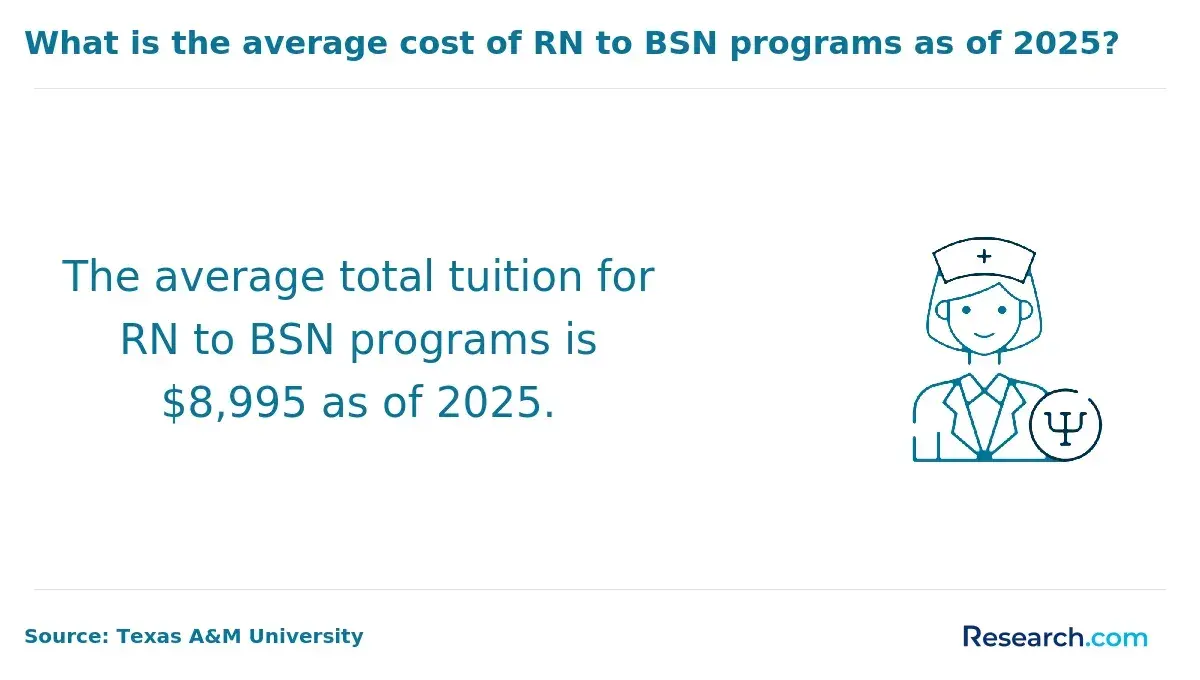
- Total Program Cost: The entire RN to BSN program typically requires 30 to 40 credit hours, resulting in a total tuition cost between $7,500 and $18,000. On-campus programs might incur additional campus fees that increase the overall expenditure.
- Additional Fees for Online Programs: While online RN to BSN students avoid commuting and housing costs, they may face technology fees, online access charges, and costs for proctored exams. These fees vary by school but usually add several hundred dollars to the total program cost.
- Financial Aid and Employer Assistance: Many institutions in Louisiana offer scholarships, grants, and flexible payment plans. Additionally, numerous healthcare employers provide tuition reimbursement or financial support programs, helping reduce out-of-pocket expenses for working nurses seeking a BSN.
A nurse from Louisiana who graduated from a hybrid RN to BSN program shared that balancing work, studies, and finances was a challenging yet rewarding journey. He explained, "The tuition cost was about $12,000, which seemed daunting at first, but employer tuition assistance covered nearly half, and I managed the rest through a financial aid package." He also noted how the hybrid format allowed him to maintain his job while completing coursework efficiently. Reflecting on the investment, he stated, "The degree not only enhanced my clinical knowledge but also opened doors for career advancement, making every dollar well worth it." This experience highlights how planning and utilizing available resources can make the cost of an RN to BSN program in Louisiana manageable and ultimately beneficial.
What are the pros and cons of online vs. on-campus RN to BSN programs in Louisiana?
Each format offers unique benefits and challenges, influencing how effectively you can balance education, work, and personal commitments while progressing toward your nursing career goals. Understanding the pros and cons of online RN to BSN programs in Louisiana compared to campus-based options enables you to make an informed decision that aligns with your priorities.
Below is a comparison highlighting the key advantages and drawbacks of both learning formats.
Online or Hybrid RN to BSN Programs
- Pro: Flexibility and Accessibility - allow working nurses to complete coursework asynchronously, making it easier to fit study around existing job and family responsibilities.
- Pro: Cost-Effectiveness - is a significant benefit, as online programs typically have lower tuition and eliminate expenses for commuting or housing.
- Con: Limited Hands-On Experience and Networking opportunities - since practical components are arranged locally and virtual settings can reduce peer and mentor interaction.
On-Campus RN to BSN Programs
- Pro: Structured Learning and Immediate Support - provide consistent schedules and face-to-face access to faculty and peers, fostering collaborative learning and professional connections.
- Pro: Enhanced Hands-On Training - through simulated labs and campus-based practicums deepen nursing skills and prepare students for leadership roles.
- Con: Less Flexibility and Higher Costs - can pose challenges for employed students due to fixed class times and additional expenses related to commuting and housing.
For nurses aiming to advance professionally, the choice between online and on-campus RN to BSN programs should reflect personal constraints and goals. Those interested in exploring specialized graduate options may find it useful to research what is the best online BSN to FNP program as a next step after BSN completion.
How do RN to BSN programs in Louisiana support clinical placements?
RN to BSN programs in Louisiana ensure students obtain essential hands-on clinical experience by providing comprehensive support throughout their clinical placements. These programs employ multiple strategies to help students fulfill clinical requirements and develop practical skills, including:
- Partnerships with Local Healthcare Facilities: Collaborative ties with diverse healthcare providers offer students exposure to various clinical settings, enriching their adaptability and professional networks.
- Preceptor or Mentor Matching: Experienced nurses guide students through clinical rotations, fostering critical thinking and practical competence in real-world environments.
- Flexibility for Current RNs: Many programs allow students to complete clinical hours at their workplaces, facilitating balance between employment and education.
- Guidance from Faculty or Clinical Coordinators: Dedicated staff provide orientations and continuous support, ensuring students are well-prepared and confident during clinical experiences.
When I spoke with a nurse who completed an RN to BSN program from Louisiana, she shared how securing her clinical placement initially felt overwhelming due to scheduling conflicts and unfamiliarity with required processes. However, the program's personalized mentorship and ability to leverage her existing workplace for clinical hours eased these challenges substantially. She reflected, "Having a mentor who understood the local healthcare environment made all the difference. Their guidance helped me gain not only the clinical hours but also the confidence to excel." This tailored support made her transition to BSN-prepared nursing both manageable and rewarding.
Which accrediting bodies approve RN to BSN programs in Louisiana?
Accreditation ensures the quality, credibility, and recognition of RN to BSN programs in Louisiana, confirming that these programs meet rigorous educational and professional standards valued by employers and licensing boards. The main national and state-level accrediting organizations that oversee RN to BSN programs in Louisiana include:
- Accreditation Commission for Education in Nursing (ACEN): ACEN evaluates nursing programs at all levels with a focus on curriculum quality, faculty expertise, and student outcomes. Its accreditation is widely recognized and often required for employment and advanced education.
- Commission on Collegiate Nursing Education (CCNE): CCNE accredits bachelor's and higher degree nursing programs, emphasizing evidence-based practice and clinical excellence. Programs accredited by CCNE are respected nationwide, including online RN to BSN options.
- Louisiana State Board of Nursing (LSBN): The LSBN approves all nursing programs in Louisiana to ensure compliance with state regulations and public safety. Its approval is essential for graduate eligibility for licensure and local employment.
- National League for Nursing Commission for Nursing Education Accreditation (NLN CNEA): NLN CNEA accredits nursing programs emphasizing integrity and educational excellence. Some Louisiana RN to BSN programs accept transfer credits only from programs accredited by ACEN or NLN CNEA.
- Southern Association of Colleges and Schools Commission on Colleges (SACSCOC): SACSCOC provides regional accreditation to institutions offering RN to BSN programs, ensuring overall academic quality and institutional credibility across the southern United States, including Louisiana.
What career opportunities are available to RN to BSN graduates in Louisiana?
This section outlines the diverse nursing roles and advancement paths available to RN to BSN graduates in Louisiana, demonstrating how completing this degree unlocks a range of career opportunities and professional growth. Below are key examples of common roles for BSN-prepared nurses, illustrating how RN to BSN career advancement Louisiana opens doors to new responsibilities and leadership positions:
- Charge Nurse/Unit Supervisor: These nurses oversee staff coordination and patient care within shifts or units, acting as clinical resources. Hospitals and outpatient clinics highly value BSN graduates for these leadership roles due to their enhanced critical thinking and management preparation.
- Case Manager: Case managers coordinate complex patient care across settings, advocating for quality and cost-effective outcomes. The advanced coursework in care coordination and evidence-based practice equips BSN nurses to excel in this role within hospitals, insurance agencies, and community health organizations.
- Clinical Educator/Staff Development: BSN-prepared nurses develop and implement training programs to support ongoing staff education and best practices. Louisiana's RN to BSN programs include leadership and educational components to prepare nurses for these responsibilities in healthcare systems.
- Public Health Nurse: Public health nurses focus on promoting community wellness and disease prevention for populations using their BSN-based knowledge of population health and epidemiology. Government and nonprofit sectors commonly employ nurses with this specialization.
- Nurse Manager/Administrator: These advanced leaders oversee nursing departments, budgets, and policy compliance. BSN programs foster the management and communication skills essential for these executive roles, which are prevalent in large healthcare systems.
- Specialty Clinical Roles: BSN credentials help nurses advance into specialties such as critical care and oncology, where higher expertise and competitive salaries are common. RN to BSN curricula build a comprehensive clinical foundation crucial for mastering specialized nursing care.
- Preparation for Graduate Study: A BSN is often required to enter graduate nursing programs that lead to roles like nurse practitioners or clinical nurse specialists. Louisiana's programs are designed to facilitate this long-term professional advancement, and those seeking further specialization may also be interested in exploring what are the cheapest online psychiatric nurse practitioner programs.
Overall, these BSN career opportunities in Louisiana reflect the expanding scope and enhanced earning potential available to nurses who graduate from RN to BSN programs, making them increasingly sought after for both clinical and leadership roles across the state's healthcare landscape.
What is the average RN to BSN salary increase in Louisiana?
The average registered nurse (RN) in Louisiana without a Bachelor of Science in Nursing (BSN) earns approximately $70,380 annually, but obtaining a BSN can significantly enhance salary prospects and career opportunities. The following points outline key salary outcomes comparing nurses with an associate degree in nursing (ADN) versus those holding a BSN, illustrating the value of advanced education in Louisiana's healthcare sector:
- Average Salary Comparison (ADN vs. BSN): ADN-prepared RNs typically earn lower starting salaries, around $49,871, while BSN nurses command higher wages due to advanced skills and employer preference for their credentials, particularly in hospital settings.
- Salary Differences by Healthcare Setting: BSN nurses often secure roles in acute care hospitals, which offer higher pay and advancement potential compared to outpatient or long-term care environments.
- Impact of Experience and Leadership Roles: BSN holders are more likely to attain leadership positions such as nurse managers, resulting in substantially increased earnings over time.
- Long-Term Earning Potential: Investing in a BSN often leads to accelerated salary growth, improved job stability, and greater lifetime income compared to ADN counterparts.
Here's What RN to BSN Graduates in Louisiana Have to Say About Their Degree
- Completing the online RN to BSN program at Louisiana State University gave me the flexibility I needed to balance work and family while advancing my education. The virtual format was engaging and allowed me to connect with instructors and peers despite the busy schedule. After graduation, I started my nursing career in a local school, where I found fulfillment in supporting students' health and promoting wellness initiatives. This degree truly empowered me to make a difference in my community with greater confidence and knowledge. Lester
- My experience in the hybrid RN to BSN program at Tulane University was transformative both academically and personally. Attending some classes on campus while completing others online offered a perfect blend of interaction and convenience. Since finishing the program, I have been working in a local school, where I apply evidence-based practices daily to improve student care. Pursuing this degree in Louisiana challenged me to grow professionally and gave me a greater sense of purpose in serving young people's health needs. Marisol
- Enrolling in the on-campus RN to BSN program at Southeastern Louisiana University was one of the best decisions of my life. The immersive environment helped me build strong relationships with faculty and classmates, which enhanced my learning experience. Starting my nursing career in a local school reinforced my passion for educating and caring for children in underserved areas of Louisiana. This program opened the door to career advancement opportunities and deepened my commitment to community health. Deborah
Related Articles for Nearby States
- 2027 Best RN to BSN Programs in Mississippi: Online & Campus
- 2027 Best RN to BSN Programs in Arkansas: Online & Campus
- 2027 Best RN to BSN Programs in Texas: Online & Campus
- 2027 Best RN to BSN Programs in Alabama: Online & Campus
- 2027 Best RN to BSN Programs in Tennessee: Online & Campus
- 2027 Best RN to BSN Programs in Missouri: Online & Campus
- 2027 Best RN to BSN Programs in Oklahoma: Online & Campus
- 2027 Best RN to BSN Programs in Florida: Online & Campus
- 2027 Best RN to BSN Programs in Kentucky: Online & Campus
- 2027 Best RN to BSN Programs in Georgia: Online & Campus
References:
- What if My Nursing School Isn’t Accredited? https://www.registerednursing.org/articles/what-if-nursing-school-isnt-accredited/
- Online RN to BSN https://www.ulm.edu/admissions/ftrn.html
- Louisiana RN-BSN Programs | 2025 https://allnurses.com/programs/best-online-rn-bsn-programs-r429/
- RN to BSN Online https://louisiana.edu/online/majors-minors/rn-bsn-online
- 2025 RN Salary Guide: State-by-State Pay https://nursa.com/salary/rn
- RN-BSN, Registered Nurse to Bachelor of Science in Nursing - Northwestern State University of Louisiana https://www.nsula.edu/program/registered-nurse-to-bachelor-of-science-in-nursing/
- Approved Schools of Nursing - Louisiana State Board of Nursing https://www.lsbn.state.la.us/schools-nursing/
- Advance Your Nursing Career in Louisiana https://degree.astate.edu/online-programs/healthcare/rn-to-bsn/need-for-nurses-in-louisiana/
- RN to BSN Programs in Louisiana | It can Take You More Places You Want to Go - NursingLicensure.org https://www.nursinglicensure.org/rn-to-bsn/rn-to-bsn-louisiana/
- RN to BSN in Louisiana | Online RN-BSN Programs in LA | ADN to BSN https://www.bsnedu.org/louisiana-rn-to-bsn/
Other Things You Should Know About RN to BSN Programs in Louisiana
In 2027, standout RN to BSN programs in Louisiana typically offer flexible online coursework, affordable tuition, and robust support services. Programs with high NCLEX pass rates and opportunities for clinical practice or specialization tend to be highly regarded.
In 2027, RN to BSN programs in Louisiana typically take between 12 to 24 months to complete. This duration can vary based on whether you study full-time or part-time and whether you take courses online or in person.
In 2027, top online RN to BSN programs in Louisiana are offered by LSU Alexandria, University of Louisiana at Lafayette, and McNeese State University. These programs provide flexible online formats, affordable tuition, and strong reputations to accommodate working nurses seeking advancement.


