
2027 Best RN to BSN Programs in Ohio: Online & Campus

Co-Founder and Chief Data Scientist
Ohio's healthcare sector employs over 300,000 registered nurses, with a growing demand for professionals holding a Bachelor of Science in Nursing. The shift toward advanced nursing roles and leadership positions makes RN to BSN programs crucial for career advancement in the state. As healthcare systems embrace innovative practices, nurses with a BSN are positioned to meet evolving patient care standards and regulatory expectations.
This article explores RN to BSN pathways in Ohio, focusing on the distinctions between online and on-campus options. Prepared by career planning experts, it aims to clarify what these programs entail, highlight key considerations, and guide readers through choosing the ideal RN to BSN route. Future-proofing nursing careers begins with informed decisions supported by a clear understanding of program formats and outcomes.
Key Benefits of RN to BSN Programs in Ohio
- Ohio offers affordable RN to BSN programs averaging under $10,000, making degree advancement accessible without excessive debt.
- Flexible online and campus options accommodate working nurses, with many programs enabling completion in 12 to 18 months.
- Graduates boost career growth prospects, as over 70% of Ohio hospitals now prefer or require BSN-prepared nurses for leadership roles.
- What is an RN to BSN program and how does it work in Ohio? Overview
- What courses are included in RN to BSN programs in Ohio? Courses
- What are the admission requirements for RN to BSN programs in Ohio? Requirements
- How long does it take to earn an RN to BSN degree in Ohio? How long does it take to earn an RN to BSN degree in Ohio?
- How much does an RN to BSN program cost in Ohio? Costs
- What are the pros and cons of online vs. on-campus RN to BSN programs in Ohio? What are the pros and cons of online vs. on-campus RN to BSN programs in Ohio?
- How do RN to BSN programs in Ohio support clinical placements? How do RN to BSN programs in Ohio support clinical placements?
- Which accrediting bodies approve RN to BSN programs in Ohio? Which accrediting bodies approve RN to BSN programs in Ohio?
- What career opportunities are available to RN to BSN graduates in Ohio? Career Opportunities
- What is the average RN to BSN salary increase in Ohio? Average Salary
What is an RN to BSN program and how does it work in Ohio?
An RN to BSN program in Ohio is an educational pathway designed to help registered nurses with an associate degree or diploma earn a Bachelor of Science in Nursing. The program focuses on expanding clinical knowledge, leadership abilities, and skills in evidence-based practice to prepare nurses for advanced roles within Ohio's healthcare system.
These programs often offer flexible options, including online and on-campus formats, to accommodate working professionals seeking career growth without interrupting their employment. Completing an RN to BSN program increases a nurse's qualifications for leadership positions and specialized clinical roles, enhancing opportunities across the state. This approach also supports a seamless transition to graduate-level studies if nurses choose to pursue further education.
The RN to BSN programs in Ohio are tailored for working nurses aiming to advance professionally while managing personal responsibilities. They benefit nurses interested in leadership, management, or specialized clinical careers, as well as those seeking to meet employer expectations now common in Ohio's hospitals. These programs align well with personal goals involving deeper expertise in patient care, health policy, or community health.
By investing in a BSN, nurses can improve their credentials, increase salary potential, and secure better job stability in a growing healthcare environment. The program supports ambitions of becoming a nurse practitioner or other high-impact roles that are emerging in the state's evolving medical landscape.
What courses are included in RN to BSN programs in Ohio?
This section provides an overview of the core and specialized courses commonly included in RN to BSN programs in Ohio, offering insight into how these programs deepen clinical expertise and leadership skills. Below is a bullet list highlighting examples of key courses and focus areas typically involved in the RN to BSN curriculum in Ohio RN to BSN programs, designed to prepare nurses for evolving healthcare demands.
- Foundations and Contemporary Issues in Nursing: This course explores the evolving nursing landscape, covering ethical challenges, current healthcare trends, and the profession's history, helping students situate their practice within broader systemic changes.
- Cultural Competence in Health Care: Emphasizing diversity and equity, this coursework trains nurses to deliver culturally sensitive care and address health disparities, an essential skill set for Ohio's diverse communities.
- Community and Public Health Nursing: Focusing on population health and epidemiology, students learn to assess community needs and collaborate on preventative strategies beyond hospital settings, which enhances public health outcomes.
- Leadership and Management in Nursing: Preparing nurses for supervisory roles, this course covers leadership theories, organizational behavior, and quality improvement to develop effective healthcare managers.
- Nursing Informatics: As healthcare digitizes, this area teaches the use of electronic health records and health information systems, enabling nurses to support evidence-based decision-making and patient safety.
- Interprofessional Collaboration: Nurses cultivate teamwork and communication skills necessary to work seamlessly with physicians and other healthcare professionals toward patient-centered care.
- Evidence-Based Practice: Through critical appraisal of research, students learn to implement best evidence in clinical settings, advancing nursing science and improving care quality.
- Nursing Electives: Offering flexibility, electives allow RNs to explore specialties such as gerontology or global health, tailoring their education to career goals.
- General Education Requirements: Courses in humanities and sciences broaden critical thinking and communication skills, supporting professional growth beyond clinical expertise.
Looking ahead, the RN to BSN curriculum in Ohio may increasingly integrate emerging technologies and data analytics to prepare nurses for future healthcare innovations. Those interested in advanced roles can also explore what requirements are needed to become a womens health nurse practitioner through dedicated programs that build on this foundational education.
What are the admission requirements for RN to BSN programs in Ohio?
This section clarifies the key qualifications and application materials typically required for enrollment in RN to BSN programs in Ohio, providing essential insights to help prospective students prepare effectively. Below is a summary of the core admission requirements common across many Ohio institutions, highlighting the eligibility criteria that shape the selection process for these degree-completion programs.
Common admission prerequisites for Ohio RN to BSN programs include the following:
- Active RN License: Applicants must maintain a current, active, and unencumbered registered nurse license issued in Ohio or hold a multi-state compact license. This ensures legal authority to practice nursing, a critical foundation since RN to BSN curricula build upon previous clinical experience and often involve practicum components.
- Associate Degree or Nursing Diploma: Candidates typically need to have completed an accredited associate degree nursing program or earned a nursing diploma from an institution recognized by ACEN or CCNE. Accreditation verifies that the candidate's foundational nursing education meets nationally accepted standards, supporting advanced learning.
- Minimum GPA: Most programs set a cumulative GPA requirement between 2.0 and 2.5 on a 4.0 scale, with some institutions allowing flexibility based on recent academic performance. Maintaining this academic standard reflects readiness for the academic rigors of upper-division nursing coursework.
- Official Transcripts: Submission of official transcripts from all post-secondary institutions attended is mandatory, demonstrating proof of graduation and completion of at least 60 credits for associate degree holders. Timely and accurate transcript submission is critical to verify eligibility and prepare for enrollment.
- Prerequisite Coursework: Completion of specified prerequisite courses, such as statistics, psychology, composition, and microbiology, with a grade of "C" or better, is often required. These courses underpin the knowledge necessary to grasp advanced nursing concepts and clinical reasoning.
- State Residency Authorization: Especially for online RN to BSN programs, students must reside in states where the institution is authorized to deliver distance nursing education. This regulatory requirement affects program availability and ensures compliance with state licensing laws.
Future trends may introduce greater flexibility in admission criteria through alternative credential recognition or competency-based assessments, further broadening access. Students exploring specialized advanced nursing roles might also consider integrating their RN to BSN studies with pathways toward credentials like those offered in the best rated online acnp program, enhancing clinical expertise and career mobility.
How long does it take to earn an RN to BSN degree in Ohio?
The typical duration of RN to BSN programs in Ohio reflects the evolving needs of nursing professionals, shaped by varying formats and personal circumstances. To navigate these options, here is a breakdown of average completion times according to different enrollment choices and delivery methods:
- Full-Time Programs: Usually completed within 10 to 15 months, these programs accommodate students ready to commit intensive study time. They appeal to those aiming to swiftly advance their credentials, often supported by institutions offering accelerated tracks.
- Part-Time Programs: Spanning up to three years or more, part-time formats offer flexibility for working nurses balancing employment and education. Such programs increasingly integrate hybrid models, allowing gradual progress without sacrificing career commitments.
- Accelerated or Bridge Programs: Emerging trends point toward accelerated paths that leverage prior experience or credits, enabling completion in under a year for motivated learners. These pathways respond to the growing demand for rapid upskilling in the nursing workforce.
- Self-Paced and Online Options: Designed for maximum adaptability, these formats allow students to tailor their pace over several semesters or years. Advances in digital learning platforms suggest that these options will continue evolving toward personalized schedules that fit diverse lifestyles.
How much does an RN to BSN program cost in Ohio?
Getting a clear picture of the financial commitment involved in RN to BSN programs in Ohio helps prospective students plan effectively. Below is a breakdown of the main cost factors to consider when comparing online and on-campus RN to BSN options in the state.
Key components influencing expenses include:
- Tuition per Credit Hour: This is the primary cost of the program and varies widely between institutions. Online programs sometimes offer lower rates per credit to attract working nurses, while on-campus tuition may be higher due to additional facility and resource fees.
- Total Program Cost: The overall expense depends on the number of credit hours required, which typically ranges from 30 to 40 credits. On-campus programs may incur additional costs related to campus access and materials, whereas online programs might bundle fees differently.
- Additional Fees: Online RN to BSN students often face technology fees for access to virtual platforms, proctoring services, or digital resources. On-campus students might pay lab fees or parking permits. These extra charges can add several hundred dollars to the total cost.
- Financial Aid and Employer Assistance: Many students reduce their out-of-pocket expenses through scholarships, grants, or employer tuition reimbursement programs. Availability and eligibility for these financial supports vary but can significantly impact net costs.
When discussing cost with a nurse from Ohio who completed a hybrid RN to BSN program at a local school, he recounted both challenges and financial realities. He noted that while the tuition was a major consideration, balancing work and study was equally important. "The overall cost was about what I expected, but the payment plans helped spread it out," he said. He appreciated that the hybrid format allowed some flexibility, which made it easier to keep working.
Out-of-pocket expenses ended up being manageable thanks to employer assistance, though he emphasized the importance of understanding all fees upfront. His experience illustrated how costs, while significant, can be navigated successfully with careful planning and support.
What are the pros and cons of online vs. on-campus RN to BSN programs in Ohio?
Choosing between online and on-campus RN to BSN programs in Ohio involves weighing how each option aligns with your lifestyle, budget, and career trajectory. Online or hybrid programs tend to offer greater flexibility and cost savings, which is ideal for nurses balancing work and family commitments.
Meanwhile, traditional in-person RN to BSN programs Ohio pros and cons often reflect the trade-off between direct interaction and scheduling constraints. Below is a comparison of the advantages of online RN to BSN programs in Ohio and the traditional program benefits and challenges to help clarify which learning format suits your needs best.
Online or Hybrid RN to BSN Programs
- Pro: Flexibility is a key advantage, as asynchronous coursework lets students study on their own schedule, easing the strain of shift work and commuting.
- Pro: Cost efficiency arises from eliminating travel expenses and enabling students to maintain full-time employment during the program.
- Con: These programs may cause a sense of isolation and require strong self-discipline, as immediate faculty feedback and peer interaction are limited.
On-Campus RN to BSN Programs
- Pro: Students benefit from real-time instructor interaction and in-person networking, plus access to campus resources like tutoring and career services.
- Con: Fixed class schedules and mandatory commuting reduce flexibility, which can be challenging for nurses juggling unpredictable shifts.
- Con: The time and financial cost of travel to campus may pose an additional burden, especially for those working full-time.
For nurses considering advanced education paths, exploring what are the best msn to fnp online programs can also provide insight into future career opportunities that complement RN to BSN studies.
How do RN to BSN programs in Ohio support clinical placements?
RN to BSN programs in Ohio actively support students in gaining valuable clinical experience and fulfilling placement requirements through innovative, flexible approaches. To help clarify how these programs facilitate clinical learning, consider the following key supports they offer to RN to BSN students in Ohio:
- Partnerships with Local Healthcare Facilities: Programs collaborate with numerous hospitals and community agencies to provide diverse clinical settings, ensuring students can work in environments aligned with their interests and educational goals.
- Preceptor or Mentor Matching: Personalized placement is achieved by matching students with experienced preceptors who guide them through practical challenges, fostering deeper clinical understanding.
- Flexibility for Current RNs to Use Their Workplace: Many students complete clinical hours at their existing job sites, reducing scheduling conflicts and allowing them to build on familiar patient care experiences.
- Faculty and Clinical Coordinator Guidance: Dedicated staff continuously support students, coordinating placements, resolving issues, and ensuring each clinical experience meets academic and accreditation standards.
Reflecting on her own journey, a nurse who completed an RN to BSN program from Ohio shared how her program's support eased the clinical placement process amid a busy work schedule. She explained, "Balancing night shifts with course demands felt overwhelming, but being allowed to do clinical hours at my hospital meant I could apply what I learned right away without juggling new sites."
She valued the "steady guidance from my clinical coordinator, who checked in regularly and helped connect me with a great mentor." This personalized support made her confident in developing new skills while managing real-world pressures, highlighting how Ohio programs effectively bridge education with practice.
Which accrediting bodies approve RN to BSN programs in Ohio?
Accreditation plays a critical role in guaranteeing that RN to BSN programs in Ohio maintain rigorous standards of quality, credibility, and professional recognition, which benefit students and employers alike. Below are the main national and state-level accrediting organizations that oversee RN to BSN programs in Ohio and shape the future direction of nursing education:
- Accreditation Commission for Education in Nursing (ACEN): As a prominent national accreditor, ACEN evaluates nursing programs based on curriculum strength, faculty expertise, and student success. Its accreditation ensures that programs remain up-to-date with evolving healthcare demands, supporting graduates' transition into advanced nursing roles and enhancing job mobility.
- Commission on Collegiate Nursing Education (CCNE): CCNE focuses specifically on baccalaureate and graduate nursing education, emphasizing mission alignment and program integrity. Its approval signals that a program meets current national benchmarks, preparing students for leadership positions and future academic pursuits within an increasingly complex healthcare environment.
- Ohio Board of Nursing (OBN): Acting at the state level, the OBN grants mandatory approval for nursing programs to operate and confer degrees in Ohio. This approval ensures legal compliance and confirms that graduates are eligible for RN licensure renewal and employment within the state's healthcare systems.
- Higher Learning Commission (HLC): The HLC provides regional accreditation to institutions, validating their overall academic quality and financial stability. HLC accreditation is essential for federal financial aid eligibility and institutional credibility, indirectly strengthening the standing of RN to BSN programs at these colleges and universities.
What career opportunities are available to RN to BSN graduates in Ohio?
This section offers an overview of the diverse nursing roles and advancement paths available to RN to BSN graduates in Ohio, highlighting how completing the degree opens doors to specialties and leadership positions.
Below are some examples of common career advancement for BSN nurses in Ohio, reflecting the expanding opportunities in various healthcare environments.
- Charge Nurse: Charge nurses manage hospital unit operations during their shifts, coordinating staff assignments, patient flow, and urgent situations. RN to BSN programs sharpen leadership and communication abilities, making graduates well-prepared to handle these dynamic roles.
- Nurse Manager or Director of Nursing: These leadership roles involve overseeing nursing teams, budgeting, and quality improvement. A BSN increasingly serves as a foundation for managing complex healthcare settings and adapting to evolving policies.
- Public Health Nurse: Focusing on community wellness, public health nurses lead education and prevention initiatives in schools or agencies. BSN coursework in population health equips nurses to address broader public health challenges effectively.
- Case Manager: Case managers coordinate comprehensive care for patients with chronic illnesses, leveraging skills in assessment and interdisciplinary communication gained through RN to BSN education.
- Clinical Nurse Educator: These educators train nursing staff and students, applying evidence-based practice principles covered in BSN programs to advance healthcare delivery.
- Home Health or Hospice Nurse: Providing personalized care outside hospital settings, these nurses benefit from BSN training in clinical assessment and care coordination for vulnerable populations.
- Specialty Care Nurse: In specialties like oncology or cardiology, BSN-prepared nurses use advanced clinical reasoning to excel in demanding care environments.
- Remote or Telehealth Nurse: As telehealth expands, BSN graduates are increasingly sought for remote patient education and triage, enhancing access to care.
- Advancement to Graduate Study (MSN, NP, Nurse Educator): A BSN is the essential step toward graduate programs that lead to advanced practice roles and higher earning potential. Ohio offers streamlined pathways facilitating this transition.
RN to BSN job opportunities in Ohio continue to grow with healthcare innovation, making now an ideal time for nurses to explore these career paths and consider specialized or leadership roles. For those interested in further advancement, a useful resource is the list of cheapest online nurse practitioner programs, which can support the journey beyond a BSN.
What is the average RN to BSN salary increase in Ohio?
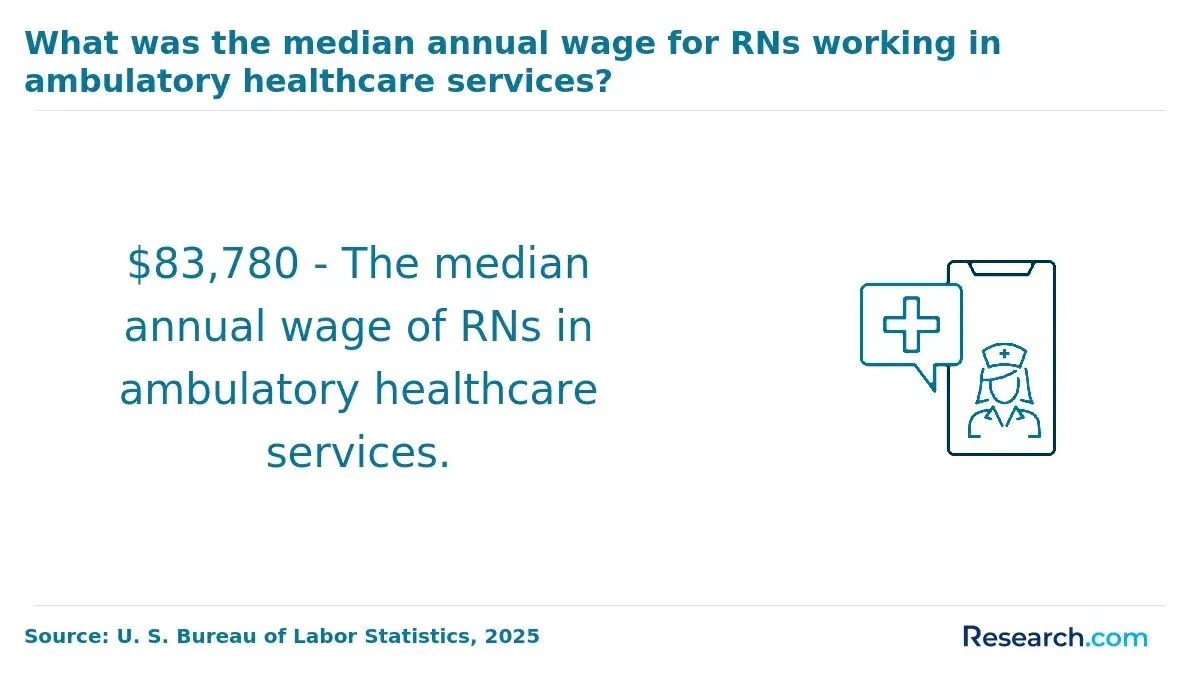
The average salary for a registered nurse (RN) in Ohio without a Bachelor of Science in Nursing (BSN) typically ranges from $71,640 to $78,450 per year, but earning a BSN can significantly enhance salary outcomes and career prospects for RNs in the state. To clarify the financial advantage of advancing education, consider these key salary distinctions between nurses holding an Associate Degree in Nursing (ADN) and those with a BSN:
- Average Salary Comparison (ADN vs. BSN): Nurses with a BSN often command higher salaries, sometimes earning $4,000 to $8,000 more annually than ADN-prepared RNs, reflecting increased qualifications and skillsets.
- Salary Differences by Healthcare Setting: BSN graduates are frequently recruited by top-tier hospitals and academic medical centers, which offer salaries above the state average, enhancing earning potential.
- Impact of Experience and Leadership Roles: A BSN opens pathways to leadership and specialized roles that provide higher pay and greater responsibility, with experienced nurses earning at the upper percentiles.
- Long-Term Earning Potential: Beyond the initial boost, BSN credentials support access to advanced practice roles that can exceed $112,000 annually, promising sustained financial growth.
Here's What RN to BSN Graduates in Ohio Have to Say About Their Degree
- Jayme: "Completing my RN to BSN program online through Kent State University was a game changer for my career and personal life. The flexibility allowed me to balance working full-time while advancing my education without relocating. After graduation, I started working in a local school where I could truly apply my nursing skills to support children's health, which has been incredibly rewarding. This program also helped me grow in confidence and opened doors to leadership opportunities I had never considered before. "
- Lando: "The hybrid program at Ohio University gave me the perfect blend of in-person interaction and online coursework, which deepened my understanding and application of nursing theories. Taking classes on campus a few days each week helped me build strong relationships with professors and fellow nurses, enriching the learning experience. When I began my nursing career in a local school, I felt well-prepared to advocate for students' well-being and contribute positively to the community. Pursuing my BSN in Ohio also presented unique challenges with balancing work and study, but those challenges shaped my resilience and professional growth. "
- Belinda: "Attending an on-campus RN to BSN program at Ohio State University was a transformative journey for me professionally and personally. The rigorous curriculum and immersive campus environment pushed me to develop critical thinking and leadership skills essential for modern nursing roles. After completing the program, working as a nurse in a nearby school system has been fulfilling; I get to make a real impact on children's health and education. Ohio's healthcare landscape and the demand for BSN-prepared nurses gave me confidence in the stability and advancement potential of my career. "
Related Articles for Nearby States
- 2027 Best RN to BSN Programs in Indiana: Online & Campus
- 2027 Best RN to BSN Programs in Kentucky: Online & Campus
- 2027 Best RN to BSN Programs in West Virginia: Online & Campus
- 2027 Best RN to BSN Programs in Pennsylvania: Online & Campus
- 2027 Best RN to BSN Programs in Michigan: Online & Campus
- 2027 Best RN to BSN Programs in Illinois: Online & Campus
- 2027 Best RN to BSN Programs in Virginia: Online & Campus
- 2027 Best RN to BSN Programs in Tennessee: Online & Campus
- 2027 Best RN to BSN Programs in North Carolina: Online & Campus
- 2027 Best RN to BSN Programs in Missouri: Online & Campus
References:
- Learn All About Nursing School Accreditation and Why It Matters https://nightingale.edu/blog/accreditation-101.html
- Registered Nurse to Bachelor of Science Degree https://online.csuohio.edu/online-programs-and-courses-online-undergraduate-programs/registered-nurse-bachelor-science-degree
- How Much Can I Earn With a BSN? https://www.allnursingschools.com/bsn/salary/
- RN to BSN Program Accreditations - Washington State College of Ohio https://www.wsco.edu/academics/health/health-program-accreditations/rn-to-bsn-program-accreditations/
- What if My Nursing School Isn’t Accredited? https://www.registerednursing.org/articles/what-if-nursing-school-isnt-accredited/
- The Highest-Paying States For New Nurse Graduates | NurseJournal.org https://nursejournal.org/resources/highest-paying-states-for-new-nurses/
- Expand Your Career Opportunities With an RN to BSN Degree Program https://online.ysu.edu/degrees/nursing/rn-to-bsn/career-opportunities-with-rnbsn-degree/
- Pros and Cons of Online Nursing | NDMU ABSN https://absn.ndm.edu/blog/pros-cons-online-nursing/
- Online RN to BSN Nursing Program https://www.muskingum.edu/gal/online-rn-bsn-nursing
- RN vs BSN Degree: What are the Key Differences? https://www.chamberlain.edu/blog/rn-vs-bsn-whats-the-difference-between-rn-and-bsn
Other Things You Should Know About RN to BSN Programs in Ohio
RN to BSN graduates in Ohio can advance through clinical experience and further education. Many programs offer courses in management and specialized nursing fields, equipping graduates with skills to pursue roles like nurse managers, educators, and specialists in areas such as geriatrics or pediatrics. Successfully completing a BSN can also facilitate entry into master’s programs for more specialized positions.
The top RN to BSN programs in Ohio in 2027 include Ohio State University, University of Cincinnati, and Kent State University. These programs are renowned for their rigorous curriculum and flexible online options, catering to working professionals seeking career advancement.


