
2027 Best RN to BSN Programs in New Hampshire: Online & Campus

Co-Founder and Chief Data Scientist
New Hampshire's healthcare sector is growing steadily, with a projected 15% increase in registered nurse employment over the next decade. This rise highlights the value of advancing nursing credentials. Earning a Bachelor of Science in Nursing (BSN) not only expands career opportunities but also enhances clinical expertise and leadership skills. The evolving demands of healthcare make RN to BSN programs a strategic choice for nurses seeking to stay competitive and provide higher quality care.
This article explores RN to BSN programs in New Hampshire, focusing on the distinctions between online and campus-based options. Prepared by experts in career planning, it offers clear guidance to understand program structures, key considerations, and decision-making strategies. Readers will gain insight into what to expect and how to select the right RN to BSN pathway that fits their goals and lifestyle in New Hampshire.
Key Benefits of RN to BSN Programs in New Hampshire
- New Hampshire offers flexible RN to BSN programs both online and on campus, allowing working nurses to balance career and studies effectively.
- The state's programs boast a high NCLEX-RN pass rate, over 90%, reflecting strong clinical preparation and academic support.
- Graduates see an average salary increase of 15% in New Hampshire, with BSN-prepared nurses eligible for advanced roles in healthcare leadership and education.
- What is an RN to BSN program and how does it work in New Hampshire?
- What courses are included in RN to BSN programs in New Hampshire?
- What are the admission requirements for RN to BSN programs in New Hampshire?
- How long does it take to earn an RN to BSN degree in New Hampshire?
- How much does an RN to BSN program cost in New Hampshire?
- What are the pros and cons of online vs. on-campus RN to BSN programs in New Hampshire?
- How do RN to BSN programs in New Hampshire support clinical placements?
- Which accrediting bodies approve RN to BSN programs in New Hampshire?
- What career opportunities are available to RN to BSN graduates in New Hampshire?
- What is the average RN to BSN salary increase in New Hampshire?
What is an RN to BSN program and how does it work in New Hampshire?
An RN to BSN program in New Hampshire serves as a vital bridge for registered nurses holding an associate degree or nursing diploma to elevate their education with a Bachelor of Science in Nursing (BSN). These programs build upon the practical experience nurses already have, enriching their skills in leadership, evidence-based practice, and population health management. Both online and on-campus formats offer flexibility, allowing nurses to continue working while advancing their studies.
This pathway helps meet the growing demand for BSN-prepared nurses in the state's healthcare system, enhancing career opportunities and responding to industry calls for higher educational standards. Exploring the various RN to BSN programs in New Hampshire opens doors to broader professional growth and a future aligned with changing healthcare landscapes.
Designed for licensed RNs seeking to expand their professional horizons, New Hampshire RN to BSN options cater to nurses eager to step into leadership roles, specialty practices, or community health positions. Beyond career advancement, the program supports personal development goals, encouraging nurses to improve patient outcomes and increase job flexibility.
Earning a BSN is associated with higher salaries and better job security, which can be appealing to many working nurses. For example, BSN-prepared nurses may see a significant boost in earnings compared to those with just an associate degree, which aligns with industry trends including a rise in compensation reflected in the nurse practitioner average salary by state. This educational pursuit also provides a foundation for nurses interested in graduate studies or advanced practice pathways, ensuring their skills remain relevant and competitive.
What courses are included in RN to BSN programs in New Hampshire?
This section offers a glimpse into the diverse core and specialized courses commonly featured in RN to BSN programs in New Hampshire, designed to expand nursing skills and open new professional pathways. Exploring the RN to BSN curriculum in New Hampshire reveals a rich blend of subjects that not only deepen clinical expertise but also hone leadership and technological proficiency-here are some standout courses and focus areas typically included.
- Evidence-Based Nursing: Students learn to critically evaluate research and integrate evidence-based practice into clinical care, improving patient outcomes and strengthening decision-making skills.
- Healthcare Leadership: This course develops management capabilities and strategic thinking, preparing nurses to lead teams and navigate complex healthcare organizations effectively.
- Population Health Management: Focusing on community health trends and interventions, this area equips nurses to address public health challenges and contribute to policy-making.
- Nursing Informatics: Exploring the use of technology in healthcare, including electronic records and telehealth, this course enables nurses to enhance care through better data management and digital tools.
- Nursing Care of Vulnerable Populations: Emphasizing culturally sensitive approaches, this course prepares nurses to meet the specific needs of groups such as the elderly and chronically ill.
- Genetics and Genomics in Nursing: Students examine the role of genetics in health and disease, learning to incorporate personalized care plans based on genomic information.
- Capstone Project: Serving as a culminating experience, the capstone allows students to apply theories and skills to real-world nursing challenges, showcasing their mastery of the program's competencies.
The nursing courses in New Hampshire RN to BSN programs are crafted to support working nurses seeking growth through flexible formats and rigorous content. For those wondering how long does it take to become a nurse practitioner, these programs supply foundational leadership and clinical skills critical for advanced roles.
What are the admission requirements for RN to BSN programs in New Hampshire?
To successfully navigate the RN to BSN admission requirements in New Hampshire, it helps to know what qualifications and documents schools typically expect from applicants. Below is a list of common eligibility criteria for RN to BSN programs New Hampshire students encounter, each playing a crucial role in ensuring candidates are academically and professionally prepared for this next step in nursing education.
- Active RN License: Holding a current, unencumbered Registered Nurse license is essential as it confirms clinical readiness and compliance with professional standards. Some programs may permit conditional admission for recent grads without a license, but proof is usually required before advancing beyond initial courses.
- Official Transcripts: Applicants must submit official records from all previous colleges and nursing programs to verify completed coursework and support transfer credit evaluation. This step ensures that foundational general education and nursing prerequisites are fulfilled before progressing.
- Minimum GPA: A cumulative GPA typically between 2.0 and 3.0 is required, reflecting academic readiness for upper-level coursework. Some schools have specific GPA thresholds or require additional post-degree credits to meet eligibility, highlighting the importance of consistent performance.
- Nursing Diploma or Degree: Graduation from a state-approved or accredited nursing program that prepares students for the NCLEX-RN exam is necessary to demonstrate foundational nursing knowledge and clinical competence.
- Health and Professional Requirements: Proof of immunizations, health insurance, and professional liability coverage is often required to ensure safety and compliance during clinical experiences.
- Additional Materials: Some programs may also ask for letters of recommendation, personal statements, or work experience documentation, adding depth to the application but varying by institution.
For those interested in advancing further, this list of the best adult gerontology acute care nurse practitioner programs may offer insight into specialized graduate education opportunities.
How long does it take to earn an RN to BSN degree in New Hampshire?
Exploring the time it takes to complete an RN to BSN program in New Hampshire reveals several flexible pathways tailored to diverse schedules and goals. Below is a breakdown of average completion times based on different enrollment options that suit various lifestyles and learning preferences.
- Full-Time Programs: Typically completed in as little as one year, these fast-paced options are perfect for nurses eager to accelerate their careers. By taking a full course load each term-often two courses every seven or eight weeks-students can quickly earn their BSN while leveraging up to 90 transferable credits.
- Part-Time Programs: Usually taking up to two years, part-time study allows working nurses to balance their professional and personal lives while advancing academically. With fewer courses per term, this option offers a steady, manageable path toward degree completion without overwhelming schedules.
- Accelerated and Self-Paced Options: These pathways offer exceptional flexibility, letting students finish in around 16 months or at their own speed. Ideal for motivated learners, asynchronous and intensive course formats enable progress that adapts to individual time commitments and ambitions.
How much does an RN to BSN program cost in New Hampshire?
When exploring RN to BSN programs in New Hampshire, the cost of completing the degree plays a vital role in planning your educational journey. To grasp the financial commitment involved, it's helpful to look at the main cost factors that differentiate online and on-campus options and how they might affect your budget.
Here are the key components to consider when calculating the total expenses for an RN to BSN program in the state:
- Tuition per credit hour: This often represents the largest expense, with rates varying between institutions and delivery methods. Online programs may offer slightly lower tuition per credit as they reduce facility overhead, but some schools charge a premium for digital resources and support.
- Total program cost: This encompasses tuition multiplied by the number of credits required for completion-typically between 30 to 40 credit hours. On-campus programs sometimes have higher overall costs due to in-person facilities and services.
- Additional fees: Online students might encounter expenses such as technology fees, proctoring charges for exams, and software subscriptions. Conversely, on-campus students often pay activity or lab fees that support hands-on experiences.
- Financial aid and employer assistance: Many New Hampshire nurses can access grants, scholarships, or tuition reimbursement from healthcare employers. This support can significantly offset out-of-pocket costs for both online and campus-based learners.
When I spoke to a dedicated nurse from New Hampshire who recently graduated from a hybrid RN to BSN program at a local school, he shared how navigating costs became a balancing act between ambition and practicality. "The tuition wasn't cheap," he recalled, "but the hybrid format helped me manage work and school without losing income."
He mentioned that his total tuition, including fees, hovered just under $15,000, and employer tuition assistance covered a substantial portion. "It felt like investing in myself, with every dollar stretched carefully," he reflected, highlighting how the program's structure and financial planning were crucial to his success. This deeper perspective sheds light on the real-world considerations behind the numbers for many aspiring nurses in New Hampshire.
What are the pros and cons of online vs. on-campus RN to BSN programs in New Hampshire?
Choosing between online RN to BSN programs in New Hampshire and traditional campus-based options involves considering how each format fits your lifestyle, budget, and career goals. Whether you prefer the flexibility of studying at home or value face-to-face interaction, understanding the strengths and limitations of each can guide your decision. Below is a comparison of the advantages and disadvantages associated with both program types to help you navigate this important choice.
Online or Hybrid RN to BSN Programs
- Flexibility and Accessibility. These programs enable nurses to balance work and study by offering classes that fit varied schedules, ideal for those managing professional commitments.
- Cost-Effectiveness. Online formats often lower expenses by reducing commuting and may have more affordable tuition, making education more budget-friendly without sacrificing quality.
- Limited Hands-On Experience. Although clinical components are included, online programs may not provide the same level of direct patient interaction as on-campus settings, potentially impacting skill development.
On-Campus RN to BSN Programs
- Networking Opportunities. Being on campus fosters personal connections with peers and instructors, which can enhance job prospects and professional growth.
- Hands-On Experience. These programs deliver more direct clinical practice, essential for honing practical nursing skills in real-world environments.
- Limited Flexibility. Fixed class times and campus presence requirements can challenge working nurses striving to juggle jobs and studies simultaneously.
For nurses seeking further specialization, exploring a list of the best online BSN to FNP programs can provide additional pathways after completing a BSN. Balancing these factors will help determine if an online RN to BSN program in New Hampshire or a campus RN to BSN program aligns best with your ambitions.
How do RN to BSN programs in New Hampshire support clinical placements?
RN to BSN programs in New Hampshire actively support students in gaining the clinical experience necessary to bridge classroom knowledge with real-world nursing practice. These programs create pathways that accommodate busy nurses while ensuring meaningful hands-on learning. Here are some key ways they provide clinical support to RN to BSN students in the state:
- Partnerships with Local Healthcare Facilities: Collaborations with hospitals and community clinics open diverse placement opportunities, exposing students to varied patient populations and care settings beyond traditional hospitals.
- Preceptor or Mentor Matching: Personalized guidance pairs students with experienced nurse mentors who offer professional feedback and help translate theory into practice through community projects.
- Flexibility to Use Current Workplace for Clinical Hours: Many programs allow students to complete clinical requirements at their existing jobs, reducing scheduling conflicts while applying new skills immediately.
- Guidance from Faculty and Clinical Coordinators: Dedicated staff assist with site selection and navigating institutional protocols, ensuring placements align with students' goals and meet accreditation standards.
When I spoke with a nurse who completed an RN to BSN program from New Hampshire, she shared how the program eased her clinical placement journey despite her demanding work schedule. "Having the option to do clinical hours where I already worked was a game-changer," she explained. "The faculty support was endless-they helped me identify projects that fit both my employer's needs and my learning goals."
She remembered feeling both challenged and empowered, gaining confidence as the mentorship connected her classroom achievements to real patient impact. "It wasn't just about checking hours; it was about growing as a nurse," she reflected, highlighting how these clinical supports truly transformed her professional path.
Which accrediting bodies approve RN to BSN programs in New Hampshire?
Accreditation is essential for ensuring the quality, credibility, and recognition of RN to BSN programs in New Hampshire, as it guarantees that these programs meet rigorous standards and prepare students effectively for professional nursing roles. Here are the main national and state-level accrediting organizations that oversee RN to BSN programs in New Hampshire, providing assurance to students and employers alike:
- Accreditation Commission for Education in Nursing (ACEN): This nationally respected agency accredits nursing education programs across various levels. ACEN approval means a program meets high standards for curriculum quality, faculty expertise, and student outcomes, ensuring graduates are ready to deliver patient-centered care. Employers and licensing boards recognize ACEN-accredited programs, which supports nurses' career mobility.
- Commission on Collegiate Nursing Education (CCNE): Focused on baccalaureate and graduate nursing education, CCNE accreditation highlights continuous quality improvement and alignment with professional nursing standards. Graduating from a CCNE-accredited program enhances opportunities for advanced study and is prized by healthcare institutions aiming for excellence, including Magnet status.
- New Hampshire Board of Nursing: Although not a national accreditor, this state board licenses registered nurses and approves RN to BSN programs within New Hampshire. Its approval confirms programs meet essential state requirements, making graduates eligible for licensure and practice within the state.
What career opportunities are available to RN to BSN graduates in New Hampshire?
Exploring RN to BSN jobs in New Hampshire reveals a vibrant landscape of nursing roles where a BSN degree unlocks new horizons for career advancement. For nurses ready to expand their impact, here are some rewarding pathways that make the most of the skills gained through RN to BSN programs in the state.
Below are key career opportunities BSN-prepared nurses can pursue in New Hampshire, highlighting how each role benefits from the depth and flexibility of a BSN education.
- Charge Nurse: Overseeing daily nursing unit operations, charge nurses coordinate patient care and support team members. Found often in hospitals and rehabilitation centers, a BSN provides necessary leadership and clinical decision-making skills essential for this role.
- Nurse Manager: Responsible for supervising nursing teams and managing budgets, nurse managers thrive in hospitals and clinics where strong communication and administrative abilities honed in BSN programs are critical.
- Public Health Nurse: Serving communities through education and outreach, public health nurses work with local health departments and schools. RN to BSN graduates gain specialized training in population health preparing them for these impactful roles.
- Case Manager: Coordinating patient care plans across settings like hospitals and insurance companies, case managers benefit from the enhanced critical thinking fostered by BSN curricula.
- Specialty Nurse (e.g., Medical-Surgical, Pediatrics): With advanced clinical expertise, BSN nurses can focus on specialties in hospitals or specialty clinics, positioning themselves for certifications and career growth.
- School Nurse: Providing health services in K-12 schools, many New Hampshire districts prefer BSN-prepared nurses for their broad knowledge of child health and public health principles.
- Nurse Educator (Entry-Level): Entry-level teaching roles in vocational programs welcome BSN nurses to mentor and teach clinical skills, paving the way for future academic advancement.
- Preparation for Graduate Study: For nurses aiming at advanced practice or leadership, the BSN is a crucial stepping stone. New Hampshire's programs lay the groundwork for continuing education and specialized roles.
Navigating career advancement for BSN-prepared nurses in New Hampshire is also easier thanks to flexible RN to BSN offerings designed for working professionals, featuring online options, affordable tuition, and credit transfer pathways. For those curious about further advanced practice options, consider exploring the ranking of cheapest online agnp programs as a next step.
What is the average RN to BSN salary increase in New Hampshire?
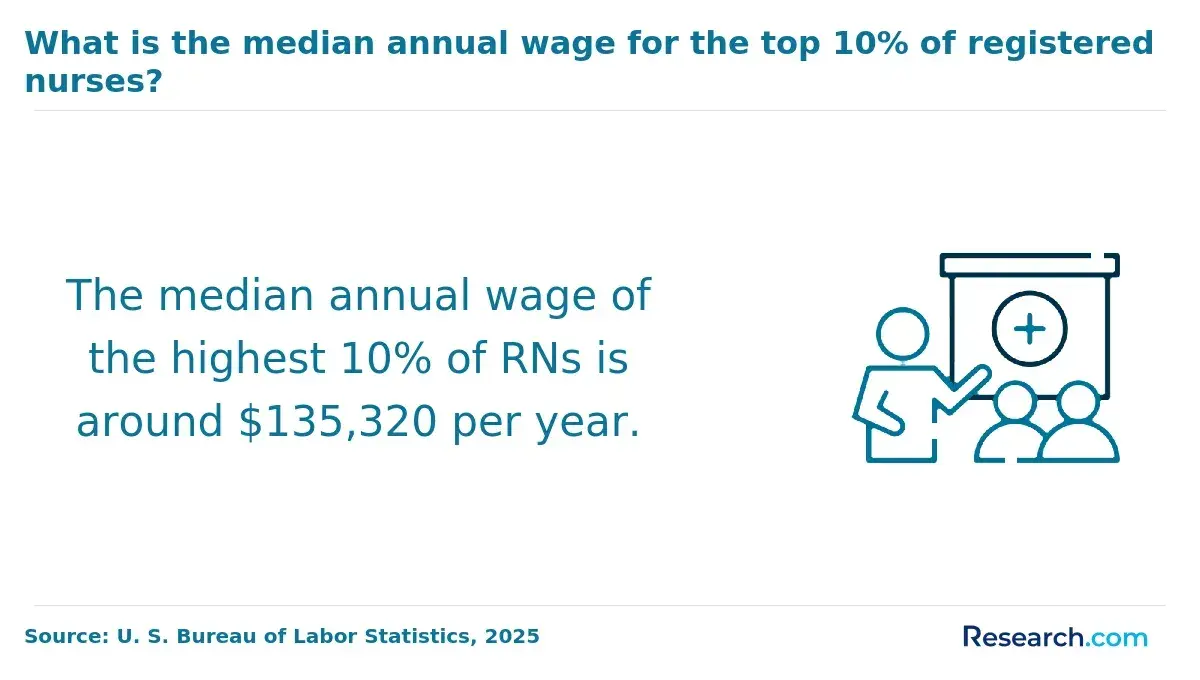
In New Hampshire, registered nurses without a BSN degree earn an average of around $78,270 per year, but obtaining a Bachelor of Science in Nursing dramatically transforms their salary potential. Nurses upgrading to a BSN can access higher wages and expanded career opportunities, reflecting significant professional growth. To better understand this, here are key comparisons and factors influencing RN to BSN salary outcomes in the state:
- Average Salary Comparison (ADN vs. BSN): Nurses with an associate degree typically earn between $78,000 and $82,000 annually, while BSN-prepared RNs see salaries close to $99,452, revealing a $17,000-$21,000 increase reflecting advanced qualifications.
- Salary Differences by Healthcare Setting: BSN nurses often secure higher-paying roles in specialties like Emergency and Operating Rooms, with wages exceeding $50 per hour in some institutions within major cities.
- Impact of Experience and Leadership Roles: Leadership positions such as nurse manager or clinical educator, generally requiring a BSN, offer salaries reaching well over $119,000 annually.
- Long-Term Earning Potential: The BSN credential opens doors to advanced practice roles, enabling consistent salary growth and six-figure income potential over a career.
Here's What RN to BSN Graduates in New Hampshire Have to Say About Their Degree
Completing the online RN to BSN program at Granite State College allowed me to balance my work and family life while advancing my education. The flexibility of the courses helped me stay committed without feeling overwhelmed, and the local focus of the curriculum made it relevant to healthcare challenges here in New Hampshire. Starting my nursing career in a community school setting, I've been able to apply evidence-based practices directly to improve student health outcomes. I'm passionate about contributing positively to the well-being of young people and feel empowered to make a real difference every day. Irene
Attending the hybrid RN to BSN program at Rivier University was a transformative experience that combined the benefits of face-to-face engagement with the convenience of online learning. The in-person sessions fostered a supportive network among fellow nurses while deepening my understanding of leadership in healthcare. Now, working in a local school, I appreciate how the degree has bolstered my professional development, opening doors to roles that challenge me and broaden my impact. Reflecting on the journey, the challenges of balancing work and study only strengthened my commitment to lifelong learning and community service. Harold
Pursuing my BSN on campus at Southern New Hampshire University gave me a structured environment that pushed me beyond my comfort zone, encouraging growth both as a nurse and an individual. The collaborative projects and clinical experiences enriched my knowledge and problem-solving abilities. Since starting my career in a local school, I have seen firsthand how a BSN degree enhances job stability and career advancement opportunities. This degree also deepened my understanding of public health concerns in New Hampshire, inspiring me to actively engage in community health initiatives. Kay
Do employers in New Hampshire offer tuition reimbursement for RN to BSN students?
Many employers in New Hampshire recognize the value of advancing nursing education and often provide tuition reimbursement benefits for employees pursuing RN to BSN degrees. Hospitals and healthcare systems across the state, particularly larger ones, commonly offer financial assistance or tuition aid programs to support nursing staff enrolled in accredited RN to BSN programs.
Related Articles for Nearby States
- 2027 Best RN to BSN Programs in Vermont: Online & Campus
- 2027 Best RN to BSN Programs in Massachusetts: Online & Campus
- 2027 Best RN to BSN Programs in Maine: Online & Campus
- 2027 Best RN to BSN Programs in New York: Online & Campus
- 2027 Best RN to BSN Programs in Connecticut: Online & Campus
- 2027 Best RN to BSN Programs in Rhode Island: Online & Campus
- 2027 Best RN to BSN Programs in New Jersey: Online & Campus
- 2027 Best RN to BSN Programs in Pennsylvania: Online & Campus
- 2027 Best RN to BSN Programs in Delaware: Online & Campus
- 2027 Best RN to BSN Programs in Maryland: Online & Campus
References
- 2025 RN Salary Guide: State-by-State Pay https://nursa.com/salary/rn
- Nursing Schools & Licenses in New Hampshire (NH) https://www.nursingcolleges.com/licenses/new-hampshire
- What Is Accreditation & Why Is It Important? | NurseJournal https://nursejournal.org/resources/what-is-accreditation/
- Nursing Major (B.S.N.) CPSO https://catalog.unh.edu/undergraduate/professional-studies/online/programs-study/health-care-nursing/nursing-major-bsn/
- Online Bachelor of Nursing | RN to BSN Online | Rivier University https://www.rivier.edu/academics/all-programs/nursing-rn-to-bsn-online/
- Nursing Degree https://franklinpierce.edu/academics/programs/nursing/
- Employee Benefits - Community College System of New Hampshire https://www.ccsnh.edu/human-resources/employee-benefits/
- How Long Does It Take to Become a Nurse? A Complete Guide https://www.snhu.edu/about-us/newsroom/health/how-long-does-it-take-to-become-a-nurse
- Best Online RN to BSN Degree Programs for 2026 https://www.registerednursing.org/rn-to-bsn/
- RN to BSN Online Program 2025 | RN BSN Degree | NEIT https://www.neit.edu/academics/bachelors-degrees/rn-to-bs-in-nursing-bs
Other Things You Should Know About RN to BSN Programs in New Hampshire
In 2027, several New Hampshire institutions offer fully online RN to BSN programs without any campus visits, including Rivier University and Southern New Hampshire University. These programs provide flexibility, allowing nurses to advance their education while balancing work commitments.
In 2027, hybrid RN to BSN programs in New Hampshire combine online courses with some in-person requirements. Programs like those at the University of New Hampshire and Rivier University offer flexible schedules that allow for both online and on-campus learning, catering to students seeking a balance between remote education and face-to-face interaction.
In 2027, many RN to BSN programs in New Hampshire cater to working nurses by offering flexible part-time courses. Programs at universities such as the University of New Hampshire focus on accommodating working schedules with online modules, evening classes, and hybrid learning options tailored to the needs of working professionals.
Most RN to BSN programs in New Hampshire for 2027 require an active RN license and an associate degree in nursing (ADN). Some programs may also mandate a minimum GPA and prerequisite courses in anatomy, physiology, and microbiology before admission.


