
2027 Best RN to BSN Programs in West Virginia: Online & Campus

Co-Founder and Chief Data Scientist
The demand for nurses with a Bachelor of Science in Nursing (BSN) is growing rapidly in West Virginia, where approximately 65% of healthcare employers prefer or require a BSN degree for career advancement. This trend reflects a statewide shift toward higher standards in patient care and professional development. As healthcare evolves, obtaining a BSN can open future opportunities in leadership, specialized clinical roles, and improved salary potential.
This article explores the evolving landscape of RN to BSN programs in West Virginia, focusing on the differences between online and on-campus options. Prepared by experts in career planning, it guides readers through understanding program structures, expectations, and criteria for selecting the best fit.
Key Benefits of RN to BSN Programs in West Virginia
- West Virginia's RN to BSN programs offer flexible online and campus options, supporting working nurses with accelerated paths that can shorten completion time to as little as 12 months.
- The state's growing healthcare demand, with a 15% projected nursing job increase by 2030, makes a BSN essential for advancing in clinical roles and leadership positions.
- Many programs emphasize rural health and community care, preparing graduates to meet West Virginia's unique healthcare challenges through innovative coursework and practical experiences.
- What is an RN to BSN program and how does it work in West Virginia?
- What courses are included in RN to BSN programs in West Virginia?
- What are the admission requirements for RN to BSN programs in West Virginia?
- How long does it take to earn an RN to BSN degree in West Virginia?
- How much does an RN to BSN program cost in West Virginia?
- What are the pros and cons of online vs. on-campus RN to BSN programs in West Virginia?
- How do RN to BSN programs in West Virginia support clinical placements?
- Which accrediting bodies approve RN to BSN programs in West Virginia?
- What career opportunities are available to RN to BSN graduates in West Virginia?
- What is the average RN to BSN salary increase in West Virginia?
What is an RN to BSN program and how does it work in West Virginia?
An RN to BSN program in West Virginia offers registered nurses a structured path to advance their education by earning a Bachelor of Science in Nursing degree. This program builds on prior nursing credentials such as an associate degree or diploma, allowing nurses to enhance their clinical knowledge and leadership skills. In West Virginia, these programs are designed to provide flexibility through both online and on-campus options, accommodating working professionals across diverse regions.
The collaboration between universities and community colleges creates accessible pathways that support career growth and promote better health outcomes. The RN to BSN program in West Virginia is ideal for licensed nurses aiming to move into advanced clinical, administrative, or educational positions. It particularly benefits those looking to develop leadership capabilities or prepare for graduate studies.
These programs support nurses who want to deepen their understanding of complex healthcare environments while contributing to policy and research development. For professionals curious about specialized career tracks, such as psychiatric nursing, exploring resources on how to become a psychiatric nurse practitioner can offer additional guidance.
What courses are included in RN to BSN programs in West Virginia?
This section provides an overview of the core and specialized courses commonly included in RN to BSN programs in West Virginia, showcasing the educational components that build advanced nursing competencies. To highlight the primary areas of focus, here are several key courses and subject areas typically offered within an RN to BSN curriculum in West Virginia:
- Health Assessment: This course trains students to perform comprehensive health assessments that consider physical, emotional, and social factors, fostering critical thinking skills essential for patient evaluation and care planning.
- Health Promotion: Emphasizing strategies to encourage healthy living and disease prevention, this course equips nurses to support public health initiatives and improve patient education on wellness.
- Nursing Leadership and Management: Focused on leadership theories and organizational skills, this course prepares nurses to effectively manage teams and influence healthcare practices at higher levels.
- Evidence-Based Practice: Students learn to critically appraise research and integrate scientific evidence into clinical decisions, ensuring that nursing care reflects the latest advances in healthcare.
- Community Nursing: This course explores addressing health disparities and engaging with populations in community settings, sharpening skills for public health advocacy and disease prevention at a broader scale.
- Ethics in Nursing: Covering moral principles and ethical dilemmas, this area strengthens nurses' ability to make compassionate, respectful decisions in complex clinical situations.
- Healthcare Policy and Finance: Students gain insight into policy development, healthcare economics, and financing mechanisms, preparing them to advocate for systemic improvements in care delivery.
For nurses considering career growth, understanding how RN to BSN programs develop competencies ranging from health assessment to policy advocacy is essential, especially as the profession moves toward higher educational standards and more specialized roles linked to increased responsibilities and salary potential, such as an adult gerontology nurse practitioner salary.
What are the admission requirements for RN to BSN programs in West Virginia?
To prepare for applying to RN to BSN programs in West Virginia, it helps to know the common qualifications and materials schools typically require. Below are the usual admission requirements for these programs, outlining what candidates need to provide to show they are ready for this advanced nursing education.
- Active RN License: Applicants must have a current, unencumbered Registered Nurse license, which verifies they are legally authorized to practice and have foundational clinical experience essential for BSN coursework.
- Associate Degree or Diploma: Completion of an accredited nursing associate degree or diploma is typically required to ensure students have the necessary knowledge base for further nursing studies.
- Minimum GPA: Most programs expect a cumulative GPA between 2.0 and 2.5 on a 4.0 scale. Some schools set higher standards, emphasizing sustained academic performance as an indicator of success in rigorous coursework.
- Official Transcripts: Providing official transcripts from all previous institutions enables admissions committees to verify academic history, prerequisite completion, and GPA calculations with accuracy.
- Program Application: In addition to the general university application, many programs require a specific RN to BSN application detailing educational background and sometimes essays about professional goals.
- Background Check and Drug Screening: A criminal background check and drug screening might be required to maintain safety and uphold ethical standards during clinical placements.
- Health Documentation and CPR Certification: Proof of immunizations, a recent physical exam, and current CPR/BLS certification are often necessary to participate in clinical experiences safely.
- Letters of Recommendation and Resume: While not always mandatory, some programs may ask for professional references and a resume to assess the applicant's preparedness, especially in competitive admissions.
Students interested in advancing from RN roles might also find opportunities by exploring related pathways such as direct entry FNP programs, reflecting the growing diversity of nursing specialties.
How long does it take to earn an RN to BSN degree in West Virginia?
This section offers a clear overview of the typical duration of RN to BSN programs in West Virginia to help prospective students gauge how long it generally takes to complete their degree. Below is a breakdown of average completion times based on different program formats and enrollment options, reflecting how evolving educational models accommodate diverse student needs.
- Full-Time Programs: Generally completed in two to three semesters (about 8-12 months), these programs suit RNs who can dedicate most of their time to study. Increasingly flexible delivery methods, including online and campus options, are making rapid progression more accessible.
- Accelerated/Self-Paced Programs: Designed for highly motivated learners, some accelerated pathways allow completion in as little as six months by leveraging intensive online coursework. This format is likely to grow as more institutions adopt competency-based models that prioritize mastery over seat time.
- Part-Time Programs: Spanning roughly 18-24 months across three to five semesters, part-time options support working nurses balancing career and family. Future trends may include even more modular scheduling to enhance this flexibility.
- Hybrid/Bridge Pathways: Combining community college tuition rates with a final university year, hybrid programs typically extend over four years, offering cost-effectiveness alongside consistent faculty support. Such models may expand to meet the needs of rural and underserved populations through technology-enhanced learning.
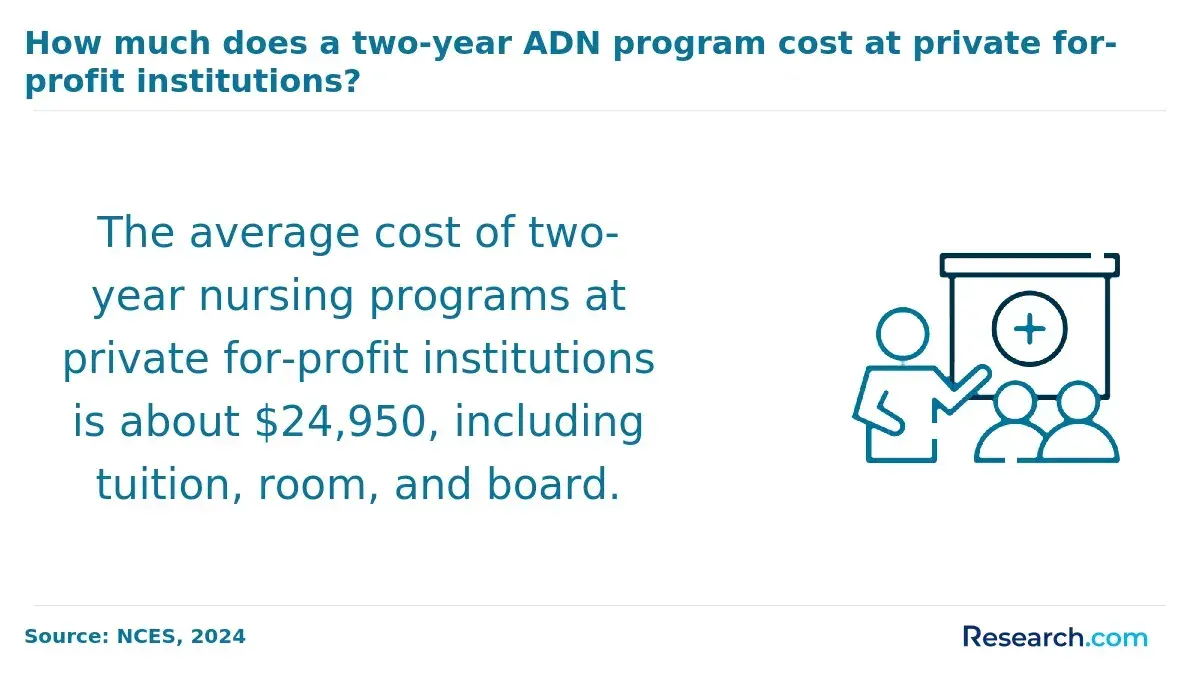
How much does an RN to BSN program cost in West Virginia?
To provide clarity on the typical financial commitment for RN to BSN programs in West Virginia, it is important to outline the various cost elements that students may encounter. Below is a breakdown of the main cost factors distinguishing online and on-campus RN to BSN pathways in the state.
- Tuition per Credit Hour: In West Virginia, tuition rates often vary between online and on-campus formats, with online courses sometimes priced slightly higher due to technology fees. Credit hour costs generally range from moderate to above-average compared to regional standards, affecting the overall program expense depending on total required credits.
- Total Program Cost: The full cost to complete an RN to BSN degree depends on the number of credits, which typically falls between 30 and 40. On-campus programs may include additional campus resource fees, whereas online programs might bundle services like digital libraries and tech support into tuition or separate fees.
- Additional Fees: Online students might face costs for proctoring exams, required software, or subscriptions to virtual simulation tools. Conversely, on-campus students sometimes pay for parking, student activity fees, or in-person lab access, all contributing to the total expense.
- Financial Aid and Employer Assistance: Many students offset expenses through federal aid, scholarships, or employer tuition reimbursement programs. Availability and eligibility for these supports may vary based on the program's structure and the student's employment situation.
When I spoke with a nurse from West Virginia who completed a hybrid RN to BSN program at a local institution, he reflected on the financial journey candidly. He shared that while the sticker price was daunting at first-estimating around $12,000 in total tuition-the flexible format allowed him to keep working full-time, easing the burden. "Balancing work and classes was tough, but the hybrid model meant fewer trips to campus, which saved me money on transportation and childcare," he explained. He also noted taking advantage of employer tuition assistance, which covered nearly half the cost. Overall, he described the investment as purposeful, saying, "It was challenging but worth every dollar because it opened doors for my career advancement and gave me confidence in my skills."
What are the pros and cons of online vs. on-campus RN to BSN programs in West Virginia?
Choosing between online or hybrid and on-campus RN to BSN programs in West Virginia involves considering how each fits your current lifestyle, budget, and future career goals. Online options offer flexibility for working professionals, while on-campus programs may provide more structured learning and direct engagement. Balancing these factors alongside personal preferences and obligations is key to making an informed choice that supports your growth as a nurse. Below is a comparison highlighting benefits and challenges specific to each learning format, helping you evaluate which aligns better with your needs.
Online or Hybrid RN to BSN Programs
- Pro: Flexibility - Designed with working nurses in mind, these programs allow you to manage coursework around your schedule, with many offering fully asynchronous classes that can be completed in as few as two semesters.
- Pro: Cost-Effectiveness - Online tuition often extends in-state rates to all students, reducing expenses compared to campus-based options and limiting additional costs like commuting or parking.
- Con: Limited In-Person Networking - While convenient, online programs may restrict opportunities for face-to-face peer and faculty interaction, which can impact building professional connections important for career advancement.
On-Campus RN to BSN Programs
- Pro: Direct Faculty Interaction - Campus settings foster real-time engagement with instructors and classmates, enhancing collaborative learning and immediate feedback that can strengthen understanding.
- Pro: Hands-On Experiences - Traditional clinical placements or lab activities available on-campus provide practical skills development, supporting holistic nursing education, though online programs increasingly incorporate local clinical assignments.
- Con: Rigid Scheduling and Higher Costs - Fixed class times and required campus attendance may conflict with work or family duties, while associated fees and commuting expenses can increase overall cost.
For additional insights into compressed program options, consider exploring the shortest PMHNP program that exemplifies accelerated pathways tailored to busy professionals.
How do RN to BSN programs in West Virginia support clinical placements?
This section explores how RN to BSN programs in West Virginia enable students to gain essential hands-on experience and fulfill clinical requirements through comprehensive support systems. To highlight the ways these programs handle clinical placements, consider the following key forms of assistance they offer RN to BSN students in West Virginia:
- Partnerships with Local Healthcare Facilities: These programs collaborate with a wide range of hospitals, clinics, and health agencies, ensuring access to diverse clinical settings where students can apply classroom knowledge in real patient care environments.
- Preceptor or Mentor Matching: Students are paired with experienced nurse mentors who provide personalized guidance, helping sharpen clinical reasoning and leadership skills in real-time care situations.
- Flexibility for Working RNs: Many programs allow students to complete clinical hours at their current workplaces, balancing professional duties with education while maximizing practical learning.
- Faculty and Clinical Coordinator Support: Dedicated staff help identify clinical placements, monitor progress, and offer ongoing support, making the clinical experience smoother and more effective.
Reflecting on these supports, a nurse who graduated from an RN to BSN program in West Virginia shared how navigating clinical placements initially felt overwhelming, especially while working full-time. She recalled that the program's ability to let her use her hospital as a clinical site "made all the difference" by reducing stress and letting her integrate new skills immediately. The mentorship was crucial too-her assigned preceptor helped her "connect theory to practice" with patience and expert advice. Through that tailored support and coordinated guidance, she found herself growing more confident and ready for leadership roles, a journey she describes as both challenging and deeply rewarding.
Which accrediting bodies approve RN to BSN programs in West Virginia?
Accreditation is crucial for ensuring RN to BSN programs in West Virginia maintain high standards of quality, credibility, and recognition, which directly impacts graduates' professional opportunities and licensure eligibility. The main national and state-level accrediting organizations responsible for overseeing these programs include the following:
- Commission on Collegiate Nursing Education (CCNE): This national agency focuses exclusively on bachelor's and graduate nursing programs, certifying that they meet rigorous standards in curriculum design, faculty qualifications, and student outcomes. CCNE accreditation signals to employers and graduate schools that graduates are well-prepared for advanced nursing roles and further education.
- Accreditation Commission for Education in Nursing (ACEN): Covering all nursing education levels, ACEN validates that RN to BSN programs adhere to strict criteria for educational quality and student achievement. Approval from ACEN assures students of program excellence and access to federal financial aid opportunities.
- West Virginia Board of Examiners for Registered Professional Nurses (WV RN Board): This state regulatory body authorizes nursing programs to operate legally within West Virginia and monitors compliance with state-specific requirements. While post-licensure RN to BSN programs often hold national accreditation, WV RN Board approval remains essential for program legitimacy and state-based funding.
- Council for Higher Education Accreditation (CHEA): Although not a nursing-specific accreditor, CHEA recognizes legitimate national agencies like CCNE and ACEN, highlighting their commitment to integrity and accountability in nursing education.
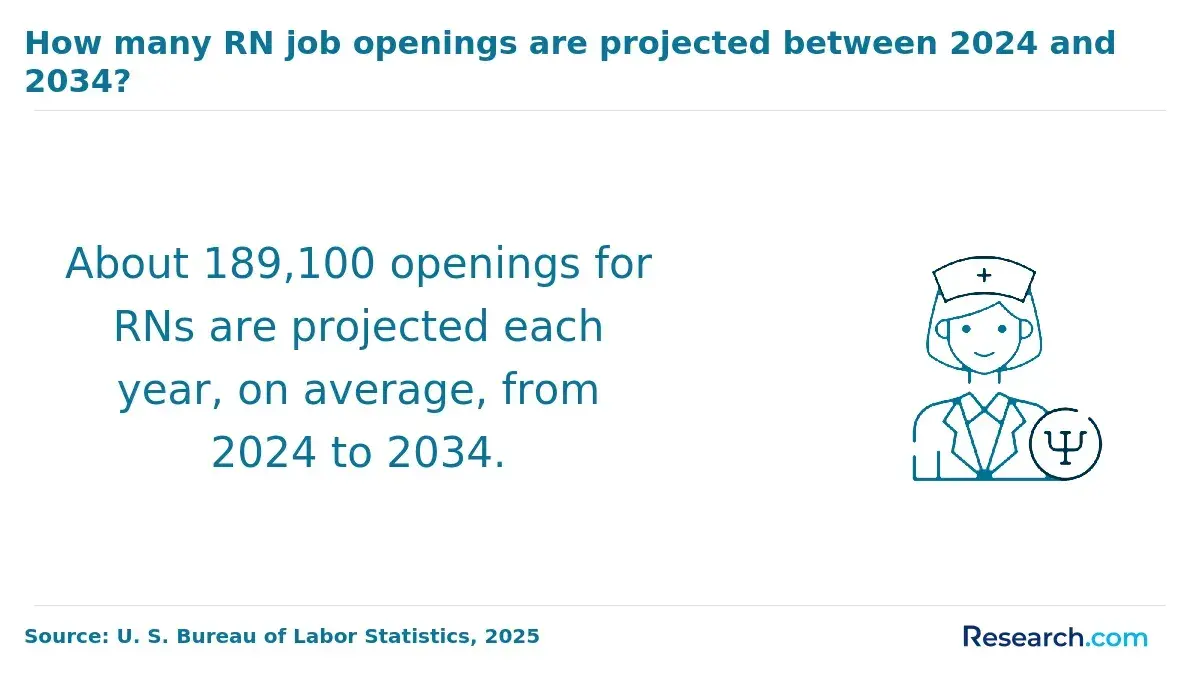
What career opportunities are available to RN to BSN graduates in West Virginia?
This section provides an overview of the diverse nursing roles and advancement paths available to RN to BSN graduates in West Virginia. Below is a list highlighting specific examples of common career opportunities for BSN-prepared nurses in West Virginia, illustrating various options that leverage their expanded skills for career advancement and leadership.
- Charge Nurse/Supervisory Nurse: Serving as a charge nurse or floor supervisor involves managing daily operations and coordinating patient care on units or in long-term care settings. Completion of an RN to BSN program strengthens leadership, communication, and critical thinking skills essential for these roles.
- Nurse Manager/Clinical Coordinator: These roles require oversight of budgeting, staff training, and policy implementation in hospitals or health systems. BSN programs prepare nurses for these administrative challenges by focusing on leadership and professional development.
- Community/Public Health Nurse: Working in public health departments or community clinics, these nurses promote health education and disease prevention. RN to BSN curricula enhance population health knowledge, enabling graduates to address social determinants of health in both rural and urban areas.
- Specialty Nurse (e.g., Oncology, Cardiac, Critical Care): BSN-prepared nurses are preferred for specialty clinical roles, where advanced evidence-based practices and complex patient management are required. These positions offer pathways to higher earning potential through specialized skills.
- Home Health and Hospice Nurse: Providing comprehensive care in home settings, these nurses focus on holistic and ethical patient approaches. The RN to BSN program's emphasis on care coordination equips graduates for autonomous roles in community health.
- Nurse Educator/Clinical Instructor: Graduates may teach LPNs, CNAs, or nursing students, aiding workforce development through foundational teaching skills gained in RN to BSN coursework.
- Case Manager/Care Coordinator: These professionals coordinate patient care across multiple services, easing transitions between care settings. BSN training in healthcare systems supports effective collaboration in these high-responsibility roles.
- Preparation for Graduate Study: The RN to BSN degree often opens doors to advanced nursing programs and leadership roles, positioning graduates for the highest paying RN jobs in West Virginia and beyond.
Nurses interested in pathways that optimize flexibility and affordability might explore options like what is the most affordable online AGNP program to further enhance their qualifications and career trajectory.
What is the average RN to BSN salary increase in West Virginia?
The average salary for a registered nurse (RN) without a BSN degree in West Virginia is approximately $67,640 per year, and earning a BSN can significantly enhance earning potential and career advancement opportunities for nurses in the state. Exploring the evolving landscape of RN to BSN education, both online and on-campus programs offer flexible pathways for nurses aiming to increase their qualifications and salaries. Below is a comparison highlighting how salary outcomes differ between nurses with an associate degree (ADN) and those holding a BSN.
- Average Salary Comparison (ADN vs. BSN): Nurses with a BSN typically earn $5,000 to $10,000 more annually than ADN counterparts, reflecting growing employer preferences for higher education credentials.
- Salary Differences by Healthcare Setting: BSN-prepared nurses receive premium pay in hospitals and specialty units, especially in urban areas, while ADN nurses often face limited growth in outpatient or long-term care roles.
- Impact of Experience and Leadership Roles: Advanced education opens doors to management and educator positions, which carry salaries $10,000 to $20,000 above the RN average.
- Long-Term Earning Potential: Despite program costs, BSN holders can expect substantial cumulative earnings gains over their careers, fueled by promotions and specialty certifications.
Here's What RN to BSN Graduates in West Virginia Have to Say About Their Degree
- Completing the online RN to BSN program at West Virginia University was a game changer for me. Balancing work, family, and studies was challenging, but the flexible schedule allowed me to keep moving forward without sacrificing my personal life. After graduating, I was thrilled to start my nursing career in a local school where I could combine my passion for healthcare and education. Knowing that I am making a direct impact on children's health and well-being fills me with pride every day. This program truly opened doors I didn't know existed. Alicia
- Attending the hybrid RN to BSN program at Marshall University gave me the best of both worlds: in-person interactions that deepened my learning experience and online components that fit my busy schedule. The faculty were incredibly supportive and helped me develop the skills needed to advance my nursing career. Starting work in a local school system, I discovered how vital my role is in fostering a healthy, safe environment for students to thrive. This journey has been deeply reflective and has renewed my commitment to serve my community with compassion and knowledge. Sammy
- The on-campus RN to BSN program at Shepherd University challenged me academically and personally in ways I hadn't anticipated. Being on campus allowed me to engage directly with peers and professors, enriching my learning and building a strong professional network. The rigorous curriculum prepared me for a variety of nursing roles, and I was proud to begin my career in a local school setting where nursing expertise is truly valued. The experience has strengthened my professional skills and expanded my career opportunities here in West Virginia. Ruthie
Related Articles for Nearby States
- 2027 Best RN to BSN Programs in Virginia: Online & Campus
- 2027 Best RN to BSN Programs in Ohio: Online & Campus
- 2027 Best RN to BSN Programs in Kentucky: Online & Campus
- 2027 Best RN to BSN Programs in Pennsylvania: Online & Campus
- 2027 Best RN to BSN Programs in Maryland: Online & Campus
- 2027 Best RN to BSN Programs in North Carolina: Online & Campus
- 2027 Best RN to BSN Programs in Tennessee: Online & Campus
- 2027 Best RN to BSN Programs in Indiana: Online & Campus
- 2027 Best RN to BSN Programs in South Carolina: Online & Campus
- 2027 Best RN to BSN Programs in Georgia: Online & Campus
References:
- WVU Online | Nursing, R.N. to B.S.N. https://online.wvu.edu/programs/bachelors-degrees/nursing-rn-to-bsn
- How Much Can I Earn With a BSN? https://www.allnursingschools.com/bsn/salary/
- RN to BSN, B.S.N. http://catalog.wvu.edu/undergraduate/schoolofnursing/rnbsn/
- What if My Nursing School Isn’t Accredited? https://www.registerednursing.org/articles/what-if-nursing-school-isnt-accredited/
- RN-BSN Program (Online) - WVU Parkersburg https://www.wvup.edu/academics/programs/rn-bsn-program-online/
- Can I Earn a BSN While Working? - Davis & Elkins College https://www.dewv.edu/can-i-earn-a-bsn-while-working/
- Bachelor of Science in Nursing (BSN) https://wvstateu.edu/college-of-professional-studies/degree-program/nursing/
- RN to Bachelor of Science https://nursing.wvu.edu/students/undergraduate-programs/rn-to-bachelor-of-science/
- One moment, please... https://www.wvjc.edu/online-rn-to-bsn-program/
- In-Person Vs. Online Nursing Programs: Which Is Right For Me? | NurseJournal.org https://nursejournal.org/resources/in-person-vs-online-nursing-programs/
Other Things You Should Know About RN to BSN Programs in West Virginia
In 2027, leading RN to BSN programs in West Virginia include West Virginia University, Marshall University, and Shepherd University. These programs offer a blend of online and on-campus courses to provide flexibility, making it easier for working nurses to advance their education.
Many RN to BSN programs in West Virginia are designed with working professionals in mind, offering flexible online or hybrid course options that allow students to balance full-time employment with their studies. These programs typically provide asynchronous classes, enabling students to complete coursework at their own pace outside of standard work hours. While on-campus requirements may vary, the availability of online courses makes it feasible for full-time nurses to advance their degrees without sacrificing job commitments. However, students should carefully consider their own time management skills and program demands to successfully maintain both work and study responsibilities.


