
2027 Best RN to BSN Programs in Maryland: Online & Campus

Co-Founder and Chief Data Scientist
Maryland stands out in nursing education, with over 55% of registered nurses pursuing a Bachelor of Science in Nursing within five years of licensure. This reflects the state's strong emphasis on advanced nursing qualifications to meet growing healthcare demands. Choosing an RN to BSN program in Maryland offers a pathway to enhanced clinical skills and broader career opportunities in diverse healthcare settings.
This article explores the nuances of RN to BSN programs in Maryland, focusing on comparisons of delivery methods. Crafted by experts in career planning, it provides insights into what these programs entail, what students should look for, and how to navigate key decisions effectively.
Key Benefits of RN to BSN Programs in Maryland
- Maryland's RN to BSN programs offer flexibility with fully online and hybrid options, accommodating working nurses while maintaining program quality accredited by CCNE or ACEN.
- The state boasts a high NCLEX-RN pass rate above 90% and employer recognition, enhancing job prospects and potential salary increases averaging 15% post-BSN completion.
- Diverse clinical partnerships across Maryland hospitals provide hands-on experience, connecting students directly to local healthcare networks for career advancement.
- What is an RN to BSN program and how does it work in Maryland?
- What courses are included in RN to BSN programs in Maryland?
- What are the admission requirements for RN to BSN programs in Maryland?
- How long does it take to earn an RN to BSN degree in Maryland?
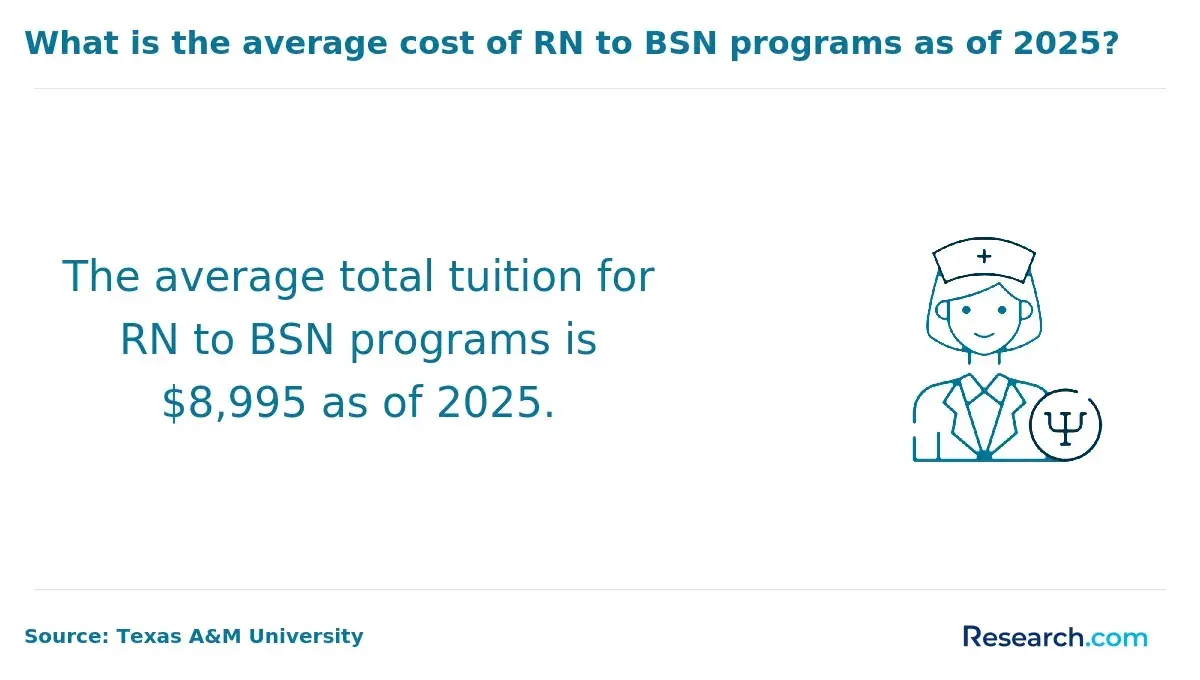
- How much does an RN to BSN program cost in Maryland?
- What are the pros and cons of online vs. on-campus RN to BSN programs in Maryland?
- How do RN to BSN programs in Maryland support clinical placements?
- Which accrediting bodies approve RN to BSN programs in Maryland?
- What career opportunities are available to RN to BSN graduates in Maryland?
- What is the average RN to BSN salary increase in Maryland?
What is an RN to BSN program and how does it work in Maryland?
RN to BSN programs in Maryland are structured to build on the clinical experience of working nurses while enriching their education with advanced concepts in leadership, community health, and healthcare systems. These programs facilitate the seamless transfer of many nursing credits, making the transition efficient and tailored to licensed RNs. Their primary purpose is to elevate nurses' qualifications, helping them meet evolving industry expectations and enhance patient care quality, ultimately broadening their career opportunities.
This type of program is ideal for nurses aiming to expand their roles beyond bedside care, whether they are newly graduated or seasoned professionals seeking leadership, education, or specialized clinical positions. Many find that completing an RN to BSN supports professional goals such as higher earning potential and greater job satisfaction.
The flexibility of online and on-campus options accommodates working nurses balancing commitments. Additionally, gaining a BSN strengthens a nurse's voice within interdisciplinary teams and opens doors to graduate study or roles demanding advanced skills. For those curious about compensation differences, exploring the differences in nurse practitioner salary nationally may offer insight into the financial benefits of education advancement.
What courses are included in RN to BSN programs in Maryland?
The following bullet list highlights key courses and focus areas typically included in the RN to BSN Maryland curriculum, illustrating how these subjects prepare students for advanced nursing roles and new career opportunities.
- Nursing Leadership and Management: This course develops skills in supervising healthcare teams, managing resources, and applying effective decision-making strategies. It prepares nurses for leadership roles by emphasizing administrative responsibilities and change implementation in clinical settings.
- Health Informatics: Students learn to utilize electronic health records and healthcare data analysis to improve patient outcomes. This course reflects the growing importance of technology proficiency within modern healthcare environments.
- Evidence-Based Practice and Research: Focusing on critically evaluating research, this course equips nurses to implement evidence-based guidelines that enhance patient care quality and support participation in quality improvement programs.
- Community and Population Health Nursing: This subject teaches assessment of community health needs and strategies for disease prevention and health promotion, broadening a nurse's role to include public health responsibilities and care for vulnerable populations.
- Pathophysiology and Pharmacology: These foundational courses deepen understanding of disease mechanisms and medication management, enhancing clinical judgement and ensuring safe, effective patient care across diverse settings.
- Medical/Surgical Nursing: Expanding on prior knowledge, this course sharpens clinical assessment and intervention skills for adults with complex conditions to deliver advanced nursing care.
- Mental Health Nursing: Covering psychiatric and psychosocial nursing, this course prepares nurses to support mental health needs through therapeutic communication, crisis intervention, and care coordination.
- Maternity and Pediatric Nursing: These specialized courses focus on family-centered care tailored to women, infants, and children, emphasizing developmental needs and advocacy.
- Health Assessment: Advanced training in physical and psychosocial assessments improves early detection abilities and promotes comprehensive patient evaluations.
- Professional Development and Ethics: This course emphasizes ethical decision-making, legal considerations, and lifelong learning strategies to maintain professional standards and advance nursing careers.
What are the admission requirements for RN to BSN programs in Maryland?
The following overview offers insight into the qualifications and materials commonly expected when applying for RN to BSN programs in Maryland, equipping prospective students with a clear sense of typical admission prerequisites. Applicants should prepare to meet the following criteria as they pursue Maryland RN to BSN program prerequisites:
- Active RN License: Holding a current, unencumbered registered nurse license from Maryland or a Nurse Licensure Compact state is essential. This confirms legal eligibility to practice nursing and ensures applicants possess foundational clinical qualifications.
- Associate Degree or Diploma in Nursing: Completion of an accredited associate degree or nursing diploma demonstrates necessary foundational education and is a prerequisite for BSN enrollment.
- Official Transcripts: Submission of official academic transcripts from all previously attended institutions verifies completion of required coursework and academic history, confirming eligibility and preparation level.
- Minimum GPA: Most programs require a cumulative GPA between 2.5 and 3.0 on a 4.0 scale, establishing a baseline for academic competence. Certain programs or pathways may also specify minimum grades in science prerequisites to ensure readiness for advanced nursing studies.
- Prerequisite Coursework: Completion of specific classes like general chemistry, microbiology, nutrition, and English composition with a grade of C or higher is important. These courses build the academic foundation necessary for success in upper-level nursing curricula.
- Letters of Recommendation: Providing two or three references-academic or professional-can offer valuable insight into an applicant's clinical skills, character, and suitability for the rigors of BSN study.
- Personal Essay: A reflective statement outlining nursing philosophy, career goals, and motivation helps the admissions committee understand an applicant's commitment and fit with program values.
- Résumé or CV: A current résumé highlighting nursing experience and achievements supports an application by demonstrating professional growth and competencies.
- Application Forms and Fees: Completion of required application materials and payment of fees, unless waived, signifies formal intent to enroll and allows administrative processing.
- Interview (Occasional): Some programs may include an interview step to further assess candidates' readiness and discuss academic or professional aspirations.
For those interested in accelerating their nursing education, exploring a 12-month fnp program online could also be a future step after completing their RN to BSN degree.
How long does it take to earn an RN to BSN degree in Maryland?
To help you gauge how quickly you can earn your BSN in Maryland, here is a breakdown of typical program durations based on different study formats and enrollment options that cater to various needs and lifestyles.
- Full-Time Programs: Usually completed within 12 to 15 months, these accelerated paths are designed for nurses who can commit substantial time each semester. This option suits those eager for rapid career advancement and often involves a heavier course load, along with local clinical requirements.
- Part-Time Programs: Spanning roughly 24 to 36 months, though some allow up to five years, part-time routes offer flexibility for working professionals balancing jobs and family. Students may take limited courses per term, making this format ideal for steady progress without overwhelming schedules.
- Self-Paced and Flexible Online Options: These programs accommodate learners who need adjustable schedules, permitting completion times ranging from 12 months up to five years. This format benefits those managing unpredictable work hours or personal obligations by allowing control over course load intensity.
- Dual Enrollment Programs: Available for associate degree nursing students, these options enable beginning BSN coursework before RN licensure, potentially shortening overall completion time by integrating study phases efficiently.
How much does an RN to BSN program cost in Maryland?
To gain a clear picture of the typical tuition range and overall expenses of RN to BSN programs in Maryland, it helps to examine the various cost factors students face. These factors vary notably between online and on-campus formats, influenced by tuition rates, fees, and financial support options.
- Tuition per credit hour: This is the primary expense and can differ widely between programs. On-campus courses often have higher per-credit rates due to facility and campus resource usage, while online programs may offer lower or more flexible pricing models.
- Total program cost: The full cost depends on how many credits are required to complete the BSN degree, which typically ranges from 30 to 40 credit hours. This total can vary because some students transfer credits or attend part-time, influencing their overall tuition.
- Additional fees: Online programs may include technology fees, virtual lab access, and other digital resource costs. Conversely, on-campus students might pay for parking, campus activity fees, or access to physical facilities.
- Financial aid and employer assistance: Many Maryland nursing students benefit from scholarships, grants, or employer tuition reimbursement programs. These supports can substantially offset both online and on-campus tuition costs, but eligibility requirements vary.
From discussing with a Maryland nurse who completed a hybrid RN to BSN program at a local school, the financial commitment was a significant challenge but ultimately manageable. He recalled how the program charged about $400 to $450 per credit hour, and with roughly 36 credits needed, his tuition approached $16,000 before fees and aid. He shared, "Balancing work and school was hard, but employer tuition assistance softened the cost considerably." Reflecting on the process, he noted that being proactive about seeking scholarships and understanding all fees upfront made a difference. His experience underscores the importance of thorough financial planning and leveraging available resources when pursuing an RN to BSN path in Maryland.
What are the pros and cons of online vs. on-campus RN to BSN programs in Maryland?
Deciding between online vs on-campus RN to BSN programs in Maryland hinges on your personal circumstances, including work commitments, financial resources, and how you prefer to learn. Each format offers distinct benefits and drawbacks that can shape your educational journey and career trajectory.
Below is a clear comparison of the benefits and drawbacks of Maryland RN to BSN programs that can guide your choice according to your priorities.
Online or Hybrid RN to BSN Programs
- Pro: Flexibility for Working Nurses - These programs typically allow asynchronous coursework, letting you balance studies with a full-time job and family responsibilities.
- Pro: Lower Cost Potential - Online formats reduce expenses related to commuting and housing, and some schools offer tuition discounts, making education more affordable.
- Con: Limited Face-to-Face Networking - Without regular in-person interactions, opportunities for mentorship and direct collaboration with peers and faculty can be fewer, which might impact professional networking.
On-Campus RN to BSN Programs
- Pro: Direct Access to Faculty and Resources - Being on campus means immediate availability of clinical facilities, faculty support, and campus services that can enrich the learning experience.
- Pro: Structured Cohort Experience - Campus programs often foster peer connections through cohort models, promoting teamwork and collective learning.
- Con: Less Schedule Flexibility - Fixed class times and location requirements can challenge nurses juggling work and family, potentially limiting enrollment options.
For additional insight about flexible healthcare education pathways, explore the best shortest online PMHNP certificate programs, which share similar flexibility advantages.
How do RN to BSN programs in Maryland support clinical placements?
RN to BSN programs in Maryland thoughtfully support students in gaining essential hands-on experience and fulfilling clinical requirements needed for their professional growth. The following points highlight how these programs create practical and flexible pathways for clinical learning and placement assistance to meet real-world nursing demands.
- Partnerships with Local Healthcare Facilities: Many programs collaborate with area hospitals and community organizations, securing diverse clinical sites where students can complete required practicum hours in meaningful settings.
- Preceptor or Mentor Matching: Students are paired with experienced nurses who offer tailored guidance and feedback, enriching the clinical learning process through mentorship.
- Flexibility for Current RNs to Use Their Workplace for Clinical Hours: Recognizing working nurses' schedules, many programs allow clinical hours at current jobs, integrating education with professional responsibilities.
- Guidance from Faculty or Clinical Coordinators: Dedicated staff assist with placement logistics and ensure compliance with state and accreditation standards, easing students' navigation of clinical requirements.
When I spoke with a Maryland nurse who completed her RN to BSN locally, she reflected on the initial challenge of balancing work shifts and finding relevant clinical placements. She recalled how her program's clinical coordinator personally helped by connecting her to a community health site aligned with her interests, easing the stress of arranging hours amid a busy schedule. "Having someone guide me through the paperwork and site options made a huge difference," she said. This support, combined with her employer allowing some clinical hours onsite, enabled her to stay engaged without sacrificing income or family time-transforming a daunting process into a manageable and enriching journey.
Which accrediting bodies approve RN to BSN programs in Maryland?
Accreditation plays a critical role in ensuring RN to BSN programs in Maryland deliver education that meets high standards and prepares students effectively for nursing careers. To understand which organizations approve these programs, it is helpful to look at the main national and state-level accrediting bodies responsible for overseeing quality and credibility in nursing education:
- Commission on Collegiate Nursing Education (CCNE): A premier accrediting agency specifically focused on nursing programs, CCNE evaluates curriculum, faculty qualifications, and student outcomes. Its accreditation signals that an RN to BSN program adheres to rigorous national standards, making graduates more competitive and prepared for advanced nursing roles.
- Accreditation Commission for Education in Nursing (ACEN): Although its prominence has decreased over time with CCNE's rise, ACEN has historically maintained standards for nursing education. Some Maryland programs retain ACEN accreditation or held it prior to transitioning to CCNE, providing assurance of quality during those periods.
- Middle States Commission on Higher Education (MSCHE): While not accrediting individual nursing programs, MSCHE provides regional institutional accreditation to universities. This means schools offering RN to BSN programs meet comprehensive educational standards, supporting the integrity and recognition of their nursing degrees.
- Maryland Board of Nursing: As a state-level authority, this board approves nursing programs to ensure they meet Maryland's specific licensure requirements. Its approval is essential for graduates aiming to become licensed RNs within the state, guaranteeing that programs align with Maryland's professional standards.
What career opportunities are available to RN to BSN graduates in Maryland?
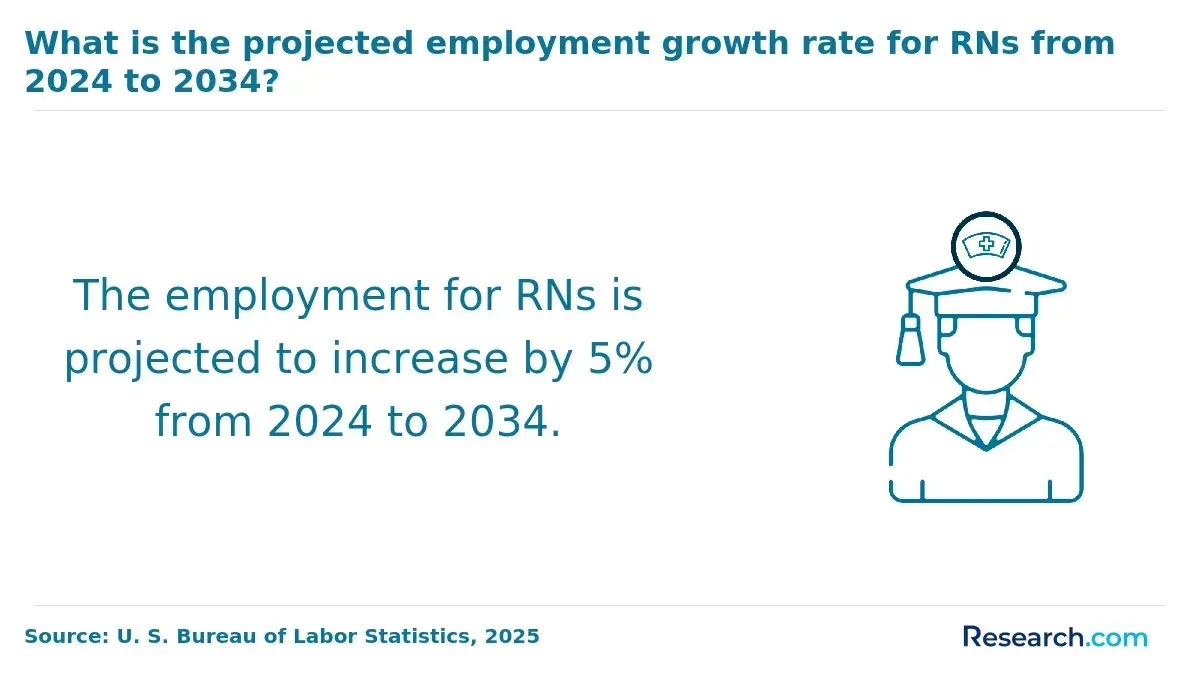
Many RN to BSN graduates find that earning this degree opens doors to specialized and leadership roles, enhancing both their job prospects and earning potential. Below are some common career opportunities pursued by BSN-prepared nurses in Maryland that highlight the scope of options available to those who seek highest paying RN to BSN jobs in Maryland.
- Hospital Staff Nurse: These nurses provide expert care in units such as critical care, pediatrics, and emergency departments. The BSN curriculum equips them with skills in evidence-based practice and leadership, essential for managing complex patient needs and collaborating with interdisciplinary teams.
- Nurse Manager/Supervisor: This role involves overseeing nursing staff, managing resources, and ensuring quality standards. RN to BSN programs prepare nurses with management and leadership knowledge, making them competitive candidates for these higher-paying positions.
- Case Manager/Care Coordinator: Nurses in this position assess patient needs and coordinate care across settings. Maryland employers value BSN graduates for their training in health policy and patient education, which supports effective care transitions.
- Home Health Nurse: Providing skilled nursing in patients' homes, these nurses draw on community health and patient education principles emphasized in BSN studies to deliver autonomous, critical care.
- Public Health Nurse: Focusing on disease prevention and health promotion, these nurses work in schools and community organizations, leveraging BSN training in population health to improve public wellness.
Those interested in combining clinical expertise with flexible learning might explore programs such as an affordable online womens health nurse practitioner degree program, which build upon the foundation a BSN provides for career growth in nursing.
What is the average RN to BSN salary increase in Maryland?
The average salary for a registered nurse (RN) without a BSN degree in Maryland is approximately $82,211 per year, yet earning a Bachelor of Science in Nursing (BSN) can significantly enhance registered nurses' earning potential and career growth within the state. Understanding the financial impact of advancing from an associate degree (ADN) to a BSN is essential for nurses considering further education; the following points highlight key salary differences and contributing factors.
- Average Salary Comparison (ADN vs. BSN): RNs with an ADN typically earn around $79,105 annually, whereas BSN-prepared nurses earn approximately $87,433, reflecting a meaningful salary increase associated with advanced education.
- Salary Differences by Healthcare Setting: BSN nurses frequently occupy specialized or leadership roles in high-paying environments like intensive care or emergency departments, which tend to offer higher wages than general medical settings.
- Impact of Experience and Leadership Roles: Nurses with BSNs often move into supervisory or managerial positions, earning 10-30% more than standard RN wages depending on facility size and type.
- Long-Term Earning Potential: Over time, the salary gap between ADN and BSN nurses widens as BSN holders access advanced certifications and administrative roles, resulting in cumulative earning advantages exceeding $100,000 across a career.
Here's What RN to BSN Graduates in Maryland Have to Say About Their Degree
- Completing the online RN to BSN program at Chesapeake University truly transformed my perspective on nursing and community health. The flexibility allowed me to balance my studies with family life, which was essential for me. After graduation, I started working in a local school where I could apply my new knowledge directly to support the health and wellbeing of students. This program not only enhanced my clinical skills but also deepened my commitment to nurturing healthier communities in Maryland. Jeffrey
- My experience at Baltimore Nursing Academy's hybrid RN to BSN program was both challenging and rewarding. Being on campus for part of the program gave me invaluable hands-on practice while the online components fit perfectly with my hectic schedule. Starting my nursing career in a local school, I found that the degree vastly improved my confidence and leadership abilities. Reflecting on my journey, I appreciate how this path opened doors for career advancement while allowing me to make a direct impact on students' health education. Annie
- Attending Morgan State University for my on-campus RN to BSN was a pivotal step in my professional development. The rigorous curriculum and close-knit academic environment motivated me to push my limits and excel. Upon graduation, I began working in a local school where I could combine my passion for education and health to positively influence young lives. Pursuing this degree in Maryland meant navigating unique challenges but ultimately provided me with strong career stability and a sense of purpose. Troy
Related Articles for Nearby States
- 2027 Best RN to BSN Programs in Virginia: Online & Campus
- 2027 Best RN to BSN Programs in West Virginia: Online & Campus
- 2027 Best RN to BSN Programs in Pennsylvania: Online & Campus
- 2027 Best RN to BSN Programs in Delaware: Online & Campus
- 2027 Best RN to BSN Programs in New Jersey: Online & Campus
- 2027 Best RN to BSN Programs in New York: Online & Campus
- 2027 Best RN to BSN Programs in Ohio: Online & Campus
- 2027 Best RN to BSN Programs in North Carolina: Online & Campus
- 2027 Best RN to BSN Programs in Kentucky: Online & Campus
- 2027 Best RN to BSN Programs in Connecticut: Online & Campus
References:
- Maryland RN to BSN Programs | Top 10+ Accredited Schools https://rntobsnprograms.com/schools/maryland
- RN to BSN Online | Notre Dame of Maryland University http://www.ndm.edu/online-bsn
- 2025 RN to BSN Salary – Learn How Much RN to BSN Graduates Earn? https://www.nursingprocess.org/rn-to-bsn-salary/
- Admission https://www.samuelmerritt.edu/college-nursing/rn-bsn-program
- Nursing Jobs at Johns Hopkins Medicine https://jobs.hopkinsmedicine.org/jobs/nursing/us-md/
- 2025 RN Salary Guide: State-by-State Pay https://nursa.com/salary/rn
- ADN to BSN Pathway https://www.montgomerycollege.edu/academics/programs/nursing/adn-to-bsn-pathway.html
- BSN Salary in Maryland | RN-BSN Salary in MD https://www.bsnedu.org/maryland-salary/
- RN to B.S. in Nursing https://www.towson.edu/chp/departments/nursing/undergrad/degree-options/rn-to-bs/
- Maryland RN-BSN Programs: Affordable & Fast Options for 2025 https://www.rntomsn.org/rn-to-bsn-online/maryland/
Other Things You Should Know About RN to BSN Programs in Maryland
In 2027, to enroll in an RN to BSN program in Maryland, prospective students typically need an active RN license, completion of an accredited associate degree in nursing, and a minimum GPA, often set around 2.5 or higher. Some programs may also require specific courses or clinical experience.
In 2027, several RN to BSN programs in Maryland offer both online and campus options. The University of Maryland School of Nursing and Towson University are notable choices, providing flexible education pathways that accommodate different learning preferences and scheduling needs.
It is possible to complete an RN to BSN program in Maryland while working full-time, especially given the flexibility offered by many online and hybrid programs in the state. These programs often provide part-time options, asynchronous coursework, and manageable clinical requirements that accommodate the busy schedules of working nurses. Maryland's institutions recognize the demands on working RNs and design curricula to support work-study balance. However, successful completion while working full-time requires strong time-management skills and dedication to stay on track.


