
2027 Best RN to BSN Programs in Nevada: Online & Campus

Co-Founder and Chief Data Scientist
Nevada's healthcare sector is growing rapidly, with employment for registered nurses expected to increase by 14% through 2030, surpassing the national average. This growth highlights the importance of advancing nursing education to meet rising demands. Pursuing an RN to BSN program in Nevada equips nurses with critical skills and credentials that align with evolving healthcare standards and employer expectations.
This article explores key aspects of RN to BSN programs in Nevada, focusing on the differences between online and on-campus options. Prepared by career planning experts, it guides readers through what these programs entail, what to expect, and how to assess the best fit for their goals. The comprehensive overview aids informed decision-making for those seeking to advance their nursing careers effectively.
Key Benefits of RN to BSN Programs in Nevada
- Nevada offers flexible RN to BSN programs with online options, allowing working nurses to balance education and job responsibilities effectively.
- The state's programs often boast accelerated pathways, enabling completion in as little as 12 to 18 months, faster than the national average.
- Graduates benefit from Nevada's growing healthcare sector, with a 15% projected nursing job growth through 2030, enhancing career advancement and salary potential.
- What is an RN to BSN program and how does it work in Nevada?
- What courses are included in RN to BSN programs in Nevada?
- What are the admission requirements for RN to BSN programs in Nevada?
- How long does it take to earn an RN to BSN degree in Nevada?
- How much does an RN to BSN program cost in Nevada?
- What are the pros and cons of online vs. on-campus RN to BSN programs in Nevada?
- How do RN to BSN programs in Nevada support clinical placements?
- Which accrediting bodies approve RN to BSN programs in Nevada?
- What career opportunities are available to RN to BSN graduates in Nevada?
- What is the average RN to BSN salary increase in Nevada?
What is an RN to BSN program and how does it work in Nevada?
An RN to BSN program in Nevada is designed for registered nurses who already hold an associate degree in nursing and want to pursue a Bachelor of Science in Nursing. This educational pathway builds on prior nursing knowledge and clinical experience, emphasizing advanced nursing concepts, leadership, and community health. The program helps registered nurses enhance their clinical skills and critical thinking, preparing them for the increasingly complex healthcare systems in Nevada.
Both online and on-campus RN to BSN programs are accredited by recognized agencies, ensuring quality education that supports professional development. These programs serve as a practical way for nurses to advance their education and career within the state by providing flexible learning options that accommodate working professionals.
The RN to BSN programs in Nevada are particularly suited for working nurses who seek advancement into leadership roles, education, research, or public health sectors. Nurses aiming for higher autonomy, specialized certifications, or preparation for graduate studies will find this pathway aligns well with their goals.
The program supports personal growth and job security, offering a route to increased earning potential and broader career opportunities. Understanding the differences between DNP and FNP can also clarify future educational options beyond the BSN. Overall, this program is a strategic investment for nurses ready to expand their impact within Nevada's healthcare system.
What courses are included in RN to BSN programs in Nevada?
This section provides an overview of the core and specialized courses commonly included in RN to BSN programs in Nevada, helping registered nurses enhance their clinical expertise, leadership skills, and professional growth. Below are examples of key courses and subject areas typically found in the RN to BSN curriculum in Nevada, illustrating the focused content designed to advance nursing practice in the state.
- Transition to Professional Practice: This course supports RNs as they move from associate-level duties to the broader responsibilities of baccalaureate-prepared nurses, with emphasis on advanced clinical reasoning and professional behaviors that improve patient care outcomes.
- Research and Evidence-Based Practice: Students learn to critically analyze current nursing research and apply evidence to clinical decisions, strengthening their capacity for quality improvement and innovative practice in healthcare settings.
- Health Assessment and Pharmacology: This coursework covers comprehensive patient evaluations including physical, psychosocial, and cultural assessments, alongside medication safety and management, increasing students' ability to address complex health needs.
- Leadership and Health Policy: Focused on developing leadership, management, and policy advocacy skills, this course prepares nurses for supervisory roles and involvement in healthcare system improvements and ethical decision-making.
- Biostatistics for Nursing: Training in biostatistics equips students with tools to interpret clinical data and participate actively in evidence-based initiatives and research projects.
- Information Management and Healthcare Technology: Students explore health information systems and electronic health records, learning to utilize technology to enhance care coordination and patient privacy.
- Population-Based and Community Health Nursing: This area addresses population health, epidemiology, and health promotion strategies that are vital in serving Nevada's diverse communities and reducing healthcare disparities.
- Holistic and Family Nursing: Emphasizing care of the whole person and family systems, this coursework broadens nursing perspectives to support improved patient satisfaction and health outcomes.
- Capstone or Immersion Experience: Most programs include a culminating project or clinical immersion that integrates leadership, critical thinking, and project management skills in practical healthcare environments.
The core courses in Nevada RN to BSN programs typically require 30-36 credits that can be completed within a year of full-time study. These programs are designed to prepare nurses for expanded roles that include leadership and specialized clinical positions, often leading to higher salaries and career advancement opportunities.
For nurses interested in specialized areas such as forensic nursing, exploring resources like what is forensic nursing can provide additional insight into career pathways aligned with an RN to BSN curriculum in Nevada.
What are the admission requirements for RN to BSN programs in Nevada?
To successfully apply for RN to BSN programs in Nevada, prospective students should be aware of the essential qualifications and materials typically required. Below is an overview of common admission requirements that help ensure applicants meet academic and professional standards necessary for advanced nursing studies in the state. This list outlines practical prerequisites relevant to the RN to BSN admission requirements in Nevada.
- Active, Unencumbered RN License: Applicants must hold a current and valid Registered Nurse license in Nevada or the state where they practice, demonstrating legal authorization to work as a nurse and readiness for higher-level education.
- Associate Degree in Nursing (ADN/AAS): Completion of an accredited Associate Degree in Nursing or Associate of Applied Science degree is mandatory, ensuring a foundational knowledge base suitable for progressing to a BSN program.
- Official Transcripts: Submission of official transcripts from all previously attended institutions allows programs to verify prior coursework, evaluate credit transferability, and confirm fulfillment of prerequisites.
- Minimum GPA: Most programs require a cumulative GPA between 2.0 and 3.0 to demonstrate academic preparedness; specific institutions may vary, with some expecting higher standards for concurrent enrollment.
- Prerequisite Coursework: Certain science courses such as chemistry, microbiology, or pathophysiology are often required before or during the program to provide necessary clinical and theoretical foundations.
- Proof of U.S. Citizenship or Permanent Residency: Some schools require documentation to determine eligibility for federal financial aid and compliance with institutional policies.
- Government-Issued Identification: A valid photo ID, such as a driver's license or passport, is typically required to verify identity and residency status during the application process.
- Health and Safety Documentation: Many programs request proof of CPR certification, immunizations, and health insurance to ensure safety during clinical experiences.
- Application Process: Applicants should complete separate applications for both the university and the nursing program, as both have distinct admission criteria.
- State-Specific Course Requirements: Completion of Nevada-specific courses, including state and U.S. constitutions, may be mandatory for graduation to meet local education standards.
For those considering further advancement after completing a BSN, exploring the best rated BSN to NP degree programs can offer valuable pathways in nursing specialization and leadership roles.
How long does it take to earn an RN to BSN degree in Nevada?
This section offers a clear overview of the typical duration needed to complete an RN to BSN program in Nevada, helping students plan their educational path effectively. Below is a breakdown of average completion times based on common learning formats and enrollment options available in the state.
- Full-Time Programs: These programs usually take about 12 months to complete. They fit well for students who can dedicate significant time weekly and want to accelerate their career advancement by finishing quickly.
- Part-Time Programs: Typically ranging from 18 to 24 months, part-time options work best for those balancing work and personal commitments. They provide a flexible schedule while still achieving degree goals within two years.
- Self-Paced or Flexible Online Options: Designed for highly motivated learners, these online programs allow completion in approximately 12 to 18 months, sometimes as short as 15 months. They offer maximum scheduling control to fit unpredictable work hours.
- Concurrent Enrollment (Dual ADN/BSN Pathways): This pathway enables students to start BSN courses during their associate degree studies, shortening total time to degree. It suits those aiming for the fastest progression possible through combined coursework.
How much does an RN to BSN program cost in Nevada?
To understand the financial commitment of RN to BSN programs in Nevada, it's important to consider the main factors that influence overall costs for both online and on-campus options. Below is a breakdown of these essential cost components to help prospective students plan effectively.
Key cost components include:
- Tuition per credit hour: This is generally the largest expense and varies by institution. Online programs may offer slightly lower rates per credit due to reduced campus overhead, but costs typically range from $300 to $600 per credit hour.
- Total program cost: Depending on the number of credits required, the full RN to BSN degree can cost between $12,000 and $30,000. On-campus programs often lean toward the higher end due to additional facility and resource fees.
- Additional fees: Students should anticipate costs for technology access, registration, labs, and in some cases, clinical placement. Online students may encounter platform fees or proctoring charges, which can add several hundred dollars to the total cost.
- Financial aid and employer assistance: Many students offset tuition with scholarships, grants, or employer tuition reimbursement programs. These opportunities vary widely, so investigating options early is critical for managing expenses.
When I spoke with a nurse from Nevada who completed a hybrid RN to BSN program locally, he reflected on the financial side candidly. "Balancing work and school was demanding, but the tuition was manageable thanks to employer help," he said. He recalled paying roughly $18,000 out of pocket, including fees, which felt like a significant but worthwhile investment.
He appreciated the hybrid format for saving commuting expenses but noted unexpected technology fees that initially caught him off guard. Overall, his experience underscored the importance of budgeting for both tuition and additional costs to avoid surprises during the program journey.
What are the pros and cons of online vs. on-campus RN to BSN programs in Nevada?
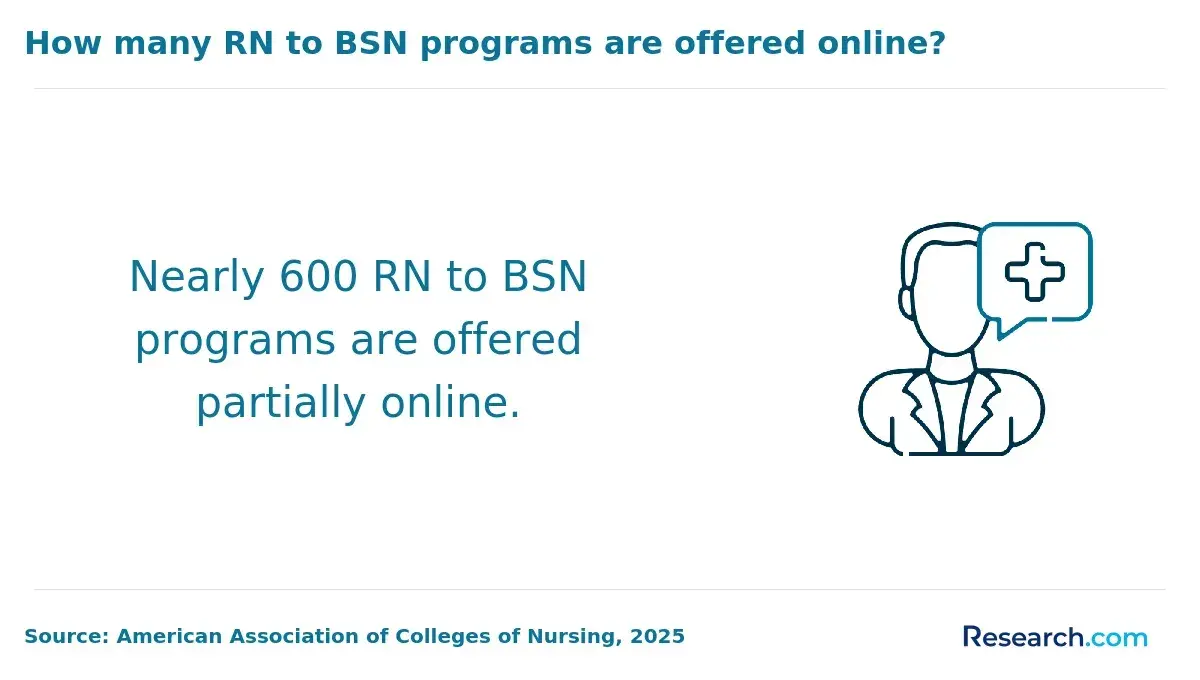
Choosing the right learning format within Nevada RN to BSN program options depends on your personal circumstances, including work schedule, financial situation, and career objectives. Online or hybrid programs offer essential flexibility for nurses balancing family and professional responsibilities, while on-campus programs provide structured environments and valuable face-to-face interaction. Each format presents distinct benefits and challenges to consider when planning your educational path.
Below are key advantages and drawbacks of online vs campus RN to BSN Nevada programs for a clear comparison:
Online or Hybrid RN to BSN Programs
- Flexibility and Convenience - These programs allow students to complete coursework on their own time, ideal for working nurses or those with family commitments.
- Cost Savings - Tuition is often lower than on-campus options, plus there are no commuting or campus fees.
- Limited In-Person Interaction - Reduced face-to-face contact may affect networking and immediate support from faculty.
On-Campus RN to BSN Programs
- In-Person Networking and Support - On-campus classes foster collaboration with peers and direct access to campus resources.
- Structured Learning Environment - Fixed schedules can benefit students who thrive with routine and real-time feedback.
- Less Flexibility and Higher Costs - Attendance requirements and commuting add time and expenses, making this less ideal for full-time workers.
For nursing professionals seeking advanced credentials, also consider exploring post MSN certificate programs that complement these BSN pathways.
How do RN to BSN programs in Nevada support clinical placements?
RN to BSN programs in Nevada help students gain essential hands-on experience and fulfill clinical requirements through tailored support systems that fit working nurses' needs. These programs offer multiple approaches to clinical placement support, ensuring students receive practical learning while balancing professional and personal responsibilities.
Key ways clinical support is provided include:
- Partnerships with Local Healthcare Facilities: Programs collaborate with diverse healthcare sites, giving students access to a variety of clinical environments that enhance their skills across different populations and settings.
- Preceptor or Mentor Matching: Experienced nurses guide students with personalized feedback, helping bridge classroom learning with real-world practice while fostering professional growth.
- Flexibility for Current RNs to Use Their Workplace for Clinical Hours: Many programs allow students to complete clinical hours at their existing workplaces, reducing scheduling conflicts and enabling seamless integration of education and work.
- Guidance from Faculty and Clinical Coordinators: Dedicated staff assist with clinical site selection and ensure experiences meet academic and professional standards, providing support especially valuable for online learners.
One nurse who completed an RN to BSN program from Nevada shared how navigating clinical placement felt daunting at first, juggling shifts and study commitments. She recalled, "The ability to count my work hours toward clinical requirements was a game-changer-it made the entire process manageable."
Faculty support helped her connect with mentors who provided constructive feedback, which she described as "like having a coach cheering me on." This hands-on mentorship and flexible scheduling gave her confidence and practical skills, reinforcing that the program's support was key to balancing education with a busy nursing job.
Which accrediting bodies approve RN to BSN programs in Nevada?
Accreditation is essential for ensuring the quality, credibility, and recognition of RN to BSN programs in Nevada because it confirms that the programs meet rigorous educational standards valued by employers, licensing boards, and academic institutions. The main national and state-level accrediting organizations overseeing RN to BSN programs in Nevada include the following:
- Commission on Collegiate Nursing Education (CCNE): This national accreditor focuses on bachelor's and graduate nursing programs, emphasizing curriculum quality, faculty expertise, and positive student outcomes. CCNE accreditation confirms that a program prepares nurses for complex clinical roles and leadership positions, which enhances job prospects in Nevada's healthcare sector.
- Accreditation Commission for Education in Nursing (ACEN): ACEN accredits nursing programs at all levels and ensures continuous quality improvement and adherence to national nursing education standards. Graduating from an ACEN-accredited program increases eligibility for advanced study, licensure, and employment opportunities across various healthcare settings in Nevada.
- Northwest Commission on Colleges and Universities (NWCCU): This regional accreditor evaluates the overall academic quality and institutional integrity of Nevada colleges offering RN to BSN programs. NWCCU accreditation is critical for federal financial aid eligibility and credit transferability, serving as a foundation for the institution's academic reputation.
- Nevada State Board of Nursing (NSBN): The NSBN approves nursing programs to ensure compliance with state regulations and practice requirements. State board approval is necessary for eligibility to take the NCLEX-RN licensing exam and may be required for career advancement or specialty certifications within Nevada.
- WASC Senior College and University Commission (WSCUC): Some Nevada institutions hold WSCUC accreditation, a regional body that verifies educational effectiveness and institutional accountability. While not nursing-specific, WSCUC accreditation supports degree recognition and credit transfer, strengthening the value of RN to BSN programs.
What career opportunities are available to RN to BSN graduates in Nevada?
RN to BSN graduates in Nevada have access to a variety of career opportunities that enhance their professional growth and expand their job prospects. Below is a list of common roles that BSN-prepared nurses can pursue, demonstrating the diverse paths available within the state's evolving healthcare landscape.
These roles capitalize on skills developed through RN to BSN programs, aligning with current workforce needs and offering clear advancement paths.
- Staff Nurse in Acute Care Settings: These nurses work in hospitals across departments like medical-surgical, critical care, and emergency. Completing an RN to BSN program equips them with advanced clinical competencies and teamwork skills necessary to thrive in high-acuity units and Magnet-recognized facilities.
- Public Health Nurse: Focused on disease prevention and community health education, these nurses serve in public health departments and nonprofits. The BSN curriculum's emphasis on population health and leadership prepares graduates to improve outcomes in Nevada's diverse urban and rural areas.
- Nurse Manager/Charge Nurse: This leadership path involves managing nursing staff and ensuring quality care standards. RN to BSN studies in healthcare systems and organizational behavior help graduates develop skills crucial for these management roles.
- Case Manager: Often working within hospitals or insurance, case managers coordinate care to promote continuity and cost efficiency. The critical thinking and communication skills gained during RN to BSN programs support success in this growing role.
- Nurse Educator: These professionals teach and mentor staff or students in clinical or academic settings. RN to BSN coursework includes teaching strategies, making this a natural progression for nurses interested in education.
- Clinical Nurse Specialist/Nurse Practitioner (with further education): While advanced practice requires graduate degrees, the BSN is an essential step toward these roles. Nevada offers online and hybrid options facilitating this academic pathway.
- Telehealth Nurse/Remote Nursing Roles: With telehealth expanding, BSN-prepared nurses can provide virtual patient care and education statewide. RN to BSN programs now incorporate health informatics and digital communication skills to meet these demands.
- Legal Nurse Consultant/Health Informatics Specialist: For non-clinical careers, these roles focus on healthcare data analysis, policy, and risk management. RN to BSN curricula covering ethics and informatics lay the groundwork for these specialized fields.
For professionals seeking cost-effective pathways to these opportunities, it's helpful to explore the most affordable online AGNP program, which reflects a trend toward accessible online education in Nevada. The variety of available roles highlights how BSN career opportunities Nevada offer both clinical and leadership advancements that can lead to improved BSN salary Nevada RN holders typically enjoy.
What is the average RN to BSN salary increase in Nevada?
The average salary for a registered nurse (RN) without a BSN degree in Nevada is approximately $88,800 per year, but earning a Bachelor of Science in Nursing (BSN) can significantly boost salaries and career prospects. Understanding the salary differences between associate degree nurses (ADN) and BSN-prepared nurses highlights the financial benefits of advanced education. The following points summarize key salary outcomes and contributing factors for Nevada RNs considering an RN to BSN program:
- Average Salary Comparison (ADN vs. BSN): RNs with a BSN in Nevada typically earn $5,000 to $10,000 more annually than ADN-prepared peers, reflecting a 10-15% salary increase tied to advanced skills and qualifications.
- Salary Differences by Healthcare Setting: BSN-prepared nurses often work in hospitals and specialized clinics with higher pay scales, while ADN nurses are more common in long-term care or outpatient settings with lower wages.
- Impact of Experience and Leadership Roles: A BSN is frequently required for promotions to charge nurse or managerial positions, substantially increasing earning potential as experience grows.
- Long-Term Earning Potential: Over time, BSN-educated nurses benefit from better job security, expanded advancement opportunities, and access to higher-paying specialties and administrative roles.
Here's What RN to BSN Graduates in Nevada Have to Say About Their Degree
Completing the online RN to BSN program at the University of Nevada, Reno allowed me to balance work and school while advancing my education. The flexibility of the program made it possible to learn at my own pace without sacrificing my responsibilities as a nurse. After graduating, I secured a nursing position at a local school, where I apply my expanded skills daily to support student health and wellness. This journey truly enhanced my confidence and professional outlook in ways I never expected. Tyler
Choosing the hybrid RN to BSN program at Nevada State College was a transformative experience. Being able to engage in face-to-face learning combined with remote coursework provided a great mix that fit my busy schedule. Since graduating, I've started working in a local school, bringing a deeper understanding of community health to my role. The program challenged me but also empowered me to contribute positively to the well-being of young people, which is something I'm deeply passionate about. Alyssa
Attending the on-campus RN to BSN program at Sierra Nevada University was a rewarding challenge that pushed me to grow both personally and professionally. The hands-on experience and direct interaction with faculty strengthened my clinical judgment and leadership skills. Starting work at a nearby school district allowed me to impact student health meaningfully, and the increased career advancement opportunities with a BSN have motivated me to continue my nursing education even further. Ravi
Do employers in Nevada offer tuition reimbursement for RN to BSN students?
Related Articles for Nearby States
- 2027 Best RN to BSN Programs in California: Online & Campus
- 2027 Best RN to BSN Programs in Oregon: Online & Campus
- 2027 Best RN to BSN Programs in Idaho: Online & Campus
- 2027 Best RN to BSN Programs in Arizona: Online & Campus
- 2027 Best RN to BSN Programs in Utah: Online & Campus
- 2027 Best RN to BSN Programs in Washington: Online & Campus
- 2027 Best RN to BSN Programs in Montana: Online & Campus
- 2027 Best RN to BSN Programs in Wyoming: Online & Campus
- 2027 Best RN to BSN Programs in Colorado: Online & Campus
- 2027 Best RN to BSN Programs in New Mexico: Online & Campus
References
- What if My Nursing School Isn’t Accredited? https://www.registerednursing.org/articles/what-if-nursing-school-isnt-accredited/
- 2025 RN Salary Guide: State-by-State Pay https://nursa.com/salary/rn
- Learn All About Nursing School Accreditation and Why It Matters https://nightingale.edu/blog/accreditation-101.html
- Average RN Salary In Nevada | NurseJournal.org https://nursejournal.org/state/nevada/rn-salary/
- Bachelor of Science in Nursing - RN to BSN | National University https://www.nu.edu/degrees/nursing/programs/bachelor-science-nursing-rn-bsn/
- 2025 RN to BSN Salary – Learn How Much RN to BSN Graduates Earn? https://www.nursingprocess.org/rn-to-bsn-salary/
- RN to BSN in Nevada | Online RN-BSN Programs in NV | ADN to BSN https://www.bsnedu.org/nevada-rn-to-bsn/
- Online vs Hybrid vs Campus Learning in Healthcare: Which Is Right for You? https://www.edumed.org/articles/online-vs-hybrid-vs-campus/
- Top 10 Best Nursing Schools in Nevada https://nurse.org/education/top-10-best-nursing-schools-in-nevada/
- RN to BSN, Bachelor of Science in Nursing https://catalog.tmcc.edu/degrees-certificates/rn-to-bsn-bsn/
Other Things You Should Know About RN to BSN Programs in Nevada
To verify accreditation in 2027, check if the RN to BSN program is recognized by the Commission on Collegiate Nursing Education (CCNE) or the Accreditation Commission for Education in Nursing (ACEN). This ensures quality education and acceptance for further studies or professional opportunities.
It is possible to complete an RN to BSN program in Nevada while working full-time, especially through the numerous online programs designed with flexibility in mind. Many Nevada nursing schools offer part-time enrollment options, asynchronous courses, and accelerated paths that allow students to balance work and study effectively. On-campus programs may require more rigid scheduling but often provide evening or weekend classes to accommodate working professionals. Ultimately, selecting a program that fits your work schedule and commitments is key to successfully advancing your nursing education without sacrificing income or job responsibilities.
Yes, RN to BSN graduates in Nevada can qualify for leadership or specialized roles. The BSN degree provides advanced skills and knowledge, allowing nurses to pursue positions such as nurse manager, clinical nurse leader, or specialized roles in areas like pediatrics and oncology.


