
2027 Best RN to BSN Programs in North Carolina: Online & Campus

Co-Founder and Chief Data Scientist
North Carolina faces a growing demand for nurses with advanced qualifications as the state projects a 15% increase in Registered Nurse employment by 2030. Pursuing an RN to BSN program in this evolving healthcare landscape offers registered nurses significant opportunities to enhance clinical skills and broaden career prospects. The choice between online and campus-based programs reflects diverse needs tied to flexibility, learning style, and professional commitments.
This article explores the essentials of RN to BSN programs in North Carolina. Drawing on expert insight in career planning, it guides readers through understanding program structures, what to expect, and criteria to consider. The aim is to equip prospective students with thoughtful analysis to confidently navigate their options and identify the most suitable path forward.
Key Benefits of RN to BSN Programs in North Carolina
- North Carolina offers flexible online and campus RN to BSN programs designed for working nurses, with many options allowing completion in as little as 12 months.
- Graduates from these programs often see higher earning potential, with BSN nurses in North Carolina earning approximately 15% more than their RN counterparts.
- The state's healthcare employers increasingly prefer BSN-prepared nurses, with over 60% of hospitals participating in the Magnet Recognition Program valuing BSN qualification for improved patient outcomes.
- What is an RN to BSN program and how does it work in North Carolina? Overview
- What courses are included in RN to BSN programs in North Carolina? Courses
- What are the admission requirements for RN to BSN programs in North Carolina? Requirements
- How long does it take to earn an RN to BSN degree in North Carolina? Duration
- How much does an RN to BSN program cost in North Carolina? Costs
- What are the pros and cons of online vs. on-campus RN to BSN programs in North Carolina? What are the pros and cons of online vs. on-campus RN to BSN programs in North Carolina?
- How do RN to BSN programs in North Carolina support clinical placements? How do RN to BSN programs in North Carolina support clinical placements?
- Which accrediting bodies approve RN to BSN programs in North Carolina? Which accrediting bodies approve RN to BSN programs in North Carolina?
- What career opportunities are available to RN to BSN graduates in North Carolina? Career Opportunities
- What is the average RN to BSN salary increase in North Carolina? Average Salary
What is an RN to BSN program and how does it work in North Carolina?
An RN to BSN program in North Carolina serves as a crucial educational bridge for registered nurses who have earned an associate degree or diploma but seek to broaden their professional expertise with a Bachelor of Science in Nursing. These programs focus on enhancing clinical knowledge, leadership skills, and modern healthcare understanding, enabling nurses to fulfill advanced roles in patient care and management.
Offered both online and on campus, the programs are tailored to accommodate working professionals, allowing flexibility without sacrificing academic rigor. The online RN to BSN North Carolina options provide those balancing jobs and personal commitments a practical path to advance their careers while staying rooted in their communities. This progression not only meets increasing employer preferences for BSN-prepared nurses but also aligns with broader healthcare goals and state initiatives promoting higher educational standards in nursing.
The RN to BSN program is designed for a diverse group of nurses intent on career growth, increased professional security, or personal development. Whether a nurse is early in their career or a seasoned practitioner, the program supports ambitions toward leadership, education, or specialized clinical practice positions.
Nurses interested in maintaining competitiveness in healthcare environments or preparing for advanced study will find particular value in this pathway. For those curious about how many years to become a family nurse practitioner, obtaining a BSN is often a recommended step toward further advanced practice roles that require graduate education. Ultimately, the RN to BSN program in North Carolina equips nurses with skills and credentials that enhance both immediate job prospects and long-term career trajectories.
What courses are included in RN to BSN programs in North Carolina?
This section offers an overview of core and specialized courses commonly found in RN to BSN programs in North Carolina, revealing how they prepare nurses for expanded roles in clinical practice, leadership, and community health. Below is a summary of key courses and focus areas frequently included in these curricula, whether delivered online or on-campus.
- Professional Nursing Concepts: This foundational course deepens understanding of the expanded responsibilities BSN-prepared nurses hold. It emphasizes critical thinking, ethical decision-making, and evidence-based practice, all essential for leadership and complex care environments.
- Health Assessment: Building on prior clinical experience, this course refines skills in conducting thorough physical, psychological, and social assessments across all patient ages, enhancing accuracy in diagnosis and care planning.
- Community and Public Health Nursing: Focused on population health, this course prepares nurses to engage in disease prevention and health promotion initiatives within diverse communities, often collaborating with multidisciplinary teams.
- Gerontological Nursing: Addressing the needs of an aging population, this subject covers chronic disease management and strategies for promoting healthy aging across healthcare settings.
- Leadership and Management in Nursing: This course cultivates skills in team leadership, conflict resolution, and healthcare quality improvement, equipping nurses for supervisory or administrative roles.
- Nursing Research and Evidence-Based Practice: Students learn to critically evaluate nursing research and apply findings to clinical practice, fostering enhanced decision-making and promoting a culture of ongoing clinical improvement.
- Informatics and Healthcare Technology: Proficiency with electronic health records and healthcare technologies is taught to improve patient safety, documentation, and care coordination in today's digital health environments.
- Health Policy and Advocacy: This course explores healthcare policies, legal considerations, and advocacy strategies, empowering nurses to influence patient care quality and healthcare equity.
- Transcultural Nursing: Prepares students to deliver culturally competent care by covering cultural assessments and strategies to address health disparities in diverse populations.
- Capstone or Practicum Experience: The program's culminating experience allows students to apply leadership, teaching, or quality improvement skills in real-world clinical or community settings.
Programs offering an RN to BSN curriculum North Carolina online programs or at physical campuses typically emphasize these courses to ensure graduates meet evolving workforce demands. For those considering career advancement or exploring how long does it take to become a psychiatric nurse practitioner, understanding the depth and breadth of coursework in these programs provides valuable insight into their comprehensive training and professional preparation.
What are the admission requirements for RN to BSN programs in North Carolina?
This section offers a clear overview of the qualifications and materials typically required to apply for RN to BSN programs in North Carolina, guiding prospective students through essential criteria for admission. Below is a concise outline of the most common admission requirements for North Carolina RN to BSN application criteria, helping applicants prepare thoroughly and strategically.
Key requirements emphasize academic achievement, licensure status, and necessary documentation to ensure candidates are well-equipped for success in these programs.
- Active RN License: Applicants must hold a current, unrestricted Registered Nurse license valid in North Carolina or a compact state including North Carolina, ensuring they meet state regulations and professional standards necessary for advanced nursing practice.
- Accredited Nursing Degree or Diploma: Completion of an associate degree in nursing, nursing diploma, or a related associate program from a regionally accredited institution is required, establishing a foundational academic background essential for BSN coursework and credit transfer.
- Minimum GPA: Most programs require a minimum cumulative GPA between 2.0 and 2.8 on a 4.0 scale to demonstrate academic readiness. Some programs insist on a minimum GPA of 2.5, supporting competitive admission and successful progression.
- Official Transcripts: Submission of official transcripts from all post-secondary institutions attended verifies prior educational achievements, prerequisite completion, and confirms GPA, which is critical for eligibility and course placement.
- Prerequisite Coursework: Completion of required general education courses like mathematics, English, and sciences with minimum grades, usually a "C," ensures students possess the necessary foundational skills before or during enrollment.
- Background Check and Drug Screening: Clinical placements often require clearance through criminal background checks and drug screenings, reflecting health industry standards and safeguarding patient safety.
- Immunizations and Health Records: Proof of immunizations and current health records is mandatory to meet public health guidelines and comply with clinical site policies.
- Application and Fee: A completed online application accompanied by a non-refundable fee-commonly around $80-is an administrative requirement that initiates the admissions process.
For those curious about advancing nursing careers, exploring how to become a nurse practitioner provides valuable insight into further educational pathways beyond the BSN.
How long does it take to earn an RN to BSN degree in North Carolina?
The typical duration of RN to BSN programs in North Carolina varies significantly depending on the chosen enrollment format, allowing students to align their studies with professional and personal commitments; below is a breakdown of common completion times by program type.
- Full-Time Programs: Usually completed in about 12 months, these accelerated tracks suit nurses ready to intensively focus on their education. Ideal for those seeking rapid career advancement, full-time programs often involve taking multiple courses per term within structured cohorts.
- Part-Time Programs: Generally lasting 16 to 24 months, part-time options provide a balanced workload for working nurses or those with other responsibilities. This route allows steady progress without overwhelming students, maintaining career momentum while managing life's demands.
- Flexible and Self-Paced Options: Spanning 1 to 3 years, these programs offer maximum adaptability, letting students control their pace and course load based on work schedules or personal needs. This path is particularly useful for nurses with unpredictable hours or those preferring a customizable academic timeline.
How much does an RN to BSN program cost in North Carolina?
To provide a clear picture of the financial commitment involved in pursuing an RN to BSN in North Carolina, it's important to consider the various costs that make up the total expenses of the program. Below is a breakdown of the primary cost factors for both online and on-campus RN to BSN studies in the state, which can help prospective students plan accordingly.
Key cost components include:
- Tuition per credit hour: This is often the largest expense and typically varies between in-state and out-of-state students. North Carolina's public universities generally offer lower rates for residents, while private institutions may have higher, flat-rate tuition regardless of residency. Credit loads per semester can influence total tuition fees.
- Total program cost: Depending on the number of credits required to complete the RN to BSN (usually around 30 credit hours), the total cost can range widely. Online programs may offer more flexibility, sometimes translating into cost savings by allowing students to maintain employment.
- Additional fees: These may include technology fees, lab fees, graduation fees, and materials costs. Online students often encounter technology or distance learning fees, which cover access to course platforms and support services.
- Financial aid and employer assistance: Many students reduce their out-of-pocket expenses through scholarships, grants, federal financial aid, or tuition reimbursement programs offered by employers. Availability and eligibility vary widely, but these resources can significantly offset costs.
When discussing costs with a nurse from North Carolina who completed a hybrid RN to BSN program through a local university, the financial journey was both challenging and manageable. He shared that although tuition around $400 per credit hour initially seemed steep, spreading payments across semesters and using employer tuition assistance softened the impact. "It wasn't just about the price tag; balancing work, family, and school meant budgeting carefully," he reflected.
He also mentioned paying some technology fees for the online components, but valued the hybrid format for its flexibility and interaction. Ultimately, he regarded the investment as worthwhile, emphasizing that understanding and planning for all expenses upfront made the path clearer and less intimidating.
What are the pros and cons of online vs. on-campus RN to BSN programs in North Carolina?
Choosing between online or hybrid and on-campus RN to BSN programs in North Carolina depends largely on how you balance work, family, and educational commitments. Your decision should reflect your ability to manage time, budget, and desired learning style while considering long-term career goals and professional growth. Each format has unique strengths and limitations worth weighing carefully before committing.
Below is a comparison highlighting key benefits and challenges of online or hybrid programs versus traditional on-campus RN to BSN programs to guide your choice.
Online or Hybrid RN to BSN Programs
- Pro: These programs offer exceptional flexibility, allowing working nurses to complete coursework without rigid class schedules or campus visits, making them ideal for balancing shifts and personal life.
- Pro: Accelerated completion options are common, with some North Carolina schools offering 12-month tracks, letting students advance their careers quickly without extended time away from work.
- Con: Limited face-to-face interaction can reduce opportunities for spontaneous networking and collaborative learning, which some nurses find valuable for professional development.
On-Campus RN to BSN Programs
- Pro: In-person access to faculty allows for immediate feedback, mentorship, and hands-on clinical skill-building that enhances practical learning experiences.
- Con: Scheduled class times and campus attendance can be difficult for nurses juggling full-time work and family, potentially complicating consistent participation.
- Con: Higher indirect costs, such as commuting, parking, and reduced working hour,s may increase the overall financial burden despite comparable tuition rates.
For nurses exploring the best route to advance their education, understanding these trade-offs is crucial. To learn more about what are the best online nurse practitioner programs and other nursing pathways, reviewing current resources can provide additional clarity.
How do RN to BSN programs in North Carolina support clinical placements?
RN to BSN programs in North Carolina support students in gaining essential hands-on experience and meeting clinical requirements through thoughtful, well-structured placement strategies. These programs provide vital clinical support in several key ways that enhance students' learning and professional growth.
Notable forms of support include:
- Partnerships with Local Healthcare Facilities: Programs collaborate with a variety of hospitals and clinics to secure diverse placement opportunities, allowing students to develop skills across different specialties in real-world settings.
- Preceptor or Mentor Matching: Students are paired with experienced nurses who offer personalized guidance, reinforcing clinical knowledge and fostering leadership abilities.
- Flexibility for Current RNs to Use Their Workplace: Many programs enable students to complete clinical hours within their own employment settings, which reduces disruption and connects learning directly to their current practice.
- Guidance from Faculty or Clinical Coordinators: Dedicated staff assist students in navigating placement logistics, compliance, and challenges, ensuring a smooth clinical experience.
Reflecting on these supports, a nurse who recently completed an RN to BSN program from a North Carolina school shared that initially, coordinating clinical hours felt overwhelming while balancing work and family. However, the program's allowance to use her workplace for practicum was a game-changer, providing flexibility and relevance.
She valued the mentor assigned through the program, noting that "having an experienced nurse to turn to made the transition from theory to practice much clearer." Her experience highlighted how these programs don't just place students-they build confidence and professional identity through continuous, compassionate support.
Which accrediting bodies approve RN to BSN programs in North Carolina?
Accreditation plays a vital role in maintaining the quality, credibility, and recognition of RN to BSN programs in North Carolina, impacting graduates' eligibility for licensure and employment opportunities. Several national and state-level organizations oversee these programs to ensure they meet rigorous educational standards, and the main accrediting bodies include the following:
- Commission on Collegiate Nursing Education (CCNE): A nationally recognized agency approved by the U.S. Department of Education, CCNE focuses on baccalaureate and graduate nursing programs. Its accreditation confirms that a program meets high standards for curriculum, faculty expertise, student outcomes, and institutional resources, providing assurance that graduates are well-prepared for professional nursing roles and further education.
- Accreditation Commission for Education in Nursing (ACEN): Also approved at the national level, ACEN accredits nursing programs spanning all educational levels. It emphasizes mission alignment, governance, curriculum quality, and student support services, ensuring graduates are prepared for safe and effective nursing practice. While less common among large public universities in North Carolina, ACEN accreditation remains important for certain private and community college programs.
- North Carolina Board of Nursing (NCBON): Serving as the state regulatory authority, NCBON approves nursing education programs to confirm compliance with minimum requirements for curriculum, clinical experience, and faculty qualifications. Although not a traditional accrediting body, its approval is essential for graduates to qualify for the NCLEX-RN licensure exam and to practice within the state.
What career opportunities are available to RN to BSN graduates in North Carolina?
Exploring career advancement for BSN nurses in North Carolina reveals a landscape rich with diverse roles that capitalize on the expanded skills and knowledge gained through RN to BSN programs. These programs open the door to numerous positions beyond bedside care, each offering meaningful pathways for professional growth and impact.
Below are some common career opportunities for BSN nursing job opportunities in North Carolina that illustrate the expanded horizons available to graduates of these programs.
- Nurse Manager or Supervisor: BSN graduates step into leadership roles managing nursing teams, coordinating patient care, and overseeing administrative duties in hospitals and clinics. Leadership and communication skills developed during RN to BSN study are vital as many employers now prefer or require BSN credentials for supervisory positions.
- Nurse Educator: These nurses teach and mentor in various settings, from hospital training to universities, fostering new generations of nursing professionals. This role leverages curriculum knowledge and lifelong learning principles emphasized in BSN programs, helping address statewide nursing shortages.
- Nursing Case Manager: Coordinating care for patients with complex health needs, case managers utilize advanced care coordination and policy knowledge from BSN coursework. They often work in hospitals, insurance firms, or home health agencies, ensuring patients receive comprehensive services.
- Public Health Nurse: Serving communities through disease prevention and health promotion, these nurses apply their understanding of population health gained in BSN studies. They operate in clinics, public health departments, and schools, addressing broad health challenges.
- Clinical Nurse Specialist or Advanced Practice Preparation: While graduate education is required for advanced practice roles, a BSN provides the essential foundation for pursuing specializations like nurse practitioner or nurse anesthetist, positions that typically offer significantly higher salaries.
- Informatics Nurse: By bridging technology and clinical care, informatics nurses drive the design and implementation of electronic health records and data systems. Their BSN training includes informatics competencies critical to this growing field.
- Travel Nurse: BSN-prepared nurses often secure travel positions that offer higher pay and varied clinical experiences. The broader clinical skills and flexibility learned in RN to BSN programs enhance their competitiveness for these sought-after roles.
- Legal Nurse Consultant: Utilizing clinical insights and analytical skills from BSN studies, these nurses advise legal professionals on healthcare-related cases. This niche role typically spans law firms and insurance companies.
Healthcare systems like Atrium Health and Duke University Health System increasingly seek BSN-prepared nurses for these roles, reflecting the tangible career advantages of earning this degree. For those interested in advancing even further, carefully researching options such as the ranking of affordable online PMHNP degree programs can be a valuable step toward higher specialization and leadership opportunities.
What is the average RN to BSN salary increase in North Carolina?
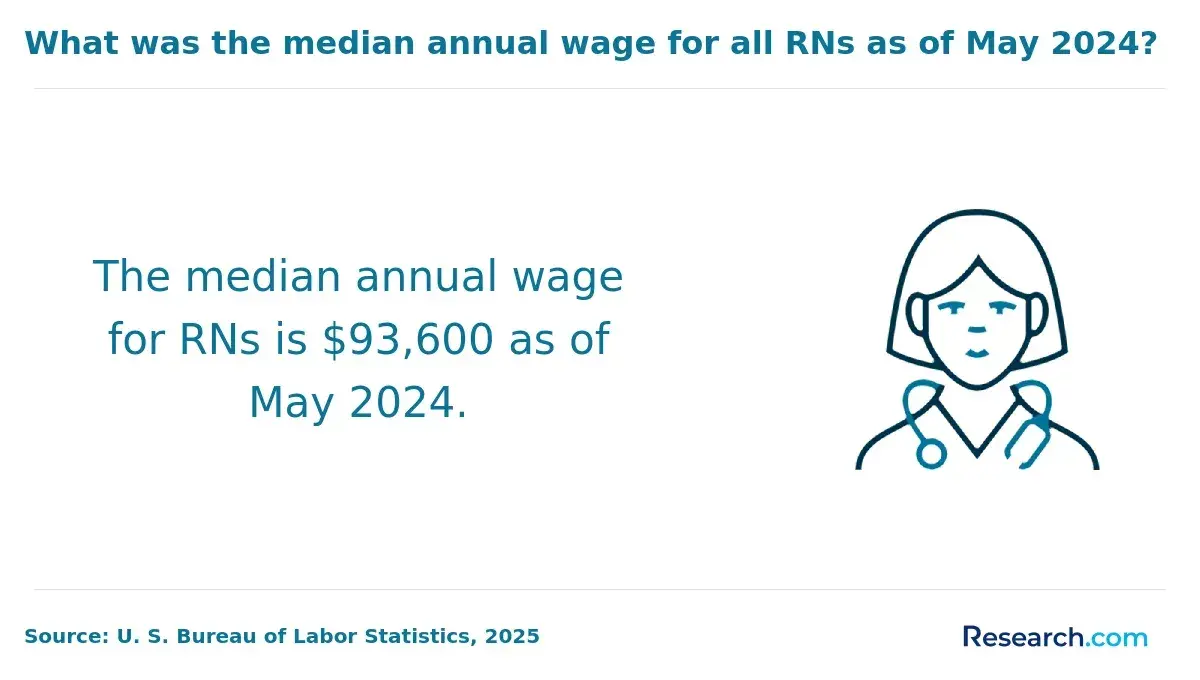
Registered nurses in North Carolina without a BSN degree typically earn a median annual salary of around $72,220, but obtaining a Bachelor of Science in Nursing (BSN) can notably elevate earning potential and open doors to advanced roles. To better understand the financial impact of pursuing an RN to BSN program, consider the following key salary insights comparing ADN-prepared nurses to those with a BSN:
- Average Salary Comparison: Nurses with an ADN earn a baseline median salary near $72,220, whereas BSN-prepared nurses often access roles paying closer to or above $95,000 annually, reflecting their advanced qualifications.
- Salary by Healthcare Setting: BSN holders frequently secure positions in hospitals and specialized units that offer higher pay, as many facilities prefer or require BSN credentials for acute and critical care roles.
- Experience and Leadership Impact: The BSN is a crucial foundation for leadership and advanced practice roles like nurse practitioners, driving salaries substantially higher than entry-level nursing positions.
- Long-Term Earning Potential: BSN-prepared nurses benefit from accelerated promotions and greater access to specialist roles, enhancing overall lifetime earnings amid North Carolina's growing demand for nursing professionals.
Here's What RN to BSN Graduates in North Carolina Have to Say About Their Degree
- Lachlan: "Completing the online RN to BSN program at East Carolina University allowed me to balance work, family, and school seamlessly. The flexibility was a game-changer, especially with my busy schedule. After graduating, I felt confident stepping into my first nursing role at a local school, where I could immediately apply what I had learned. The program emphasized community health and leadership, which truly prepared me to make a tangible difference in students' well-being. I am grateful for the opportunity to grow both professionally and personally through this journey. "
- Harding: "My experience with the hybrid RN to BSN program at the University of North Carolina at Charlotte was incredibly rewarding. The mix of online coursework and on-campus sessions gave me the best of both worlds-flexibility and face-to-face interaction with faculty and peers. Starting my career as a school nurse, I found that my degree opened doors to leadership roles and advanced responsibilities. Reflecting on the journey, I appreciate how the curriculum challenged me and helped me develop a deeper understanding of health promotion in educational settings across North Carolina. "
- Calliope: "Attending the on-campus RN to BSN program at Appalachian State University was a experience. Immersing myself fully in the campus environment enriched my learning and helped me build strong professional networks. After graduation, I was proud to begin working at a nearby school where I could focus on the holistic health of students, encouraging healthier lifestyles and emotional well-being. The program also pushed me to grow personally, fostering a stronger sense of community responsibility and resilience that I carry into my practice every day. "
Related Articles for Nearby States
- 2027 Best RN to BSN Programs in South Carolina: Online & Campus
- 2027 Best RN to BSN Programs in Virginia: Online & Campus
- 2027 Best RN to BSN Programs in Georgia: Online & Campus
- 2027 Best RN to BSN Programs in Tennessee: Online & Campus
- 2027 Best RN to BSN Programs in West Virginia: Online & Campus
- 2027 Best RN to BSN Programs in Kentucky: Online & Campus
- 2027 Best RN to BSN Programs in Florida: Online & Campus
- 2027 Best RN to BSN Programs in Maryland: Online & Campus
- 2027 Best RN to BSN Programs in Alabama: Online & Campus
- 2027 Best RN to BSN Programs in Pennsylvania: Online & Campus
References:
- Nursing: RN to BSN https://www.uncp.edu/academics/all-majors-and-minors/nursing-rn-to-bsn.html
- RN to BSN Careers | NCWU https://ncwu.edu/academics/majors-minors/rn-to-bsn/careers/
- Best Online RN to BSN Degree Programs for 2026 https://www.registerednursing.org/rn-to-bsn/
- Can I Still Work While I’m Getting My RN to BSN? https://www.bestnursingdegree.com/bsn/rn-to-bsn/videos/can-i-still-work-while-im-getting-my-rn-to-bsn/
- Your Guide to a North Carolina Nursing License https://online.nccu.edu/blog/guide-to-north-carolina-nursing-license/
- Online RN to BSN Program at UNCW https://onlinedegree.uncw.edu/programs/healthcare/rn-to-bsn/
- 10 Reasons Why RNs Should Pursue Their BSN Degree | NurseJournal.org https://nursejournal.org/articles/reasons-why-rns-should-pursue-their-bsn-degree/
- How Much Does a Nurse with a BSN Make? https://nurse.org/resources/BSN-salary/
- Nurse Education Scholarship Loan Program (NESLP) - Inactive Program - NCSEAA https://www.ncseaa.edu/loan/state-funded-loans/forgivable-loans-neslp/
- The Pros and Cons of Online Learning https://www.chamberlain.edu/blog/the-pros-and-cons-of-online-learning
Other Things You Should Know About RN to BSN Programs in North Carolina
The best RN to BSN programs in North Carolina in 2027 emphasize flexible learning formats, integrating both online and on-campus courses. These programs focus on evidence-based practice, leadership training, and community health, often incorporating practicums to provide hands-on experience tailored to professional advancement.
The best RN to BSN programs in North Carolina in 2027 ensure quality education through rigorous accreditation by organizations such as CCNE and ACEN. These programs offer comprehensive curricula, experienced faculty, and robust support services to enhance learning outcomes and career readiness.
Yes, it is generally possible to complete an RN to BSN program in North Carolina while working full-time, especially through the many flexible online and hybrid programs offered by state universities. These programs are designed to accommodate working nurses by offering part-time enrollment options, asynchronous coursework, and occasional on-campus requirements that can often be scheduled around work commitments.
However, managing both work and study requires strong time management skills and a commitment to balancing job responsibilities with academic progress. Prospective students should carefully review each program's format and support services to ensure it align with their work schedules and personal obligations.


