
2027 Best RN to BSN Programs in Oregon: Online & Campus

Co-Founder and Chief Data Scientist
Oregon's healthcare sector is projected to grow 20% between 2020 and 2030, creating a significant demand for nurses with advanced qualifications. Registered Nurses (RNs) pursuing a Bachelor of Science in Nursing (BSN) can access better job stability and higher salaries. In Oregon, nurses with a BSN earn an average of 15% more than those with an associate degree, highlighting the tangible benefits of further education. This growth emphasizes the value of RN to BSN programs in preparing nurses for evolving healthcare roles and leadership positions within the state.
This article explores what RN to BSN programs in Oregon entail while providing a structured analysis of online versus campus-based study options. Developed by career planning experts, it offers clear insights into what students should expect, key factors to evaluate, and strategies for making informed decisions about the optimal RN to BSN pathway. The goal is to equip readers with a comprehensive understanding to navigate Oregon's educational landscape effectively.
Key Benefits of RN to BSN Programs in Oregon
- Oregon offers flexible RN to BSN programs online and on-campus, accommodating working nurses with an average program length of 12-18 months.
- Graduates see a 15% higher salary on average, reflecting increased demand for BSN-prepared nurses statewide.
- Completion rates in Oregon's RN to BSN programs exceed the national average of 70%, demonstrating strong institutional support and student success.
- What is an RN to BSN program and how does it work in Oregon?
- What courses are included in RN to BSN programs in Oregon?
- What are the admission requirements for RN to BSN programs in Oregon?
- How long does it take to earn an RN to BSN degree in Oregon?
- How much does an RN to BSN program cost in Oregon?
- What are the pros and cons of online vs. on-campus RN to BSN programs in Oregon?
- How do RN to BSN programs in Oregon support clinical placements?
- Which accrediting bodies approve RN to BSN programs in Oregon?
- What career opportunities are available to RN to BSN graduates in Oregon?
- What is the average RN to BSN salary increase in Oregon?
What is an RN to BSN program and how does it work in Oregon?
An RN to BSN program is an educational pathway enabling registered nurses with an associate degree to obtain a Bachelor of Science in Nursing, enhancing both their theoretical knowledge and practical skills. In Oregon, these programs are designed to meet the state's nursing workforce goals, promoting an increase in BSN-prepared nurses to align with national recommendations. The programs focus on areas such as public health, leadership, and evidence-based practice to prepare nurses for modern healthcare challenges. Available primarily through flexible online formats, Oregon's RN to BSN program requirements allow working nurses to balance employment and education, with some institutions offering more affordable tuition rates, such as OSU-Cascades. Understanding how online RN to BSN programs work in Oregon is essential for nurses aiming to advance their qualifications while accommodating their professional responsibilities.
The RN to BSN program is suited for registered nurses seeking career growth, particularly those in rural or underserved Oregon communities where BSN credentials are increasingly valued. These programs support nurses working in acute care and other demanding environments by expanding their expertise in areas like care coordination and population health. Additionally, RN to BSN completion can help nurses achieve personal goals such as bilingual competency and enhanced leadership roles. The nursing job market is expected to grow significantly, and nurses holding a BSN tend to have better opportunities and salaries, as reflected in the nurse practitioner career salary by state data. Oregon's programs also recognize diverse skills and workforce needs by awarding bonus points for candidates with additional language abilities or experience in high-need areas.
What courses are included in RN to BSN programs in Oregon?
This section provides an overview of the core and specialized courses commonly included in RN to BSN programs in Oregon, designed to enhance clinical expertise, leadership skills, and professional growth for licensed nurses. Below are examples of key courses and focus areas typically offered in the Oregon RN to BSN curriculum to prepare nurses for advanced roles in healthcare.
- Evidence-Based Practice: Students are trained to critically analyze research findings and apply them to clinical decision-making, improving patient care quality and outcomes through the use of current, scholarly evidence.
- Population and Community Health Nursing: This course focuses on public health principles and epidemiology, equipping nurses with skills to assess community health needs and develop interventions that address health disparities in both urban and rural areas.
- Leadership and Management in Nursing: Coursework covers leadership theories, organizational behavior, and healthcare policy, preparing nurses to effectively manage teams, coordinate care, and lead quality improvement initiatives for career advancement.
- Healthcare Informatics: Students learn to manage electronic health records and analyze healthcare data, gaining competencies that support decision-making and promote patient safety through technology integration.
- Health Assessment and Promotion: Building on RN-level skills, this course teaches comprehensive physical and psychosocial evaluation techniques and strategies for personalized health promotion and chronic disease management.
- Nursing Ethics and Policy: This area explores ethical, legal, and policy frameworks affecting nursing practice, including patient rights and regulatory compliance, fostering nurses' advocacy and ethical leadership.
- Transcultural and Diversity Nursing: Nurses develop cultural competence by studying how cultural, religious, and socioeconomic factors influence health behaviors, enabling inclusive care delivery in diverse communities.
- Capstone or Practice Integration: A culminating project or clinical practicum allows students to synthesize learning by applying leadership and evidence-based skills in real-world healthcare settings.
- Professional Communication: This course enhances written and oral communication as well as interprofessional collaboration, essential for patient safety and effective healthcare teamwork.
For those interested in specialty roles, such as mental health, exploring pathways like how to become a psychiatric nurse practitioner with no experience can complement the RN to BSN courses in Oregon and broaden career prospects in nursing practice.
What are the admission requirements for RN to BSN programs in Oregon?
This section outlines the typical qualifications and application materials required for admission to RN to BSN programs in Oregon, providing prospective students with a clear understanding of what to prepare. Below is a list that highlights the common admission requirements for these programs, whether offered online or on campus.
- Active RN License: Applicants must hold a current, unencumbered Registered Nurse license issued either by Oregon or another U.S. state. This ensures candidates are legally authorized to practice nursing and can participate in required clinical experiences during the BSN program.
- Associate Degree in Nursing (ADN or ASN): Most programs require applicants to have completed or be in the process of completing an accredited Associate Degree in Nursing. This foundation supports progression to advanced nursing concepts covered in the BSN curriculum.
- Minimum GPA: A cumulative GPA, typically between 2.5 and 3.0, is necessary for acceptance. Achieving this benchmark demonstrates academic readiness for upper-division coursework, with some Oregon programs specifically requiring a 3.0 GPA.
- Official Transcripts: Applicants must submit official academic transcripts from all prior colleges or universities to verify prerequisite coursework, degree completion, and GPA. These records are essential for thorough admissions evaluation.
- Completed Application and Fees: A fully completed application, often submitted through a centralized service like NursingCAS, along with payment of any required fees, is necessary by program deadlines to be considered for admission.
- Background Check and Drug Screening: Students must pass criminal background checks and drug screenings consistent with Oregon Health Authority standards. These steps protect patient safety during clinical placements.
- Immunization Records: Up-to-date immunizations, including those for influenza, hepatitis B, MMR, varicella, tetanus, diphtheria, pertussis, COVID-19, and tuberculosis screening, are required to meet public health mandates for clinical participation.
- Professional Resume or CV: Some programs request a resume or curriculum vitae to assess relevant nursing experience and educational background, supporting the applicant's preparedness for advanced roles.
- Basic Life Support (BLS) Certification: Proof of current American Heart Association BLS certification ensures students can respond to emergencies during clinical courses.
- Financial Aid Application (Optional): Prospective students seeking financial aid are encouraged to complete the Free Application for Federal Student Aid (FAFSA) to help manage program costs, which vary between $11,000 and $20,000 depending on the institution and study plan.
As many nurses in Oregon pursue pathways that include prerequisites for RN to BSN programs in Oregon, it is helpful to explore options like direct entry nurse practitioner programs for advanced career opportunities beyond the bachelor's level.
How long does it take to earn an RN to BSN degree in Oregon?
This section provides a clear overview of the typical duration of RN to BSN programs in Oregon, highlighting how program length varies based on learning format and enrollment options. Below is a breakdown of average completion times according to different program types, helping prospective students identify the option best suited to their needs and schedules.
- Full-Time Programs: Generally the shortest route, full-time RN to BSN programs in Oregon can be completed in approximately nine months. These are designed for students capable of dedicating significant time to coursework without major external commitments, facilitating a quicker transition to a BSN credential.
- Part-Time Programs: Part-time options offer greater flexibility, allowing working nurses to balance employment and education. Completion times typically range from one to 20 months, depending on the institution and structure, making this format suitable for those with variable schedules needing a longer timeframe.
- Accelerated Programs: Providing an expedited pathway, accelerated RN to BSN programs can be completed in about 13 months. These programs combine online coursework with clinical practicum requirements and target students aiming to advance their careers rapidly while maintaining comprehensive training.
- Self-Paced Options: Although less common, some programs incorporate flexible online learning that permits students to manage their own pace within a structured curriculum. Duration varies with individual progress, supporting those who require maximum scheduling adaptability but still benefit from occasional academic advising.
How much does an RN to BSN program cost in Oregon?
The cost of RN to BSN programs in Oregon varies based on factors such as program format, credit hour rates, and additional fees. To provide a clear picture of expenses, below is a breakdown of the key cost components that prospective students should evaluate when considering both online and on-campus RN to BSN options.
These cost factors highlight where students may encounter differences or extra charges depending on the delivery method and institution.
- Tuition per credit hour: Tuition rates are typically calculated per credit hour and can range from approximately $300 to $600 in Oregon. Online programs might offer slightly more competitive rates, but this varies by school and may reflect the level of student support or technology resources provided.
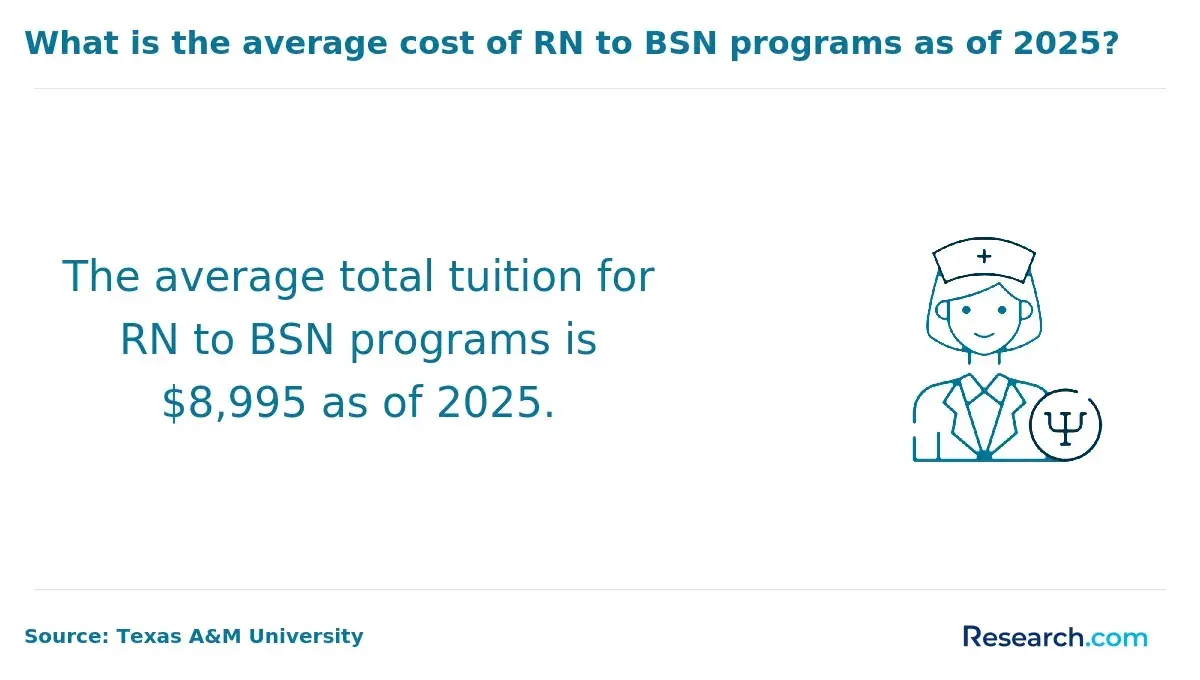
- Total program cost: Most RN to BSN programs require between 30 to 40 credit hours to graduate. Depending on the tuition per credit, total costs can range from roughly $9,000 to $24,000. On-campus programs occasionally have higher costs due to facility use and campus access fees.
- Additional fees for online programs: Students in online RN to BSN programs may face technology fees, virtual lab fees, or online platform charges that can add several hundred dollars to the overall cost. These fees cover the infrastructure enabling remote learning but are usually lower than physical campus fees.
- Financial aid and employer assistance: Many Oregon schools participate in financial aid programs, and some employers offer tuition reimbursement for nurses pursuing BSN degrees. Access to these resources can significantly reduce out-of-pocket expenses and shorten the repayment period.
When discussing RN to BSN costs with a nurse from Oregon who completed a hybrid program, he emphasized the balance he had to strike between affordability and program quality. He noted, "The total out-of-pocket was just under $15,000, which took careful budgeting alongside my full-time job." He also shared the challenge of navigating financial aid applications and waiting for employer reimbursement while managing living expenses. Despite the financial planning required, he reflected positively on the investment, saying, "The program's flexibility and support made the cost manageable, and it's opened more career doors than I expected." His journey underscores the importance of researching both expenses and potential financial support when choosing an RN to BSN program in Oregon.
What are the pros and cons of online vs. on-campus RN to BSN programs in Oregon?
Prospective nursing students in Oregon must weigh personal priorities such as work commitments, budget constraints, and career advancement when selecting between online or hybrid and on-campus RN to BSN programs. Each format serves different needs, with flexibility and cost playing major roles in the decision. Below is a breakdown of the advantages of online RN to BSN programs in Oregon as well as the on-campus RN to BSN program benefits in Oregon to provide clearer guidance.
Comparing the two formats highlights key differences in learning experiences and outcomes:
Online or Hybrid RN to BSN Programs
- Pro: These programs offer superior flexibility, allowing students to access coursework asynchronously, fitting studies around busy work schedules and personal commitments, which is particularly valuable for working nurses.
- Pro: Online options often come with lower tuition costs and available scholarships, making them cost-effective pathways to degree completion in as little as nine months in some cases.
- Con: A major drawback is the limited hands-on clinical experiences and fewer opportunities for direct networking, which can impact skill development and professional relationship building.
On-Campus RN to BSN Programs
- Pro: These programs emphasize hands-on practice and face-to-face interactions, fostering stronger clinical skills and valuable professional networks through direct mentorships and campus resources.
- Pro: Access to institutional facilities and in-person support services can enhance learning experiences and expand career opportunities.
- Con: The fixed class schedules typical of on-campus programs can be challenging for employed nurses who require more adaptable learning timelines.
Students weighing these options may also explore related training pathways such as easy NP specialty programs to get into to further their nursing careers.
How do RN to BSN programs in Oregon support clinical placements?
RN to BSN programs in Oregon offer robust support systems enabling students to complete essential clinical placements while balancing professional responsibilities. These programs integrate structured strategies to facilitate hands-on experience and help meet clinical hour requirements efficiently. Key support mechanisms include the following:
- Partnerships with Local Healthcare Facilities: Programs establish relationships with hospitals and clinics to secure diverse clinical sites, ensuring students gain experience in varied healthcare settings while meeting state-mandated clinical hours.
- Preceptor and Mentor Matching: Dedicated faculty and clinical coordinators connect students with experienced nurses who guide practical learning, providing tailored mentorship that enhances skill development and confidence.
- Flexible Use of Workplace Experience: Recognizing working nurses' schedules, many programs allow students to count relevant hours from their current employment, streamlining clinical requirements and integrating new knowledge directly into practice.
- Ongoing Faculty Support and Advising: Continuous guidance addresses individual concerns-such as credentialing or site accessibility-helping students navigate potential hurdles efficiently and maintain progress toward graduation.
One nurse who completed an RN to BSN program from Oregon shared how the program's flexibility was vital for her success. Balancing night shifts and family, she appreciated being able to use her existing hospital work hours for clinical credit, which alleviated stress about finding additional placements. She recalled, "Having a clinical coordinator who checked in regularly and helped address paperwork and certification issues made the process manageable." Though initially overwhelmed by the detailed compliance requirements, this personalized support helped her stay on track and enriched her clinical learning experience, ultimately boosting her confidence as she advanced her nursing career.
Which accrediting bodies approve RN to BSN programs in Oregon?
Accreditation is essential for ensuring the quality, credibility, and recognition of RN to BSN programs in Oregon, as it guarantees these programs meet established educational standards valued by employers and licensing boards. The main national and state-level accrediting organizations overseeing RN to BSN programs in Oregon include the following:
- Commission on Collegiate Nursing Education (CCNE): This national accreditor focuses on baccalaureate nursing programs, assessing curriculum quality, faculty qualifications, and student outcomes. CCNE accreditation is widely recognized by employers and graduate programs, making it a critical mark of academic rigor for institutions like Linfield University and Oregon Health & Science University.
- Accreditation Commission for Education in Nursing (ACEN): Serving as an alternative national nursing accreditor, ACEN evaluates nursing programs based on mission alignment, governance, resources, and educational outcomes. ACEN accreditation holds equal standing with CCNE, ensuring programs meet comprehensive quality standards and qualifying graduates for federal financial aid.
- Northwest Commission on Colleges and Universities (NWCCU): As a regional accreditor, NWCCU reviews overall institutional quality, including financial stability, governance, and student support services. Although not nursing-specific, NWCCU accreditation validates institutional integrity and facilitates credit transfer between regionally accredited schools.
- Oregon Health Authority (OHA): While not a traditional accrediting body, OHA imposes mandatory regulatory standards including clinical placement requirements, background checks, drug screenings, and immunization mandates. Compliance with OHA regulations is essential for maintaining clinical eligibility and program continuation within Oregon healthcare settings.
What career opportunities are available to RN to BSN graduates in Oregon?
RN to BSN graduates in Oregon benefit from a variety of career advancement opportunities that leverage their expanded clinical knowledge and leadership skills, aligning well with the state's evolving healthcare needs. Below is an overview of common nursing roles that highlight how BSN-prepared nurses can expand their professional scope and earnings potential within Oregon's diverse medical settings.
Key career opportunities for BSN-prepared nurses in Oregon include:
- Registered Nurse at Academic Medical Centers: These roles place nurses in settings like Oregon Health & Science University (OHSU), where they manage complex patient care in Magnet-recognized hospitals. BSN completion enhances clinical expertise and often leads to competitive salaries starting around $55 per hour, as well as access to tuition support for advanced degrees.
- Critical Care and ICU Nurse: BSN programs emphasize critical thinking and clinical judgment, essential for nurses working with critically ill patients in intensive care units. These positions require managing sophisticated life-support technologies and collaborating within multidisciplinary teams in high-pressure environments.
- Oncology Nurse: Specialty centers, including OHSU's Knight Cancer Institute, recruit BSN-trained nurses to provide comprehensive care for cancer patients. BSN training equips nurses to handle complex treatment protocols and advocate effectively for patient needs.
- Case Manager and Charge Nurse: BSN graduates often advance into leadership roles such as case management and charge nursing, which involve coordinating care, resource management, and team supervision. These positions rely on the broader healthcare systems knowledge developed during RN to BSN programs.
- Home Health and Hospice Nurse: BSN-prepared nurses in these roles deliver patient-centered care in community settings, managing chronic illness and end-of-life care with autonomy. The focus on community health and clinical reasoning in RN to BSN curricula prepares nurses well for these responsibilities.
Oregon offers competitive BSN salary and job growth prospects, with employers like PeaceHealth providing starting wages from $37 to $71 per hour alongside benefits such as student loan repayment. The strong job outlook and widespread employer preference for BSN-prepared nurses complement the state's affordable living costs, making it an attractive region for ongoing professional development. For those considering further advancement, understanding the nurse practitioner school timeline can also be a valuable next step in career planning.
What is the average RN to BSN salary increase in Oregon?
The average salary for a registered nurse (RN) without a BSN in Oregon is approximately $95,000 to $100,000 per year, and earning a BSN can significantly enhance salary prospects for RNs in the state. Below is a summary comparing salary outcomes for nurses with an associate degree (ADN) versus those holding a Bachelor of Science in Nursing (BSN):
- Average Salary Comparison (ADN vs. BSN): RNs with an ADN typically earn between $95,000 and $100,000 annually, while BSN-prepared nurses see salaries rise to $110,000-$113,000, marking an increase of $10,000-$15,000 per year due to higher starting wages and premium pay differentials.
- Salary Differences by Healthcare Setting: BSN nurses are more frequently employed in acute care and magnet hospitals, which generally offer higher wages compared to outpatient or long-term care settings common among ADN nurses.
- Impact of Experience and Leadership Roles: Completing a BSN opens doors to leadership and specialized clinical roles, often resulting in salaries exceeding $120,000, especially in metropolitan and unionized healthcare systems.
- Long-Term Earning Potential: BSN-prepared nurses benefit from accelerated promotions and advanced practice eligibility, contributing to substantially higher lifetime earnings compared to ADN holders.
Here's What RN to BSN Graduates in Oregon Have to Say About Their Degree
- Completing the online RN to BSN program at Portland State University allowed me to balance work, family, and studies seamlessly. The flexibility helped me deepen my nursing knowledge while still being present for my family. After graduation, I began teaching health sciences in a local school, where I feel empowered to inspire students every day. This degree truly opened doors for both personal fulfillment and professional growth in my community. Jamal
- The hybrid RN to BSN program at Oregon Health & Science University was a rewarding challenge that blended in-person clinical experiences with the convenience of online coursework. Navigating this program in Oregon's unique healthcare environment gave me insight into rural and urban nursing needs. Starting my career in a local school's health office, I'm proud to contribute directly to student wellness and see the genuine impact of my skills on young lives. The journey fostered significant personal growth and inspired my commitment to public health. Melinoe
- Studying on campus at the University of Oregon gave me the structure and camaraderie I needed to thrive during the RN to BSN program. Immersed in a supportive academic community, I learned not only about clinical competencies but also leadership and advocacy. With my BSN, I secured a nursing position in a local school system and have seen firsthand how vital education is to student health outcomes. This degree was a crucial step in advancing my career and expanding my professional horizons in Oregon's healthcare field. Leno
Related Articles for Nearby States
- 2027 Best RN to BSN Programs in Washington: Online & Campus
- 2027 Best RN to BSN Programs in California: Online & Campus
- 2027 Best RN to BSN Programs in Idaho: Online & Campus
- 2027 Best RN to BSN Programs in Nevada: Online & Campus
- 2027 Best RN to BSN Programs in Montana: Online & Campus
- 2027 Best RN to BSN Programs in Utah: Online & Campus
- 2027 Best RN to BSN Programs in Wyoming: Online & Campus
- 2027 Best RN to BSN Programs in Arizona: Online & Campus
- 2027 Best RN to BSN Programs in Colorado: Online & Campus
- 2027 Best RN to BSN Programs in New Mexico: Online & Campus
References:
- School of Nursing https://www.ohsu.edu/school-of-nursing/accelerated-bachelor-science-programs
- What Is Accreditation & Why Is It Important? | NurseJournal https://nursejournal.org/resources/what-is-accreditation/
- Bachelor of Science Completion Program - Central Oregon Community College https://cocc.edu/programs/nursing/bachelor-of-science-completion-program
- Nursing https://www.oit.edu/academics/degrees/nursing
- Learn All About Nursing School Accreditation and Why It Matters https://nightingale.edu/blog/accreditation-101.html
- RN to BSN Program | Sumner College https://sumnerccollege.com/rn-to-bsn-program/
- 2025 RN Salary Guide: State-by-State Pay https://nursa.com/salary/rn
- Financial Aid | A Better Future Within Reach https://www.sumnercollege.edu/financial-aid/
- College of Arts and Sciences Menu https://cas.uoregon.edu/pre-health-advising-nursing-rn-np-preparation
- 2025 Best RN to BSN Programs in Oregon Online - Fast & Affordable Options https://www.registerednursing.org/rn-to-bsn/oregon/
Other Things You Should Know About RN to BSN Programs in Oregon
In 2027, top-ranked RN to BSN programs in Oregon include Oregon Health & Science University, Linfield University, and George Fox University. These programs offer flexible online and campus options, catering to working professionals seeking to advance their nursing education and competencies.
Yes, RN to BSN graduates in Oregon are well-equipped for leadership or specialized roles. The BSN curriculum typically includes courses in management, public health, and advanced clinical skills, which prepare nurses for positions as nurse managers, clinical educators, or specialized clinical roles in various healthcare settings.
In 2027, several RN to BSN programs in Oregon offer flexible schedules for working nurses. Schools like Oregon Health & Science University and Linfield University provide online and hybrid programs, allowing participants to balance full-time work while advancing their education.


