
2027 Best RN to BSN Programs in Florida: Online & Campus

Co-Founder and Chief Data Scientist
Florida's healthcare sector continues to grow rapidly, with registered nurses expected to see a 15% employment increase over the next decade. This surge reflects a rising demand for highly educated nursing professionals who combine clinical expertise with leadership skills. Pursuing an RN to BSN program in Florida positions nurses to meet this evolving market need, unlocking opportunities for career advancement, higher salaries, and enhanced patient outcomes.
This article explores the nuances of RN to BSN programs available both online and on campus in Florida. Prepared by career planning experts, it guides readers through understanding the program structure, key considerations, and decision-making strategies to help navigate the increasingly complex educational landscape for nursing advancement. It aims to clarify what to expect and how to choose the most suitable RN to BSN pathway in Florida's dynamic healthcare environment.
Key Benefits of RN to BSN Programs in Florida
- Florida's RN to BSN programs blend flexibility with quality, offering 100% online options that accommodate working nurses aiming to advance without disrupting their careers.
- Graduates experience a projected 15% salary increase, reflecting the state's growing demand for BSN-educated nurses in hospitals pursuing Magnet status.
- Programs emphasize future healthcare trends like telehealth and leadership, preparing students for evolving nursing roles amid Florida's expanding, aging population.
- What is an RN to BSN program and how does it work in Florida? Overview
- What courses are included in RN to BSN programs in Florida? Courses
- What are the admission requirements for RN to BSN programs in Florida? Requirements
- How long does it take to earn an RN to BSN degree in Florida? Duration
- How much does an RN to BSN program cost in Florida? Costs
- What are the pros and cons of online vs. on-campus RN to BSN programs in Florida? What are the pros and cons of online vs. on-campus RN to BSN programs in Florida?
- How do RN to BSN programs in Florida support clinical placements? How do RN to BSN programs in Florida support clinical placements?
- Which accrediting bodies approve RN to BSN programs in Florida? Which accrediting bodies approve RN to BSN programs in Florida?
- What career opportunities are available to RN to BSN graduates in Florida? Career Opportunities
- What is the average RN to BSN salary increase in Florida? Average Salary
What is an RN to BSN program and how does it work in Florida?
An RN to BSN program in Florida serves as an academic pathway tailored for licensed registered nurses holding an associate degree who aim to attain a Bachelor of Science in Nursing. These programs focus on enhancing clinical knowledge, critical thinking, and leadership skills to prepare nurses for expanded roles within healthcare settings.
Available both online and on-campus, RN to BSN programs in Florida offer flexibility that accommodates working professionals. By completing the program, nurses position themselves for career advancement opportunities and can build a foundation for graduate studies. The enhanced qualifications often translate into higher earning potential and broader responsibilities in nursing practice.
The RN to BSN program primarily benefits actively practicing nurses seeking professional growth, increased mobility, or leadership positions. It supports nurses aspiring to roles in case management, education, or specialized clinical areas, helping them meet evolving employer expectations in Florida's dynamic healthcare landscape.
Many who pursue this degree aim to improve their job security and eligibility for higher salaries, reflecting current trends toward requiring BSN credentials for certain positions. For those interested in understanding how to qualify for RN to BSN Florida programs, the options provide an accessible and efficient route. Moreover, nurses considering long-term career development can find valuable insights by reviewing nurse practitioner job salary by state data, showing financial growth potential.
What courses are included in RN to BSN programs in Florida?
This section offers an overview of the core and specialized courses commonly included in RN to BSN programs in Florida, designed to expand registered nurses' clinical expertise, leadership abilities, and professional growth. The following list highlights examples of key courses and focus areas typically offered within an RN to BSN curriculum in Florida.
- Professional Nursing in the Evolving Healthcare System: This course examines the expanding roles of BSN-prepared nurses, emphasizing systems-based practice, interprofessional collaboration, and evidence-based approaches that prepare students to lead in evolving care environments.
- Health Assessment and Promotion: Building on foundational RN skills, students learn advanced techniques for physical, psychosocial, and cultural assessments to effectively evaluate patients across the lifespan and promote wellness in diverse populations.
- Pathophysiology and Pharmacology: Focused on disease mechanisms and safe medication management, this course strengthens clinical decision-making skills crucial for improving patient outcomes in various healthcare settings.
- Evidence-Based Practice and Nursing Research: Students develop the ability to interpret and apply research to improve care quality and patient safety, fostering a culture of critical inquiry and ongoing professional development.
- Legal and Ethical Issues in Nursing: Covering complex ethical and legal principles, this course prepares nurses to adeptly navigate challenges such as patient advocacy, informed consent, and professional responsibility.
- Leadership and Management in Nursing: Essential for career advancement, this course focuses on leadership theories, team coordination, and resource management to equip nurses for supervisory and organizational roles.
- Population and Community Health Nursing: Emphasizing public health and social determinants, students learn strategies to promote health and prevent disease at the community and population levels.
- Professionalism and Career Pathways: This course supports nurses in career development, lifelong learning, and preparing for advanced roles or graduate education, including guidance on portfolio and resume building.
- Current Issues in Healthcare: Addressing contemporary challenges like health disparities and emerging technologies, this course encourages adaptability and proactive practice among nurses.
- Capstone or Practicum Experience: Typically a culminating project, this hands-on experience integrates theory and leadership in real-world settings to prepare students for advanced clinical and leadership responsibilities.
The core nursing courses in Florida RN to BSN programs reflect a comprehensive framework that prepares nurses not only to meet today's healthcare demands but also to engage confidently in future advancements. For those interested in specialized paths, understanding the evolving requirements such as psychiatric nurse practitioner requirements can provide insight into career growth beyond the BSN degree.
What are the admission requirements for RN to BSN programs in Florida?
To apply for RN to BSN programs in Florida, prospective students should be aware of the typical qualifications and documentation required to demonstrate readiness and eligibility. These essential admission requirements help ensure candidates possess the foundational knowledge and credentials needed for successful progression through the program and future nursing roles. Below are the common prerequisites you can expect when exploring how to qualify for RN to BSN in Florida.
Key admission requirements often include:
- Active RN License: Holding a current, valid Registered Nurse license in Florida or through the Nurse Licensure Compact is mandatory. This certifies that applicants already meet professional standards for nursing practice and are prepared to build on their clinical experience.
- Official Transcripts: Applicants must submit official academic records from all previously attended institutions. These verify completion of core nursing-related coursework and allow programs to evaluate transfer credits accurately.
- Minimum GPA: Most programs set a minimum cumulative GPA, generally between 2.5 and 2.8, to reflect the academic rigor of BSN studies. Meeting or exceeding this threshold demonstrates the applicant's capacity to handle advanced coursework.
- Associate Degree in Nursing (ADN): Completion of an accredited ADN program is a universal prerequisite, ensuring foundational nursing education aligns with national quality standards necessary for further study.
- Prerequisite Coursework: Foundational courses such as anatomy, physiology, microbiology, chemistry, statistics, and social sciences are typically required with satisfactory grades. These establish critical knowledge bases supporting upper-level nursing classes.
- General Education Requirements: Many programs expect students to have completed general education credits, sometimes fulfilled by an Associate of Arts degree, to ensure well-rounded academic preparation.
- Background Check, Drug Screening, and Immunizations: To ensure patient safety and comply with clinical site policies, admitted students must clear background checks, drug tests, and provide immunization proof.
- Application Fees: Submission of non-refundable application fees, ranging from $30 or more, is standard for processing and evaluating admissions materials.
- Statement of Goals or Professional Resume: Some programs request personal statements or resumes to assess career objectives and professional development beyond academic achievements.
Those looking into Florida RN to BSN program admission requirements might also consider how evolving healthcare demands and technology integration could influence future prerequisites, especially emphasizing informatics and leadership skills. For nurses contemplating advancement, exploring the best acute care nurse practitioner programs may present additional pathways for specialization and career growth.
How long does it take to earn an RN to BSN degree in Florida?
The typical duration of RN to BSN programs in Florida varies significantly depending on enrollment status and learning format, offering flexibility for students with differing professional and personal commitments. The following breakdown highlights average completion times across various program types, reflecting emerging trends toward accelerated and modular learning options.
- Full-Time Programs: Generally completed in about 12 months, these intensive programs suit nurses who can allocate substantial time to studies. Increasingly, fully online formats enable learners to balance coursework with part-time work, often starting multiple times annually for added flexibility.
- Part-Time Programs: Ranging from 16 to 18 months or up to two years, part-time tracks accommodate working nurses managing job and family demands. This approach allows a steady pace, capitalizing on asynchronous and live online sessions to maintain professional responsibilities.
- Self-Paced Options: Allowing completion between 12 and 18 months, these programs use modular courses with shorter blocks, such as five- to eight-week sessions. This flexible pacing empowers students to accelerate or slow progress, adapting to life's unpredictability while benefiting from a mix of synchronous and asynchronous learning.
- Campus-Based and Hybrid Programs: Typically spanning 12 to 24 months, hybrid formats combine online and in-person elements, providing hands-on experiences and direct faculty interaction. As hybrid models evolve, they may increasingly integrate virtual simulation and blended learning to reduce on-campus time without sacrificing engagement.
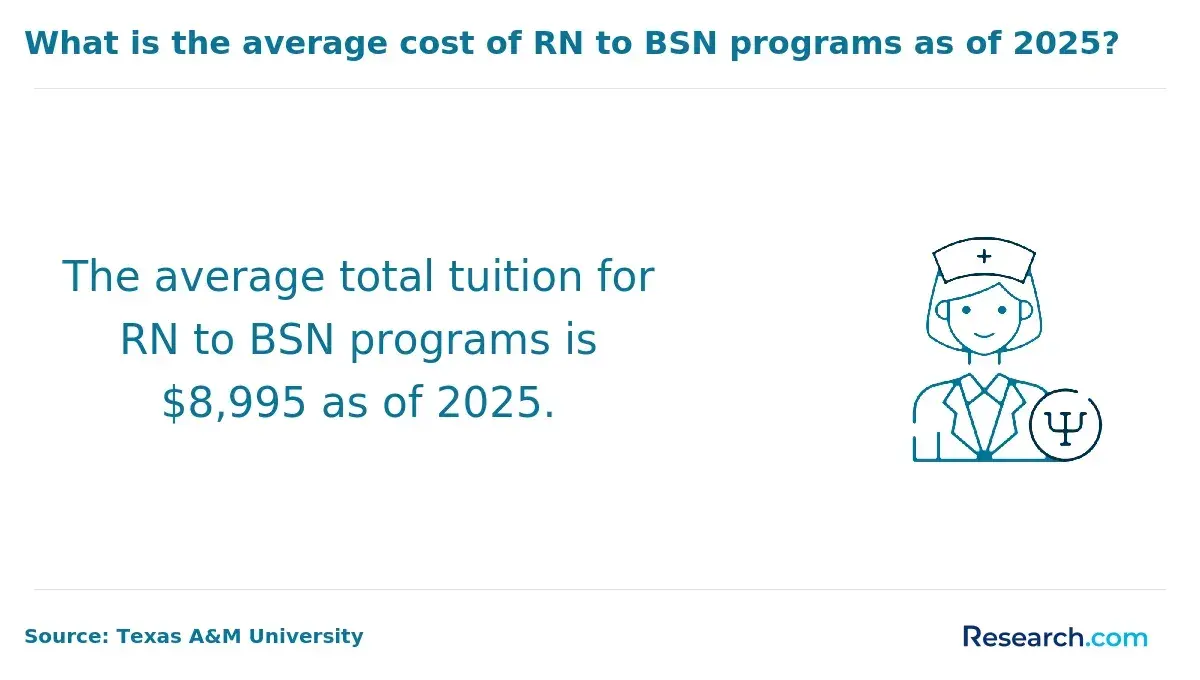
How much does an RN to BSN program cost in Florida?
This section provides a clear understanding of the typical tuition range and overall costs associated with completing an RN to BSN program in Florida. Students considering these programs should be aware of several cost factors that influence the total financial investment; these are outlined below to help clarify where expenses may arise and vary depending on the mode of study.
Key cost components of online versus on-campus RN to BSN programs in Florida include:
- Tuition per credit hour: This is often the largest expense and varies widely between institutions. Online programs may offer slightly lower rates per credit to attract remote learners, while on-campus programs sometimes charge higher tuition due to additional facility and resource fees.
- Total program cost: The overall cost depends on the number of required credits, which typically ranges from 30 to 40. Online programs may reduce ancillary expenses like commuting and housing, but comprehensive campus-based programs might bundle labs or clinical experiences into the tuition.
- Additional fees: Students should consider technology fees, course materials, and in some cases, proctoring fees for online exams. On-campus students might encounter costs for parking, campus facility usage, or lab supplies that do not apply to remote learners.
- Financial aid and employer assistance: Many students rely on scholarships, grants, or employer tuition reimbursement programs to offset costs. These opportunities can substantially reduce out-of-pocket expenses and vary depending on the program and employment sector.
A nurse from Florida who completed a hybrid RN to BSN program shared insightful reflections on navigating the financial aspects. He described balancing full-time work with the program's demands while managing tuition payments that totaled just over $12,000. "It was a lot to take on," he explained, "especially figuring out which fees were mandatory and which I could avoid by choosing online components."
He noted that employer reimbursement significantly eased the burden but stressed the importance of planning for unexpected expenses like books and exam fees. "Looking back, I'm glad I chose the hybrid format-it gave me flexibility and helped me save on commuting costs, which added up over those months." His experience highlights the nuanced realities behind the advertised tuition numbers and how strategic decisions about program format can affect overall affordability.
What are the pros and cons of online vs. on-campus RN to BSN programs in Florida?
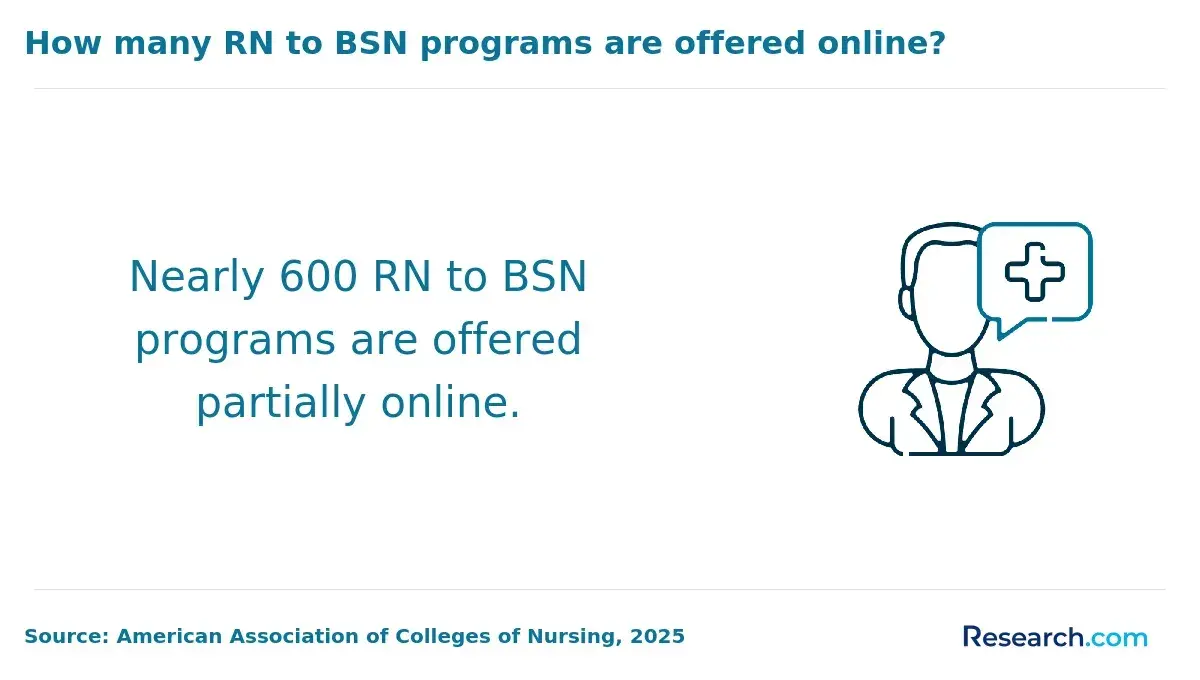
Deciding between online or hybrid and on-campus RN to BSN programs in Florida requires careful consideration of your personal schedule, financial situation, and future career ambitions. Online formats appeal to those seeking flexibility and cost savings, especially working nurses balancing multiple responsibilities. Meanwhile, traditional on-campus RN to BSN programs Florida offers may provide richer clinical experiences and valuable face-to-face networking that can benefit career advancement.
Below is a comparison outlining the advantages and drawbacks of each delivery method to help clarify which aligns better with your goals:
Online or Hybrid RN to BSN Programs
- Pro: Flexibility and convenience allow students to complete coursework asynchronously, enabling an easier balance of work, family, and study commitments.
- Pro: Typically more cost-effective, with many programs charging lower tuition rates per credit hour, making this route attractive for budget-conscious students.
- Con: Reduced hands-on clinical experience and limited in-person interaction can challenge skill development and professional relationship building.
On-Campus RN to BSN Programs
- Pro: In-person learning promotes practical experience through structured clinical rotations and fosters connections with instructors and peers.
- Pro: Campus programs enhance networking opportunities that may lead to future job placements and mentorships in healthcare settings.
- Con: The rigid scheduling and physical attendance requirements may pose obstacles for working professionals needing more adaptable options.
As nursing education continues to evolve, exploring emerging hybrid models could offer the ideal balance of convenience and experiential learning. For those interested in expanding their clinical nursing expertise even further, considering the best online msn to fnp program pathways might also be a viable direction for advancing their healthcare careers.
How do RN to BSN programs in Florida support clinical placements?
RN to BSN programs in Florida actively support clinical placements to ensure students gain valuable hands-on experience and meet licensure requirements. This support comes through multiple tailored approaches that optimize learning within real-world healthcare environments, preparing nurses for advanced roles.
Key ways these programs assist students with clinical placements include:
- Partnerships with Local Healthcare Facilities: Established connections with hospitals and clinics provide diverse placement options, keeping students engaged with current practices and expanding professional networks.
- Preceptor or Mentor Matching: Personalized guidance from experienced nurses helps students develop clinical reasoning and leadership skills crucial for career advancement.
- Flexibility for Current RNs to Use Their Workplace for Clinical Hours: Allowing clinical work at a student's job site reduces disruptions and leverages familiar settings for effective learning.
- Guidance from Faculty or Clinical Coordinators: Dedicated advisors navigate placement logistics and regulatory compliance, offering continuous mentorship throughout the clinical experience.
When speaking with a nurse who completed an RN to BSN program from a local Florida school, she reflected on the clinical placement process as both challenging and rewarding. She described initially feeling uncertain about balancing work, school, and finding appropriate clinical sites.
However, the program's support in connecting her with a compassionate mentor and allowing her to complete some hours at her hospital job alleviated much of the stress. "Having real-time advice from my preceptor and knowing my faculty were just a call away made all the difference," she recalled. This personalized, flexible approach not only made clinical requirements manageable but also deepened her confidence and competence as she transitioned to a BSN-prepared nurse.
Which accrediting bodies approve RN to BSN programs in Florida?
Accreditation is crucial for ensuring the quality, credibility, and recognition of RN to BSN programs in Florida, significantly affecting graduates' professional opportunities and licensure eligibility. Below are the primary national and state-level accrediting bodies responsible for maintaining rigorous standards in these nursing programs, shaping the future landscape of nursing education in the state.
- Commission on Collegiate Nursing Education (CCNE): This nationally recognized agency evaluates baccalaureate and graduate nursing programs on academic quality, faculty expertise, and student outcomes. CCNE accreditation is often a key requirement for employment in top healthcare institutions and advanced nursing education, promoting uniform excellence across programs.
- Accreditation Commission for Education in Nursing (ACEN): ACEN focuses on mission alignment, curriculum quality, and continuous program improvement, ensuring that nursing education meets evolving professional standards. Its accreditation supports graduates seeking broad licensure and career mobility, especially in multi-state contexts.
- Florida Board of Nursing (FBON): Though not an accrediting body in the traditional sense, FBON approval ensures programs comply with Florida's specific regulatory and clinical requirements. This state-level authorization is essential for graduates aiming for local licensure and practice, blending national standards with Florida's workforce needs.
- Accrediting Commission of Career Schools and Colleges (ACCSC): While less common for RN to BSN paths, ACCSC accreditation validates career-oriented institutions with a focus on student services and institutional integrity. It offers alternative program pathways but necessitates careful evaluation of recognition by employers and graduate schools.
What career opportunities are available to RN to BSN graduates in Florida?
This section provides an overview of the diverse nursing roles and advancement paths available to RN to BSN graduates in Florida, highlighting the expanding career landscape made possible by further education. Below are some common career opportunities for BSN-prepared nurses in Florida that illustrate potential directions for growth and specialization:
- Registered Nurse (BSN) in Acute Care Settings: These nurses deliver advanced patient care in hospitals and acute care facilities, utilizing enhanced clinical skills, leadership abilities, and critical thinking acquired through RN to BSN programs to improve patient outcomes and coordinate care effectively.
- Nurse Manager: Graduates often progress into managerial roles where they oversee nursing teams, manage budgets, and ensure adherence to healthcare regulations. The leadership training in RN to BSN programs equips nurses for strategic decision-making and staff coordination, often resulting in higher salary prospects.
- Public Health Nurse: Focused on community health, these nurses promote preventive care and health education. RN to BSN graduates gain expertise in epidemiology and health policy, preparing them to address local health disparities and lead community initiatives.
- Nursing Educator: With a BSN as a foundation, many nurses pursue teaching careers or further education such as a Master's degree. This path supports the growing need for qualified instructors to prepare the next generation of nursing professionals.
- Clinical Nurse Specialist: Specializing in particular patient populations or conditions, these nurses apply advanced clinical knowledge supported by RN to BSN training, often supplemented by additional certification to enhance expertise.
- Healthcare Consultant: Utilizing strong leadership and healthcare system insights, BSN holders can advise institutions on improving efficiency and compliance, a role gaining significance in today's complex healthcare environment.
Exploring RN to BSN jobs in Florida opens doors to these evolving roles, many of which promise higher salaries and professional growth, underscoring the value of advanced nursing education. For nurses interested in mental health specialties, the ranking of affordable online pmhnp degree programs offers further advancement opportunities within nursing careers.
What is the average RN to BSN salary increase in Florida?
The average salary for a registered nurse (RN) without a BSN degree in Florida is approximately $60,258 per year, with obtaining a Bachelor of Science in Nursing (BSN) offering a clear pathway to increased earnings and enhanced career opportunities. As healthcare evolves, RN to BSN programs, both online and on-campus, are becoming more accessible and tailored to working professionals, potentially transforming the nursing workforce in Florida.
Below is a comparison of salary outcomes for nurses holding an Associate Degree in Nursing (ADN) versus those with a BSN:
- Average Salary Comparison (ADN vs. BSN): ADN-prepared RNs typically earn between $60,000 and $80,000 annually, whereas BSN-prepared nurses often see salaries rising to $80,000-$90,000 or higher, reflecting increased qualifications and demand.
- Salary Differences by Healthcare Setting: Hospitals in metropolitan areas tend to offer the highest salaries for BSN nurses, influenced by Magnet status goals, while outpatient and long-term care settings generally show smaller salary gaps.
- Impact of Experience and Leadership Roles: Salary benefits increase with experience; BSN holders with leadership roles or over 10 years of experience can earn over $100,000, signaling long-term career growth.
- Long-Term Earning Potential: A BSN supports eligibility for advanced practice and specialized roles, leading to higher salary ceilings and stronger job security.
Here's What RN to BSN Graduates in Florida Have to Say About Their Degree
- Portillo: "Completing the online RN to BSN program at Coral Springs University gave me the flexibility I needed while working full-time. The virtual classes were engaging and allowed me to learn at my own pace without sacrificing quality. This program really prepared me to start my nursing career confidently in a local school setting, where I find joy in supporting children's health every day. The convenience of online learning meant I could balance family and studies, which made all the difference in my success."
- Fallon: "Attending Tampa Bay Academy's hybrid RN to BSN program was a transformative experience. It combined the best of both worlds-face-to-face instruction with online coursework-which helped me deepen my clinical knowledge while developing a strong connection to the local nursing community. Starting my nursing career in a neighborhood school, I've been able to apply what I learned immediately, positively impacting many young lives. Reflecting on my journey, I'm particularly proud of how this degree fueled my professional growth and opened doors to leadership opportunities. "
- Vivian: "Enrolling in the on-campus RN to BSN program at Jacksonville State College challenged me intellectually and personally. The rigorous curriculum, coupled with hands-on experiences in Florida's healthcare environment, allowed me to contribute meaningfully to my community's well-being. Starting as a school nurse, I've gained unique insights into pediatric care and developed a strong passion for promoting student wellness. This degree broke barriers for my career advancement and gave me renewed confidence to advocate for health education in underserved areas. "
Related Articles for Nearby States
- 2027 Best RN to BSN Programs in Georgia: Online & Campus
- 2027 Best RN to BSN Programs in Alabama: Online & Campus
- 2027 Best RN to BSN Programs in South Carolina: Online & Campus
- 2027 Best RN to BSN Programs in Mississippi: Online & Campus
- 2027 Best RN to BSN Programs in Tennessee: Online & Campus
- 2027 Best RN to BSN Programs in North Carolina: Online & Campus
- 2027 Best RN to BSN Programs in Louisiana: Online & Campus
- 2027 Best RN to BSN Programs in Kentucky: Online & Campus
- 2027 Best RN to BSN Programs in Arkansas: Online & Campus
- 2027 Best RN to BSN Programs in Virginia: Online & Campus
References:
- Care Hope College https://www.carehope.edu/news/fl-hospitals-pay-for-nursing-school
- Nursing RN to BSN - Northwest Florida State College https://www.nwfsc.edu/academics/degrees-offered/rn-to-bsn/
- Online vs Hybrid vs Campus Learning in Healthcare: Which Is Right for You? https://www.edumed.org/articles/online-vs-hybrid-vs-campus/
- BSN Salary in Florida | RN-BSN Salary in FL https://www.bsnedu.org/florida-salary/
- Benefits of Relocating to Florida for Nursing School | West Coast University https://westcoastuniversity.edu/blog/benefits-of-relocating-to-florida-for-nursing-school
- Hybrid RN to BSN Programs | NursingEducation https://nursingeducation.org/degrees/rn-to-bsn/hybrid/
- In-Person Vs. Online Nursing Programs: Which Is Right For Me? | NurseJournal.org https://nursejournal.org/resources/in-person-vs-online-nursing-programs/
- RN to BSN » College of Nursing » University of Florida https://nursing.ufl.edu/programs/bachelor-of-science-bsn/rn-to-bsn/
- Salary & Job Growth Info for BSN-Prepared Nurses in Florida https://www.allnursingschools.com/bsn/salary/florida/
- How Online BSN Students Complete Clinicals | University of Florida Online https://ufonline.ufl.edu/news-and-updates/online-nursing-clinicals/
Other Things You Should Know About RN to BSN Programs in Florida
Full-time working nurses should consider program flexibility, including online course options and part-time schedules, accreditation, cost, and support services such as career counseling. Additionally, examining each program’s track record for graduation rates and student satisfaction can help ensure a good fit for their careers and lifestyles.
In 2027, several RN to BSN programs in Florida cater to working nurses with flexible scheduling. The University of Central Florida and Florida International University, for example, offer online courses and part-time options, allowing nurses to balance their studies with full-time employment effectively.
In 2027, RN to BSN programs in Florida typically require clinical hours to be completed at approved healthcare facilities. These may vary by program but generally involve around 90 to 120 hours of hands-on experience under supervision, integrating coursework with practical skills.


