
2027 How Long Does It Take to Become a Dental Assistant?

Co-Founder and Chief Data Scientist
The employment of dental assistants is projected to grow by 6% from 2024 to 2034 (US BLS, 2025), highlighting steady demand in oral healthcare. With responsibilities ranging from patient preparation to infection control, dental assistants ensure smooth clinical operations and quality patient experiences.
In this article, I will discuss how long it actually takes to become fully job-ready in the field. I will also explain training options, certifications, and state requirements so aspiring dental assistants can plan their career timeline effectively.
What are the benefits of pursuing a dental assistant degree?
- A dental assistant degree usually takes about 1 to 2 years to complete, providing in-depth training in patient care, dental procedures, and office administration.
- Graduates develop specialized skills in radiography, infection control, and chairside assistance, preparing them to support dentists and enhance patient experiences.
- Earning a degree also opens doors to higher-paying roles, advanced certifications, and expanded career opportunities in general dentistry, orthodontics, or oral surgery.
- How long does it take to become a dental assistant from enrollment to employment? Enrollment to Employment
- Does it take long to finish dental assistant school? School Duration
- How long does it take to complete an online or accelerated dental assistant program? Online & Accelerated Programs
- How long does it take to become a dental assistant in different states? How long does it take to become a dental assistant in different states?
- What’s the typical duration of dental assistant externships and hands-on training requirements? Externship Duration
- Does it take long to get a dental assistant certification through the DANB? DANB Certification
- What’s the typical duration of getting a CPR certification and other requirements for dental assistants? CPR Certification
- How long does it usually take to get hired as a dental assistant after finishing school? How long does it usually take to get hired as a dental assistant after finishing school?
- Can complementary certifications enhance a dental assistant’s career prospects? Can complementary certifications enhance a dental assistant’s career prospects?
- How long does it take for a dental assistant to advance to a higher role or career? How long does it take for a dental assistant to advance to a higher role or career?
- How long does a dental assistant certification remain valid, and when does it need renewal? How long does a dental assistant certification remain valid, and when does it need renewal?
How long does it take to become a dental assistant from enrollment to employment?
Becoming a dental assistant typically requires nine months to two years, depending on the chosen training pathway, certification goals, and state licensing requirements. Students enter the workforce more quickly through on-the-job training, while formal programs provide structured education and stronger career preparation.
These are the typical timelines for dental assistants:
- On-the-Job Training (a few months to 1 year): Students learn directly from dentists and experienced assistants. This route allows rapid entry into the field but often limits responsibilities and earning potential.
- Certificate Programs (9 to 12 months): These programs deliver focused instruction in dental anatomy, infection control, and radiography, preparing students for entry-level positions efficiently.
- Associate Degrees (approximately 2 years): Associate degree programs provide comprehensive training, broader career opportunities, and pathways to advanced roles such as dental hygiene. Options like the cheapest online dental assistant associate degree provide affordable, flexible online study while meeting accreditation standards, supporting certification readiness, career growth, and higher earning potential.
Certification and exam preparation can extend this timeline slightly but significantly enhance career readiness. Many graduates enhance their employability by completing the National Entry Level Dental Assistant (NELDA) exam and CPR or BLS training from a DANB-approved provider.
Does it take long to finish dental assistant school?
Completing dental assistant education requires significantly less time than many other healthcare professions. However, the duration varies according to the program selected.
The Commission on Dental Accreditation (CODA) accredits 223 dental assisting programs across the US, offering students diverse entry points into the field. Based on Zippia resume data, the most frequently earned credentials are associate degrees (22.7%) and bachelor’s degrees (20.3%), underscoring a growing preference for advanced academic preparation and stronger professional credentials.
The primary educational pathways for dental assistants include:
Certificate or Diploma Programs
These accelerated 9 to 12-month programs emphasize essential competencies such as chairside assistance, infection control, and dental radiography. For students seeking the fastest route into the field, the shortest online certificate programs in dental assisting provide a convenient option.
These programs combine online coursework with required in-person labs or externships, allowing learners to quickly gain the skills needed for entry-level positions while balancing other responsibilities. They provide the most expedient route to employment, making them well-suited for individuals seeking rapid workforce entry.
Associate Degree Programs
As the predominant pathway, associate degree programs take about two years to complete and deliver comprehensive training in dental sciences, radiographic techniques, and practice management.
Although longer than certificate programs, they frequently yield higher earning potential, expanded responsibilities, and enhanced advancement opportunities, including eligibility to transition into dental hygiene or related fields.
Students must align program length with their long-term professional objectives. Those prioritizing immediate employment may pursue certificate programs, whereas individuals seeking sustainable career advancement and higher compensation benefit more from the investment in associate or bachelor’s degree programs.
This chart from Zippia shares the most common dental assistant degrees.
How long does it take to complete an online or accelerated dental assistant program?
Online and accelerated dental assistant programs provide students with an expedited pathway into the profession. The completion of these typically ranges from six to nine months, depending on program format, scheduling, and individual workload.
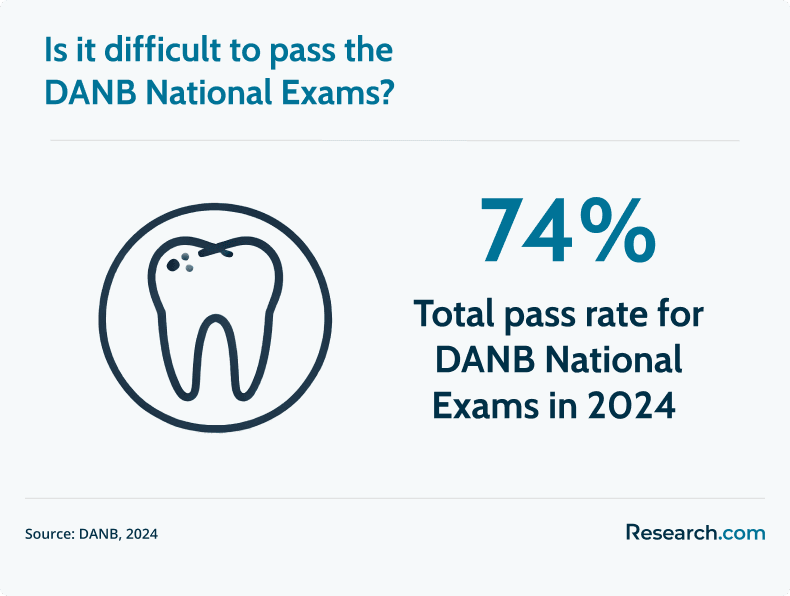
Many of these programs, including fast track associate's degree dental assistant options, allow students to sit for the Dental Assisting National Board (DANB) exams, which had a total pass rate of 74% in FY 2024.
These programs offer the following key features:
- Blended Formats: Programs like ACC combine two on-campus days per week with online coursework, allowing students to balance work and study.
- Self-Paced Online Courses: Motivated learners can progress quickly through modules while still completing required in-person labs or externships.
- Accelerated Schedules: Intensive, full-time tracks condense theory and lab practice into shorter terms, providing rapid preparation for entry-level positions.
These accelerated and online options are especially suitable for career changers or those seeking fast entry into dental assisting while earning formal credentials.
How long does it take to become a dental assistant in different states?
The time it takes to become a dental assistant varies significantly across states due to differing education, certification, and licensing requirements. Some states allow entry through on-the-job training, while others require formal education and additional credentials before practice.
These regulations directly influence how quickly candidates can enter the workforce. States with the highest employment for dental assistants, such as California (54,580) and Texas (31,360), exemplify these differences. Here is a look at the typical timelines for becoming a dental assistant in top employment states:
- California (12 to 24 months): Dental assistants must become Registered Dental Assistants (RDA) to perform advanced duties. This requires completing a CODA-accredited program, earning a certificate or associate degree, and passing both written and practical state exams. Additional certifications, including coronal polishing and radiation safety, can extend the timeline.
- Texas (6 to 12 months): Candidates may start with minimal training, but performing X-rays requires RDA credentialing. Many complete a 9 to 12-month certificate program, while others pursue on-the-job training first and later test for RDA eligibility.
- Florida (9 to 15 months): Entry-level dental assistants can begin work quickly, but expanded functions or radiography require completing a CODA-accredited program and passing state exams, extending the timeline.
- New York (12 to 24 months): Aspiring assistants must become certified or licensed as CDAs or RDAs. This typically involves completing a one-year certificate or two-year associate degree, followed by DANB or state-specific exams.
- Illinois (6 to 18 months): On-the-job training is allowed, yet most employers prefer formal education. Performing advanced duties like coronal polishing or sealant placement requires state-approved courses, adding several weeks.
State dental boards strongly influence training length and requirements. Prospective dental assistants should confirm their state’s regulations to understand the exact timeline and necessary credentials before beginning a program.
Additionally, some dental assistants later decide to advance their careers into nursing or patient-care leadership roles. Those who pursue nursing at the graduate level may benefit from FNP programs that provide preceptors, which help streamline clinical placement and reduce delays during advanced practice training.
What’s the typical duration of dental assistant externships and hands-on training requirements?
Dental assistant programs require practical, hands-on training to ensure students can competently perform clinical and administrative tasks. Most dental assistant programs incorporate a clinical externship, such as the 160-hour externship offered by American Career College, which places students in professional dental offices to practice their skills in real-world settings.
Externships typically range from 120 to 200 hours, or approximately four to six weeks of full-time practice. They provide essential exposure to patient care and office operations, and their common components include:
- Chairside Practice: Assist dentists during cleanings, fillings, and extractions to build procedural competency.
- Sterilization and Infection Control: Properly handle instruments and maintain patient safety protocols.
- Administrative Tasks: Manage scheduling, billing, and patient communications under supervision.
- Radiography Practice: Take and process dental X-rays while adhering to regulatory standards.
Externships bridge classroom instruction with professional practice, so students can demonstrate proficiency, gain confidence, and meet state or program-specific licensing requirements.
For those comparing career paths, understanding the medical assistant vs dental assistant roles clarifies how clinical responsibilities, hands-on training, and workflow differ, reinforcing the importance of dedicated dental externships for timely entry into the dental assisting workforce.
Does it take long to get a dental assistant certification through the DANB?
Earning certification through the DANB enhances professional credibility and increases access to higher-paying positions. Most candidates obtain the Certified Dental Assistant (CDA) credential within two to six months after completing their dental assistant program.
The typical timeline for obtaining DANB certification includes the following steps:
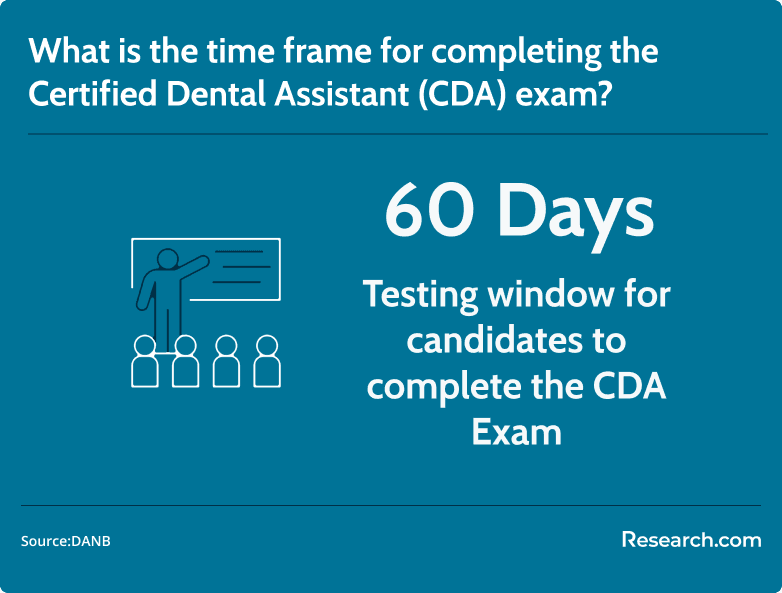
- Exam Preparation (1 to 3 months): Candidates review coursework, practice test questions, and refine skills to ensure readiness for the 195-minute exam, which consists of 245 questions and must be completed within a 60-day testing window.
- Scheduling and Testing (1 to 2 months): Exam availability varies by testing center or online proctoring, which can affect when candidates can take the exam. The application fee is $450.
- Results and Certification: After passing, DANB issues official certification within two to four weeks, providing nationally recognized credentials that support career mobility and advancement.
For many, becoming a dental assistant is also a strategic first step into the broader healthcare field. With experience, some go on to pursue expanded duties, office management roles, or additional credentials that place them among some of the highest paying non doctor jobs in healthcare—while still avoiding the time and cost of medical school.
What’s the typical duration of getting a CPR certification and other requirements for dental assistants?
Dental assistants must complete several short-term certifications to practice safely and legally, with timelines that are relatively brief compared to full dental assistant programs. CPR certification, required in nearly all states, typically takes just a few hours to one full day. Many candidates use the Red Cross or similar providers to complete these courses efficiently.
In addition to CPR, state-specific certifications may extend the timeline slightly. For example:
- Radiology Certification (several weeks): Required in states where dental assistants perform X-rays, these courses teach safe radiographic techniques and proper equipment handling.
- Coronal Polishing or Sealant Training (1 to 2 weeks): Expands the assistant’s scope of practice, enabling them to perform preventive and cosmetic procedures under a dentist's supervision.
Many accredited dental assistant programs integrate these certifications into the curriculum. By embedding CPR, radiology, and other short-term training into coursework, students can reduce additional time commitments and enter the workforce promptly.
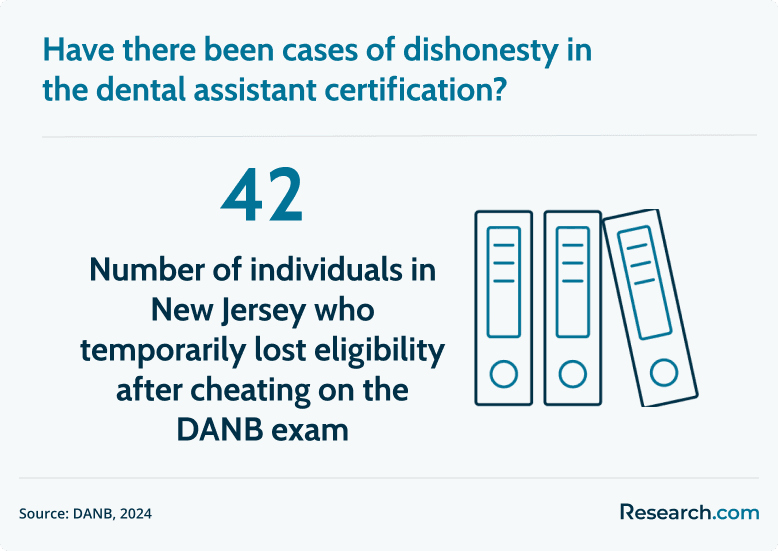
Candidates must complete certifications honestly and follow testing rules. For example, in New Jersey, 42 individuals cheated on online proctored exams while at the same location and workplace.
DANB rescinded all certificates earned under suspicion, temporarily revoked eligibility for four months, required future exams in person at Pearson VUE centers, prohibited online testing, and imposed disciplinary fines. The State of New Jersey Bureau of X-Ray Compliance and the State Board of Dentistry were notified, as many had obtained the Dental Radiologic Technologist license based on passing the RHS exam.
Completion of certifications in good standing also accelerates employment. Graduates who excel in externships may receive job offers immediately upon program completion. Other factors influencing hiring speed include local workforce demand and whether the graduate holds credentials such as the Certified Dental Assistant (CDA) designation.
How long does it usually take to get hired as a dental assistant after finishing school?
After completing a dental assistant program, most graduates secure employment within one week to 30 days (Indeed, 2025). Those who performed exceptionally well during their externships often transition directly from student to employee immediately after passing certification exams.
Employers frequently prioritize candidates who have demonstrated proficiency in chairside assistance, radiography, infection control, and administrative tasks during real-world training. Local demand also plays a significant role, with regions experiencing dental workforce shortages typically hiring graduates more quickly.
Career mobility can further influence hiring timelines. Graduates who have earned additional credentials, such as the CDA designation or CPR and radiology certifications, often find faster placement and higher starting pay. Some individuals use their early experience to explore broader healthcare pathways, including roles that require additional education and training, similar to how professionals transition from nurse to physician assistant when advancing into more specialized clinical responsibilities.
Can complementary certifications enhance a dental assistant’s career prospects?
Expanding your qualifications with targeted certifications can diversify your skills portfolio beyond clinical practice. Gaining additional credentials in administrative healthcare or practice management can open up opportunities for leadership roles and smoother transitions within the dental field. For example, integrating knowledge from affordable medical billing and coding certifications provides insight into billing processes and revenue cycle management, complementing hands-on dental expertise. This strategic approach not only strengthens employability but also aligns with evolving industry requirements and technological advancements.
How long does it take for a dental assistant to advance to a higher role or career?
Career advancement for dental assistants depends on additional education, clinical experience, and state requirements. Most assistants remain in entry-level roles for one to two years before pursuing specialized responsibilities. Pay increases with experience: entry-level assistants earn around $15.96 per hour, while those with one to four years of experience earn about $17.79 per hour.
Some of the common dental assistant advancement opportunities include:
- Expanded Functions Dental Assistant (1 to 2 years): Additional coursework and certifications allow assistants to perform advanced procedures, increasing responsibility and pay.
- Dental Hygiene (2 to 3 years): Pursuing an associate degree in dental hygiene provides higher earning potential and greater autonomy in patient care. The fastest dental assistant to dental hygienist bridge program online streamlines this transition by crediting prior experience, reducing time and cost while preparing students for licensure.
- Dental Office Management (3 to 5 years): Leveraging administrative and organizational skills, assistants can oversee office operations, with advancement tied to experience and performance.
- Dentistry (6 to 8 years): Assistants who later attend dental school can become licensed dentists, gaining full clinical authority and long-term career growth.
This structured yet flexible progression makes dental assisting a strategic entry point into diverse dental careers, offering clear timelines for skill development, certification, and advancement.
This chart from Payscale details the pay for a dental assistant by experience level.
How long does a dental assistant certification remain valid, and when does it need renewal?
Dental assistants who obtain the CDA credential through the DANB must renew their certification annually to sustain professional competence and comply with evolving best practices (DANB, 2025). Annual renewal not only reinforces employability but also signals to employers that the dental assistant maintains up-to-date clinical skills, administrative proficiency, and adherence to professional standards. Maintaining active certification is particularly important in a dynamic healthcare environment where regulations, technology, and patient care protocols continually evolve.
To maintain CDA certification, dental assistants must complete 12 Continuing Dental Education (CDE) credits per year, hold a current CPR certificate, and pay the nonrefundable annual renewal fee. DANB provides multiple avenues to earn CDE credits, including online courses, volunteer service, or additional DANB examinations (DANB, 2025).
Although documentation of CDE completion and CPR certification is not required at the time of renewal, DANB may conduct periodic audits, making accurate record-keeping essential. Renewal requirements may also vary depending on the number and type of additional certifications held. Consistently meeting these requirements ensures dental assistants retain their credentials, remain eligible for career advancement, and uphold high standards of patient care.
Because requirements must be met annually, many students and new professionals also consider the dental assistant certification cost early on, since both initial exam fees and yearly renewal fees can influence budgeting and planning when entering the profession.
What Graduates Have to Say About Their Dental Assistant Degrees
- Maia: "Studying dental assisting gave me the perfect mix of classroom learning and hands-on practice. The externship hours really boosted my confidence, and I felt ready to step into a clinic from day one."
- Jazz: "I loved how structured the program was; it only took about a year, yet I gained skills in radiography, patient care, and office management. The pace was intense but rewarding, and I could see my progress every week. "
- Aida: "Balancing online courses with in-person training made it possible to study while working part-time. Learning directly from experienced instructors showed me how meaningful this career can be, both professionally and personally. "
Key Findings
- The Commission on Dental Accreditation (CODA) accredits 223 dental assisting programs across the US, providing students with diverse pathways into the profession.
- The most common dental assistant degrees are associate degrees, earned by 22.7% of students, offering a solid foundation for clinical and administrative roles.
- Candidates take the Dental Assisting National Board (DANB) exams, which had a total pass rate of 74% in FY 2024, to earn national certification.
- The Certified Dental Assistant (CDA) exam must be completed within a 60-day testing window, ensuring timely assessment of competency.
- Pay increases with experience, with entry-level dental assistants earning approximately $15.96 per hour and those with one to four years of experience earning about $17.79 per hour.
// PREVIEW //
References:
- Commission of Dental Accreditation (n.d.). Search for Dental Programs. Retrieved from https://coda.ada.org/find-a-program/search-dental-programs#sort=%40codastatecitysort%20ascending&f:ProgramType=
- DANB (n.d.). Certified Dental Assistant. Retrieved from https://www.danb.org/exams/exam/cda-exam
- DANB (2024). 2024 Disciplinary Actions. Retrieved from https://danbsfprodassets.azureedge.net/assets/docs/default-source/disciplinary-actions/2024-disciplinary-actions.pdf?sfvrsn=2ca7e63_1
- DANB (2024). Exam Performance Results. Retrieved from https://danbsfprodassets.azureedge.net/assets/docs/default-source/exam-pass-rate-reports/2024-danb-exam-pass-rates-report.pdf?sfvrsn=c63dc052_3
- DANB (n.d.). Maintain Certification. Retrieved from https://www.danb.org/certification/maintain-certification
- Indeed (2025). Q&A: How Long Does the Hiring Process Take? (With Steps). Retrieved from https://www.indeed.com/career-advice/starting-new-job/how-long-does-hiring-process-take
- Payscale (n.d.). Average Dental Assistant Hourly Pay. Retrieved from https://www.payscale.com/research/US/Job=Dental_Assistant/Hourly_Rate
- US BLS (2025). Occupational Employment and Wage Statistics (OEWS) Profiles. Retrieved from https://data.bls.gov/oesprofile/
- Zippia (2025). What is a Dental Assistant and How to Become One. Retrieved from https://www.zippia.com/dental-assistant-jobs/
Other Things You Should Know About Dental Assistant Programs
In 2027, dental assistant training programs typically last between 9 months to 2 years. Certificate and diploma programs usually take around 9 to 12 months, while an associate degree can extend the duration to about 2 years, depending on the program structure and state requirements.
Online programs in 2027 offer flexibility in coursework scheduling, but they typically include a required hands-on component. While theoretical learning time may be streamlined, students still need to complete practical sessions, which are crucial for certification and ensure comprehensive training.
To enroll in a dental assistant program in 2027, you generally need a high school diploma or GED. Some programs may require courses in biology or health. Additional requirements can include background checks or immunizations, depending on the institution.
In 2027, several factors can affect the length of dental assistant training. These include the type of program selected (certificate, diploma, or associate degree), state regulations requiring specific clinical hours, and whether the program is part-time or full-time. Typically, the training can range from 9 months to 2 years.


