
2027 How Long Does It Take to Go from BSN to DNP? Program Length

Co-Founder and Chief Data Scientist
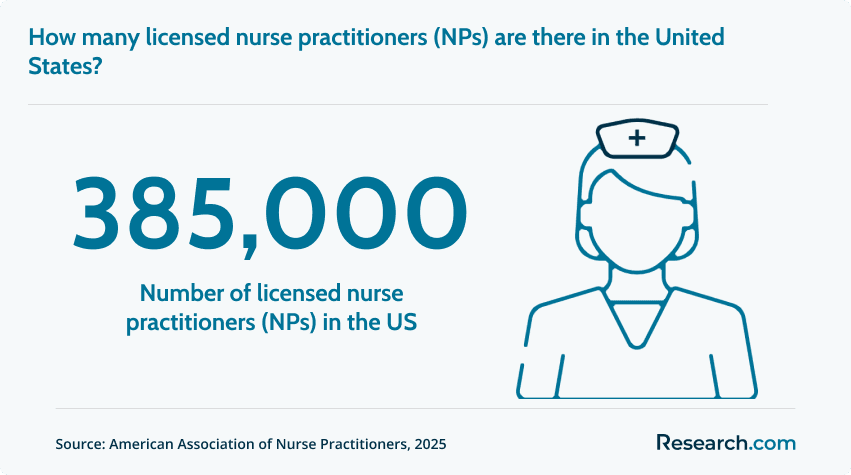
Many nurses wonder how long it will actually take to move from a BSN to a DNP degree. They face multiple obstacles: balancing work and study, finding affordable tuition, and navigating varied program lengths across schools. On top of that, state requirements and accreditation standards can extend timelines, leaving many uncertain about when they can realistically reach their career goals. With over 385,000 licensed nurse practitioners already practicing in the U.S., demand for advanced nursing degrees is only growing, adding pressure to make the right choice.
This article breaks down the typical program lengths for BSN to DNP pathways for 2027, outlining what influences timelines and what students can expect. Prepared with insights from career planning experts, it offers clear guidance to help readers understand their options and overcome the uncertainty around program length.
Key Benefits of BSN to DNP Programs
- Opens doors to advanced practice roles such as nurse practitioner, nurse anesthetist, nurse midwife, or clinical leader.
- Median annual salary for DNP-prepared nurse practitioners is around $125,900, according to the U.S. Bureau of Labor Statistics.
- Provides the highest level of nursing education, equipping graduates with leadership, research, and policy-making skills that expand both career opportunities and professional impact.
- What is the average time to complete a BSN to DNP program? Completion Time
- How do program formats affect BSN to DNP timelines? Program Formats
- What factors can speed up or slow down BSN to DNP completion? What factors can speed up or slow down BSN to DNP completion?
- How does specialization change BSN to DNP program length? Specialization
- What are the admission requirements for BSN to DNP programs? Admission Requirements
- How much does a BSN to DNP program cost for 2027? Program Cost
- What career opportunities open after earning a BSN to DNP? Career Opportunities
- How does workforce demand influence BSN to DNP program length? Workforce Demand
- What is the return on investment for a BSN to DNP degree? What is the return on investment for a BSN to DNP degree?
- How do accreditation and state requirements affect BSN to DNP timelines? Accreditation
- What does the future look like for BSN to DNP program lengths? What does the future look like for BSN to DNP program lengths?
What is the average time to complete a BSN to DNP program?
The average time to complete a BSN to DNP program is three to six years, depending on whether a student studies full-time or part-time. Some accelerated programs may finish sooner, but most follow this general range. Much like other flexible career training pathways, such as researching how to become a medical biller and coder from home, program length can vary based on pace and format.
Full-time students often finish closer to three years because they take heavier course loads and move more quickly through clinical requirements. On the other hand, part-time students may take four to six years, since their schedules allow for balancing work, family, and school. The number of credit hours—often between 65 and 95—also affects how long the program takes.
Another factor is the program format. Online or hybrid programs can offer more flexibility but may extend completion if students pace themselves more slowly. Clinical placements can also impact the timeline, as arranging and completing required hours sometimes causes delays. Overall, students should plan their path carefully to match both their career goals and personal responsibilities.
How do program formats affect BSN to DNP timelines?
Program formats are one of the biggest factors that determine how long it takes to complete a BSN to DNP degree. Each format—whether full-time, part-time, online, on-campus, or hybrid—comes with different expectations and levels of flexibility.
Just as students might explore options like a fast-track Master's in Gifted Education online, BSN to DNP candidates often compare formats to find the right balance of speed and flexibility. Here are the main program formats and how they typically affect completion timelines.
Full-Time vs. Part-Time Study
Full-time programs are the fastest, often taking around three years to complete. They move students through courses and clinical hours at a steady pace but require a major time commitment. Part-time options, however, stretch the workload over more semesters, allowing nurses to keep working while studying. These usually take four to six years.
On-Campus Programs
Traditional on-campus programs offer more direct interaction with faculty and peers. They may move at a fixed pace, which helps students stay on track but limits flexibility.
Online Programs
Online BSN to DNP formats let students complete lectures and assignments remotely. This flexibility helps working nurses, but timelines can vary since students may take fewer courses at once.
Hybrid Programs
Hybrid formats combine online coursework with occasional on-campus sessions. They provide structure while still offering flexibility, making them a balanced option. Timelines depend on how much coursework is completed online versus in person.
In short, full-time on-campus programs are the fastest, but online and hybrid paths often provide the flexibility nurses need—even if they take a little longer. It’s also worth noting that timelines can differ by specialization. For instance, the majority of BSN-to-DNP programs (63%) focus on Nurse Practitioner education, which often requires intensive clinical hours.
By contrast, 20% emphasize executive and leadership training, 13% prepare students as nurse anesthetists, and 4% concentrate on CNS or advanced practice roles. These different tracks may slightly influence how long it takes to meet clinical and coursework requirements.
What factors can speed up or slow down BSN to DNP completion?
The time it takes to finish a BSN to DNP program is shaped by many different factors. Some can shorten the journey, while others may cause delays. Understanding these factors helps students prepare for what to expect. Similar to how students look for the fastest online Master's in Special Education programs, nurses often weigh different options to complete their doctoral degree more efficiently.
Enrollment Status
Full-time students often complete the program in about three years. Part-time students, however, may need four to six years since they take lighter course loads while balancing work and family.
Transfer Credits
Students who transfer approved graduate-level credits can cut down on total coursework. This may shorten the program by a semester or more.
Clinical Placements
Finding and completing required clinical hours can sometimes cause delays. Limited placement sites or scheduling conflicts often extend program timelines.
Specialty Choice
Not all DNP tracks require the same amount of credits. Specialties like nurse anesthesia usually take longer than family nurse practitioner programs.
Personal Responsibilities
Life outside school plays a big role. Work schedules, family needs, or unexpected events can slow down progress and stretch program completion.
How does specialization change BSN to DNP program length?
Specialization can significantly change how long it takes to complete a BSN to DNP program. Each track has different credit requirements, clinical hour expectations, and areas of focus, which all affect the overall timeline.
Family Nurse Practitioner (FNP)
FNP tracks are among the most common and typically take about three to four years full-time. They prepare nurses to work in primary care and usually require fewer credits than highly specialized tracks.
Acute Care and Psychiatric-Mental Health
These tracks often take longer than FNP programs because they involve more clinical training in complex care settings. Students may need closer to four to five years part-time.
Nurse Anesthesia (CRNA)
Nurse anesthesia is one of the longest DNP specializations. Programs often require more than 90 credits and extensive clinical hours, leading to timelines of three to four years full-time or longer if part-time.
Pediatric and Women’s Health
These specializations usually fall in the middle range, similar to FNP timelines. They may take three to four years full-time depending on the credit load and clinical placements.
In some cases, students who complete a DNP may later pursue additional academic or research-focused credentials. For those interested in transitioning into advanced scholarship, policy leadership, or university faculty roles, DNP to PhD bridge programs offer a pathway to continue education efficiently by building on existing graduate-level coursework and clinical experience.
What are the admission requirements for BSN to DNP programs?
Admission to BSN to DNP programs can vary by school, but most follow similar guidelines. Applicants are expected to demonstrate both academic readiness and professional nursing experience. Meeting these requirements ensures that students are prepared for the rigor of doctoral-level nursing education.
Much like students researching the fastest online master's in adult education programs, nurses should be aware of specific entry requirements that can influence how quickly they advance to the next stage of their careers.
Here are some of the admission requirements for BSN to DNP programs:
- Bachelor of Science in Nursing (BSN) – A BSN degree from an accredited nursing program is required.
- Active RN license – Students must hold a valid, unencumbered registered nurse license in their state.
- GPA requirement – Many programs ask for a minimum GPA, often around 3.0 on a 4.0 scale.
- Professional experience – Some schools require one to two years of nursing experience before admission.
- Standardized tests – While some programs still ask for GRE scores, many no longer require them.
- Letters of recommendation – Academic or professional references that show the applicant’s readiness for doctoral study.
- Personal statement or essay – A written statement outlining career goals and reasons for pursuing a DNP.
These requirements ensure that applicants have the educational background, clinical foundation, and professional commitment to succeed in a demanding BSN to DNP program.
The steady rise in DNP enrollments underscores this point—from 39,530 students in 2020 to 42,760 in 2024, enrollment has grown consistently, reflecting the growing number of qualified nurses meeting these admission standards and advancing their careers at the doctoral level.
How much does a BSN to DNP program cost for 2027?
The cost of a BSN to DNP program for 2027 typically ranges from $40,000 to over $120,000, depending on factors such as whether the school is public or private, the student’s residency status, and the chosen specialization. Public universities are usually more affordable for in-state students, while private institutions and out-of-state options often carry higher price tags.
Tuition is usually charged per credit hour, and rates can vary widely. Some programs charge around $400–$600 per credit, while others exceed $1,800 or more per credit. Programs that require additional clinical training, such as nurse anesthesia, can cost significantly more, pushing total expenses into the six-figure range.
Beyond tuition, students should also plan for additional expenses like fees, textbooks, clinical travel costs, health insurance, and technology requirements. These extra costs can add thousands of dollars over the length of the program. For this reason, it’s important to calculate the total cost of attendance — not just tuition — when comparing BSN to DNP options.
Additionally, some students select certain DNP specializations based on where they hope to practice after graduation. For example, many prospective FNPs wonder can family nurse practitioners work in hospitals, since job settings can influence earning potential and help offset educational costs. In many regions, FNPs are employed not only in primary care clinics but also in outpatient units, specialty departments, and even acute care settings depending on state scope-of-practice regulations and employer requirements.
What career opportunities open after earning a BSN to DNP?
Earning a BSN to DNP degree opens doors to advanced career paths that go beyond traditional nursing roles. Graduates can take on leadership, clinical, and academic positions that come with higher responsibility and impact in healthcare. Here are the main opportunities available:
Advanced practice roles
Graduates can become nurse practitioners, nurse anesthetists, or clinical nurse specialists. These roles allow them to diagnose, prescribe, and manage patient care at an advanced level. With 385,000 licensed nurse practitioners in the U.S., the demand for DNP-prepared professionals in these positions continues to grow, offering a wide range of opportunities across healthcare settings.
Leadership and administration
A DNP prepares nurses for executive and management positions in hospitals, clinics, and health systems. They may work as chief nursing officers, directors of nursing, or healthcare policy leaders.
Academic and research positions
Many DNP graduates move into faculty roles, teaching the next generation of nurses or contributing to practice-based research to improve patient outcomes.
Policy and advocacy
With their advanced training, DNP-prepared nurses can influence healthcare policy, legislation, and organizational decision-making, helping to shape the future of patient care at a broader level.
Expanded earning potential
These advanced roles often come with higher salaries and stronger job security, reflecting the demand for highly trained nursing professionals in today’s workforce.
How does workforce demand influence BSN to DNP program length?
Workforce demand has a strong influence on how long it takes to complete a BSN to DNP program, and the industries that employ the most nurse practitioners highlight this trend. For instance, offices of physicians employ 122,830 NPs, and general medical and surgical hospitals employ 58,080. These two sectors face constant demand, which often pushes schools to design accelerated or flexible program pathways so students can graduate more quickly and fill workforce gaps.
This mirrors the way healthcare fields create accelerated options such as a fast track online respiratory care therapy associate's degree programs to quickly prepare professionals for urgent workforce needs.
On the other hand, demand can also slow down progress. In areas like outpatient care centers (23,760 NPs employed) and home health care services (7,460 NPs employed), students may face longer clinical training requirements or competition for limited placements. This can extend program timelines, especially in specialties such as acute care or nurse anesthesia that require more intensive training.
Overall, the employment data shows that industries with the largest NP workforces often drive schools to shorten program lengths, while specialized or resource-limited sectors may lengthen them. The balance between demand, available clinical sites, and program design ultimately shapes how quickly students can move from BSN to DNP completion.
What is the return on investment for a BSN to DNP degree?
Evaluating a BSN to DNP degree involves analyzing both direct costs and long-term career benefits. Graduates often experience improved earning potential and expanded responsibilities, which can result in a shortened payback period. When comparing tuition expenses, time investment, and the opportunity cost of reduced work hours, it is essential to assess whether the financial outcomes align with one’s career objectives. Additionally, prospective students should research cost-effective pathways, including easy RN to BSN online programs, to determine if an accelerated or online format better fits their financial strategy. This comprehensive investment analysis helps ensure that the decision to pursue advanced practice training translates into tangible professional and economic gains.
How do accreditation and state requirements affect BSN to DNP timelines?
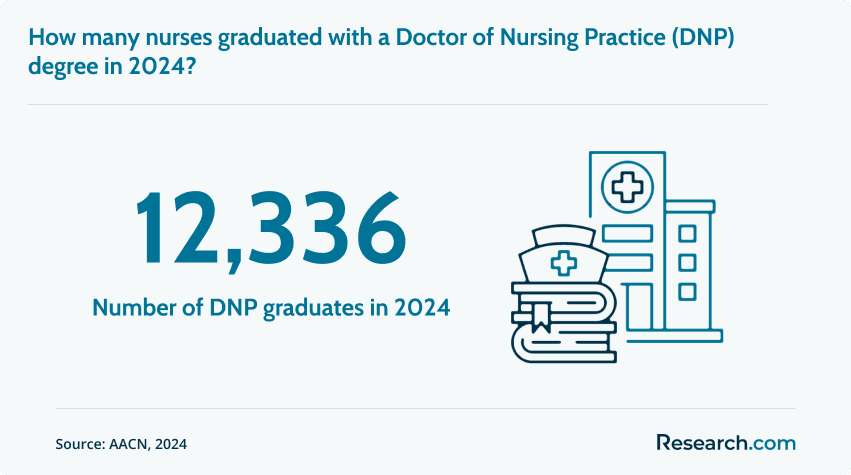
Accreditation and state-specific requirements both shape how long it takes students to finish a BSN to DNP program. These factors ensure that nursing education meets high standards, but they can also extend timelines depending on where a student studies and plans to practice. In 2024, 12,336 nurses graduated with a DNP degree, showing how program standards continue to grow across the country.
Accreditation standards
Accredited programs must meet strict academic and clinical training requirements. This often means a set minimum number of credit hours and supervised clinical experiences, which can add time compared to non-accredited options.
State licensure requirements
Each state sets its own rules for advanced practice nurses. Some require additional coursework, clinical hours, or certification exams, which can lengthen the degree process depending on where a student seeks licensure.
Program adjustments for compliance
Schools often adapt their curriculum to align with both national accreditation guidelines and local state laws. These adjustments can increase total program length but also ensure graduates are fully prepared and eligible to practice in their chosen state.
Another factor that influences program planning is a student’s intended specialty and practice setting. For example, many prospective students ask can FNP work in pediatrics, and the answer depends on state scope-of-practice laws and employer preferences. While Family Nurse Practitioners receive broad training across the lifespan and may work with pediatric populations in many primary care and outpatient settings, some hospitals or pediatric specialty clinics may prefer or require a Pediatric Nurse Practitioner (PNP) certification.
What does the future look like for BSN to DNP program lengths?
The future of BSN to DNP program lengths is likely to become more flexible as schools respond to workforce needs. Many universities are already offering accelerated tracks and online options, allowing students to complete their degrees faster without compromising quality. This nursing school trend is expected to expand as demand for advanced practice nurses grows.
At the same time, new requirements may add time to certain programs. As healthcare becomes more complex, accrediting bodies and state boards could increase clinical training hours or raise curriculum standards. This means some specialties, such as nurse anesthesia or acute care, may require longer completion times.
Overall, the outlook is a mix of efficiency and higher standards. Programs will continue to balance the need for quicker pathways with the responsibility of preparing safe, skilled practitioners. Students can expect more program options tailored to different career goals, but the exact length will depend on specialization, state rules, and evolving healthcare demands.
For example, online DNP programs in nursing education have grown rapidly, offering flexible structures that allow nurses to advance into academic and leadership roles while continuing to work. These programs are often designed to support working professionals and may provide part-time or hybrid course options, helping students manage both career development and personal schedules.
Key Findings
- Most BSN-to-DNP students specialize in Nurse Practitioner education (63%), showing that the NP track remains the dominant pathway compared to leadership (20%), CRNA (13%), and CNS/advanced practice (4%).
- Enrollment in DNP programs has steadily grown, reaching 42,760 students in 2024, up from 39,530 in 2020—reflecting rising demand for doctoral-level nursing education.
- The U.S. has 385,000 licensed nurse practitioners, highlighting a significant and growing workforce that drives demand for advanced training and specialized roles.
- Employment is highest in offices of physicians (122,830 NPs) and hospitals (58,080 NPs), indicating where most graduates are likely to find career opportunities after completing BSN-to-DNP programs.
- In 2024, 12,336 nurses graduated with a DNP degree, demonstrating a strong output of highly trained practitioners entering the healthcare workforce each year.
Here’s What Graduates Have to Say About BSN to DNP programs
- Elaine: "The BSN to DNP pathway gave me the confidence to step into leadership roles I never thought possible. Beyond the advanced clinical skills, I gained a stronger voice in shaping patient care. "
- Jessica: "Moving from BSN to DNP was demanding, but it opened doors to specialized practice that boosted my salary and career stability. The effort was worth it for the independence and recognition I now enjoy as a nurse practitioner. "
- Ryan: "What stood out most in the BSN to DNP journey was how it connected theory to practice. I felt supported while developing the expertise to improve outcomes in my community."
References:
- American Association of Colleges of Nursing. (2022). The state of Doctor of Nursing Practice education in 2022: Summary report. AACN.
- American Association of Colleges of Nursing. (2024). DNP fact sheet. AACN.
- American Association of Colleges of Nursing. (2025). Schools of nursing enrollment increases across most program levels, signaling strong interest in nursing careers. AACN.
- American Association of Nurse Practitioners. (2025). Nurse Practitioners secure No. 1 spot across three U.S. News & World Report Best Jobs rankings. American Association of Nurse Practitioners.
- U.S. Bureau of Labor Statistics. (2022, May). Occupational employment and wages, May 2022: Nurse practitioners (OES Code 29-1171). U.S. Bureau of Labor Statistics.
Other Things You Should Know About BSN to DNP Programs
In 2027, BSN to DNP students can access various financial aid options, including federal student loans, scholarships specifically for nursing students, and employer tuition reimbursement programs. These resources help reduce the financial burden of advanced education in nursing. **Question** What factors influence the program length from BSN to DNP? **Answer** Several factors influence the BSN to DNP program length, including enrollment status (full-time or part-time), the chosen specialty, clinical hour requirements, and whether the program is offered online or on-campus. Each factor can significantly affect program duration. **Question** What is the expected duration for BSN to DNP programs in 2027? **Answer** In 2027, BSN to DNP programs typically range from three to four years for full-time students. Part-time options may extend up to five years, depending on the institution and the student's pace. **Question** Can transfer credits reduce BSN to DNP program length? **Answer** Yes, transfer credits can reduce the program length for BSN to DNP students. Acceptance of credits varies by institution, but applicable credits in relevant coursework can shorten the completion time, providing a more expedited path to degree completion.
Factors influencing BSN to DNP program length include the program format (full-time or part-time), the specialty selected, availability of accelerated tracks, and clinical requirements. Each of these can significantly alter the time required to complete the degree.
Yes, many BSN to DNP programs in 2027 require on-site clinical residencies. These residencies provide hands-on experience and typically vary in duration, but can last from a few weeks to several months, depending on the program and specialty.
Yes, transfer credits can shorten the length of a BSN to DNP program. Some schools allow students to apply graduate-level coursework completed at another institution toward degree requirements. This reduces the number of total credits needed, which can save both time and tuition costs. However, each program has limits on how many credits are accepted, and policies vary widely. Students should always confirm transfer credit policies with their chosen school before enrolling.


