
2027 How to Work in Pediatrics as an FNP

Co-Founder and Chief Data Scientist
Working as a Family Nurse Practitioner (FNP) in pediatrics is a rewarding path for those passionate about guiding children and adolescents through every stage of growth. While FNPs are trained to care for patients across all ages, many choose to channel their expertise into pediatrics, where every milestone brings new challenges and impact.
FNPs can gain pediatric expertise through targeted clinical rotations, on-the-job experience, and additional certifications. Many healthcare facilities value the broad skill set of FNPs and welcome them into pediatric roles, especially in primary care and family practice settings.
In this guide, I will break down the key steps to building a successful career as an FNP in pediatrics. Whether you are a current nursing student or a practicing FNP considering a shift, this article will help you navigate your path into pediatric care.
What are the benefits of working as an FNP in Pediatrics?
- The average annual salary for FNPs across all specialties, including pediatrics, is about $127,976, offering strong financial stability and career growth (ZipRecruiter, n.d.)
- Employment of FNPs is projected to grow 35% from 2024 to 2034, which is much faster than the average for all occupations, ensuring a steady demand for pediatric practitioners (BLS, 2025).
- Working in pediatrics allows you to support children’s health and development from infancy through adolescence, making a lasting difference in their lives and in their families’ well-being.
- What are the key responsibilities of an FNP in pediatrics? Key Responsibilities
- How can aspiring FNPs gain hands-on experience in pediatrics? Gaining Experience
- What is the best educational path for becoming an FNP in pediatrics? Educational Paths
- What are the top industries hiring FNP in pediatrics? Top Industries
- What skills do you need to thrive as an FNP in pediatrics? Essential Skills
- What is the average salary of an FNP in pediatrics? Salary Potential
- What pediatric specialties can FNPs focus on? Specializations
- What certifications can boost your qualifications as an FNP in pediatrics? Certifications
- What are the biggest challenges for FNP in pediatrics? What are the biggest challenges for FNP in pediatrics?
- What is the job outlook for FNPs in the next 10 years? What is the job outlook for FNPs in the next 10 years?
What are the key responsibilities of an FNP in pediatrics?
An FNP in pediatrics plays a vital role in promoting the health and well-being of children from infancy through adolescence. They provide comprehensive care that blends medical expertise with family-centered support. Their work spans preventive care, diagnosis, treatment, and education for both patients and families.
Here are the core responsibilities you can expect as an FNP in pediatrics:
- Preventive Pediatric Health Care: Conduct routine checkups, growth monitoring, and developmental screenings to ensure children are meeting milestones.
- Diagnosis and Treatment: Evaluate symptoms, order tests, and manage both acute illnesses and chronic conditions in pediatric patients.
- Health Education: Educate children and their families on nutrition, immunizations, disease prevention, and healthy lifestyle habits.
- Care Coordination: Collaborate with pediatricians, specialists, and other healthcare professionals to deliver comprehensive care plans.
- Family Support: Provide guidance, counseling, and emotional support to families navigating their child’s health concerns.
Understanding these core duties is essential if you’re exploring what is an FNP and how this role applies in pediatric settings. Mastering these responsibilities sets the foundation for delivering high-quality care and building trust with young patients and their families.
How can aspiring FNPs gain hands-on experience in pediatrics?
Shifting from general practice to pediatrics as an FNP requires more than just clinical knowledge; it calls for a new mindset, skill set, and comfort level with younger patients. The challenge isn’t a lack of ability, but finding the right opportunities to build that pediatric foundation.
Here are strategic ways to gain hands-on experience and confidently position yourself as an FNP in pediatrics:
- Shadow Pediatric Providers: Observe experienced pediatricians or pediatric NPs during clinical hours to understand workflows, communication styles, and age-specific care.
- Request Pediatric Rotations: During your FNP program or post-graduation, ask for clinical placements in pediatric clinics, children’s hospitals, or school-based health centers.
- Volunteer in Child Care Settings: Offer time at children’s hospitals, community clinics, or pediatric outreach programs to gain exposure and build comfort in working with kids.
- Pursue Pediatric Certifications: Credentials like the Pediatric Nursing Certification Board’s CPNP-PC can enhance your credibility and open doors to pediatric roles.
- Join Pediatric Professional Networks: Engage with pediatric-focused nursing associations and attend pediatric conferences to build connections and discover job leads.
- Seek Pediatric Mentorship: Find an experienced FNP in pediatrics to guide your skill development, review cases, and offer advice on transitioning into the specialty.
- Start with Mixed-Age Clinics: Apply to family practices or urgent care centers that treat both adults and children to gradually build pediatric experience within your current scope.
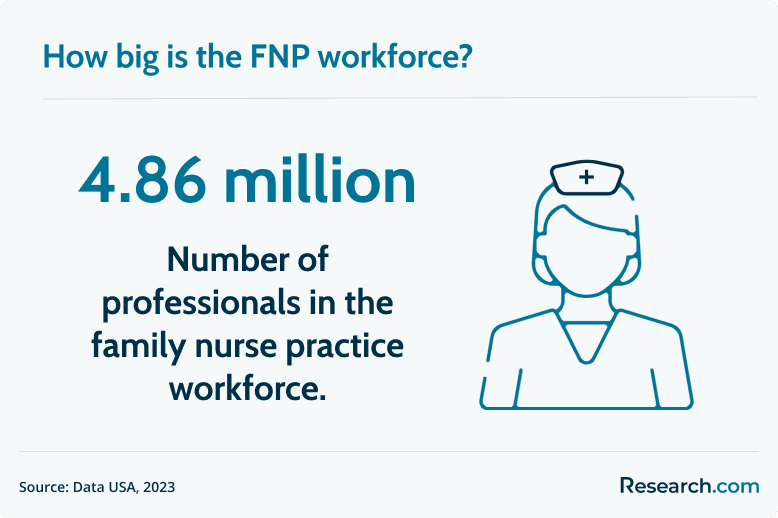
With over 4.86 million people already in the FNP workforce, standing out means showing you’re ready to meet pediatric patients where they are. Building hands-on experience now not only sharpens your skills; it proves your commitment to growing within this specialty and sets you apart in a competitive field.
For those looking to broaden their clinical expertise even further, exploring how to transition from FNP to acute care NP can be an excellent next step. This path allows nurse practitioners to expand their scope of practice, gain experience with higher-acuity patients, and enhance their versatility across healthcare settings.
What is the best educational path for becoming an FNP in pediatrics?
If you want to shape the health of future generations, the journey starts in the classroom. Becoming an FNP in pediatrics means building a solid foundation in nursing, then layering on advanced training in family practice and pediatric care.
Here are the key educational programs that can lead to a career as an FNP in pediatrics:
- Bachelor of Science in Nursing (BSN): Equips you with essential nursing knowledge and clinical experience, often including pediatric rotations that spark early exposure to child healthcare.
- Master of Science in Nursing (MSN) – Family Nurse Practitioner Track: Provides advanced primary care training across all ages, with opportunities to choose pediatric-focused coursework and clinical placements.
- Doctor of Nursing Practice (DNP): Offers the highest level of clinical training, allowing you to develop pediatric expertise through specialized research projects and advanced pediatric clinical hours.
- Post-Graduate Pediatric NP Certificate: Gives licensed FNPs concentrated pediatric training through targeted coursework and supervised practice with children and adolescents.
- Pediatric Clinical Rotations and Fellowships: Deliver immersive, hands-on experience in pediatric care settings to build confidence and competence in treating young patients.
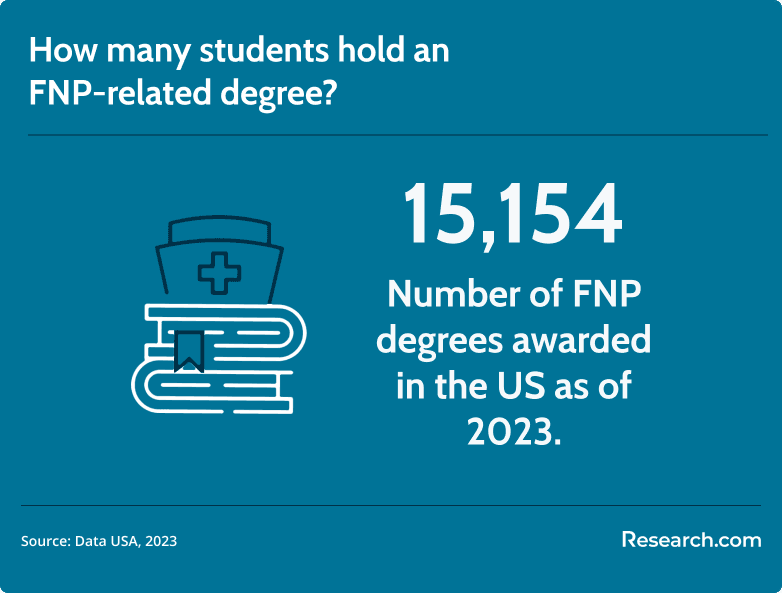
Pursuing these educational pathways can set you apart in the competitive field of pediatric care and give you the expertise to make a lasting impact on young patients’ lives. With 15,154 FNP degrees awarded in 2023, more nurses than ever are stepping into advanced roles, making now an ideal time to build your own path toward becoming an FNP in pediatrics.
What are the top industries hiring FNP in pediatrics?
An FNP in pediatrics can work in a wide range of healthcare settings, giving you flexibility in where and how you practice. These roles are in demand anywhere children receive primary or specialized medical care. Knowing which industries hire the most FNPs can help you target the best opportunities for long-term growth.
Here are the top industries currently employing FNPs in pediatrics:
- Offices of Physicians: With about 122,830 FNPs working in this setting, these offices offer steady schedules and the chance to build long-term relationships with pediatric patients and their families.
- General Medical and Surgical Hospitals: Around 58,080 FNPs practice in hospitals, where they handle a wide range of pediatric conditions alongside multidisciplinary care teams.
- Outpatient Care Centers: Roughly 23,760 FNPs work in outpatient clinics, delivering preventive care, wellness checkups, and same-day pediatric services in fast-paced environments.
- Offices of Other Health Practitioners: This setting includes about 10,950 FNPs, often working in collaborative pediatric practices that integrate specialties like developmental therapy or behavioral health.
- Home Health Care Services: Employ about 7,460 FNPs, allowing you to deliver pediatric care directly in patients’ homes for more personalized and family-centered support.
If you’re still weighing your options, exploring the differences between AGNP vs FNP can also help you decide which advanced nursing track best aligns with your professional aspirations.
What skills do you need to thrive as an FNP in pediatrics?
Thriving as an FNP in pediatrics requires a strong mix of clinical expertise, technical proficiency, and the ability to connect with young patients and their families. Pediatric care often involves rapidly changing situations, making adaptability and critical thinking essential. Building these core skills will help you deliver safe, effective, and compassionate care in any pediatric setting.
Here are the key skills every aspiring FNP in pediatrics should develop:
- Patient Care Aptitude: Provides holistic care tailored to children’s physical, emotional, and developmental needs while supporting their families through treatment plans.
- Proficiency in Electronic Medical Records (EMR): Maintains accurate, timely electronic medical records to ensure seamless communication among pediatric care teams.
- Mastery in Physical Exams: Conducts thorough age-appropriate assessments to detect developmental milestones, growth issues, and early signs of illness.
- Urgent Care Expertise: Responds quickly and effectively to pediatric emergencies, from acute infections to injuries, ensuring immediate and appropriate interventions.
Beyond clinical skills, pediatric FNPs benefit from continued learning opportunities that enhance both their medical and mental health expertise. Many advanced nurses pursue dual FNP/PMHNP programs online to expand their scope of practice, allowing them to address not only physical conditions but also the growing mental health needs of children and adolescents in diverse care settings.
Mastering these core abilities sets the foundation for success, but they’re just the beginning. To give you a clearer picture of what it takes, the chart below breaks down the full range of the most important skills every FNP in pediatrics should build to excel in this specialty:
What is the average salary of an FNP in pediatrics?
Working as an FNP in pediatrics can be both personally fulfilling and financially rewarding. On average, they earn around $127,976 per year, placing them among the higher-paid professionals in the nursing field. This competitive pay reflects the advanced clinical training and specialized pediatric expertise required for the role.
For top earners, salaries can reach $164,000 annually, especially for those with years of experience, additional certifications, or leadership roles in healthcare settings. This upper range demonstrates the strong earning potential for those who advance their careers and develop specialized pediatric skills.
With competitive salaries and strong demand, pursuing this path can be a smart long-term career move. For those eager to enter the field quickly, exploring the fastest online MSN pediatric nurse practitioner programs can be a strategic way to accelerate your journey toward becoming an FNP in pediatrics and start earning sooner.
For your visual references, here’s a breakdown of the full salary range of FNP of all specializations, including pediatrics, by percentile:
What pediatric specialties can FNPs focus on?
An FNP in pediatrics isn’t limited to general care; this role can branch into highly specialized areas that shape the future of children’s health. From newborns to teens, pediatric-focused FNPs can tailor their expertise to match the unique needs of specific age groups or conditions.
Below are some of the most common and impactful pediatric specialties an FNP can pursue:
- Neonatology: Focuses on providing critical care to premature or medically fragile newborns in neonatal intensive care units (NICUs).
- Pediatric Cardiology: Involves diagnosing and managing heart conditions in infants, children, and adolescents.
- Pediatric Oncology: Specializes in treating childhood cancers and supporting patients and families through long-term care plans.
- Pediatric Endocrinology: Manages hormonal and metabolic disorders such as Type 1 Diabetes or growth disorders in children.
- Pediatric Emergency Care: Provides rapid assessment and treatment for children in urgent or life-threatening situations.
Exploring these specialties can help aspiring FNP in pediatrics carve out a fulfilling and highly impactful niche within the broader field of pediatric care. For nurses looking to make this leap, many RN to FNP programs offer tailored pathways that build the advanced skills needed to thrive in these specialized roles.
What certifications can boost your qualifications as an FNP in pediatrics?
In pediatrics, credibility matters just as much as compassion, and certifications can give you both. Earning specialized credentials signals to employers, colleagues, and families that you’ve gone the extra mile to master pediatric care. For an FNP in pediatrics, these certifications can be the key to standing out in a competitive field.
Here are some of the most valuable certifications to consider as you build your pediatric expertise:
- Certified Pediatric Nurse Practitioner - Primary Care (CPNP-PC): Demonstrates advanced knowledge in providing primary care to children from birth through young adulthood.
- Pediatric Advanced Life Support (PALS): Equips you with critical skills to respond effectively to pediatric medical emergencies.
- Neonatal Resuscitation Program (NRP): Focuses on life-saving techniques for newborns in delivery and neonatal intensive care settings.
- Certified Pediatric Emergency Nurse (CPEN): Validates expertise in caring for pediatric patients in fast-paced emergency and urgent care environments.
Apart from stacking certifications, many professionals strategically enroll in affordable online pediatric nurse practitioner graduate certificate programs to add these credentials without disrupting their careers or breaking the bank. This pathway not only sharpens clinical expertise but also accelerates advancement into higher-impact pediatric roles.
What are the biggest challenges for FNP in pediatrics?
Working as an FNP in pediatrics is as rewarding as it is demanding. While the role offers the chance to shape young lives, it also comes with unique pressures that test both emotional resilience and clinical skill. Understanding these challenges upfront can help future pediatric FNPs prepare, adapt, and ultimately thrive in this field.
Here are some of the most common challenges faced by FNPs in pediatrics:
- Emotional Intensity: Caring for sick or critically ill children can be emotionally draining, requiring strong coping strategies and support systems.
- Complex Family Dynamics: Pediatric care often involves navigating the concerns, emotions, and expectations of parents or guardians alongside the needs of the child.
- Rapid Developmental Changes: Children’s bodies and needs change quickly, demanding constant vigilance and up-to-date knowledge of growth and developmental milestones.
- High Workload and Burnout Risk: Heavy caseloads, time pressures, and administrative tasks can contribute to stress and professional fatigue.
- Limited Pediatric-Specific Resources: In some settings, FNPs may face a lack of pediatric-focused equipment, training, or mentorship opportunities.
- Evolving Pediatric Health Trends: Rising rates of childhood obesity, mental health issues, and chronic conditions require continuous learning and adaptation.
By anticipating these challenges, an FNP in pediatrics can develop the resilience, empathy, and adaptability needed to deliver exceptional care in even the most demanding situations.
Those interested in expanding their expertise beyond pediatrics might also explore acute care specializations. Learning where can AGACNP work—such as hospitals, trauma centers, or critical care units—can provide valuable insight into how nurse practitioners can diversify their roles and apply their clinical skills across a wider range of healthcare environments.
What is the job outlook for FNPs in the next 10 years?
The demand for pediatric care is climbing, and FNPs are at the forefront of meeting that need. As the healthcare system faces growing pediatric patient loads and physician shortages, the role of the FNP in pediatrics is becoming more essential than ever. This rising demand signals strong job security and opportunity for those entering or advancing in the field.
Here’s what the next decade looks like for FNPs in pediatrics:
- Rapid Job Growth: Overall employment of FNPs across all specializations (including pediatrics) is projected to grow 35% from 2024 to 2034, far outpacing the average for all occupations.
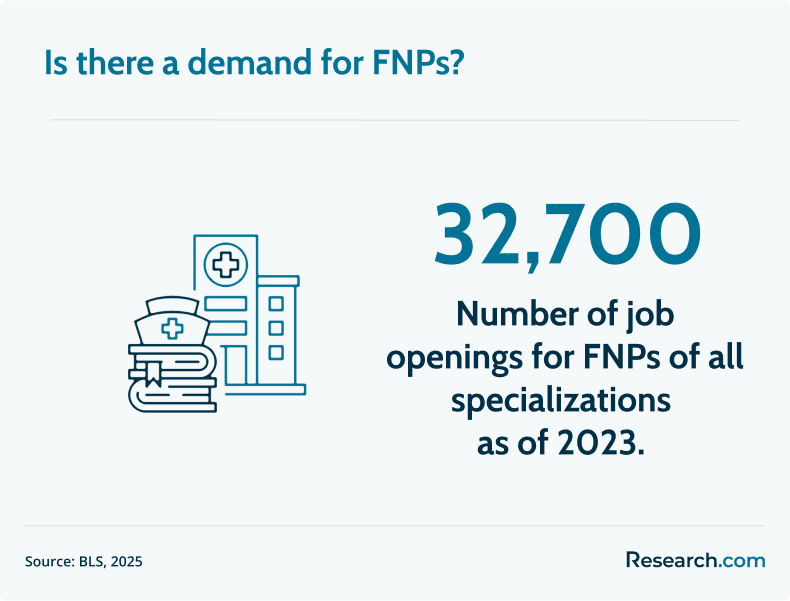
- Consistent Annual Openings: About 32,700 openings for FNPs are expected each year, largely due to retirements and career transitions that create space for new talent.
- Expanding Pediatric Care Access: More clinics and community health centers are hiring pediatric FNPs to fill gaps in underserved areas.
- Increased Scope of Practice: States are gradually expanding FNPs’ autonomy, allowing them to provide more direct pediatric care without physician oversight.
- Rising Demand for Preventive Care: Greater emphasis on early childhood wellness and preventive health is driving demand for pediatric-focused FNPs.
This accelerating growth makes now an ideal time to build a career as an FNP in pediatrics, with more opportunities emerging each year to step into meaningful and high-impact roles.
For those wondering can FNP work in hospital setting, the answer is yes—many FNPs are finding positions in hospitals, urgent care centers, and specialized pediatric units. These settings allow them to collaborate with interdisciplinary teams, manage acute conditions, and expand their clinical experience beyond primary care environments.
Here’s What FNPs in Pediatrics Have to Say About Their Careers
- Jodie: "Working with children had always been a dream, but I needed the right credentials. Completing an accelerated online pediatric track helped me gain the confidence and clinical hours I needed. Just six months later, I was hired by a pediatric group practice as an FNP and haven’t looked back since."
- Natalia: "Transitioning from adult primary care to pediatrics felt intimidating at first. I started by completing pediatric clinical rotations through a hybrid FNP program and quickly realized how much I loved working with kids. Today, I manage a full panel of young patients and feel proud that I made the leap."
- Hugh: "I thought shifting to pediatrics would mean starting over, but my experience as an FNP actually gave me a strong foundation. Through additional pediatric-focused training and mentorship, I was able to transition smoothly into a children’s health clinic. Now, I get to watch my patients grow up, which is incredibly rewarding."
Key Findings
- With over 4.86 million people already in the family nurse practice workforce, pursuing the FNP route can be a practical and impactful way to enter pediatric care.
- In 2023, 15,154 FNP degrees were awarded, signaling that more nurses than ever are stepping into advanced roles.
- Offices of Physicians employ the most FNPs—about 122,830—offering stable schedules and lasting relationships with pediatric patients and families.
- About 30.1% of FNPs agree that patient care is the most essential skill to thrive in the industry.
- For top earning FNPs in pediatrics, salaries can reach $164,000 annually, especially for those with years of experience, additional certifications, or leadership roles in healthcare settings.
References:
- BCEN. (n.d.). Certified Pediatric Emergency Nurse (CPEN): Apply & schedule. Bcen.org. Retrieved 15 September 2025.
- Data USA. (n.d.). Family practice nurse. Datausa.io. Retrieved 15 September 2025.
- American Heart Association. (n.d.). Neonatal Resuscitation Program (NRP). International.heart.org. Retrieved 15 September 2025.
- American Heart Association. (n.d.). Pediatric Advanced Life Support (PALS) course options. Cpr.heart.org. Retrieved 15 September 2025.
- Pediatric Nursing Certification Board. (n.d.). Certified Pediatric Nurse Practitioner - Primary Care (CPNP-PC). Pncb.org. Retrieved 15 September 2025.
- US Bureau of Labor Statistics. (n.d.). Nurse anesthetists, nurse midwives, and nurse practitioners. Bls.gov. Retrieved 15 September 2025.
- Zippia. (n.d.). Family nurse practitioner skills. Zippia.com. Retrieved 15 September 2025.
- ZipRecruiter. (n.d.). Family nurse practitioner salary. Ziprecruiter.com. Retrieved 15 September 2025.
Other Things You Should Know About FNPs in Pediatrics
In 2027, pediatric FNPs can stay updated on clinical guidelines by attending online webinars, subscribing to reputable medical journals, and participating in professional development courses offered by organizations like the National Association of Pediatric Nurse Practitioners (NAPNAP).
In 2027, pediatric FNPs can stay updated by attending conferences, enrolling in online courses, subscribing to professional journals, and joining pediatric nursing associations. Following reputable medical organizations on social media and participating in webinars can also keep FNPs informed on the latest guidelines.
Pediatric FNPs can stay updated on new clinical guidelines by subscribing to professional journals like the Journal of Pediatric Health Care, joining organizations such as the National Association of Pediatric Nurse Practitioners (NAPNAP), and attending continuing education workshops and conferences regularly.


