
2027 Nurse Practitioner Subspecialty Certification

Co-Founder and Chief Data Scientist
Nurse practitioner (NP) subspecialty certification is an advanced credential that goes beyond a nurse's primary certification in a population focus, like family or adult-gerontology. This additional training and validation of expertise can lead to increased autonomy, career opportunities, and a higher salary.
According to a recent analysis, over 4% of all NPs in the U.S. work in cardiology, and over 6% work in psychiatry. These numbers highlight the growing trend of NPs moving beyond general practice to fill critical gaps in specialized healthcare, showcasing the value and demand for subspecialty expertise.
Key things you should know about nurse practitioner subspecialties
- Nurse practitioner subspecialty certifications allow NPs to demonstrate advanced expertise in focused clinical areas. These certifications require specific clinical experience, passing a subspecialty exam, and ongoing renewal to maintain credentials.
- Subspecialty certification can positively impact salary: for example, orthopedic nurse practitioners have reported average salaries around $100,000 annually.
- Obtaining a subspecialty certification boosts professional credibility and clinical competencies and opens doors for advanced career opportunities in hospitals, specialty clinics, and leadership roles, positioning nurse practitioners at the forefront of evolving healthcare specialties.
- Types of Nurse Practitioner Subspecialty Certifications Subspecialty Certifications
- What is the difference between ANCC and AANP certifications? What is the difference between ANCC and AANP certifications?
- Why is subspecialty certification important for nurse practitioners? Why is subspecialty certification important for nurse practitioners?
- What are the eligibility criteria for nurse practitioner subspecialty certification? Eligibility Criteria
- How many clinical hours are required for nurse practitioner subspecialty certification? Clinical Hours
- How should nurse practitioners prepare for subspecialty certification exams? Exam Prep
- How often must nurse practitioner subspecialty certifications be renewed? Certification Renewal
- What are the continuing education requirements for maintaining subspecialty certification? Continuing Education
- What career opportunities open up with advanced subspecialty certification? Career Opportunities
Types of Nurse Practitioner Subspecialty Certifications
Nurse practitioner (NP) subspecialty certifications are advanced credentials that allow NPs to specialize in a specific area of practice beyond their primary population focus. Understanding how much does a nurse consultant earn can help NPs evaluate the financial benefits of obtaining subspecialty certifications, as advanced credentials often open doors to higher-paying roles.
While the primary certification (like Family NP or Adult-Gerontology NP) covers a broad range of patient care, a subspecialty certification demonstrates a higher level of expertise and training in a narrower field.
These certifications are often awarded by professional organizations and require meeting specific criteria, including clinical experience and passing an exam.
It is important to remember that knowing when can an NP prescribe medication is a key component of their role, and subspecialty certifications can further enhance their ability to prescribe within a specific clinical area, though prescriptive authority is primarily governed by state and local regulations.
A subspecialty may give an NP the advanced knowledge to manage complex medication regimens for specific patient populations, but the legal scope of their practice remains tied to state laws.
Emergency Medicine
Emergency Medicine subspecialty certification is ideal for nurse practitioners who want to work in urgent care or emergency departments, where they treat patients of all ages presenting with acute and life-threatening conditions.
To become certified as an Emergency Nurse Practitioner (ENP), the nurse must first hold national certification as a Family Nurse Practitioner (FNP) or equivalent. The certification process often requires completion of at least 2,000 hours of direct emergency care clinical practice within the previous five years, along with evidence of continuing education specifically focused on emergency care, including procedural skills.
Cardiology
Nurse practitioners specializing in cardiology focus on the diagnosis, treatment, and management of heart and vascular conditions. To pursue this subspecialty, NPs typically need advanced education such as a master's or doctoral degree from an accredited nurse practitioner program with an emphasis on cardiology or acute care.
They must also hold an active nursing license and have substantial clinical experience, often including at least 2,000 hours of practice caring for patients with cardiovascular diseases.
Cardiology certification often requires passing a specialized exam that covers cardiac anatomy, physiology, pathophysiology, pharmacology, diagnostic procedures, and management of heart conditions including heart failure, arrhythmias, and vascular diseases.
Oncology
Nurse practitioners specializing in oncology provide comprehensive care for patients with cancer throughout all stages of their journey, from diagnosis and treatment to survivorship and palliative care.
To become certified in oncology, NPs must first hold an active registered nurse (RN) license and complete a graduate degree from an accredited nurse practitioner program with a focus on oncology or a related field. They are required to accumulate clinical practice hours specifically in oncology, typically 500 to 1,000 hours of supervised practice within the last five years.
Additionally, completing graduate-level oncology courses or continuing education units dedicated to cancer care is essential. Certification is usually obtained by passing a challenging exam administered by recognized bodies such as the Oncology Nursing Certification Corporation (ONCC), which validates advanced knowledge and clinical competence in oncology nursing.
Dermatology
Nurse practitioners specializing in dermatology focus on the assessment, diagnosis, and treatment of conditions affecting the skin, hair, and nails.
To become a Dermatology Certified Nurse Practitioner (DCNP), NPs typically need to complete a graduate-level nursing degree such as a Master of Science in Nursing (MSN) or Doctor of Nursing Practice (DNP), followed by obtaining initial national nurse practitioner certification through bodies like the American Nurses Credentialing Center (ANCC) or American Association of Nurse Practitioners (AANP).
Candidates must also accumulate approximately 3,000 hours of clinical practice in dermatology and pass a specialized certification exam administered by the Dermatology Nurse Practitioner Certification Board.
Orthopedics
Nurse practitioners specializing in orthopedics focus on the diagnosis, treatment, and management of patients with musculoskeletal disorders and injuries. To become certified as an Orthopaedic Nurse Practitioner-Certified (ONP-C), candidates must hold a master's degree or higher from an accredited advanced practice nursing program and possess a current, unrestricted RN license.
They must have at least three years of experience as an advanced practice registered nurse, including a minimum of 2,000 hours of clinical practice with patients suffering from musculoskeletal conditions within the past three years. Candidates can also fulfill this clinical requirement through accredited orthopedic fellowship or residency programs.
Nephrology
Nurse practitioners specializing in nephrology focus on caring for patients with kidney-related diseases, including chronic kidney disease, acute kidney injury, dialysis management, and kidney transplant care. To achieve certification in nephrology, NPs must hold an unrestricted nurse practitioner license and typically need a master's degree or higher in nursing.
Certification through the Nephrology Nursing Certification Commission (NNCC) requires candidates to complete at least 2,000 hours and two years of direct nephrology nursing practice within the two years prior to application, including care related to dialysis, kidney replacement therapies, and other nephrology treatments.
They must also complete 15 to 20 contact hours of continuing education in nephrology nursing. The certification exam, such as the Certified Nephrology Nurse – Nurse Practitioner (CNN-NP) exam, assesses advanced knowledge in nephrology topics like kidney disease stages, kidney replacement therapies, and critical care related to renal conditions.
Family Nurse Practitioner
Family Nurse Practitioner (FNP) certification is a fundamental subspecialty within the nurse practitioner profession that focuses on providing comprehensive healthcare to individuals and families across all ages, from infants to older adults.
Becoming an FNP involves completing a graduate-level nurse practitioner program accredited by organizations such as the Commission on Collegiate Nursing Education (CCNE) or the Accreditation Commission for Education in Nursing (ACEN), with a curriculum covering advanced clinical knowledge in pathophysiology, pharmacology, health assessment, and family-focused healthcare management.
After graduating, candidates must pass a national certification exam offered by the AANP or the ANCC, earning credentials like FNP-C or FNP-BC that validate their clinical expertise.
As a widely recognized and versatile NP subspecialty, some of the benefits of being a family nurse practitioner is that the FNP certification equips nurse practitioners to meet the growing demand for accessible primary care services in diverse healthcare settings.
What is the difference between ANCC and AANP certifications?
The differences between ANCC and AANP nurse practitioner subspecialty certification lie primarily in their focus, exam format, and career pathways they best support. Professionals considering these certifications may also want to understand how much does a nurse care coordinator make, as salary potential can differ based on the credential pursued.
The ANCC certification exam is broader in scope, integrating nursing theory, ethical practices, legal principles, and research methodologies along with clinical practice scenarios. It includes diverse question types such as multiple choice, multiple response, drag-and-drop, and hotspot questions, reflecting a more comprehensive academic and professional practice approach.
In contrast, the AANP certification exam has a strong clinical focus emphasizing core competencies directly related to patient assessment, diagnosis, planning, and evaluation for hands-on clinical practice. The AANP exam is composed solely of straightforward multiple-choice questions.
The ANCC is better suited for nurse practitioners considering roles that extend into research, policy, education, or administration, while the AANP is ideal for those focusing on direct patient care in clinical settings.
Both certifications require renewal every five years and are recognized by states and employers, but the choice between them often depends on a nurse practitioner's career goals and preferences for exam style and content focus.
Why is subspecialty certification important for nurse practitioners?
Subspecialty certification is important for nurse practitioners because it signifies advanced expertise and specialized knowledge in a particular area of healthcare beyond the general nurse practitioner role. Nurses pursuing dual degree MSN nurse practitioner programs may find subspecialty certifications particularly valuable, as these programs often prepare them for advanced practice roles in focused fields.
This certification often requires additional training and education, allowing nurse practitioners to work competently in more focused fields such as critical care, pediatrics, oncology, or emergency nursing. It enhances their clinical skills, making them more competitive for specialized job opportunities and promotions.
Subspecialty certification also improves confidence in managing complex patient cases and demonstrates a commitment to continuous learning and professional development. Additionally, it can lead to increased earning potential and recognition by employers and patients as a qualified expert in that specific area of practice.
Overall, subspecialty certification helps nurse practitioners meet the demands of specialized healthcare delivery and patient needs with higher proficiency and confidence. This is especially true for those pursuing nursing as a second career, as these certifications provide a clear, structured path for career advancement and a way to quickly establish expertise in a new field.
What are the eligibility criteria for nurse practitioner subspecialty certification?
Eligibility criteria for nurse practitioner (NP) subspecialty certification vary significantly by the specific specialty and the certifying body, but they generally require a combination of core credentials, clinical experience, and specialized education.
- Hold an Active RN and NP License: Candidates must have a current, unencumbered registered nurse (RN) license and a valid NP certification in their primary population focus (e.g., Family NP, Adult-Gerontology NP).
- Graduate from an Accredited Program: You must have a master's, post-graduate certificate, or doctoral degree from a nursing program accredited by a recognized body like the Commission on Collegiate Nursing Education (CCNE) or the Accreditation Commission for Education in Nursing (ACEN).
- Meet Clinical Practice Hours: This is often the most significant requirement. Certifications typically demand a specific number of clinical hours in the specialty area. These hours can be obtained through work experience, a formal fellowship, or on-the-job training.
- Complete Specialized Education: Many certifications require specific graduate-level courses or a certain number of continuing education hours in the specialty field. This demonstrates a focused and in-depth knowledge of the subspecialty.
- Pass a Certification Exam: The final step is successfully passing a rigorous, competency-based exam specific to the subspecialty. This exam tests the NP's knowledge and clinical judgment in the chosen field.
How many clinical hours are required for nurse practitioner subspecialty certification?
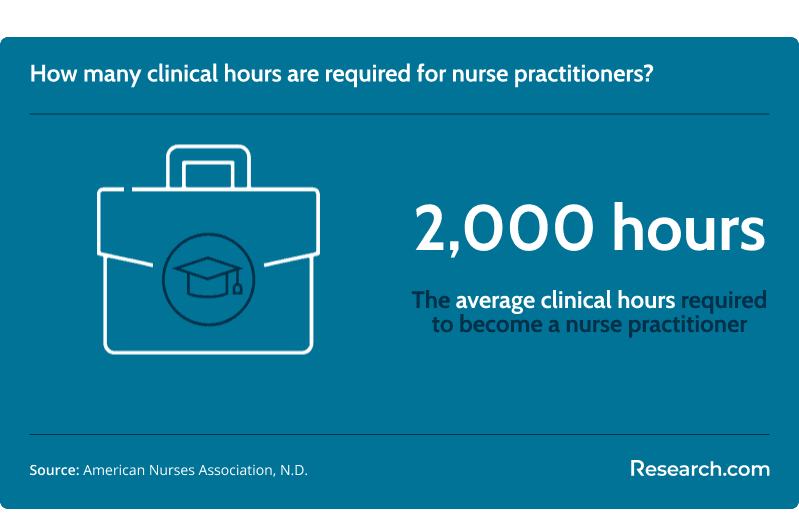
Nurse practitioner subspecialty certification typically requires a substantial number of clinical practice hours in the relevant specialty area.
For example, many NP subspecialty certifications require candidates to have completed at least 2,000 direct clinical practice hours in that specialty within the past five years. These hours must involve hands-on, supervised patient care relevant to the subspecialty and often include continuing education requirements as well.
The exact number of clinical hours can vary depending on the specific subspecialty board and the certification program, but the 2,000-hour mark within five years is a common standard for advanced specialty certifications, reflecting the depth of experience needed to ensure competency in a focused clinical area.
How should nurse practitioners prepare for subspecialty certification exams?
Nurse practitioners should prepare for subspecialty certification exams with a structured and organized study plan tailored to the specific content and format of the exam. It is essential to start by understanding the exam blueprint and key competency areas, which typically cover patient assessment, diagnosis, pharmacology, treatment planning, and evaluation within the subspecialty.
Setting realistic, achievable study goals and breaking down topics into manageable sections helps maintain steady progress and motivation. Utilizing high-quality resources such as review books, online courses, practice questions, and simulations grounded in evidence-based practice is crucial to thorough preparation.
Regularly practicing with sample questions and exams helps familiarize with question formats and identify knowledge gaps, while study groups can provide additional support, diverse insights, and accountability.
Time management during study sessions and on the exam itself should be practiced to build stamina and confidence. Additionally, engaging in continuing medical education, attending workshops, and accessing professional organization resources can further support exam readiness.
Balancing study with rest to avoid burnout and employing active learning techniques like self-testing and group discussions enhance retention and understanding, making preparation more effective and comprehensive.
How often must nurse practitioner subspecialty certifications be renewed?
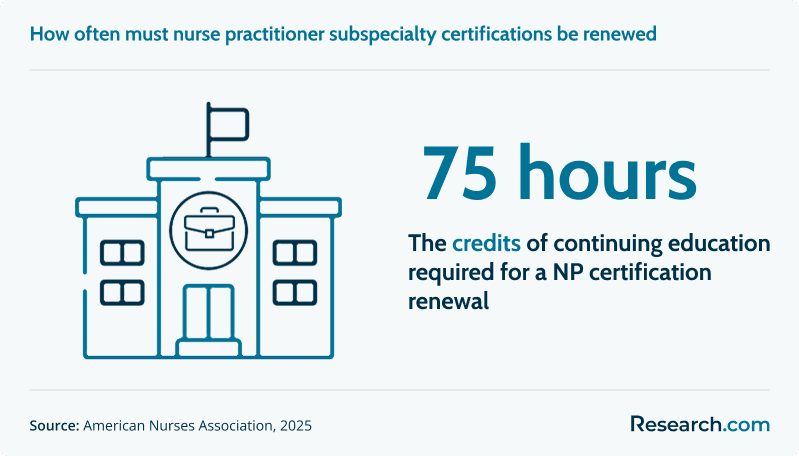
Nurse practitioner subspecialty certifications generally must be renewed every five years. Renewal typically requires completing a specified number of continuing education (CE) credits, often around 75 hours, including some CE hours that are directly related to the subspecialty area.
Additionally, renewal may involve documenting ongoing clinical practice hours in the specialty. Along with continuing education, a renewal fee must be paid to maintain the certification.
This regular renewal process ensures nurse practitioners remain current with evolving clinical knowledge and standards in their specialty area.
What are the continuing education requirements for maintaining subspecialty certification?
Maintaining nurse practitioner (NP) subspecialty certification requires ongoing professional development, often through continuing education (CE) activities.
The specific requirements vary depending on the certifying organization and the specialty, but generally follow a similar framework. For instance, most NP certifications have a renewal cycle of five years. Requirements must be fulfilled during this cycle.
While a nurse practitioner subspecialty certification can significantly boost your career, it's also worth considering whether is a DNP worth it for nurse practitioners in the long run. A Doctor of Nursing Practice (DNP) is a terminal degree that can open doors to leadership roles, advanced practice, and academic positions, but it also involves a significant investment of time and money.
Common Continuing Education Requirements
- Total Contact Hours: The American Academy of Nurse Practitioners Certification Board (AANPCB) requires 100 contact hours of advanced practice CE over a five-year period for their primary certifications, with a similar structure for their subspecialties.
- Specialized Content: A significant portion of the required CE hours must be directly relevant to the subspecialty. For example, an NP with an emergency medicine subspecialty would need a certain number of hours focused on emergency care topics.
- Pharmacology Hours: Dedicating hours to advanced pharmacology ensures safe and effective prescribing practices. Some certifications may require 25 hours of advanced practice pharmacology within the renewal period.
- Approved Providers: The CE activities must be approved by an accredited provider of nursing or medical education, including professional organizations like the ANCC or the AANP. This ensures the quality and relevance of the content.
What is the salary for nurse practitioners with subspecialty certifications?
Nurse practitioners with subspecialty certifications tend to earn higher salaries compared to general nurse practitioners or entry level nursing jobs, In 2025, the average starting salary for nurse practitioners across the board reached approximately $180,000, with subspecialty roles often exceeding this average due to the complexity and urgency of care they provide.
For example, emergency nurse practitioners earn around $130,000 annually, while neonatal NPs and psychiatric NPs often see salaries ranging from $135,000 to $141,000.
Other high-paying nurse practitioner subspecialty certifications include acute care and cardiology, with salaries commonly in the $130,000 to $170,000 range, influenced by factors such as geographic location, years of experience, and education level. Subspecialty certification drives up earning potential as certified NPs demonstrate advanced clinical competencies required for managing complex patient cases, often in hospital or specialized care settings.
Additionally, nurse practitioners with doctoral degrees tend to earn 8-12% more than those with master's degrees, indicating that advanced education combined with certification further enhances salary prospects.
What career opportunities open up with advanced subspecialty certification?
Advanced subspecialty certification opens up a wide range of career opportunities for nurse practitioners by demonstrating expertise and specialized knowledge in a focused area of healthcare.
Certified NPs often gain access to higher-level clinical roles in specialized settings such as emergency rooms, cardiology units, oncology clinics, dermatology centers, orthopedic practices, and nephrology care facilities. This specialization can lead to positions in acute care, outpatient specialty clinics, research, education, administration, or leadership roles within healthcare organizations.
Subspecialty certification enhances job prospects, increases professional credibility, and often results in higher salary potential. These certifications allow NPs to participate in advanced procedures, lead interdisciplinary care teams, and contribute to focused quality improvement initiatives.
Additionally, networking through specialty professional organizations and participating in continuing education further bolster career development.
While this is distinct from management roles, those looking for leadership opportunities should also consider the best healthcare administration certifications to consider, such as the Certified Professional in Healthcare Quality (CPHQ) or the Fellow of the American College of Healthcare Executives (FACHE), which can open doors to executive and administrative positions.
Here's what graduates have to say about their nurse practitioner subspeciality certification
- Carmie: "The journey to becoming a certified oncology NP was challenging, but the specialized knowledge I gained has been invaluable. It has given me the confidence to provide advanced, compassionate care to my patients, and I feel more prepared than ever to guide them through their treatment with expertise and empathy. "
- Eloisa: "Pursuing my emergency medicine subspecialty was the best career decision I've made. The focused coursework and clinical training sharpened my critical thinking skills, allowing me to act quickly and confidently in high-pressure situations. Now, I not only feel more competent, but I also have a deeper sense of fulfillment in saving lives. "
- Tyrone: "Earning my palliative care certification transformed my practice. The curriculum provided me with a framework to address complex symptom management and difficult conversations, which has empowered me to offer a better quality of life for my patients. The experience deepened my understanding of patient-centered care and reinforced my passion for nursing. "
Key Findings
- The highest paid nurse practitioner specialty is Certified Registered Nurse Anesthetist (CRNA), with an average annual salary of around $223,210.
- Nurse practitioners with doctoral degrees tend to earn 8-12% more than those with master's degrees.
- Emergency nurse practitioners earn around $130,000 annually.
- Renewal typically requires completing a specified number of continuing education (CE) credits, often around 75 hours, including some CE hours that are directly related to the subspecialty area.
- Over 4% of all NPs in the U.S. work in cardiology, and over 6% work in psychiatry.
References:
- BLS. (2022). Nurse Anesthetists, Nurse Midwives, and Nurse Practitioners. Occupational Outlook Handbook. https://www.bls.gov/ooh/healthcare/nurse-anesthetists-nurse-midwives-and-nurse-practitioners.htm
- Marquette University. (2023). Why Are Nurses in Demand? The Nursing Shortage, Explained. https://mastersnursing.marquette.edu/blog/why-are-nurses-in-demand/#:~:text=Why%20Is%20There%20a%20Nursing,year%20from%20now%20through%202031
- National Academies Press (US). (2021). The Nursing Workforce. https://www.ncbi.nlm.nih.gov/books/NBK573922
- Ryder, M., Jacob, E., & Hendricks, J. (2020). A survey identifying leadership and research activities among Nurse Practitioners. Contemporary Nurse
- Smiley, R. A., Allgeyer, R. L., Shobo, Y., Lyons, K. C., Letourneau, R., Zhong, E., Kaminski-Ozturk, N., & Alexander, M. (2023, April 1). The 2022 National Nursing Workforce Survey. Journal of Nursing Regulation. https://doi.org/10.1016/s2155-8256(23)00047-9
Other Things You Should Know About Nurse Practitioner Subspecialty Certification
To obtain a Nurse Practitioner Subspecialty Certification in 2027, candidates must complete an accredited nursing program with a master’s or doctoral degree, hold an active registered nurse license, and pass a national certification exam specific to their chosen subspecialty.
To renew a Nurse Practitioner Subspecialty Certification in 2027, practitioners must complete a minimum of 75 hours of approved continuing education, including courses specific to their subspecialty. They must also meet practice hour requirements set by the certifying body.


