
2027 Most Popular Healthcare Degree Programs Ranking in San Francisco

Co-Founder and Chief Data Scientist
If you're thinking about pursuing a healthcare degree in San Francisco, this article is for you. It features the 2027 Most Popular Healthcare Degree Programs Ranking in San Francisco created by the Research.com team of data scientists to help you make an informed choice.
Choosing the right program is an important step toward a fulfilling career in healthcare. This ranking highlights top options, making it easier to find programs that fit your goals and interests.
Exploring these programs can open doors to meaningful work that impacts lives every day. Take this opportunity to discover the path that's right for you.
Key benefits of getting healthcare degree in San Francisco
- Salary for healthcare degree graduates: Graduates can expect competitive salaries such as $43,350 per year for Medical Assistants and Clinical Research Coordinators, and up to $103,150 for Quality Improvement Coordinators, reflecting strong earning potential in this field.
- Career paths: A healthcare degree from a well-known San Francisco college opens doors to diverse roles like Patient Care Technician, Health Information Technician, and Quality Improvement Coordinator, offering rewarding opportunities in patient care and administration.
- Online degree benefits: Completing a healthcare degree online provides flexibility for busy individuals, allowing graduates to balance work and study while gaining the same credentials as traditional students, enhancing career growth without disrupting life.
- Key benefits of getting healthcare degree in San Francisco
- What can I expect from healthcare degree in San Francisco?
- Where can I work with healthcare degree in San Francisco?
- How much can I make with healthcare degree in San Francisco?
- 2027 Most Popular Healthcare Degree Programs Ranking in San Francisco
- Key Findings
- How long does it take to complete healthcare degree in San Francisco?
- What's the difference between online and on-campus healthcare degree?
- Licensing and Certification Requirements for Healthcare Graduates in San Francisco, CA
- What is the average cost of healthcare degree in San Francisco?
- Industry Partnerships and Internship Opportunities
- What financial aid is available to healthcare degree students in San Francisco?
- Licensing and Certification Requirements in California
- What are the prerequisites for enrolling in healthcare degree program in San Francisco?
- Tips for a Successful Application Process in San Francisco’s Healthcare Programs
- What courses are typically in healthcare degree programs in San Francisco?
- What types of specializations are available in healthcare degree programs in San Francisco?
- How do you choose the best healthcare degree in San Francisco?
- What career paths are available for healthcare degree students in San Francisco?
- What is the job market for healthcare degree in San Francisco?
- Top Trending Healthcare Rankings
- See What Experts Have To Say About Studying Healthcare
What can I expect from healthcare degree in San Francisco?
The average cost of pursuing a healthcare degree in San Francisco is notably higher than the national average, largely due to the city's vibrant research institutions and its overall living expenses. Many students at renowned schools like UCSF discover that tuition often ranges between $40,000 and $60,000 per year. While this might seem daunting at first, graduates frequently share how the investment feels worthwhile thanks to the world-class education and practical experiences the city offers.
One graduate recalls balancing the tuition fees with part-time internships at UCSF Medical Center, where hands-on clinical training not only sharpened their skills but also opened doors to scholarships and financial aid. Other students at local colleges have tapped into institutional-support programs designed to ease the financial burden, especially for those coming from diverse and underserved backgrounds.
Living in San Francisco means embracing energetic mentorship events and career fairs that connect you directly with biotechnology pioneers and health services leaders. This dynamic environment makes the cost a small price to pay for the opportunities and growth awaiting ambitious healthcare students here.
Where can I work with healthcare degree in San Francisco?
With a healthcare degree earned at San Francisco's top institutions like UCSF or San Francisco State University, graduates often find themselves stepping into dynamic hospital environments. Imagine joining the team at UCSF Medical Center, where you could support critical patient care or manage innovative clinical research projects. The energy of working in bustling hospitals or specialized trauma centers sparks excitement and rapid growth for new professionals.
Others discover rewarding roles in outpatient clinics scattered throughout the city, serving diverse communities eager for accessible healthcare. Graduates share how engaging directly with patients in community clinics allows them to make tangible impacts on health day by day, blending compassion with expert healthcare management.
The city's robust public health sector offers paths into epidemic tracking or health policy, where working alongside the San Francisco Department of Public Health feels like contributing to important community-wide change. Students often cherish the chance to help design programs that prevent illness on a large scale.
Or you might dive into cutting-edge research at local biotech hubs such as Gladstone Institutes, where your healthcare training fuels biomedical discoveries. Many graduates find the thrill of exploring health data and clinical trials addictive, surrounded by the city's vibrant innovation scene.
San Francisco's healthcare landscape invites you to explore diverse roles filled with purpose-from nursing floors and clinics to research labs and public health campaigns-making every day a new adventure in improving lives.
How much can I make with healthcare degree in San Francisco?
Graduates from healthcare programs in San Francisco often find themselves stepping into roles that pay well above the national average. Imagine completing your degree at a well-known local institution and landing a position as a Medical Assistant, where you can earn about $43,350 annually. This salary reflects a solid start, especially while gaining hands-on experience in the city's vibrant healthcare scene.
Some graduates advance quickly to Patient Care Technician roles, pulling in around $60,790 a year. Picture yourself navigating dynamic hospitals or clinics, applying your skills to directly impact patient care while enjoying a paycheck that matches your dedication.
For those fascinated by the tech side of healthcare, careers as Health Information Technicians or Clinical Research Coordinators each offer mean salaries near $43,350. Here, you might find yourself working with cutting-edge digital health records or coordinating vital studies in San Francisco's innovative research community.
More seasoned professionals, like Quality Improvement Coordinators, command impressive salaries averaging $103,150 annually. Graduates from healthcare management programs at local universities describe the pride in leading projects that enhance care quality across networks of hospitals and specialty clinics.
These earnings illustrate how San Francisco's unique blend of advanced healthcare, technology, and education offers graduates a rewarding blend of opportunity and income, fueling both their careers and adventurous lifestyles.
2027 Most Popular Healthcare Degree Programs Ranking in San Francisco
How do we rank schools?
Investing in your education is a significant decision that can shape your future, and the Research.com team is committed to helping you make informed choices. To support prospective students in San Francisco, we have carefully developed the "2027 Most Popular Healthcare Degree Programs Ranking in San Francisco." Our dedication to quality, credibility, and accuracy is demonstrated through rigorous research and thorough analysis.
We utilized the following reputable data sources to ensure a comprehensive evaluation of healthcare degree programs:
By reviewing this ranking, readers will gain valuable insights into the most popular healthcare degree programs available in San Francisco, supporting them in making well-informed educational decisions. For more information on how this ranking was created, please visit our Research.com methodology page.


# 5 position
University of California-San Francisco
Master of Health Administration

Key Findings
- The cost of healthcare degrees in San Francisco ranges from $15,000 to $45,000 per year, with public universities being more affordable than private ones.
- Entry-level healthcare jobs offer annual salaries between $60,000 and $75,000, increasing to $100,000 or more with experience and specialization.
- Healthcare job growth in the city is projected at about 15% over the next decade, higher than many other industries.
- Many programs include practical training through partnerships with local medical centers, enhancing career readiness.
- In-demand skills include technology integration, data analytics, patient care management, cultural competency, and community health.
How long does it take to complete healthcare degree in San Francisco?
Embarking on a healthcare degree in San Francisco means stepping into a journey uniquely shaped by time and opportunity. Most adventurous undergraduates enrolling at San Francisco State University dive into a four-year Bachelor of Science in Nursing or Health Sciences program, balancing foundational courses with hands-on healthcare learning.
For those eager to fast-track, community college graduates often share how their two-year Associate Degree in Nursing launched them swiftly into practical roles, blending classroom excitement with real-world nursing tasks.
Graduate students reveal how their Master's programs, like the Master of Science in Nursing, stretch from two to three years, filled with intense clinical rotations that feel both challenging and deeply rewarding.
Imagine peers tackling accelerated BSN paths, compressing years of study into 12 to 18 months, fueled by determination and the city's energy. This whirlwind, though demanding, brings a thrilling sense of accomplishment sooner than expected.
Each timeline here is more than just numbers-it's a personal adventure unfolding amidst San Francisco's vibrant healthcare education scene.
What's the difference between online and on-campus healthcare degree?
Imagine juggling family, work, and studies-online healthcare degrees in San Francisco offer that freedom. Graduates often share how the flexibility to access lectures and assignments remotely fits perfectly with their busy lives. They save on pricey city commuting and housing, enjoying up to 30% lower costs compared to traditional programs. Meanwhile, on-campus students at places like UCSF dive into vibrant classroom discussions and real-world clinical rotations at renowned local hospitals. These hands-on experiences create powerful connections and a sense of community hard to replicate online.
Both paths prepare you well, but graduates from on-campus programs highlight the unique confidence gained from face-to-face mentorship and lab sessions. Online learners appreciate virtual support tools evolving fast to match those needs. The choice often depends on whether you thrive on structured, immersive environments or prefer a self-paced adventure while balancing life in San Francisco's dynamic hustle.
Licensing and Certification Requirements for Healthcare Graduates in San Francisco, CA
Navigating licensing and certification is a pivotal step for healthcare graduates in San Francisco. In California, most clinical roles-such as Registered Nurse (RN), Licensed Vocational Nurse (LVN), and Medical Assistant-require successful completion of state or national exams and approval from the California Department of Consumer Affairs. For RNs, this means passing the NCLEX-RN within 90 days of graduation and submitting a Live Scan fingerprinting clearance. LVN candidates must clear the NCLEX-PN and fulfill 1,500 hours of supervised clinical practice or its educational equivalent. Medical Assistants seeking certification often pursue the CMA (AAMA) or RMA (AMT) exams, which strengthen job prospects in hospitals like UCSF Medical Center or Sutter Health. Beyond initial licensure, California mandates continuing education (CE) to maintain credentials. RNs are required to complete 30 hours of CE every two years, covering topics such as patient safety, pharmacology updates, and cultural competency. Allied health professionals-like Health Information Technicians-must adhere to AHIMA’s recertification standards, including 20 CE hours biennially. Staying informed about evolving state regulations and specialty certifications (e.g., oncology nursing certification or public health microcredentialing) ensures that your skills remain competitive. If you’re exploring flexible degree options that can prepare you for licensure, consider our Affordable Online Healthcare Degree Programs Ranking in Waterloo, IA, which highlights accredited online pathways that meet state certification prerequisites.
What is the average cost of healthcare degree in San Francisco?
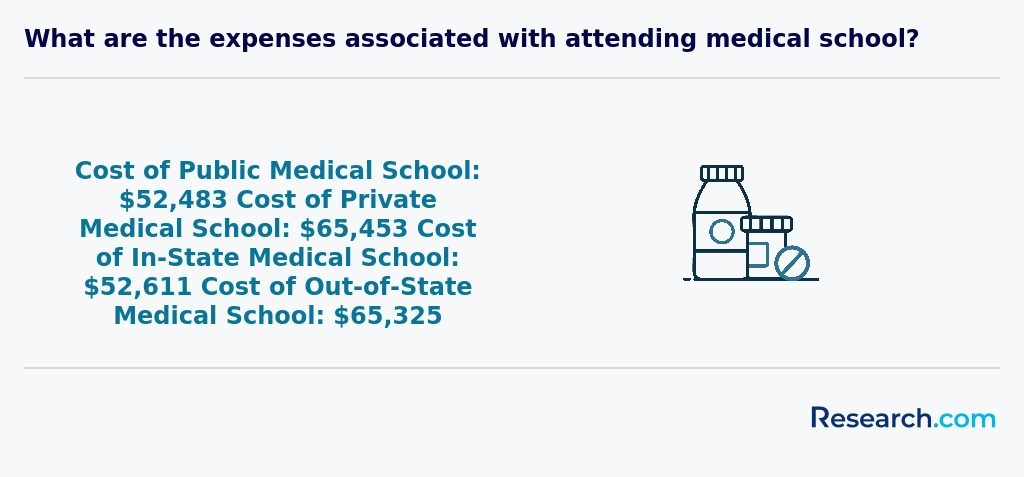
The average cost of a healthcare degree in San Francisco typically revolves around a median total of $60,986, a figure that reflects the distinctive blend of educational quality and city living expenses. Graduates from popular institutions like San Francisco State University or the University of San Francisco often recall the thrill of navigating tuition fees alongside the allure of city life. For in-state students, the journey feels more attainable, with median costs closer to $34,221, giving them a clearer path to their healthcare careers without overwhelming financial stress.
Many who chase their healthcare dreams here quickly realize that San Francisco healthcare degree tuition and fees are just one piece of the puzzle. The bustling urban environment, with its vibrant culture and professional opportunities, demands budgeting not only for school but also for living expenses that can easily double the total investment. Books, fees, and supplies add their own layers, but students find that the city's energy fosters motivation and connection among peers, turning these costs into investments in a bright future.
Community colleges also offer a treasure trove of affordable options, where dedicated students embrace programs costing between $1,500 and $3,000 per semester. These approachable price points have enabled many local individuals to enter the healthcare field, finding real value in quality education without the daunting price tags of private institutions.
Exploring further, students often search for the most popular healthcare degree pathways in California, finding a rich landscape of options that balance cost with career potential. Financial aid and scholarships add to this dynamic, helping unlock doors and fuel the exciting adventure of becoming healthcare professionals in this vibrant city.

Industry Partnerships and Internship Opportunities
In today’s competitive healthcare landscape, forging strong connections between academic programs and industry leaders is essential. Many top-tier programs in San Francisco have developed robust partnerships with local hospitals, clinics, and research centers to provide students with invaluable real-world experiences. These collaborations often lead to exclusive internship opportunities, enabling you to gain hands-on experience while building a professional network that can transform your career prospects. For instance, programs frequently collaborate with renowned institutions to offer placements that not only enhance learning but also improve job readiness upon graduation. Students are often encouraged to leverage these opportunities to secure roles post-completion, making their journey more efficient and cost-effective. Furthermore, exploring rankings can help assess which programs have the strongest industry ties; for example, check out the most popular healthcare degree programs to ensure you select a course that combines rigorous academics with exceptional practical training. These strategic partnerships are proving to be a game-changer for those seeking to excel in the fast-evolving healthcare environment.
What financial aid is available to healthcare degree students in San Francisco?
Exploring financial aid options while studying healthcare in San Francisco feels like unlocking hidden treasures tailored just for you. Graduates from well-known local institutions often share how the Free Application for Federal Student Aid (FAFSA) opened the door to Pell Grants-sometimes covering thousands of dollars yearly-lifting the weight of tuition fees that can climb as high as $15,000 at public colleges. Imagine receiving aid that doesn't need repayment, making dreams of becoming a nurse or healthcare technician more attainable.
State-specific programs like California's Cal Grant offer another exciting pathway, rewarding hard-working students based on income and grades at revered colleges such as the University of San Francisco. Many find scholarships from local hospitals and healthcare organizations that encourage students to give back to the community-this creates an inspiring cycle of support and growth right in the city.
Current healthcare professionals often tap into employer tuition reimbursement, easing the financial journey when advancing their careers. This array of aid options turns the challenge of financing healthcare education into an adventurous opportunity filled with hope and possibility.
Licensing and Certification Requirements in California
Navigating the licensing and certification landscape is a critical step for healthcare graduates aiming to practice professionally in San Francisco, CA. California mandates specific credentials for various roles, ensuring practitioners meet rigorous standards and uphold patient safety. 1. Registered Nurse (RN) - NCLEX-RN Exam: Graduates must pass the National Council Licensure Examination for Registered Nurses. - California Board of Nursing (BRN) Application: Submit fingerprinting, background check, and official transcripts. - Renewal & CE: Renew every two years with 30 contact hours of approved continuing education. 2. Licensed Vocational Nurse (LVN) - NCLEX-PN Exam: Required for licensure as a Practical Nurse. - BRN Application: Includes proof of an approved LVN program and background clearance. - Renewal & CE: Must complete 30 hours of continuing education biennially. 3. Health Information Technician - Registered Health Information Technician (RHIT): Credentialed through the American Health Information Management Association (AHIMA). - California Certification: While not state-specific, RHIT is widely recognized by employers across the state. 4. Physician Assistant (PA) - PANCE Exam: Pass the Physician Assistant National Certifying Exam. - California PA License: Apply through the Medical Board of California with verification of graduation from an accredited PA program. - Maintenance: Complete 100 CME hours every two years. 5. Pharmacist (PharmD) - NAPLEX & CPJE: Candidates must pass the North American Pharmacist Licensure Examination and the California Practice Standards and Jurisprudence Examination. - Practical Experience: Complete 1,500 intern hours under a licensed pharmacist. - Program Duration: For details on accelerated pathways and to understand how long is pharmd program, explore our comprehensive guide. By familiarizing yourself with these requirements early-ideally during your coursework-you can streamline your transition from student to certified professional, positioning yourself for success in San Francisco’s competitive healthcare environment.
What are the prerequisites for enrolling in healthcare degree program in San Francisco?
Diving into healthcare studies in San Francisco means meeting some exciting prerequisites that prepare you for the dynamic challenges ahead. Graduates from well-known universities like UCSF often recall how completing rigorous coursework in biology, chemistry with labs, and anatomy gave them a solid foundation before even stepping into clinical settings. Imagine spending afternoons mastering organic chemistry at a bustling campus lab, feeling your confidence grow with every experiment.
Many programs also ask for a high school diploma or GED, alongside strong skills in math-think college algebra or statistics-to navigate healthcare's technical aspects. Some grads share how navigating test-optional admissions felt like an adventurous leap, opening doors without the traditional SAT or ACT hurdle.
Beyond academics, real-world readiness shines through clear background checks and up-to-date immunizations, essential for safe experiences in San Francisco clinics. Plus, the stories of students volunteering in local hospitals paint vivid pictures of hands-on learning that fuels passion and professionalism in this vibrant city.
Tips for a Successful Application Process in San Francisco’s Healthcare Programs
Navigating the application process for healthcare programs can be as challenging as it is rewarding. To stand out, prospective students should ensure they meticulously review each institution’s admission requirements and deadlines, tailoring their personal statements and essays to highlight both academic achievements and community involvement. Researching and connecting with current students and alumni can offer valuable insights into crafting a compelling application package. Additionally, preparing for interviews by practicing common questions and scenarios will build confidence and improve communication skills-qualities that admission panels highly value. For those considering specialized career paths, exploring online mph degree programs may also provide flexible options that enhance your professional portfolio while keeping your application competitive. Leveraging these strategies not only bolsters your application but also ensures that you choose a program where your passion and ambition are recognized and nurtured.
What courses are typically in healthcare degree programs in San Francisco?
Diving into healthcare degrees in San Francisco means embarking on a journey through courses that truly connect science with real-life healing. Graduates from well-known institutions like San Francisco State University often recall starting with human anatomy and physiology-imagine uncovering the mysteries of the body just like a detective piecing together clues. These foundational sciences are paired with microbiology and biochemistry, bringing the tiny agents of health and disease into sharp focus.
Beyond the lab, students explore healthcare ethics and policy, essential for navigating San Francisco's diverse and vibrant community. Graduates describe lively class debates on public health challenges unique to the city, offering a glimpse into the real-world impacts of their studies. Courses in epidemiology complement this by highlighting the patterns of diseases that ripple through urban environments.
Practical skills shine through patient care training, where students from the University of San Francisco get hands-on experience with clinical procedures and patient assessments-moments bringing textbook lessons to life. Finally, health informatics courses open doors to the cutting-edge technologies transforming medicine, perfect for those eager to innovate in San Francisco's dynamic healthcare landscape.
What types of specializations are available in healthcare degree programs in San Francisco?
In San Francisco, healthcare degree specializations offer an exciting variety for students eager to dive into fields like Nursing, Public Health, and Healthcare Administration. Imagine training at UCSF Medical Center, where nursing graduates describe hands-on clinical experiences that deepen their compassion and skill. Public health students in this vibrant city explore urban health disparities, tackling real-world issues at institutions like San Francisco State University, gaining a sense of purpose in improving community well-being.
Healthcare Administration draws those fascinated by leadership, managing complex hospital networks and biotech startups that thrive in the Bay Area, while Physical Therapy students train to help the city's active residents bounce back with renewed strength. Some graduates marvel at their behind-the-scenes roles in Medical Laboratory Science and Technology, where diagnostic accuracy can mean the difference between recovery and setback. For those curious about expanding their horizons, San Francisco healthcare programs options also include accessible options such as exciting online mph degree programs to explore.
How do you choose the best healthcare degree in San Francisco?
Choosing the best healthcare degree programs San Francisco offers feels like embarking on an exciting journey through the city's vibrant academic landscape. Graduates from popular colleges here often emphasize the importance of accreditation-it's the golden ticket for licensure and real-world success. Imagine walking through bustling campuses where future nurses and public health experts thrive, supported by programs certified by outfits like the Commission on Collegiate Nursing Education.
Affordability sparks lively conversations among students balancing tuition and San Francisco's famously high living costs. Some graduates share how they navigated this challenge by exploring affordable healthcare degrees in San Francisco that manage to blend quality with reasonable pricing. The flexibility of course schedules also invites adventure, whether you're diving into full-time studies or fitting in part-time classes while working.
Career opportunities often shape choices. The city's strong healthcare demand means graduates feel confident stepping into roles in nursing or healthcare administration. For those curious about specialized paths, wondering how long is pharmd program is a common question fueling further exploration and decision-making.
What career paths are available for healthcare degree students in San Francisco?
Graduates with a healthcare degree in San Francisco find themselves stepping into a bustling world of possibilities, from becoming skilled registered nurses and physician assistants to pursuing careers as physical therapists. Popular universities like UCSF offer immersive clinical experiences, fueling graduates' confidence as they join the city's growing healthcare workforce, perfectly aligned with the promising San Francisco healthcare degree job outlook.
For those drawn to strategic roles, healthcare administration in San Francisco's renowned hospitals opens doors to impactful careers managing operations and policies. Graduates often share how their time at local colleges inspired an adventurous pursuit of leadership positions in major medical centers, blending passion with practical skills.
The vibrant public health scene is equally exciting, especially within the diverse communities of San Francisco. Graduates involved with city health initiatives relish the chance to become epidemiologists or health educators, creating real change. This dynamic environment truly showcases the potential for healthcare degree career opportunities San Francisco offers.
Exploring the edge of innovation, many graduates are captivated by the surge in biotech startups and digital health firms, combining their healthcare knowledge with tech savvy. Students considering affordable options may also explore the Affordable Online Healthcare Degree Programs Ranking in Waterloo, IA for alternative paths to success.
What is the job market for healthcare degree in San Francisco?
Graduates with a healthcare degree find San Francisco's job market to be a lively landscape filled with diverse opportunities. Many graduates from well-known institutions like UCSF or City College describe diving into roles at major hospital systems or specialized clinics, where the city's dynamic healthcare sector welcomes their skills. This robust environment showcases how healthcare degree job opportunities San Francisco truly offers, with demand soaring for registered nurses, medical assistants, and health information technologists.
Living and studying here means benefiting from a higher-than-average median annual salary, around $95,000 for healthcare practitioners, which many recent graduates proudly share has made their educational investment worthwhile. In this growing biotech and health research hotspot, those passionate about clinical research explore paths that intertwine science and patient care, enriching the job market outlook.
Students eager to advance often pursue a fast track program to jumpstart their careers, embracing internships and clinical placements essential in this competitive field. The Bay Area's healthcare ecosystem encourages this adventurous spirit to grow skills and thrive.
Frequently Asked Questions About healthcare
Healthcare degree students in San Francisco can maximize their learning by engaging actively with the city's diverse medical community. San Francisco is home to top hospitals and research centers, including UCSF Medical Center, which is consistently ranked among the best in the nation. Students benefit from clinical rotations, internships, and volunteer opportunities in these institutions, gaining hands-on experience.
Joining local professional organizations and attending healthcare conferences in the Bay Area also expand networking and learning. Additionally, embracing interdisciplinary collaboration is vital since San Francisco values integrated healthcare approaches. Utilizing online resources from accredited U.S. platforms further supports academic success and practical skills development.
The healthcare field in San Francisco is expanding with several emerging niches that reflect both technological advancements and demographic changes. Precision medicine, which tailors treatments based on genetic information, is gaining momentum due to the city's biotech hubs. According to a 2023 report by the California Healthcare Foundation, roles in health informatics and data analytics are expected to grow by over 20% in the Bay Area by 2030.
Another significant niche is telehealth, which has surged since the COVID-19 pandemic, offering remote patient care through digital platforms. Additionally, geriatric care is becoming critical as San Francisco's aging population increases, creating demand for specialized nursing and care management.
After completing a healthcare degree in San Francisco, it is essential to focus on both formal credentials and practical experience to enter the job market successfully. Healthcare employers in the area value certifications such as Registered Nurse (RN) licensure or specialized credentials relevant to roles like medical assisting or health information management.
Gaining internship or clinical experience during studies is highly recommended, as hospitals like UCSF Health and the California Pacific Medical Center often recruit locally. Networking through San Francisco-based professional organizations can also provide job leads and mentorship opportunities.
According to recent reports from the California Employment Development Department, healthcare jobs in San Francisco are expected to grow 14% by 2030, emphasizing the importance of early preparation and certifications.
Employers in San Francisco highly value healthcare graduates who demonstrate strong clinical skills and cultural competence. Given the city's diverse population, the ability to communicate effectively with patients from various backgrounds is essential. According to the California Employment Development Department, healthcare roles in San Francisco demand proficiency in technology and electronic health records (EHR) systems, reflecting the region's tech-focused healthcare environment.
Additionally, critical thinking and problem-solving skills are crucial as healthcare providers face complex patient needs. Teamwork and adaptability are also prioritized, especially in fast-paced hospital settings such as UCSF Medical Center, a leading employer in the area.
Finding internships in San Francisco for healthcare degrees involves strategic research and networking. Start by exploring opportunities at major healthcare institutions like UCSF Medical Center, one of the top hospitals nationwide. According to the California Employment Development Department, healthcare occupations in the Bay Area are expected to grow by over 15% by 2028, reflecting ample internship availability.
Students should leverage university career centers and online platforms like Handshake and LinkedIn. Additionally, connecting with professional organizations such as the American Public Health Association can provide leads on local internships. Volunteering in community health programs also builds relevant experience and contacts in San Francisco's vibrant healthcare ecosystem.
Obtaining a healthcare degree in San Francisco significantly enhances career mobility and advancement due to the region's robust medical and biotech industries. The city hosts leading hospitals and research centers, creating diverse job opportunities for graduates. According to the California Employment Development Department, healthcare occupations in the San Francisco metropolitan area are projected to grow 14% from 2020 to 2030, faster than the national average.
Holding a degree unlocks access to specialized roles such as nurse practitioner, health informatics specialist, or clinical research coordinator. These positions typically offer higher salaries and leadership potential.
Moreover, many San Francisco healthcare employers prioritize candidates with formal education credentials for promotions. Continuous education is also valued, enabling professionals to move into administrative or policy-making jobs over time.
Studying for a healthcare degree in San Francisco offers unique preparation for interdisciplinary roles due to the city's diverse medical ecosystem. Many local programs emphasize collaboration among nursing, public health, social work, and medical disciplines to address complex health challenges.
San Francisco's proximity to leading hospitals and research institutions like UCSF fosters experiential learning. Students gain practical skills through clinical rotations and team-based projects that involve multiple healthcare professions.
According to the Bay Area Health Workforce Report (2023), over 40% of healthcare jobs in San Francisco require collaborative competencies. This demand drives educational institutions to integrate interprofessional education into their curricula, enhancing communication and problem-solving abilities across disciplines.
Choosing between a thesis and a non-thesis healthcare degree program in San Francisco depends on your career goals and learning preferences. Thesis programs require original research and are suited for students aiming at careers in research or academia. Non-thesis programs focus more on practical skills and coursework, ideal for those seeking clinical or administrative roles.
San Francisco's healthcare sector is robust, with over 100,000 healthcare jobs as reported by the California Employment Development Department in 2023. A thesis degree may provide an advantage if you want to contribute to innovations in this dynamic market.
Consider the time commitment: thesis options often take longer due to research requirements. Non-thesis paths usually offer faster completion, beneficial for immediate employment.
Students in San Francisco interested in studying healthcare abroad have several options through exchange programs and partnerships offered by local universities. Institutions like the University of California, San Francisco (UCSF) encourage international experiences via clinical internships and research opportunities in countries such as the United Kingdom, Australia, and Canada. These programs often focus on public health, nursing, or global medicine, providing valuable exposure beyond US healthcare systems.
Additionally, many healthcare degrees in San Francisco incorporate study-abroad components that align with US accreditation standards. Students can benefit from internationally recognized curricula while gaining practical experience in diverse healthcare settings. According to UCSF's Office of Global Health Sciences, over 15% of healthcare students participate in overseas learning annually.
San Francisco offers a variety of part-time job opportunities that complement healthcare degree education, helping students gain practical experience while studying. Common positions include medical scribe roles, where students assist physicians by documenting patient visits, and pharmacy technician jobs, which provide insight into medication management. According to the Bureau of Labor Statistics, healthcare support roles in San Francisco are expected to grow by 15% through 2030, reflecting increasing demand.
Additionally, many students find opportunities as nursing assistants or medical receptionists in local hospitals and clinics, such as UCSF Medical Center. These roles improve clinical knowledge and patient communication skills. Volunteering in community health programs is also popular, offering exposure to public health challenges in the city's diverse population.
San Francisco offers abundant networking opportunities for healthcare students, essential for career growth in this competitive field. The city hosts several professional organizations such as the San Francisco Medical Society and California Healthcare Association, providing regular events and conferences. These platforms enable students to connect with practicing professionals and potential employers.
Universities like UCSF maintain strong ties with prominent hospitals, offering internships and mentorship programs that expand students' professional networks. According to the California Employment Development Department, healthcare is a rapidly growing sector in the Bay Area, emphasizing the importance of establishing early connections. Additionally, local meetups and workshops often focus on emerging healthcare technologies, fostering valuable industry contacts.
Alumni networks play a crucial role for healthcare degree students in San Francisco by providing valuable professional connections. Graduates often share job openings, internships, and mentorship opportunities, which can be essential in the competitive healthcare job market.
San Francisco's healthcare alumni networks frequently host events, workshops, and panels, fostering collaboration and knowledge exchange. According to the California State University system, students involved in alumni networks have a 20% higher employment rate within six months post-graduation.
These networks also help students navigate the city's extensive healthcare ecosystem, including top hospitals like UCSF Medical Center and Kaiser Permanente. This support can improve career readiness and long-term success.
Customizing a healthcare degree program in San Francisco is possible by selecting specialized tracks or electives aligned with your career goals. Many local institutions offer options in nursing, public health, health informatics, or healthcare management. This flexibility allows students to focus on areas like patient care, data analysis, or health policy.
Internships and practicum placements with Bay Area hospitals and clinics enhance real-world experience and professional networking. According to the San Francisco Department of Public Health, healthcare jobs in the region are growing by 12% annually, emphasizing demand for specialized skills.
Additionally, certificate programs and dual-degree options can supplement traditional degrees to increase expertise in emerging fields such as telehealth or community health.
Healthcare students in San Francisco face several notable challenges during their education. One significant issue is the high cost of living in the city, which often forces students to balance part-time work with demanding coursework and clinical hours. According to the California Postsecondary Education Commission, San Francisco's accommodation and daily expenses are among the highest in the state.
Another challenge involves securing clinical placements and internships. The competitive healthcare market in San Francisco means that students often struggle to find quality hands-on experience, especially in specialized fields. The San Francisco Nursing School Consortium reports that such constraints can delay graduation timelines.
Additionally, students encounter rigorous academic expectations, with many programs requiring extensive practical skills alongside theoretical knowledge. Mental health strain is frequently reported, with studies by the University of California highlighting increased stress and burnout risks among healthcare students in urban areas like San Francisco.
With a healthcare degree in San Francisco, you can pursue various professional certifications that enhance your career prospects. Common certifications include Certified Nursing Assistant (CNA), Registered Nurse (RN), and Licensed Vocational Nurse (LVN). For those interested in specialized roles, certifications such as Certified Medical Assistant (CMA) or Certified Health Education Specialist (CHES) are popular. The Bay Area job market highly values credentials like the Certified Professional in Healthcare Quality (CPHQ), reflecting the region's focus on high standards in patient care.
Many San Francisco healthcare programs align with national certifications recognized by bodies like the American Nurses Credentialing Center (ANCC). Obtaining certifications can increase earning potential and job opportunities in hospitals, clinics, and public health organizations locally.
Writing a winning application for a healthcare program in San Francisco requires careful preparation and clarity. Start by thoroughly researching programs accredited by recognized US bodies, such as the Commission on Accreditation of Allied Health Education Programs (CAAHEP). Highlight relevant healthcare experience, since San Francisco's healthcare sector emphasizes practical skills alongside academic success.
Focus your personal statement on your motivation to improve community health, referencing local healthcare challenges such as serving diverse populations. Include specific examples of leadership or volunteer work in Bay Area clinics or hospitals. According to the California Office of Statewide Health Planning and Development, over 110,000 healthcare workers serve San Francisco, reflecting growing opportunities in the field.
Ensure all academic transcripts reflect strong performance in biology, chemistry, and anatomy courses. Finally, secure strong letters of recommendation from healthcare professionals familiar with your abilities to boost your application's credibility.
The global perspective on healthcare careers highlights the increasing demand for skilled professionals due to rising populations and aging demographics. In the United States, including San Francisco, healthcare occupations are expected to grow 13% from 2021 to 2031, faster than the average for all jobs, according to the Bureau of Labor Statistics.
San Francisco's healthcare sector is influenced by global trends such as technological advancements, cross-border health challenges, and the emphasis on cultural competence. Professionals trained locally often engage with diverse populations and global health issues, reflecting a broad, interconnected approach to patient care.
San Francisco Bay Area hospitals and clinics frequently collaborate on international research and public health initiatives, underscoring the global outlook within local healthcare education and practice.
Gaining practical experience while studying for a healthcare degree in San Francisco is essential for career readiness. Many local colleges partner with major hospitals like UCSF Medical Center and California Pacific Medical Center to offer clinical internships and externships. These hands-on opportunities allow students to apply theoretical knowledge in real patient care settings.
Volunteering is another common path. Organizations such as the San Francisco AIDS Foundation provide valuable community health experience. Additionally, some programs include simulation labs, which use advanced technology to mimic real-life medical scenarios.
According to the California Employment Development Department, healthcare roles in San Francisco are projected to grow over 12% by 2030, highlighting the need for practical skills.
Choosing the right concentration within a healthcare degree in San Francisco depends on your career goals and local industry demands. The Bay Area's healthcare sector is booming, with a 15% growth projected through 2030, especially in nursing, public health, and health informatics, according to the U.S. Bureau of Labor Statistics.
Explore programs offered by nearby institutions like UCSF, renowned for biomedical research and clinical care. Consider concentrations aligned with community needs, such as elder care or chronic disease management, reflecting San Francisco's diverse population.
Evaluate curriculum focus, internship opportunities, and certifications to enhance employability in the region's competitive job market.
Related Healthcare Rankings for Nearby Cities
- 2027 Most Popular Healthcare Degree Programs Ranking in Las Vegas
- 2027 Most Popular Healthcare Degree Programs Ranking in Portland
- 2027 Most Popular Healthcare Degree Programs Ranking in Provo
- 2027 Most Popular Healthcare Degree Programs Ranking in Tacoma
- 2027 Most Popular Healthcare Degree Programs Ranking in Spokane
- 2027 Most Popular Healthcare Degree Programs Ranking in El Paso
- 2027 Most Popular Healthcare Degree Programs Ranking in Lubbock
- 2027 Most Popular Healthcare Degree Programs Ranking in Abilene
- 2027 Most Popular Healthcare Degree Programs Ranking in Wichita
- 2027 Most Popular Healthcare Degree Programs Ranking in Lincoln
Top Trending Healthcare Rankings
See What Experts Have To Say About Studying Healthcare
Read our interview with Healthcare experts

References
- Global Health Perspectives https://globalhealthperspectives.com/
- Networking and Mentorship During Clinical Rotations https://rotatingroom.com/blog/medical-students-the-importance-of-networking-mentorship-during-your-clinical-rotations
- Health Sciences Study Abroad Programs - Healthcare Abroad https://www.ceastudyabroad.com/academic-discipline/health-sciences
- The Role of Interdisciplinary Studies in Medical Career Training https://georgia-med.com/the-role-of-interdisciplinary-studies-in-medical-career-training.html
- Careers - San Francisco Health Plan https://www.sfhp.org/about-us/careers/
- Best Practices for Career Development and Advancement in the Healthcare Sector | Generation https://www.generation.org/news/best-practices-for-career-development-and-advancement-in-the-healthcare-sector/
- Know more about thesis vs non- thesis: what is the difference? https://studyfans.com/en/blogs/816
- 5 Concentrations for a Bachelor’s of Healthcare Administration - Healthcare Administration Degree Programs https://www.healthcare-administration-degree.net/lists/5-concentrations-for-a-bachelors-of-healthcare-administration/
- Overcoming Common Challenges in Nursing School: Tips for Success - American Healthcare Institute https://amhealthinstitute.com/blog/overcoming-common-challenges-in-nursing-school-tips-for-success/
- Advance Your Education and Career While Working in Healthcare https://www.hospitalrecruiting.com/blog/4236/advance-your-education-and-career-while-working-in-healthcare/


