
2027 Most Popular Speech Pathology Degree Programs Ranking in Minnesota

Co-Founder and Chief Data Scientist
Choosing the right speech pathology degree program in Minnesota can be overwhelming. To help you make a confident decision, this article presents the 2027 Most Popular Speech Pathology Degree Programs Ranking in Minnesota. Developed by a team of data scientists at Research.com, this ranking highlights programs that stand out based on relevant data and student outcomes.
Exploring these options will give you a clearer sense of which schools align with your goals. Pursuing a degree in speech pathology opens doors to rewarding careers where you make a real difference.
Key benefits of getting speech pathology degree in Minnesota
- Graduates with a speech pathology degree in Minnesota can earn a strong salary, with speech therapists making a mean annual wage of $96,790 and Speech-Language Pathology Assistants earning around $47,010.
- Career paths include roles like speech therapist and community outreach coordinator, showcasing diverse opportunities for graduates from Minnesota schools such as the University of Minnesota.
- Obtaining a speech pathology degree online offers flexibility and convenience, allowing students to balance work and life while still accessing quality education from institutions like Minnesota State University.
- Key benefits of getting speech pathology degree in Minnesota
- What can I expect from speech pathology degree in Minnesota?
- Where can I work with speech pathology degree in Minnesota?
- How much can I make with speech pathology degree in Minnesota?
- 2027 Most Popular Speech Pathology Degree Programs Ranking in Minnesota
- Key Findings
- How long does it take to complete speech pathology degree in Minnesota?
- Accreditation and Licensing Requirements
- What's the difference between online and on-campus speech pathology degree?
- Licensure and Certification
- What is the average cost of speech pathology degree in Minnesota?
- Licensure and Certification Requirements in Minnesota
- What financial aid is available to speech pathology degree students in Minnesota?
- What are the prerequisites for enrolling in speech pathology degree program in Minnesota?
- Licensing and Certification Requirements in Minnesota
- What courses are typically in speech pathology degree programs in Minnesota?
- What types of specializations are available in speech pathology degree programs in Minnesota?
- How do you choose the best speech pathology degree in Minnesota?
- What career paths are available for speech pathology degree students in Minnesota?
- What is the job market for speech pathology degree in Minnesota?
- Related Speech Pathology Rankings for Nearby States
- Top Trending Speech Pathology Rankings
- See What Experts Have To Say About Studying Speech Pathology
What can I expect from speech pathology degree in Minnesota?
Students pursuing a speech pathology degree in Minnesota can expect tuition costs that vary depending on the type of institution they choose. Public universities typically charge between $15,000 and $25,000 per year for in-state students, making quality education accessible without overwhelming financial burden. Private colleges may have higher tuition, sometimes exceeding $30,000 annually, yet they often offer scholarships and assistantships to ease the investment.
Graduates from programs like those at the University of Minnesota often reflect on their journey with pride, recalling how hands-on clinical experiences and supportive faculty made every dollar spent feel worthwhile. These students engage deeply with real clients in schools and hospitals, gaining invaluable skills that prepare them to change lives.
Knowing that you are investing in a program accredited and respected throughout Minnesota brings confidence and excitement for your future as a speech-language pathologist. Many find that the financial support resources available help turn dreams into achievable goals, fostering both growth and hope.
Where can I work with speech pathology degree in Minnesota?
Graduates with a speech pathology degree from Minnesota's universities and colleges step into a world full of meaningful career opportunities. Many find rewarding roles in public and private schools, where they collaborate with teachers and families to support children's communication growth. Imagine working in a Minneapolis school district, helping a young student overcome speech delays and celebrating each small victory alongside dedicated educators.
Others thrive in healthcare settings like hospitals and rehabilitation centers, including renowned facilities such as the Mayo Clinic. Here, speech pathologists play a crucial role in healing patients recovering from strokes or brain injuries, witnessing firsthand the profound impact of their specialized care.
Many graduates also choose the flexibility of private practice or home health services, crafting personalized treatment plans and building close client relationships. Alumni from institutions like the University of Minnesota share how these paths empower them to grow both professionally and personally, offering fulfillment in every day's work.
With Minnesota's strong demand for speech-language pathologists and supportive licensure pathways, your degree opens doors to diverse, impactful careers that make a real difference in people's lives.
How much can I make with speech pathology degree in Minnesota?
Graduates with a speech pathology degree from institutions like the University of Minnesota often begin their careers earning around $60,000 to $70,000 annually in entry-level roles, reflecting a strong start in this rewarding field. As they gain experience and specialize, their salaries can rise to between $85,000 and $95,000, showcasing the real financial growth potential in Minnesota's diverse job market.
The BLS data reveals that Speech Therapists earn a mean annual wage of $96,790, clearly illustrating the impressive earning power this degree offers in Minnesota's healthcare settings. Many graduates find fulfilling careers in hospitals, where salaries often exceed $90,000, exemplifying the value of strong clinical expertise acquired during studies.
Graduates from colleges such as Augsburg University and Minnesota State University report feeling motivated by both the meaningful impact of their work and the financial rewards. Starting in vibrant clinical environments or schools, they enjoy continuous growth, stability, and the satisfaction of making a difference while building a prosperous future.
2027 Most Popular Speech Pathology Degree Programs Ranking in Minnesota
How do we rank schools?
Investing in your education is a significant decision that can shape your future, and the Research.com team understands the importance of making informed choices. To assist prospective students, we have meticulously crafted the "2027 Most Popular Speech Pathology Degree Programs Ranking in Minnesota." Our commitment to quality, credibility, and accuracy is reflected in the extensive research and analysis conducted to compile this ranking.
We utilized the following reputable data sources to ensure a comprehensive evaluation of speech pathology programs:
By exploring this ranking, readers will gain valuable insights into the most popular speech pathology degree programs in Minnesota, empowering them to make informed educational choices. For more details on our methodology, please visit our Research.com methodology page.

# 3 position
Minnesota State University-Mankato
Bachelor of Science in Communication Sciences and Disorders

# 4 position
Minnesota State University-Mankato
Master of Science in Communication Sciences & Disorders
# 5 position
University of Minnesota-Duluth
Communication Sciences and Disorders Master of Arts


# 8 position
Saint Cloud State University
Bachelor of Science in Communication Sciences and Disorders
Key Findings
- Speech pathology programs in Minnesota usually require a master's degree for certification and licensure.
- Tuition costs for master's programs range from $25,000 to $40,000 for in-state students, excluding additional fees for books and clinical training.
- The job growth rate for speech-language pathologists in Minnesota is projected at 15% over the next decade.
- Starting salaries average around $65,000 per year, with mid-career earnings reaching about $85,000 annually.
- State licensure requires certification through the American Speech-Language-Hearing Association and clinical fellowship experience.
How long does it take to complete speech pathology degree in Minnesota?
Completing a speech pathology degree in Minnesota is an exciting journey that usually takes around six years, combining dedication and rewarding progress. Students often start with a bachelor's degree in communication sciences and disorders from well-known institutions like the University of Minnesota or St. Catherine University, which typically takes four years. Graduates from these programs describe feeling a growing sense of confidence as they move toward their master's studies.
The master's degree in speech-language pathology, essential for licensure in Minnesota, generally requires two years of focused, full-time study. During this time, students embrace both classroom learning and hands-on clinical experiences that prepare them to make a real difference in people's lives. Many recall the excitement of their first supervised sessions working directly with clients, turning knowledge into meaningful impact.
Following the degree, the clinical fellowship year-a 9- to 12-month supervised work experience-is a pivotal moment. Graduates often speak of this phase as both challenging and deeply fulfilling, marking their transition from students to skilled professionals ready to serve their communities with compassion and expertise.
Accreditation and Licensing Requirements
Accreditation ensures your degree is recognized by the American Speech-Language-Hearing Association (ASHA) and qualifies you for Minnesota licensure. Key steps:
- Enroll in and graduate from a CAA-accredited master’s program.
- Pass the Praxis® Examination in Speech-Language Pathology.
- Complete a 36-week Clinical Fellowship Year (CFY) under ASHA guidelines.
- Apply for state licensure with the Minnesota Board of Audiology, Speech-Language Pathology and Hearing Aid Dispensers (submit official transcripts, Praxis score report and CFY verification).
Many Minnesota programs integrate Praxis prep and CFY placements into their curriculum. If you’re also exploring out-of-state options, see speech pathology programs in arizona.
What's the difference between online and on-campus speech pathology degree?
Choosing between an online and an on-campus speech pathology degree in Minnesota offers exciting possibilities tailored to your lifestyle and goals. On-campus programs at places like the University of Minnesota or Minnesota State University, Mankato immerse you in dynamic classroom discussions, hands-on labs, and in-person clinical experiences. Graduates often reflect on the vibrant campus energy and close connections with faculty, which deepen their learning and boost confidence in real-world practice.
On the other hand, online programs bring remarkable flexibility for those balancing work, family, or other commitments. Imagine completing coursework at your own pace, from the comfort of home, while still gaining valuable clinical hours locally-a perfect fit for students living far from major campuses. Many online learners appreciate the blend of digital resources and personalized support that keeps them motivated and on track.
Both routes ensure you meet rigorous ASHA accreditation standards through supervised clinical practice, making your journey in Minnesota both accredited and enriching. Whether in a lively classroom or a flexible online setting, your path in speech pathology can be fulfilling and empowering.
Licensure and Certification
To practice in Minnesota, you must meet both academic and professional standards:
- Graduate from a CAA-accredited master’s program.
- Complete at least 400 supervised clinical practicum hours.
- Pass the Praxis SLP exam (Praxis II).
- Finish a 36-week clinical fellowship (CF).
- Apply for state licensure through the Minnesota Department of Health.
The Certificate of Clinical Competence in SLP (CCC-SLP) from ASHA is the industry gold standard, boosting credibility and employment options.
For flexible study paths, accredited online speech pathology programs combine virtual coursework with local clinical placements to help you fulfill these requirements.
What is the average cost of speech pathology degree in Minnesota?
The average cost of a speech pathology degree in Minnesota offers an encouraging opportunity for many aspiring professionals. On average, in-state students can expect to invest around $10,428 in tuition and fees, making it a highly attainable goal for those dedicated to making a difference in communication sciences. Graduates from the University of Minnesota and other popular Minnesota colleges often share how the investment in their education was worthwhile, highlighting the blend of affordable tuition and high-quality training that helped them launch fulfilling careers.
When considering Minnesota speech pathology degree tuition and fees, it is important to remember that beyond tuition, there are additional costs such as books, supplies, and clinical practicum fees. Many students describe how financial aid, scholarships, and assistantships significantly eased their path. This support allowed them to focus on gaining hands-on experience and mastering clinical skills-vital elements for success in speech-language pathology.
Investing in a speech pathology degree in Minnesota can feel even more manageable when you explore all funding options. Those considering flexible learning can also look into options like an online masters speech pathology program, which many find convenient and cost-effective, blending classroom learning with real-world practice.
Licensure and Certification Requirements in Minnesota
To practice as a Speech-Language Pathologist (SLP) in Minnesota, graduates must complete specific licensure and certification steps that ensure clinical competence and legal authorization. First, aspiring SLPs need to earn the Certificate of Clinical Competence in Speech-Language Pathology (CCC-SLP) from the American Speech-Language-Hearing Association (ASHA), which requires:
- A master’s degree in Speech-Language Pathology from a CAA-accredited program.
- Completion of a minimum of 36 weeks (1,260 hours) of supervised clinical practicum.
- A paid Clinical Fellowship Year (CFY) under ASHA-certified mentorship.
- Passing the Praxis® Examination in Speech-Language Pathology. After ASHA certification, candidates apply for state licensure through the Minnesota Board of Speech-Language Pathology and Audiology. Requirements include proof of education, supervised experience, ASHA CCC-SLP documentation, and a background check. Licenses must be renewed biennially, with 20 hours of continuing education (CE) required per renewal period, including ethics and Minnesota-specific regulations. Budget-conscious students may also explore affordable pathways by comparing programs in other regions-for instance, our Low Cost Speech Pathology Degree Programs Ranking in Evanston, IL offers insights on quality education at a reduced cost.
What financial aid is available to speech pathology degree students in Minnesota?
Financial aid for speech pathology students in Minnesota opens doors to meaningful careers with strong support at every step. Many graduates from universities like the University of Minnesota or Minnesota State University recall how applying for the Free Application for Federal Student Aid (FAFSA) unlocked crucial federal grants, loans, and work-study options that eased their financial burden. The Pell Grant, a no-repayment federal award, has been a game-changer for some, helping turn dreams into reality without added debt.
State-specific grants, such as the Minnesota State Grant, have made a huge difference for residents attending local institutions by reducing tuition costs, as experienced by countless students committed to their communities. University scholarships, often merit-based or focused on clinical excellence and research potential, have encouraged many to pursue their passion with confidence, backed by institutional belief in their success.
Loan forgiveness programs that support work in underserved Minnesota areas have relieved debt stress for graduates dedicated to making a difference. Additionally, assistantships and clinical fellowships offer valuable stipends and hands-on experience, helping students thrive both professionally and financially while on their journey.
What are the prerequisites for enrolling in speech pathology degree program in Minnesota?
To enroll in a speech pathology degree program in Minnesota, you'll need to build a strong academic foundation that many successful graduates from universities like the University of Minnesota have embraced. Typically, this means completing a bachelor's degree with coursework in communication sciences and disorders, psychology, or linguistics. These subjects open doors to understanding human communication deeply and set the stage for more advanced study.
Programs often require specific prereqs such as biological sciences, physical sciences, social or behavioral sciences, statistics, and linguistics. Imagine stepping into your classes, just like former students at Minnesota State University, feeling confident because you've prepared with these courses.
Maintaining a GPA around 3.0 or higher is crucial, and while some programs may ask for GRE scores, many recognize the value of your whole application, including hands-on experience. Volunteers and graduates alike share how getting involved in speech-language pathology settings truly enriches their learning and fuels their passion.
Licensing and Certification Requirements in Minnesota
Earning a speech-language pathology degree is only the first step toward clinical practice in Minnesota. To legally evaluate and treat clients, graduates must obtain both national certification from the American Speech-Language-Hearing Association (ASHA) and a state license. First, candidates should graduate from a Council on Academic Accreditation (CAA)-accredited master’s program and complete at least 400 supervised clinical practicum hours as part of their academic training. Next, they must pass the Praxis® Examination in Speech-Language Pathology with the score required by ASHA. After passing the exam, aspiring clinicians enter the Clinical Fellowship Year (CFY), a mentored professional experience lasting a minimum of 36 weeks. Upon CFY completion, candidates apply for the Certificate of Clinical Competence in Speech-Language Pathology (CCC-SLP) through ASHA, demonstrating adherence to professional standards and ethics. To practice legally in Minnesota, professionals must also secure a state license via the Minnesota Department of Health (MDH). The MDH application requires official transcripts, proof of ASHA certification or exam results, and a completed application form with associated fees. License renewal is required every two years, with documentation of continuing education units (CEUs) to ensure clinicians stay current with evolving best practices. Prospective students and professionals may consider exploring flexible academic pathways to meet these requirements efficiently; for example, best accelerated online speech pathology degree programs can help streamline coursework and clinical placements, allowing candidates to complete prerequisites on an expedited timeline while maintaining rigorous standards.
What courses are typically in speech pathology degree programs in Minnesota?
In Minnesota, speech pathology degree programs offer a vibrant mix of courses designed to inspire and prepare future clinicians. Graduates from renowned universities here often share how core subjects like Introduction to Communication Disorders opened their eyes to the fascinating world of speech and hearing sciences. Immersed in Anatomy and Physiology of the Speech Mechanism, students gain a deep understanding of how the body produces speech, which feels empowering as they connect theory to real-life therapy sessions.
Courses in Phonetics and Developmental Language Disorders equip learners to recognize and support children facing speech challenges, making a tangible difference in families' lives. Many students describe the rewarding experience of studying Adult Neurogenic Communication Disorders, which prepares them to help stroke survivors regain their voices.
Programs also include hands-on Assessment and Evaluation Techniques and creative Treatment and Intervention Strategies, often practiced during supervised clinical placements at popular Minnesota colleges. This blend of rigorous academics and practical experience energizes students, fueling their commitment to make a real impact in their communities.
What types of specializations are available in speech pathology degree programs in Minnesota?
Students pursuing a speech pathology degree in Minnesota can choose from exciting specializations that align with their passions and career goals. Many graduates from top institutions in the state cherish the opportunity to focus on pediatric speech-language pathology, working closely with children facing developmental challenges in welcoming classrooms or vibrant pediatric clinics. Others find their calling in adult neurogenic disorders, gaining hands-on experience in hospital settings where they assist stroke survivors and individuals with neurological conditions regain communication skills.
Those inspired by voice and resonance disorders appreciate the advanced coursework available at renowned Minnesota universities, preparing to support teachers, performers, and professionals who rely on their voices daily. The growing field of augmentative and alternative communication (AAC) also excites students eager to innovate with technology to empower individuals who have limited verbal abilities. These pathways help tailor Minnesota speech pathology degree focus areas to vibrant, real-world demands, providing graduates a fulfilling and dynamic career journey. Many eager learners also explore options through best accelerated online speech pathology degree programs, expanding their access and flexibility.
How do you choose the best speech pathology degree in Minnesota?
Choosing the best speech pathology degree in Minnesota means prioritizing accredited programs like those at the University of Minnesota or Bemidji State University, where graduates share inspiring stories of hands-on clinical experiences that build confidence. These programs combine rigorous coursework with supervised practice in local hospitals, giving students a real sense of making a difference in people's lives every day. For those looking at affordable speech pathology schools in Minnesota, in-state tuition can open doors without overwhelming debt, allowing you to focus fully on your passion.
Imagine yourself thriving in small class settings where faculty bring real-world expertise, guiding you through complex cases while fostering a supportive learning community. With the local job market booming, graduates often highlight how strong alumni networks and job placement services helped them step confidently into roles earning competitive salaries. To explore options that balance quality and cost, check out the Low Cost Speech Pathology Degree Programs Ranking in Evanston, IL for additional inspiration.
What career paths are available for speech pathology degree students in Minnesota?
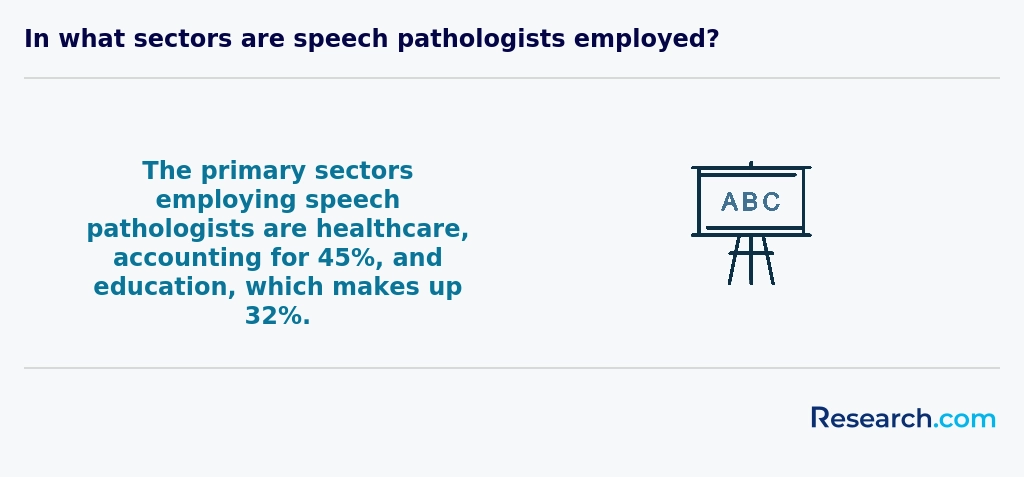
Graduates from Minnesota's well-regarded speech pathology programs often find rewarding career paths that extend beyond the classroom. Whether working in bustling public schools or progressive healthcare facilities, graduates describe feeling fulfilled by making a direct impact on children and adults facing communication challenges. Programs at notable colleges in the state prepare students for diverse roles, fueling a bright Minnesota speech pathology job outlook.
Many enjoy starting as school-based speech-language pathologists, collaborating closely with teachers and families to support children's growth. Others thrive in hospitals or rehabilitation centers, helping patients regain their voices after strokes or surgeries. The variety of careers reflects the evolving needs across Minnesota, where speech pathologists can advance into specialties like pediatric feeding or cognitive-communication disorders.
Those inspired to create their own path often open private practices, building meaningful relationships with their communities. Minnesota graduates also explore certificates that make good money, boosting their credentials and expanding their impact in research, audiology, or education fields. For anyone passionate about communication sciences, speech pathology career opportunities in Minnesota offer a vibrant, hopeful future.
What is the job market for speech pathology degree in Minnesota?
The speech pathology job outlook Minnesota graduates face is incredibly encouraging, especially for those completing programs at well-known institutions such as the University of Minnesota or St. Catherine University. Graduates often share inspiring stories about landing fulfilling roles in public schools or healthcare settings, where they make a genuine difference in children's and adults' communication abilities. Employers in Minnesota actively seek skilled professionals due to legal mandates and an aging population, creating a stable landscape for new clinicians.
Employment opportunities extend into hospitals, rehabilitation centers, and nursing homes, reflecting the state's commitment to quality care. With a median salary exceeding the national average, many graduates feel motivated to pursue their passion knowing their expertise is valued and rewarded. Those navigating uncertainties about education costs often explore flexible options, including online paths, like those at online open enrollment college, which complement Minnesota's strong market.
For anyone considering a career in speech therapy, Minnesota offers a vibrant job market full of promise and rewarding experiences, underscored by the positive Minnesota speech therapist employment opportunities available statewide.
Frequently Asked Questions About speech pathology
Speech pathology students in Minnesota can maximize their learning by engaging actively in both academic and clinical experiences. Universities like the University of Minnesota emphasize hands-on practicum hours, which are essential to meet the American Speech-Language-Hearing Association (ASHA) certification standards. Students should seek diverse clinical placements in hospitals, schools, and rehabilitation centers across Minnesota to gain broad exposure.
Additionally, joining local professional groups such as the Minnesota Speech-Language-Hearing Association offers networking and continuing education opportunities. Utilizing state resources, like the Minnesota Department of Education's data on school-based speech pathology needs, can help students align their training with regional demand, which is projected to grow by over 12% through 2030 according to the Bureau of Labor Statistics.
Leveraging research projects and staying updated on Minnesota-specific speech and hearing health trends also supports a well-rounded education.
Emerging niches within the speech pathology field in Minnesota reflect broader national trends, with growing demand in areas like telepractice, pediatric feeding disorders, and neurological rehabilitation. Telepractice, or remote speech therapy, has expanded significantly since the COVID-19 pandemic, providing services to rural and underserved communities across Minnesota. According to the Minnesota Department of Health, this approach improves access to care where traditional clinics may not be available.
Another niche gaining attention is pediatric feeding and swallowing disorders, driven by advances in early detection and intervention. Additionally, speech pathologists specializing in neurological disorders, such as stroke or traumatic brain injury rehabilitation, find increasing opportunities as Minnesota's aging population grows. These focused areas require specialized training but offer meaningful career paths within the state's healthcare system.
After completing a speech pathology degree in Minnesota, preparing for the job market involves several key steps. First, obtaining the Certificate of Clinical Competence in Speech-Language Pathology (CCC-SLP) from the American Speech-Language-Hearing Association (ASHA) is essential for most jobs. This requires completing a clinical fellowship and passing the national exam.
Next, consider applying for state licensure through the Minnesota Board of Speech-Language Pathology, which is mandatory for practicing within the state. Networking with local healthcare facilities and school districts can provide valuable job leads.
According to the U.S. Bureau of Labor Statistics, Minnesota's employment of speech-language pathologists is expected to grow about 12% through 2031, reflecting strong demand, especially in schools and healthcare.
Continuing education and professional development also improve employability and salary prospects in this competitive field.
Employers in Minnesota prioritize several key skills when hiring speech pathology degree graduates. Communication skills are essential, as professionals must effectively interact with patients of all ages and backgrounds. Clinical expertise, including experience with assessment and treatment techniques, is highly valued, often gained through supervised practicum hours required by accreditation bodies like the American Speech-Language-Hearing Association (ASHA).
Interpersonal skills such as empathy and patience are critical for working with clients facing speech and language challenges. Additionally, problem-solving abilities help clinicians adapt therapy plans to individual needs. According to the Minnesota Department of Employment and Economic Development, demand for licensed speech-language pathologists in the state is expected to grow by 15% over the next decade.
Finding internships in Minnesota relevant to a speech pathology degree involves several practical steps. Students should begin by contacting their college's speech-language pathology department for guidance-they often maintain partnerships with local clinics and schools.
Many internships are available through healthcare facilities, public schools, and rehabilitation centers across Minnesota. According to the Minnesota Speech-Language-Hearing Association, internship placements are essential for licensure and certification.
Utilizing the American Speech-Language-Hearing Association's (ASHA) online database can also help identify approved clinical sites in Minnesota. Early communication and proactive networking during academic programs significantly increase internship opportunities.
Additionally, the University of Minnesota and other local universities frequently list internships tailored for speech pathology students, providing valuable hands-on experience within the state.
A speech pathology degree in Minnesota significantly enhances career mobility and advancement opportunities within the state. Graduates meet the educational requirements necessary for licensure by the Minnesota Speech-Language-Hearing Association and the American Speech-Language-Hearing Association (ASHA), which is essential for clinical practice and professional recognition.
According to the Minnesota Department of Employment and Economic Development, employment of speech-language pathologists in the state is projected to grow by 15% from 2022 to 2032, indicating strong demand for qualified professionals.
Holding a degree also qualifies individuals for specialized roles in schools, healthcare facilities, and private practices, often leading to higher salaries and leadership positions. Advanced degrees may unlock supervisory and research career paths, further improving advancement prospects.
Studying for a speech pathology degree in Minnesota offers strong preparation for interdisciplinary roles, a crucial aspect of contemporary healthcare. Programs in the state emphasize collaboration with professionals in fields like education, audiology, occupational therapy, and nursing. This approach reflects Minnesota's integrated healthcare model, promoting comprehensive patient care.
Students gain hands-on experience through clinical placements in diverse settings such as hospitals, schools, and rehabilitation centers. According to the Minnesota Department of Health, over 60% of speech-language pathologists in the state participate in interdisciplinary teams, highlighting the demand for collaborative skills.
Additionally, Minnesota's accredited programs foster communication and teamwork abilities, equipping graduates to navigate complex cases alongside other specialists effectively.
When choosing between a thesis and a non-thesis speech pathology degree program in Minnesota, consider your career goals first. Thesis programs emphasize research skills, ideal for students planning to pursue a PhD or work in academic and clinical research settings. Non-thesis programs often focus more on practical clinical training, which suits those aiming to enter the workforce quickly as licensed speech-language pathologists.
According to the American Speech-Language-Hearing Association (ASHA), many Minnesota programs require clinical hours integrated into both options, but thesis students spend additional time conducting original research. Public universities like the University of Minnesota offer both paths with different credit requirements, typically 60-70 credits total.
Financial and time commitments should also influence your choice; thesis programs may extend study duration due to research demands. Evaluating program outcomes and alumni career paths can provide further clarity.
Students in Minnesota interested in studying speech pathology abroad have several pathways to consider, although options directly linked to U.S. accredited programs remain limited. Typically, students enroll in a Minnesota-based accredited program first, then pursue study abroad opportunities through exchange agreements or clinical practicums.
The American Speech-Language-Hearing Association (ASHA) recognizes degrees that meet U.S. standards, so students should confirm international programs' accreditation and compatibility with ASHA certification requirements.
Some Minnesota universities with speech pathology programs offer short-term international internships or research options, providing exposure to global practices without changing degree location.
Financially, many study-abroad programs require additional budgeting; Minnesota's state funding rarely covers overseas study directly.
Students pursuing speech pathology degrees in Minnesota can benefit from several part-time job opportunities that complement their academic training. Common roles include working as speech-language pathology aides or assistants, which provide hands-on experience supporting licensed clinicians. These positions help students develop practical skills in assessment and therapy techniques.
Additionally, part-time jobs in schools or healthcare facilities often allow students to observe therapy sessions, enhancing their understanding of diverse client needs. According to the Minnesota Department of Employment and Economic Development, healthcare support roles in the state are expected to grow by 15% between 2022 and 2032, indicating expanding opportunities for students.
Volunteering or working in community centers that focus on speech and hearing services can also enrich a student's practical knowledge while fitting a flexible schedule. Such experiences strengthen resumes and improve employability after graduation.
Speech pathology students in Minnesota benefit from multiple networking opportunities through university programs and statewide professional organizations. The Minnesota Speech-Language-Hearing Association (MSHA) offers student memberships, local events, and annual conferences that connect students with licensed clinicians and researchers. These gatherings provide chances to engage in workshops, mentorship programs, and job fairs.
University-based groups at institutions like the University of Minnesota also facilitate peer networking and collaborations with local clinics and hospitals. According to MSHA, over 70% of speech pathology students in Minnesota participate in such extracurricular activities, enhancing practical experience and professional contacts.
Alumni networks play a significant role in supporting speech pathology students in Minnesota. Graduates from speech pathology programs often connect through these networks to share job opportunities, especially since the state has a growing demand for speech-language pathologists, with the Minnesota Department of Employment projecting a 10% increase in related roles by 2030.
These networks provide valuable mentorship, helping current students navigate clinical placements and licensure requirements. Many alumni offer guidance on preparing for the Praxis exam, essential for certification in Minnesota.
Furthermore, alumni connections can facilitate professional development by sharing local workshop details and industry insights, helping students stay updated with Minnesota-specific healthcare regulations and educational standards.
Customizing a speech pathology degree program in Minnesota involves selecting coursework and clinical experiences aligned with your career goals. Many programs offer specialized electives, such as pediatric, geriatric, or bilingual speech therapy, allowing students to focus on populations they wish to serve.
Additionally, Minnesota's universities often provide partnerships with local clinics and schools, enabling students to gain hands-on experience in diverse settings. This real-world training can be tailored to specific interests like school-based therapy or medical speech pathology.
The Minnesota Department of Employment and Economic Development reports steady growth in demand for licensed speech-language pathologists, highlighting the benefit of experiential learning in high-need areas. Engaging with faculty advisors early helps in planning a pathway that matches your intended career.
Speech pathology students in Minnesota commonly face several challenges during their studies. One major difficulty is managing the rigorous coursework combined with extensive clinical practicum requirements. According to the American Speech-Language-Hearing Association, students must complete at least 400 clock hours of supervised clinical experience, which can be demanding to balance alongside academic responsibilities.
Another challenge is the competitive nature of clinical placements within Minnesota's diverse healthcare settings, including schools, hospitals, and rehabilitation centers. Limited availability can cause scheduling conflicts and stress.
Additionally, students often grapple with the financial burden of tuition and associated costs, as Minnesota's average graduate tuition for speech pathology is above the national median. Access to scholarships and financial aid varies considerably across institutions.
With a speech pathology degree in Minnesota, graduates can pursue several key professional certifications to enhance their careers. The primary credential is the Certificate of Clinical Competence in Speech-Language Pathology (CCC-SLP) awarded by the American Speech-Language-Hearing Association (ASHA). This certification is widely recognized and often required for employment.
In addition, Minnesota requires licensure from the Minnesota Board of Medical Practice to work as a speech-language pathologist in the state. This license ensures compliance with state-specific regulations and professional standards.
Some professionals may also seek certifications in specialties such as pediatric speech therapy or fluency disorders to broaden their expertise and marketability.
Writing a winning application for a speech pathology program in Minnesota requires careful preparation and attention to detail. Start by ensuring you meet the minimum requirements, such as a bachelor's degree in communication sciences or a related field. Highlight relevant coursework, volunteer work, or clinical experience to demonstrate your commitment.
Most Minnesota programs ask for a personal statement; use this to clearly explain your passion for speech pathology and your career goals. Additionally, strong letters of recommendation from professors or speech-language pathologists can significantly boost your application.
Prepare for and submit your GRE scores if required-some schools waive this for exceptional candidates. Finally, research the specific program's prerequisites and admission statistics, such as those published by the American Speech-Language-Hearing Association (ASHA), to tailor your application effectively.
Speech pathology is a growing profession worldwide, valued for its role in improving communication and quality of life. In the United States, including Minnesota, demand for speech-language pathologists (SLPs) is projected to grow 21% from 2021 to 2031, much faster than average, according to the U.S. Bureau of Labor Statistics.
Globally, speech pathology careers vary in scope and training requirements, but the U.S. model-focusing on a master's degree and certification-sets a high standard. Minnesota offers reputable programs accredited by the Council on Academic Accreditation, ensuring graduates meet rigorous professional benchmarks.
Internationally trained SLPs often seek U.S. certification to work here, reflecting the country's leadership in evidence-based practice and clinical standards. This global recognition supports career mobility and professional growth for Minnesota graduates.
Gaining practical experience while studying for a speech pathology degree in Minnesota is vital for career readiness. Most accredited programs in the state include supervised clinical practica, allowing students to work directly with clients under licensed speech-language pathologists. These hands-on experiences often take place in schools, hospitals, or rehabilitation centers.
Students may also participate in internships coordinated through their universities, providing exposure to diverse patient populations and communication disorders. According to the American Speech-Language-Hearing Association, Minnesota offers numerous community clinics and healthcare facilities for practicum placements. This real-world training prepares students for the required Clinical Fellowship Year after graduation, essential for state licensure and certification.
Choosing the right concentration within a speech pathology degree in Minnesota involves understanding your career goals and the needs of the local community. Many programs offer specializations such as pediatric, adult neurogenic, or multilingual speech disorders. Reviewing Minnesota job market data shows rising demand for clinicians skilled in treating adults with stroke or dementia, reflecting an aging population.
Students should consider their interests alongside licensure requirements set by the Minnesota Board of Psychology, which regulates speech-language pathology. Academic advisors can help align your concentration with Clinical Fellowship Year opportunities required for certification.
Researching program faculty expertise and regional clinical placements enhances your practical experience and career readiness. The American Speech-Language-Hearing Association (ASHA) provides resources specific to Minnesota's speech pathology landscape.
Related Speech Pathology Rankings for Nearby States
- 2027 Most Popular Speech Pathology Degree Programs Ranking in Illinois
- 2027 Most Popular Speech Pathology Degree Programs Ranking in Missouri
- 2027 Most Popular Speech Pathology Degree Programs Ranking in Michigan
- 2027 Most Popular Speech Pathology Degree Programs Ranking in Kansas
- 2027 Most Popular Speech Pathology Degree Programs Ranking in Indiana
- 2027 Most Popular Speech Pathology Degree Programs Ranking in Ohio
- 2027 Most Popular Speech Pathology Degree Programs Ranking in Colorado
- 2027 Most Popular Speech Pathology Degree Programs Ranking in Kentucky
- 2027 Most Popular Speech Pathology Degree Programs Ranking in Oklahoma
- 2027 Most Popular Speech Pathology Degree Programs Ranking in Arkansas
Top Trending Speech Pathology Rankings
See What Experts Have To Say About Studying Speech Pathology
Read our interview with Speech Pathology experts

References
- Speech Language Pathology in 2026: Trends Clinicians Need to Watch - Lighthouse Therapy https://lighthouse-therapy.com/speech-language-pathology-in-2026-trends-clinicians-need-to-watch/
- Minnesota SLP Programs https://speechpathologymastersprograms.com/speech-pathology-programs/minnesota/
- Speech-Language Pathology: A Career for Individuals Who Want to Work with Young Children https://www.mefa.org/article/speechlanguage-pathology-a-career-for-individuals-who-want-to-work-with-young-children/
- Best Guide for Speech Pathology Degrees https://www.speechpathologydegrees.com/
- 182 Institutions offering Speech Therapy Courses Abroad https://www.hotcoursesabroad.com/study/training-degrees/international/speech-therapy-courses/cgory/pj.3-4/sin/ct/programs.html
- Individualized Education Program Services - Speech and Language Pathology and Audiology https://www.dhs.state.mn.us/dhs16_188592/
- Speech-Language Pathologist and Audiologist Licensing https://www.health.state.mn.us/facilities/providers/slpa/index.html
- The 10 Biggest Challenges of Being a Speech Pathologist https://www.friendshipcircle.org/blog/2014/03/03/the-10-biggest-challenges-of-being-a-speech-pathologist
- Eligibility and Requirements https://www.kumc.edu/school-of-health-professions/academics/departments/hearing-and-speech/academics/speech-language-pathology-degrees/master-of-arts-in-speech-language-pathology-(m.a.slp)/eligibility-and-requirements.html
- 10+ Minnesota Speech-Language Pathology (SLP) Degrees https://onlinespeechpathologyprograms.org/minnesota/


