2027 Most Popular Speech Pathology Degree Programs Ranking in Tennessee

Co-Founder and Chief Data Scientist
Choosing the right speech pathology degree program can shape your future in meaningful ways. Our 2027 Most Popular Speech Pathology Degree Programs Ranking in Tennessee offers clear guidance to help you explore the best options available.
Developed by the Research.com team of expert data scientists, this ranking uses reliable data to show which programs stand out, making your decision easier and more confident.
Whether you're just starting or considering a change, this article highlights valuable information to support your journey toward a rewarding career in speech pathology.
Key benefits of getting speech pathology degree in Tennessee
- Salary benefits: Graduates with a speech pathology degree in Tennessee can expect rewarding salaries such as $96,790 annually for speech therapists and $47,010 for speech-language pathology assistants, providing financial stability and growth.
- Diverse career paths: Many graduates from Tennessee universities pursue exciting roles beyond therapy, including community outreach coordination, where salaries also reach $96,790, allowing flexibility in job choice and impact.
- Online degree advantages: Earning a speech pathology degree online offers convenience and balance, letting students from Tennessee manage work and study effectively, opening doors to the same in-demand careers without relocating.
- Key benefits of getting speech pathology degree in Tennessee
- What can I expect from speech pathology degree in Tennessee?
- Where can I work with speech pathology degree in Tennessee?
- How much can I make with speech pathology degree in Tennessee?
- 2027 Most Popular Speech Pathology Degree Programs Ranking in Tennessee
- Key Findings
- How long does it take to complete speech pathology degree in Tennessee?
- Certification and Licensure Requirements in Tennessee
- What's the difference between online and on-campus speech pathology degree?
- Most Affordable Speech Pathology Programs in Tennessee
- What is the average cost of speech pathology degree in Tennessee?
- Licensure and Certification Requirements in Tennessee
- What financial aid is available to speech pathology degree students in Tennessee?
- Typical Courses in Speech Pathology Programs in Tennessee
- What are the prerequisites for enrolling in speech pathology degree program in Tennessee?
- Licensure and Certification Requirements in Tennessee
- What courses are typically in speech pathology degree programs in Tennessee?
- What types of specializations are available in speech pathology degree programs in Tennessee?
- How do you choose the best speech pathology degree in Tennessee?
- What career paths are available for speech pathology degree students in Tennessee?
- What is the job market for speech pathology degree in Tennessee?
- Related Speech Pathology Rankings for Nearby States
- Top Trending Speech Pathology Rankings
- See What Experts Have To Say About Studying Speech Pathology
What can I expect from speech pathology degree in Tennessee?
When considering the cost of a speech pathology degree in Tennessee, most students find that tuition for a master's program ranges from approximately $20,000 to $40,000 for the entire course of study, depending on whether they attend public institutions like the University of Tennessee or private colleges. Graduates often reflect on how this investment feels worthwhile given the comprehensive clinical training and faculty support they received, which prepared them well for real-world challenges.
Many recall early mornings spent in speech labs practicing with clients under supervision, experiences that deeply enriched their learning beyond textbooks. The balance of academic coursework and hands-on clinical practicum allows students to build confidence and competence simultaneously, which alumni often describe as a rewarding and motivating journey.
Though financial aid and scholarships are common, budgeting for additional costs such as clinical materials, exam fees, and the required year-long clinical fellowship after graduation is necessary. Still, these expenses are frequently seen as stepping stones toward a fulfilling career helping diverse patients across Tennessee.
Where can I work with speech pathology degree in Tennessee?
Graduates from speech pathology programs at universities like the University of Tennessee or Belmont University often find rewarding careers in healthcare settings such as hospitals and rehabilitation centers, where they support patients recovering from strokes or surgeries. Many speak fondly of the fulfilling experiences they've had helping individuals regain their voice and communication abilities during these critical times.
Others have embraced roles in public K-12 schools, addressing speech and language challenges among children. These graduates highlight the deep satisfaction in collaborating with teachers and families to create individualized education programs, witnessing steady progress in students' communication skills. The consistent demand across Tennessee schools makes this a stable and meaningful path.
Private practice and outpatient clinics appeal to those valuing flexibility, a sentiment shared by several alumni who appreciate crafting personalized treatment plans for clients of all ages. Early intervention programs, like Tennessee's First Steps, also provide unique opportunities to work closely with toddlers, offering a chance to make a tangible impact early in life.
Some graduates take pride in academic roles, teaching and mentoring future speech pathologists. Their stories reflect a strong connection to their alma maters and a passion for advancing the field both clinically and through research.
How much can I make with speech pathology degree in Tennessee?
Graduates from speech pathology programs at respected Tennessee institutions like the University of Tennessee and Belmont University often find themselves entering the workforce with competitive salary prospects. Entry-level speech-language pathologists typically earn around $55,000 to $65,000 annually, reflecting data from both the U.S. Bureau of Labor Statistics and real-world reports from new professionals.
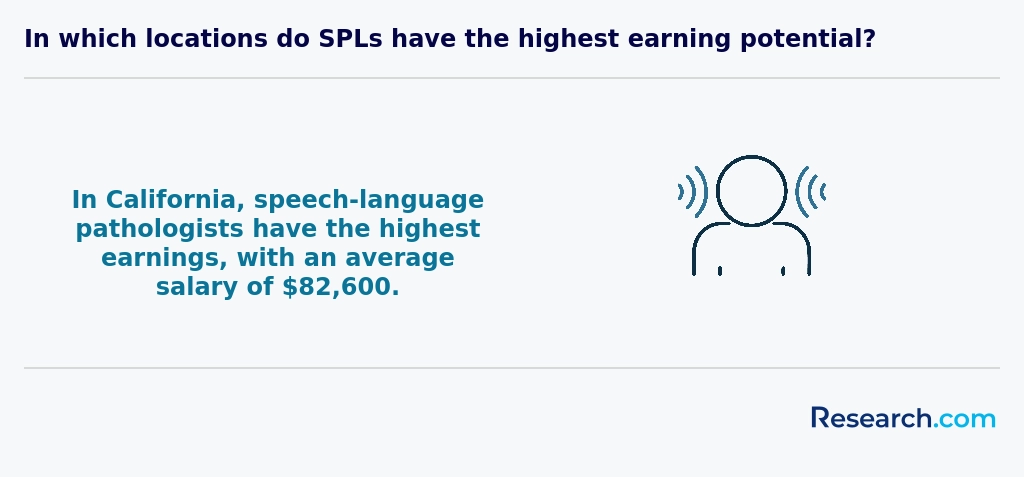
For those stepping into roles such as Speech-Language Pathologists, Tennessee's average annual wage hovers near $72,000, slightly below the national mean of approximately $85,000. However, graduates who advance into specialized or managerial positions, or who hold certifications like the ASHA's Certificate of Clinical Competence, can expect to see this figure rise to $80,000 or beyond.
In parallel, positions such as Speech-Language Pathology Assistants in Tennessee come with a mean salary near $47,000, offering a valuable starting point for many careers in this field. The steady growth in demand for speech-language pathology services across the state suggests these earning potentials will continue to improve, encouraging graduates to invest deeply in their education and certifications within renowned Tennessee programs.
2027 Most Popular Speech Pathology Degree Programs Ranking in Tennessee
How do we rank schools?
Investing in your education is a significant decision that can shape your future, and the Research.com team recognizes the importance of making well-informed choices. To support aspiring speech pathologists in Tennessee, we have carefully developed the "2027 Most Popular Speech Pathology Degree Programs Ranking in Tennessee." Our dedication to quality, credibility, and accuracy is evident in the thorough research and analysis behind this ranking.
We utilized the following reputable data sources to ensure a comprehensive evaluation of speech pathology programs:
By consulting this ranking, readers will gain valuable insights into the top speech pathology degree programs in Tennessee, enabling them to make confident and informed decisions about their academic futures. For a detailed overview of our approach, please visit our Research.com methodology page.


# 8 position
Tennessee State University
Master of Science (M.S.) in Speech and Hearing Science, concentration in Speech-Language Pathology


Key Findings
- Speech pathology degrees in Tennessee are available at bachelor's and master's levels, but a master's degree is required for certification.
- Tuition for a master's program in Tennessee ranges from $15,000 to $30,000 at public universities and can exceed $40,000 at private schools, not including other expenses.
- Entry-level salaries for speech-language pathologists average around $60,000 per year, with mid-career professionals earning over $80,000 annually.
- There is growing demand for speech pathology professionals in Tennessee due to an aging population and expanding healthcare services.
- Licensure requires completing an accredited master's program, passing the Praxis Examination, and completing supervised clinical hours as mandated by Tennessee regulations.
How long does it take to complete speech pathology degree in Tennessee?
Completing a speech pathology degree in Tennessee takes dedication and careful planning, typically spanning around seven years. Most students begin with a four-year undergraduate degree, often at local institutions, before advancing to a master's program. For example, graduates from Middle Tennessee State University or the University of Tennessee often reflect on their intense but rewarding two-year master's studies, where academic coursework blends seamlessly with clinical practicum experiences. These real-world training opportunities bring classroom concepts to life, fostering confidence and meaningful connection with future clients.
Beyond the classroom, the journey continues with a Clinical Fellowship Year, lasting 9 to 12 months. Many graduates describe this time as both challenging and fulfilling, as they apply their skills under expert supervision, gaining invaluable hands-on experience. This pathway, unique to speech pathology, deepens professional competence and readiness. Understanding this timeline helps aspiring SLPs in Tennessee set realistic goals and embrace the enriching journey toward making a profound difference in communication and lives.
Certification and Licensure Requirements in Tennessee
To practice as a speech-language pathologist in Tennessee, students must plan for both academic and post-graduate requirements. Because licensure rules can change, always confirm current details with the Tennessee Board of Communication Disorders and Sciences and your intended graduate program.
- Graduate from a CAA-accredited master’s program, including at least 400 supervised clinical hours.
- Pass the Praxis® Examination in Speech-Language Pathology.
- Complete a one-year Clinical Fellowship Year (CFY) under ASHA guidelines.
- Submit an application and official transcripts to the Tennessee Board of Communication Disorders and Sciences.
- Maintain certification by earning 30 continuing education hours every three years.
When comparing programs, ask how each school documents clinical hours, prepares students for the Praxis, supports fellowship planning, and communicates licensure steps. Students budgeting for graduate study may also compare the costs of affordable speech pathology graduate programs in california for broader cost context.
What's the difference between online and on-campus speech pathology degree?
Choosing between online and on-campus speech pathology programs in Tennessee often comes down to lifestyle and learning style. Graduates from the University of Tennessee and other popular institutions reflect that online programs offer unmatched flexibility, ideal for balancing work and family commitments. They describe attending lectures remotely while still engaging deeply through virtual discussions. However, these students emphasize that in-person clinical practicums remain essential, requiring thoughtful planning to complete local supervised hours.
Conversely, those who chose on-campus paths at schools like Tennessee State University highlight the energy of face-to-face interactions with faculty and peers. This direct engagement often translates to faster feedback and a stronger network, which many find motivating during demanding coursework. Yet, they acknowledge added costs for housing and commuting, making budgeting crucial.
Both paths at Tennessee institutions share the core mission of preparing for certification, but the choice reflects personal priorities-be it flexibility or immersion in campus life-with each shaping a unique, rewarding professional journey.
Most Affordable Speech Pathology Programs in Tennessee
Affordability should be a major part of any speech pathology program search because graduate education, clinical requirements, exam costs, and living expenses can add up quickly. A lower-cost program can be a strong choice if it is accredited, supports licensure, provides quality clinical placements, and helps students prepare for the Praxis and CFY.
When comparing costs, look at total program expense rather than advertised tuition alone. Include university fees, books, supplies, clinical placement travel, background checks, immunizations, technology fees, exam costs, and the cost of living during full-time clinical training.
Students who want to reduce debt should review the most affordable speech pathology programs in Tennessee. This can help identify programs that balance cost with academic preparation, supervised clinical experience, and licensure readiness.
The best financial decision is not always the cheapest option. Choose a program that gives you a credible path to graduation, licensure, and employment without taking on unnecessary debt.
What is the average cost of speech pathology degree in Tennessee?
The average cost of a speech pathology degree in Tennessee reflects a balance between affordability and quality education, especially for those pursuing their studies at well-known institutions like the University of Tennessee or Tennessee State University. Graduates often share that for in-state students, the total tuition typically falls around $10,600, which makes it a reasonably accessible path for many aspiring clinicians. However, out-of-state students should prepare for higher expenses, with average costs rising toward $30,140. These figures align closely with the broader economic realities of obtaining a speech pathology degree tuition fees Tennessee, allowing students to plan their finances with clarity.
Many individuals recall how financial concerns initially felt daunting, but with dedicated scholarships and financial aid options, the burden became manageable. Those enrolled at private universities in Tennessee often face higher tuition, sometimes reaching up to $40,000 annually, yet they also benefit from more substantial support through scholarships and assistantships, balancing costs and opportunities.
Beyond tuition, graduates emphasize the importance of budgeting for additional expenses like clinical practicum fees, books, and living costs, which shape the complete financial picture when earning a speech pathology degree. For prospective students seeking guidance, exploring the most affordable speech pathology programs in Tennessee is a practical step toward making an informed decision. This careful research helps many look forward to their professional journey with confidence and enthusiasm.
Licensure and Certification Requirements in Tennessee
Licensure is essential if you plan to practice as a speech-language pathologist in Tennessee. Before choosing a program, confirm that it supports the academic and clinical requirements needed for state licensure and national certification pathways.
- Graduate from a CAA-ASHA–accredited master’s program in speech-language pathology.
- Complete at least 400 supervised clinical practicum hours covering pediatric, adult, and dysphagia populations.
- Pass the Praxis® Examination in Speech-Language Pathology with scores that meet or exceed the Tennessee Board of Communication Disorders & Sciences’ minimum requirement.
- Register for the Clinical Fellowship Year (CFY) through ASHA, during which you must accrue 1,260 hours of mentored professional experience.
- Submit a licensure application to the Tennessee Board of Communication Disorders & Sciences, including official transcripts, exam scores, and CFY verification.
Renewal and continuing education
- Licenses must be renewed biennially.
- SLPs are required to complete at least 30 professional development hours per renewal cycle, including workshops, conferences, and approved coursework.
- Activities must align with ASHA’s Continuing Education (CE) requirements and cover topics such as cultural competence, evidence-based practice, and new intervention techniques.
Students who want a faster route should still prioritize accreditation, clinical placement quality, and licensure alignment. Some of the best accelerated online speech pathology degree programs may help students complete academic requirements more efficiently, but accelerated study is only useful if it still prepares you for supervised hours, Praxis preparation, and the CFY.
What financial aid is available to speech pathology degree students in Tennessee?
Many speech pathology students in Tennessee, particularly those attending well-regarded programs at universities like the University of Tennessee or Vanderbilt, find financial aid indispensable in managing the steep costs of graduate study. Federal aid through FAFSA often becomes the first step, unlocking access to Pell Grants and subsidized loans, which can meaningfully ease tuition burdens without the stress of immediate repayment.
State-specific programs, such as those from the Tennessee Student Assistance Corporation (TSAC), also provide crucial support. Graduates reflect that meeting GPA and enrollment benchmarks for these grants feels attainable and rewarding, reinforcing their commitment to academic excellence. Knowing these opportunities exist adds reassuring stability throughout their studies.
Scholarships from organizations like the ASHA Foundation resonate deeply with students, offering recognition that goes beyond finances-fueling motivation to excel in both coursework and clinical practice. Many graduates recount how competitive awards helped cover professional development expenses, broadening their career horizons.
Finally, loan forgiveness options tied to serving in Tennessee's rural or underserved communities inspire a sense of purpose. Graduates who chose this route speak of tangible relief in debt combined with the pride of giving back locally, creating a fulfilling professional journey that balances financial sense with heartfelt service.
Typical Courses in Speech Pathology Programs in Tennessee
Speech pathology programs in Tennessee usually combine communication science, human anatomy, language development, assessment, intervention planning, research, and supervised clinical practice. The goal is to prepare students to evaluate and treat speech, language, voice, fluency, swallowing, and related communication disorders across age groups.
Common foundational courses include Anatomy and Physiology of Speech and Hearing, Phonetics, Language Development, and Communication Disorders. These courses help students understand how speech and hearing systems work, how communication develops, and how disorders are identified.
Graduate-level programs typically add applied coursework in Assessment and Intervention Techniques, Research Methods in Communication Sciences, and Augmentative and Alternative Communication (AAC). These subjects are especially important for students planning to work in schools, hospitals, rehabilitation centers, early intervention programs, or private practice.
Most programs also include clinical practicum experiences supervised by licensed professionals. These placements are where students begin applying classroom concepts to real clients, building skills in evaluation, treatment planning, documentation, ethics, and family or team communication.
Students who need more scheduling flexibility may compare blended or online options. For example, an slp program online can be useful for working adults or students outside major campus areas, but applicants should carefully confirm how clinical placements are arranged before enrolling.
Electives may include Pediatric Speech Pathology, Fluency Disorders, Voice and Resonance Disorders, dysphagia-related study, school-based practice, or adult neurogenic communication disorders. The best electives for you depend on whether you want to work primarily with children, adults, medical populations, or clients who use alternative communication supports.
What are the prerequisites for enrolling in speech pathology degree program in Tennessee?
Enrolling in a speech pathology degree program in Tennessee begins with earning a bachelor's degree, often in communication sciences and disorders or related fields like psychology or linguistics. Graduates from universities such as the University of Tennessee share how completing foundational courses in anatomy of speech, phonetics, and language development built their confidence for graduate study.
Maintaining a strong GPA, usually around 3.0 or higher, is crucial. Many students recall that competitive programs, especially at institutions like Middle Tennessee State University, often expect even higher academic performance to stand out. GRE scores remain important for some but are waived at a few schools, so it's wise to verify requirements early.
Hands-on experience is invaluable. Graduates often reflect on how completing 25 or more supervised observation hours at clinics or hospitals deepened their understanding and confirmed their passion for the field. Tennessee programs appreciate applicants who bring this practical insight, demonstrating genuine commitment beyond the classroom.
Finally, preparing thoughtful personal statements and securing strong recommendation letters were steps many found rewarding, helping admissions teams see their dedication and communication skills clearly. These prerequisites together create a solid foundation for success in Tennessee's speech pathology programs.
Licensure and Certification Requirements in Tennessee
To become a licensed Speech-Language Pathologist (SLP) in Tennessee, candidates generally move through four major stages: accredited graduate education, supervised clinical preparation, national examination, and post-graduate mentored practice.
First, candidates must earn a master’s degree from a CAA-ASHA-accredited program and complete a minimum of 400 supervised clinical practicum hours during graduate studies. These hours are important because they expose students to client evaluation, therapy planning, treatment delivery, documentation, and professional ethics.
After graduation, aspiring SLPs must pass the Praxis Examination in Speech-Language Pathology, administered by ETS, with a score meeting or exceeding ASHA’s national benchmark. Strong programs usually support Praxis readiness through comprehensive coursework, clinical case discussion, exam preparation resources, and faculty advising.
Candidates then complete a 36-week Clinical Fellowship Year (CFY) under the mentorship of an ASHA-certified SLP. During this period, fellows strengthen diagnostic and therapeutic skills while serving clients with different communication needs across schools, hospitals, clinics, rehabilitation centers, and other practice environments.
After the CFY, individuals apply to the Tennessee Department of Health for state licensure by submitting official transcripts, Praxis scores, and CFY verification. Maintaining licensure requires ongoing professional development: Tennessee mandates 30 contact hours of continuing education every two years, including at least three hours in ethics.
Many SLPs also pursue the Certificate of Clinical Competence (CCC-SLP) from ASHA because it can support mobility, employer recognition, and career advancement. If you are comparing cost and certification pathways beyond Tennessee, the 2025 Most Affordable Online Master's in Speech Pathology Degree Programs Ranking in the Midwest can provide additional context for budgeting graduate study.
What courses are typically in speech pathology degree programs in Tennessee?
Tennessee's speech pathology degree programs typically immerse students in a well-rounded curriculum that blends science with practical skill-building. Graduates from universities like the University of Tennessee or Belmont University often reflect on foundational courses such as Anatomy and Physiology of the Speech and Hearing Mechanism, which bring clarity to how the body supports communication. These courses transform abstract concepts into vivid understanding, making the mechanics of speech accessible and engaging.
Students also appreciate coursework in Language Development and Disorders or Fluency Disorders, where theory meets the real challenges faced by clients with stuttering or articulation issues. Audiology and Hearing Disorders classes, common in these programs, equip students to navigate the complex sensory aspects of communication.
The blend of Clinical Methods and supervised practicum comes alive at clinical sites attached to Tennessee institutions, allowing hands-on interaction that graduates recall as pivotal moments in their training. These experiences foster confidence, preparing students for diverse roles in schools, hospitals, or private practices across the state.
What types of specializations are available in speech pathology degree programs in Tennessee?
Speech pathology specializations in Tennessee offer rich and varied paths tailored to diverse communication disorders. Graduates from well-known institutions in Tennessee often highlight pediatric speech pathology as a deeply rewarding focus, working closely with children facing developmental language delays or childhood apraxia of speech in schools and clinics. Others find their passion in adult neurogenic speech pathology, where helping adults recover communication skills after strokes or brain injuries brings daily purpose and fulfillment.
Many students appreciate programs that include training in swallowing disorders (dysphagia), a specialization increasingly vital in hospitals and long-term care facilities. The hands-on clinical experiences provided by Tennessee's top colleges help build confidence for this challenging work. Voice disorders is another meaningful area, often attracting students drawn to supporting teachers, singers, and professionals who depend on vocal health. These specializations reflect the practical, dynamic nature of speech therapy degree focus areas Tennessee graduates cherish as they embark on their careers.
For those exploring flexible options, a popular slp program online also accommodates varied learning styles while maintaining these areas of focus, making advanced education accessible and specialized.
How do you choose the best speech pathology degree in Tennessee?
Choosing the best speech pathology degree in Tennessee means focusing on programs accredited by ASHA's Council on Academic Accreditation, as graduates from local universities often share how this foundation made their licensing journeys smoother. Many Tennessee students find that master's programs, especially those offered at public universities, balance cost and quality, making affordable speech pathology degrees Tennessee residents look for more attainable. Clinical practicum experiences often prove to be the most rewarding part-securing placements in nearby hospitals or schools lets students gain confidence before entering the workforce.
One graduate from a well-known Tennessee university recalled their excitement gaining hands-on skills, appreciating how the program's faculty, deeply involved in research and community work, provided both mentorship and networking opportunities. Flexible options, including part-time and online courses, helped others manage work and study. Those interested can explore best accelerated online speech pathology degree programs for faster entry into their careers, adapting learning to life's demands.
What career paths are available for speech pathology degree students in Tennessee?
Graduates of speech pathology programs in Tennessee often find a rich variety of opportunities that align with their passions and skills. Many begin their careers in healthcare settings such as hospitals and outpatient clinics, where they play a vital role in helping patients recover from communication and swallowing disorders. Those who studied at universities known for strong clinical training report a deep sense of fulfillment working alongside dedicated healthcare teams in these environments.
Another common path is entering the educational system. Speech pathology graduates frequently join public and private schools across Tennessee, collaborating closely with teachers and families to support children with speech and language challenges. This hands-on involvement in shaping young lives can be deeply rewarding and is a hallmark of speech pathology career opportunities in Tennessee. For those interested in innovation and discovery, research roles at academic institutions offer a chance to contribute to advancements in therapy techniques, often requiring further graduate study.
Private practice and telepractice also appeal to many graduates seeking flexibility and personalized client care, especially in rural areas. Considering tuition costs and career prospects, students often explore options like the 2025 Most Affordable Online Master's in Speech Pathology Degree Programs Ranking in the Midwest to find accessible paths to licensure and certification that unlock these fulfilling careers.
What is the job market for speech pathology degree in Tennessee?
The speech pathology job outlook Tennessee offers is encouraging, with consistent demand across diverse settings such as schools, hospitals, and private clinics. Graduates from well-known universities in the state often find rewarding roles helping children overcome speech delays or assisting adults recovering from neurological conditions. Many recall the sense of fulfillment when working in skilled nursing facilities, bridging communication gaps for elder care-experiences that underscore the practical importance of their training.
Employment opportunities for speech pathologists in Tennessee remain steady, partly due to an aging population and increased awareness of speech disorders. Although wages typically fall slightly below the national average, the cost of living balance makes this an attractive career path. Those studying at local institutions often benefit from connections to community clinics and schools, gaining hands-on experience that employers value.
Prospective students should explore costs carefully but can also consider colleges with accelerated programs that offer efficient routes to licensure and employment. Such programs provide an ideal blend of academic rigor and real-world readiness, making them a smart choice for anyone interested in speech pathology in Tennessee.
Frequently Asked Questions About speech pathology
Students pursuing speech pathology degrees in Tennessee can maximize their learning by engaging fully with both academic and clinical training components. Tennessee universities accredited by the Council on Academic Accreditation in Audiology and Speech-Language Pathology (CAA) ensure programs meet high standards, providing crucial clinical hours for hands-on experience. According to the American Speech-Language-Hearing Association (ASHA), acquiring at least 400 supervised clinical hours is essential for certification. Additionally, joining local professional organizations such as the Tennessee Speech-Language-Hearing Association (TSHA) offers networking, workshops, and mentorship opportunities. Leveraging campus resources and state-specific internships also enhances practical skills and job readiness in this growing field.
The speech pathology field is evolving with new specialized areas gaining prominence, especially in Tennessee. One emerging niche is telepractice, which uses technology to provide remote speech therapy services. This expansion is driven by increased access to broadband and a demand for services in rural areas, where approximately 15% of Tennesseans live, according to the U.S. Census Bureau.
Another growing area is working with aging populations. Tennessee's senior population is expected to grow by 25% over the next decade, increasing demand for speech therapists skilled in treating age-related communication disorders like aphasia and dysphagia.
Additionally, speech pathologists specializing in pediatric feeding and swallowing disorders are becoming more sought after due to increased awareness and early intervention initiatives statewide.
After completing a speech pathology degree in Tennessee, graduates should focus on obtaining their Certificate of Clinical Competence (CCC) from the American Speech-Language-Hearing Association (ASHA). This certification is essential for many employers and improves job prospects significantly.
It's important to complete a clinical fellowship year, which provides supervised real-world experience and is a requirement for state licensure. Tennessee requires speech-language pathologists to be licensed by the Tennessee Board of Communication Disorders and Sciences.
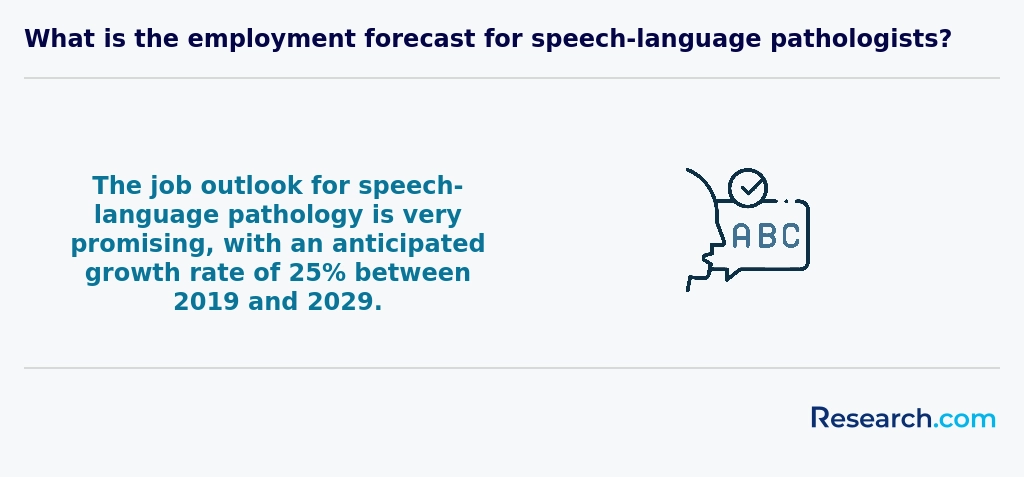
Job seekers can explore opportunities in hospitals, schools, rehabilitation centers, and private practices. According to the Bureau of Labor Statistics, Tennessee expects about 10% employment growth for speech pathologists between 2021 and 2031.
Networking through professional associations and attending local career fairs can also be beneficial.
Employers in Tennessee highly value certain skills in graduates with speech pathology degrees. Strong communication abilities are essential, allowing professionals to effectively work with diverse clients and interdisciplinary teams. According to the American Speech-Language-Hearing Association, critical thinking and problem-solving skills enable clinicians to create tailored therapy plans.
Technical proficiency, including familiarity with diagnostic tools and therapy techniques, is also crucial. Employers seek candidates knowledgeable about evidence-based practices and current research in the field. Additionally, cultural competence is increasingly important, given Tennessee's diverse population.
Soft skills like patience, empathy, and adaptability rank among the top attributes desired by healthcare facilities and schools across the state.
Finding internships in Tennessee related to speech pathology involves proactive research and networking. Many speech pathology programs require clinical internships as part of their curriculum, often facilitated by university partnerships with local hospitals, schools, and rehabilitation centers.
To begin, students should contact their speech pathology department's clinical coordinator for current internship listings and application guidelines. The Tennessee Speech-Language-Hearing Association (TSHA) is another valuable resource, offering connections to licensed professionals and internship opportunities across the state.
Additionally, exploring healthcare facilities in Tennessee cities like Nashville, Memphis, and Knoxville can uncover potential placement sites. According to the U.S. Bureau of Labor Statistics, Tennessee has around 720 speech-language pathologists, indicating a steady demand for practitioners in diverse healthcare and educational settings.
Early application and maintaining professional communication are key to securing competitive internships in this field.
A speech pathology degree significantly enhances career mobility and advancement opportunities in Tennessee. Graduates qualify for licensure and certification, which are essential to practice within the state. According to the Tennessee Board of Professional Speech-Language Pathologists and Audiologists, holding a degree from an accredited program is a mandatory requirement for licensure.
The growing demand for speech-language pathologists in Tennessee, with job growth expected at 14% from 2022 to 2032 (U.S. Bureau of Labor Statistics), creates more employment and promotion prospects. Higher education also opens doors to specialized roles, such as working with pediatric or geriatric populations, educational settings, or healthcare facilities.
Furthermore, advanced degrees, including master's and doctoral programs, often lead to higher salaries and leadership positions in clinical or academic environments. Institutions like the American Speech-Language-Hearing Association emphasize that specialization and experience gained during graduate study improve career advancement chances in this field.
Studying for a speech pathology degree in Tennessee equips students with skills essential for collaborative and interdisciplinary roles. Programs often emphasize working with professionals such as educators, psychologists, and occupational therapists to address diverse patient needs. This approach aligns with the American Speech-Language-Hearing Association's standards, promoting teamwork in clinical environments.
Tennessee's universities provide hands-on clinical experiences that expose students to various settings-schools, hospitals, and rehabilitation centers-where interdisciplinary cooperation is vital. According to the Tennessee Department of Health, speech-language pathologists must often coordinate care plans alongside other specialists to ensure comprehensive treatment.
Additionally, Tennessee's curriculum integrates evidence-based practices and communication techniques tailored for multidisciplinary teams, preparing graduates for effective collaboration in increasingly complex healthcare systems.
Choosing between a thesis and a non-thesis speech pathology degree program in Tennessee depends on your career goals and learning preferences. Thesis programs typically require original research, making them suitable if you plan to pursue a PhD or a research-oriented role.
Non-thesis programs focus on coursework and practical skills, ideal for students aiming to enter clinical practice quickly. According to the American Speech-Language-Hearing Association (ASHA), Tennessee enrolled over 200 graduate speech pathology students in 2023, with many opting for non-thesis tracks due to time constraints and licensing requirements.
Your decision should also consider faculty expertise, program duration, and funding opportunities. Carefully review Tennessee universities' official websites to compare curricula and expectations for both options.
Students based in Tennessee interested in studying speech pathology abroad have several pathways to consider. While Tennessee itself hosts reputable programs accredited by the American Speech-Language-Hearing Association (ASHA), studying overseas typically requires enrollment through exchange or study abroad agreements managed by home institutions.
Many students pursue semester-long programs in countries like the United Kingdom or Australia, where speech pathology follows comparable educational standards. Tennessee universities with strong speech pathology departments, such as the University of Tennessee, often facilitate connections with partner universities abroad. This helps ensure that credits earned overseas count toward degree requirements.
Since speech-language pathology licensure in the US demands ASHA certification and clinical hours, students should confirm that international coursework aligns with these requirements before committing. The Council on Academic Accreditation in Audiology and Speech-Language Pathology (CAA) sets specific curricula standards that may not be entirely matched abroad.
According to recent data from the Tennessee Higher Education Commission, about 15% of speech pathology students in the state participate in study abroad programs, usually within established university partnerships. Prospective students should consult their academic advisors early to explore eligible programs and ensure clinical training components are met during international study.
Students pursuing speech pathology degrees in Tennessee can benefit from various part-time jobs that enhance their academic and practical skills. Working as a speech therapy aide or assistant in clinics and schools provides hands-on experience supporting licensed speech-language pathologists. This role helps students understand client interactions and therapy planning.
Another opportunity is tutoring or mentoring peers, which develops communication skills essential for future clinicians. Additionally, positions in healthcare settings, such as rehabilitation centers, allow students to observe multidisciplinary care teams.
The Tennessee Department of Labor reports growing demand for speech pathology-related roles, making such jobs valuable for career development.
Speech pathology students in Tennessee benefit from several strong networking opportunities that can enhance their education and career prospects. Many universities offering speech pathology degrees, such as the University of Tennessee and Belmont University, have active student organizations affiliated with the American Speech-Language-Hearing Association (ASHA). These provide regular events, workshops, and conferences designed to connect students with licensed professionals and potential employers.
The Tennessee Speech-Language-Hearing Association also hosts annual conferences and regional meetings, serving as valuable platforms for students to meet experts, learn about industry trends, and explore clinical internships. Additionally, many clinical sites in Tennessee partner with academic programs, offering hands-on experiences that encourage networking through mentorship and professional relationships.
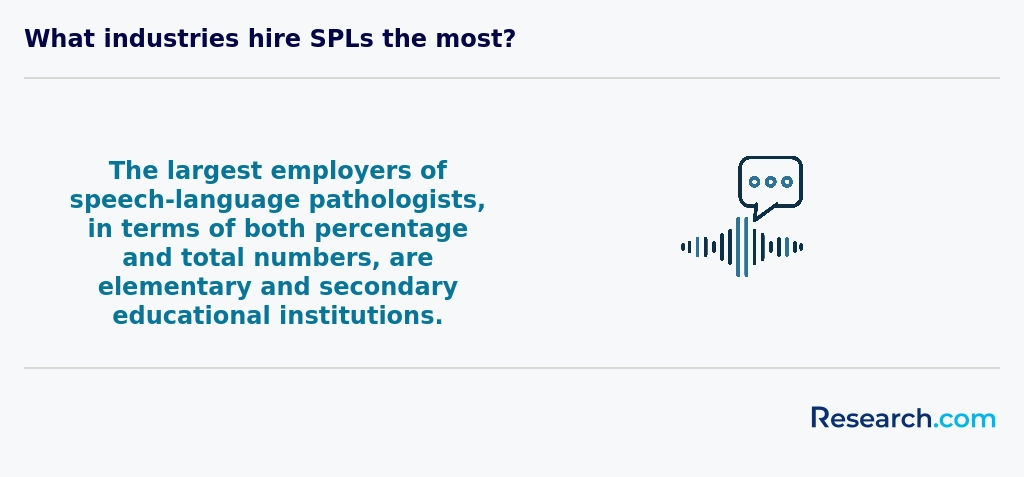
Alumni networks play a significant role for speech pathology degree students in Tennessee. These networks connect current students with graduates who have firsthand experience navigating the local job market. Given that 15% of speech-language pathologists in Tennessee work in healthcare settings and 40% in schools, alumni can provide targeted advice for these paths based on personal career progressions (Bureau of Labor Statistics, 2023).
Students gain mentorship opportunities, which can improve clinical practicum placements and professional growth. Networking events often lead to job referrals and internships in nearby hospitals, clinics, and school districts.
Moreover, alumni can offer guidance on Tennessee licensure requirements, which are essential for practicing speech pathology in the state. Access to a strong alumni community supports smoother transitions from education to employment, enhancing student success rates.
In Tennessee, customizing a speech pathology degree program generally involves selecting electives and clinical experiences that align with your career goals. Many universities offer options to focus on pediatric, geriatric, or neurological speech disorders, allowing students to tailor their training.
Graduate programs accredited by the Council on Academic Accreditation in Audiology and Speech-Language Pathology (CAA) ensure curricula meet national standards while providing flexibility in practicum placements. Students can often choose internships in varied settings, such as schools, hospitals, or private clinics across Tennessee.
Additionally, some programs incorporate research opportunities or dual-degree options, enabling deeper specialization. The Tennessee Department of Health reported a growing demand for speech-language pathologists, especially in rural regions, highlighting the value of targeted clinical training.
Speech pathology students in Tennessee often face significant challenges related to clinical experience requirements. The American Speech-Language-Hearing Association (ASHA) mandates at least 400 clinical hours, which can be difficult to balance alongside coursework and personal responsibilities.
Many students find limited availability of diverse practicum placements in rural areas of Tennessee, restricting exposure to varied speech disorders. According to the Tennessee Department of Health, this urban-rural divide affects skill development opportunities.
Financial concerns also pose barriers. Graduate programs can be costly, and access to scholarships or assistantships is competitive. Additionally, preparing for the national Praxis exam requires significant study time and resources.
With a speech pathology degree in Tennessee, you can pursue several key professional certifications that enhance career opportunities. The primary credential is the Certificate of Clinical Competence in Speech-Language Pathology (CCC-SLP), awarded by the American Speech-Language-Hearing Association (ASHA). It is widely recognized and often required for clinical practice.
Additionally, Tennessee requires licensure to practice as a speech-language pathologist, overseen by the Tennessee Board of Communication Disorders and Sciences. Maintaining this license requires continuing education.
Some professionals also pursue the Licensed Speech-Language Pathologist (L-SLP) designation specific to Tennessee, ensuring compliance with state regulations.
Several universities in Tennessee report above-average pass rates for the national praxis exam, reflecting strong preparation for certification.
Writing a winning application for a speech pathology program in Tennessee requires careful preparation and attention to detail. Most programs, including those accredited by the American Speech-Language-Hearing Association (ASHA), expect a strong academic record typically with a minimum GPA of 3.0 in undergraduate studies. Applicants should highlight relevant experience, such as volunteering or internships in clinical settings, which demonstrate commitment to the field.
The application often includes letters of recommendation. Choosing recommenders familiar with your academic ability and professional skills can strengthen your application. Additionally, a well-written personal statement explaining your motivation and career goals in speech pathology is crucial.
Standardized test scores are not always required but check each Tennessee school for current policies. According to Tennessee Board of Regents data, successful applicants often combine solid academics with practical experience to meet competitive program standards.
Speech pathology is a growing field worldwide, with increasing recognition of its importance in healthcare and education. In the United States, including Tennessee, demand for speech-language pathologists (SLPs) is rising due to aging populations and greater awareness of communication disorders. According to the U.S. Bureau of Labor Statistics, employment of SLPs is projected to grow 21% from 2021 to 2031, much faster than average.
Globally, speech pathology careers often require similar advanced degrees, such as a master's in speech-language pathology. However, licensure and certification requirements vary internationally. In Tennessee, gaining a degree accredited by the Council on Academic Accreditation (CAA) is essential for licensure and practice.
International perspectives highlight the need for cultural competence and adaptability in treating diverse populations, which Tennessee programs increasingly emphasize. Local universities frequently collaborate with global partners to align education standards with worldwide best practices, preparing graduates for potential international work or telepractice opportunities.
Gaining practical experience is essential when pursuing a speech pathology degree in Tennessee. Most accredited programs require clinical placements, allowing students to work with clients under supervision. These placements often occur in hospitals, schools, or rehabilitation centers, providing real-world exposure.
Tennessee institutions frequently collaborate with local healthcare facilities and public schools to offer internships. The Tennessee Speech-Language-Hearing Association (TSHA) supports students by facilitating networking and clinical opportunities.
Additionally, students must complete a supervised clinical fellowship after graduation to become licensed, which counts as extended practical experience. The Commission on Audiology and Speech-Language Pathology (CASLP) oversees licensure standards in Tennessee.
When choosing a concentration within a speech pathology degree program in Tennessee, consider your career goals and the populations you wish to serve. Common concentrations include pediatric, adult neurogenic, and voice disorders. Tennessee ranks among states with a growing demand for speech-language pathologists, projected to increase by 14% through 2028 according to the U.S. Bureau of Labor Statistics.
Evaluate programs based on clinical training opportunities in local healthcare facilities or schools. The Tennessee Speech-Language-Hearing Association (TSHA) often highlights programs with strong community engagement and licensure preparation. Review faculty expertise and available practicum sites to ensure relevant hands-on experience.
Accreditation by the Council on Academic Accreditation (CAA) is essential to meet certification requirements from the American Speech-Language-Hearing Association (ASHA), critical for Tennessee licensure.
Related Speech Pathology Rankings for Nearby States
- 2027 Most Popular Speech Pathology Degree Programs Ranking in Kentucky
- 2027 Most Popular Speech Pathology Degree Programs Ranking in Mississippi
- 2027 Most Popular Speech Pathology Degree Programs Ranking in Alabama
- 2027 Most Popular Speech Pathology Degree Programs Ranking in Georgia
- 2027 Most Popular Speech Pathology Degree Programs Ranking in Missouri
- 2027 Most Popular Speech Pathology Degree Programs Ranking in Arkansas
- 2027 Most Popular Speech Pathology Degree Programs Ranking in Indiana
- 2027 Most Popular Speech Pathology Degree Programs Ranking in South Carolina
- 2027 Most Popular Speech Pathology Degree Programs Ranking in Illinois
- 2027 Most Popular Speech Pathology Degree Programs Ranking in Ohio
Top Trending Speech Pathology Rankings
See What Experts Have To Say About Studying Speech Pathology
Read our interview with Speech Pathology experts

References
- Fellowship & Mentorship | Sol Speech Therapy https://www.solspeechtherapy.com/speechfellowshipmentorship
- Jobs available in Tennessee | The Stepping Stones Group https://jobs.thesteppingstonesgroup.com/jobs/locations/tennessee/292
- Navigating the Path to Becoming a Speech-Language Pathologist https://www.casrf.org/post/navigating-the-path-to-becoming-a-speech-language-pathologist
- Landing Your First Speech Pathology Job After Graduation: A https://www.healthcarelink.com.au/article/landing-your-first-speech-pathology-job-after-graduation-a-practical-guide-for-new-speechies/2087
- Careers in Speech & Language Pathology https://www.iona.edu/blog/speech-pathology-careers
- Speech Language Pathology in 2026: Trends Clinicians Need to Watch - Lighthouse Therapy https://lighthouse-therapy.com/speech-language-pathology-in-2026-trends-clinicians-need-to-watch/
- Speech Pathology Programs https://speechpathologymastersprograms.com/speech-pathology-programs/
- How To Choose an SLP Program: Seven Factors To Consider https://www.usa.edu/blog/how-to-choose-a-slp-program/
- Tennessee Speech Pathology Degrees https://www.speechpathologydegrees.com/st/tennessee
- Finding your niche in private practice - Dysphagia Cafe https://dysphagiacafe.com/finding-your-niche-in-private-practice/