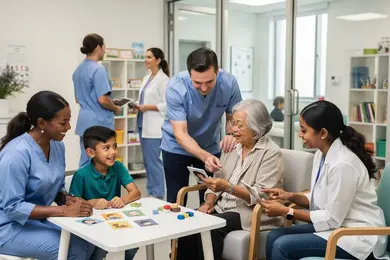
2027 Most Popular Speech Pathology Degree Programs Ranking in North Carolina

Co-Founder and Chief Data Scientist
Choosing the right speech pathology degree program in North Carolina can feel overwhelming, but we're here to help. This article introduces the 2027 Most Popular Speech Pathology Degree Programs Ranking in North Carolina, created by the Research.com team of data scientists.
Our goal is to provide clear, reliable information so you can confidently explore your options. A degree in speech pathology opens doors to a rewarding career helping others communicate and thrive.
Reading this ranking will guide you toward programs that suit your goals and inspire your passion for making a difference.
Key benefits of getting speech pathology degree in North Carolina
- Salary for speech pathology degree graduates: Graduates can expect careers such as Speech-Language Pathologists earning a mean annual wage of $96,790 or Speech-Language Pathology Assistants earning around $47,010, offering strong financial stability.
- Career paths overview: A typical graduate from a North Carolina university might work as a Speech Therapist, Clinical Research Coordinator, or Community Outreach Coordinator, showcasing a diverse range of rewarding opportunities in healthcare and community services.
- Benefits of online degrees: Earning a speech pathology degree online provides flexibility for busy students and allows working professionals from North Carolina to advance their careers without relocating or interrupting their schedules.
- Key benefits of getting speech pathology degree in North Carolina
- What can I expect from speech pathology degree in North Carolina?
- Where can I work with speech pathology degree in North Carolina?
- How much can I make with speech pathology degree in North Carolina?
- 2027 Most Popular Speech Pathology Degree Programs Ranking in North Carolina
- Key Findings
- How long does it take to complete speech pathology degree in North Carolina?
- Accreditation and Licensure in North Carolina
- What's the difference between online and on-campus speech pathology degree?
- Financial Assistance and Scholarship Opportunities for Speech Pathology Students
- What is the average cost of speech pathology degree in North Carolina?
- Licensure and Certification Requirements in North Carolina
- What financial aid is available to speech pathology degree students in North Carolina?
- Accelerated Online and Fast-Track Speech Pathology Programs
- What are the prerequisites for enrolling in speech pathology degree program in North Carolina?
- What courses are typically in speech pathology degree programs in North Carolina?
- What types of specializations are available in speech pathology degree programs in North Carolina?
- How do you choose the best speech pathology degree in North Carolina?
- What career paths are available for speech pathology degree students in North Carolina?
- What is the job market for speech pathology degree in North Carolina?
- Related Speech Pathology Rankings for Nearby States
- Top Trending Speech Pathology Rankings
- See What Experts Have To Say About Studying Speech Pathology
What can I expect from speech pathology degree in North Carolina?
The average cost of pursuing a speech pathology degree in North Carolina is often surprising when weighed against the value of the education and clinical experience gained. For graduate programs at public universities like the University of North Carolina at Chapel Hill or East Carolina University, in-state tuition typically averages around $8,500 per year. Many graduates recall how this investment felt manageable, especially when balanced with scholarships or assistantships that some programs offer exclusively for speech pathology students.
Imagine stepping into a busy clinical setting during your practicum, supported by faculty who understand both the academic and emotional challenges you face. Graduates frequently describe these experiences as transformational, making the tuition cost feel like an essential step toward a fulfilling career helping others communicate and connect.
The difference between public and private program tuition can be stark, but North Carolina's programs are thoughtfully designed to couple rigorous training with affordability, encouraging students to focus on growth rather than financial stress. This deliberate approach reflects in graduates' gratitude for the strong foundation built at these institutions, proving the value extends far beyond sticker price.
Where can I work with speech pathology degree in North Carolina?
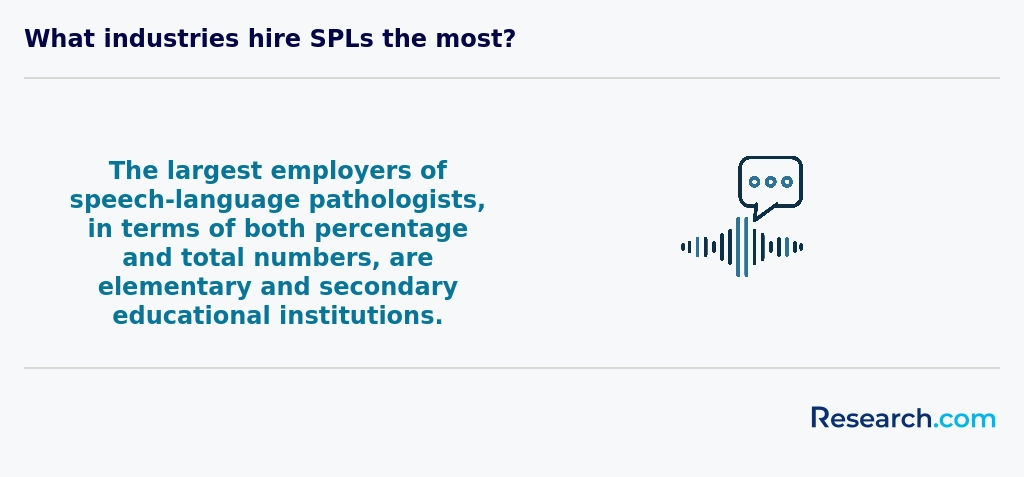
Graduates from speech pathology programs at institutions like the University of North Carolina at Chapel Hill or East Carolina University quickly discover that their degree opens doors far beyond traditional expectations. Many find themselves embedded in North Carolina's public schools, where over 2,500 speech-language pathologists support children from pre-kindergarten to high school, transforming young lives through direct intervention and advocacy. The energy and fulfillment from witnessing a child's first clear word or overcome a speech delay bring unmatched professional joy.
Others embrace the dynamic challenges of healthcare settings-hospitals, outpatient clinics, and nursing facilities-where they support patients recovering from strokes or brain injuries. Graduates often recount the deep satisfaction of assisting veterans at VA medical centers regain communication and swallowing functions, making strides that impact both body and spirit.
Private practice offers yet another compelling path, especially for those who crave flexibility and specialization in pediatric or voice therapy. The North Carolina Speech-Language-Hearing Association encourages such ventures, fueling a sense of entrepreneurial excitement. Far from limiting, a speech pathology degree in North Carolina cultivates diverse, meaningful careers grounded in real-world impact and personal connection.
How much can I make with speech pathology degree in North Carolina?
Graduates from speech pathology programs in North Carolina, such as those at the University of North Carolina or East Carolina University, often wonder, "How much can I really make?" The reality challenges many assumptions: entry-level roles like Speech-Language Pathology Assistants (SLPA) offer a mean annual wage around $47,010, earning about $22.60 an hour. This may feel modest but represents a solid start while gaining valuable field experience.
For those advancing to become certified Speech Therapists, earnings leap impressively. In North Carolina, the average annual wage reaches close to $75,000, though national data hints at even higher potential-up to $96,790 annually, or $46.54 per hour. Imagine the sense of accomplishment walking into a hospital or school setting, knowing your skills bring transformational impact and a meaningful paycheck.
Some graduates transition into roles such as Clinical or Community Outreach Coordinators, positions that not only utilize their speech pathology expertise but also yield salaries around $43,350 to $96,790 annually. These paths often surprise students expecting limited options, illustrating that a speech pathology degree opens doors to diverse and rewarding careers.
2027 Most Popular Speech Pathology Degree Programs Ranking in North Carolina
How do we rank schools?
Investing in your education is a significant decision that can shape your future, and the Research.com team understands the importance of making informed choices. To assist prospective students in North Carolina, we have meticulously crafted the "2027 Most Popular Speech Pathology Degree Programs Ranking." Our commitment to quality, credibility, and accuracy is reflected in the extensive research and analysis conducted to compile this ranking.
We utilized the following reputable data sources to ensure a comprehensive evaluation of speech pathology degree programs:
By exploring this ranking, readers will gain valuable insights into the most popular speech pathology programs in North Carolina, helping them make well-informed decisions about their education and career paths. For more details on our methodology, please visit our Research.com methodology page.
# 1 position
University of North Carolina at Chapel Hill
Master of Science in Speech and Hearing Sciences (MS-SLP)

# 2 position
East Carolina University
Master of Science in Communication Sciences & Disorders (Speech-Language Pathology Track)

# 4 position
Appalachian State University
Bachelor of Science in Communication Sciences and Disorders


# 7 position
Western Carolina University
Master of Science in Communication Sciences and Disorders (speech-language pathology)
# 8 position
North Carolina Central University
Master of Science (M.S.) education program in speech-language pathology (residential) / Communication Sciences and Disorders, M.S.

# 9 position
University of North Carolina at Greensboro
Bachelor of Science in Speech-Language Pathology

Key Findings
- Most students need a master's degree in speech-language pathology, which usually takes two years after a bachelor's degree.
- Tuition for public universities in North Carolina ranges from $10,000 to $18,000 per year for in-state students, while private schools can charge over $30,000 annually.
- Starting salaries for speech pathologists in North Carolina average around $60,000 per year, increasing to about $80,000 or more with experience.
- Licensure requires a master's degree, a clinical fellowship, and passing the national exam by the American Speech-Language-Hearing Association (ASHA).
- Accredited programs include clinical practicums and are verified by the Council on Academic Accreditation (CAA) to ensure eligibility for certification.
How long does it take to complete speech pathology degree in North Carolina?
In North Carolina, completing a speech pathology degree demands roughly six to seven years, blending academic rigor with real-world practice. Graduates from institutions like the University of North Carolina or East Carolina University often describe this journey as an intense but rewarding commitment. Earning a bachelor's degree typically takes four years, during which many students cultivate foundational skills and passion for the field. Following that, the master's degree adds another two to three years of focused study enriched by hands-on clinical experiences that bring classroom theories to life.
One graduate recalled how supervised clinical hours helped transform textbook knowledge into confident practice, a vital step for licensure by the state and national certification. Yet, the process extends beyond degrees-there's the Clinical Fellowship lasting nine to twelve months that truly cements skills in community and healthcare settings. This timeline may challenge those expecting quicker entry into the profession, but the layered learning ensures graduates leave prepared to make meaningful impacts in North Carolina's diverse therapeutic environments.
Accreditation and Licensure in North Carolina
Choosing a program with the right accreditation and understanding licensure steps ensures you’re eligible to practice upon graduation.
Accreditation Requirements
- Enroll in a master’s program accredited by ASHA’s Council on Academic Accreditation (CAA)
- Verify in-state recognition by the North Carolina Board of Examiners for Speech–Language Pathologists and Audiologists
Licensure Process
- Complete a CAA-accredited graduate program with at least 400 supervised clinical hours
- Pass the Praxis™ Speech-Language Pathology exam
- Finish a 9–12-month Clinical Fellowship Year (CFY) under a licensed supervisor
- Submit application, official transcripts, exam scores and CFY verification to the NC Board
- Maintain licensure through required continuing education every renewal cycle
For a broader cost comparison, explore affordable speech pathology graduate programs in florida.
What's the difference between online and on-campus speech pathology degree?
Choosing between online and on-campus speech pathology programs in North Carolina is about more than just location; it's about how you want to experience your education. Graduates from the University of North Carolina at Greensboro often mention the energy of in-person classes and the immediate access to campus speech labs, which foster spontaneous collaboration and mentorship moments that fuel their confidence. Meanwhile, those who opted for East Carolina University's online program highlight the freedom to balance work and family, finding satisfaction in customizing their study schedules without sacrificing the essential clinical hours, which they arrange locally.
Both paths demand completing hands-on clinical practicums approved by North Carolina's licensing board, ensuring real-world skills no matter where learning occurs. Yet, the choice shapes your day-to-day: one immerses you in a structured campus rhythm; the other invites self-driven flexibility. This decision often reflects personal priorities and learning styles rather than academic rigor, as both routes meet the same certification standards and prepare you for success in the field.
Financial Assistance and Scholarship Opportunities for Speech Pathology Students
. When considering a Speech Pathology degree in North Carolina, it's essential to explore the various financial assistance and scholarship opportunities available to support your educational journey. Many institutions, such as the University of North Carolina at Greensboro, offer scholarships specifically for Speech Pathology students, which can significantly reduce the financial burden of tuition. Additionally, external organizations provide scholarships and grants to students pursuing careers in speech-language pathology. To find more affordable options, you can also check out the most affordable speech pathology schools in North Carolina, which can help you make an informed decision about your education and career in this rewarding field.
What is the average cost of speech pathology degree in North Carolina?
The average cost of a speech pathology degree in North Carolina is surprisingly accessible, especially for in-state students. At public universities like the University of North Carolina at Greensboro and East Carolina University, graduates recall managing tuition fees around $7,500 annually, which aligns closely with the median in-state total cost of approximately $7,579. This affordability often brings a strong sense of relief and motivation to students pursuing their passion without accumulating overwhelming debt.
However, the experience can differ significantly for those attending private institutions such as Wake Forest University, where tuition frequently surpasses $25,000 per year. Despite this higher price tag, many graduates highlight the value of smaller class sizes and personalized mentorship, showing that cost isn't the sole factor in educational quality or satisfaction. These contrasting experiences help contextualize the average cost of speech pathology degree in North Carolina beyond just numbers.
Prospective students should factor in additional expenses beyond tuition. Books, clinical fees, insurance, and transportation all contribute to the total investment in their education journey. Still, many find the return on investment rewarding as they step into fulfilling careers. For those seeking budget-conscious options, exploring the most affordable speech pathology schools in North Carolina offers practical pathways to achieving their professional goals without compromising quality.

Licensure and Certification Requirements in North Carolina
To practice as a speech-language pathologist in North Carolina, you must obtain both ASHA certification and state licensure. Many accredited online slp programs meet these standards and streamline your path to certification.
- Earn a master’s degree from an ASHA-accredited program
- Complete at least 400 supervised clinical practicum hours
- Pass the Praxis® Examination in Speech-Language Pathology
- Finish a 36-week Clinical Fellowship (CF) under a licensed SLP mentor
- Apply for an SLP license through the North Carolina Board of Examiners for Speech–Language Pathologists and Audiologists
- Maintain certification with ongoing continuing education units (CEUs)
Meeting these requirements ensures you’re fully qualified to deliver safe, effective care and opens doors to diverse clinical, educational, and research roles across the state.
What financial aid is available to speech pathology degree students in North Carolina?
Financial aid for speech pathology students in North Carolina goes beyond simple tuition assistance, shaping entire educational journeys with opportunities often overlooked by many. Imagine a graduate from the University of North Carolina at Chapel Hill who balanced a demanding program while receiving a combination of Pell Grants and Direct Loans, easing financial pressure and allowing full focus on clinical skills. Federal aid through FAFSA unlocks grants up to $7,395 annually, often the lifeline for many graduate students, paired with subsidized and unsubsidized loans that provide manageable borrowing options.
At East Carolina University, scholars describe institutional scholarships as not just funds, but affirmations of their potential, fueling motivation through merit and diversity awards that recognize more than academics. The North Carolina State Education Assistance Authority enhances this with need-based scholarships and forgivable loans, compelling students to serve underserved communities post-graduation-transforming challenges into purposeful careers.
Professional associations, such as the American Speech-Language-Hearing Association, contribute vital scholarships that resonate deeply with local students, emphasizing connection and support. Many also find relief through graduate assistantships, combining hands-on experience with tuition remission, making the pursuit of a speech pathology degree feel both attainable and deeply rewarding.
Accelerated Online and Fast-Track Speech Pathology Programs
For students eager to enter the workforce more quickly, accelerated and online formats offer an efficient pathway without sacrificing quality. These programs typically condense core coursework into shorter semesters or year-round schedules, allowing completion in as little as 12–18 months compared to the traditional two-year master’s. Key features include intensive clinical practicums, flexible synchronous and asynchronous lectures, and streamlined admissions for applicants with strong academic backgrounds. Many accelerated tracks leverage cutting-edge simulations and virtual labs to replicate hands-on experience, ensuring compliance with ASHA’s 400-hour clinical requirement. When evaluating accelerated options, consider:
- Admission Criteria: Programs often require a minimum 3.2 GPA, prerequisite coursework in anatomy, phonetics, and linguistics, plus GRE scores or professional recommendations.
- Clinical Placement Support: Top programs partner with local clinics and schools to secure placements quickly, reducing delays between coursework and practicum.
- Residency Requirements: While fully online tracks exist, some accelerate formats may mandate brief on-campus intensives or regional workshops to hone assessment skills. Prospective applicants in North Carolina can explore a curated list of the Best Accelerated Online Speech Pathology Degree Programs to compare duration, tuition, and student outcomes. By choosing an accelerated online path, future speech-language pathologists can fast-track licensure eligibility and enter high-demand roles-such as school-based SLPs or hospital clinicians-sooner, maximizing both career momentum and return on educational investment.
What are the prerequisites for enrolling in speech pathology degree program in North Carolina?
Envision starting your journey at a speech pathology program in North Carolina, such as those at the University of North Carolina or East Carolina University. The prerequisites aren't just arbitrary hurdles; they are carefully designed to equip you for the complex world ahead. Beyond holding a high school diploma, you'll find that courses in biology, psychology, and communication aren't just recommended-they form the backbone of understanding human speech and language.
Graduates often recall the challenge-and excitement-of mastering anatomy and physiology of the speech and hearing systems. Some found that diving into linguistics or phonetics felt like decoding a new language, sparking a passion that propelled them forward. Statistics and research methods may seem daunting, but they offer vital skills for interpreting clinical data, crucial in real-world practice.
Many programs require GRE scores, yet several schools in North Carolina have started to recognize diverse talents by making these optional, reflecting evolving admissions philosophies. Letters of recommendation and personal statements offer a chance to reveal genuine motivation, transforming your application into a personal story of commitment and hope. This process makes students feel seen and valued beyond test scores, inspiring confidence as they step closer to their dream career.
What courses are typically in speech pathology degree programs in North Carolina?
Courses in speech pathology programs at institutions like the University of North Carolina or East Carolina University challenge students to go beyond textbook learning by immersing them in the complexities of human communication. Graduates often recall how foundational classes such as Introduction to Communication Disorders opened their eyes to the profound impact speech impairments have on everyday life, transforming their empathy and clinical insight.
Diving deeper, courses like Speech Sound Disorders and Language Development and Disorders push students to analyze real client cases, prompting them to consider how articulation or language delays affect not just communication but social connections and self-esteem.
Many students describe hands-on practicum experiences in North Carolina's diverse communities as eye-opening, where they applied Augmentative and Alternative Communication (AAC) strategies to help non-verbal individuals find their voice-a powerful reminder that speech pathology is as much about fostering hope as it is about science. These courses blend theory and empathy, preparing students not just to treat, but to truly understand.
What types of specializations are available in speech pathology degree programs in North Carolina?
Specializations in speech pathology degree programs in North Carolina challenge students to move beyond generic training and deeply engage with specific communication disorders. Graduates often reflect on how focusing on pediatric speech therapy or adult neurogenic communication disorders transformed their understanding of patient needs-from helping children overcome articulation challenges to aiding adults recovering speech after neurological events. This tailored learning happens in institutions like East Carolina University and the University of North Carolina at Chapel Hill, where clinical practicum placements expose students to diverse patient populations, reinforcing real-world skills.
Emerging areas such as swallowing and feeding disorders or fluency disorders tap into growing healthcare demands driven by North Carolina's demographic shifts. Students report a profound sense of fulfillment addressing voice disorders linked to medical conditions or vocal strain. These specialized tracks underscore the importance of targeted expertise in North Carolina speech therapy concentration options rather than a broad approach.
For students seeking a path that aligns with both passion and pragmatism, exploring the Best Accelerated Online Speech Pathology Degree Programs offers a glimpse into concentrated curricula designed for today's clinical realities.
How do you choose the best speech pathology degree in North Carolina?
Choosing the best speech pathology degree in North Carolina goes beyond simply finding a program with the right accreditation. Graduates from universities like UNC Chapel Hill often reflect on how hands-on clinical practicum shaped their confidence to work in diverse settings-from pediatric clinics to rehabilitation centers. It's not just about ticking boxes for the CAA accreditation, but about immersing yourself in experiences that truly prepare you for the unpredictable realities of speech therapy.
Cost is frequently the first filter, but focusing solely on affordability can overshadow a program's real value. Those who chose affordable speech pathology degrees North Carolina praise programs that balance tuition with robust faculty expertise and close connections to local hospitals, enhancing employment prospects right out of school. When weighing these factors, consider the median wage for speech-language pathologists in the state and how program length or part-time options can fit your lifestyle.
Reflect on program curriculum breadth. Graduates often highlight that exposure to both adult and pediatric populations, along with audiology basics, deepens their practical understanding. If you're looking for alternatives to traditional models, explore hybrid formats that don't compromise quality. For a focused look at cost-effective options, check out the Low Cost Speech Pathology Degree Programs Ranking in Cleveland, OH, which might broaden your perspective on affordability versus quality.
What career paths are available for speech pathology degree students in North Carolina?
Graduates with a speech pathology degree in North Carolina face diverse career paths that go well beyond typical clinical roles. Many find fulfilling opportunities in hospitals and rehabilitation centers, where they help patients recover communication skills after strokes or brain injuries, creating moments of profound human connection. Others embrace roles in public and private schools, supporting thousands of children with speech delays across the state's large student population, embodying the critical impact of early intervention in education. Universities such as the University of North Carolina and East Carolina University produce graduates who also pursue specialized niches like pediatric therapy or voice coaching for performers, revealing the unexpected breadth of speech pathology careers in North Carolina. For those drawn to research, government agencies and academic institutions offer a chance to innovate therapeutic techniques. Job opportunities for speech pathology graduates NC also include private practices, providing flexibility and entrepreneurship. Some even explore alternative education models, considering 6-month online associate degree programs to complement their credentials and broaden their impact.
What is the job market for speech pathology degree in North Carolina?
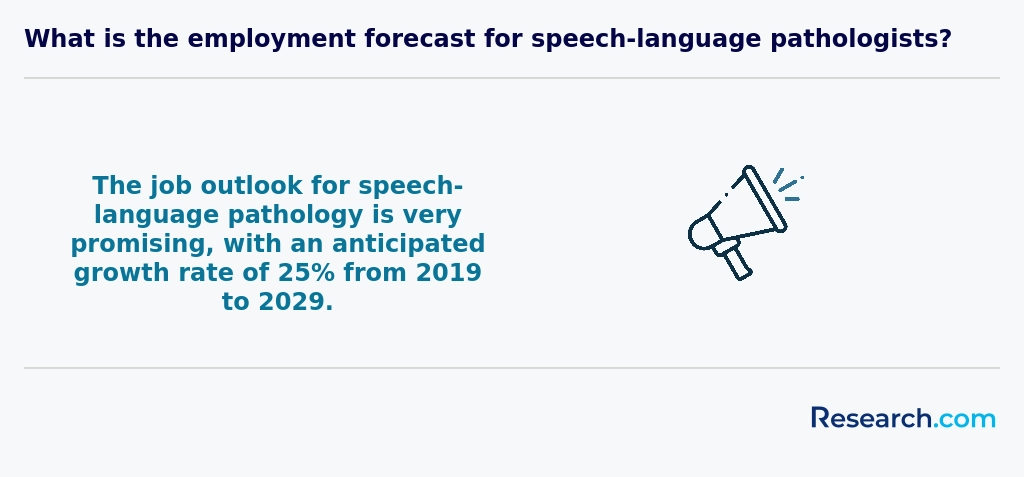
Graduates of speech pathology programs in North Carolina often find themselves entering a job market that reflects both opportunity and evolving demands. The speech pathology job outlook North Carolina reveals a steady rise in positions across public schools, hospitals, and private clinics. For instance, graduates from well-known universities in the state report rewarding experiences working in school districts where their skills directly impact students with communication challenges, confirming the high demand these institutions face.
Such demand is not just a matter of numbers; it translates into tangible satisfaction and confidence among new speech therapists who navigate licensure and certification processes, including the Certificate of Clinical Competence from ASHA. North Carolina speech therapist employment prospects benefit greatly from a strong network of schools and healthcare centers eager for qualified professionals.
Many students express relief at manageable tuition costs found at in-state public universities compared to national averages, which eases financial concerns. This affordability allows more focus on practical training, a crucial step in securing a position. For those looking beyond traditional paths, exploring easiest phd degree programs related to speech pathology can also open new doors and deepen expertise.
Frequently Asked Questions About speech pathology
Students pursuing speech pathology degrees in North Carolina can maximize their learning by engaging deeply with both academic coursework and practical experiences. Accredited programs must meet standards set by the American Speech-Language-Hearing Association (ASHA), ensuring quality education. North Carolina hosts several leading universities offering accredited programs, enabling students access to diverse clinical placements.
Clinical practicum hours are crucial; students should seek varied settings such as schools, hospitals, and rehabilitation centers to build versatile skills. According to the North Carolina Speech-Language Pathologists Association, completing the required 400+ supervised clinical hours significantly improves job readiness.
Networking with local professionals and joining state chapters of ASHA can provide valuable mentorship and career guidance. Utilizing university resources such as research labs and speech clinics also enhances learning and practical application.
The speech pathology field in North Carolina is evolving, with emerging niches gaining attention among students and professionals. One notable area is telepractice, which has expanded rapidly since 2020 due to increased demand for remote healthcare. Telepractice allows speech-language pathologists to serve rural and underserved populations more effectively.
Another growing niche is geriatric speech pathology, addressing speech and swallowing disorders in North Carolina's aging population. The state's Department of Health and Human Services reports a steady rise in the senior demographic, creating new job opportunities in this area.
Additionally, bilingual speech pathology focusing on Spanish-speaking clients is increasingly vital as North Carolina's Hispanic population grows. Expertise in bilingual assessment and intervention is highly sought after.
After completing a speech pathology degree in North Carolina, preparing for the job market involves several key steps. First, graduates must obtain the Certificate of Clinical Competence in Speech-Language Pathology (CCC-SLP) from the American Speech-Language-Hearing Association (ASHA), which is essential for many employers. Completing the required clinical fellowship year under supervision is also mandatory. Networking through local chapters, such as the North Carolina Speech-Language-Hearing Association, can provide valuable job leads and professional support.
Understanding North Carolina's licensing requirements is crucial; the North Carolina Board of Examiners for Speech and Language Pathologists and Audiologists oversees licensure. According to the U.S. Bureau of Labor Statistics, the state expects a 12% growth in speech pathology jobs from 2022 to 2032, indicating solid job prospects. Gaining diverse clinical experience during graduate studies can also improve employability. Staying informed about continuing education opportunities helps maintain licensure and enhances career advancement.
Employers seeking speech pathology graduates in North Carolina prioritize a combination of technical expertise and interpersonal skills. Strong knowledge of speech and language development, along with diagnostic and therapeutic techniques, is essential. According to the American Speech-Language-Hearing Association (ASHA), effectiveness in evidence-based practices greatly enhances employability.
Communication skills are highly valued, as speech pathologists must work closely with clients, families, and multidisciplinary teams. Cultural competence and the ability to adapt therapies to diverse populations in North Carolina are increasingly important.
Additionally, graduates should demonstrate proficiency in documentation, use of technology in therapy, and critical thinking to tailor interventions.
Finding internships in North Carolina relevant to speech pathology degrees typically involves a combination of university resources and local healthcare networks. Many accredited programs require clinical placements, so students should start by consulting their speech pathology department's internship coordinators. The North Carolina Speech-Language-Hearing Association (NCSLHA) offers a useful platform for networking and locating internship opportunities statewide.
Additionally, hospitals, rehabilitation centers, and public schools across North Carolina commonly host speech pathology interns. Organizations such as Duke University Health System and WakeMed provide clinical training that aligns with degree requirements. According to the U.S. Bureau of Labor Statistics, internships enhance readiness for licensing exams, a mandatory step in North Carolina.
Online databases like the American Speech-Language-Hearing Association's (ASHA) Career Portal also list internships available within the state, giving students further access to relevant positions. Early application is essential because slots can be competitive.
Obtaining a speech pathology degree in North Carolina significantly enhances career mobility within the state's healthcare and educational sectors. Graduates qualify for licensure through the North Carolina Board of Speech and Language Pathologists, an essential step for professional practice. According to the U.S. Bureau of Labor Statistics, the demand for speech-language pathologists in North Carolina is projected to grow by 29% from 2021 to 2031, faster than the national average.
With this degree, professionals can advance from entry-level roles to specialized positions such as clinical supervisors or educators. The degree also facilitates eligibility for certification from the American Speech-Language-Hearing Association (ASHA), which employers value highly in North Carolina's competitive market.
Studying for a speech pathology degree in North Carolina equips students with skills to collaborate effectively in interdisciplinary healthcare teams. Programs often emphasize clinical practicum experiences that involve working alongside professionals such as audiologists, physical therapists, and educators. This collaborative training reflects the state's healthcare environment, where speech pathologists frequently serve diverse populations requiring coordinated care. According to the American Speech-Language-Hearing Association (ASHA), North Carolina's graduate programs integrate coursework in anatomy, neurology, and psychology, fostering broad understanding necessary for teamwork. Additionally, state licensure requirements prioritize interdisciplinary competencies, ensuring graduates are prepared for varied professional settings.
When choosing between a thesis and a non-thesis speech pathology degree in North Carolina, consider your career goals first. A thesis program typically involves original research and is ideal for students aiming for doctoral studies or academic roles.
Non-thesis options focus more on practical skills and clinical work, benefiting those seeking immediate employment in healthcare or educational settings. In North Carolina, programs accredited by the Council on Academic Accreditation (CAA) prepare students for the Certificate of Clinical Competence in Speech-Language Pathology (CCC-SLP).
According to the North Carolina Speech-Language-Hearing Association, about 60% of state graduates pursue clinical practice, making non-thesis tracks popular. However, universities like UNC Chapel Hill offer both paths, ensuring choices match diverse professional aspirations.
Students based in North Carolina who want to study speech pathology abroad have several pathways to consider. Many universities in North Carolina hold partnerships with institutions overseas, enabling exchange or study-abroad programs focused on communication sciences. These programs often allow students to complete coursework or clinical experiences internationally while earning credits toward their degree.
Additionally, pursuing accredited online speech pathology degrees with international fieldwork components is an option, especially given the growing acceptance of telepractice in the profession. According to the American Speech-Language-Hearing Association, North Carolina ranks among the states with a strong demand for licensed speech pathologists, encouraging students to seek diverse training experiences.
Students should carefully verify that foreign programs meet the Council on Academic Accreditation (CAA) standards to ensure eligibility for U.S. certification and licensure after graduation.
Part-time job opportunities in North Carolina that complement speech pathology degree education often involve roles in educational and healthcare settings. Many students work as teacher's assistants or paraprofessionals in public schools, helping support speech and language development under licensed speech therapists. According to the North Carolina Department of Public Instruction, nearly 1.5 million students attend public schools statewide, creating ongoing demand for such support roles.
Additionally, working as a rehabilitation aide or therapy assistant in clinics or hospitals provides direct exposure to clinical techniques and client interaction. The North Carolina Health Care Association notes a steady growth in therapy services employment, reflecting regional needs. These positions help students gain relevant experience and understand practical challenges in speech pathology.
Speech pathology students in North Carolina benefit from several valuable networking opportunities that can enhance their education and career prospects. Many universities host chapter meetings of the American Speech-Language-Hearing Association (ASHA), which connect students with practicing professionals, alumni, and guest speakers.
The North Carolina Speech-Language-Hearing Association (NCSHLA) offers statewide conferences and workshops, providing students with access to local experts and job openings. Additionally, clinical placements often involve partnerships with hospitals and schools, allowing students to build professional relationships in real-world settings.
These networking channels help students stay updated on industry trends and licensing requirements, crucial for success in North Carolina's speech pathology field.
Alumni networks play a significant role in supporting speech pathology degree students in North Carolina. Graduates often gain access to a community of professionals who can offer guidance on licensure requirements, clinical placements, and job opportunities. According to the American Speech-Language-Hearing Association (ASHA), North Carolina ranks among the states with growing demand for certified speech-language pathologists, making networking crucial for career advancement.
These networks provide mentorship, connecting current students with experienced practitioners who share insights about working in diverse clinical settings, such as schools and hospitals. They also facilitate invitations to workshops and conferences, enhancing students' professional development.
Additionally, alumni connections help students navigate competitive job markets by sharing referrals and recommendations, which are invaluable when launching a career in North Carolina's healthcare and educational sectors.
In North Carolina, tailoring your speech pathology degree program to fit your career goals often involves selecting specialized coursework and practical experiences that align with your interests. Many universities offer electives in areas such as pediatric speech therapy, adult rehabilitation, or augmentative communication.
Fieldwork placements play a vital role in customization. Through clinical internships, you can gain experience in settings like hospitals, schools, or private practices, helping you focus on preferred populations or work environments.
The North Carolina Speech-Language-Hearing Association and the American Speech-Language-Hearing Association provide resources to guide your specialization choices based on local demand and certification requirements.
Additionally, some programs offer dual degree options or continuing education that expand career paths within speech pathology.
Speech pathology students in North Carolina often face rigorous academic demands inherent to the field. Coursework combines anatomy, linguistics, and clinical practice, requiring strong time management skills. According to the American Speech-Language-Hearing Association, clinical practicum hours are mandatory; students must complete at least 400 supervised clinical hours, which can be challenging to balance alongside classes.
Additionally, obtaining placements in diverse clinical settings can be competitive, as North Carolina has a limited number of approved sites relative to enrollment sizes at major universities. Financial concerns also affect many, since graduate programs often entail high tuition costs and limited funding options.
Finally, preparing for the national Praxis exam, necessary for licensure, adds another layer of pressure for students in the state.
With a speech pathology degree in North Carolina, graduates can pursue the Certificate of Clinical Competence in Speech-Language Pathology (CCC-SLP) offered by the American Speech-Language-Hearing Association (ASHA). This certification is widely recognized nationwide and often required for professional licensure and employment. To obtain the CCC-SLP, candidates must complete a master's degree, a supervised clinical fellowship, and pass a national examination.
Additionally, professionals can seek licensure through the North Carolina Speech and Audiology Board, which aligns closely with ASHA's standards. Licensure is mandatory to practice in most clinical and educational settings throughout the state. For those specializing further, certifications in areas like child language or fluency disorders offer increased career opportunities.
Applying to a speech pathology program in North Carolina requires careful preparation and attention to specific criteria. Most programs, including those accredited by the Council on Academic Accreditation in Audiology and Speech-Language Pathology, expect a strong undergraduate GPA, typically above 3.0.
It is important to highlight relevant volunteer or work experience with clients who have communication disorders. Many North Carolina programs value practical exposure alongside academic achievements.
Personal statements should clearly convey your passion for speech pathology and your understanding of the profession's impact within diverse communities. Tailoring your essay to reflect knowledge of North Carolina's healthcare landscape can strengthen your application.
Gather strong letters of recommendation, ideally from academic instructors and speech-language pathologists familiar with your skills and commitment.
Meeting prerequisite coursework such as anatomy, linguistics, and psychology is essential. Check each program's specific requirements carefully on their official websites.
Speech pathology is a respected profession worldwide, but its recognition and scope vary by country. In the United States, including North Carolina, speech-language pathology requires a master's degree, licensure, and certification from the American Speech-Language-Hearing Association (ASHA). This standardized path ensures high-quality care and professional mobility across states.
Globally, some countries also require advanced degrees, but standards can differ significantly. The US model is often seen as rigorous, setting a benchmark for training and clinical experience.
North Carolina alone expects employment in this field to grow by 26% through 2030, reflecting national trends that value speech pathology's role in education and healthcare (Bureau of Labor Statistics, 2023).
Gaining practical experience while studying for a speech pathology degree in North Carolina is essential for meeting certification requirements and enhancing clinical skills. Most accredited programs include supervised clinical practicum hours, typically totaling 400 clinical clock hours, as mandated by the American Speech-Language-Hearing Association (ASHA).
Students often complete these practicum hours in local hospitals, schools, rehabilitation centers, or community clinics. North Carolina universities frequently partner with state healthcare facilities and public school systems to provide hands-on training.
Additionally, internships and volunteer opportunities can supplement clinical experiences. The North Carolina Speech-Language-Hearing Association (NCSHA) offers resources and networking to help students find placements.
Choosing the right concentration within a speech pathology degree program in North Carolina starts with understanding your career goals. Concentrations often focus on areas like pediatric speech disorders, adult neurological rehabilitation, or bilingual communication. Evaluate programs based on faculty expertise and available clinical experiences in these specialties. According to the American Speech-Language-Hearing Association (ASHA), North Carolina ranks among states with strong demand for speech-language pathologists, especially in schools and healthcare facilities.
Consider whether you prefer working with children or adults, and research local community needs using North Carolina Department of Public Instruction data. Visiting program websites and speaking to current students can clarify which concentrations align with your interests and market opportunities.
Related Speech Pathology Rankings for Nearby States
- 2027 Most Popular Speech Pathology Degree Programs Ranking in South Carolina
- 2027 Most Popular Speech Pathology Degree Programs Ranking in Georgia
- 2027 Most Popular Speech Pathology Degree Programs Ranking in Kentucky
- 2027 Most Popular Speech Pathology Degree Programs Ranking in Florida
- 2027 Most Popular Speech Pathology Degree Programs Ranking in Maryland
- 2027 Most Popular Speech Pathology Degree Programs Ranking in Alabama
- 2027 Most Popular Speech Pathology Degree Programs Ranking in Pennsylvania
- 2027 Most Popular Speech Pathology Degree Programs Ranking in Ohio
- 2027 Most Popular Speech Pathology Degree Programs Ranking in Mississippi
- 2027 Most Popular Speech Pathology Degree Programs Ranking in Arkansas
Top Trending Speech Pathology Rankings
See What Experts Have To Say About Studying Speech Pathology
Read our interview with Speech Pathology experts

References
- Guide to Applying to Speech Pathology School https://speechpathologymastersprograms.com/become-speech-pathologist/how-to-get-into-speech-pathology-school/
- How to Become a Speech Language Pathologist (SLP): Your Career Guide | GHR Education https://www.ghreducation.com/blog/become-speech-language-pathologist
- How to Follow the Best Path to Becoming a Speech Pathologist https://www.masmedicalstaffing.com/blog/becoming-a-speech-pathologist/
- Role of a Speech-Language Pathologist: How Are SLPs Changing the World? https://slponline.ithaca.edu/blog/how-slps-changing-world
- How to Become an SLP in North Carolina [2025] | 5 Steps https://www.speechpathologygraduateprograms.org/north-carolina/
- SLP Jobs in North Carolina - Soliant Health https://www.soliant.com/school-healthcare-jobs/school-slp-jobs/north-carolina/
- How to Become a Speech-Language Pathologist - Graduate Programs for Educators https://www.graduateprogram.org/blog/how-to-become-a-speech-language-pathologist/
- How To Choose an SLP Program: Seven Factors To Consider https://www.usa.edu/blog/how-to-choose-a-slp-program/
- 12+ Speech-Language Pathology Certification Programs https://onlinespeechpathologyprograms.org/slp-certifications/
- Navigating the Path to Becoming a Speech-Language Pathologist https://www.casrf.org/post/navigating-the-path-to-becoming-a-speech-language-pathologist