2027 Most Popular Speech Pathology Degree Programs Ranking in Wisconsin

Co-Founder and Chief Data Scientist
Choosing the right speech pathology degree program is an important step toward a rewarding career in helping others communicate effectively. This article introduces the 2027 Most Popular Speech Pathology Degree Programs Ranking in Wisconsin, thoughtfully compiled by the Research.com team of data scientists.
By exploring this ranking, you'll gain valuable insights to guide your decision, focusing on programs that truly stand out. Whether you're starting your journey or considering a change, this resource supports your goals with clear, reliable information.
Discover opportunities that inspire and prepare you for success in speech pathology.
Key benefits of getting speech pathology degree in Wisconsin
- Salary for speech pathology degree graduates: Graduates can expect rewarding salaries, such as Speech Therapists earning a mean annual wage of $96,790 and Speech-Language Pathology Assistants making around $47,010 in Wisconsin.
- Potential career paths: A speech pathology graduate from the University of Wisconsin can pursue diverse roles like Clinical Research Coordinator or Community Outreach Coordinator, both offering fulfilling careers with competitive wages.
- Benefits of online degrees: Earning a speech pathology degree online from institutions like UW-Madison offers flexibility and accessibility, making education manageable while balancing work or family life.
- Key benefits of getting speech pathology degree in Wisconsin
- What can I expect from speech pathology degree in Wisconsin?
- Where can I work with speech pathology degree in Wisconsin?
- How much can I make with speech pathology degree in Wisconsin?
- 2027 Most Popular Speech Pathology Degree Programs Ranking in Wisconsin
- Key Findings
- How long does it take to complete speech pathology degree in Wisconsin?
- Licensure and Certification Requirements
- What's the difference between online and on-campus speech pathology degree?
- Emerging Trends and Research Innovations in Speech Pathology
- What is the average cost of speech pathology degree in Wisconsin?
- Affordability and Financial Considerations in Speech Pathology Education
- What financial aid is available to speech pathology degree students in Wisconsin?
- Licensure and Certification Requirements in Wisconsin
- What are the prerequisites for enrolling in speech pathology degree program in Wisconsin?
- Licensing and Certification Requirements
- What courses are typically in speech pathology degree programs in Wisconsin?
- What types of specializations are available in speech pathology degree programs in Wisconsin?
- How do you choose the best speech pathology degree in Wisconsin?
- What career paths are available for speech pathology degree students in Wisconsin?
- What is the job market for speech pathology degree in Wisconsin?
- Related Speech Pathology Rankings for Nearby States
- Top Trending Speech Pathology Rankings
- See What Experts Have To Say About Studying Speech Pathology
What can I expect from speech pathology degree in Wisconsin?
The average cost of pursuing a speech pathology degree in Wisconsin varies but generally ranges around $20,000 to $40,000 per year for tuition at well-known institutions like the University of Wisconsin-Madison. Graduates often describe the investment as worthwhile, highlighting the immersive clinical experiences and strong academic support they received. Imagine spending a semester working directly with clients in local hospitals or schools, guided by expert faculty while gaining hands-on skills that textbooks alone can't teach.
Several students share how the comprehensive curriculum, including courses in phonetics and neuroanatomy, seamlessly blends with engaging practicum placements. These real-world settings not only solidify their knowledge but also build confidence and excitement about entering the workforce. Financial aid, scholarships, and assistantships offered by Wisconsin universities help many ease the burden, making this adventurous path more accessible and rewarding for those eager to launch a vibrant career in speech-language pathology.
Where can I work with speech pathology degree in Wisconsin?
Graduates from speech pathology programs at universities like the University of Wisconsin-Madison often discover exciting careers across the state, fueling their passion by working directly with communities. Imagine starting your journey in a bustling public school, guiding children through communication breakthroughs, helping them find their voices and confidence every day. Many Wisconsin SLPs thrive here, supported by the state's strong commitment to public education and licensure requirements that give their work solid professional footing.
Others venture into hospitals or healthcare systems such as UW Health or Aurora Health Care, where each day brings new challenges like aiding stroke survivors or patients recovering from surgery. The rewarding feeling of helping someone regain speech or swallow safely creates unmatched job satisfaction.
Some alumni choose dynamic roles in nursing homes or private clinics, serving Wisconsin's growing aging population or children needing early intervention, expanding their skills in meaningful ways. A few take the academic path at institutions like Marquette University, contributing to cutting-edge research and mentoring future clinicians, blending curiosity with impact.
How much can I make with speech pathology degree in Wisconsin?
Imagine graduating from a well-known Wisconsin university with a speech pathology degree and stepping into a role that pays around $77,200 a year, matching the state's average for speech-language pathologists. Graduates from schools like the University of Wisconsin-Madison often share stories of starting at $55,000 to $65,000 annually, especially when working in public schools or local clinics. This range can feel exciting, knowing it grows with experience and certifications.
For those venturing into metropolitan areas like Milwaukee, seasoned speech therapists can earn over $85,000, reflecting the bustling city's demand and living costs. If you work in healthcare settings-like hospitals or outpatient centers-expect wages about 10-15% higher than those in schools, sometimes pushing salaries closer to $90,000.
Other graduates pursue roles such as Speech-Language Pathology Assistants, earning roughly $47,010, reflecting a solid entry point into the field. Clinical Coordinators or Research Coordinators with speech pathology backgrounds typically earn around $43,350, turning their knowledge into specialized career paths with unique rewards.
2027 Most Popular Speech Pathology Degree Programs Ranking in Wisconsin
How do we rank schools?
Investing in your education is a significant decision that can shape your future, and the Research.com team understands the importance of making informed choices. To assist prospective students in Wisconsin, we have meticulously crafted the "2027 Most Popular Speech Pathology Degree Programs Ranking in Wisconsin." Our commitment to quality, credibility, and accuracy is reflected in the extensive research and analysis conducted to compile this ranking.
We utilized the following reputable data sources to ensure a comprehensive evaluation of speech pathology programs:
By exploring this ranking, readers will gain valuable insights into the most popular speech pathology degree programs in Wisconsin, enabling them to make well-informed decisions about their educational paths. For more details on our methodology, please visit our Research.com methodology page.
# 1 position
University of Wisconsin-Madison
Bachelor of Science in Communication Sciences and Disorders


# 5 position
University of Wisconsin-Milwaukee
Communication Sciences & Disorders, MS (speech-language pathology, residential)


# 8 position
University of Wisconsin-Whitewater
Master of Science in Communication Sciences and Disorders

# 10 position
University of Wisconsin-Eau Claire
Master of Science in Speech-Language Pathology (Residential)
Key Findings
- Speech pathology graduate programs in Wisconsin cost $10,000 to $25,000 per year at public universities and over $30,000 at private universities for in-state students.
- Additional expenses include textbooks, clinical fees, and certification exam costs, which should be planned for in the total investment.
- Entry-level speech-language pathologists in Wisconsin earn between $58,000 and $65,000 annually, with experienced professionals making $75,000 to $85,000 per year.
- Licensure requires completing a master's degree, supervised clinical experience, passing the national Praxis exam, and applying through the Wisconsin Speech-Language Pathology and Audiology Examining Board.
- Clinical practicum opportunities are widely available in Wisconsin schools and are necessary for meeting certification and licensure standards.
- Demand for speech pathologists is growing in urban areas like Milwaukee and Madison, with steady job market growth projected.
How long does it take to complete speech pathology degree in Wisconsin?
In Wisconsin, completing a speech pathology degree usually takes about two years if you're studying full-time at well-known programs like those at the University of Wisconsin-Madison or Marquette University. Graduates often recall the whirlwind of engaging coursework on disorders, anatomy, and therapy techniques combined with hands-on clinical practicum hours that bring these lessons vividly to life. Imagine spending afternoons at a local clinic, applying your skills directly with real clients-this immersive experience is key to earning that master's degree.
For those balancing work or family, part-time study options extend the journey to three years or more, offering flexibility while still guiding you toward your goal. Some schools also support students without a related undergraduate degree, providing extra prerequisite courses that might add another year or two, making the adventure even more personal and unique. Through this path, many find the reward of seeing their progress in tangible ways, driven by passion and the realistic pace set by Wisconsin's top institutions.
Licensure and Certification Requirements
Becoming a licensed speech-language pathologist in Wisconsin means meeting both state and national standards to ensure safe, effective care.
- Graduate from an ASHA-accredited master’s program.
- Pass the Praxis SLP (Speech-Language Pathology) national examination.
- Complete a 36-week Clinical Fellowship Year (CFY) under a licensed SLP.
- Apply for state licensure through the Wisconsin Department of Safety and Professional Services.
- Earn the Certificate of Clinical Competence (CCC-SLP) from the American Speech-Language-Hearing Association.
Ongoing licensure renewal requires 30 hours of continuing education every two years to maintain best practices and stay current with emerging research. For guidance on program costs and alternative pathways, explore cheapest slp grad schools in california.
What's the difference between online and on-campus speech pathology degree?
Choosing between online and on-campus speech pathology degrees in Wisconsin feels like stepping into two exciting worlds. On-campus students at universities like the University of Wisconsin-Madison enjoy vibrant classroom debates and face-to-face guidance, immersing themselves in hands-on clinical experiences right on campus. Imagine participating in lively practicum sessions surrounded by peers and supportive faculty-it's a dynamic, interactive environment that cultivates immediate feedback and connection.
In contrast, online students embrace flexibility, balancing their studies with work or family life while still meeting rigorous certification standards. These learners often arrange local practicum sites, gaining unique insights from their own communities. Graduates from Marquette University's online program have found this approach empowering, allowing them to shape their clinical hours around personal schedules without sacrificing depth or quality.
Both routes require commitment to 400 supervised clinical hours and offer accredited programs recognized statewide. Whether you thrive amidst campus buzz or prefer the freedom of digital classrooms, Wisconsin speech pathology programs open doors to vibrant, practical learning adventures tailored to your life.
Emerging Trends and Research Innovations in Speech Pathology
In today’s fast-evolving academic landscape, staying informed about the latest research and industry trends is essential for prospective and current students alike. This section delves into the cutting-edge developments that are reshaping the field of speech pathology, from innovative therapeutic techniques and advanced diagnostic technologies to emerging research collaborations across universities and clinical settings. Recent studies have highlighted the growing impact of digital tools in diagnosis and treatment, enabling practitioners to offer more personalized and effective therapy sessions. With the integration of artificial intelligence, telehealth platforms, and mobile applications, the approach to speech therapy is becoming increasingly dynamic and accessible. Additionally, interdisciplinary research is breaking new ground-as collaborations between speech pathologists, neurologists, and communication experts yield holistic insights into neurogenic speech disorders and language development challenges. For students aspiring to lead these advances, pursuing further education can be a game changer. Many have found that enrolling in a focused graduate program not only deepens their theoretical knowledge but also equips them with practical skills through internships and research opportunities. To explore programs that balance affordability with academic excellence, consider reviewing our guide on speech pathology masters online. Embracing these emerging trends not only prepares you for the demands of the modern healthcare environment but also positions you to contribute to groundbreaking research that can transform lives. As the field continues to innovate, staying up-to-date with the latest developments will be key to driving both personal success and positive societal impact.
What is the average cost of speech pathology degree in Wisconsin?
The pursuit of a speech pathology degree in Wisconsin carries an average total cost around $31,601, which offers a balanced investment for many aspiring professionals. Those enrolling as in-state students at public universities like the University of Wisconsin-Madison often enjoy more accessible tuition rates, typically about $10,020, making it easier to focus on the demanding but rewarding coursework. Graduates frequently recall how this financial clarity helped them navigate their educational journey with confidence and less stress, turning challenges into milestones.
Private institutions such as Marquette University present a different picture, where tuition expenses can exceed $35,000 annually. For many students passionate about their calling, this higher cost is a worthwhile step toward specialized training and networking opportunities unique to private colleges. The excitement of clinical practice and hands-on learning, combined with the comprehensive curriculum, often outweigh the financial weight.
When exploring Wisconsin speech pathology degree tuition and fees, additional costs for clinical training, textbooks, materials, and certification exams also come into play. These extra expenses can add thousands of dollars but complement the immersive learning experience, empowering students as they prepare for their future roles as speech-language pathologists. Many alumni describe the excitement of this phase as a key motivator that shaped their success and satisfaction.
For prospective students weighing their options, it's smart to research programs carefully and consider financial aid possibilities. For those looking for an affordable speech pathology school in Wisconsin, making an informed choice can unlock a fulfilling educational adventure without undue financial strain.

Affordability and Financial Considerations in Speech Pathology Education
When considering a speech pathology program in Wisconsin, affordability is a crucial factor that can significantly impact one's decision. The cost of tuition, additional fees, and living expenses can add up, making it essential for prospective students to explore all available options. For those looking to minimize their expenses, researching an affordable speech pathology school in Wisconsin can be a strategic first step. By understanding the financial aspects of speech pathology education, students can better plan their academic and professional journeys, ultimately making informed decisions that align with their career goals and financial capabilities.
What financial aid is available to speech pathology degree students in Wisconsin?
Diving into a speech pathology degree in Wisconsin opens a treasure trove of financial aid opportunities that many students excitedly discover along their journey. Graduates from universities like the University of Wisconsin-Madison often share how applying for federal aid through FAFSA unlocked Pell Grants and federal loans, easing their worries about tuition costs that can soar above $20,000 per year.
Imagine attending Marquette University and receiving a Wisconsin Higher Education Grant-this state-specific support directly reduces tuition for residents, making public university education more affordable. Many students at these institutions also find joy in securing departmental scholarships or assistantships, where clinical work or research not only sharpens skills but also brings in stipends or tuition waivers.
Exploring beyond campus, students tap into professional scholarships from the American Speech-Language-Hearing Association, providing financial encouragement to those driven to excel. The excitement grows when hearing about loan forgiveness programs like Public Service Loan Forgiveness, rewarding grads who choose careers in underserved Wisconsin communities with debt relief, lighting up their path to meaningful work.
Licensure and Certification Requirements in Wisconsin
In Wisconsin, obtaining a Speech-Language Pathologist (SLP) license requires a combination of academic credentials, examination, and supervised clinical experience to meet both state and national standards. First, candidates must graduate from a master’s program accredited by the Council on Academic Accreditation in Audiology and Speech-Language Pathology (CAA of ASHA). After completing coursework, aspiring SLPs must pass the Praxis Examination in Speech-Language Pathology, administered by ETS, which assesses knowledge across domains such as anatomy, linguistics, and intervention strategies. Following the Praxis exam, candidates enter a Clinical Fellowship Year (CFY), comprising at least 1,260 hours of supervised practice under a licensed SLP. This mentorship phase hones practical skills in diverse settings-from schools to healthcare facilities-ensuring readiness for independent practice. Upon CFY completion, applicants submit their score report, CFY verification form, and official transcripts to the Wisconsin Department of Safety and Professional Services (DSPS) along with a background check and application fee. Once approved, the DSPS issues the SLP license, enabling practice across the state. Maintaining licensure involves ongoing professional development. Wisconsin requires SLPs to complete 30 continuing education units (CEUs) every two years, including at least two hours in ethics and one hour in diverse cultural competence. These CEUs can be earned through workshops, conferences, or online courses-many professionals expedite their preparation by enrolling in best accelerated online speech pathology degree programs, which often integrate licensure exam prep and CEU modules. By staying current with evolving research and best practices, Wisconsin SLPs uphold high-quality care and foster lifelong growth in their careers.
What are the prerequisites for enrolling in speech pathology degree program in Wisconsin?
Diving into a speech pathology degree in Wisconsin means gearing up with some key prerequisites that open doors to this rewarding field. Graduates from popular schools like the University of Wisconsin often share how completing foundational courses such as anatomy and physiology related to speech, linguistics, and psychology gave them a vibrant understanding of human communication before starting their graduate journey. Imagine walking into a classroom already familiar with speech mechanisms and child development-this is the exciting groundwork many programs expect.
Some students remember the challenge and thrill of preparing GRE scores, though many Wisconsin programs now let applicants skip this step, easing stress while still valuing strong academic records. Beyond books, hands-on experience in clinics or schools often turns heads in applications, with volunteers gaining priceless insights into real-world speech therapy challenges. This blend of science, language, and practical exposure fuels enthusiasm and confidence, setting the stage for success in Wisconsin's speech pathology programs.

Licensing and Certification Requirements
Before you can practice as a speech‐language pathologist in Wisconsin, you must complete each of these steps:
- Earn a master’s degree from an ASHA-accredited program (consider online speech language pathology programs).
- Document a minimum of 400 supervised clinical practicum hours.
- Pass the Praxis® Examination in Speech-Language Pathology.
- Complete a 36-week Clinical Fellowship Year under the mentorship of a CCC-SLP.
- Apply for licensure through the Wisconsin Department of Safety and Professional Services.
- Maintain your ASHA CCC-SLP credential by fulfilling annual Continuing Education Unit (CEU) requirements.
What courses are typically in speech pathology degree programs in Wisconsin?
Diving into a speech pathology degree in Wisconsin, you'll quickly discover a fascinating mix of courses that shape your understanding and skills. Imagine a typical day at a popular Wisconsin university, where students explore the intricate Anatomy and Physiology of the Speech and Hearing Mechanism, unlocking secrets of how our voices and hearing work. Alongside, courses like Introduction to Communication Disorders and Phonetics and Language Development spark curiosity about how diverse speech patterns emerge and change.
Graduates often recall the excitement of classes like Speech and Language Pathology and Neurogenic Communication Disorders, where theory meets real human experience. Clinical methods courses add hands-on adventure, preparing you for Wisconsin's rigorous supervised fellowship year. Imagine practicing at hospitals or schools, confidently applying knowledge from your Voice and Fluency Disorders studies.
Many students find joy exploring electives on pediatric or geriatric speech therapy, feeling empowered to tailor their expertise. Coursework on ethics and counseling enriches this journey, creating compassionate professionals ready to transform lives across Wisconsin's communities.
What types of specializations are available in speech pathology degree programs in Wisconsin?
In Wisconsin, speech pathology degrees open doors to an exciting range of specializations that prepare students for diverse career paths. Graduates from universities like the University of Wisconsin-Madison often describe their journey exploring areas such as Child Language Disorders, where they support children overcoming developmental speech delays in local schools. Others find deep satisfaction in Adult Neurogenic Communication Disorders, working with stroke survivors or those with dementia at medical centers throughout the state.
Hands-on experiences in voice disorders clinics or swallowing therapy sessions are common in programs at popular colleges, letting students witness real progress in clients. Augmentative and Alternative Communication (AAC) has a special draw, inviting learners to creatively use technology to break communication barriers. Those curious about school-centered careers often gravitate toward pediatric specialties, blending coursework with fieldwork aligned with regional education standards-an ideal fit for those seeking the speech pathology masters online from a Wisconsin perspective.
Studying these focused tracks within the best speech therapy degrees Wisconsin offers transforms curiosity into meaningful expertise ready to meet the state's unique clinical demands.
How do you choose the best speech pathology degree in Wisconsin?
Choosing the best speech pathology degree in Wisconsin can feel like setting off on an exciting journey. Imagine walking the halls of well-known universities where recent graduates recall how programs with CAA accreditation opened doors to the Praxis exam and ASHA certification-both crucial steps for becoming a licensed speech-language pathologist in Wisconsin. Many found that enrolling in master's programs or combined bachelor's-to-master's pathways saved time and eased their path to clinical practice.
Cost matters too, especially when tuition can range from $10,000 to more than $30,000 annually. Graduates speak highly of programs offering financial aid and practical clinical experiences at local hospitals or schools. These real-world hours helped them feel confident and ready for Wisconsin's growing job market.
For those seeking flexibility, exploring the best accelerated online speech pathology degree programs lets you dive into studies while managing life's adventure. Finding affordable speech pathology degrees Wisconsin offers can be thrilling when you unlock these pathways.
What career paths are available for speech pathology degree students in Wisconsin?
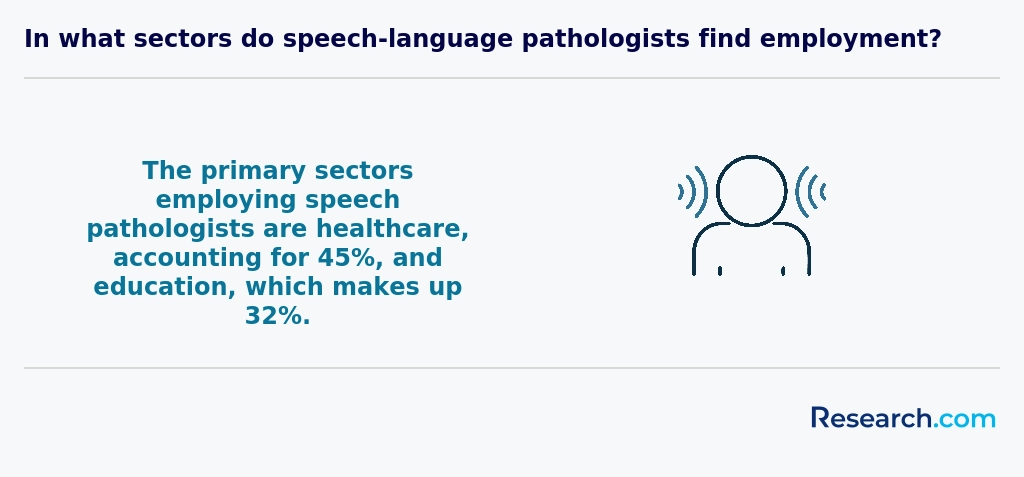
Graduates pursuing speech pathology degrees in Wisconsin find themselves on a thrilling journey with diverse career paths waiting to be explored. Many choose to dive into education, working as speech-language pathologists in public and private schools around the state. Here, they help children thrive both academically and socially, a rewarding experience that graduates from popular programs at the University of Wisconsin often describe as deeply fulfilling. If you're curious about the variety of jobs with speech pathology degree Wisconsin offers, healthcare is another vibrant option. Hospitals and rehabilitation centers across Wisconsin call on speech pathologists to aid patients recovering from strokes or injuries, turning complex challenges into moments of hope and triumph.
For adventurers passionate about early childhood development, roles in early intervention programs provide hands-on collaboration with families to spark growth in young children with delays. Meanwhile, academic and research opportunities beckon graduates inspired by innovation and discovery, though these often require advanced degrees.
Many students also wonder about what certifications make the most money to boost their career path and salary potential in Wisconsin's competitive market.
What is the job market for speech pathology degree in Wisconsin?
The job market for speech pathology degree holders in Wisconsin buzzes with opportunity, especially for graduates from popular programs at universities like the University of Wisconsin-Madison or Marquette University. From lively school classrooms to dynamic hospital settings, these professionals bring communication to life, supporting children who struggle to speak or patients regaining their voices after injury. Those who pursued speech pathology degrees here often share how rewarding it feels to witness real progress in children's speech or elder patients' swallowing abilities firsthand.
Wisconsin's demand for skilled speech-language pathologists is thriving, with job growth well above the national average. School districts, eager to support students in diverse learning environments, are among the largest employers-fueling a steady need for passionate graduates. This thriving scene ensures that those who invest their time and energy into their education, often costing between $20,000 and $60,000, find stable, fulfilling careers. For students wondering about balancing ambition with achievable goals, exploring easy online college degrees may also open doors in speech pathology careers in Wisconsin.
Frequently Asked Questions About speech pathology
Students pursuing speech pathology degrees in Wisconsin can enhance their learning experience by engaging in hands-on clinical practicum opportunities required by the American Speech-Language-Hearing Association (ASHA). Wisconsin universities, including the University of Wisconsin-Madison, often partner with local hospitals and schools, providing practical experience that is crucial for skill development.
Additionally, students should take advantage of state and regional conferences, such as those organized by the Wisconsin Speech-Language-Hearing Association, to network and stay current with industry trends. Research shows that active participation in these events improves both knowledge and job placement rates in Wisconsin's healthcare sector.
Strong academic advising and involvement in research projects also contribute to maximizing learning outcomes, helping students meet certification requirements and prepare for the Wisconsin Department of Safety and Professional Services licensure exam.
Emerging niches within the speech pathology field in Wisconsin reflect broader national trends emphasizing specialized populations and technology integration. One growing area is telepractice, which expands access to therapy in rural communities, a crucial advantage given Wisconsin's many underserved regions, according to the Wisconsin Speech-Language Pathology Association. Another niche focuses on pediatric feeding and swallowing disorders, responding to increased recognition of complex needs in early childhood. Additionally, speech pathology in rehabilitation settings for stroke and traumatic brain injury patients is gaining attention, tied to the state's aging population. Professionals with expertise in these areas often find enhanced job prospects and specialization options in Wisconsin's healthcare environment.
After earning a speech pathology degree in Wisconsin, preparing for the job market involves several key steps. First, candidates must complete the Clinical Fellowship Year (CFY), a required supervised professional experience before full licensure. The Wisconsin Department of Safety and Professional Services oversees licensure, which is essential for practicing in the state.
Networking through local associations like the Wisconsin Speech-Language-Hearing Association can enhance job prospects and provide access to job listings. According to the U.S. Bureau of Labor Statistics, Wisconsin expects a steady demand for speech pathologists, with median annual wages around $78,000. Gaining experience in varied clinical settings during school also helps graduates stand out.
Employers in Wisconsin value several key skills in speech pathology graduates. Strong communication abilities are essential, as these professionals must effectively assess and treat clients with speech and language disorders. Clinical knowledge combined with practical experience through supervised internships is highly regarded.
Wisconsin employers also prioritize critical thinking and problem-solving skills to adapt therapy plans based on individual needs. Familiarity with evidence-based practices and technological tools used in speech therapy is increasingly important, reflecting national trends reported by the American Speech-Language-Hearing Association (ASHA).
Interpersonal skills and cultural competence are vital due to Wisconsin's diverse population. According to the Wisconsin Department of Workforce Development, demand for speech pathologists is expected to grow by 21% from 2020 to 2030, emphasizing the need for graduates who are both skilled and adaptable.
Finding internships in Wisconsin for speech pathology students involves leveraging multiple local resources. Many universities with accredited programs, like the University of Wisconsin-Madison, have established partnerships with clinics and schools to offer clinical placements.
Students should also explore local healthcare facilities, including hospitals and rehabilitation centers, where speech-language pathology services are provided. The Wisconsin Speech-Language-Hearing Association (WSHA) website lists approved internship sites and networking opportunities statewide.
Additionally, the American Speech-Language-Hearing Association (ASHA) maintains a clinical fellowship database that includes placements in Wisconsin, helping students meet licensing and certification requirements.
Early application and direct contact with speech pathology departments improve the chance of securing competitive internships in the state.
Obtaining a speech pathology degree in Wisconsin significantly enhances career mobility and advancement opportunities. The state requires licensure for speech-language pathologists, which mandates completing a master's degree accredited by the Council on Academic Accreditation in Audiology and Speech-Language Pathology (CAA). This credential ensures graduates meet state standards, making them eligible for various roles in healthcare, education, and private practice.
According to the U.S. Bureau of Labor Statistics, Wisconsin employed over 1,100 speech-language pathologists in 2023, with job growth projected at 10% through 2030, higher than the national average. Higher degrees often lead to specialized roles and increased salaries, reflecting advanced expertise. Additionally, many Wisconsin employers value graduate-level education for leadership and clinical supervisory positions.
Studying for a speech pathology degree in Wisconsin equips students with skills essential for interdisciplinary collaboration across healthcare and educational settings. Wisconsin programs often include coursework and clinical practice that emphasize teamwork with professionals such as audiologists, educators, occupational therapists, and physicians.
The Wisconsin Speech-Language Pathology Association highlights that many state universities integrate interdisciplinary projects in their curricula, preparing students to navigate diverse professional environments effectively. Clinical placements in hospitals, schools, and rehabilitation centers provide hands-on experience working alongside various specialists.
In addition, Wisconsin's licensure requirements align with national standards by the American Speech-Language-Hearing Association (ASHA), ensuring graduates meet expectations for collaborative practice in multidisciplinary teams.
When choosing between a thesis and a non-thesis speech pathology degree program in Wisconsin, consider your career goals and learning preferences. Thesis programs often focus on research, preparing students for doctoral studies or academic roles. These typically require conducting original research and writing a detailed thesis. Non-thesis programs emphasize clinical practice and skill development, suitable for students aiming to enter professional practice quickly.
In Wisconsin, institutions like the University of Wisconsin-Madison offer both options, aligning with national trends reported by the American Speech-Language-Hearing Association (ASHA). According to ASHA, around 70% of speech pathology graduates enter clinical roles immediately, favoring non-thesis paths.
Financial considerations and program length also matter. Thesis tracks may take longer due to research commitments, impacting tuition and living costs. Conversely, non-thesis programs might allow faster entry into the workforce. Consulting academic advisors about licensure requirements in Wisconsin can further clarify your best choice.
Students based in Wisconsin who wish to study speech pathology abroad have several pathways available. While Wisconsin offers strong local programs, exploring international study can provide unique cultural and clinical experiences. Many U.S. institutions, including those in Wisconsin, have exchange agreements with universities in countries like the United Kingdom and Australia, known for their accredited speech pathology programs.
It is important for students to ensure that any foreign degree or coursework meets the American Speech-Language-Hearing Association (ASHA) certification standards. According to ASHA, students must complete specific coursework and clinical hours to qualify for the Certificate of Clinical Competence (CCC).
Participation in study abroad programs often requires coordination with the Wisconsin campus's speech pathology department and centralized academic advising offices to confirm credit transferability and clinical practicum recognition.
Official resources such as the Wisconsin Educational Approval Board and ASHA provide guidance on program eligibility and pathways to professional certification following international study.
Students pursuing a speech pathology degree in Wisconsin can benefit from part-time roles that provide practical experience related to their field. Common jobs include working as speech therapy aides or assistants in local clinics and school districts, supporting licensed speech-language pathologists. These positions help develop hands-on skills and understanding of client communication needs.
Additionally, roles such as research assistants at universities or rehabilitation centers are valuable. Wisconsin's healthcare facilities often seek part-time workers to aid in patient communication assessments or therapy session preparations.
According to the Wisconsin Department of Workforce Development, demand for speech pathology support roles is expected to grow by 16% through 2030, reflecting increasing opportunities for students.
Speech pathology students in Wisconsin benefit from several networking opportunities that help them connect with professionals in the field. The Wisconsin Speech-Language-Hearing Association (WSHA) offers student memberships, enabling direct access to workshops, conferences, and local chapter events. These occasions provide chances to meet licensed pathologists and clinicians.
Universities with accredited speech pathology programs often host career fairs and alumni mixers, fostering connections with potential employers. Additionally, many Wisconsin healthcare facilities and school districts support internships and clinical placements, which serve as practical networking platforms.
According to WSHA, over 70% of speech pathology students in Wisconsin find their first job through these established networks.
Alumni networks play a crucial role in supporting speech pathology degree students in Wisconsin. These networks provide access to experienced professionals who offer guidance on academic challenges and career paths. Through alumni connections, students can find internship and job opportunities in local clinics, schools, and healthcare facilities, which are vital in a competitive job market.
In Wisconsin, where demand for speech-language pathologists is projected to grow by 14% through 2030 according to the U.S. Bureau of Labor Statistics, strong alumni networks help bridge the gap between education and employment. Alumni often participate in mentorship programs, professional events, and workshops that enhance students' practical skills and industry knowledge.
Additionally, being part of an active alumni network can provide emotional support and motivation, helping students navigate rigorous graduate programs. Universities like the University of Wisconsin-Madison and Marquette maintain robust alumni communities dedicated to advancing speech pathology careers in the state, contributing to a well-connected professional environment.
Customizing a speech pathology degree program in Wisconsin allows students to align their education with specific career goals. Many universities offer elective courses focusing on pediatric, geriatric, or neurological disorders, enabling deeper expertise in preferred populations. Wisconsin schools often provide clinical practicum placements in diverse settings such as schools, hospitals, and rehabilitation centers. This hands-on experience is essential for specialization and building professional networks.
Students may also select research projects or internships tied to areas like augmentative communication or swallowing disorders, which reflect current industry demands. According to the Wisconsin Speech-Language Pathology Licensing Board, practical experience and targeted coursework improve employment prospects in the state's healthcare and education sectors.
Speech pathology students in Wisconsin often face several notable challenges during their education. One major hurdle is the rigorous academic workload combined with extensive clinical practicum requirements mandated by the American Speech-Language-Hearing Association (ASHA). Students must complete at least 400 clinical hours, which can be difficult to balance alongside coursework and personal commitments.
Additionally, access to diverse clinical placements can be limited in some regions of Wisconsin, impacting hands-on learning opportunities. According to the Wisconsin Speech-Language-Hearing Association, students may need to travel significant distances to fulfill clinical hours, adding to financial and time pressures.
Another issue is the high cost of graduate programs, with tuition and fees ranging broadly across institutions, often requiring students to manage significant debt. Finally, passing the Praxis exam remains a critical and challenging step, with licensure heavily dependent on achieving a competitive score.
Graduates with a speech pathology degree in Wisconsin can pursue several professional certifications to advance their careers. The most recognized credential is the Certificate of Clinical Competence in Speech-Language Pathology (CCC-SLP) awarded by the American Speech-Language-Hearing Association (ASHA). Holding the CCC-SLP is often required for clinical practice across the U.S., including Wisconsin.
Additionally, obtaining state licensure through the Wisconsin Speech-Language Pathology and Audiology Examining Board is mandatory for practicing within the state. This license confirms compliance with Wisconsin's specific standards and regulations.
Other certifications include specialized options such as Board Certified Specialist in Fluency Disorders (BCS-F) or Board Certified Specialist in Child Language (BCS-CL), which can enhance professional expertise.
To write a winning application for a speech pathology program in Wisconsin, start by thoroughly researching the specific requirements of each university, as criteria can vary. Most programs require a strong undergraduate GPA, often above 3.0, with coursework in communication sciences, biology, and psychology. Highlight relevant volunteer or clinical experience, which demonstrates your commitment to helping individuals with speech and language challenges. Wisconsin students should also prepare a compelling personal statement that clearly explains their motivation and career goals in speech pathology.
Be sure to request strong letters of recommendation from professors or professionals familiar with your academic and interpersonal skills. Additionally, perform well on the Graduate Record Examination (GRE) if required; some Wisconsin programs waive this based on GPA. Data from the American Speech-Language-Hearing Association notes an increasing demand for speech pathologists in Wisconsin, emphasizing the importance of making your application stand out professionally and personally.
Speech pathology is a rapidly growing profession across the United States, including Wisconsin, where demand for trained specialists continues to rise. Globally, speech pathologists play a vital role in diagnosing and treating communication disorders, impacting diverse populations. While education standards vary worldwide, the U.S. emphasizes a master's degree accredited by the American Speech-Language-Hearing Association (ASHA), which is essential for certification and employment.
In Wisconsin, nearly 1,200 speech-language pathologists are employed, reflecting steady growth aligned with national trends. The Bureau of Labor Statistics highlights a 21% projected increase in speech pathology jobs nationwide through 2031, driven by an aging population and increased awareness of speech disorders.
Internationally, speech pathology careers are increasingly recognized, but U.S. training programs remain among the most rigorous, offering graduates competitive advantages for both domestic and global opportunities.
Gaining practical experience is essential when pursuing a speech pathology degree in Wisconsin. Most accredited programs incorporate clinical practicums, allowing students to work directly with patients under supervision. This hands-on training typically begins in the second or third year of study. Students can also seek internships through local hospitals, schools, and rehabilitation centers, where Wisconsin offers diverse opportunities due to its aging population and school-based services demand.
Additionally, the American Speech-Language-Hearing Association (ASHA) requires 400 hours of supervised clinical experience for certification, which Wisconsin programs align with. Students should check if their university partners with facilities like the University of Wisconsin Hospital or community clinics for clinical placements.
Choosing the right concentration within a speech pathology degree program in Wisconsin depends on your career goals and interests. Common concentrations include pediatric speech therapy, adult neurogenic disorders, and voice disorders. Each concentration offers specialized coursework relevant to distinct populations.
Wisconsin's healthcare system emphasizes rehabilitation services for stroke and traumatic brain injury patients, making adult neurogenic disorders a strong concentration choice in demand (Wisconsin Department of Health Services, 2023).
Consider programs accredited by the Council on Academic Accreditation in Audiology and Speech-Language Pathology (CAA), which ensure quality education tailored to state licensure requirements.
Research local job markets and internship opportunities to align your concentration with practical experience and employment trends in Wisconsin.
Related Speech Pathology Rankings for Nearby States
- 2027 Most Popular Speech Pathology Degree Programs Ranking in Minnesota
- 2027 Most Popular Speech Pathology Degree Programs Ranking in Illinois
- 2027 Most Popular Speech Pathology Degree Programs Ranking in Michigan
- 2027 Most Popular Speech Pathology Degree Programs Ranking in Indiana
- 2027 Most Popular Speech Pathology Degree Programs Ranking in Missouri
- 2027 Most Popular Speech Pathology Degree Programs Ranking in Ohio
- 2027 Most Popular Speech Pathology Degree Programs Ranking in Kentucky
- 2027 Most Popular Speech Pathology Degree Programs Ranking in Kansas
- 2027 Most Popular Speech Pathology Degree Programs Ranking in Arkansas
- 2027 Most Popular Speech Pathology Degree Programs Ranking in Pennsylvania
Top Trending Speech Pathology Rankings
See What Experts Have To Say About Studying Speech Pathology
Read our interview with Speech Pathology experts

References
- Guide to Applying to Speech Pathology School https://speechpathologymastersprograms.com/become-speech-pathologist/how-to-get-into-speech-pathology-school/
- How to Become a Speech Language Pathologist (SLP): Your Career Guide | GHR Education https://www.ghreducation.com/blog/become-speech-language-pathologist
- Best Guide for Speech Pathology Degrees https://www.speechpathologydegrees.com/
- Personal Statement for Graduate Application for Speech Pathology https://essayforum.com/graduate/statement-application-pathology-41202/
- How to Become a Speech-Language Pathologist - Graduate Programs for Educators https://www.graduateprogram.org/blog/how-to-become-a-speech-language-pathologist/
- Speech-Language Pathologist Salary Guide https://slponline.ithaca.edu/blog/speech-language-pathologist-salary-guide
- Landing Your First Speech Pathology Job After Graduation: A https://www.healthcarelink.com.au/article/landing-your-first-speech-pathology-job-after-graduation-a-practical-guide-for-new-speechies/2087
- How to Make a Career Change from Teaching to Speech Pathology https://teach.com/online-ed/healthcare-degrees/online-masters-speech-language-pathology/transition-from-teacher-to-slp/
- Your Guide to SLP Certifications and Specialties https://otpotential.com/blog/slp-certifications-and-specialties
- What Degree Is Required for a Career in Speech Therapy? | Advanced Therapy Clinic https://www.advancedtherapyclinic.com/blog/what-degree-is-required-for-a-career-in-speech-therapy