When Does Interest Start Accruing on Student Loans for 2027?

Student Finance & Loan Expert
Navigating student loans can be tricky, especially understanding when interest on student loans starts accruing. This article aims to clear up the confusion and provide you with essential insights. According to the Education Data Initiative, the average federal student loan debt balance is $37,088, highlighting the importance of knowing when interest begins to accumulate. We will explore the timing for different loan types and offer strategies to manage and potentially reduce interest costs, helping you make informed financial decisions and ease your debt burden.
Key Things You Should Know About Accruing Interest on Student Loans
- Direct Subsidized Loans do not accrue interest while the student is in school at least half-time, during the grace period, and during deferment periods. Interest starts accruing after these periods end.
- Direct Unsubsidized Loans start accruing interest immediately upon disbursement, even while the student is still in school. Borrowers are responsible for paying all the interest that accrues.
- Direct PLUS Loans also start accruing interest immediately upon disbursement. This type of loan is available to parents and graduate or professional students.
- According to the Education Data Initiative, the average federal student loan debt balance is $37,088. This underscores the importance of understanding when interest starts accruing to manage debt effectively.
- Private student loans typically accrue interest as soon as the funds are disbursed. Borrowers should check their loan agreements to confirm the specific terms and plan their finances accordingly.
- When does interest start on student loans?
- What are the differences between unsubsidized and subsidized loan interest?
- How is interest calculated on private student loans?
- What happens during the grace period of a student loan?
- How does interest work during deferment and forbearance?
- In what situations can my federal student loan(s) be forgiven?
- Can I pay off student loans early to avoid interest?
- What does interest capitalization mean in student loans?
- How can I access student loan customer support?
- How do I stop my student loan interest from accruing?
- Is refinancing a viable strategy for reducing accrued interest?
- Are there tax benefits to student loan interest?
- Can non-traditional advanced degree paths reduce student loan burdens?
- Can student loans cover other expenses beyond tuition?
- How can I compare student loan offers to minimize overall interest costs?
- Can affordable education options help reduce student loan interest?
- What options are available for part-time students?
- What are the benefits of pursuing an accelerated bachelor's degree for managing student loan costs?
- How do income-driven repayment plans address escalating student loan interest?
- What should I know about changes in student loan servicers?
- How does my credit score affect student loan interest rates?
When does interest start accruing on student loans?
When interest on student loans starts depends on the loan type.
- Direct Subsidized Loans: Interest accrues after the six-month grace period following graduation.
- Direct Unsubsidized Loans: Interest starts accruing immediately upon disbursement, even while the student is still in school.
- Direct PLUS Loans: Interest also starts accruing immediately upon disbursement.
Understanding when interest on student loans starts is essential for managing debt. Private student loans typically accrue interest as soon as the funds are disbursed. Borrowers should check their loan agreements to confirm the specific terms.
According to the Education Data Initiative, the average federal student loan debt balance is $37,088. This distinction is crucial for effective college planning, as it impacts borrowers' total repayment amount. By knowing when interest begins to accrue, students can make informed decisions about repayment strategies, potentially paying off interest early to avoid higher costs later. This proactive approach can significantly shorten the time allocated to pay off student loans.
Here's What Graduates Have to Say About When the Interest on Their student Loans Started
- I found that understanding when interest on my student loans started helped me plan my finances better. By knowing that my Direct Unsubsidized Loan started accruing interest immediately, I was able to make interest payments during school and save on overall costs. -Allie
- Studying online with a student loan meant that I needed to be extra careful about my finances. Knowing when interest on my student loans started allowed me to budget effectively and stay on top of my payments, which made a huge difference. -Peter
- Realizing that my subsidized loan wouldn't accrue interest until after the grace period was a relief. This knowledge gave me peace of mind and allowed me to focus on my studies without worrying about mounting interest. -Jessica
What are the differences between unsubsidized and subsidized loan interest?
The main difference between unsubsidized and subsidized loan interest lies in who pays the interest while the borrower is in school. For Direct Subsidized Loans, the federal government pays the interest during the student’s enrollment, grace period, and deferment periods. Conversely, when interest on student loans starts for Direct Unsubsidized Loans, the borrower is responsible for all the interest that accrues from the date of disbursement, including periods of enrollment and deferment.
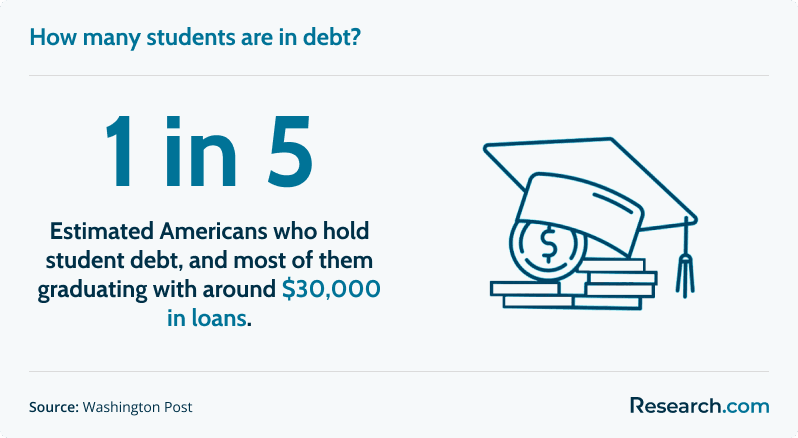
According to the Council on Foreign Relations, the total student debt in the U.S. is over $1.7 trillion, with most students graduating with around $30,000 in loans. The responsibility of paying interest during school and deferment can significantly affect the total loan cost. For borrowers, this means they need to plan how they will handle interest payments while still in school to avoid large amounts of accrued interest. This can lead to a better understanding of the financial burden and aid in planning future financial commitments.
The table below outlines the annual and aggregate borrowing limits for Direct Subsidized and Unsubsidized Loans.
Annual and Aggregate Loan Limits for Subsidized and Unsubsidized Loans
| Year | Dependent Students | Independent Students |
| First-Year Undergraduate Annual Limit | $5,500 (max $3,500 subsidized) | $9,500 (max $3,500 subsidized) |
| Second-Year Undergraduate Annual Limit | $6,500 (max $4,500 subsidized) | $10,500 (max $4,500 subsidized) |
| Third Year and Beyond Undergraduate Annual Limit | $7,500 (max $5,500 subsidized) | $12,500 (max $5,500 subsidized) |
| Graduate or Professional Student Annual Limit | Not Applicable | $20,500 (unsubsidized only) |
| Subsidized and Unsubsidized Aggregate Loan Limit | $31,000 (max $23,000 subsidized) | $57,500 for undergraduates (max $23,000 subsidized), $138,500 for graduate/professional (max $65,500 subsidized) |
Source: Federal Student Aid
How is interest calculated on private student loans?
Interest on private student loans is calculated using a daily interest formula. When interest on student loans starts, it accrues daily by multiplying the loan balance by the interest rate factor (the annual interest rate divided by 365) and then by the number of days since the last payment. This method means that interest can accumulate quickly, especially for higher-interest loans.
Here’s a sample computation:
- Loan balance: $10,000
- Annual interest rate: 6%
- Interest rate factor: 0.06 / 365 = 0.000164
- Days since last payment: 30
- Interest accrued: $10,000 * 0.000164 * 30 = $49.20
As the chart below shows, 7.2% of the outstanding student debt is from private loans, and less than 2% of these private loans entered default as of 2021 Q4, highlighting the importance of understanding interest calculations. For effective college planning, knowing how federal loans and private loan interests are calculated is essential to manage and minimize debt. Making early payments on interest can reduce the principal balance faster, potentially shortening the average time to pay off student loans.
What happens during the grace period of a student loan?
During the grace period of a student loan, borrowers are typically not required to make payments, allowing them time to transition from school to the workforce. For Direct Subsidized Loans, interest does not accrue during this period, providing a financial reprieve. However, when interest on student loans starts for Direct Unsubsidized and PLUS Loans, it continues to accrue during the grace period.
According to the Council on Foreign Relations, about one in five Americans holds student debt, with many facing challenges in repayment. Effective college planning should include strategies for handling the grace period, such as making interest payments to prevent capitalization. This strategy ensures that borrowers are not overwhelmed by high-interest costs when they start making payments, helping them manage their finances more effectively as they enter the workforce.
How does interest work during deferment and forbearance?
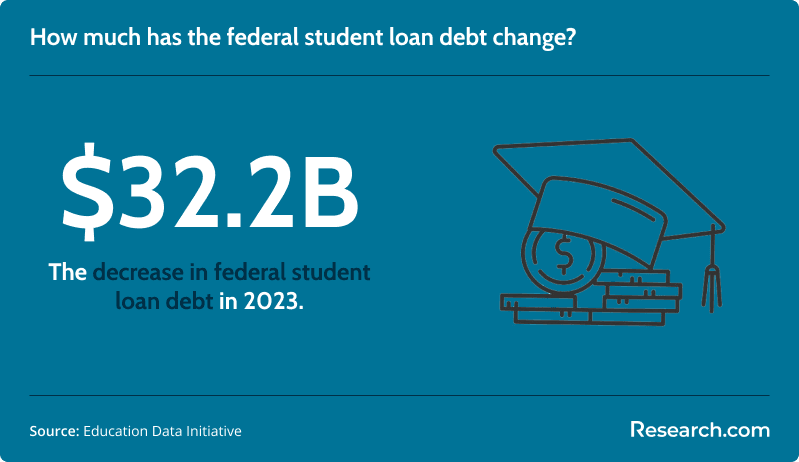
When interest on student loans starts during deferment and forbearance depends on the loan type. For Direct Subsidized Loans, the federal government covers the interest during deferment. However, for Direct Unsubsidized and PLUS Loans, interest accrues during both deferment and forbearance periods. This interest may capitalize if unpaid, increasing the principal balance and overall loan cost. The Education Data Initiative notes that federal loan debt increased by 267.1% from 2006 to 2023, underscoring the importance of managing interest accrual. However, there was a notable 2.09% decrease in national student loan debt in the fourth quarter of 2023, marking the first-ever annual decline.
Understanding the impact of interest during these periods is crucial for effective college planning. Borrowers can mitigate costs by making interest payments during deferment and forbearance, preventing capitalization. This practice can significantly reduce the total debt burden and help maintain a manageable repayment schedule, contributing to long-term financial stability.
In what situations can my federal student loan(s) be forgiven?
Federal student loans can be forgiven under specific programs such as
- Public Service Loan Forgiveness (PSLF) and
- Teacher Loan Forgiveness.
PSLF is available to borrowers working full-time in qualifying public service jobs who have made 120 qualifying payments. According to the Council on Foreign Relations, only 3.3% of PSLF applications have been approved since inception. Additionally, income-driven repayment plans may forgive remaining balances after 20-25 years of qualifying payments.
Effective college planning should include exploring these forgiveness options to potentially reduce long-term debt. Borrowers should be aware of the requirements and ensure they maintain eligibility throughout their repayment period. For those who qualify, loan forgiveness can dramatically decrease the financial strain and make higher education more accessible.
Can I pay off student loans early to avoid interest?
Yes, paying off student loans early can help avoid accruing additional interest. When interest on student loans starts, it begins accruing daily, adding to the total repayment amount over time. By making extra payments or paying off the loan early, borrowers can reduce the principal balance faster, thereby decreasing the amount of interest that accrues. According to the Education Data Initiative, the average federal student loan debt balance is $37,088, emphasizing the potential savings from early repayment.
Early payments can significantly shorten the average time to pay off student loans and reduce the overall interest paid. Borrowers should check with their loan servicer to ensure that extra payments are applied to the principal balance, maximizing the financial benefits and minimizing long-term debt.
What does interest capitalization mean in student loans?
Interest capitalization in student loans occurs when unpaid interest is added to the principal balance, increasing the total amount owed. This typically happens after periods of deferment or forbearance for unsubsidized loans. When interest on student loans starts, it accrues daily. If it remains unpaid, it capitalizes at the end of deferment or forbearance, causing borrowers to pay interest on a higher principal amount. This process can significantly increase the overall cost of the loan.
Borrowers can prevent capitalization by making interest payments during deferment and forbearance and reduce the total loan cost. This strategy helps maintain a manageable repayment schedule and reduces the financial burden over time.
How can I access student loan customer support?
For targeted assistance with your student loan details, contact your loan servicer directly. Inquiries regarding payment discrepancies, account adjustments, or specific interest accrual questions can benefit from expert guidance tailored to your situation. Ensure you have your account information ready to streamline the support process. For further assistance, refer to Aidvantage customer service number.
How do I stop my student loan interest from accruing?
To stop student loan interest from accruing, borrowers can make interest payments while still in school, during grace periods, and during deferment or forbearance. Enrolling in automatic payments might also qualify for interest rate reductions with some lenders. According to the Education Data Initiative, 55% of Americans support cancellation of up to $10,000 per borrower in federal student loans, reflecting the broader concern over interest accrual.
Understanding when interest on student loans starts and making proactive payments can prevent capitalization. This approach helps keep the principal balance lower and reduces the total repayment amount. Strategic financial planning during college can significantly impact the overall cost of loans and shorten the average time of paying off student loans, easing the financial burden on borrowers.
Is refinancing a viable strategy for reducing accrued interest?
Refinancing can consolidate multiple loans to secure a lower interest rate and more favorable repayment terms. Evaluate offers from established lenders while considering the trade-offs, such as changes in eligibility for federal forgiveness programs and differences between fixed and variable rates. In addition, some borrowers enhance their career prospects through online graduate certificate programs, which may indirectly support improved debt management. Assess refinancing against your long-term financial objectives and compare associated fees before proceeding.
Are there tax benefits to student loan interest?
Yes, there are tax benefits to student loan interest. Borrowers may deduct up to $2,500 of paid interest on federal and private student loans from their taxable income each year. This deduction is available even if the taxpayer does not itemize their deductions. Understanding when interest on student loans starts can help borrowers maximize this benefit. According to the Council on Foreign Relations, student debt has more than doubled over the last two decades, highlighting the importance of any available financial relief.
Take advantage of the student loan interest deduction to help ease the financial burden of repayment. Consulting with a tax professional can help ensure borrowers maximize this benefit. Utilizing this deduction can help manage the overall cost of student loans and potentially shorten the average time to pay off student loans by reducing the taxable income and financial pressure on borrowers.
Can non-traditional advanced degree paths reduce student loan burdens?
Exploring alternative academic routes can offer significant cost and time efficiencies. Some institutions now provide innovative programs—such as doctoral programs without dissertation—that emphasize applied research and practical experience over traditional dissertation requirements. These programs may shorten the time to completion, thus reducing overall educational expenses and subsequent reliance on student loans. Evaluating factors like accreditation, total program cost, and prospective income outcomes is essential to ensure that the chosen pathway aligns with long-term financial planning and career goals.
Can student loans cover other expenses beyond tuition?
Student loans can cover not only your tuition but also a broader range of educational expenses, including room and board, books, supplies, and transportation. However, many borrowers might not realize that student loans can also be used for necessary living expenses while they are enrolled in school. These costs might include rent, food, utilities, or even childcare, depending on your personal situation and the type of loan you’ve taken out.
When managing student loan funds, careful budgeting is crucial to ensure that the money is allocated responsibly and lasts throughout the academic term. Overspending or misusing these funds can lead to higher debt and increased financial strain after graduation. Planning wisely ensures you cover student loan living costs and other expenses.
How can I compare student loan offers to minimize overall interest costs?
Evaluating student loan offers requires a detailed comparison of factors beyond the nominal interest rate. Consider whether a loan uses fixed or variable rates, any associated fees or penalties, and terms related to interest capitalization. Assess additional features such as automatic payment discounts and repayment flexibility to ensure the offer aligns with your long-term financial objectives. Leverage trusted resources like lowest interest rate student loans to benchmark and select options that effectively reduce overall interest expenses.
Can affordable education options help reduce student loan interest?
Choosing institutions with lower tuition rates can directly lessen the principal amount borrowed, thereby reducing the overall interest that accrues over time. By minimizing the debt load, borrowers can also experience more flexibility in repayment plans and potentially qualify for additional financial aid. Evaluating cost-effective programs alongside career and earning outcomes is essential for long-term financial planning. For a detailed comparison of cost-effective options, explore lowest tuition online colleges.
What options are available for part-time students?
Part-time students often face unique challenges when it comes to financing their education, as they may not always qualify for the same loan amounts or types as full-time students. However, there are several tailored options to explore. Federal student loans remain a viable choice for part-time students, provided they meet the enrollment credit requirements set by their school. Additionally, many private lenders offer specialized loans aimed at accommodating the needs of part-time students, often including flexible repayment plans.
If you're considering private funding as a part-time student, it's crucial to compare lenders to find terms that align with your financial situation and academic goals. To aid in this process, you can explore the best part time student loans to determine which option best suits your needs. Leveraging these targeted loan opportunities can make it easier to access higher education while balancing other commitments such as work or family responsibilities.
Part-time students should also research state-based financial aid programs and institutional scholarships that may offer additional support. Combining these options not only diversifies the funding sources but also helps reduce reliance on loans, ultimately minimizing long-term debt. Planning thoughtfully and leveraging these resources can empower part-time students to achieve educational success with manageable financial commitments.
What are the benefits of pursuing an accelerated bachelor's degree for managing student loan costs?
Pursuing an accelerated bachelor's degree can curtail the total time spent in school, thereby reducing the period during which interest accrues on student loans. Graduates complete their studies sooner and re-enter the workforce more rapidly, which not only minimizes overall interest accumulation but can also improve cash flow for early loan repayment. Evaluating program structure, accreditation, and post-graduation earning potential is essential to ensure the program meets both academic and financial goals. For a detailed comparison of program options, consider reviewing options tailored to efficient degree completion, such as the accelerated bachelor's degree.
How do income-driven repayment plans address escalating student loan interest?
Income-driven repayment (IDR) plans can adjust monthly payments based on your income and family size, offering a manageable alternative to standard repayment schedules. These plans may lower your immediate payment obligations; however, they can also extend the repayment period, which in turn might result in a higher overall interest expense if not managed carefully. Evaluating the benefits and potential drawbacks of an IDR option is essential for comprehensive financial planning. In some cases, enhancing your skills and earning potential—for instance, by obtaining a quick online master's degree—can improve your repayment capability and reduce reliance on prolonged payment periods.
What should I know about changes in student loan servicers?
Recent shifts in student loan servicing can affect payment processing, communication protocols, and overall account management. Understanding which entity currently manages your loan is essential for timely notifications and efficient conflict resolution. For example, key details about servicing transitions, including changes in fee structures and repayment administration, can be found in the article who took over Navient School Loans. Staying informed about these shifts helps ensure you receive accurate support and maintain smooth repayment operations without unexpected disruptions.
How does my credit score affect student loan interest rates?
A strong credit profile is critical for private loan eligibility and refinancing options. Lenders assess your credit score to determine risk, which in turn influences the interest rate offered on new or refinanced loans. By actively managing your credit—such as regularly monitoring your credit report and addressing inaccuracies—you can secure lower borrowing costs and improve loan terms. Furthermore, pursuing higher education, such as the easiest online masters degree, may enhance your earning potential and overall creditworthiness, contributing to more favorable loan conditions and reduced long-term interest expenses.
Key Findings
- As of September 2023, 43 million U.S. borrowers collectively owed more than $1.6 trillion in federal student loans, with total student debt, including private loans, exceeding $1.7 trillion (Council on Foreign Relations).
- Student loan debt is now larger than auto loans and credit card debt, with only home mortgage debt being larger, surpassing $12 trillion (Council on Foreign Relations).
- The average federal student loan debt balance is $37,088, while the average total balance, including private loans, is $39,981 (Education Data Initiative).
- Student debt has more than doubled over the last two decades, with the balance per borrower increasing by 39% from 2008 to 2022 (Council on Foreign Relations).
- By 2022, almost two-thirds of recent high school graduates were enrolled in college, with most taking out student loans, compared to less than half in the late 1980s and early 1990s (Council on Foreign Relations).
References:
- CFR.org Editors. (2024, April 16). Is rising student debt harming the U.S. economy? Council on Foreign Relations.
- Federal Student Aid. (n.d.-e). Repaying Student Loans for the First Time.
- Federal Student Aid. (n.d.-d). What is interest capitalization on a student loan?
- Federal Student Aid. (n.d.-c). When does interest accrue on my Direct Loan, and will it ever be added to my principal balance?
- Fowers, A., & Douglas-Gabriel, D. (2024, January 19). Who has student loan debt in America? Washington Post.
- Hanson, M. (2024b, March 3). Student Loan Debt Statistics [2024]: Average + total debt. Education Data Initiative.
- Learn about interest and capitalization. (n.d.). Sallie Mae.
Other Things You Should Know About When Interest on Student Loans Start
Interest on new federal student loans typically begins accruing from the date of disbursement in 2027, except for subsidized loans, where the government pays the interest while the borrower is in school at least half-time.
Interest on student loans accrues daily. This means every day, a small amount of interest is added to your loan balance based on the current principal. The daily interest amount is calculated by taking the annual interest rate, dividing it by 365 (the number of days in a year), and then multiplying it by the loan balance.
This daily accrual can add up quickly, especially if you have a large loan balance or a high interest rate. Understanding this daily interest calculation is essential because it highlights the importance of making regular, on-time payments. Even small, additional payments can help reduce the principal faster and minimize the amount of interest that accrues over time.
Yes, your student loans will start accruing interest again after any period of deferment or forbearance ends. During these periods, you might not have to make payments, but for most loan types, interest continues to accumulate. This accumulated interest can be added to your principal balance (a process known as capitalization), increasing the total amount you owe.
Once regular payments resume, you'll be responsible for paying the accrued interest first, which can extend the time it takes to pay off your loan. To avoid the extra cost, consider making interest-only payments during deferment or forbearance if possible. This can help keep your loan balance from growing and save you money in the long run.
To avoid accruing interest on student loans in 2027, borrowers can make payments while still in school or during the grace period. Enrolling in an interest-free deferment program or refinancing with a lower interest rate may also help reduce or eliminate interest costs. --- **Question** When does interest start accruing on federal student loans in 2027? **Answer** Interest on federal student loans typically begins accruing as soon as the loan funds are disbursed. For subsidized loans, interest starts accruing after the grace period post-graduation, while for unsubsidized loans, it accrues immediately upon disbursement in 2027. --- **Question** How often is interest on student loans? **Answer** Interest on federal student loans is calculated daily based on the loan's principal balance and applied monthly. This ensures that the interest accumulates consistently throughout the loan period, compounding until repayments are made. --- **Question** Will my student loans start accruing interest again? **Answer** Yes, student loans will start accruing interest again after any deferment or forbearance period ends, or if they had been paused temporarily under government programs. It's essential for borrowers to be aware of when these periods conclude so they can plan their finances accordingly.